We started the day in Vigo, making our way through several quaint villages enroute to Santiago.
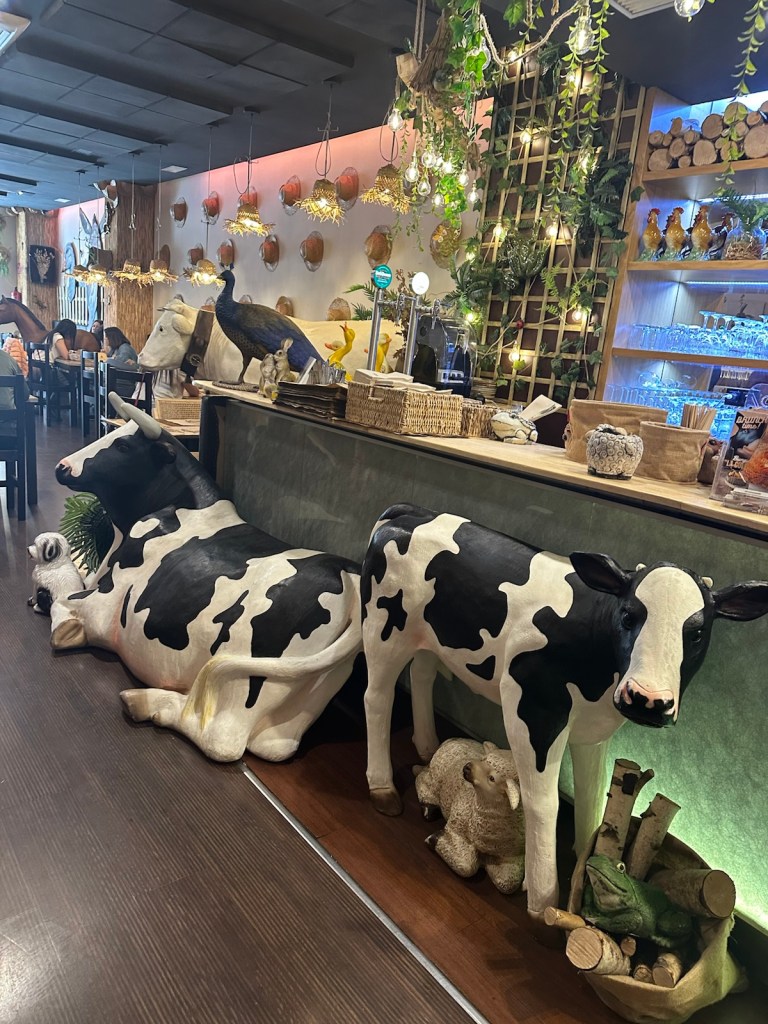
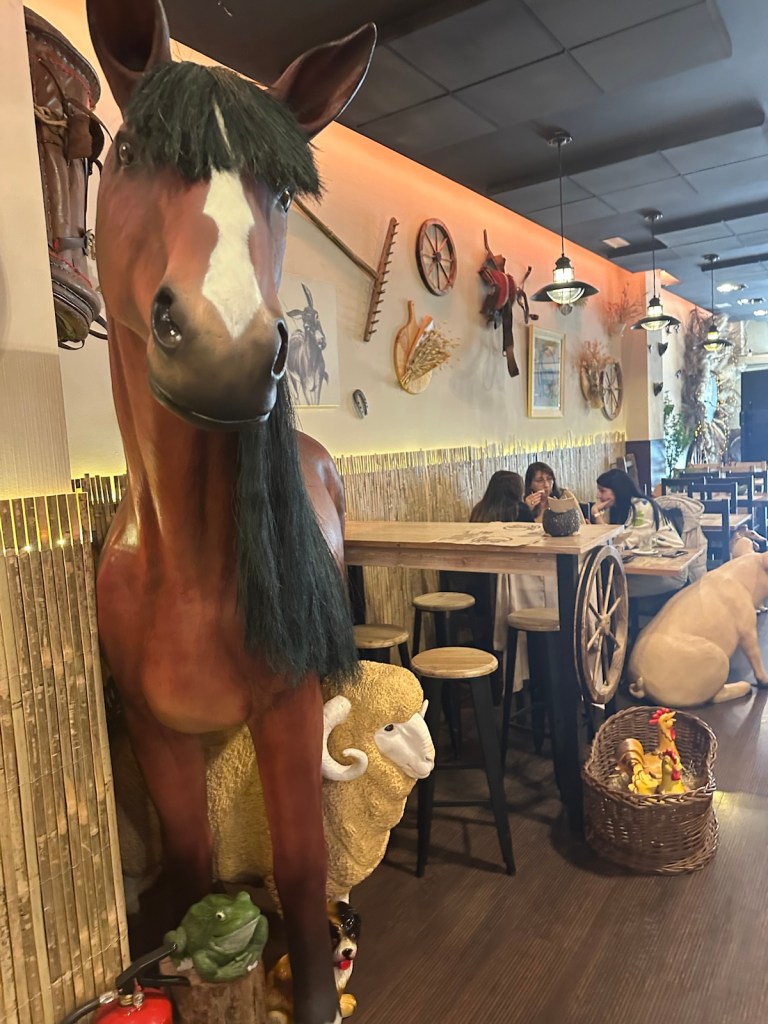
VIGO: We were looking for a breakfast spot and stumbled into what can only be described as an animal farm-themed fever dream call La Cuca. I’m not sure why any restaurateur would sacrifice so much seating to larger-than-life farm animals, but the sheer commitment to the theme was both baffling and hilarious. The over-the-top decor felt more like a whimsical art installation than a brunch café — an unforgettable and thoroughly amusing detour from the usual breakfast routine.

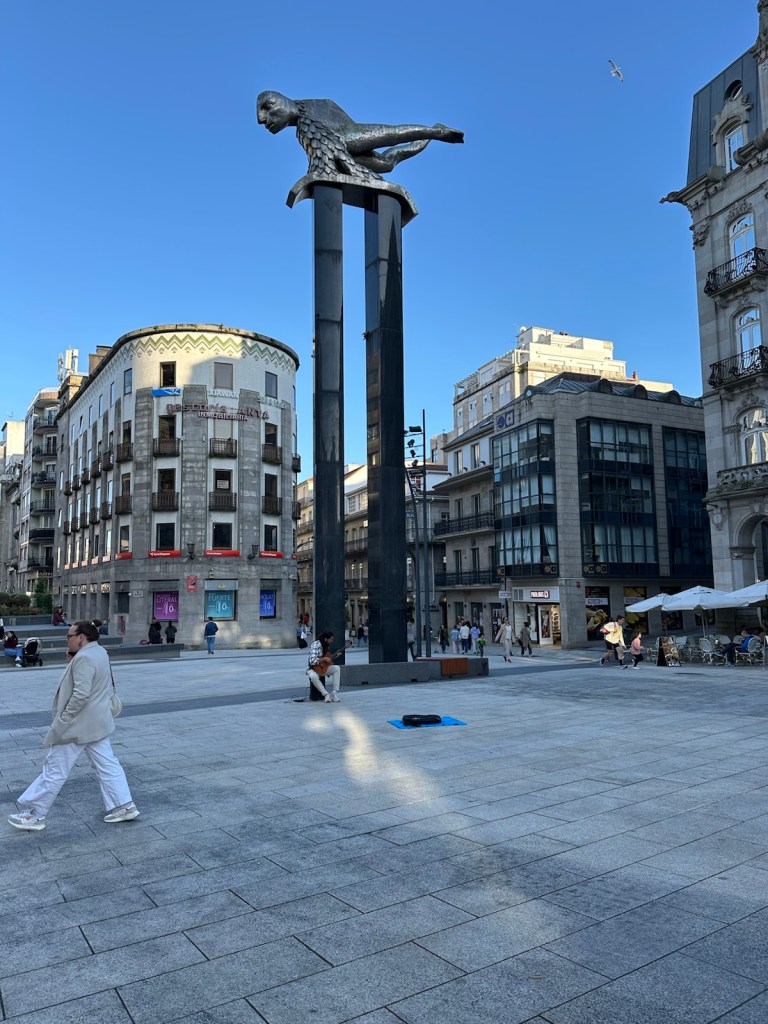
One of the city’s most iconic and surreal pieces of public art is the El Sireno. It’s located in the heart of the city at Puerta del Sol, one of Vigo’s central plazas.
It’s a striking modernist figure of a humanoid form with the upper body of a man and the lower body of a fish or bird, suspended in midair between two tall pillars.
The sculpture is often interpreted as a symbol of Vigo’s identity — tied deeply to the sea, fishing, transformation and modernity. The hybrid figure represents the connection between human life and the ocean, a key part of Vigo’s history and economy.
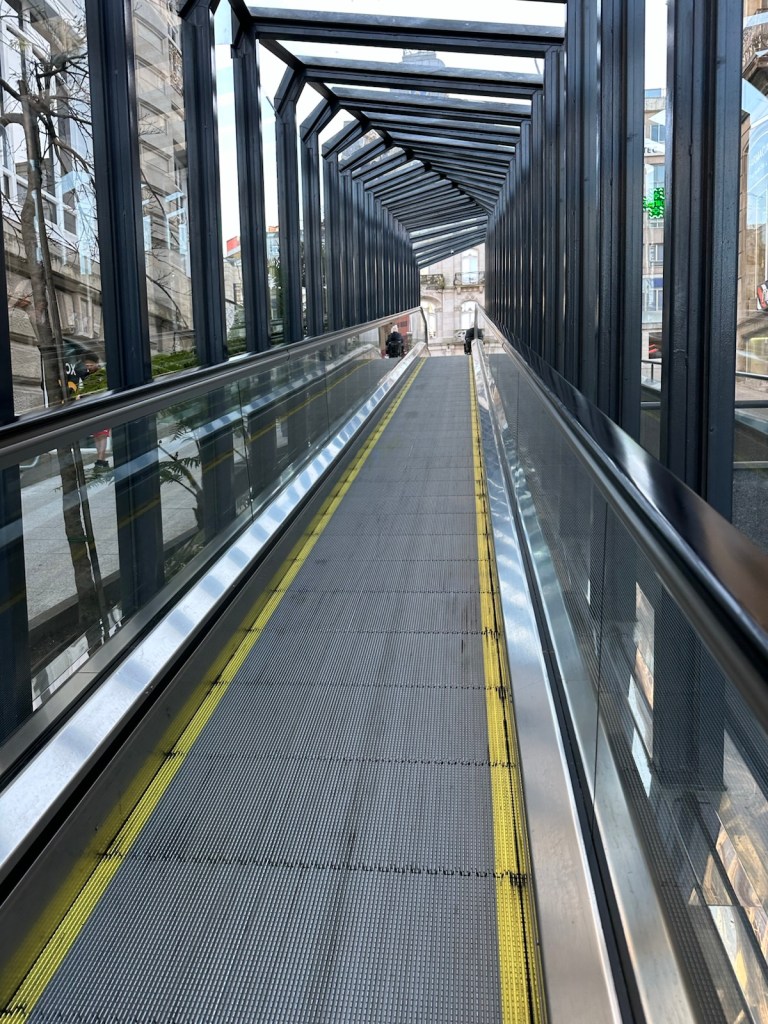
The Vigo Vertical initiative has integrated outdoor escalators, elevators, and moving walkways to enhance urban mobility and accessibility.
The Gran Via area boasts eight outdoor moving walkways, installed between 2020-2022, facilitating pedestrian movement along this major thoroughfare. These walkways are sheltered by colorful, translucent canopies and are complemented by greenery and seating area, enhancing both functionality and aesthetic appeal.

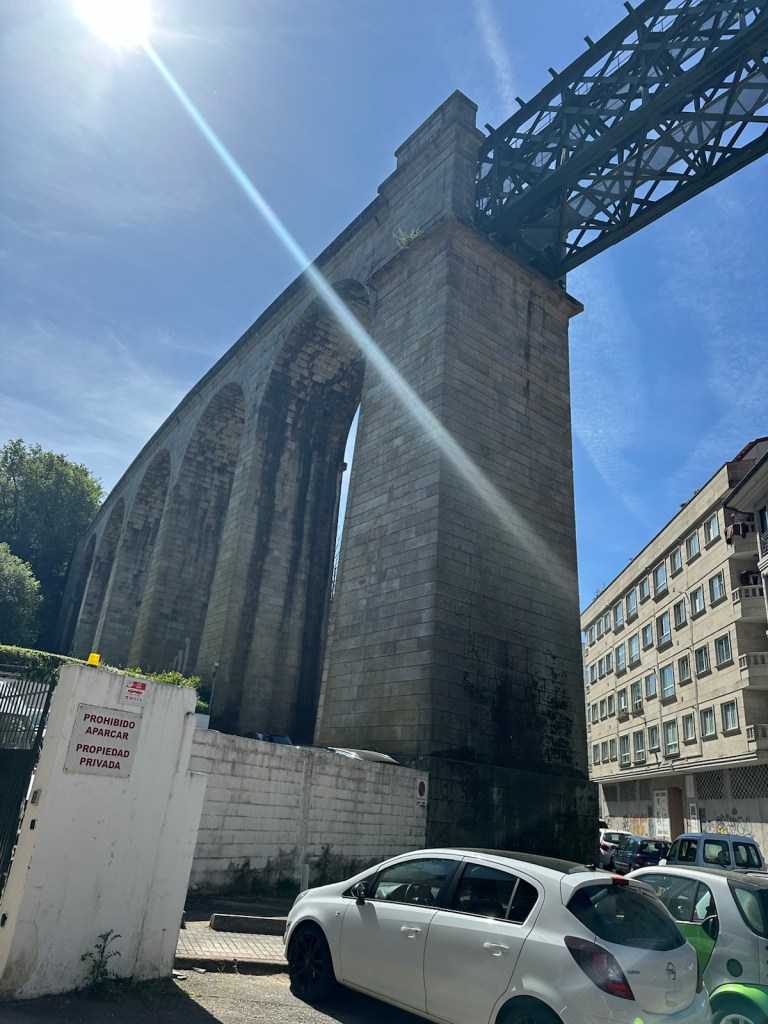
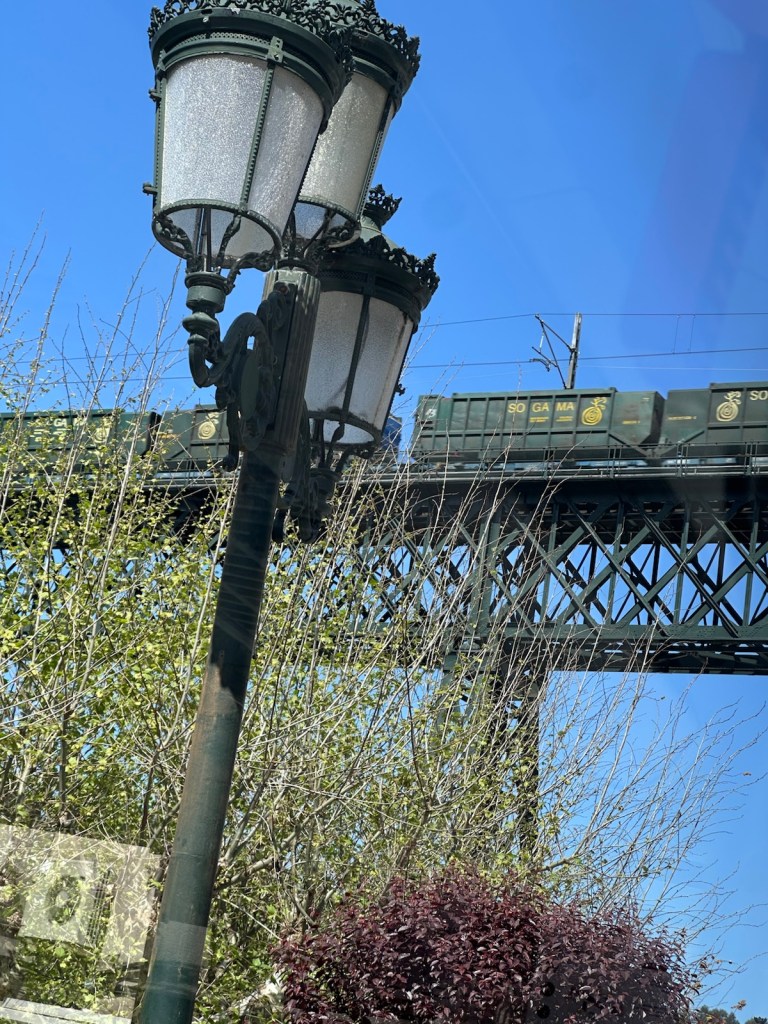
REDONDELE, known as the “Village of Viaducts,” features two prominent 19th century railway bridges that are emblematic of its landscape.
Viaducto de Madrid is the older of the two structures and features a combination of wrought iron latticework and traditional stone masonry pillars — a cutting-edge design for its time. It was inaugurated in 1876 and the Madrid in 1884.

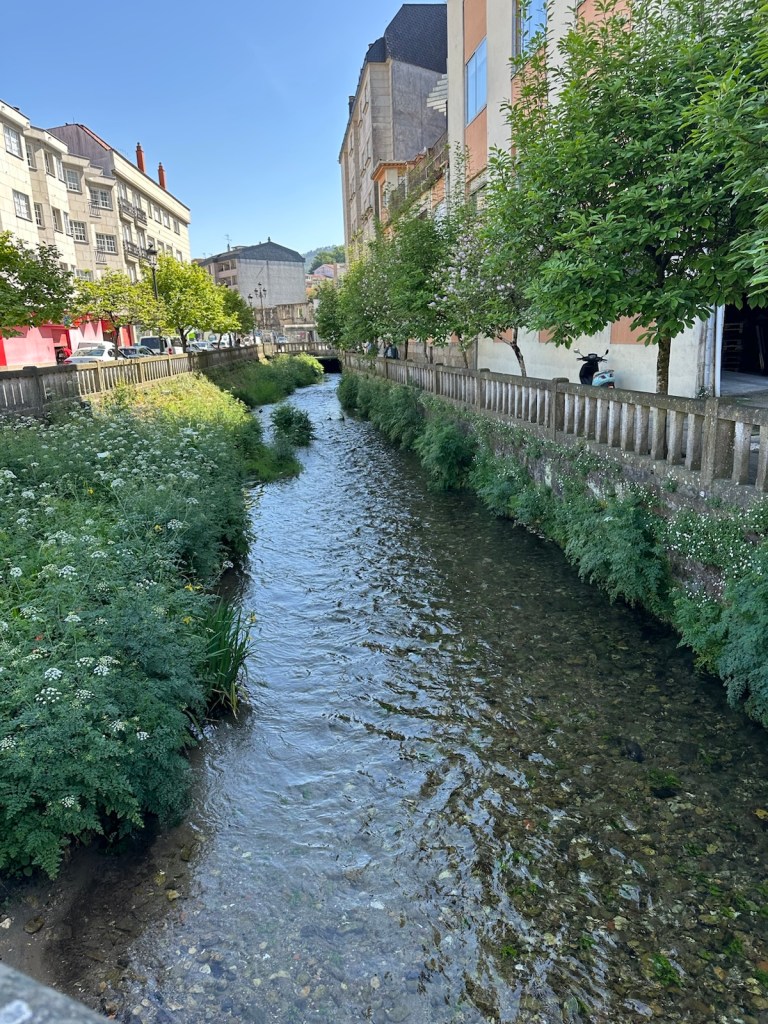
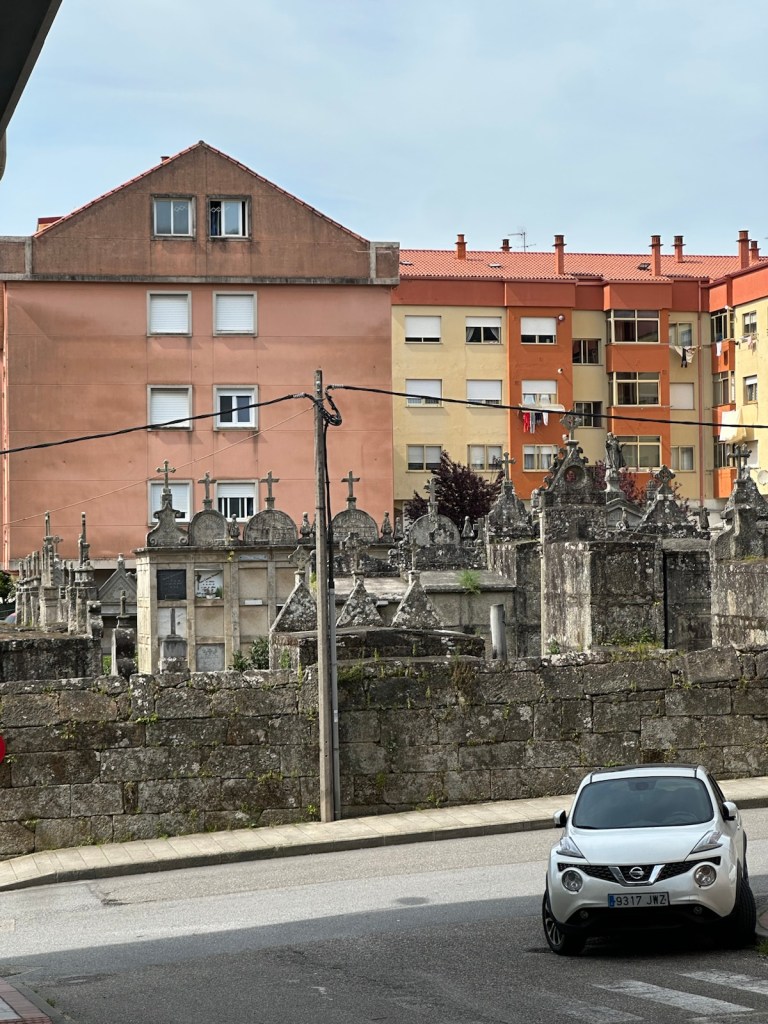
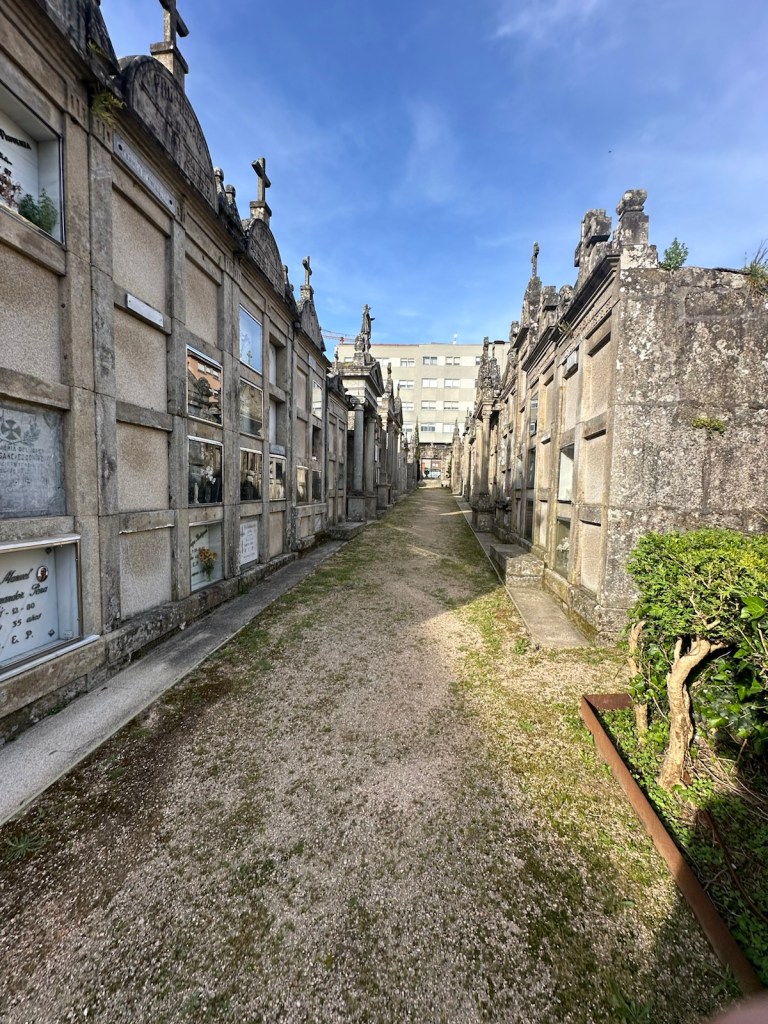
In the heart of Redondela lies historic Os Edison Cemetery, a serene and architecturally significant site nestled within a residential area. Established in 1833 on the grounds of former hospital for the poor and pilgrims, the cemetery was developed by the Redondela City Council to serve the local community.
Os Eidos is renowned for its elegant stone mausoleums, intricate ironwork, and orderly rows of niches, reflecting 19th-century funerary art and Galician cultural heritage. Its tranquil ambiance and historical significance have earned it recognition.

PONTEVEDRA is a historic city and capital of the province of the same name. It’s known for its beautifully preserved old town, pedestrian-friendly streets, and vibrant cultural life.
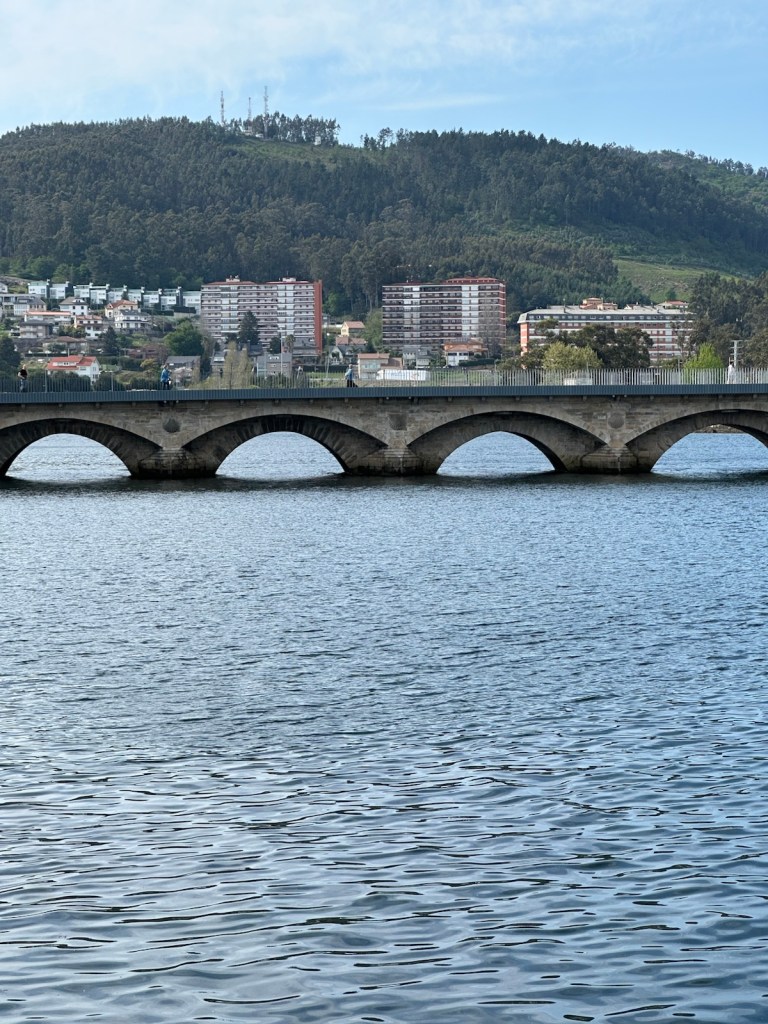
The Ponte do Burgo is a historic stone arch pedestrian bridge located near the city’s fish market. It connects the historic center with the O Burgo neighborhood. It’s a pedestrian bridge and a significant landmark in Pontevedra.
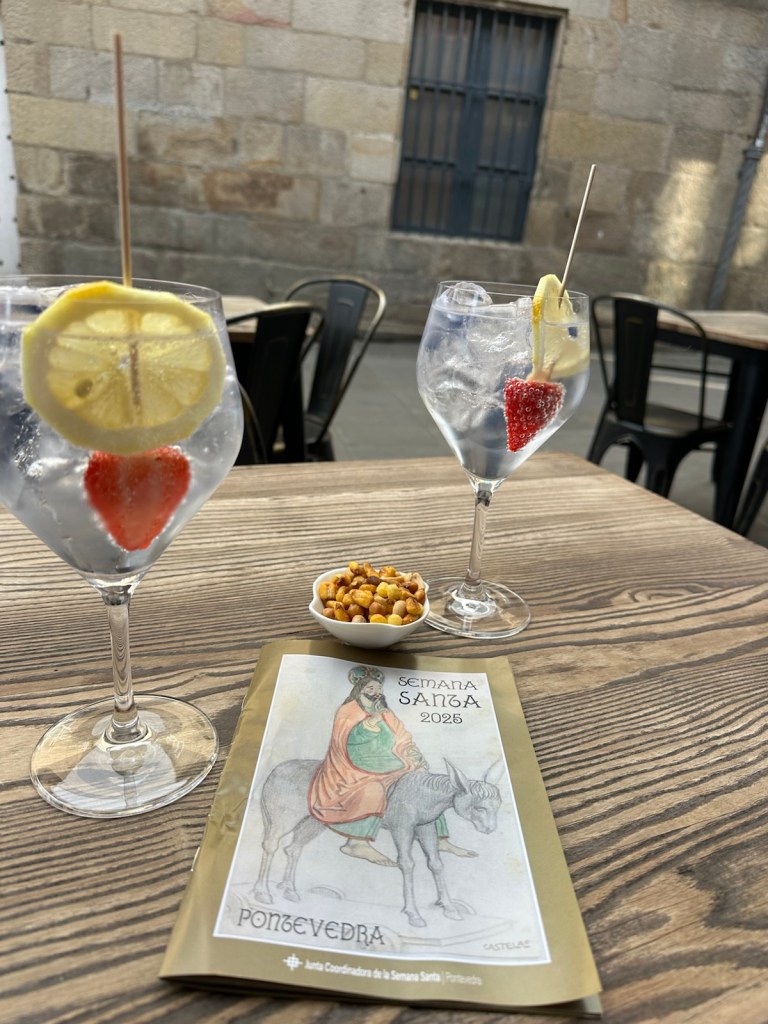
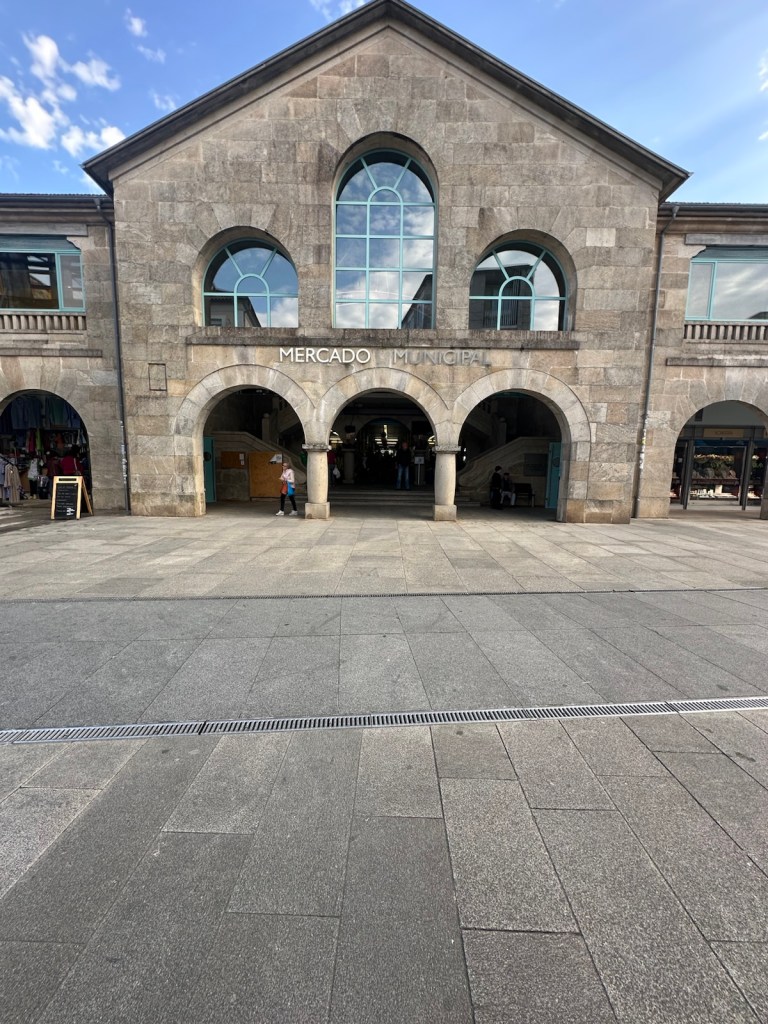
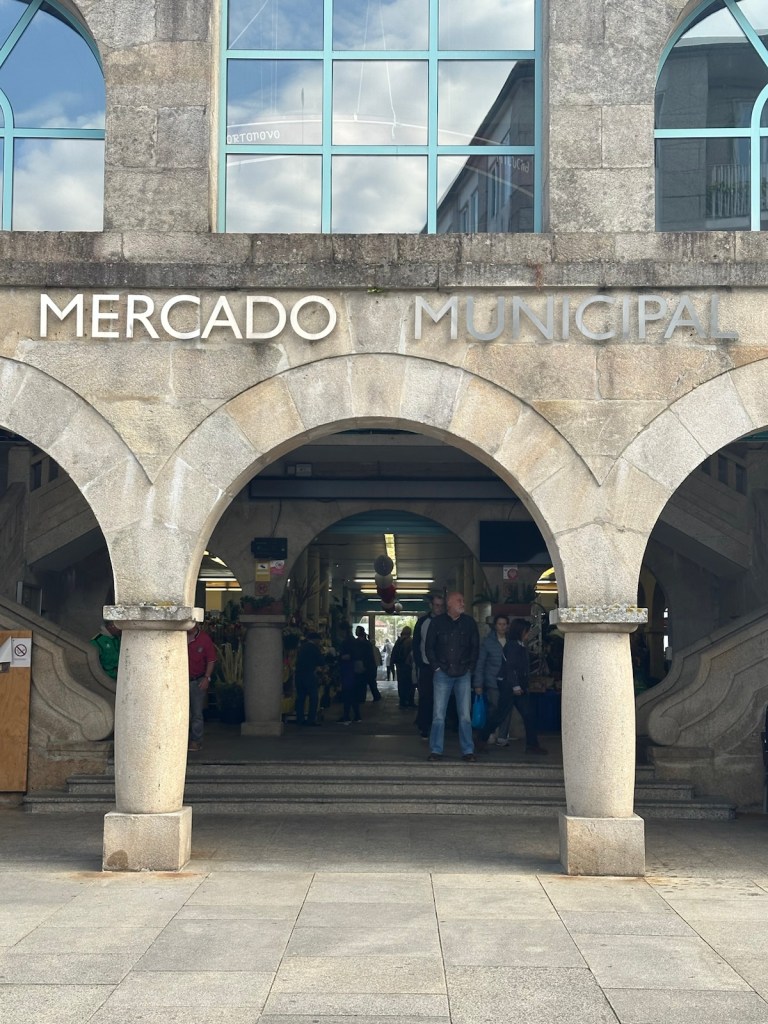
The Fish Market (Mercado de Abastos) is a vibrant and historic market that has been a cornerstone of the city’s culinary and cultural life since 1948. Situated near the historic center and overlooking the Lérez River, the market is housed in a traditional Galician granite building featuring arches and arcades.
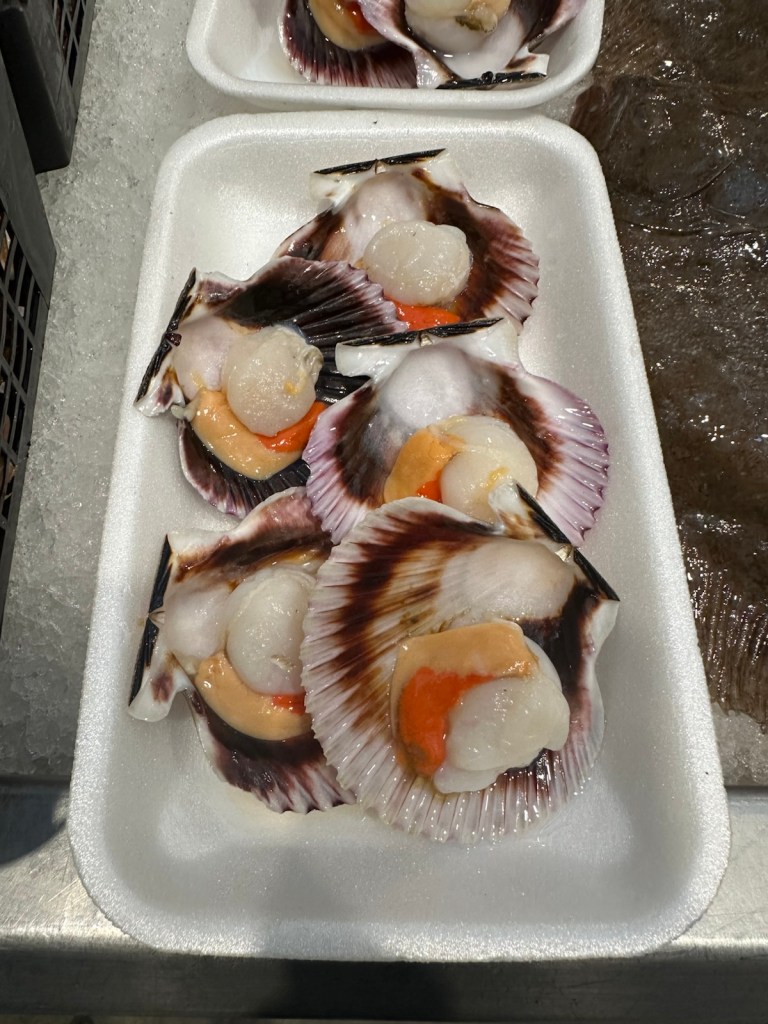
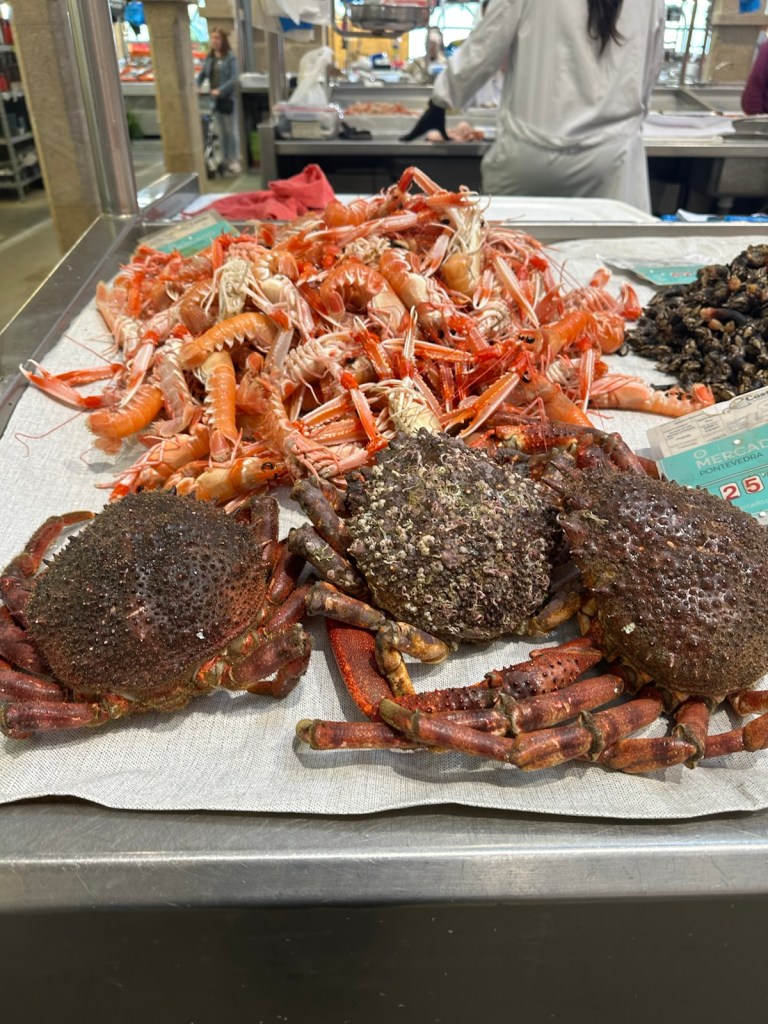
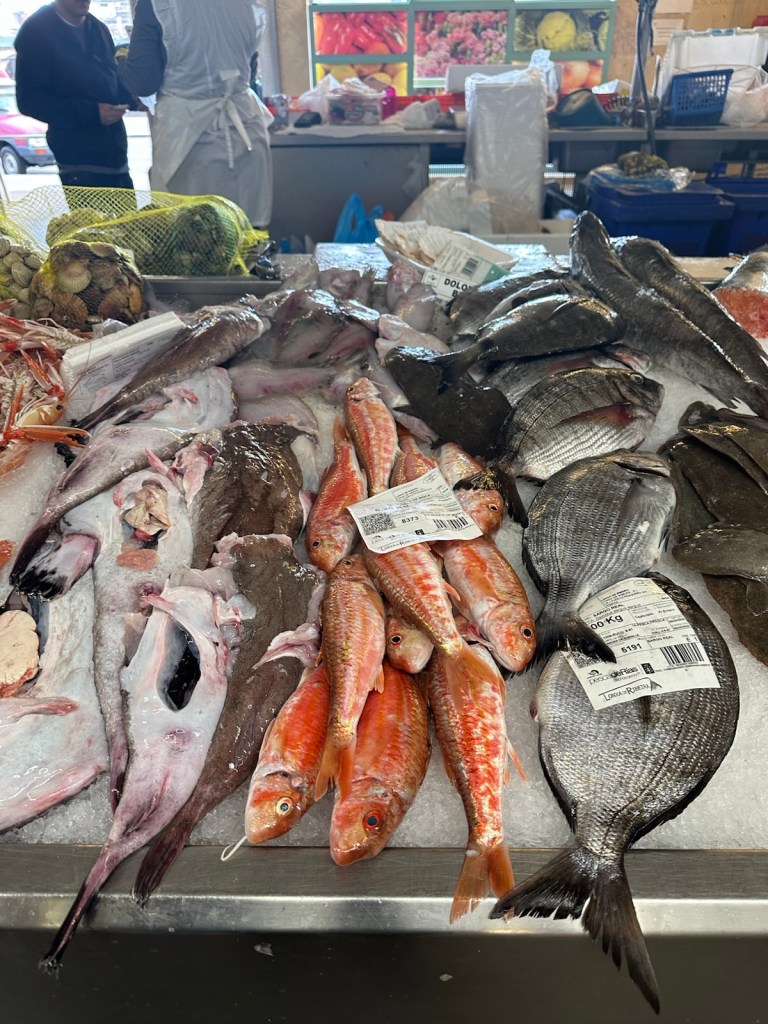
The period leading up to Palm Sunday is marked by the traditional sale of intricately woven palm fronds near the fish market. Artisans craft these palms into various shapes, such as crosses and other decorative forms, reflecting a blend of religious symbolism and local craftsmanship.
These woven palms are an integral part of the Palm Sunday celebrations, where they are carried in processions and blessed during church services.
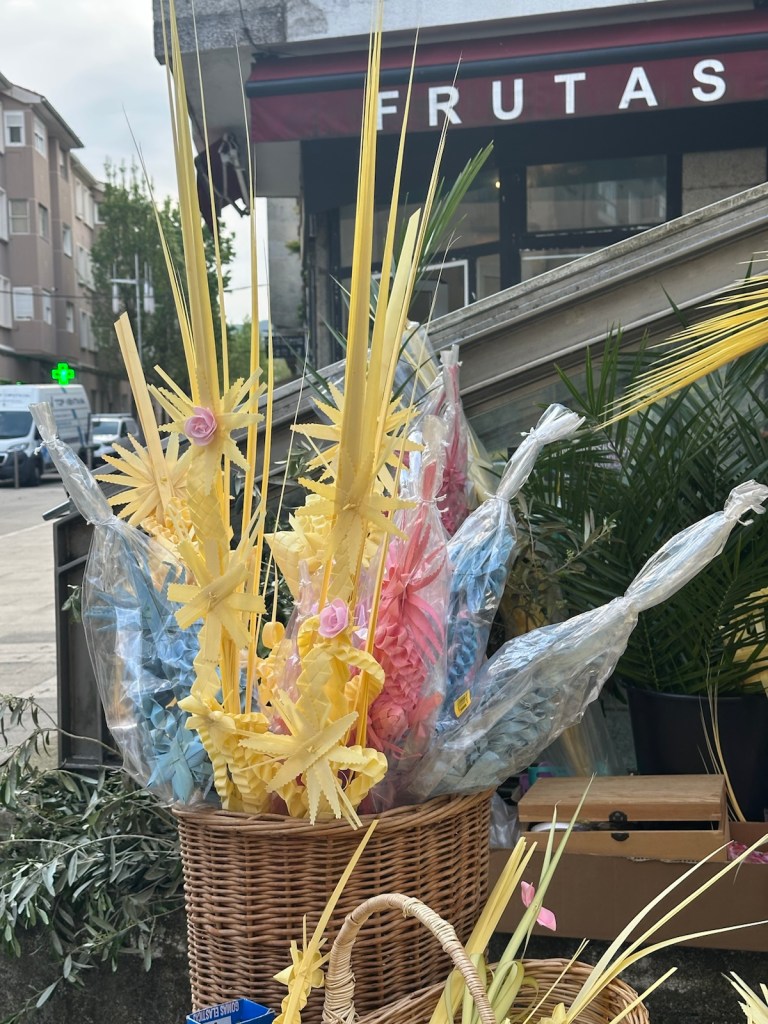

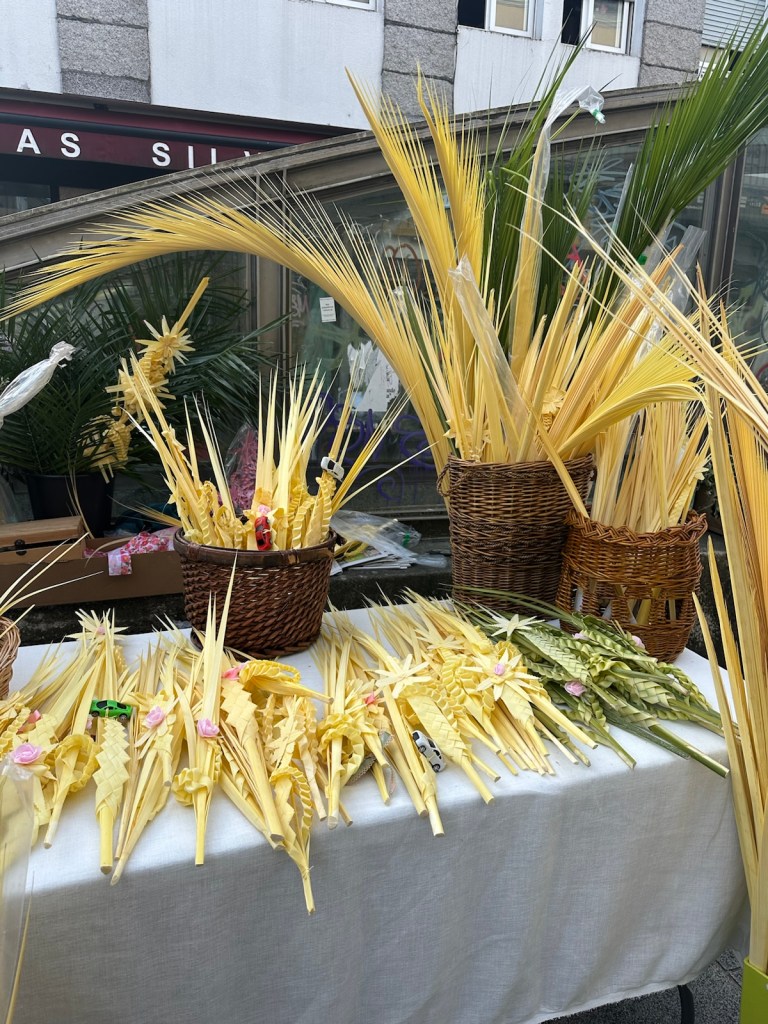
The fish market area becomes especially lively during this time, with vendors displaying their handcrafted palms alongside the usual array of fresh seafood and produce. This convergence of daily commerce and festive preparation offers visitors a unique glimpse into the local customs and communal spirit of Pontevedra during the Easter season.
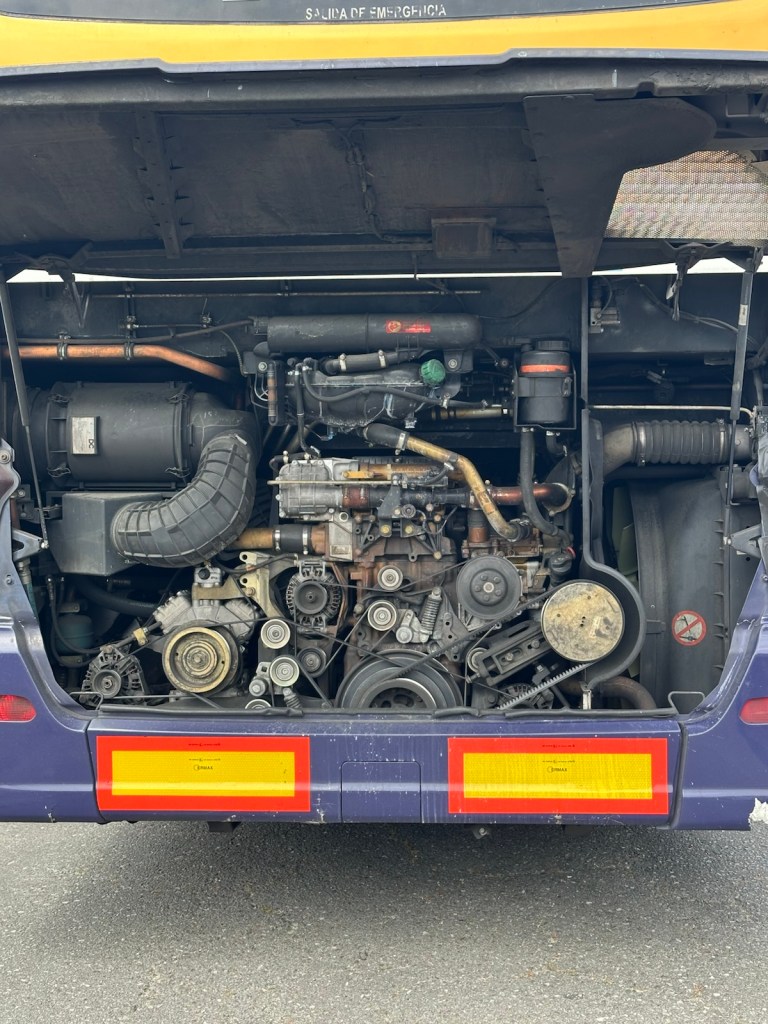
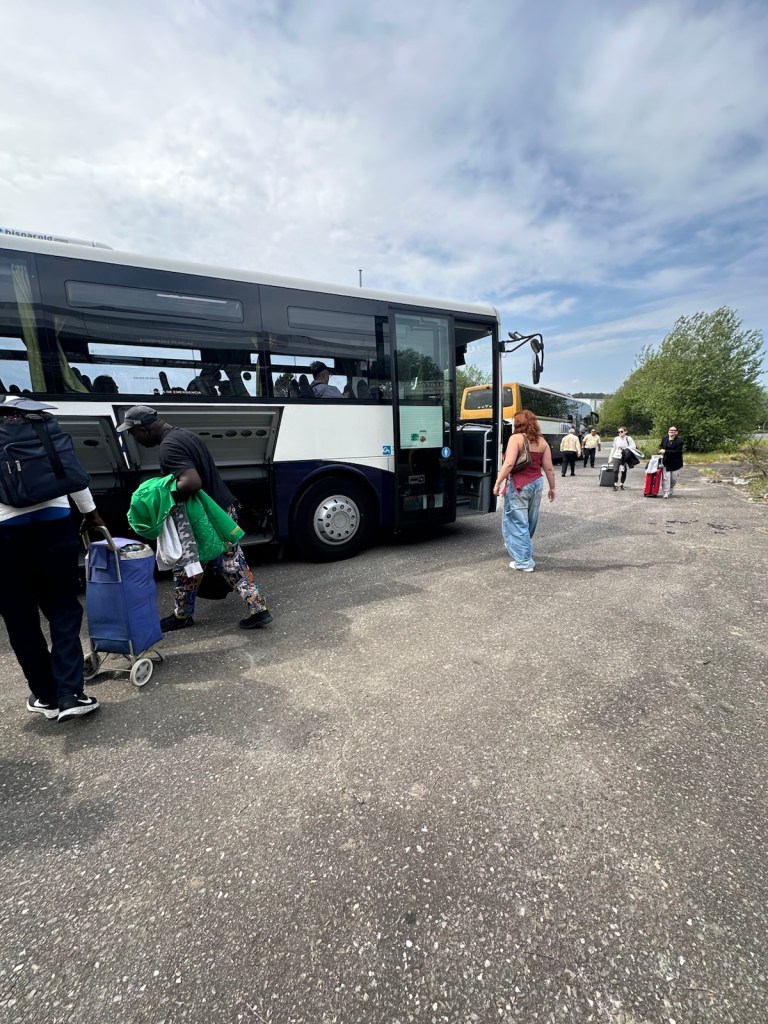
A funny thing happened on the way to Caldas de Reis — our bus broke down. Without much Spanish, we had to play detective to figure out what was going on.
Some passengers called taxis or friends, while most of us just hung tight, waiting for the rescue bus. Eventually, it rolled in, and just like that, things were back on track.

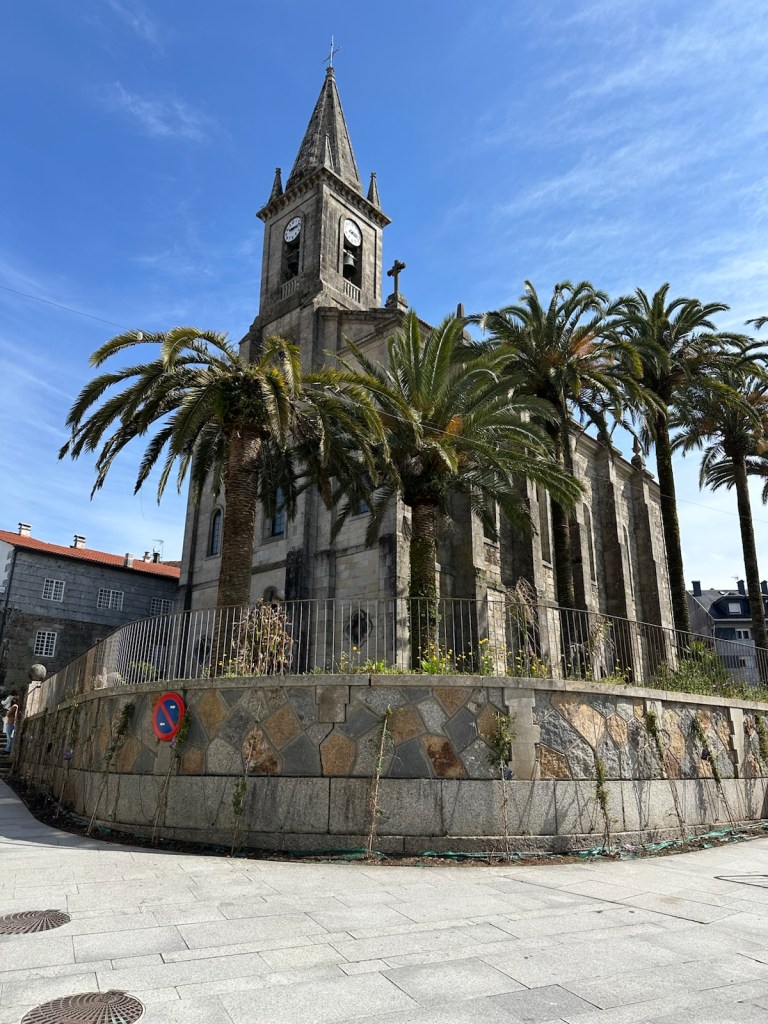
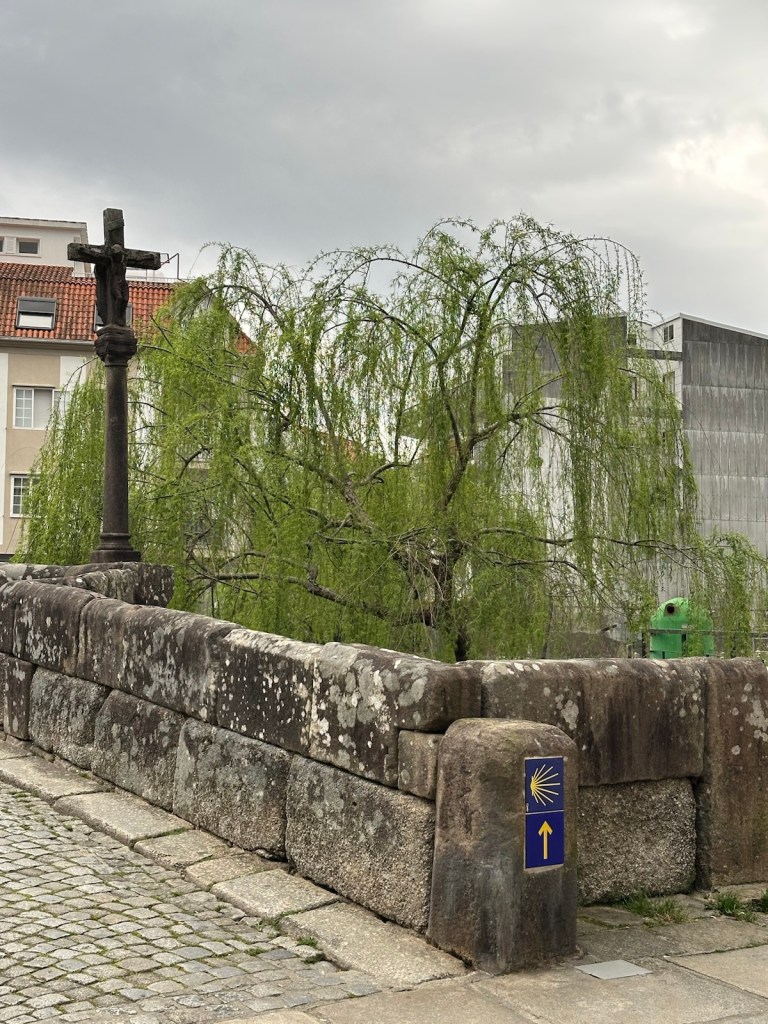
CALDAS DE REIS renowned for its thermal springs, historical significance, and role as a key stop on the Portuguese Way of the Camino de Santiago. Many travelers take advantage of the town’s thermal waters to rest and rejuvenate before continuing their pilgrimage.
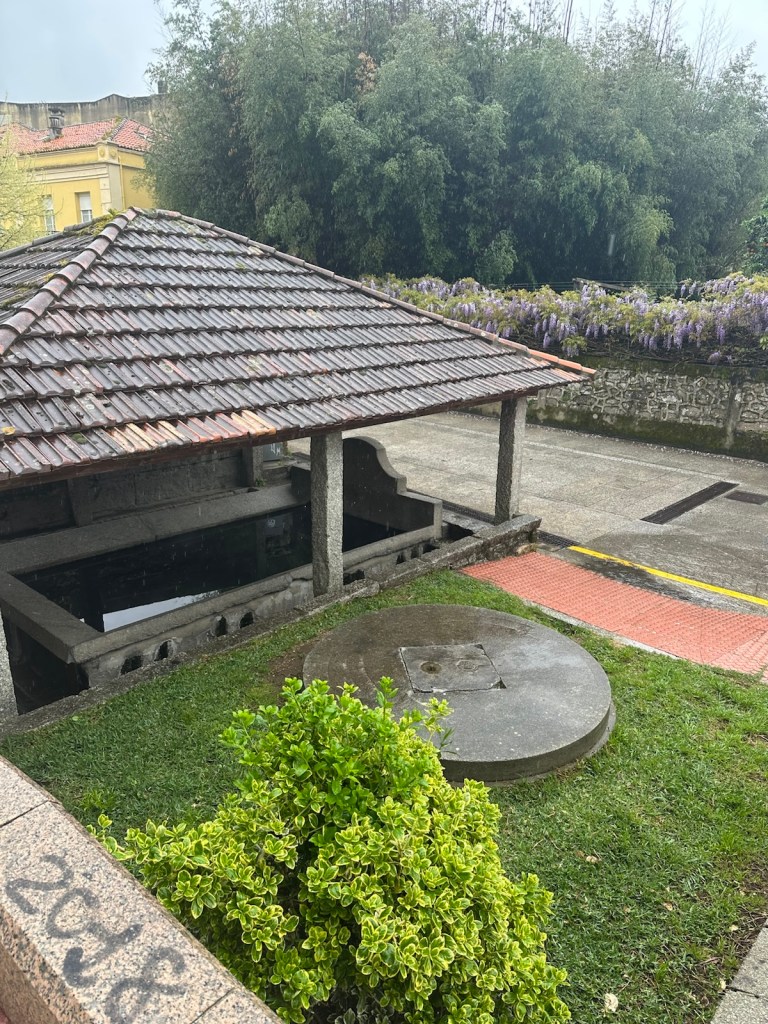
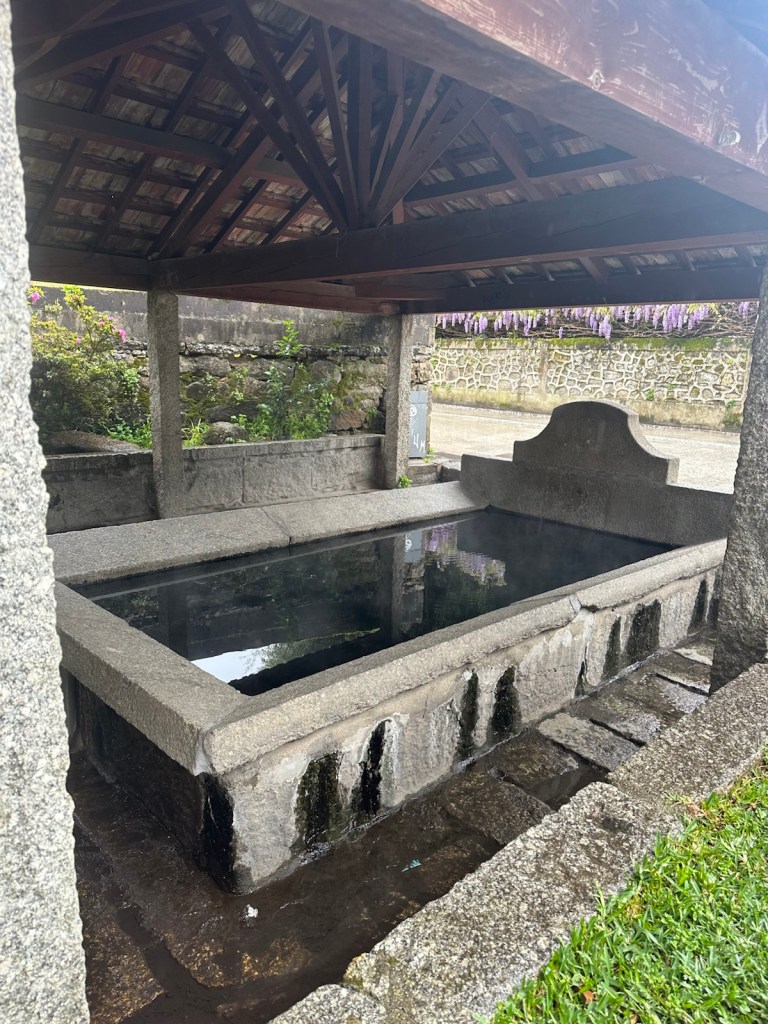
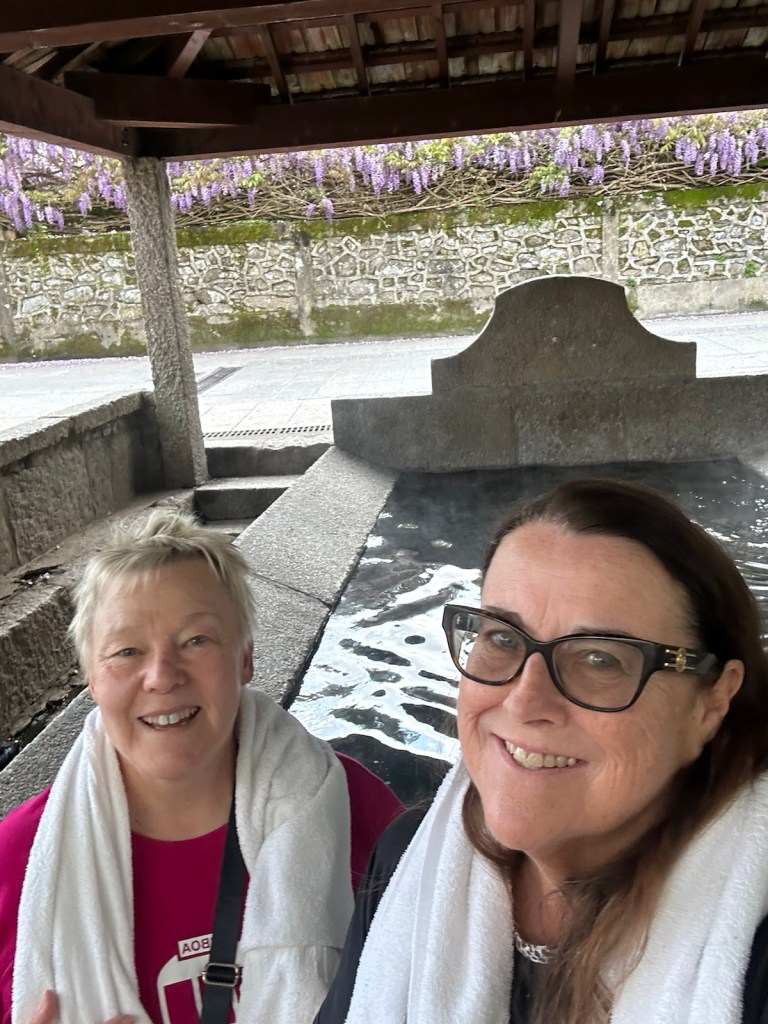
The town’s name translates to “Hot Waters of the Kings,” reflecting its long-standing reputation for therapeutic hot springs. Mineral-rich waters emerge at temperatures between 107°C and 118°C. These waters are high in elements like sulphur, lithium, and fluoride, believed to offer various health benefits.
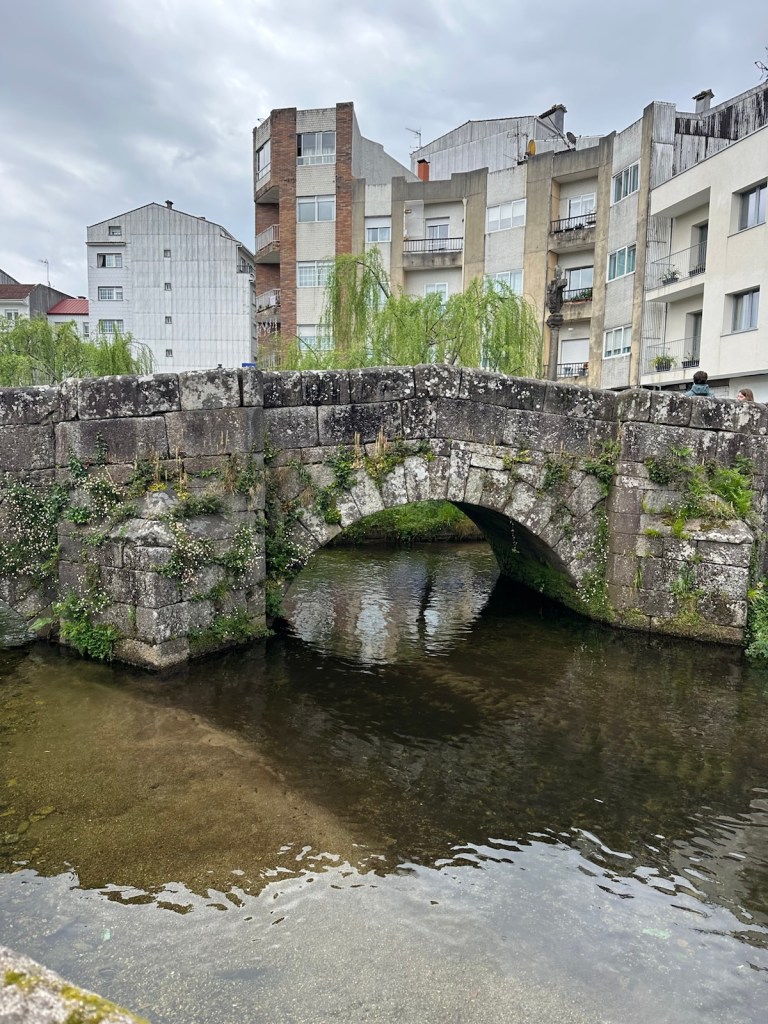
The Roman Bridge is a historic stone bridge that spans the Bermaña River in the heart of this Galician town. Believed to have Roman origins, the bridge has undergone various reconstructions over the centuries, preserving its ancient character.
Next stop: Padrón — home of one of my favorite tapas, the irresistible Padrón peppers. To top it off, two visitors from home are joining us on the journey. Stay tuned!
 Jane in Spain