Our first stop was the Mercado de Nuestra Señora de África which offers a rich and authentic glimpse into the heart of Tenerife which is affectionately known as La Recova.
La Recova comes from the old Spanish word “recova,” which originally referred to a marketplace where poultry and farm products were sold.
When the market was officially opened in 1944, it was dedicated to Our Lady of Africa (Nuestra Señora de África), who is the patroness of Ceuta, a Spanish enclave on the African continent. Naming it after her symbolized a cultural and spiritual connection between the Canary Islands and Africa.
So, the “African Market” name is partly religious, partly geographic and very much tied to Santa Cruz’s history as a crossroads of cultures.
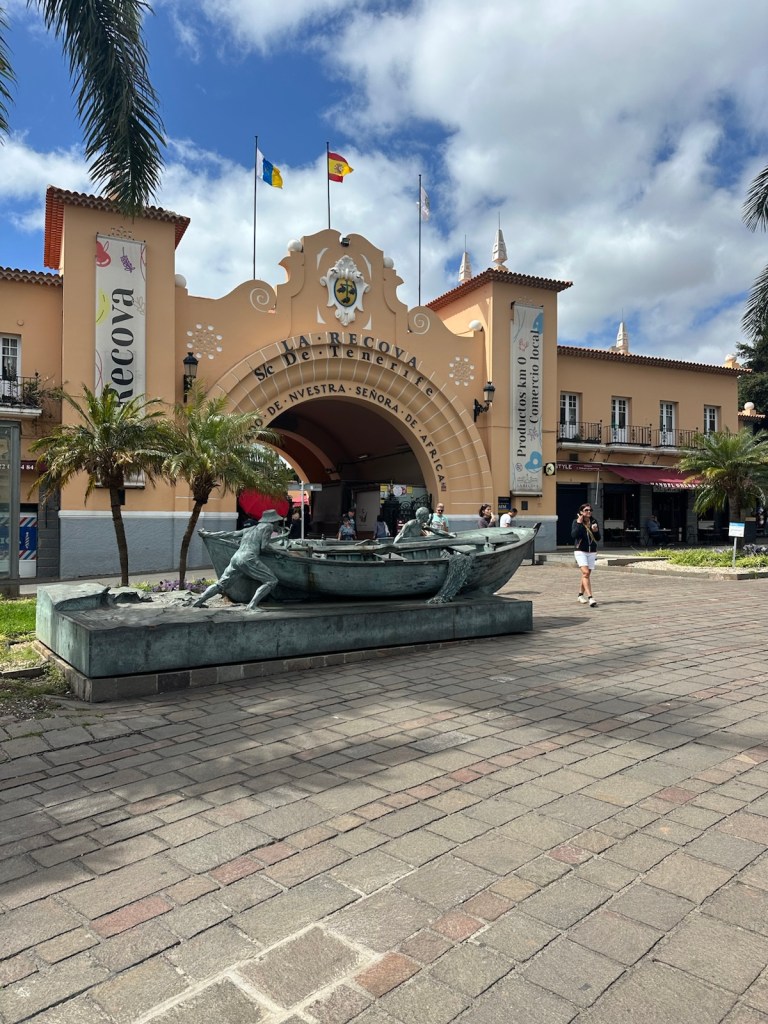
The boat sculpture in front of La Recova is a striking bronze artwork titled Tribute to the Chicharrero. This life-sized piece depicts two fishermen dragging a traditional fishing boat, symbolizing the hard work and resilience of the local people, affectionately known as chicharreros .
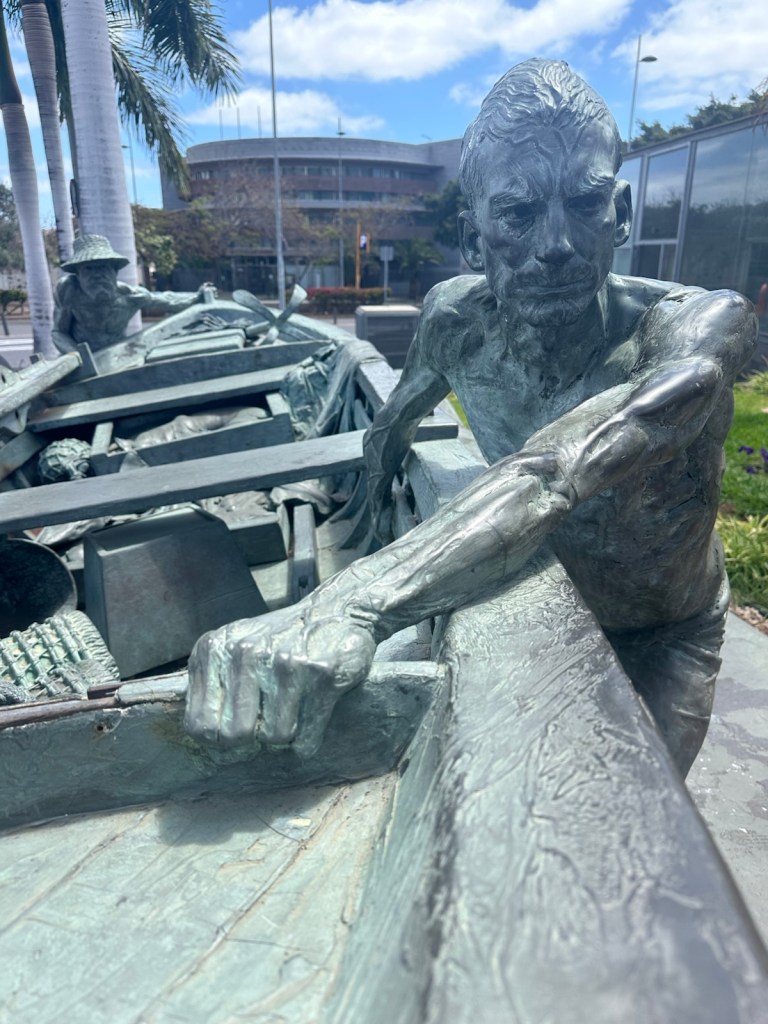
The sculpture serves as a powerful reminder of Santa Cruz’s maritime heritage and the vital role of fishing in the city’s history.
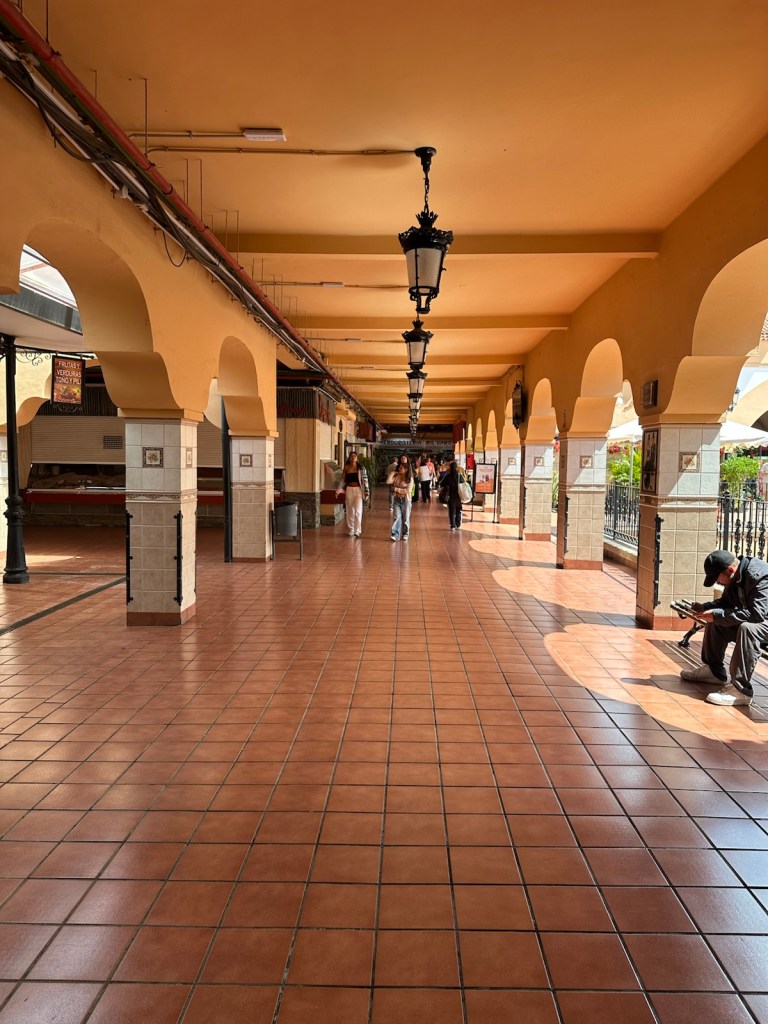
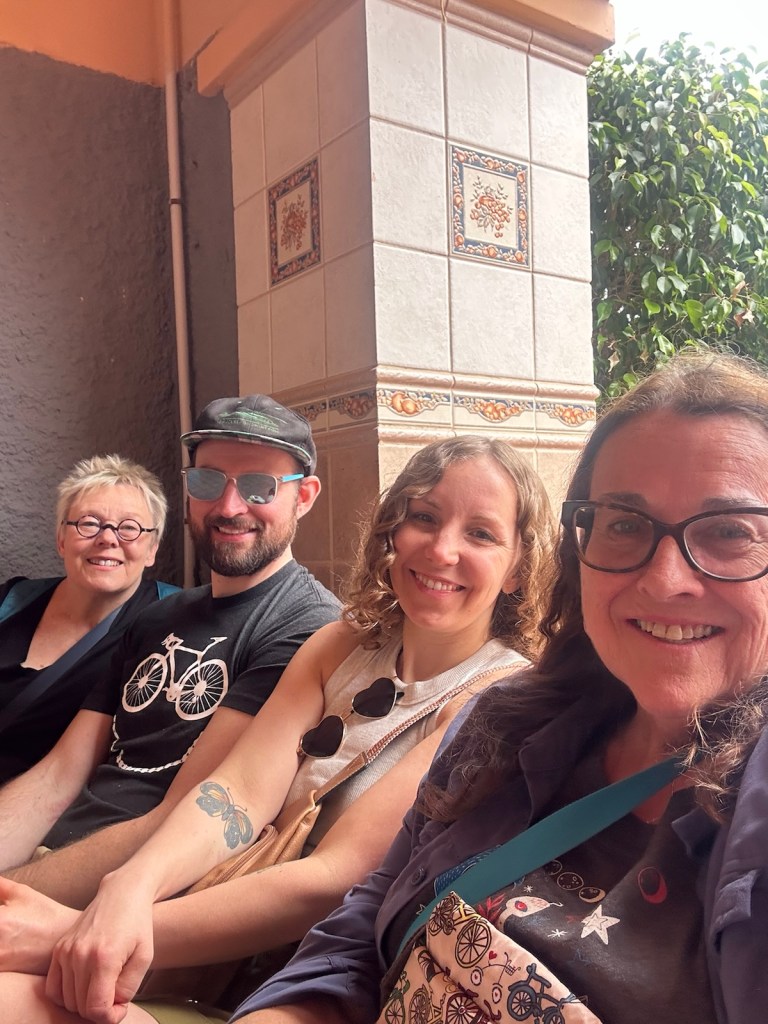
The market offers a colorful variety of seasonal fruits and vegetables from local farms, along with an abundant selection of fresh fish, seafood, and meats. You’ll also find artisanal cheeses, freshly baked breads and pastries, and traditional Canarian specialties, including mojo sauces, local wines and spices.
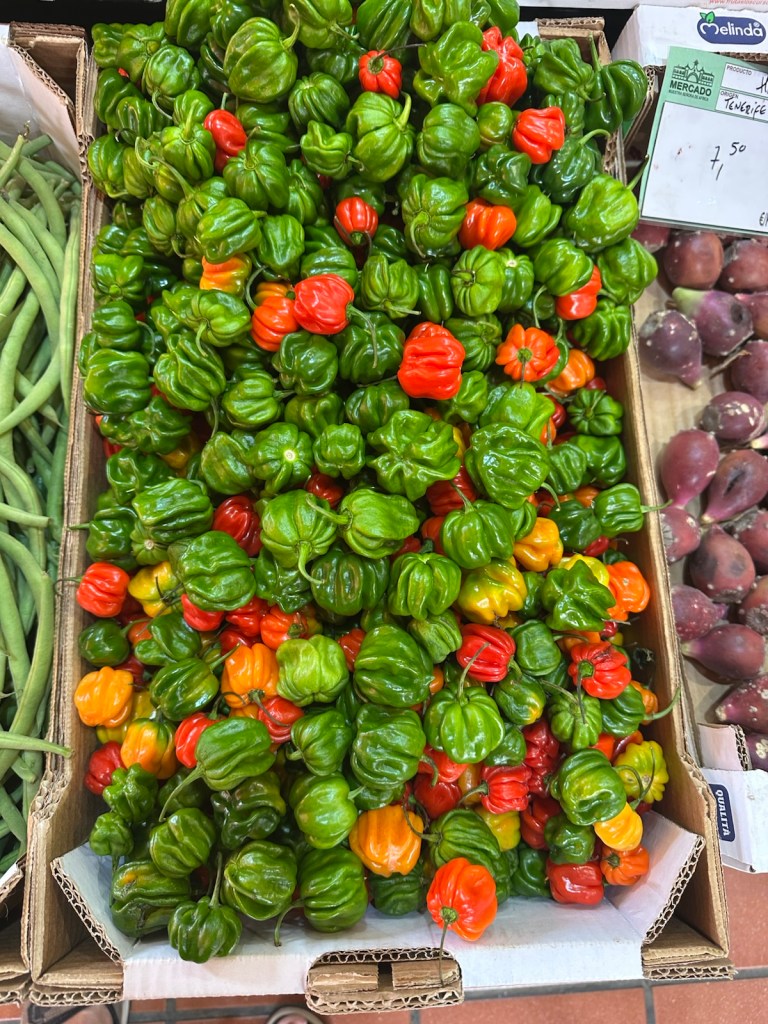
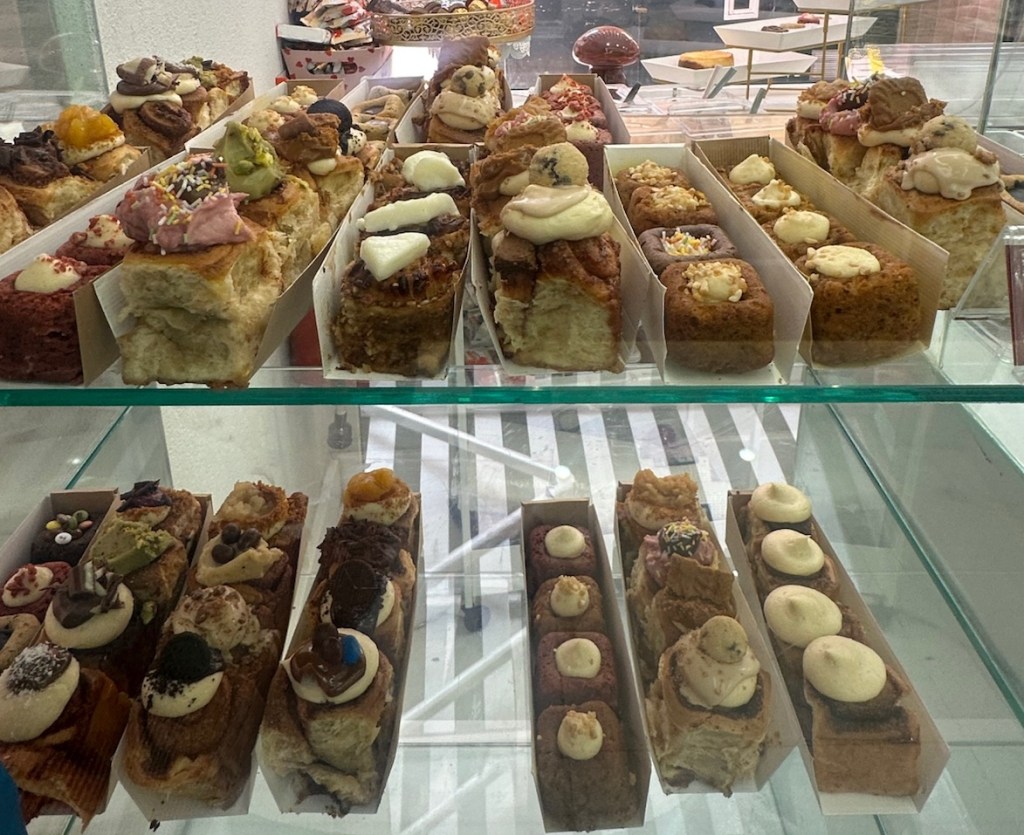
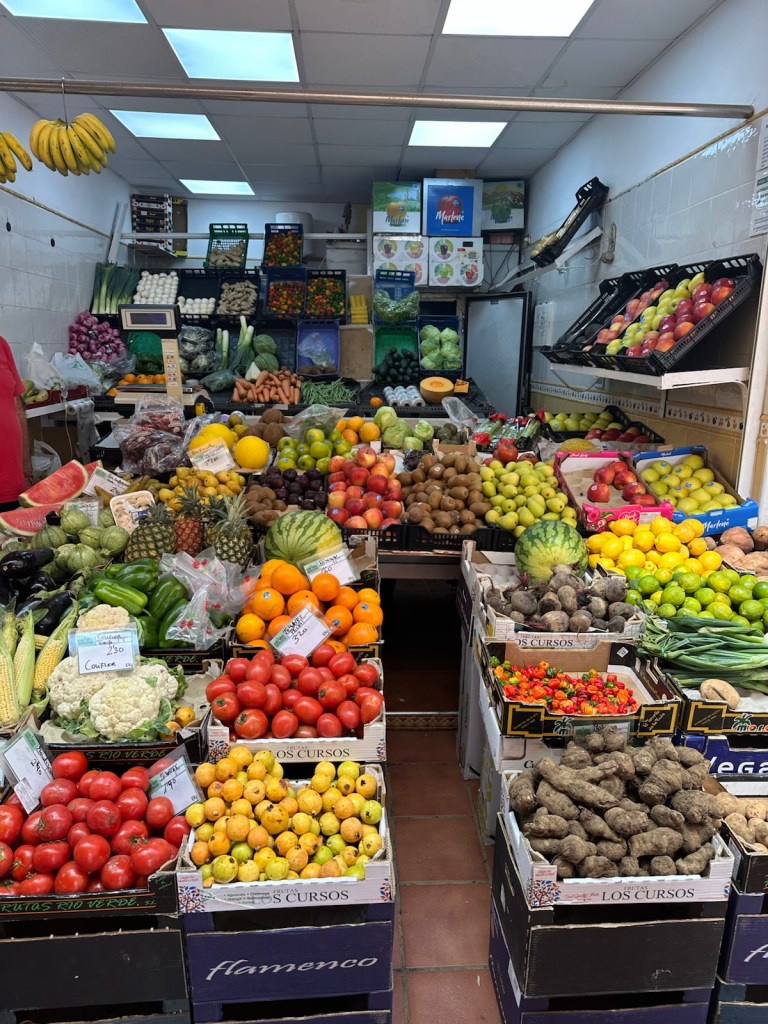
Small bars and eateries offering local dishes like papas arrugadas and fresh seafood preparations.
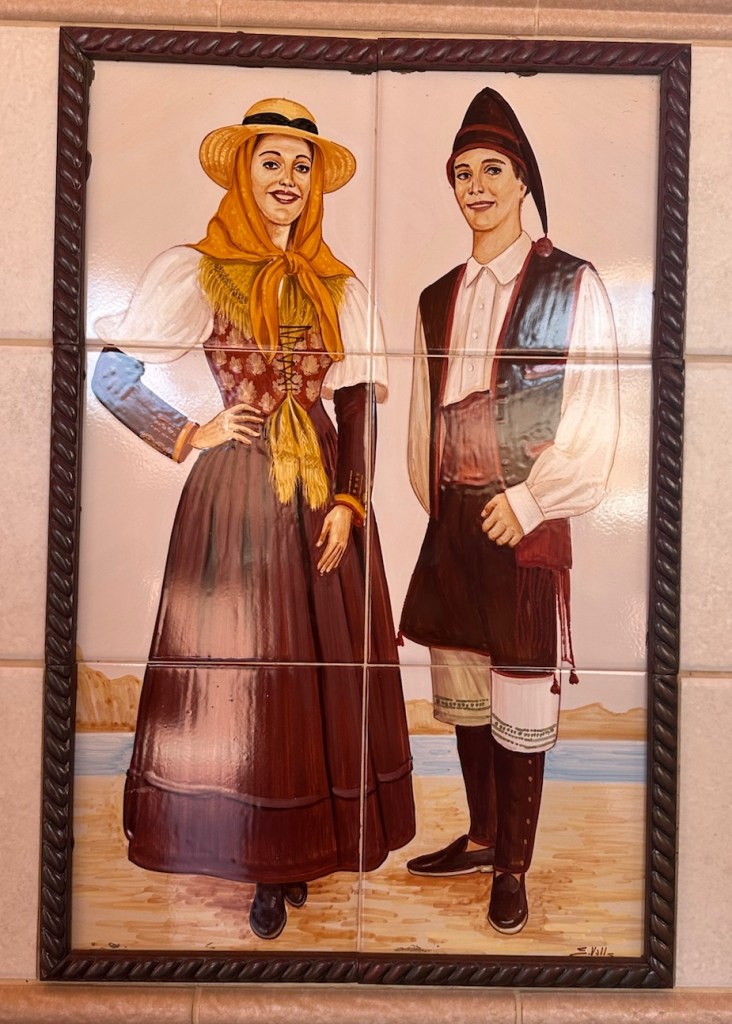
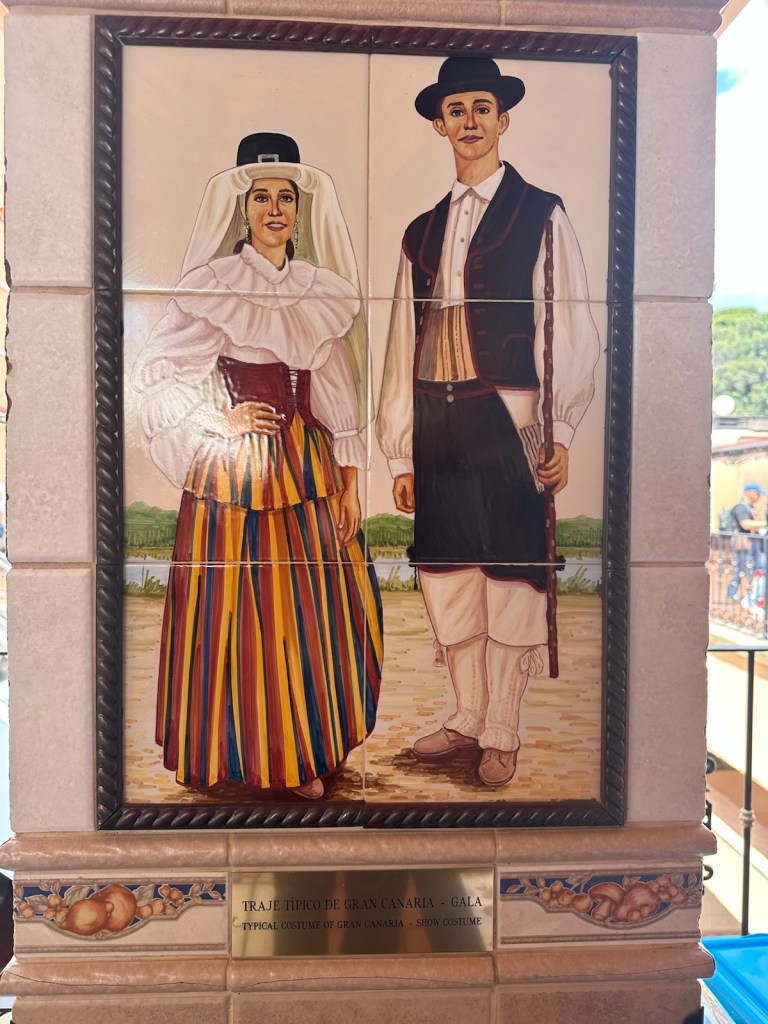
The tile portraits are a beautiful tribute to Spain’s rich regional diversity. Each ceramic panel portrays couples dressed in traditional costumes from different parts of the country, celebrating the vibrant traditions, customs and cultural heritage that define Spain’s national identity.

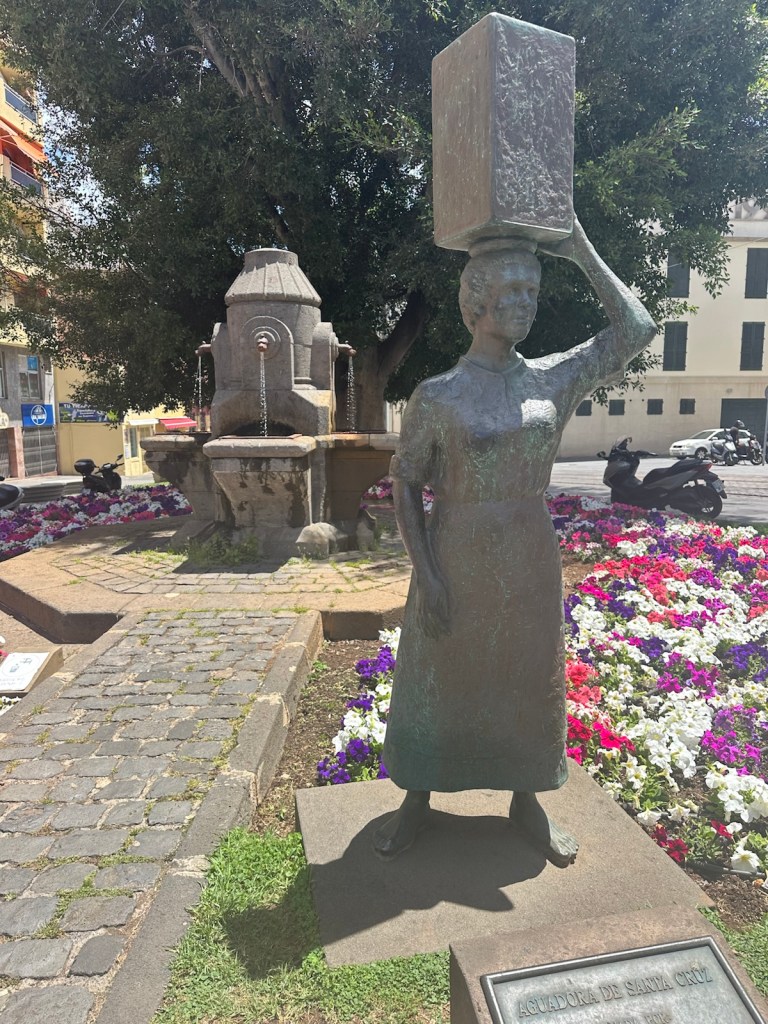
The Aguadora de Santa Cruz bronze sculpture (below left) portrays a barefoot woman carrying a water jug on her head, honoring the women who once transported water from wells to homes before the advent of modern plumbing.
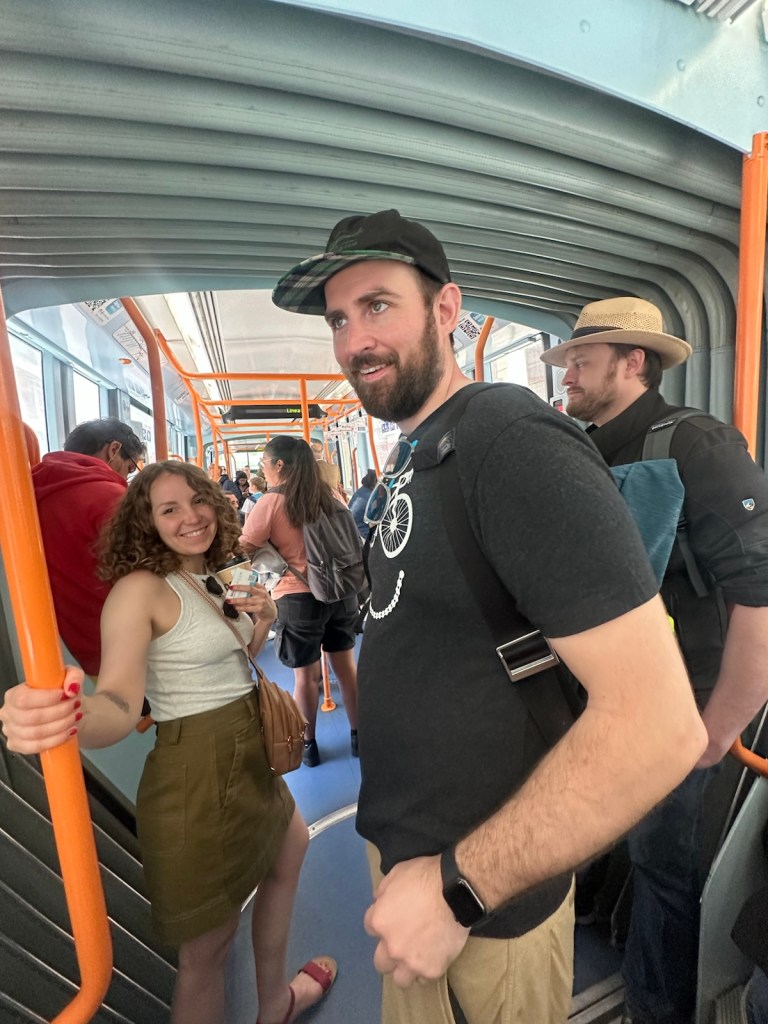
Next stop is the historic town of San Cristóbal de La Laguna. There is a modern and efficient light rail system that connects Santa Cruz with San Cristóbal de La Laguna. This tram service offers a convenient and scenic way to travel between these two historic cities. It’s about a 40 minute ride and costs less than two dollars.
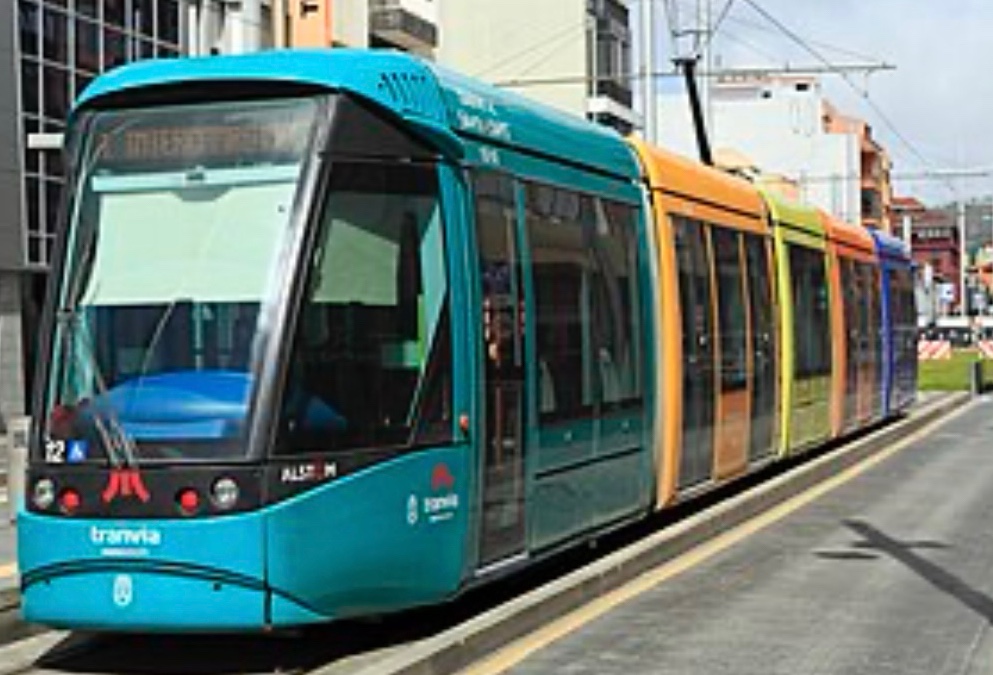
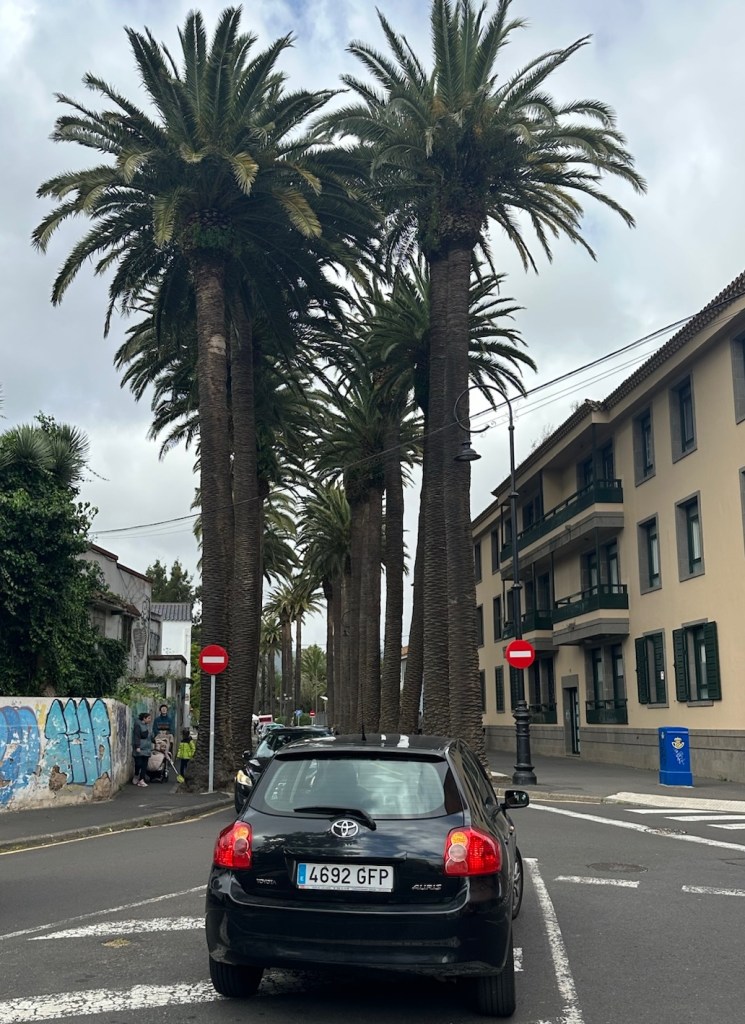
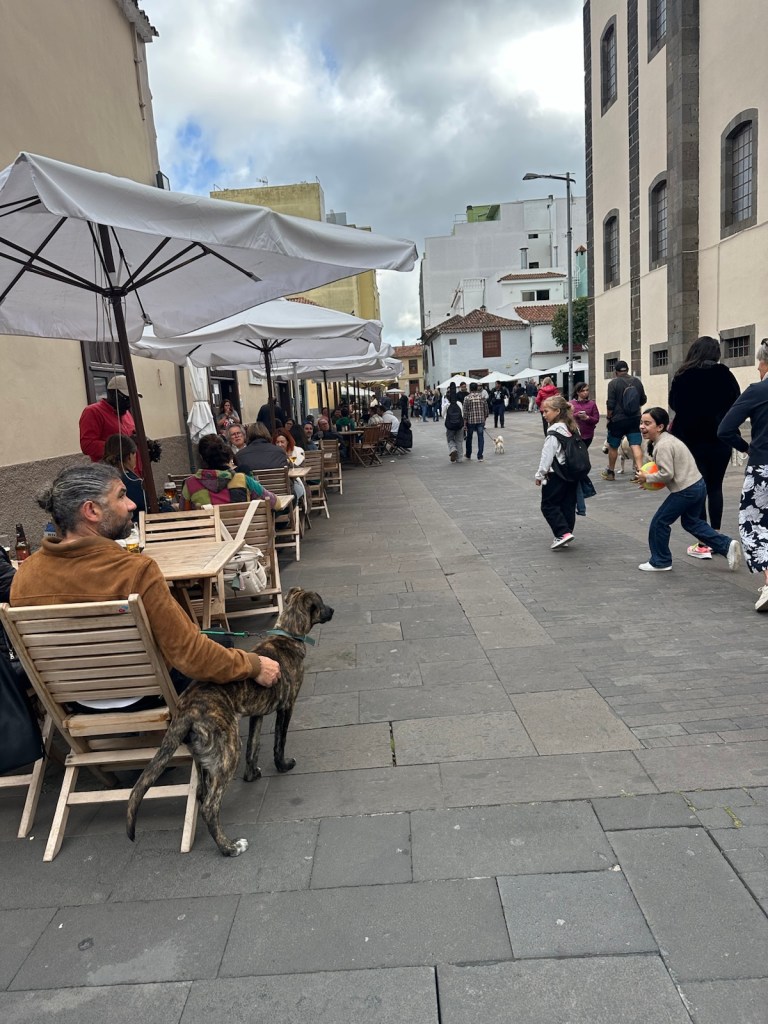
La Laguna has been recognized as a UNESCO World Heritage Site since 1999 and it stands as the only city in the Canary Islands to hold this distinction. Founded in the late 15th century, La Laguna was the first city established in the archipelago and served as the capital of Tenerife until 1723. Its well-preserved colonial architecture and unique urban layout offer a glimpse into the past and make it a must-visit destination.
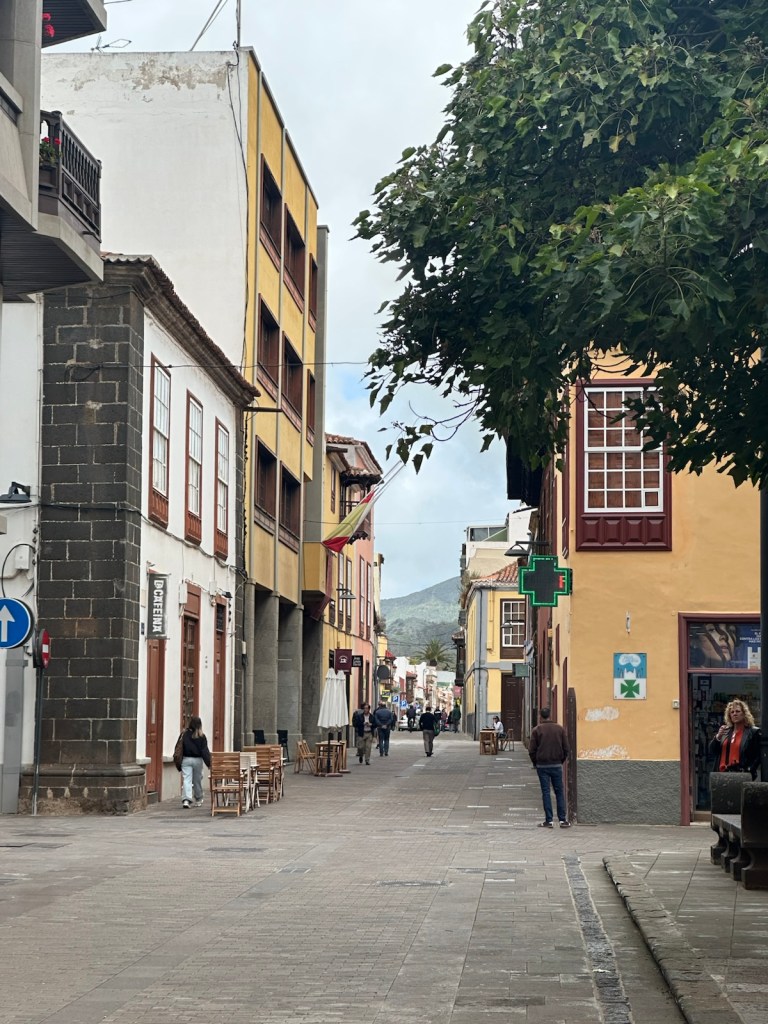
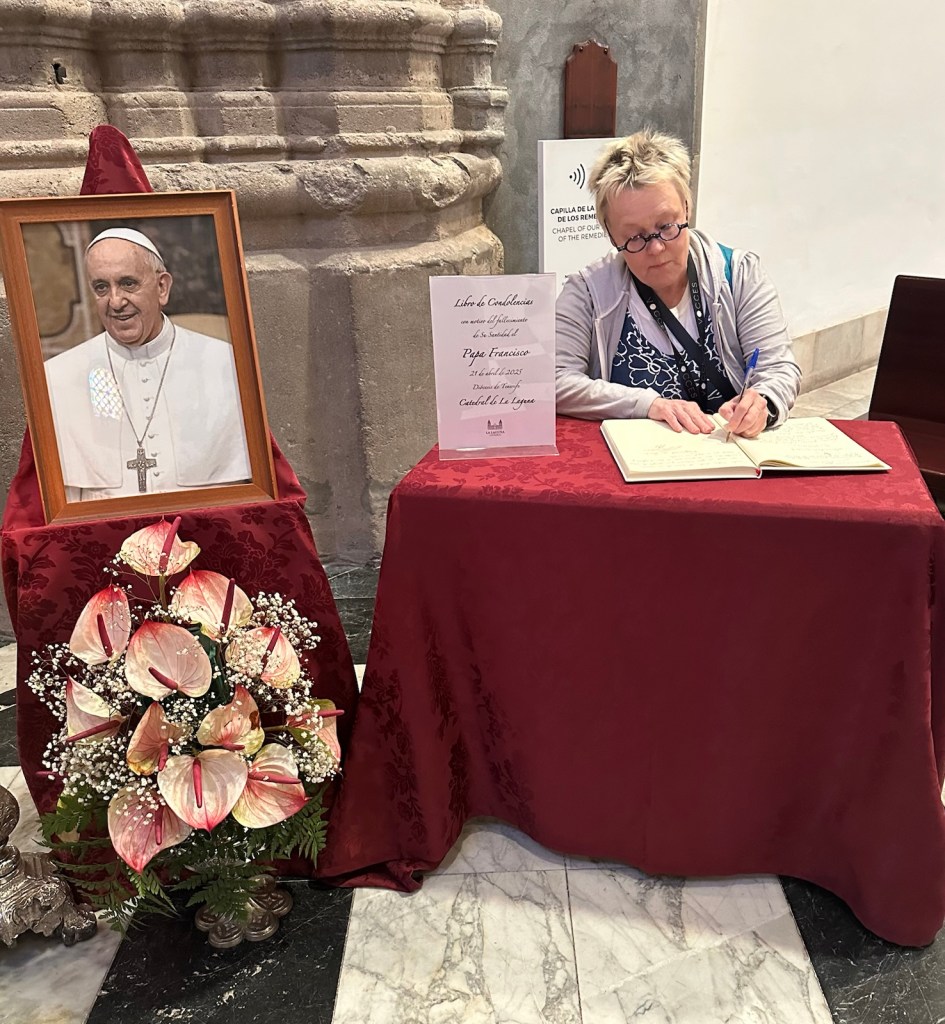
The Cathedral of San Cristóbal de La Laguna is a significant religious and architectural landmark located in the heart of La Laguna. We opted for the audio tour and found it to be both informative and engaging.
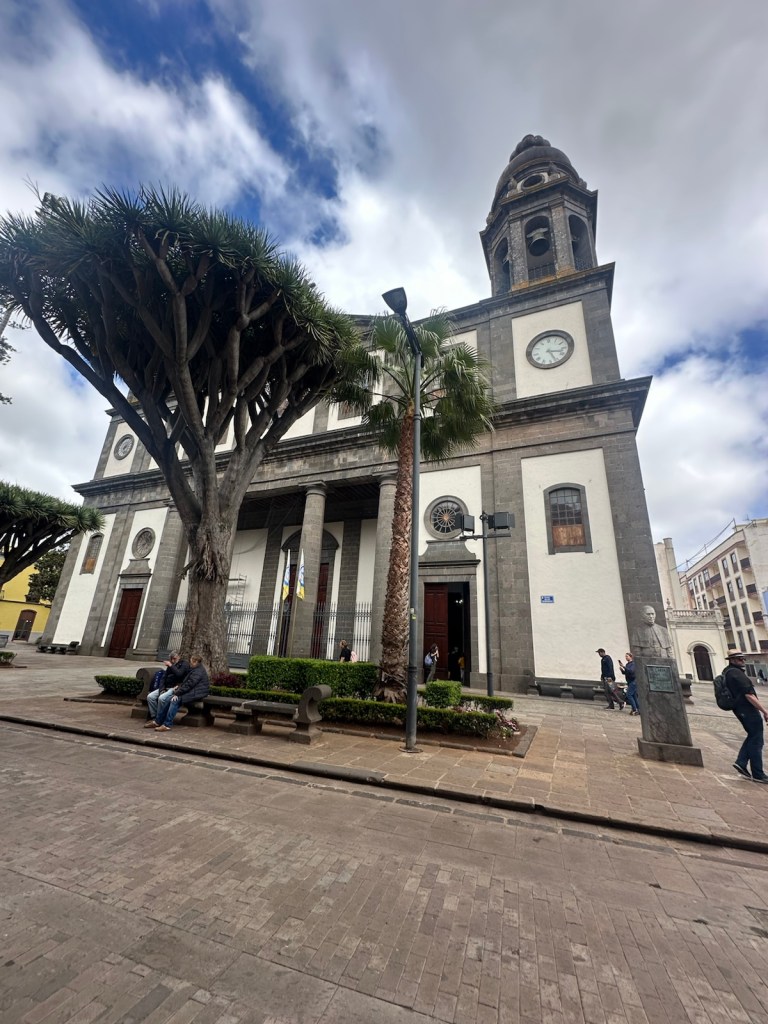
The tour provided a comprehensive understanding of the cathedral’s artistic and spiritual significance.
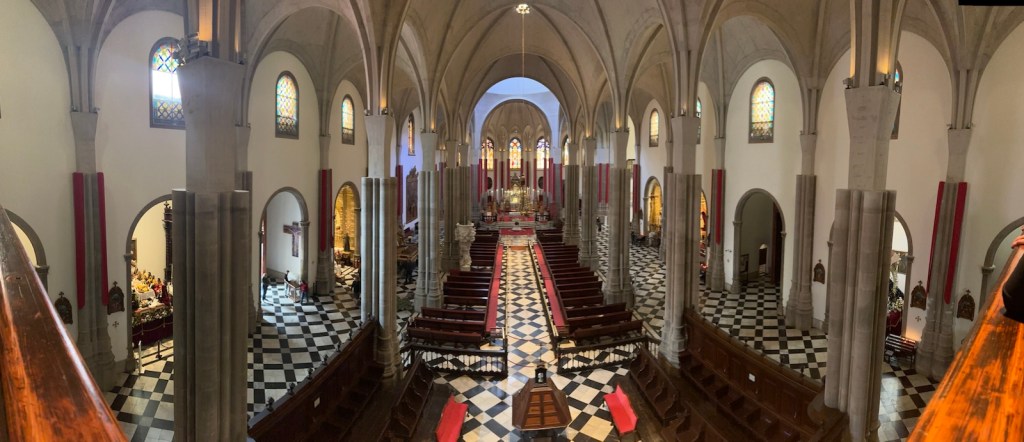
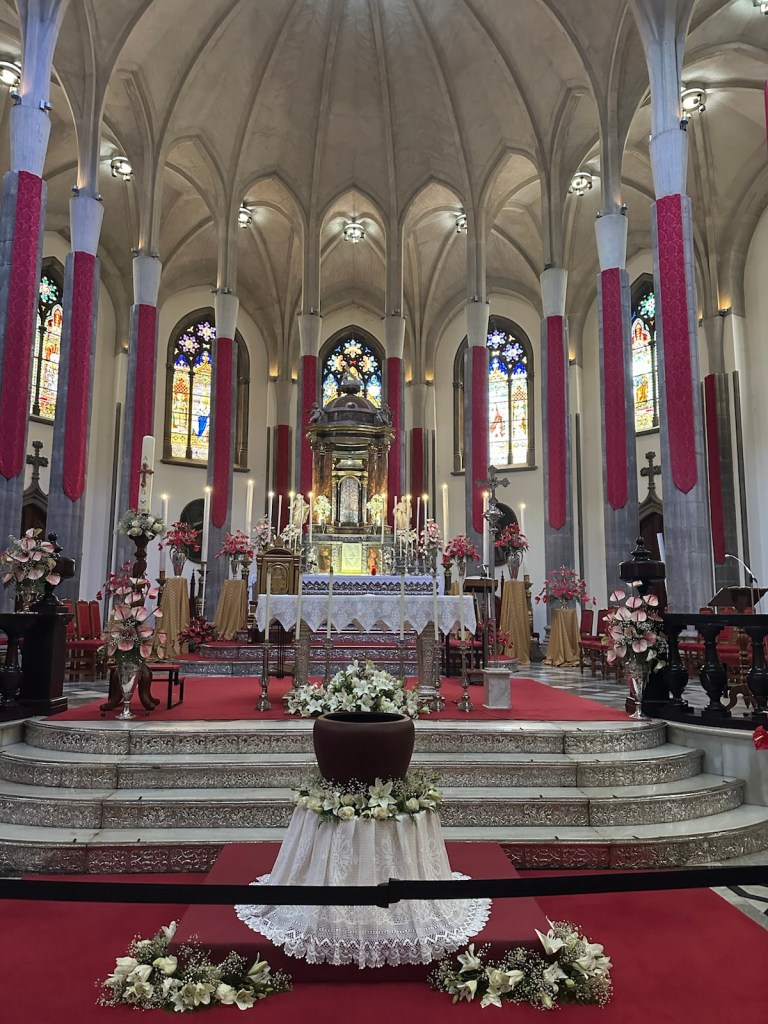
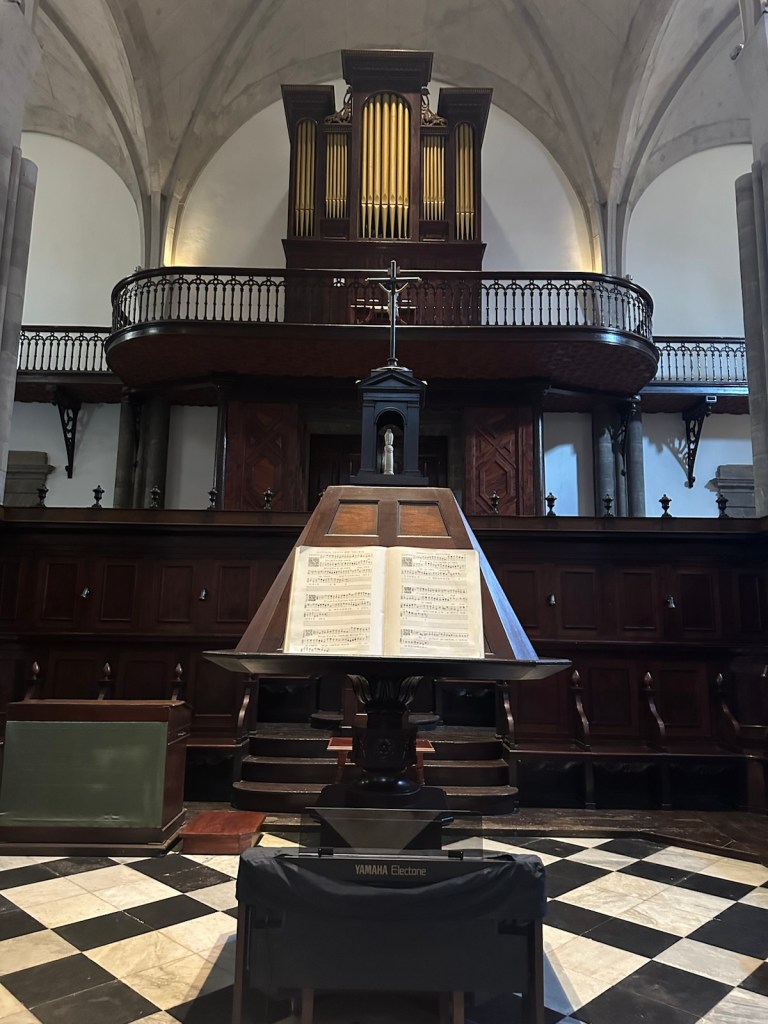
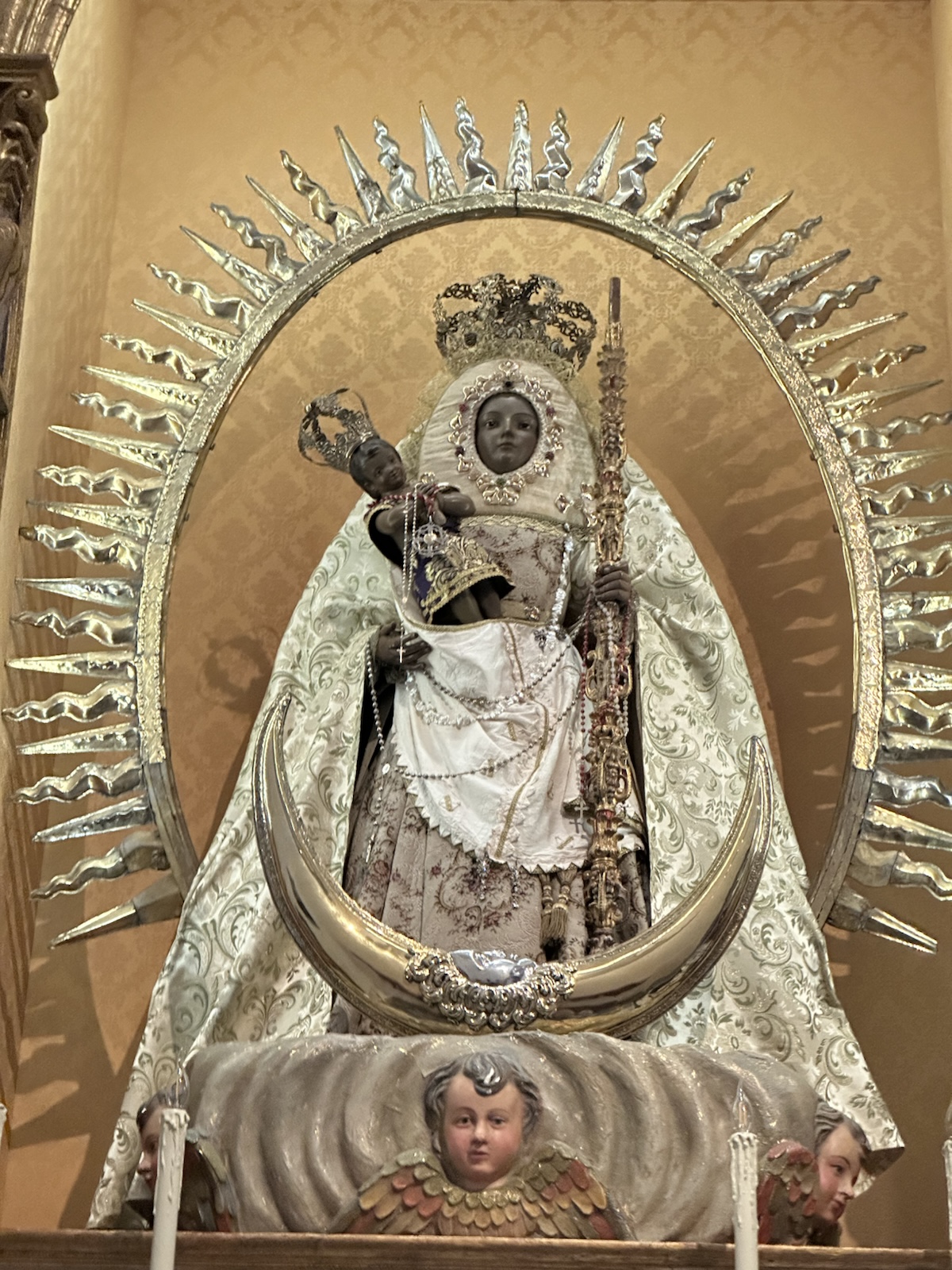
The cathedral features several alcoves, each housing grand, intricately designed altars dedicated to various patron saints. These altars are adorned with detailed sculptures and paintings, each telling the unique stories and significance of the saints they honor.
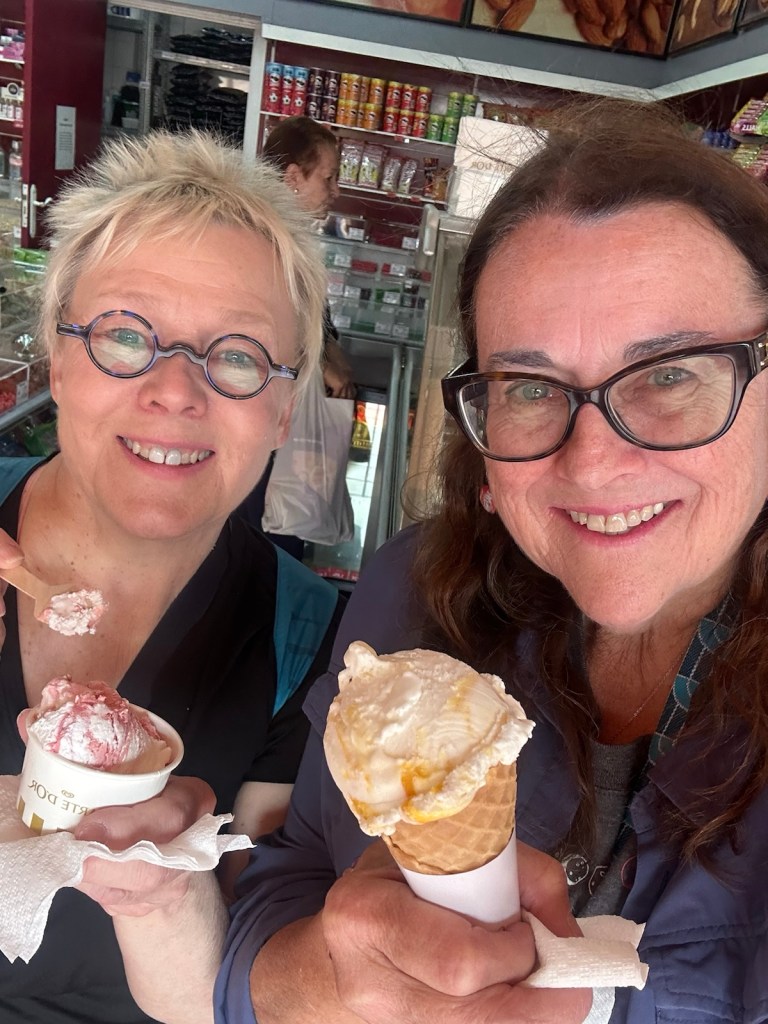
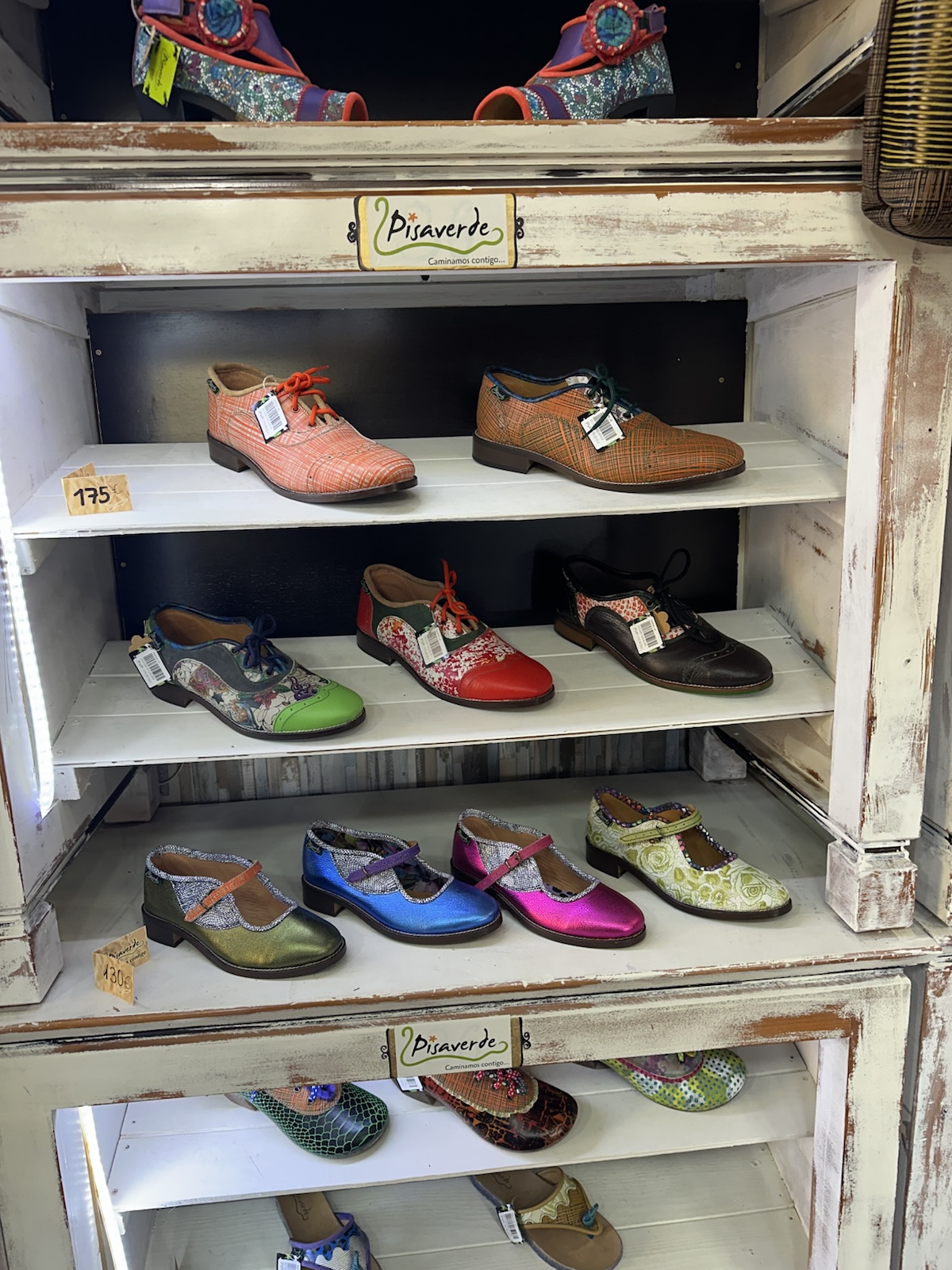
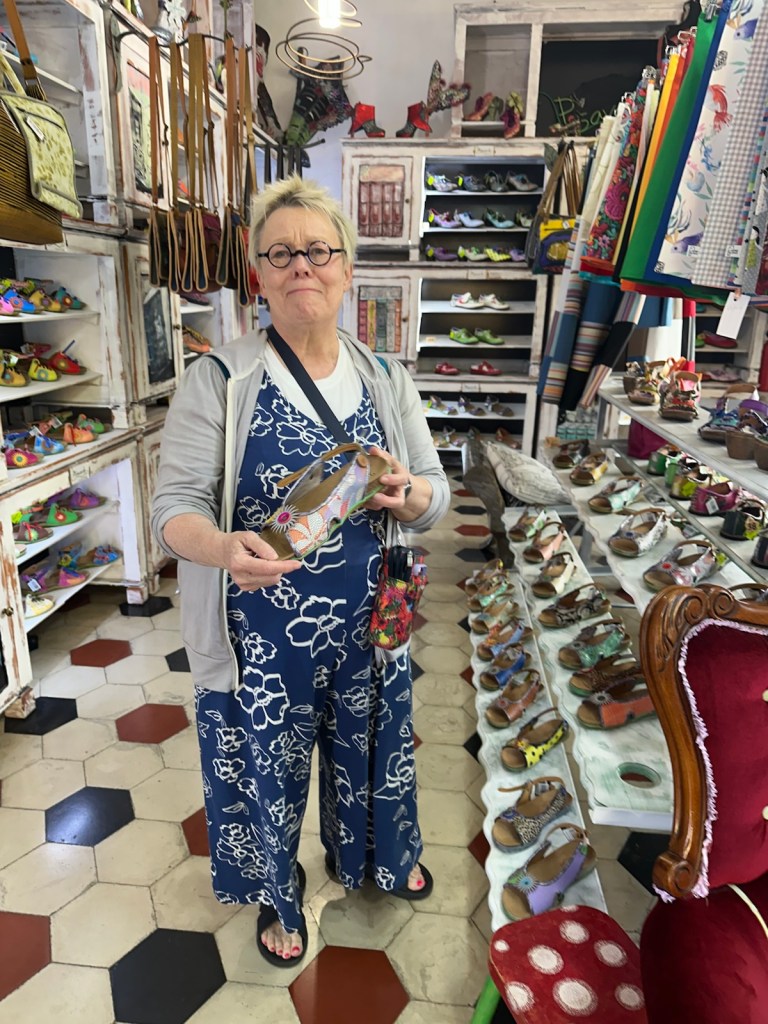
La Laguna offers a great shopping experience, with a diverse selection of scarves, purses, shoes and local crafts that Theresa and I found to be especially captivating.

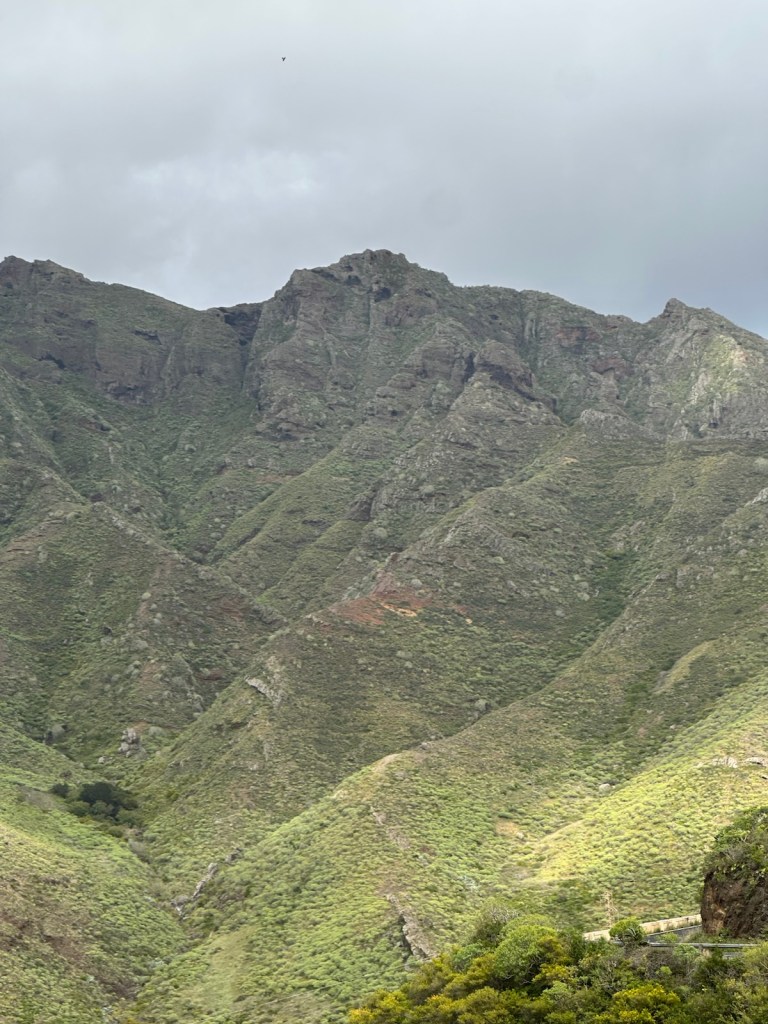
The final adventure of the day was chasing the sunset, which meant heading to the island’s west side, winding through steep peaks and valleys. The drive was nerve-wracking — narrow roads, sheer cliffs and endless twists and turns.
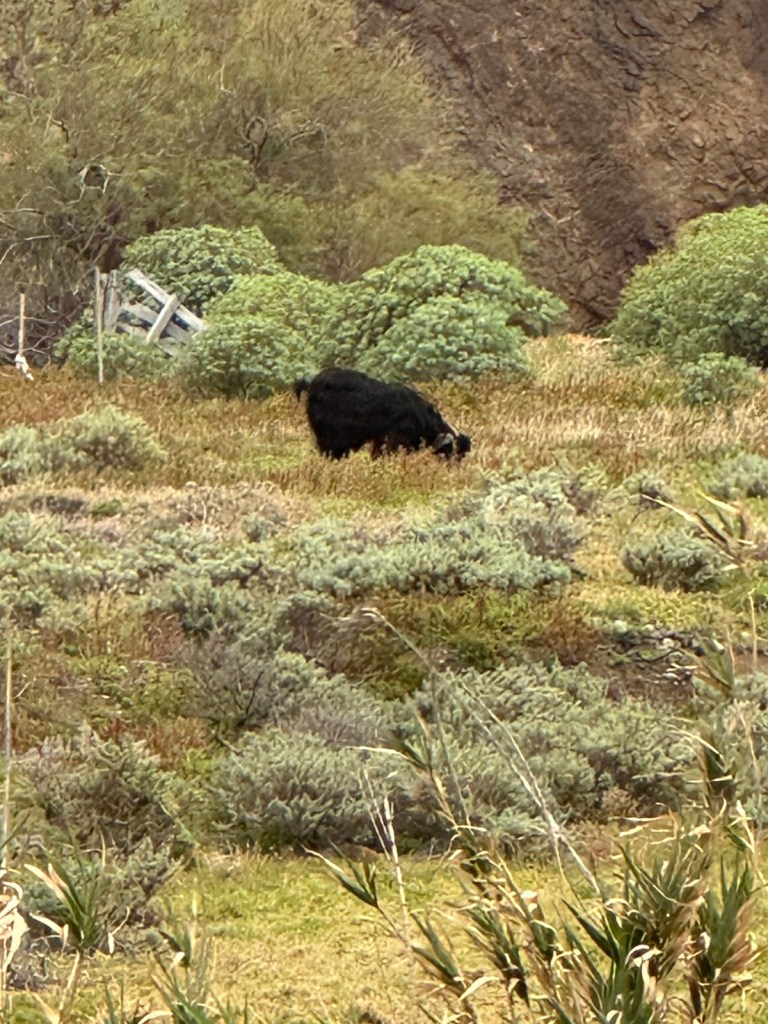
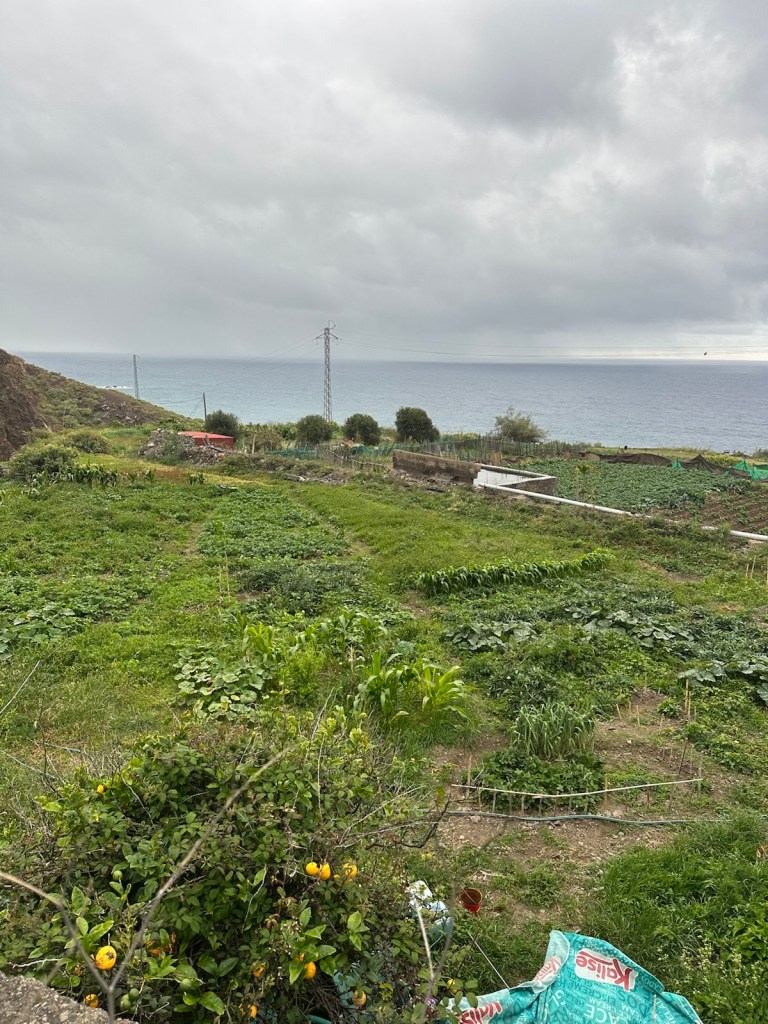
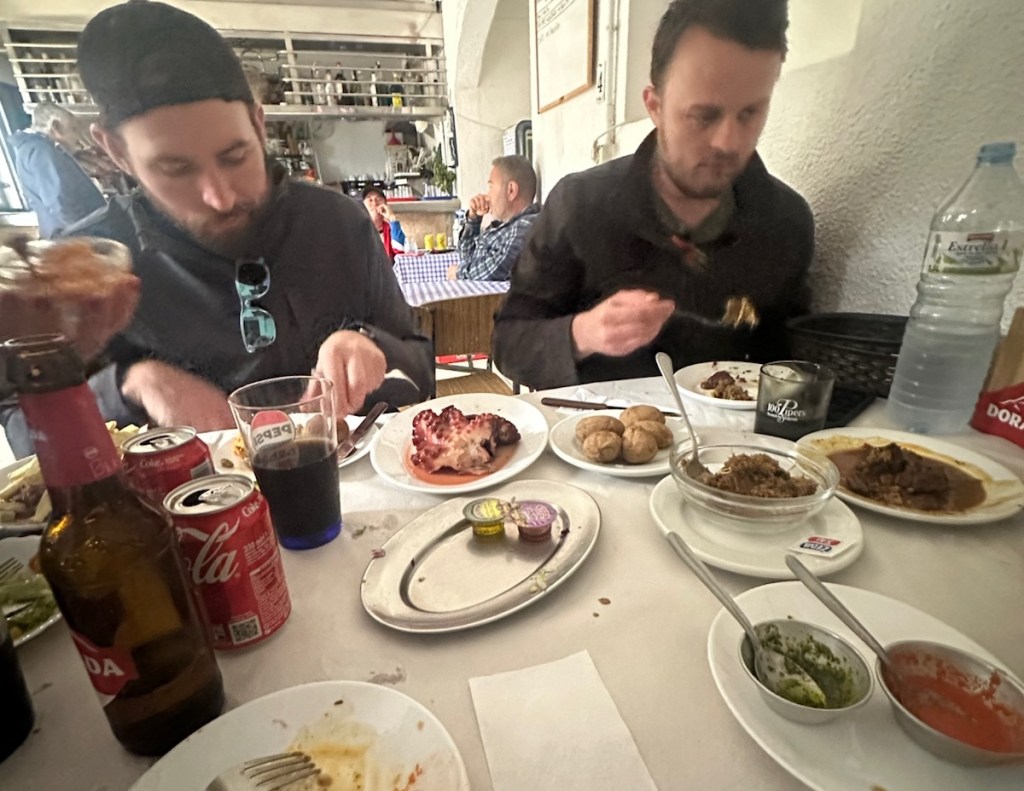
At the Paca House, we savored a variety of local specialties and beloved dishes. Everyone left completely satisfied.

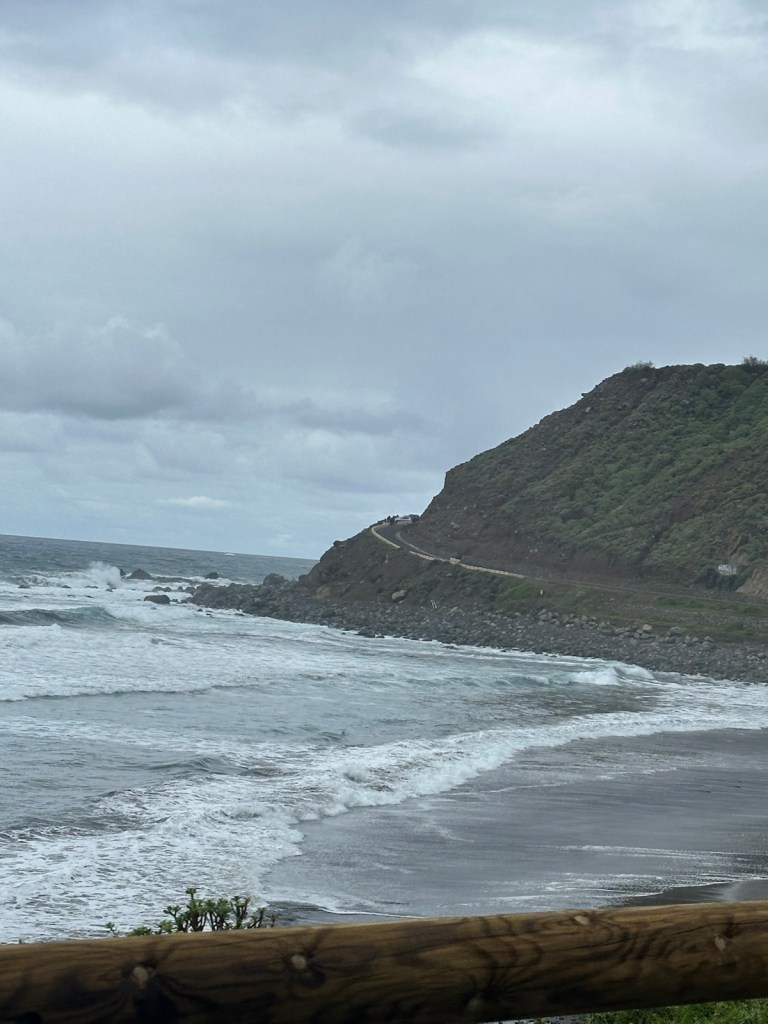
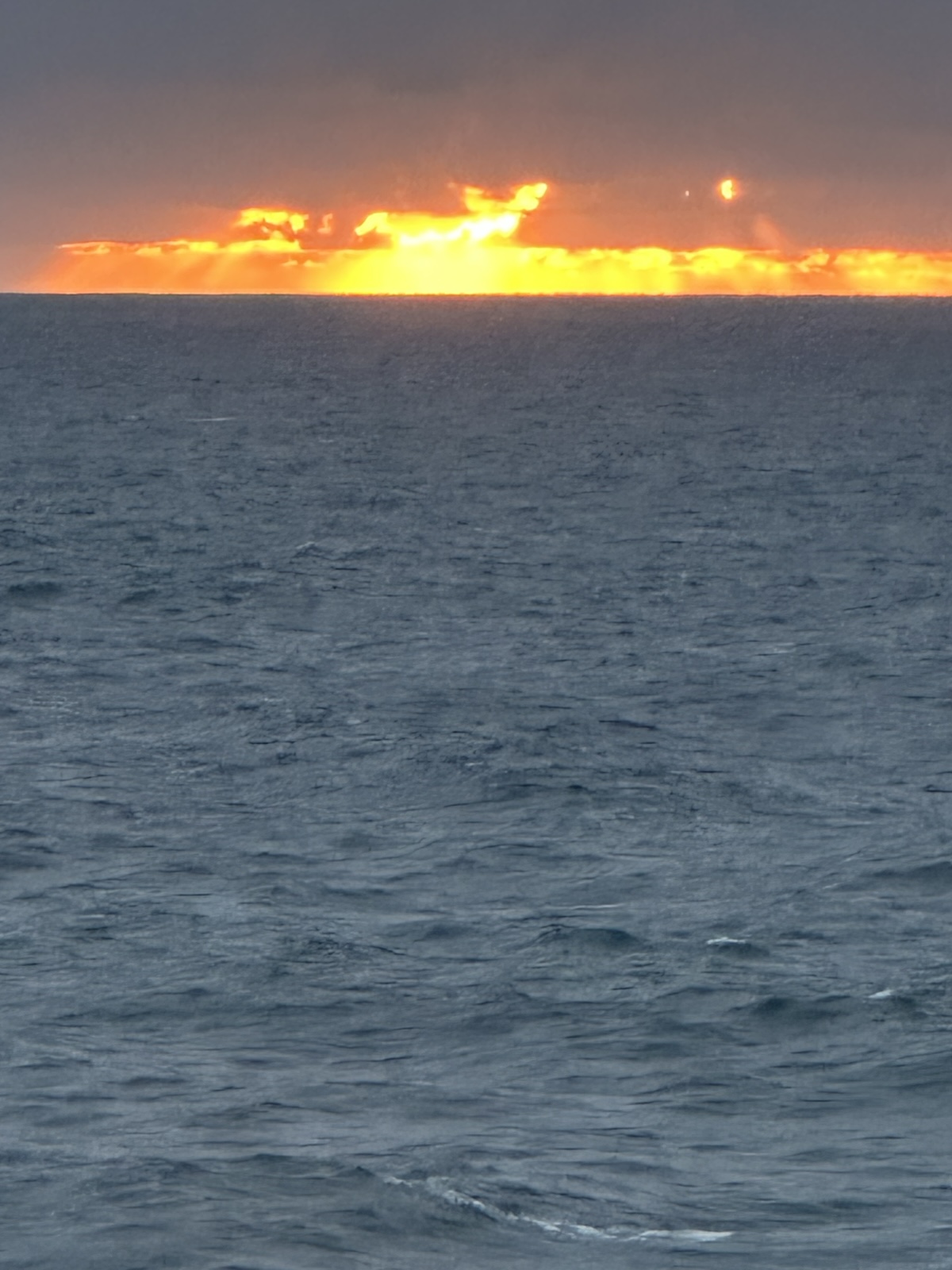
As for the sunset… we settled at a beach in Parque Rural de Anaga. The clouds and wind weren’t on our side. We did catch a glimpse of it, though. The drive back in the dark felt less daunting since we couldn’t see the steep cliffs we’d been navigating.
It was a day packed with successful sightseeing. Tomorrow, we’re catching the ferry to the island of La Gomera.
 Jane in Spain