The Tango Hotel Taipei Linsen is located in the Zhongshan District of Taipei. Because of the mix of convenience, transportation, dining and nightlife, this part of Zhongshan/Linsen is often described as great for tourists.

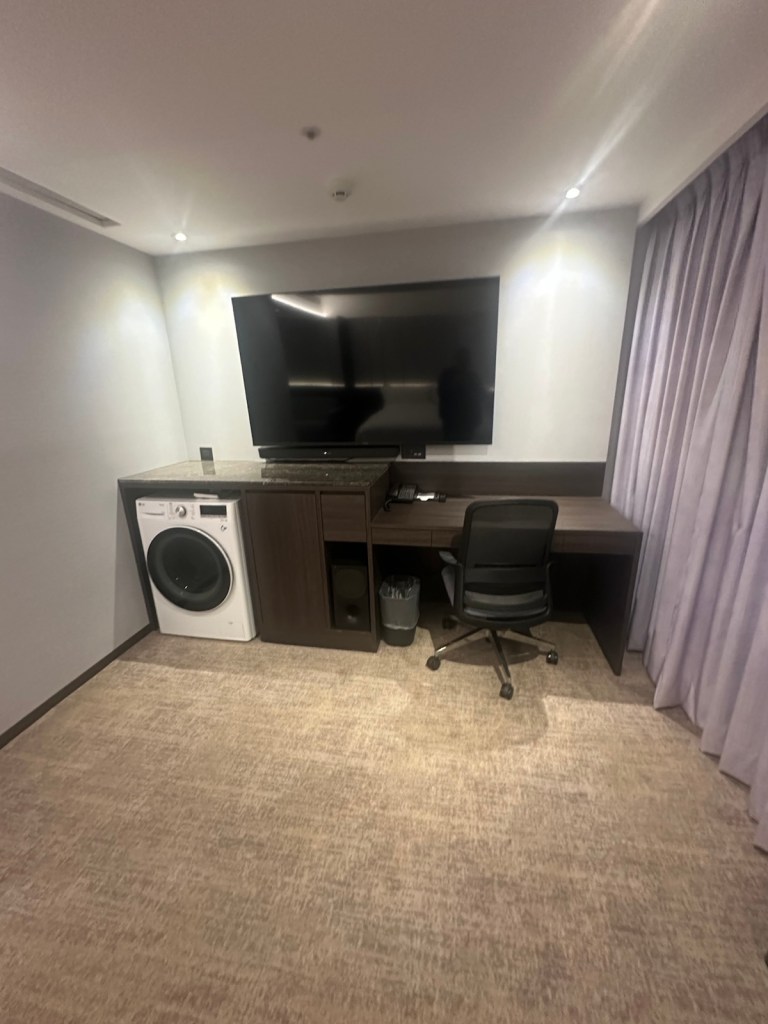
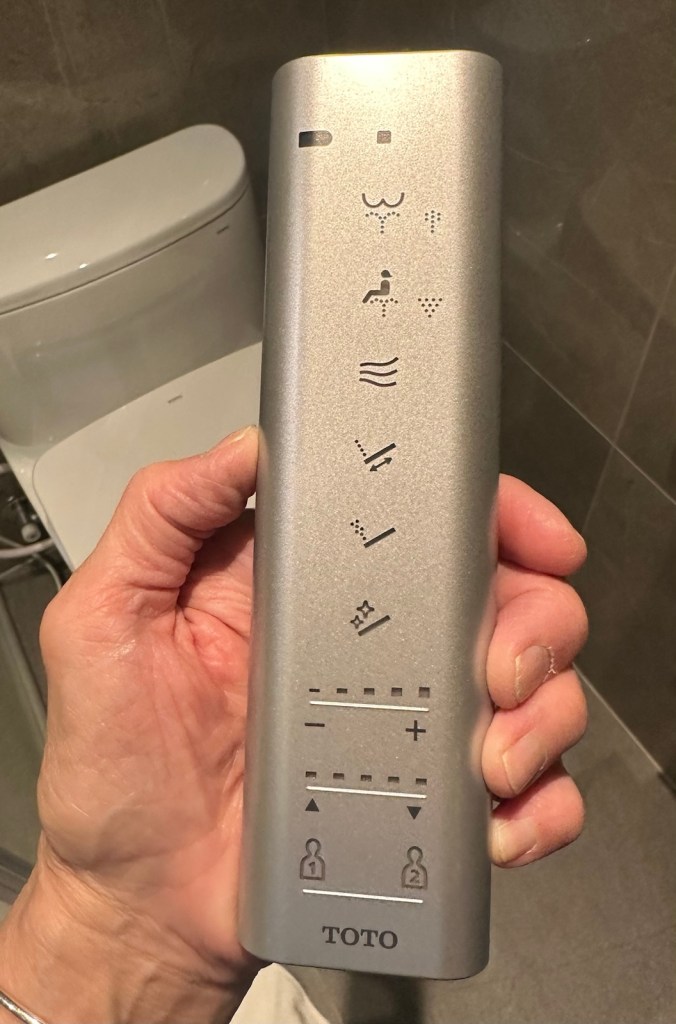
Our accommodations came with features we instantly loved, including a convenient washer/dryer. And the bathroom? The toilet was its own little spa — complete with a remote control for the ultimate in comfort care. This high-tech marvel even sanitizes itself and glows with a built-in night light. Now this is luxury I could definitely get used to.
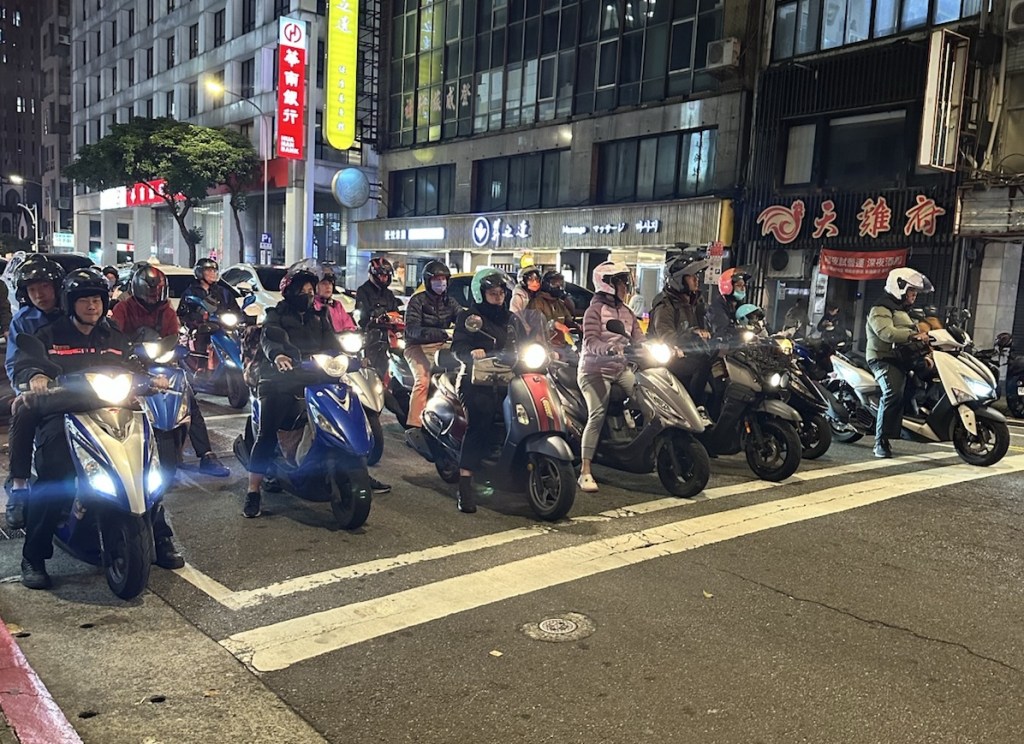
We had no real agenda other than getting a feel for the neighborhood, so we simply wandered. One of the first things that struck us about this city was the sheer number of scooters — they’re everywhere.
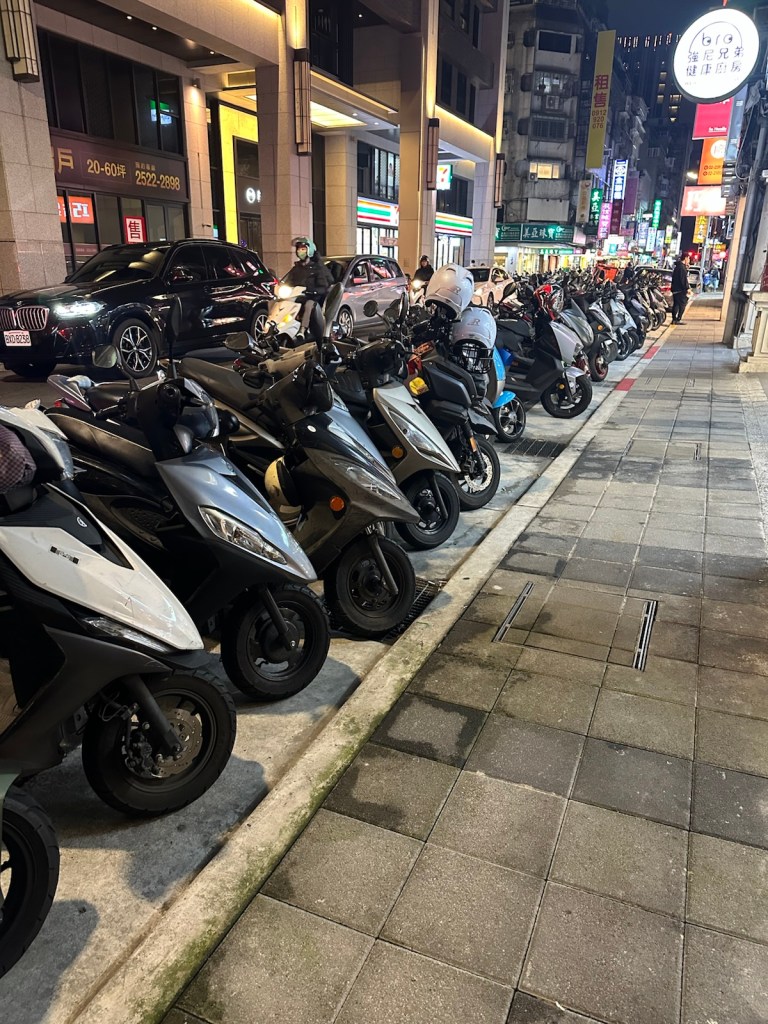
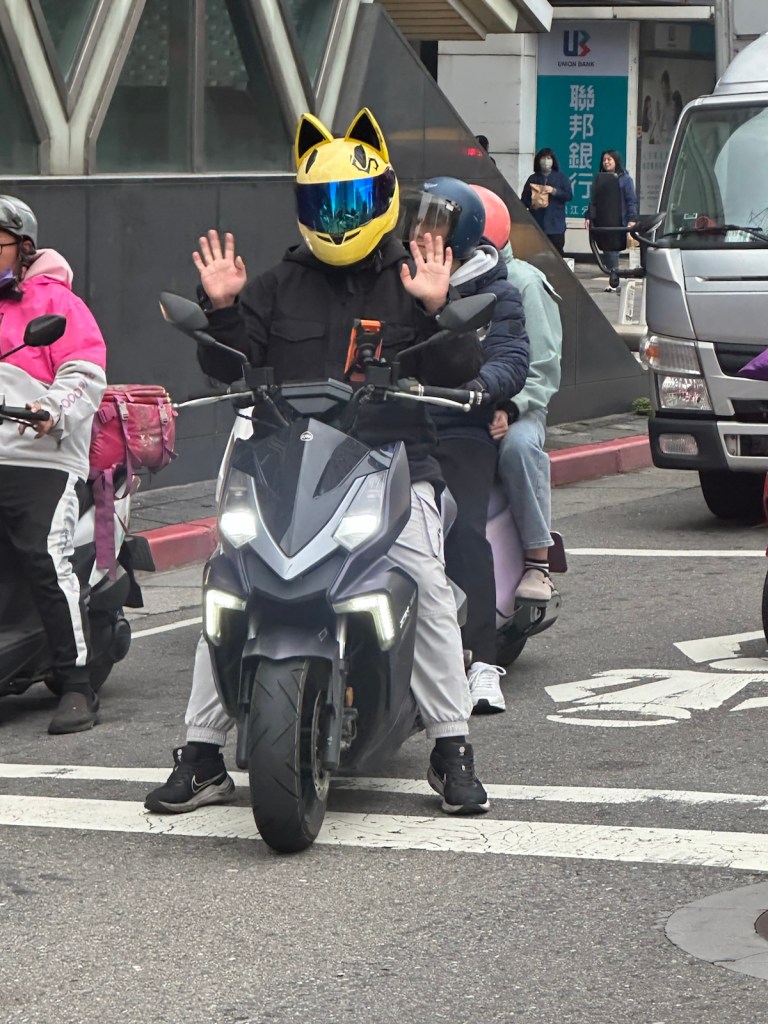
The streets were impressively clean, with clearly marked lanes for cars, bicycles, and pedestrians. The Zhongshan vibe is a lively blend of modern city life and charming neighborhood energy.

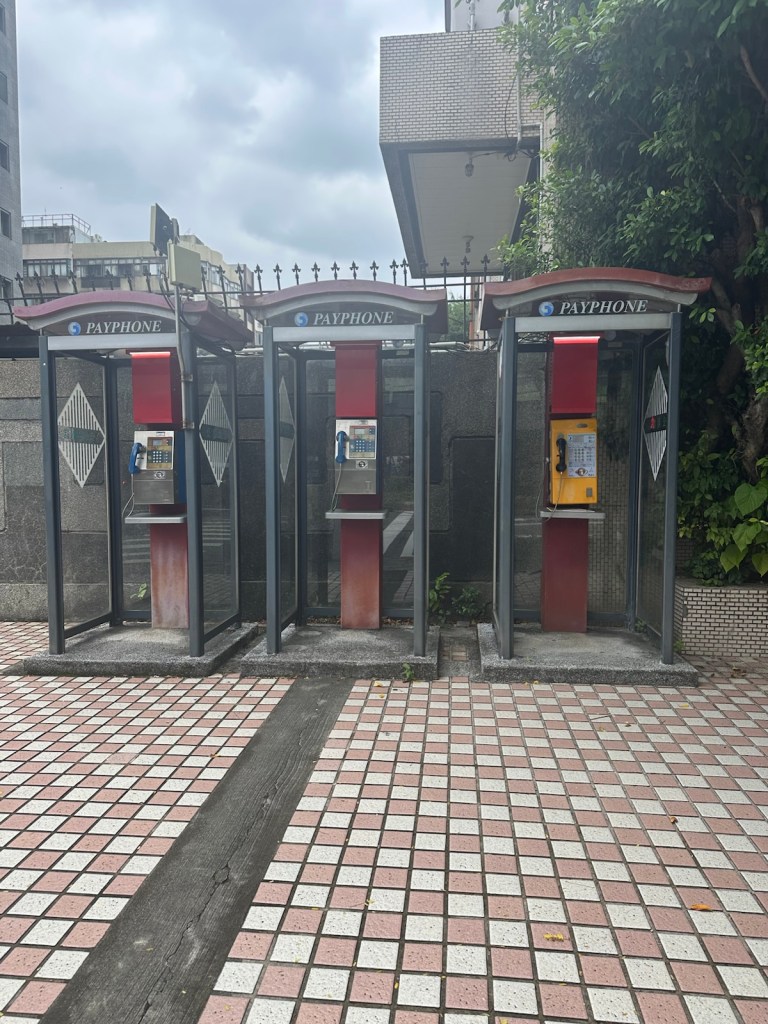
It’s also a neighborhood where pay phones still exist and where generous green spaces and parks are never far away.


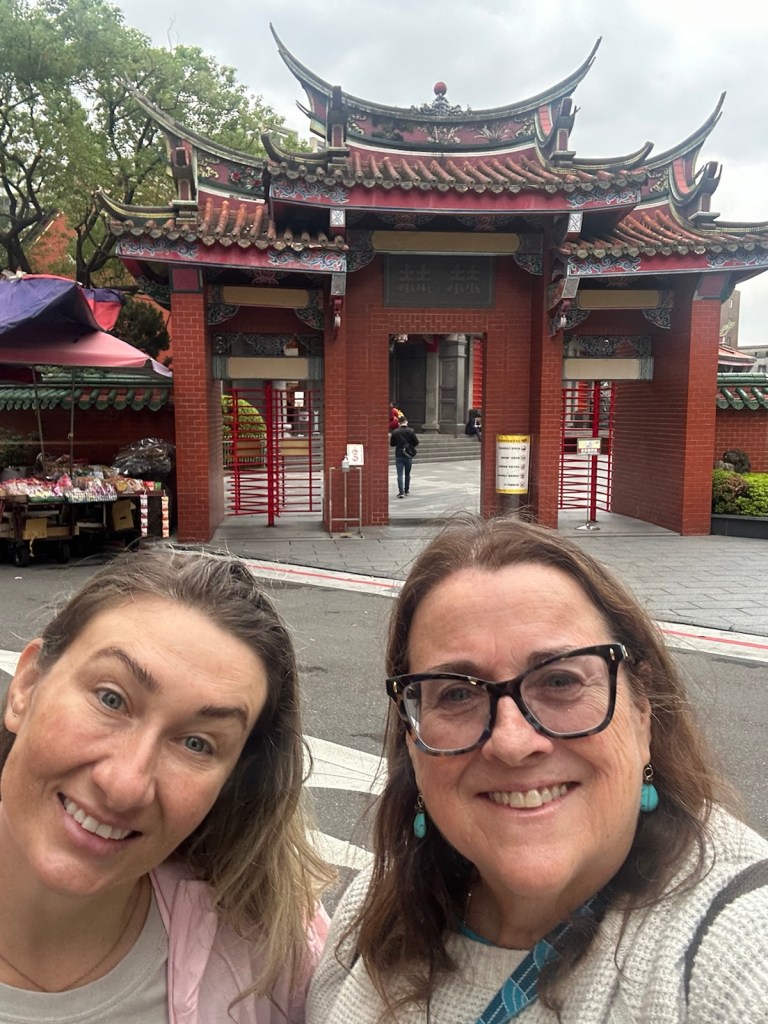
Hsing Tian Kong is one of Taipei’s most intriguing temples — a serene, modern sanctuary dedicated to Guan Gong, the revered god of justice and integrity. Built in 1967, it blends traditional Taiwanese architecture with a surprisingly clean, spacious design.
Unlike most temples, it has banned incense, candles, and food offerings, creating a peaceful atmosphere where visitors simply pray with quiet intention. The courtyards are calm, the carvings exquisite and there’s a steady flow of locals stopping in for guidance or reflection.
Even though Hsing Tian Kong banned incense burning by visitors, the temple still allows designated attendants to perform certain traditional rituals. These attendants use controlled amounts of incense or special ritual materials as part of a blessing that’s considered cleaner, safer, and less polluting than the old crowd-generated clouds of smoke.
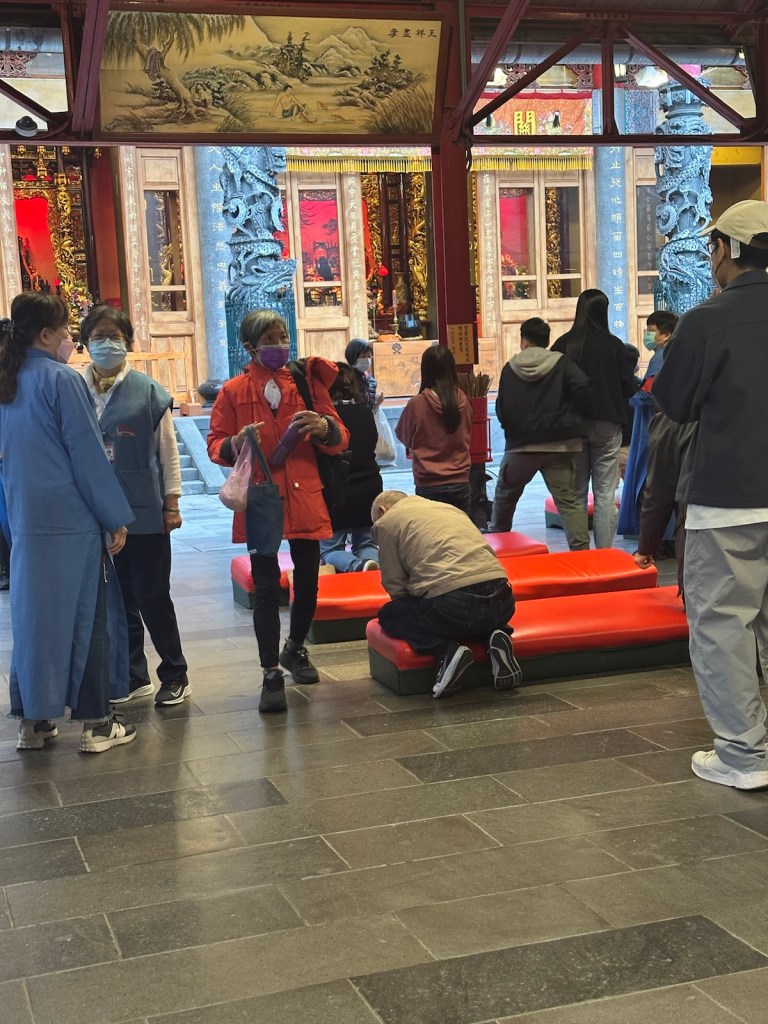
When we arrived, a friendly greeter guided us to the red cushions on the floor and walked us through the ritual. Face the back of the temple and do three kneelings followed by nine kowtows. Kowtows? I suddenly flashed back to childhood arguments with my siblings, swearing I would “never kowtow” to anyone. Now I finally know what it actually means: a simple, graceful bow of reverence.
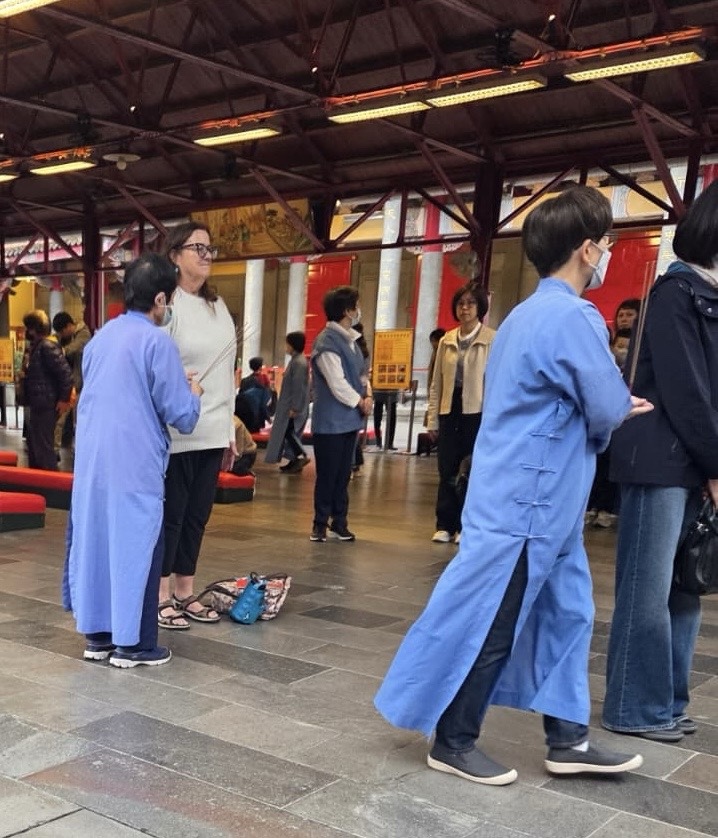
A Taiwanese purification ritual — often called “smoke cleansing” or an incense blessing — was taking place, so we joined the line. A temple volunteer gently waved a bundle of lit incense (or sometimes a special herbal smoke) around each person, allowing the fragrant haze to drift over the head, shoulders, and back.
The belief is that the smoke helps clear away negative energy, invite protection and good fortune, and “reset” the spirit before entering the temple or after making offerings. It’s a symbolic cleansing — like washing your hands, but for your energy.
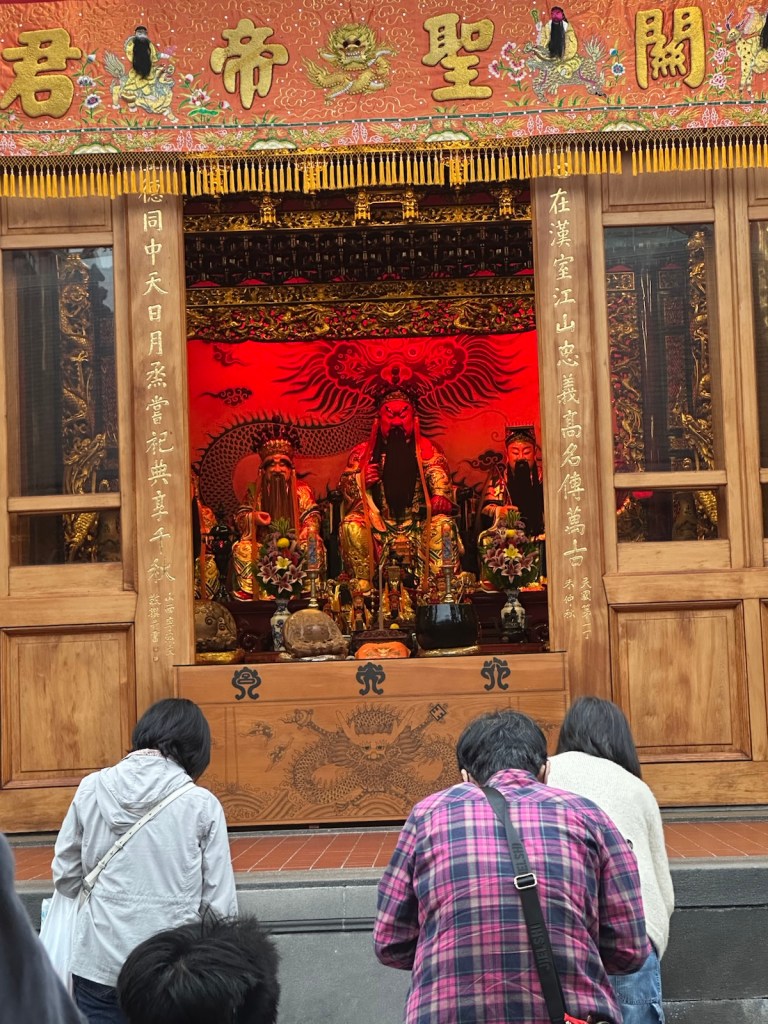
Hsing Tian Kong Temple is dedicated primarily to Guan Gong, the revered god of justice, loyalty, and protection, whose presence gives the temple its calm, upright energy.
Hsing Tian Kong is primarily a Taoist temple, though like many religious sites in Taiwan, it blends elements of Taoism, Chinese folk religion, and Buddhism. It’s a fascinating place to visit.
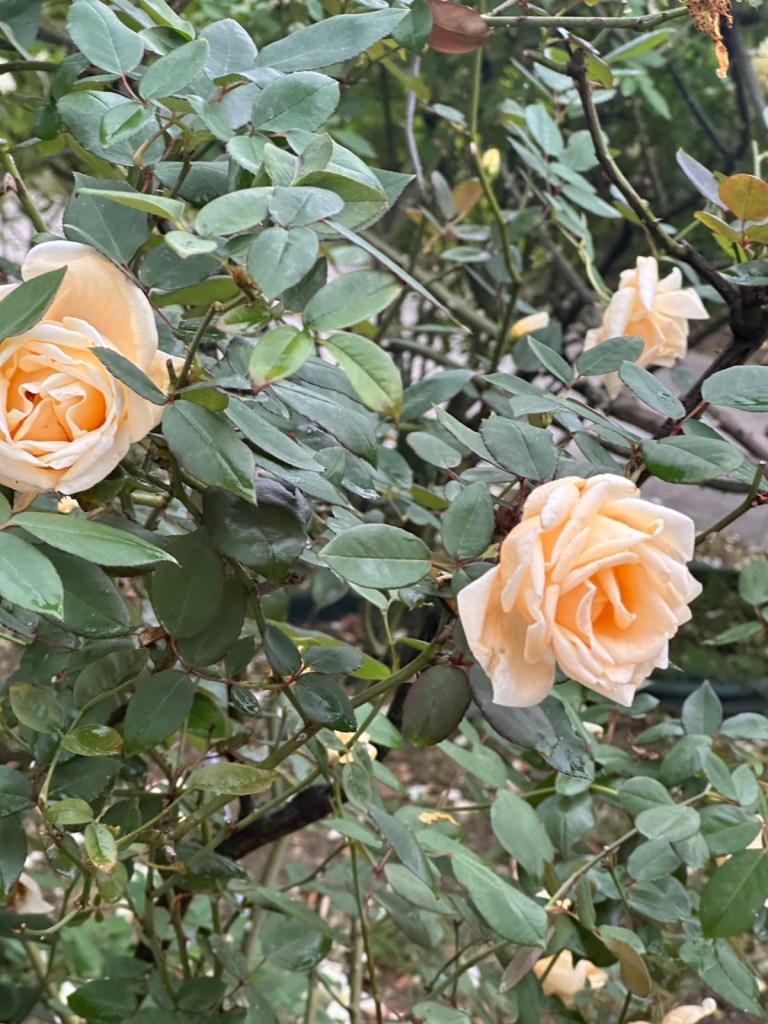
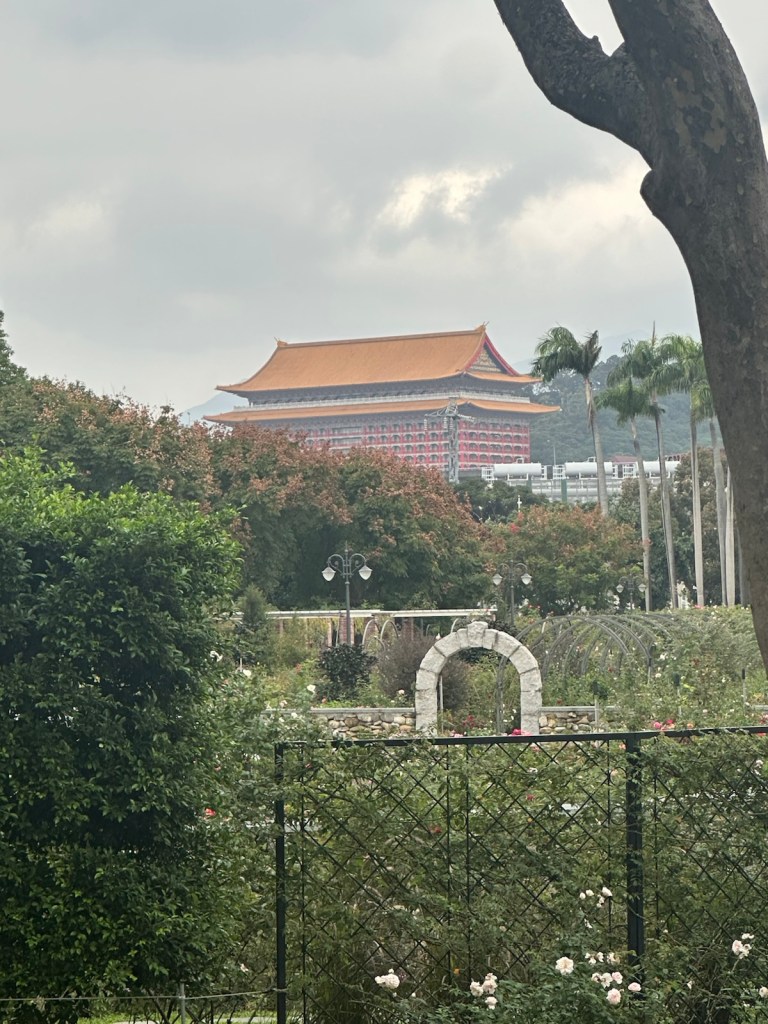
Our next stop was the Taipei Rose Garden, located near Hsing Tian Kong temple. It is a charming and unexpectedly peaceful escape right in the middle of the city.
The Rose Garden is actually a section of the larger Xinsheng Park, one of Taipei’s biggest green spaces with wide walking paths, ponds and small bridges, open green lawns and plenty of benches for resting or people-watching.

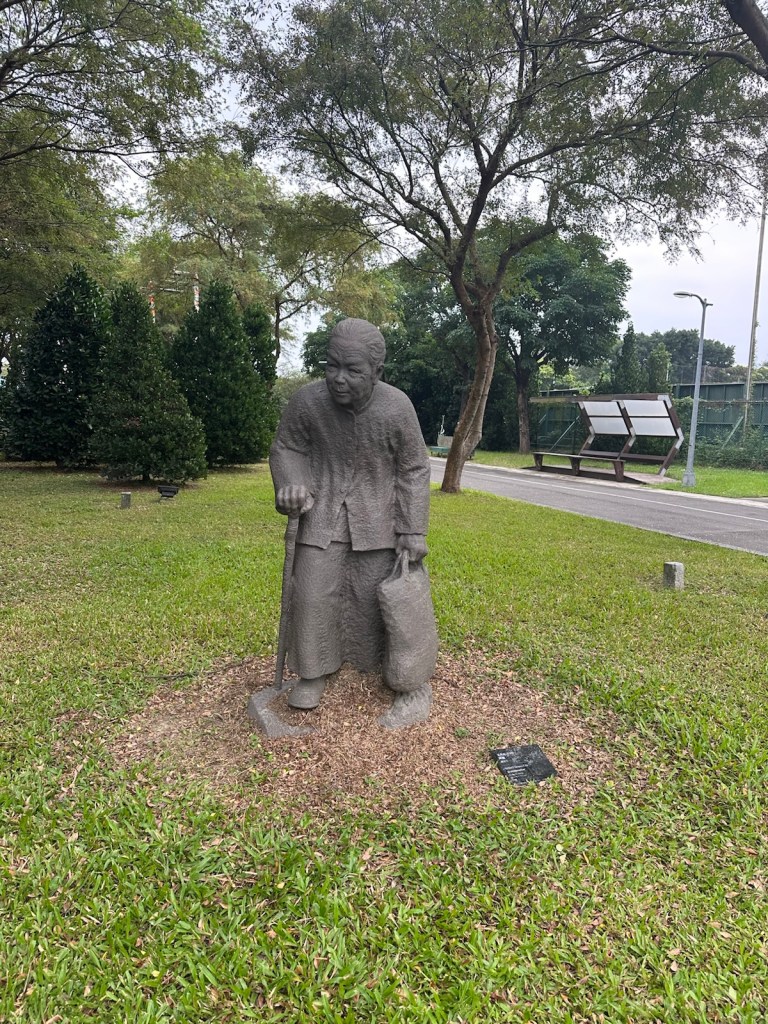
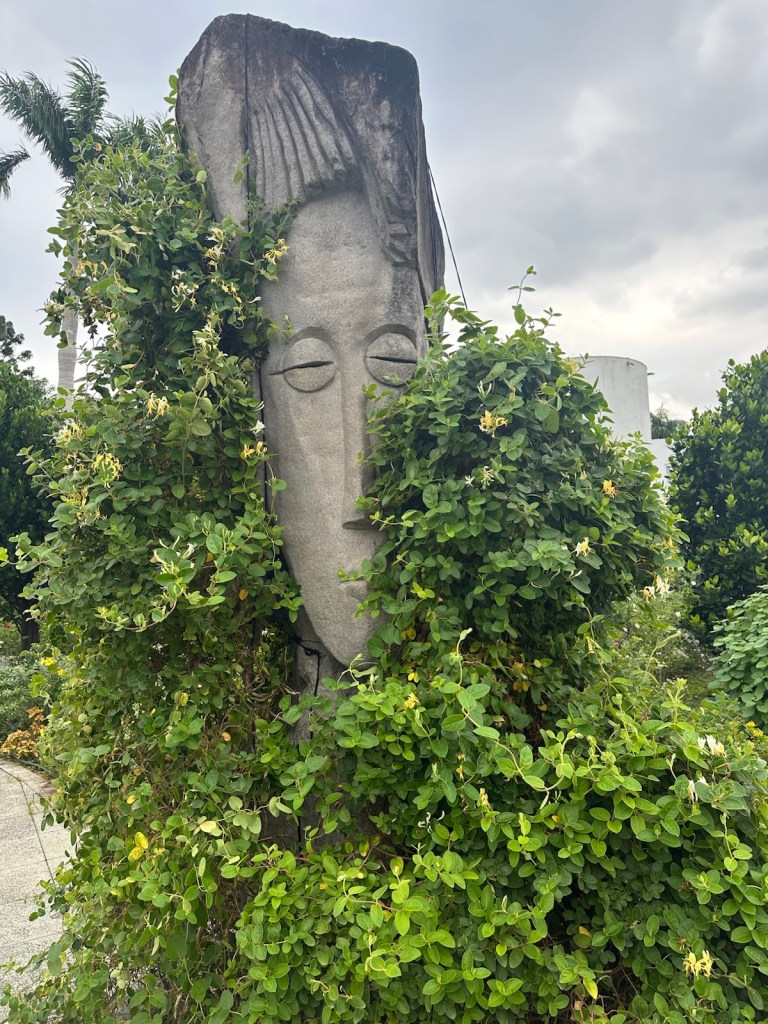
The garden showcases over 800 varieties of roses, arranged in beautifully maintained beds and winding paths. Depending on the season, it can be an explosion of color — soft pastels, bold reds, sunny yellows — all surrounded by manicured lawns and shady trees.
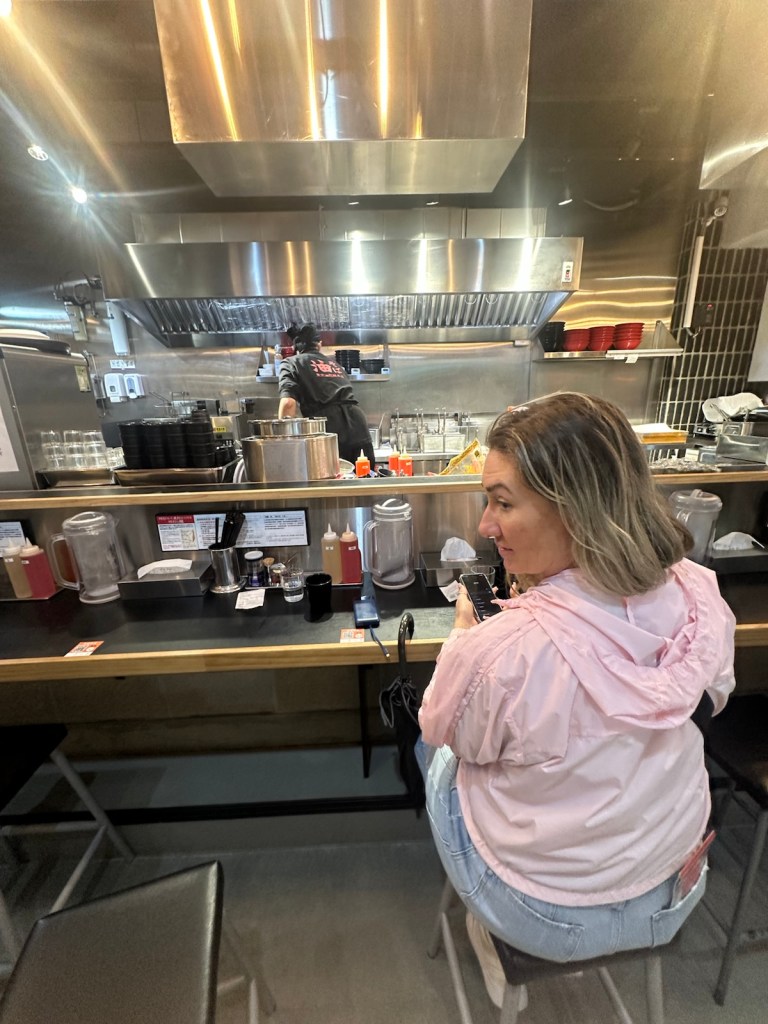
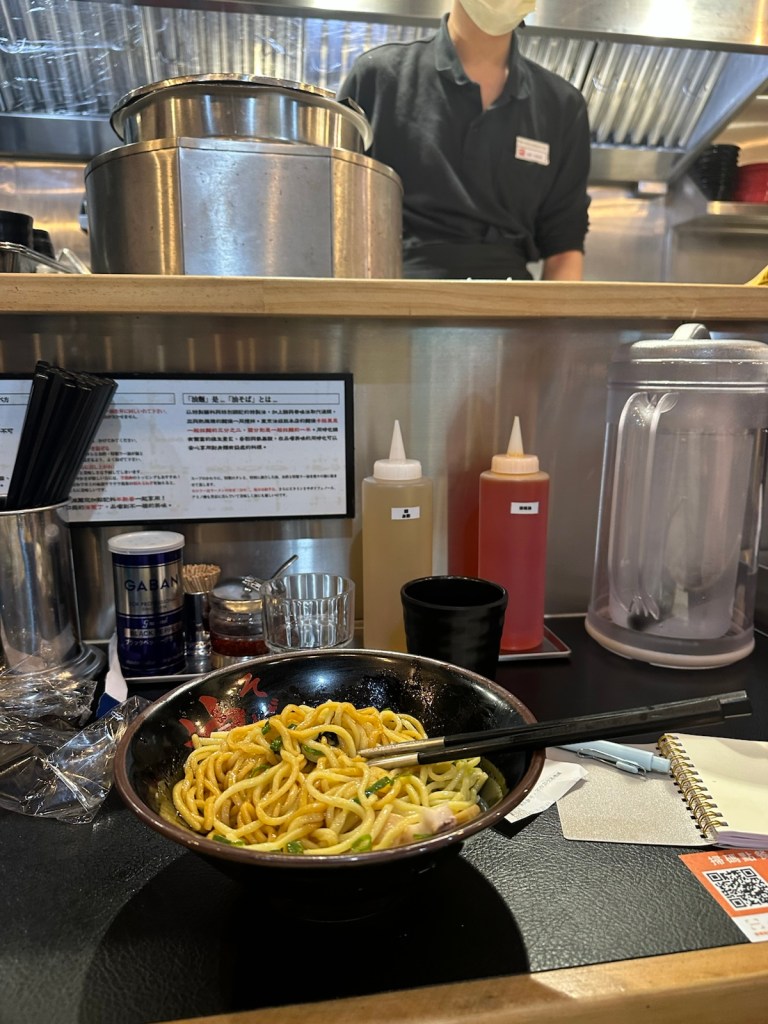
What a day — and we still weren’t ready to call it quits. We ducked into a small café for a late-afternoon bite, only to discover that, unlike Europe, very few locals here speak English, even a little. Out came the cell phone translators as we attempted to decode the menu. Thankfully the place wasn’t crowded, because the chef kept dashing over to make sure we were using the proper sauces. I ended up ordering a spicy miso dish called Aburasoba.
After so much walking and wandering, a foot massage felt essential — and in Taipei, they’re easy to find.
For about $20, we enjoyed a 40-minute mix of neck and shoulder work plus a foot and leg massage. The therapist’s pounding on my back was intense — borderline brutal — but I’m pretty sure he unraveled every knot I had. By the end, I felt amazingly refreshed.

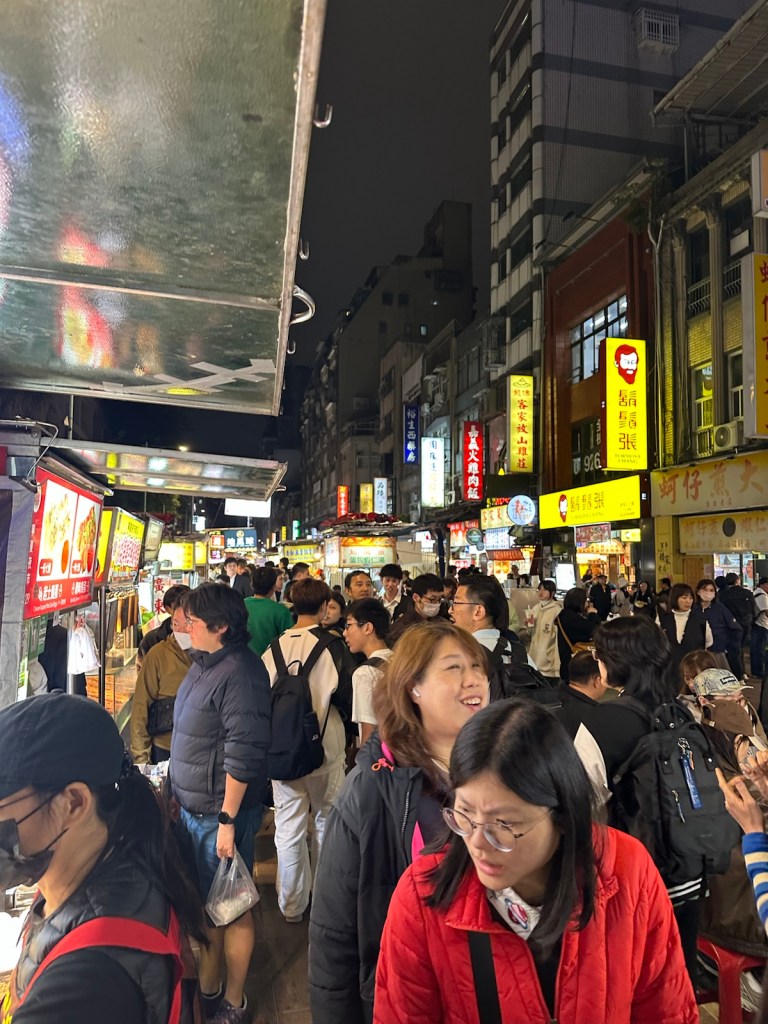
Next stop was the Ningxia Road Night Market — one of Taipei’s most beloved food-centric night markets. Unlike some of the larger markets that mix in clothes, gadgets, and carnival games, Ningxia is almost entirely about eating. Stall after stall features classic Taiwanese street foods, many of them run by the same families for generations.

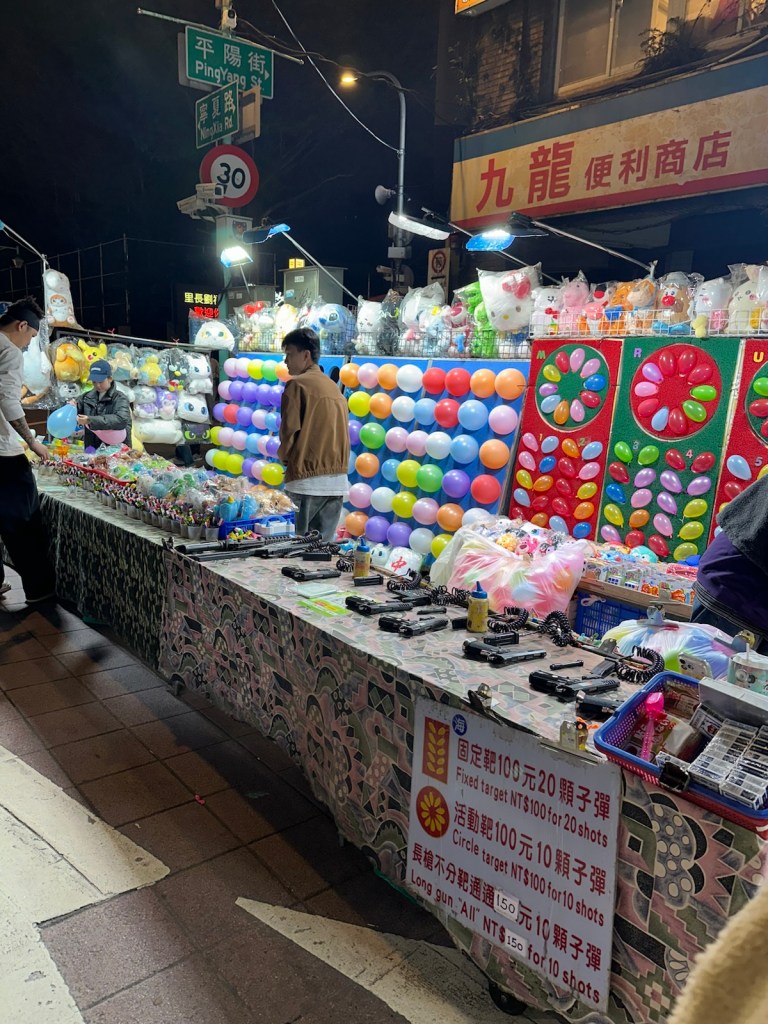
A few of the side streets branched off into rows of carnival-style games, giving the market a playful, old-school fairground vibe. It was a fun contrast to the food stalls — neon lights flashing, kids laughing, and little prizes dangling from every booth — adding an extra layer of charm to the whole experience.

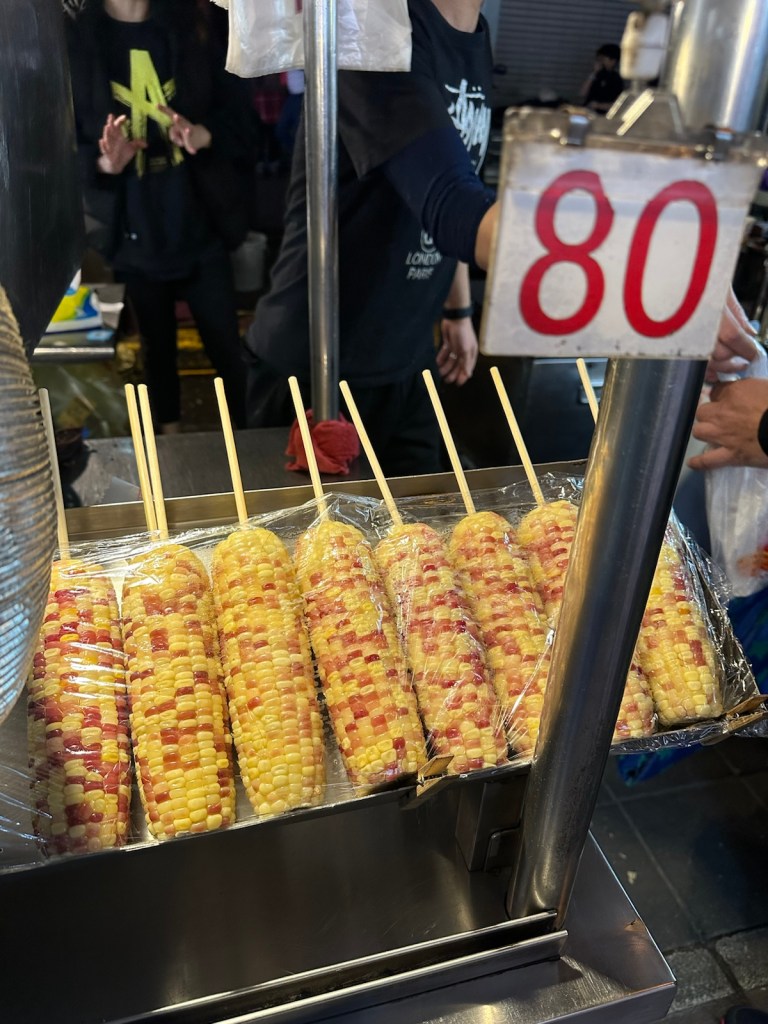
Most portions are small and inexpensive so you can easily snack your way down the street trying multiple dishes — which is exactly what locals do.


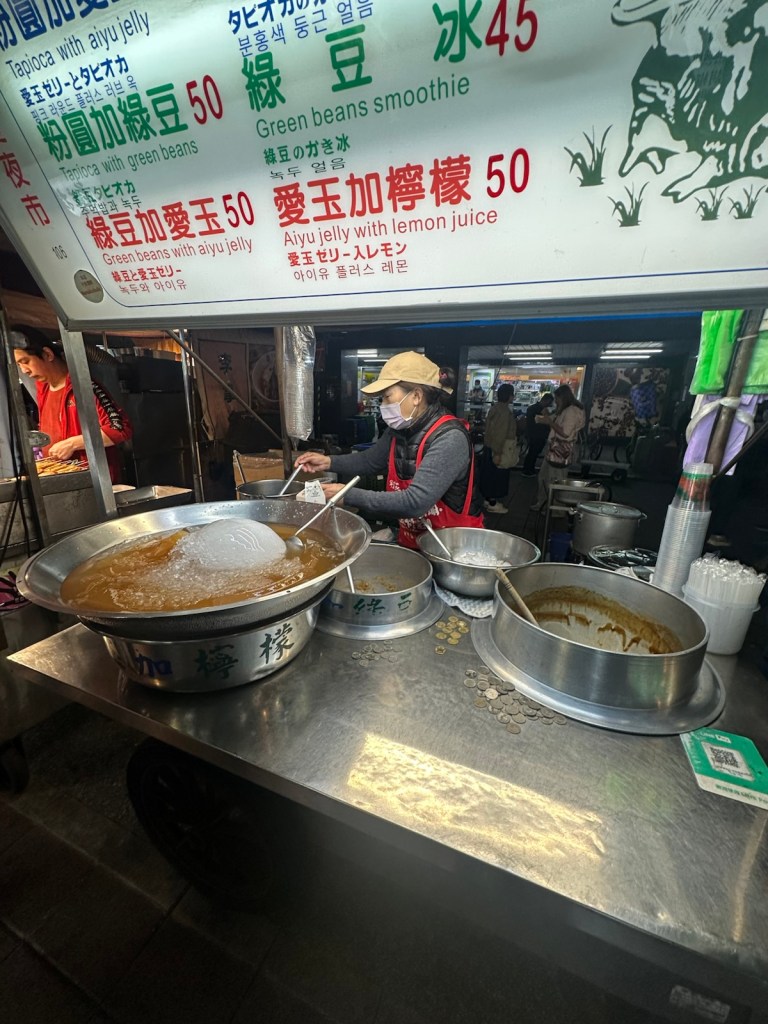
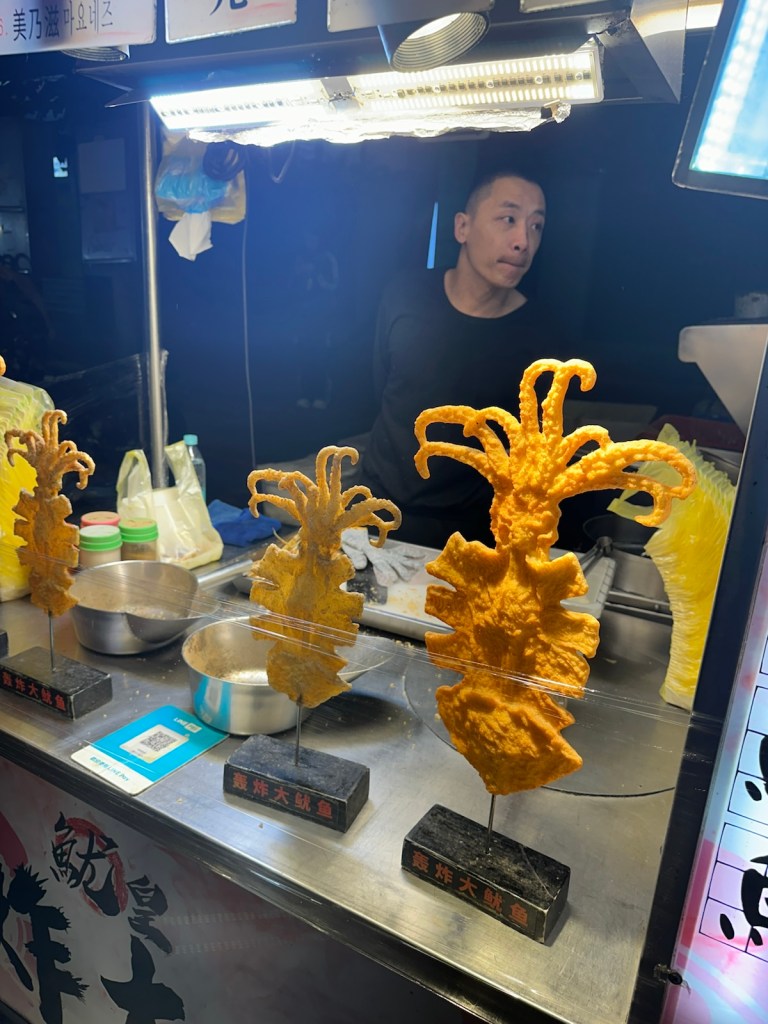
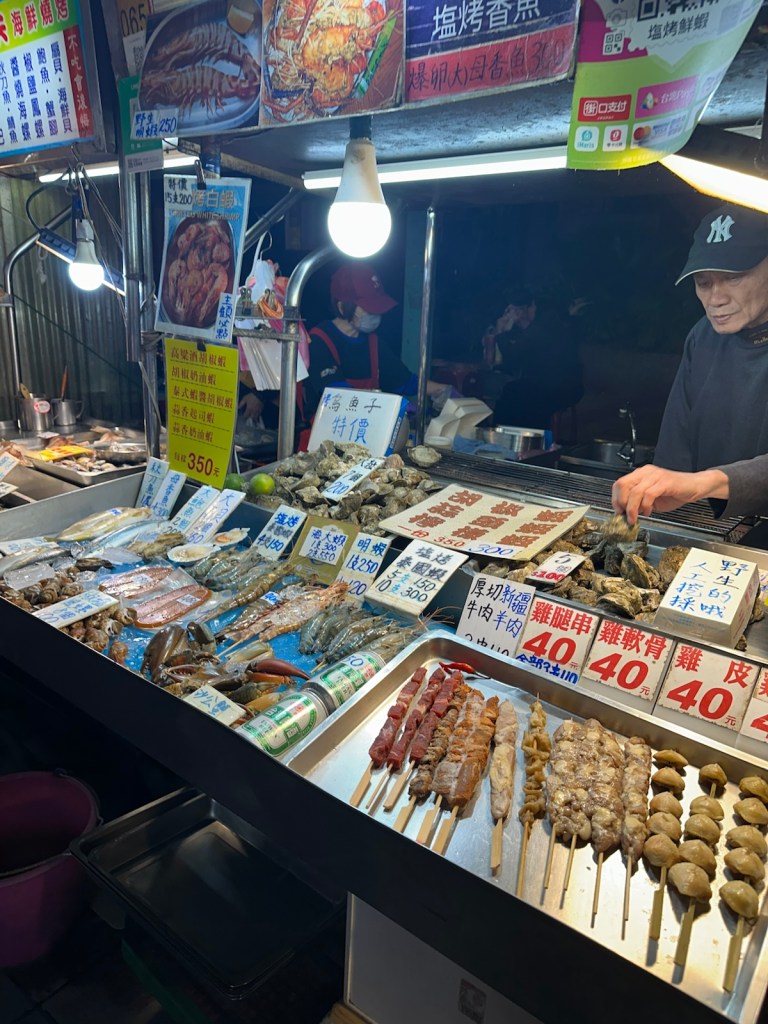
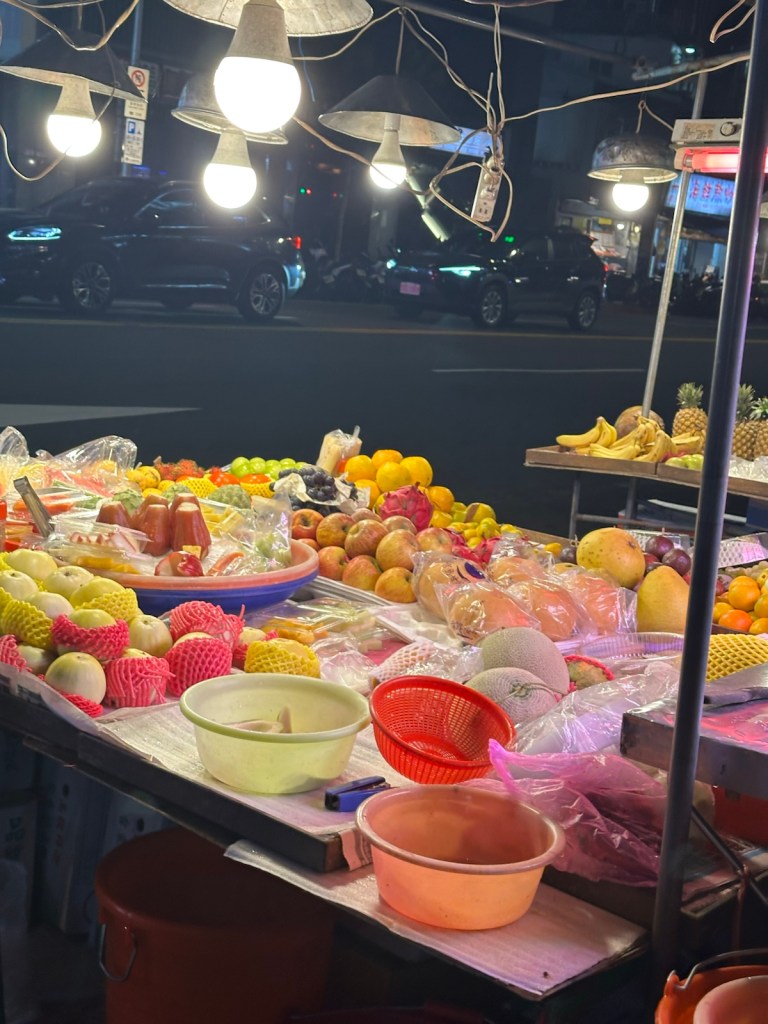
Some of the food stalls even had small tables where patrons could sit and soak in the lively, almost chaotic energy of this culinary extravaganza.
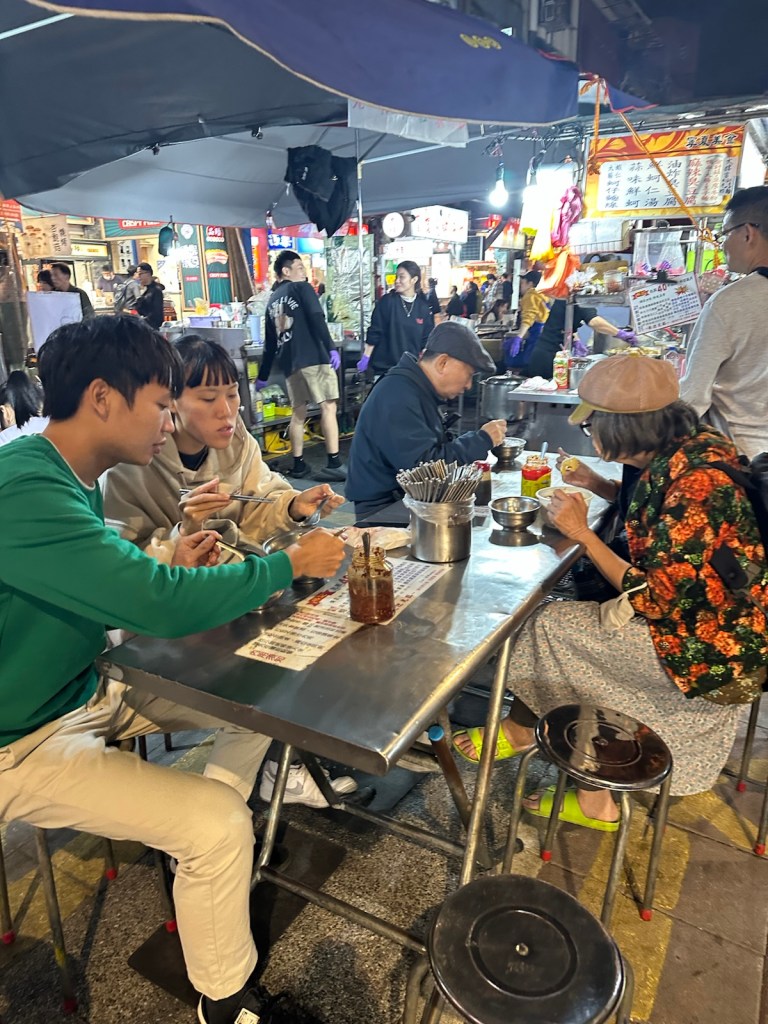
We nibbled on sweet potato balls, a flaky Yue Shi scallion pancake and grilled pork on a stick. Everywhere we turned there were drinks of every kind — fresh juices, icy smoothies, and even a quirky little bar in the mix.
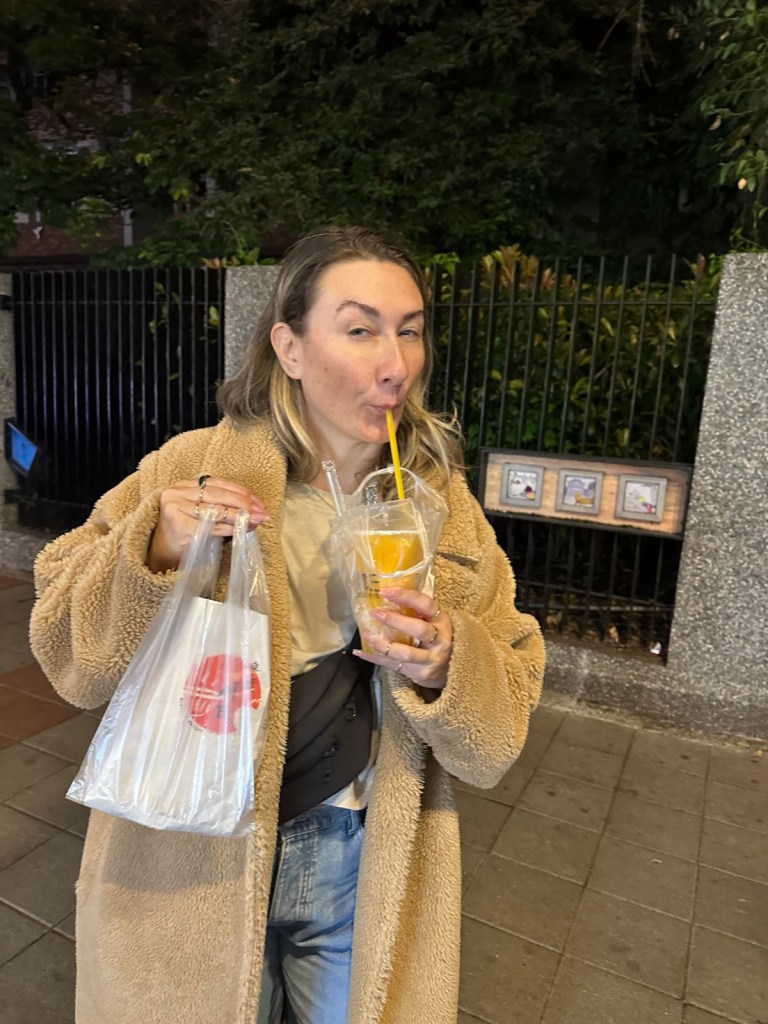

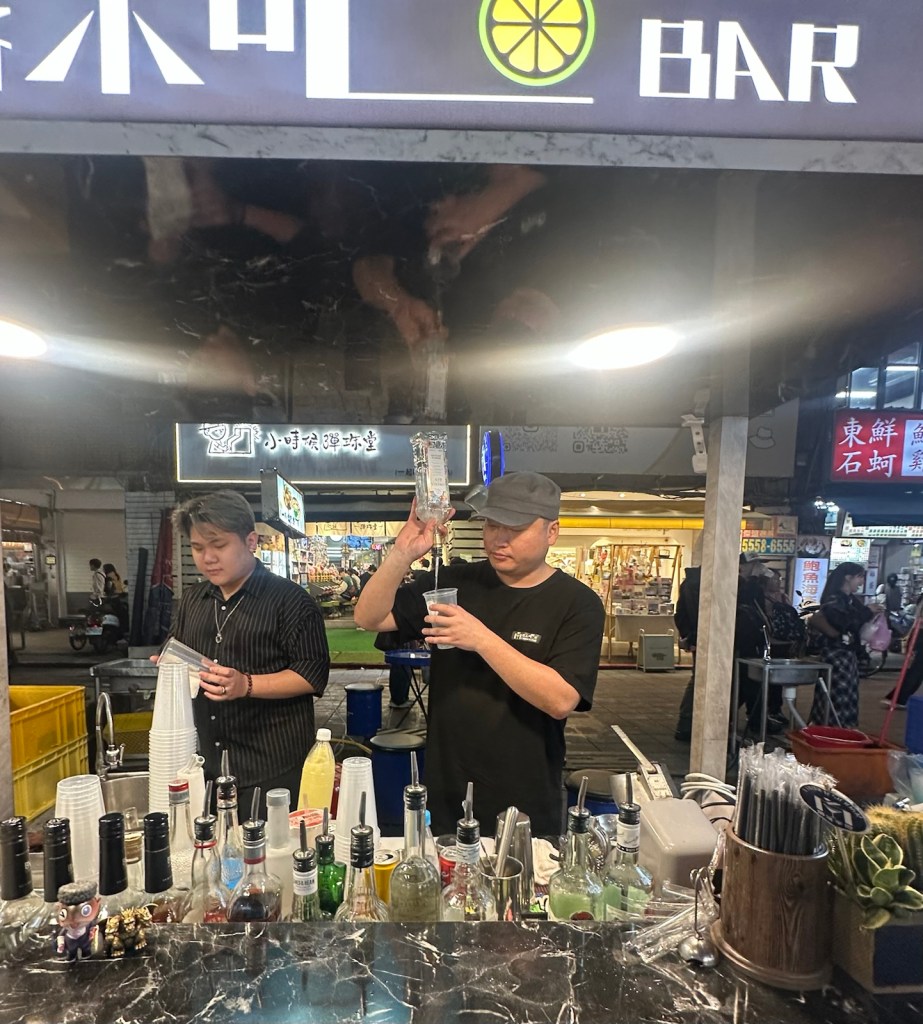
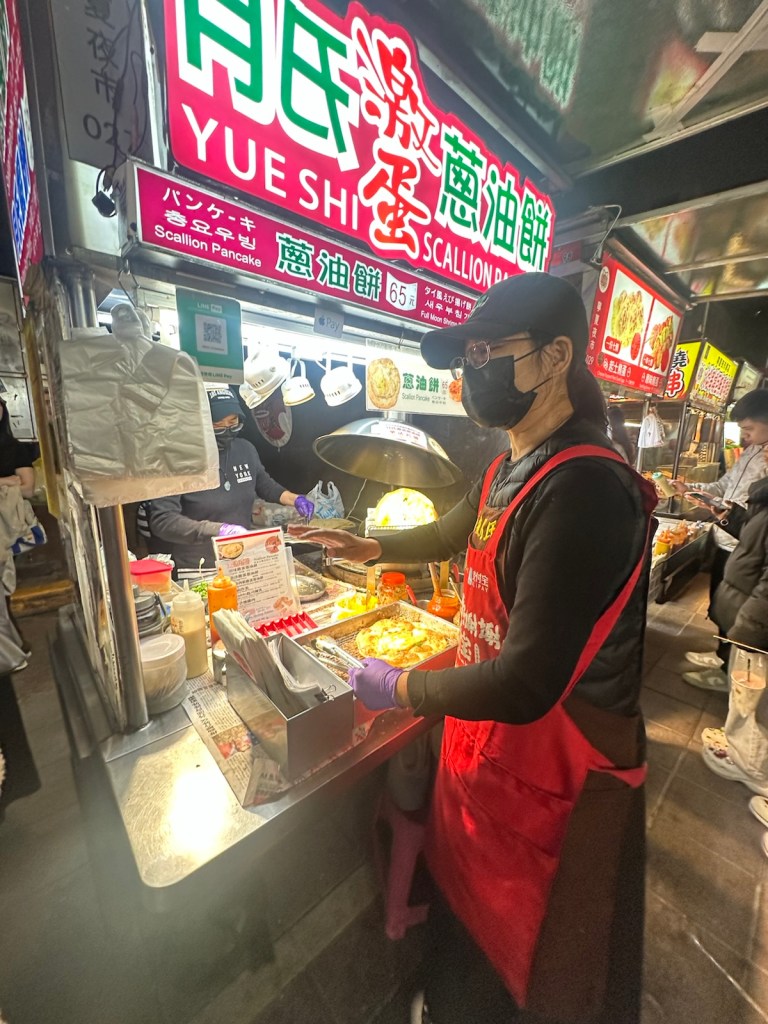

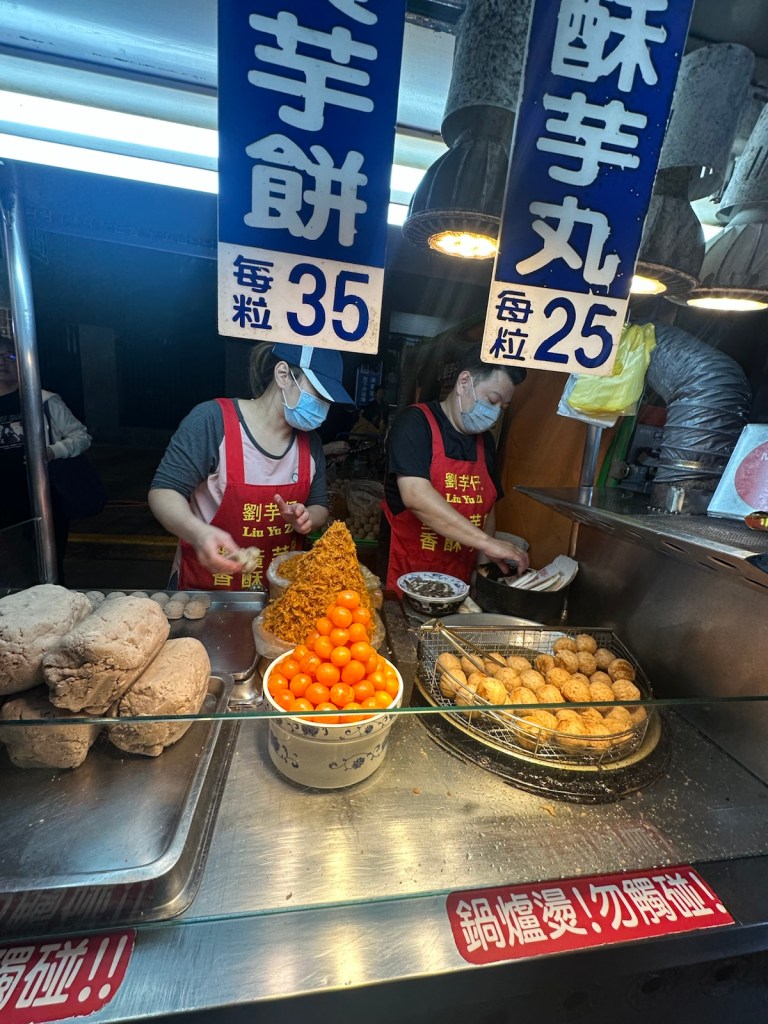
The surprising thing about this night market was the spotless street — not a piece of trash anywhere — yet there wasn’t a single garbage can to be found. How do they pull that off?
This little piggy went to market — and handled all the cleanup, apparently.
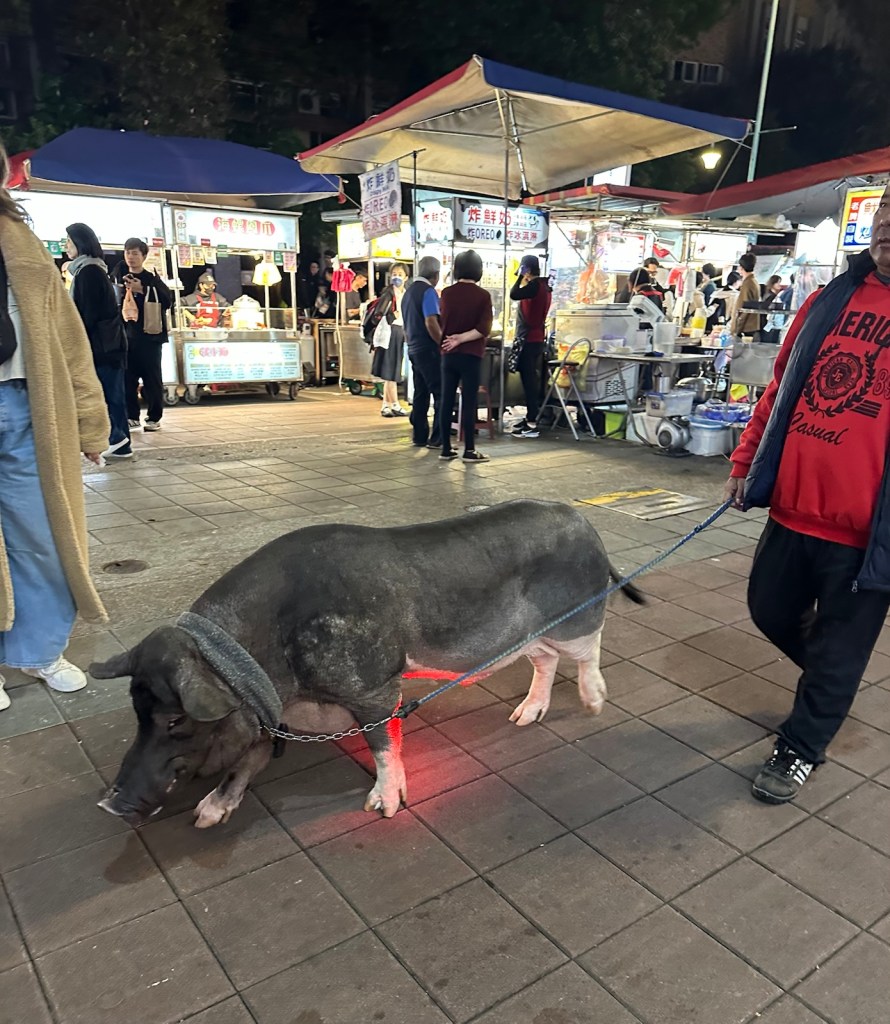
Taipei’s remarkably clean streets are one of the first things visitors notice. The city’s tidiness isn’t an accident; it’s the result of culture, policy, and community habits all working together.
In Taipei, public garbage cans are surprisingly rare. This policy came after a series of sanitation issues in the 1990s. So instead, people simply take their trash home — a habit the whole society supports.
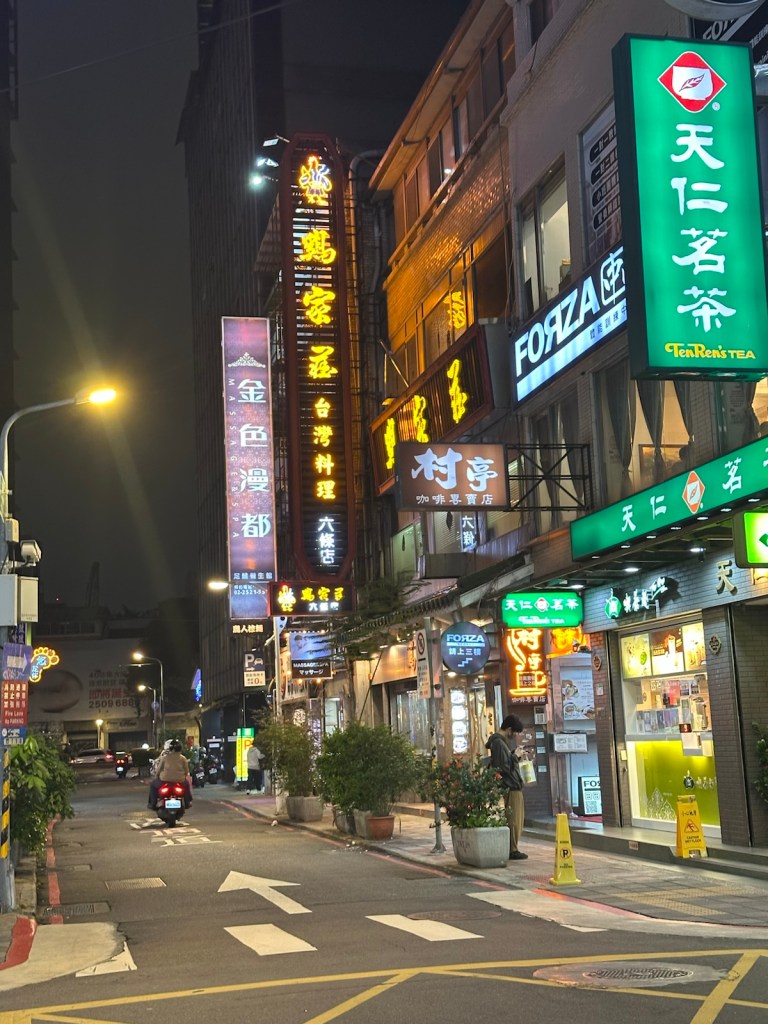
What a wonderfully successful day of wandering. By the time 9:00 pm rolled around, we were ready to head back to the hotel and call it a night.
Stay tuned — tomorrow we’re off to Beitou Hot Spring Park to explore one of Taipei’s most relaxing and atmospheric escapes.
安捏啊
 Jane in Spain