Today we are heading to the city’s southeastern edge to explore the tea plantations but not before having a long leisurely breakfast at nearby Artco restaurant which blends food with a creative, artsy ambiance.


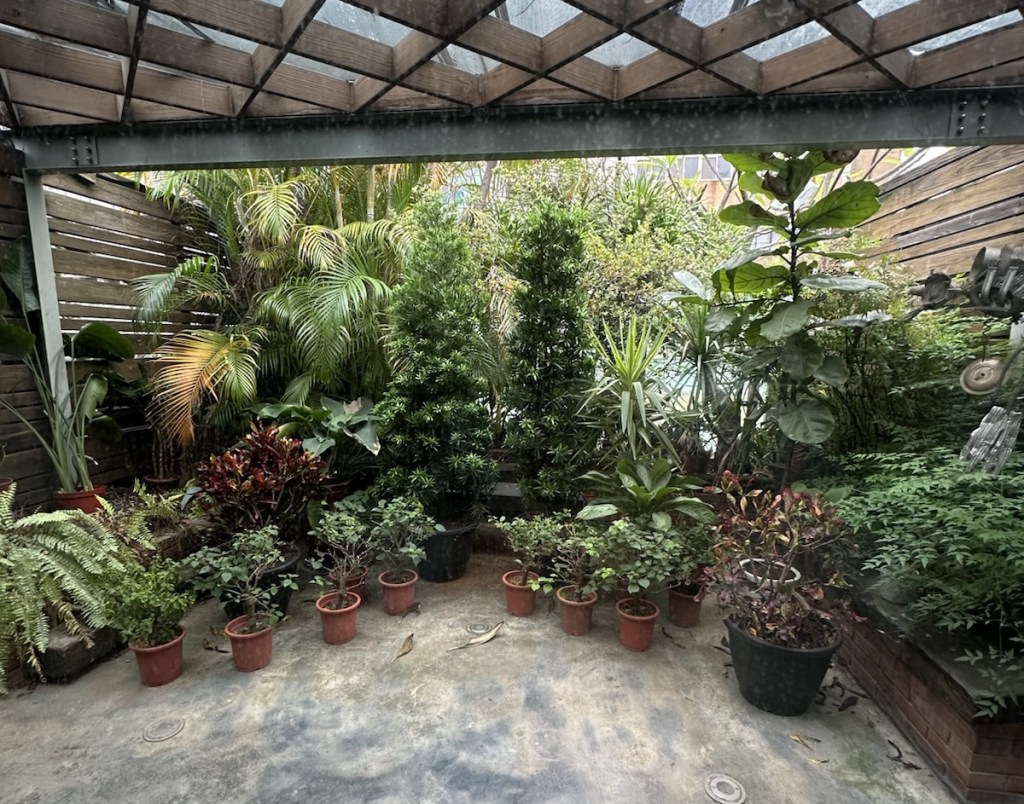
As usual, the walk to the train station is filled with local charm and always has a lot to look at and observe.
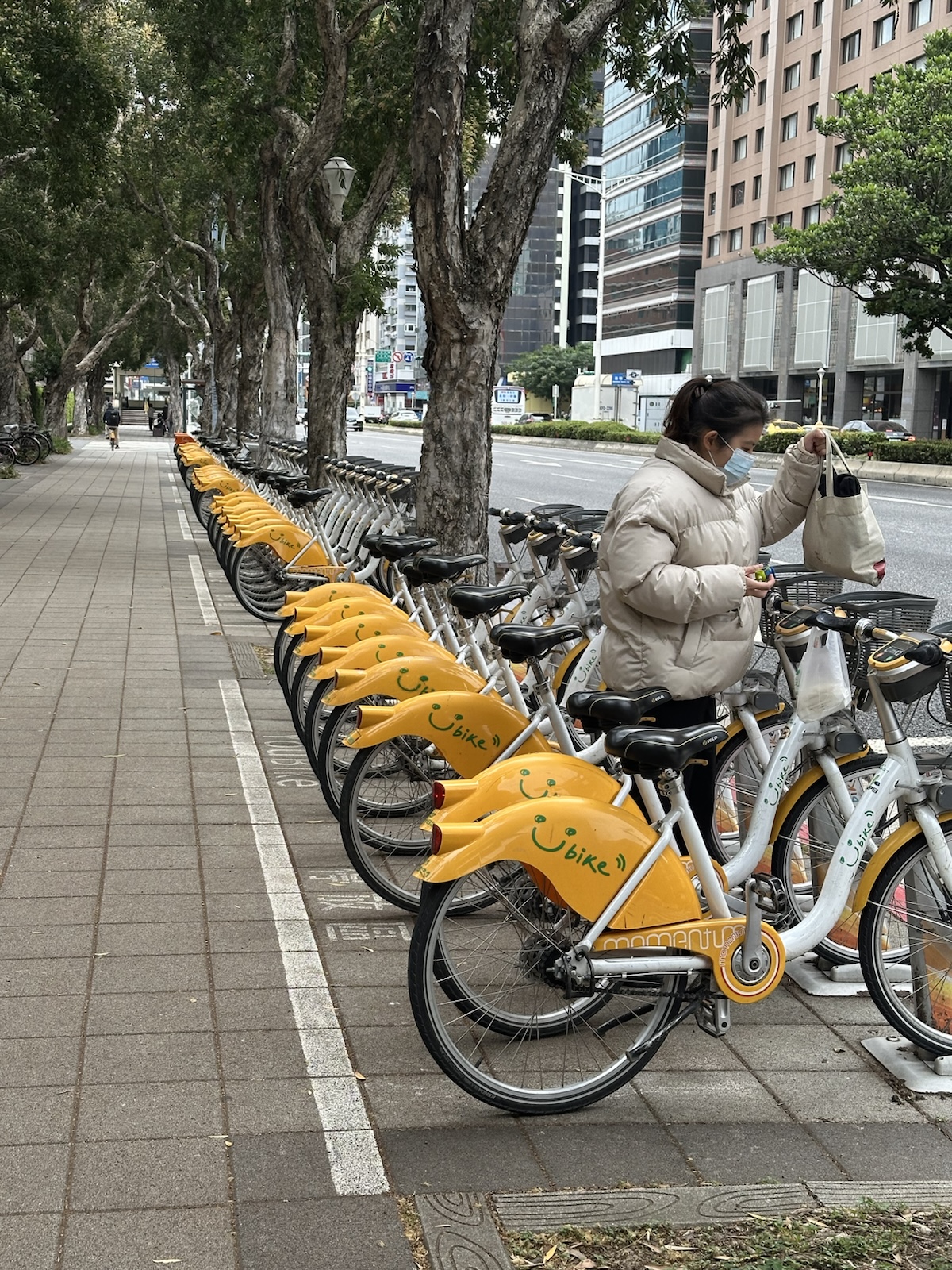
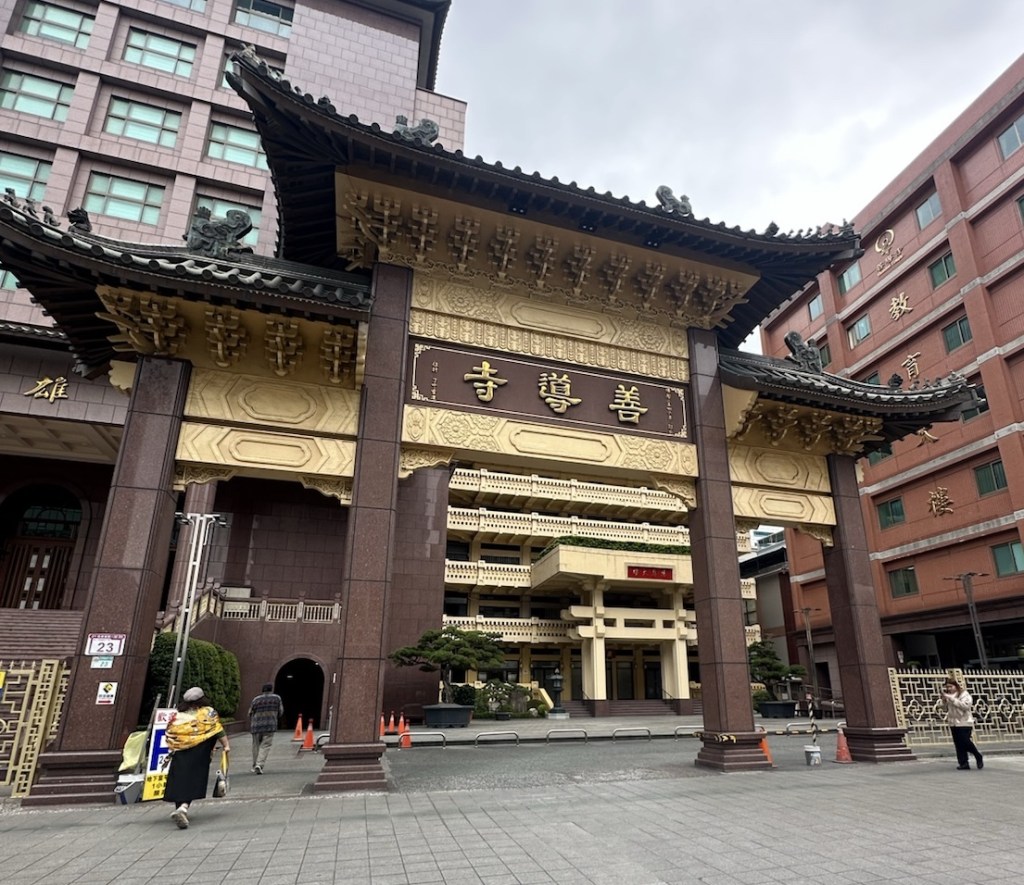
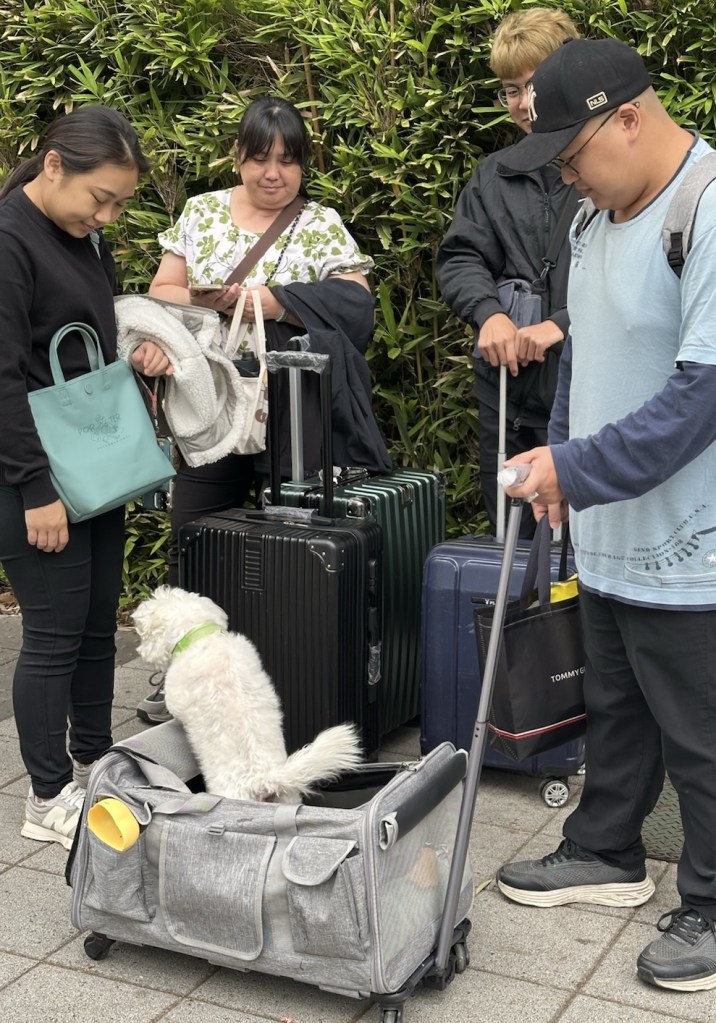
It’s tricky getting on the correct train going in the right direction. Bridget it a pro at navigating and remembering where we were and how we got there.


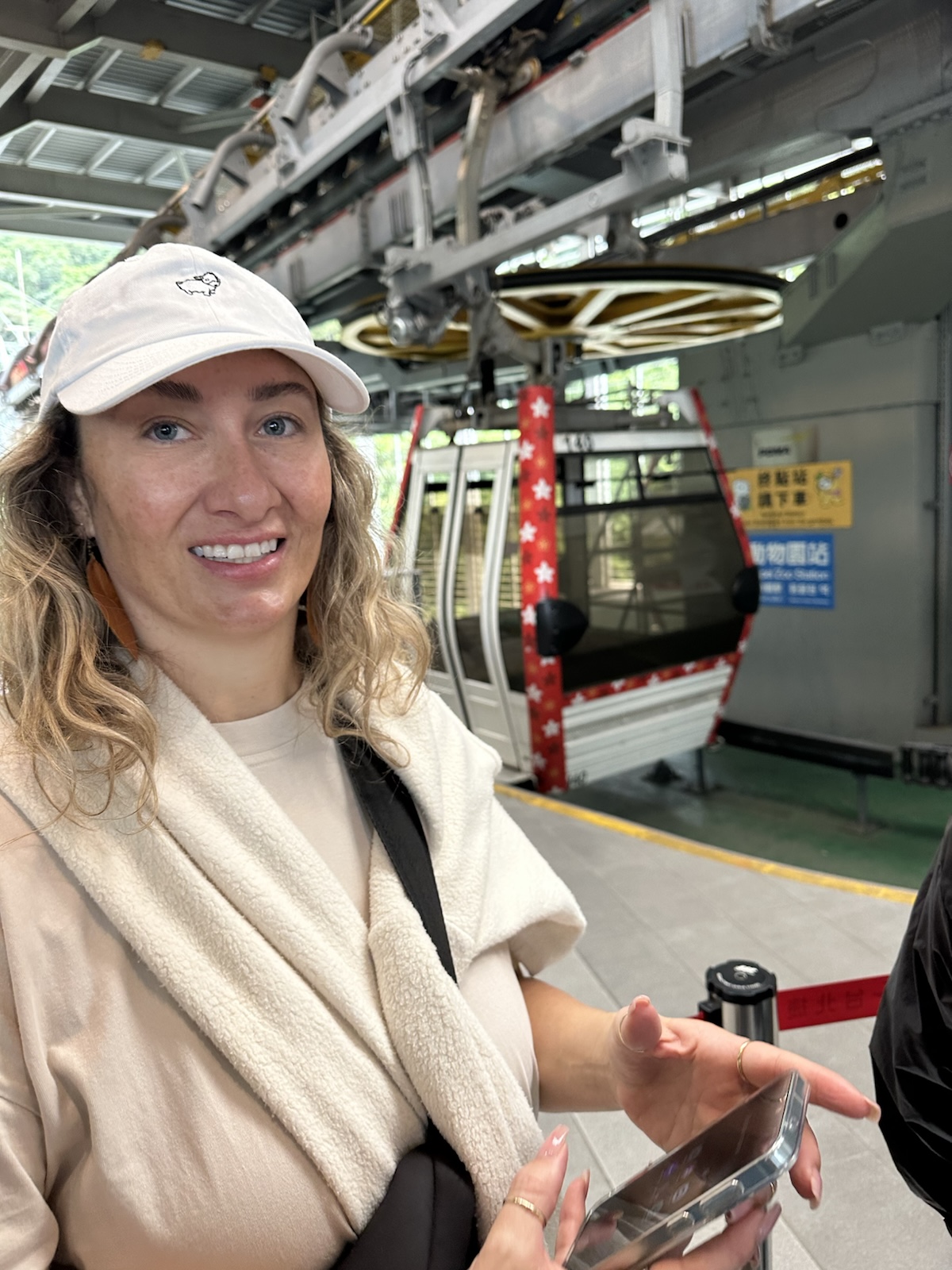
The Maokong Gondola is a 2.5-mile cable car that takes you up into the lush Maokong tea-growing hills. The view of Taipei from the cable car is stunning.
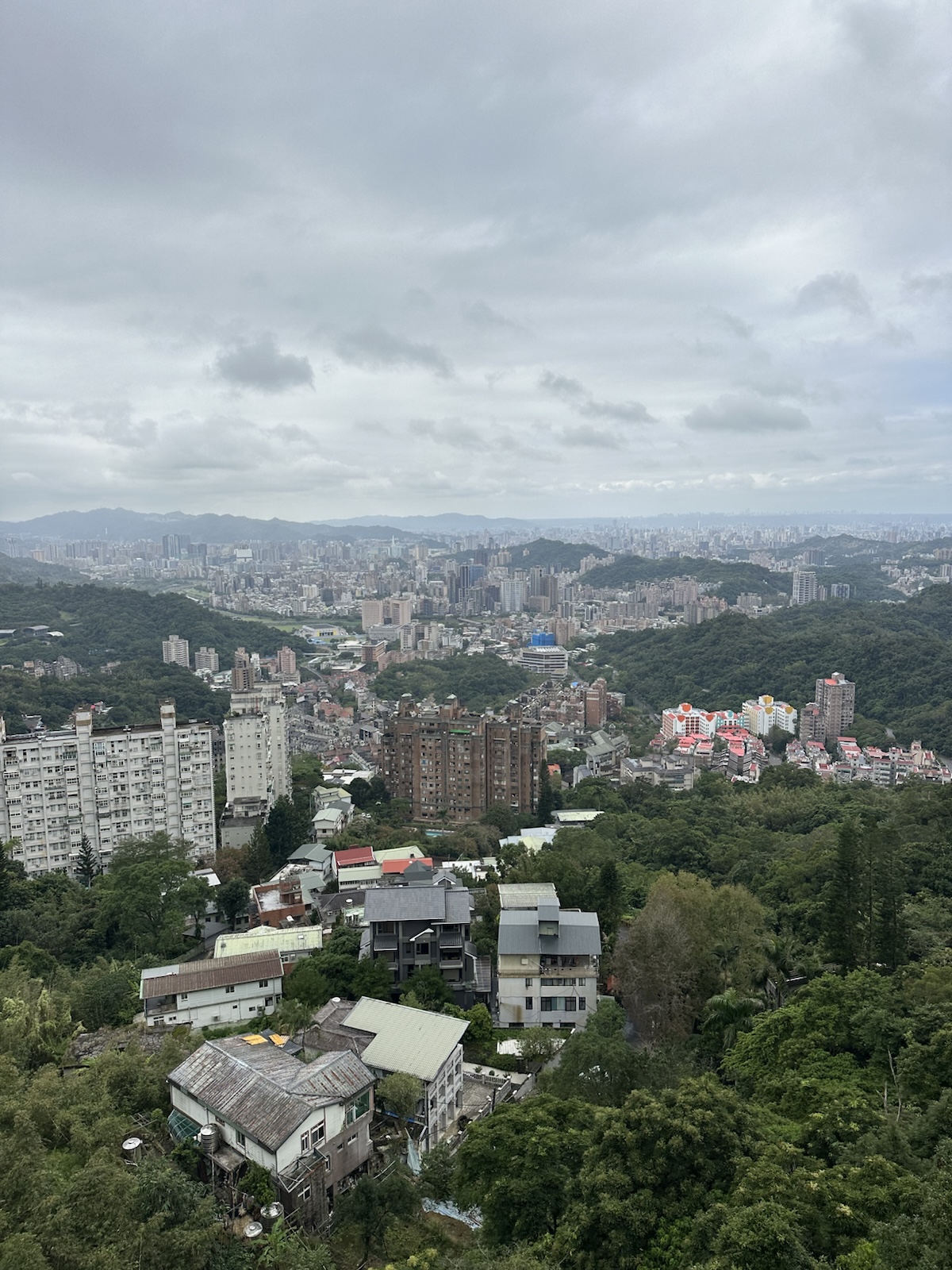
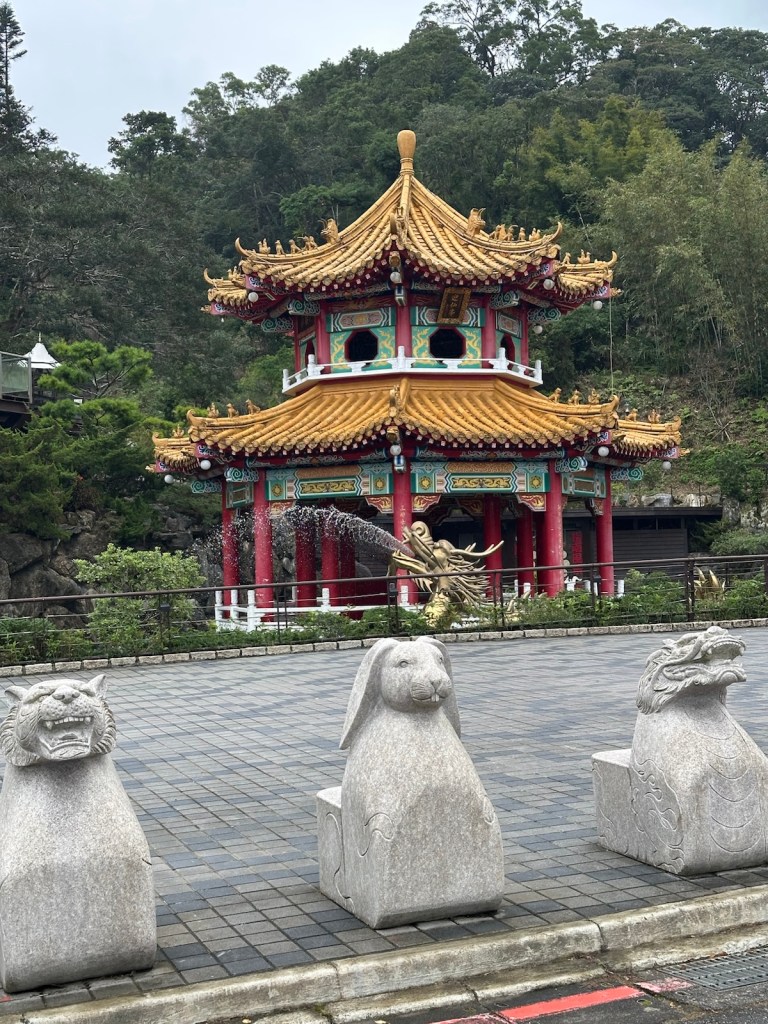
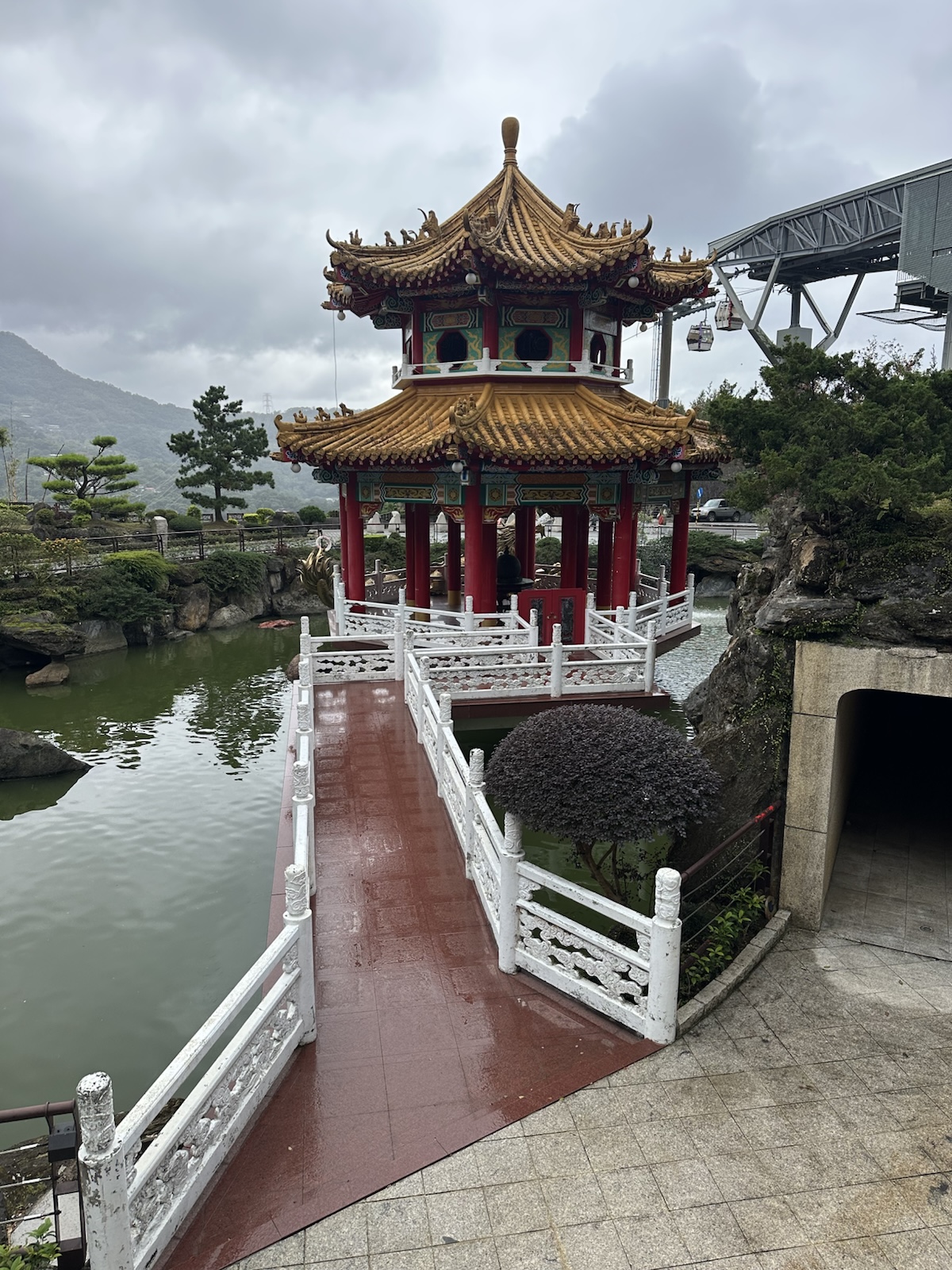
There are four stops along the Maokong Gondola, and we hopped off at the third to explore Zhinan Temple. This peaceful hillside complex offered sweeping, panoramic views of Taipei.

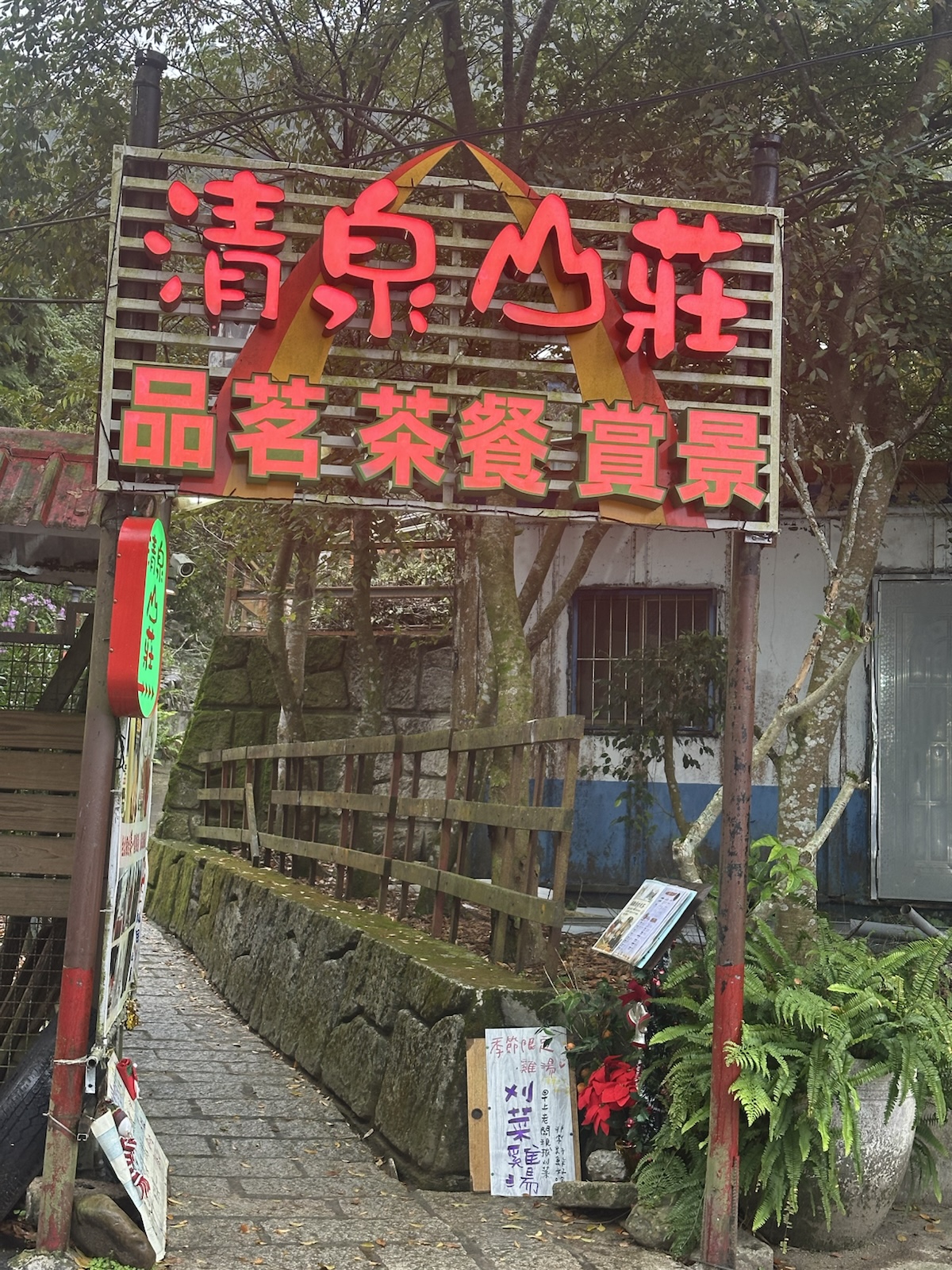
The last stop is at the top of the hillside and the main destination for most visitors. It’s where the city melts away and Taipei’s famous tea-growing hills open up around you.
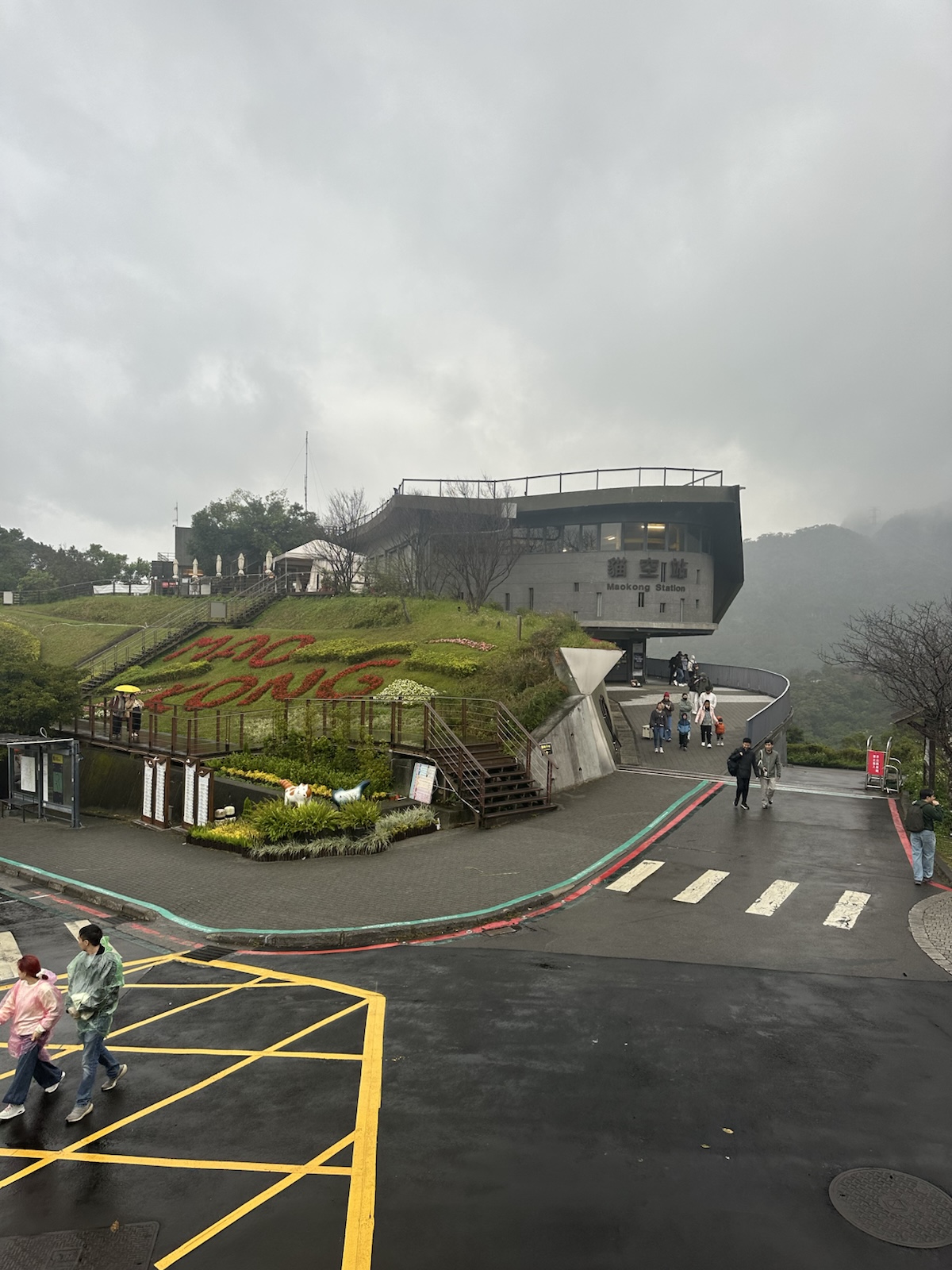
Dozens of teahouses cling to the hillsides overlooking Taipei, famous for their high-mountain oolong and Tieguanyin teas. Some offer floor seating, lanterns, and a traditional ambiance, while others lean modern — but every one of them boasts a breathtaking view.


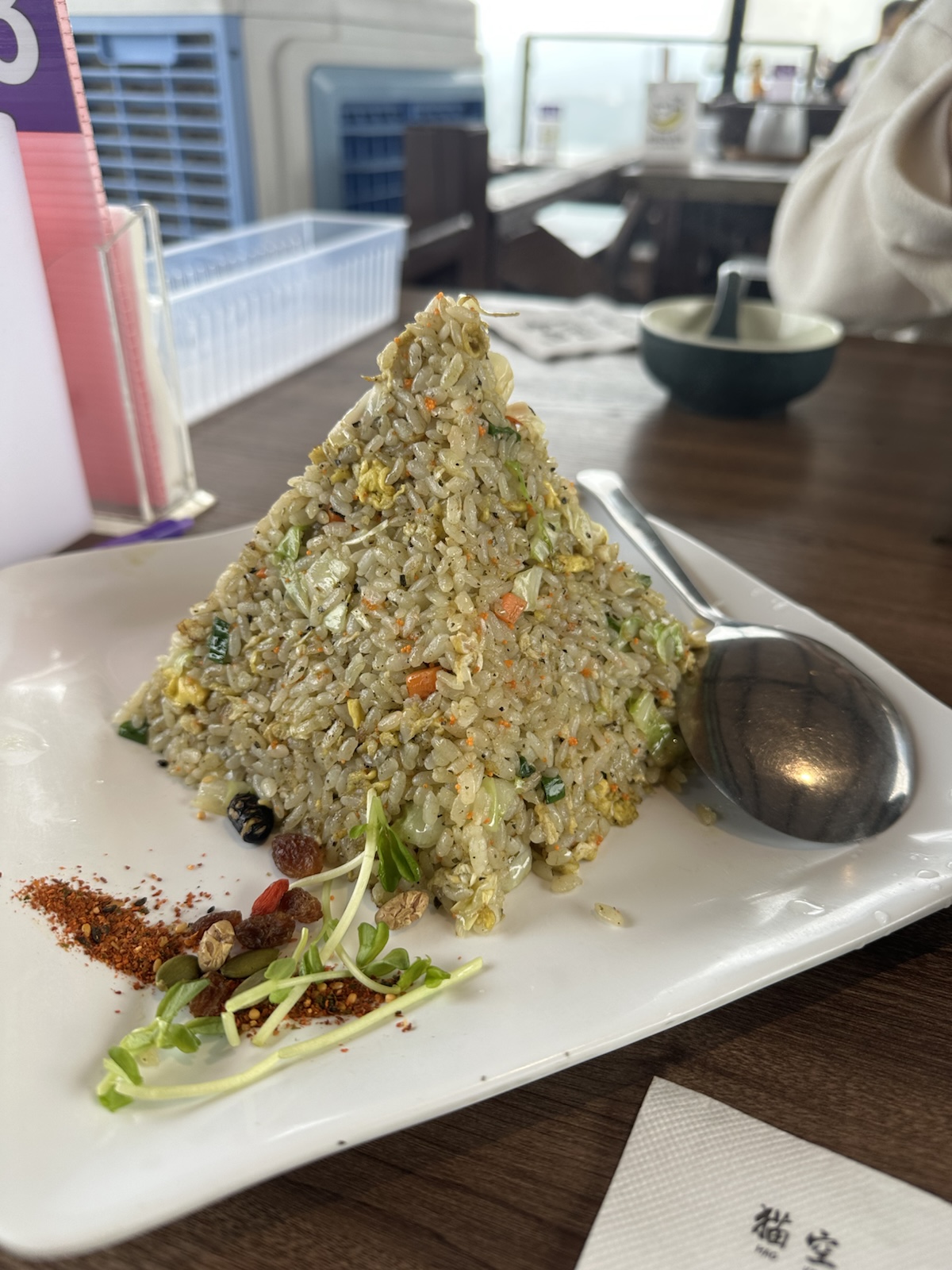
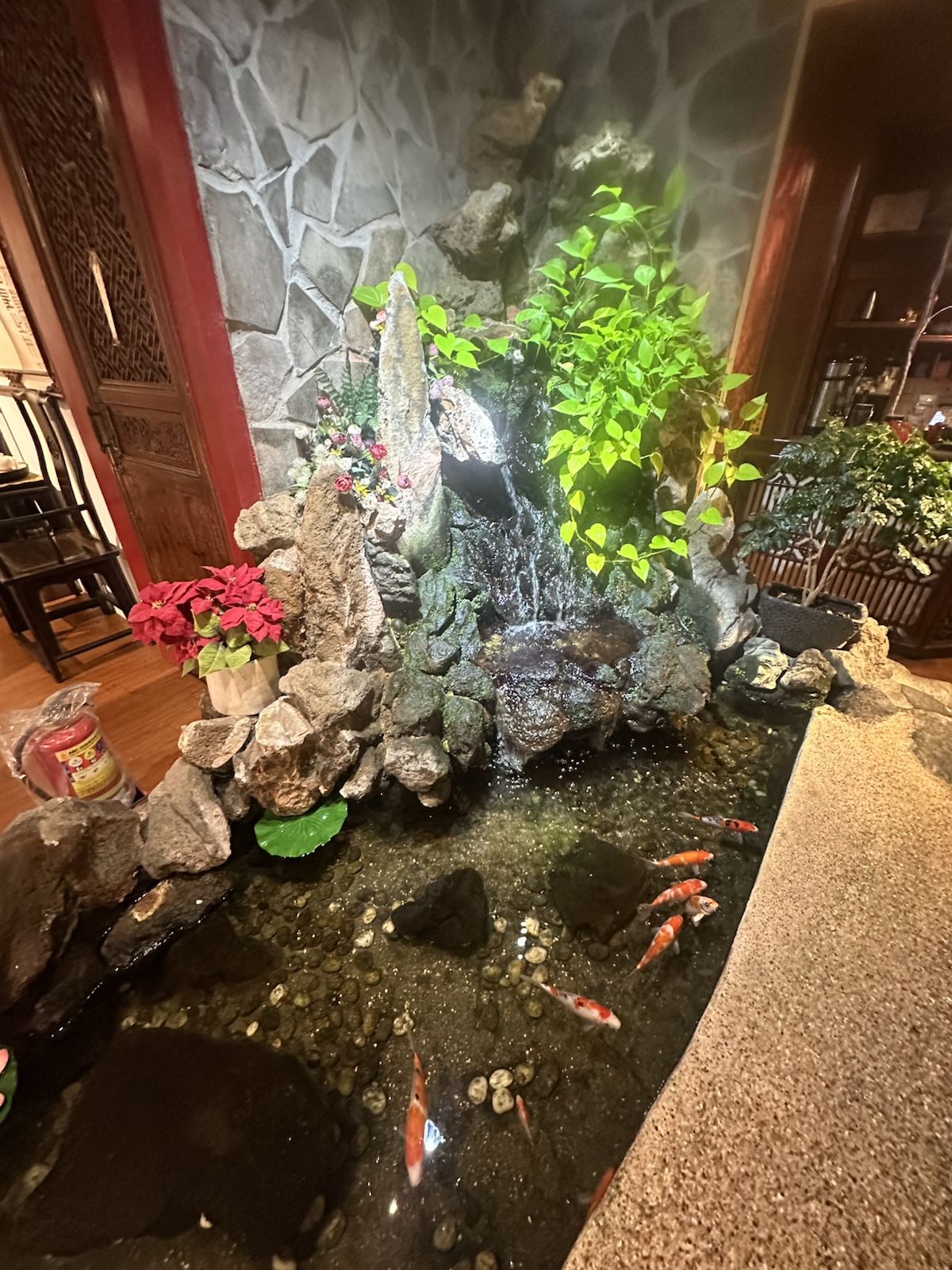
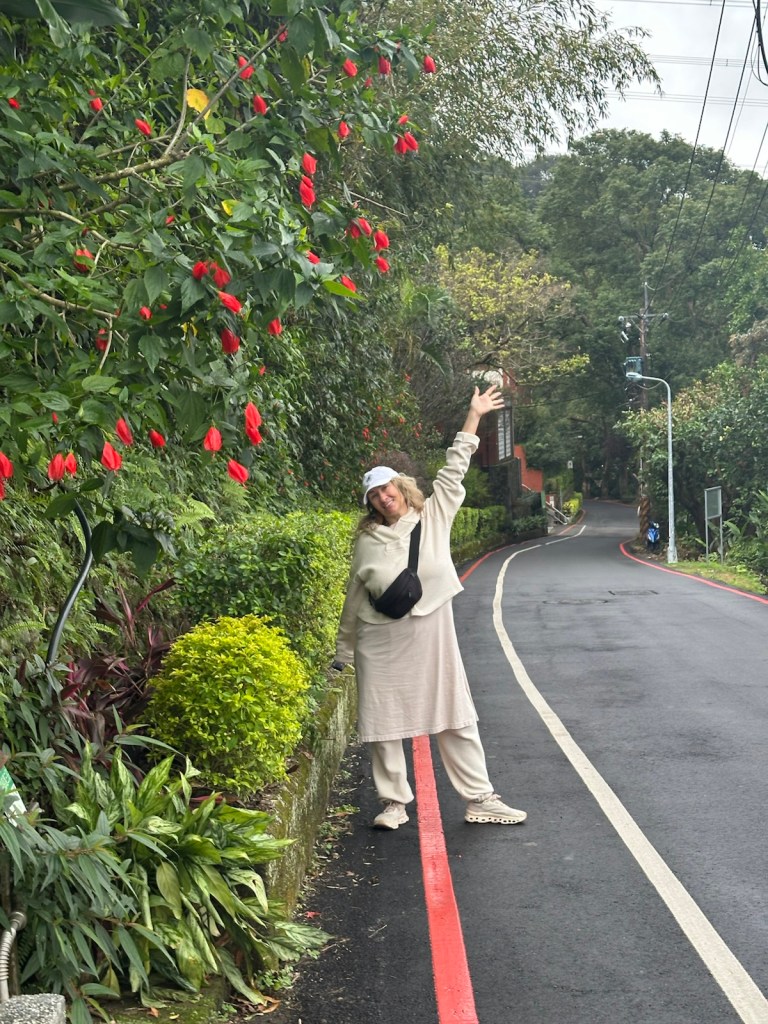
The gentle walking paths around the Maokong Station are one of the best parts of visiting the top of the gondola. They’re peaceful, scenic, and perfect if you want views without a strenuous hike.
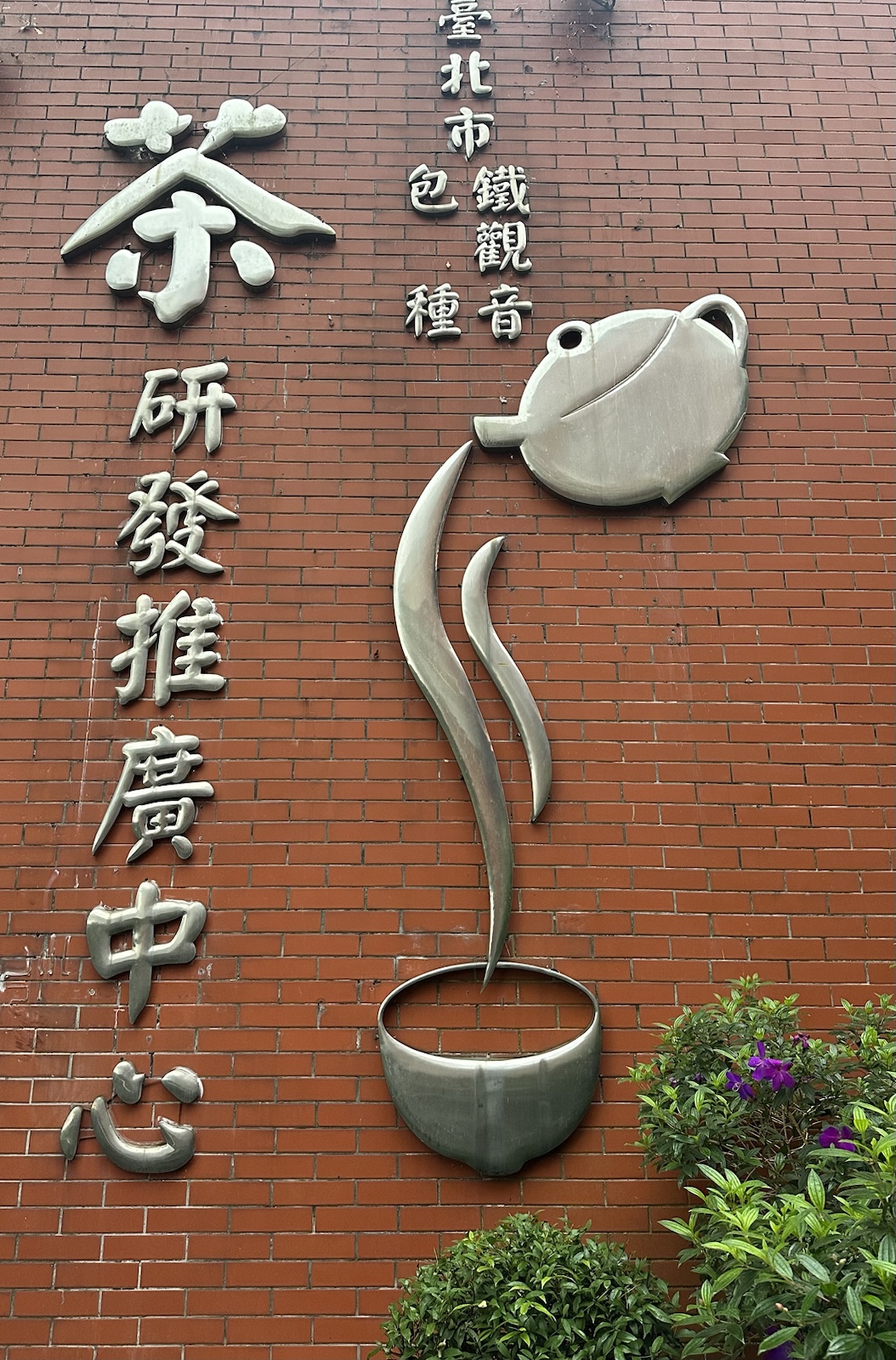
We walked a short distance to the tea-education center, officially the Taipei Tea Promotion Center for Tieguanyin and Baozhong Tea. It’s a compact but fascinating stop where history, agriculture, ecology, and tea tasting come together, giving you a deeper understanding of why Taiwanese teas are so celebrated.

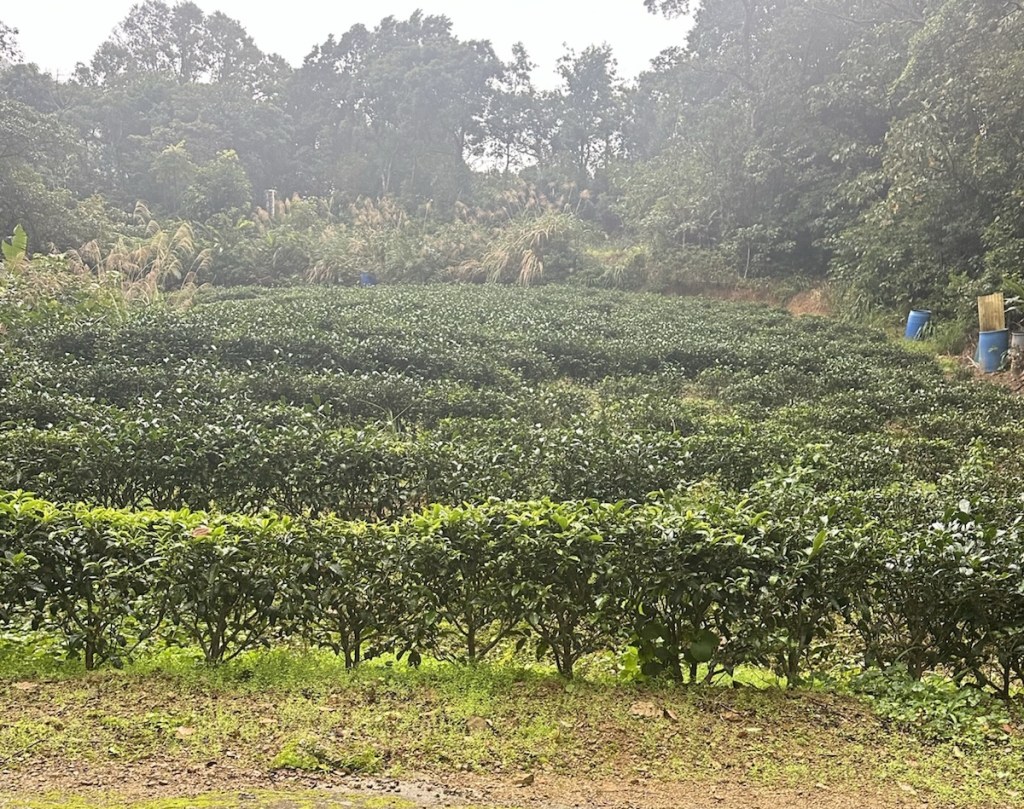
Tea fields — especially the ones around Maokong — are some of the most peaceful, photogenic parts of Taiwan. The tea plants grow in neat, rounded rows across the hillsides, creating a soft green patchwork that looks almost hand-brushed onto the landscape.
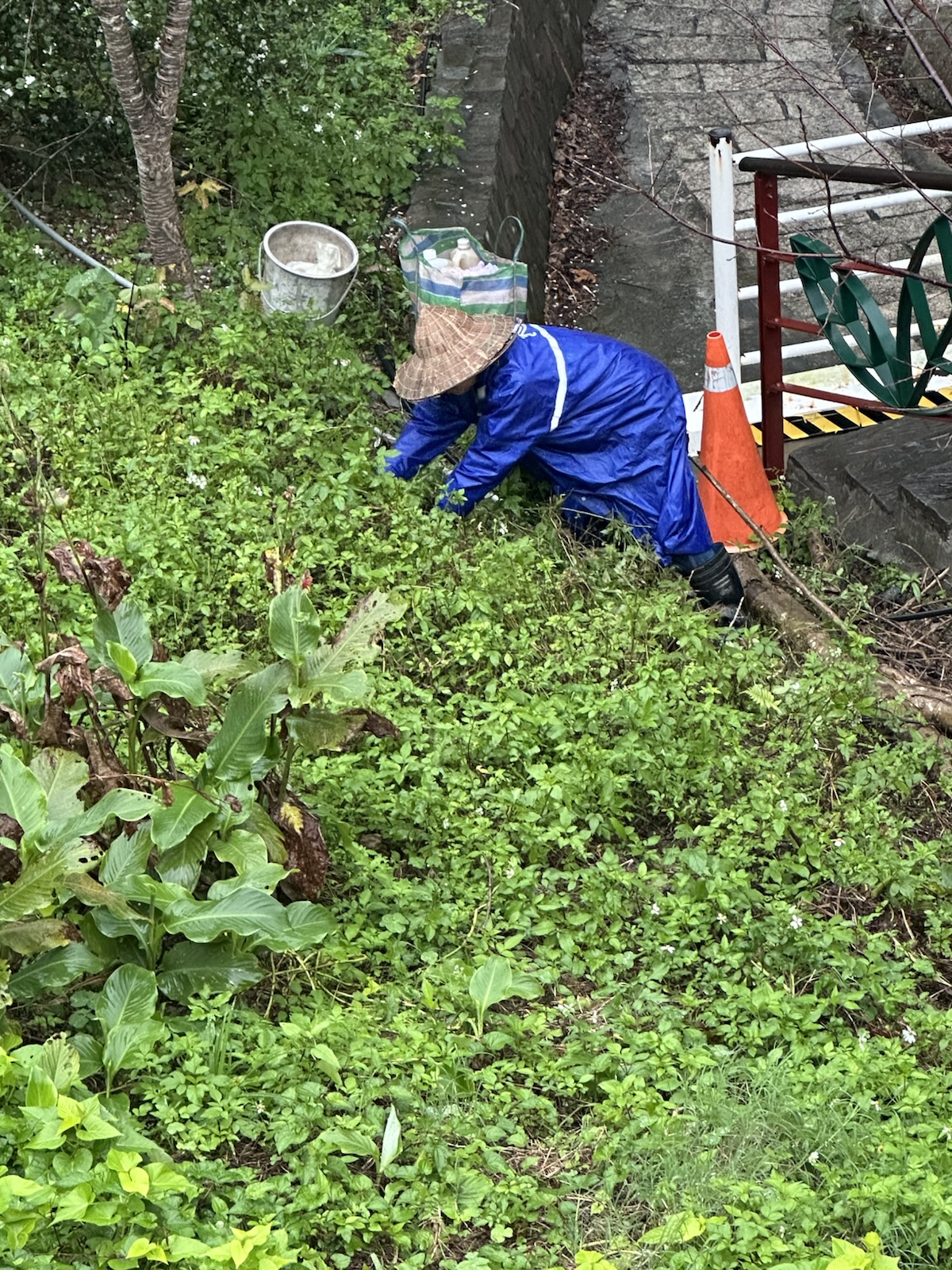
Tea harvesting in Taiwan is still largely done by hand, which preserves quality. Workers pinch the leaves at the base of the stem, twisting slightly to avoid damaging the plant. Hand-plucking protects the leaf edges, which affects aroma and flavor during processing.
After the young leaves are hand-picked, they’re spread out to wither, softening and reducing moisture. The leaves are then gently bruised to start oxidation, which develops their aroma and flavor. Heat is applied to stop oxidation at just the right moment, and the leaves are rolled into their final shape before being dried. This careful sequence is what gives Taiwanese teas — especially oolongs — their rich, layered character.
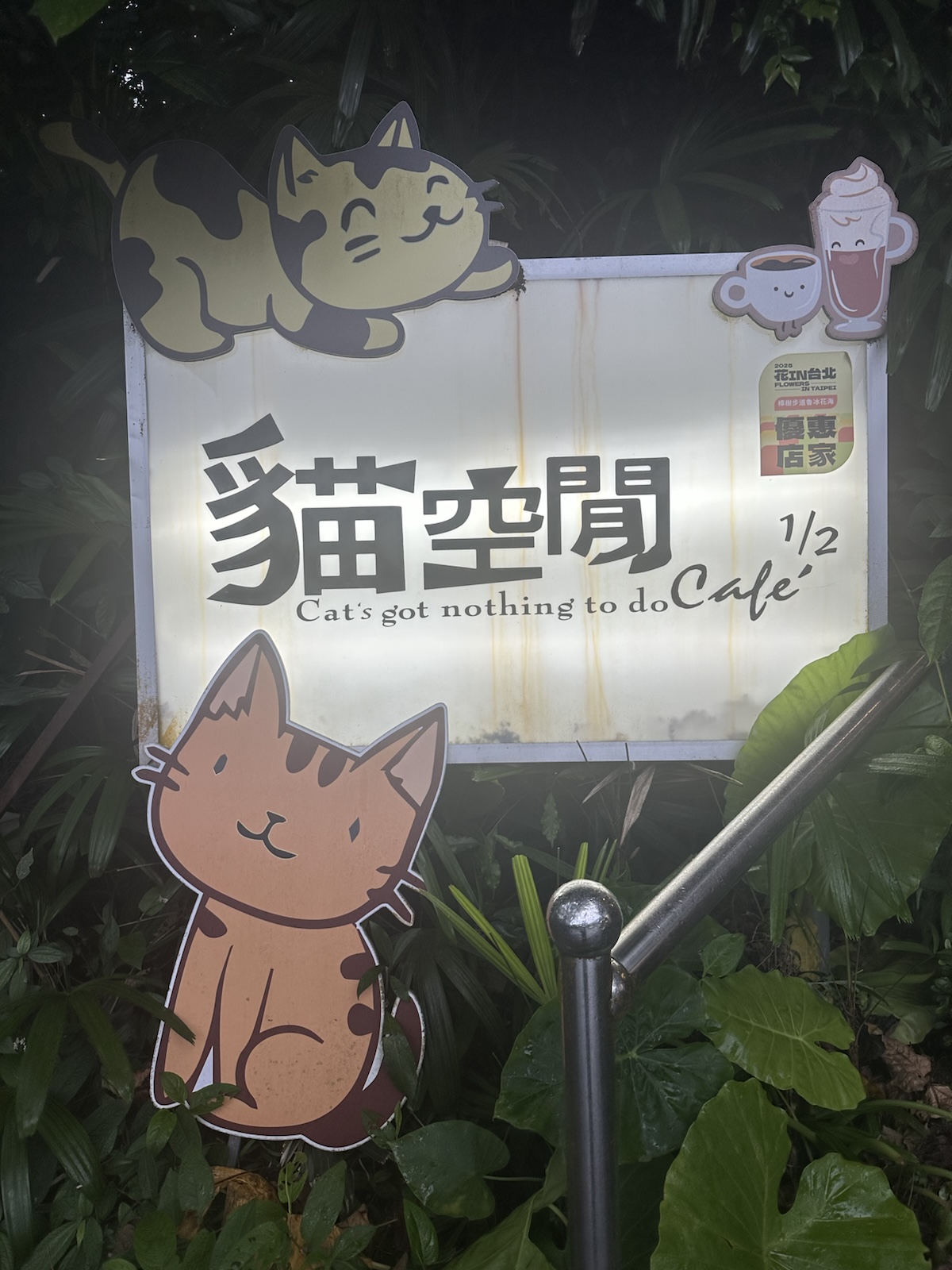
Along the paths cats seem to pop up everywhere — painted on walls, carved into stone, or perched as quirky little sculptures.
Some of the artwork comes from a playful interpretation of “Maokong”, which includes the character 貓 (māo) meaning “cat.” While the name actually refers to a geological feature (not cats), locals and artists love the coincidence — so cat-themed art pops up everywhere.

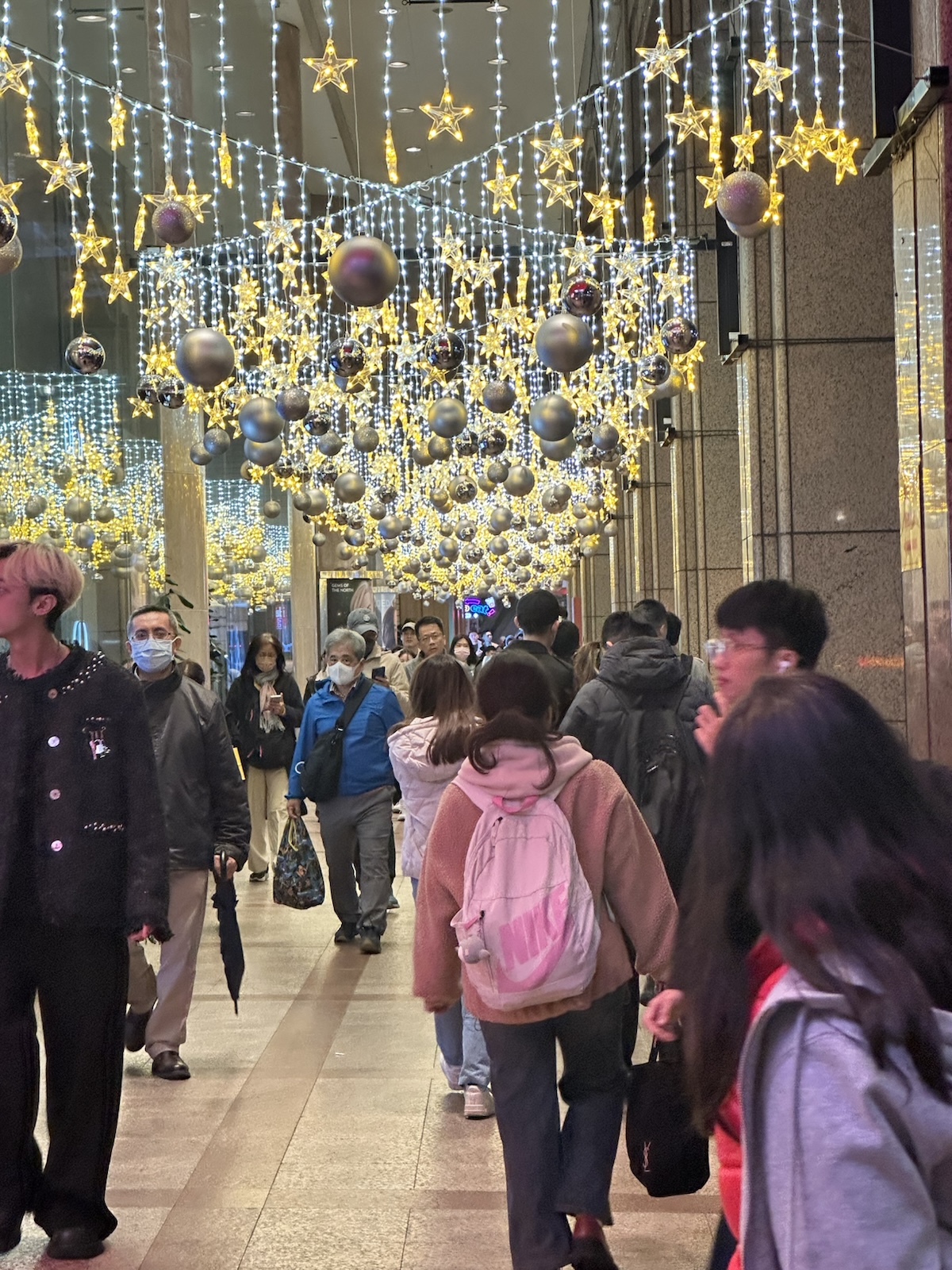
All good things come to an end and we made our way back to the bustling city — now sparkling with holiday spirit.


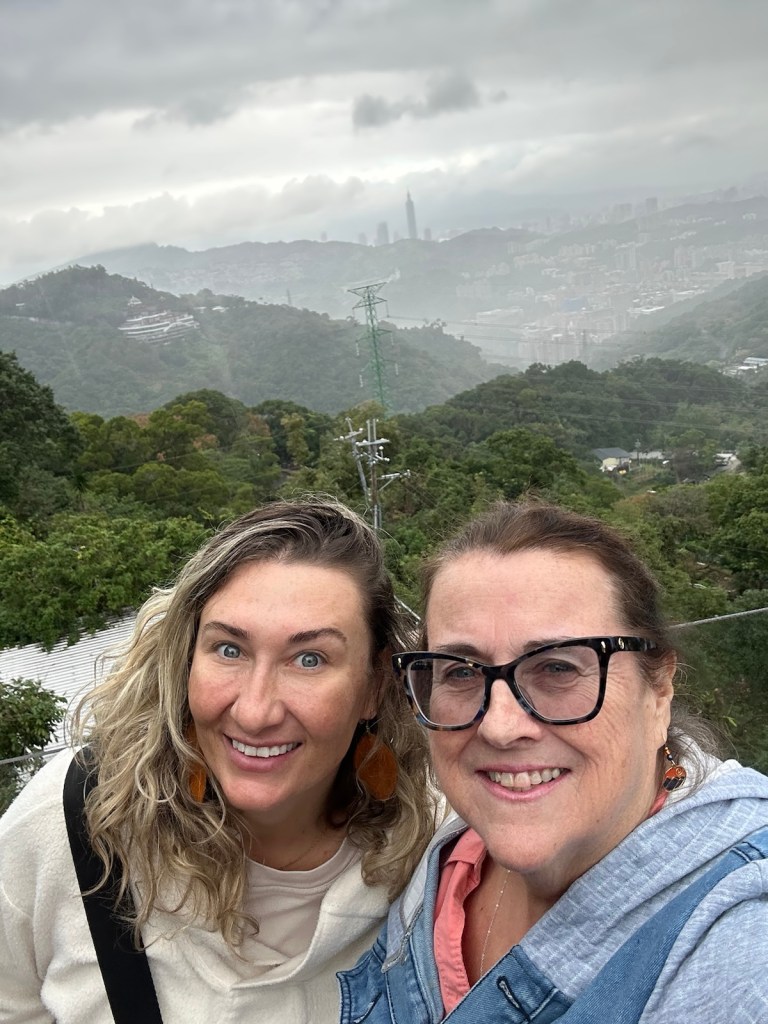
What a day — our visit to one of the region’s most scenic tea plantations was unforgettable, and we’ll savor the memories every time we sip a cup.
品茶如品人生
 Jane in Spain