Welcome to Porto! Today, we explored the stunning Douro Valley, renowned wine region about 70 miles inland from Porto. Our experience with Oporto Sensations exceeded expectations, thanks to our fantastic guide, Bruno. Traveling in a small group of six, we rode in a comfortable van — far better suited for the valley’s narrow, winding roads than a large coach bus. This allowed us to navigate the hills with ease and fully appreciate the breathtaking scenery.
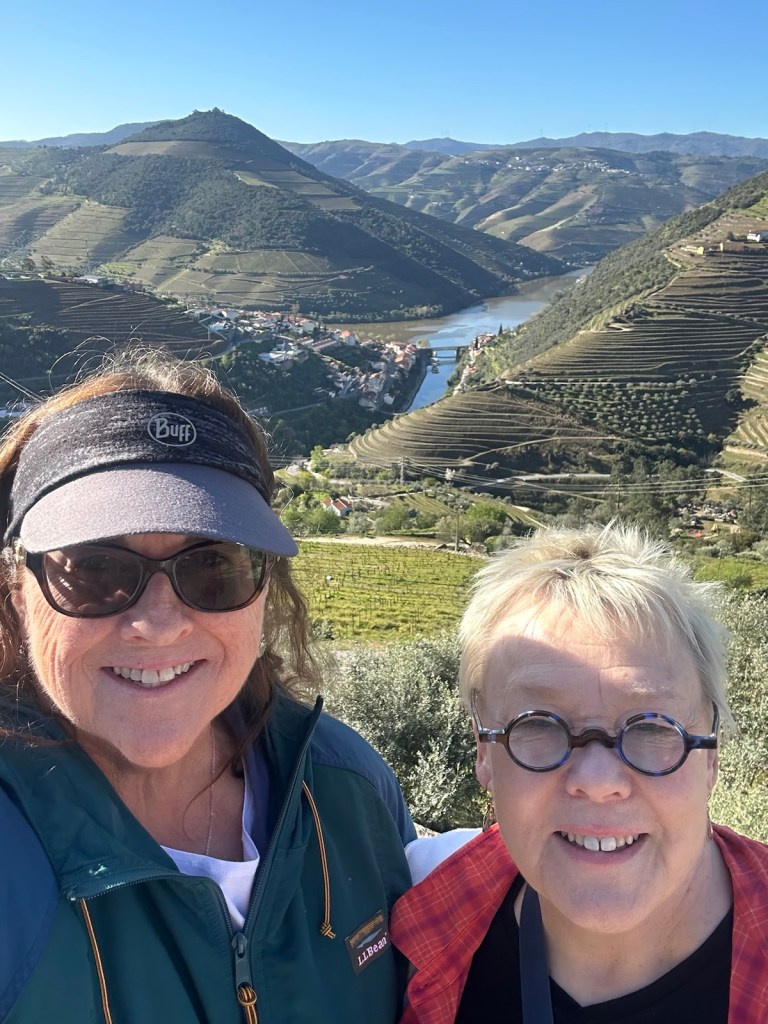
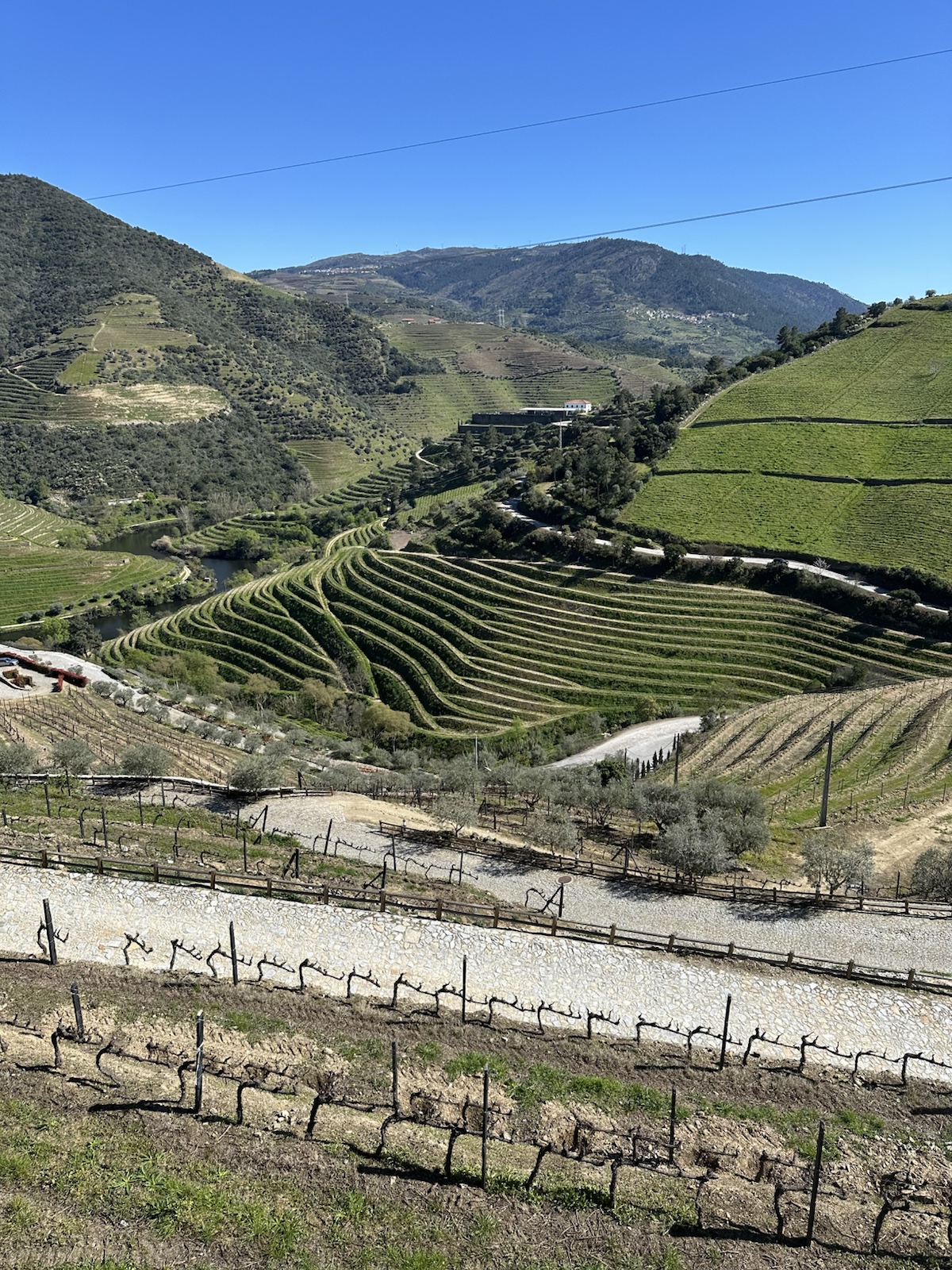
The Douro Valley, in northern Portugal, is one of the world’s oldest and most beautiful wine regions. Carved by the Douro River, the valley is famous for its terraced vineyards, which produce Port wine as well as excellent red, white and green table wines.
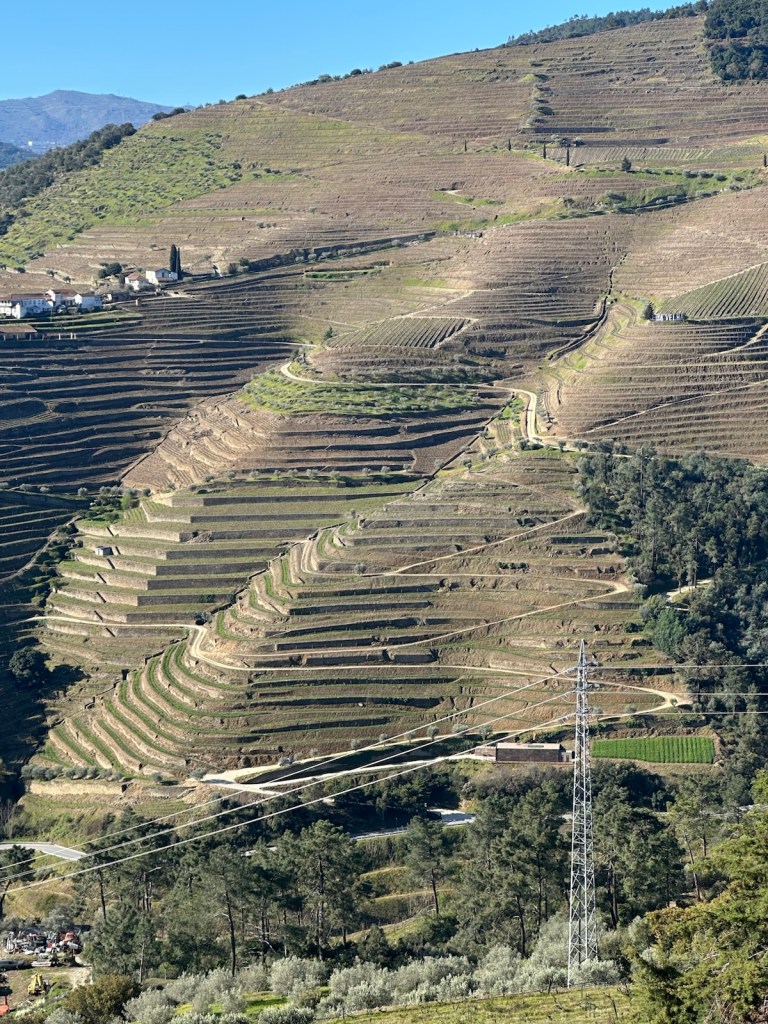
The UNESCO World Heritage site is known for its dramatic landscapes — steep hills covered in vines, charming wine estates, and winding roads with stunning river views. The region has a deep winemaking tradition that dates back over 2,000 years, with small family-run wineries coexisting alongside major producers.
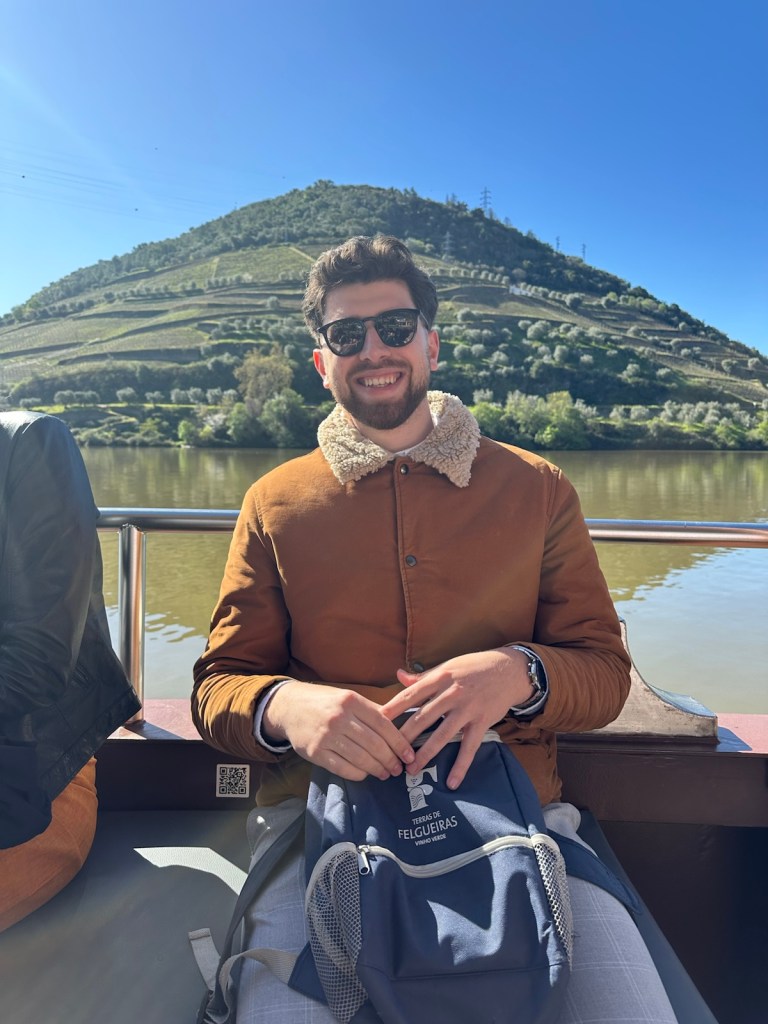
Bruno is incredibly knowledgeable about winemaking, the region, and Portugal. As a lifelong resident of Porto, he speaks with genuine passion and deep insight about this area, making every experience truly enriching.
The boats that traditionally transported barrels of wine along the Douro River are called rabelos. While touring on a rabelos, Bruno served a green wine. Despite its name, it is not green in color but refers to its freshness and youth, as it is meant to be consumed soon after production.
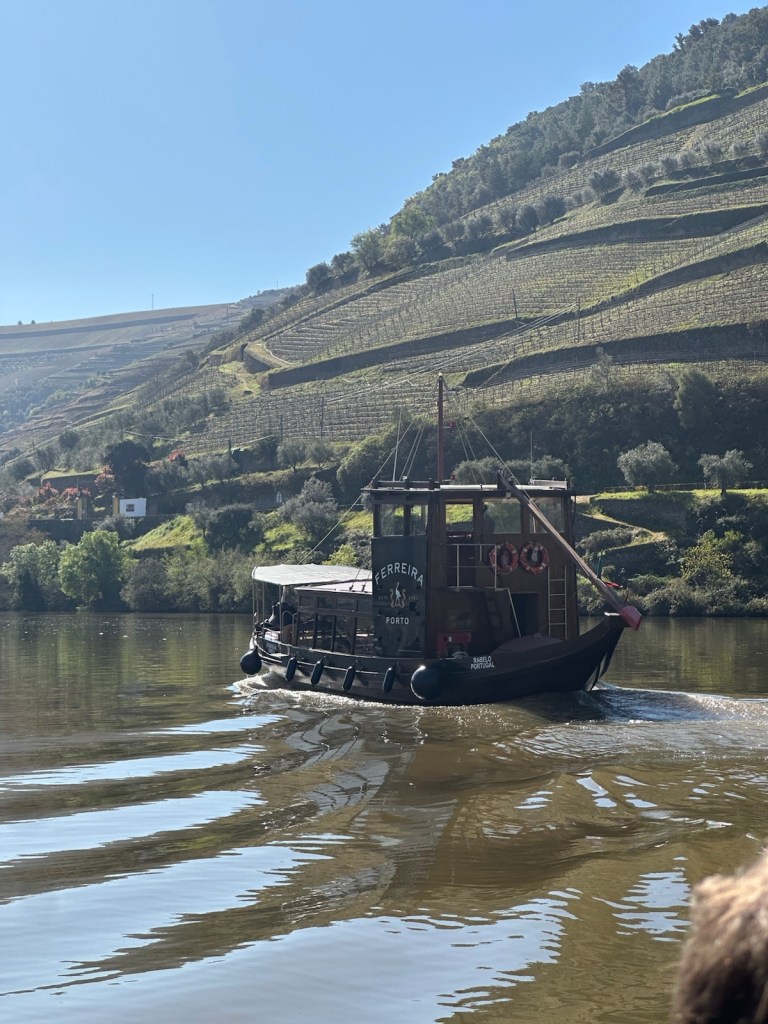
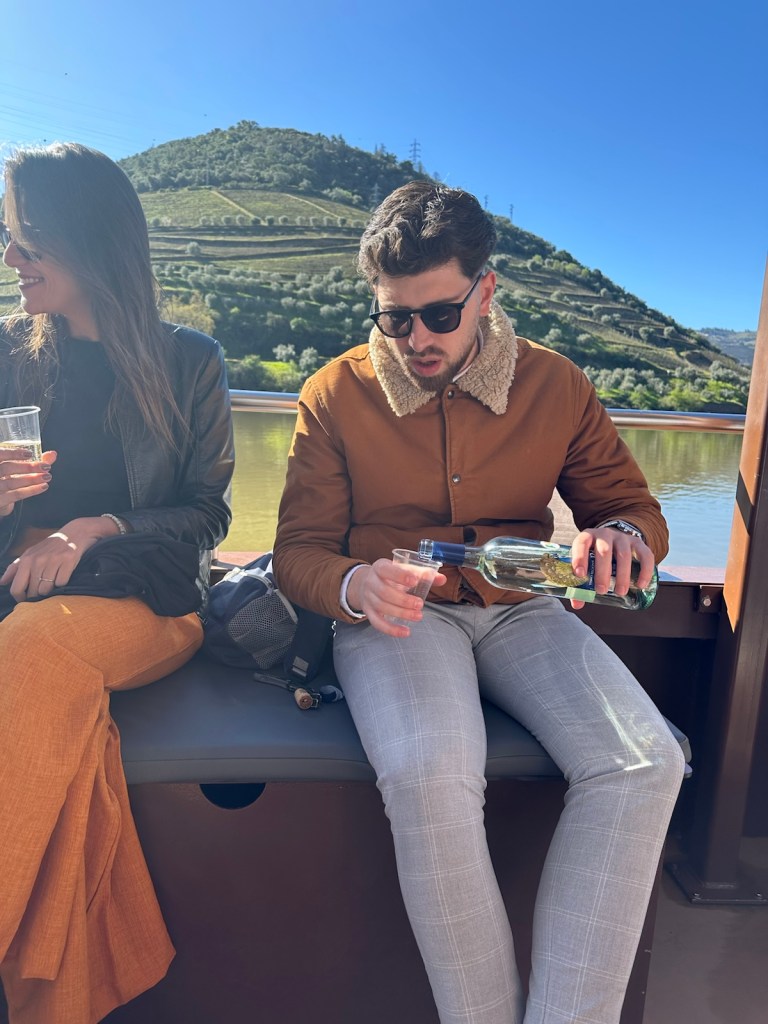
With the construction of dams and railways in the 20th century, rabelos were no longer needed for wine transport. Today, they have been repurposed for tourism, offering scenic river cruises in Porto and the Douro Valley.
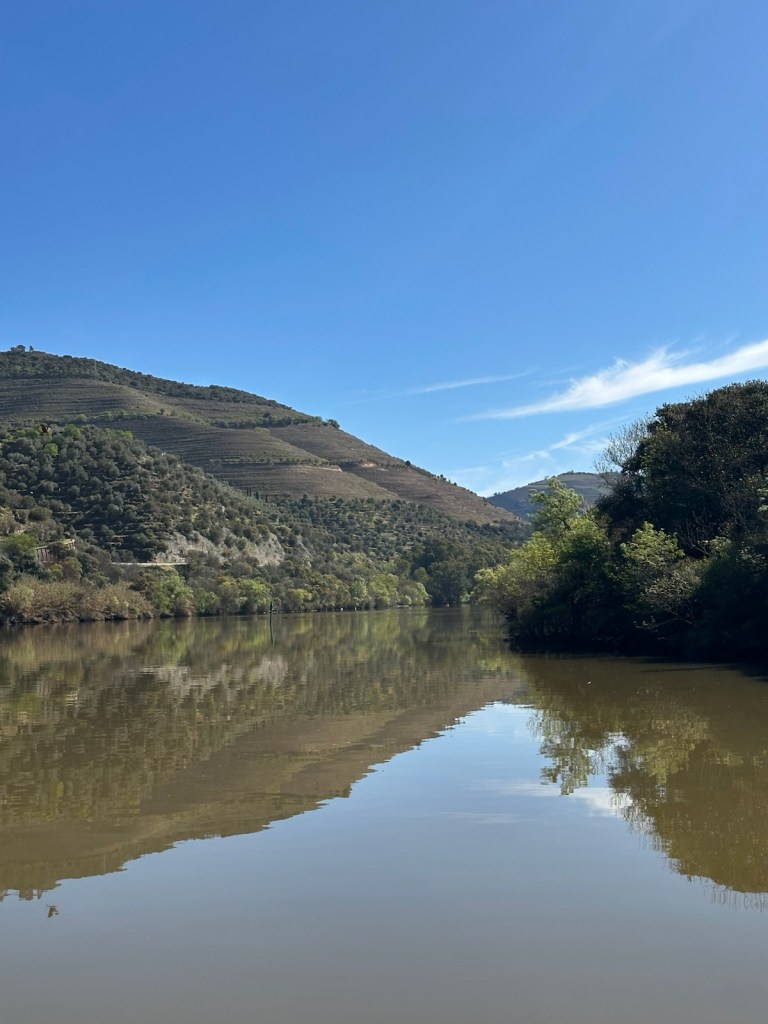
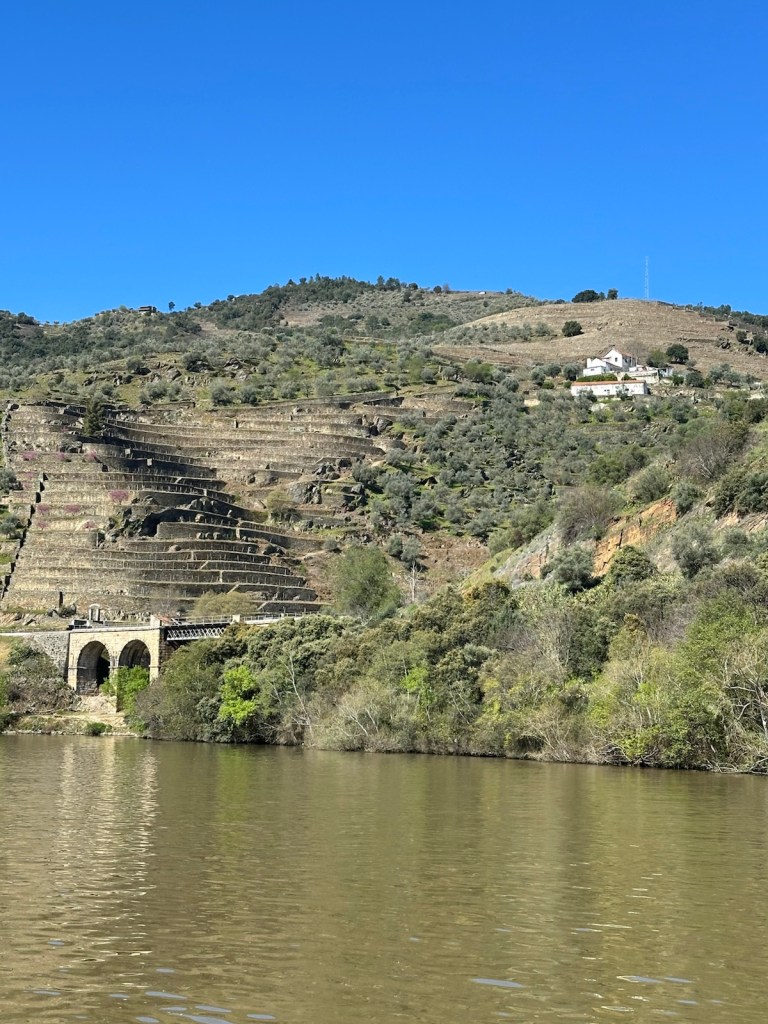
We departed from the picturesque town of Pinhão, enjoying a serene journey through the heart of the Douro Valley. The one-hour cruise provides views of terraced vineyards, historic quintas (wine estates), and the lush hillsides that define this UNESCO World Heritage Site.
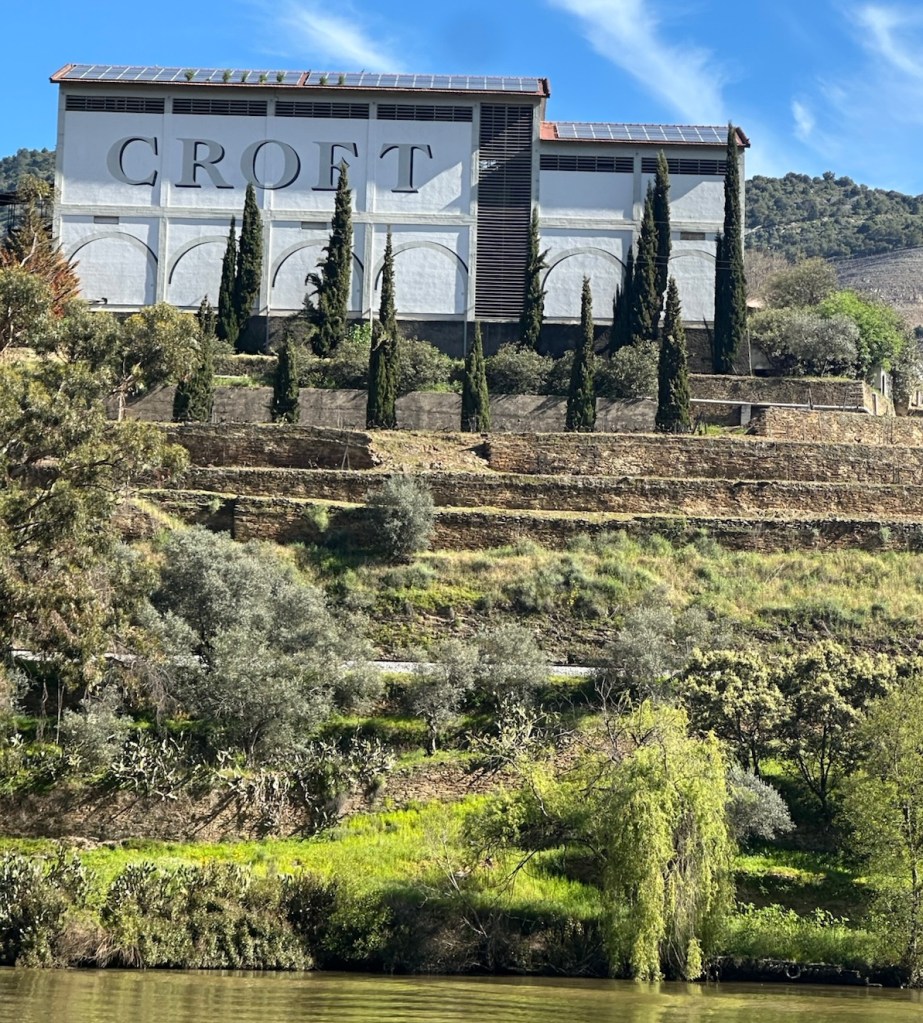
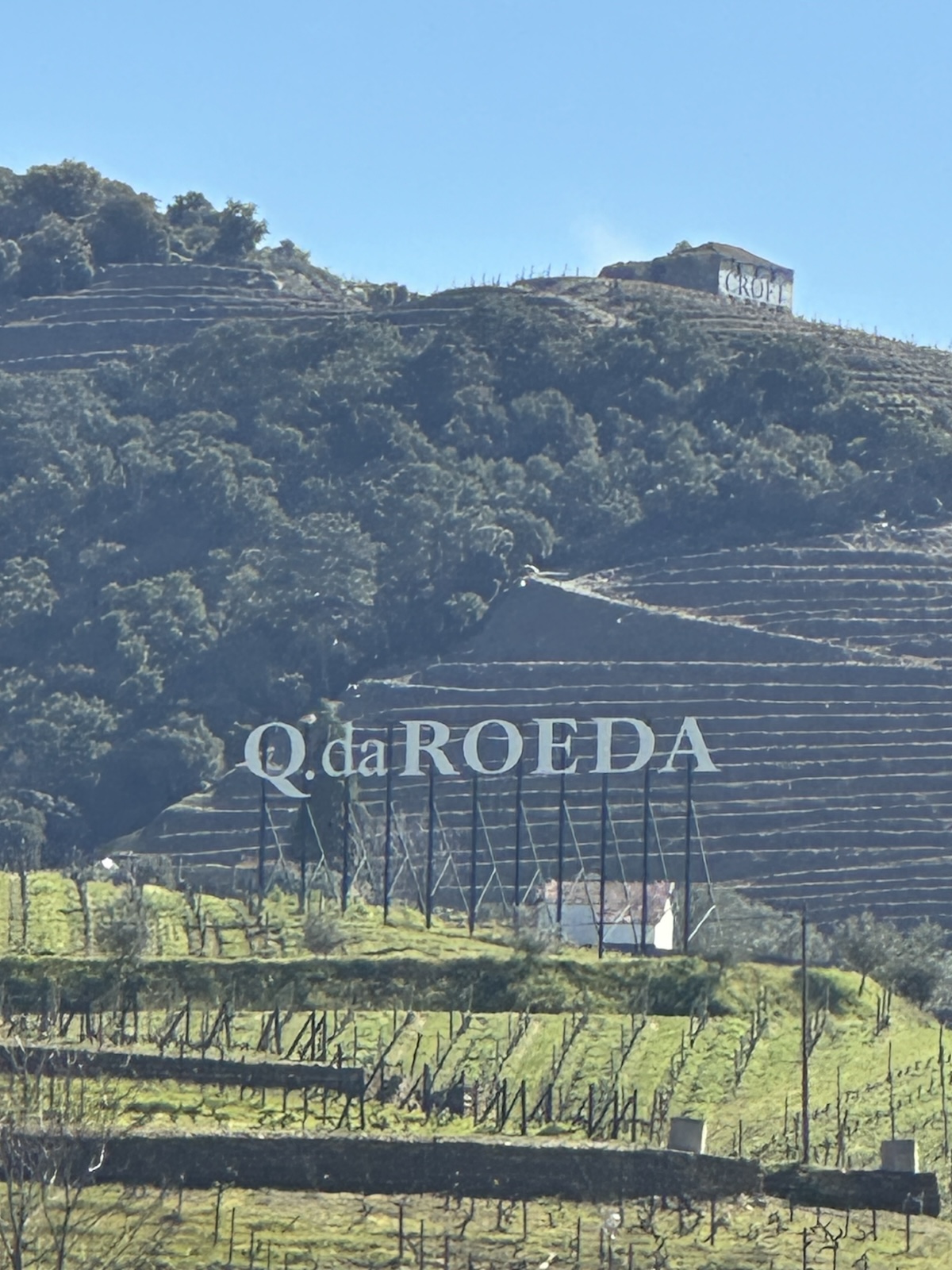
Croft is one of the oldest and most prestigious Port wine houses, with a history dating back to 1588. It’s especially known for its Vintage Ports, Tawnies and its innovation in producing rosé Port. We toured the Croft estate called the Quinta da Roêda.
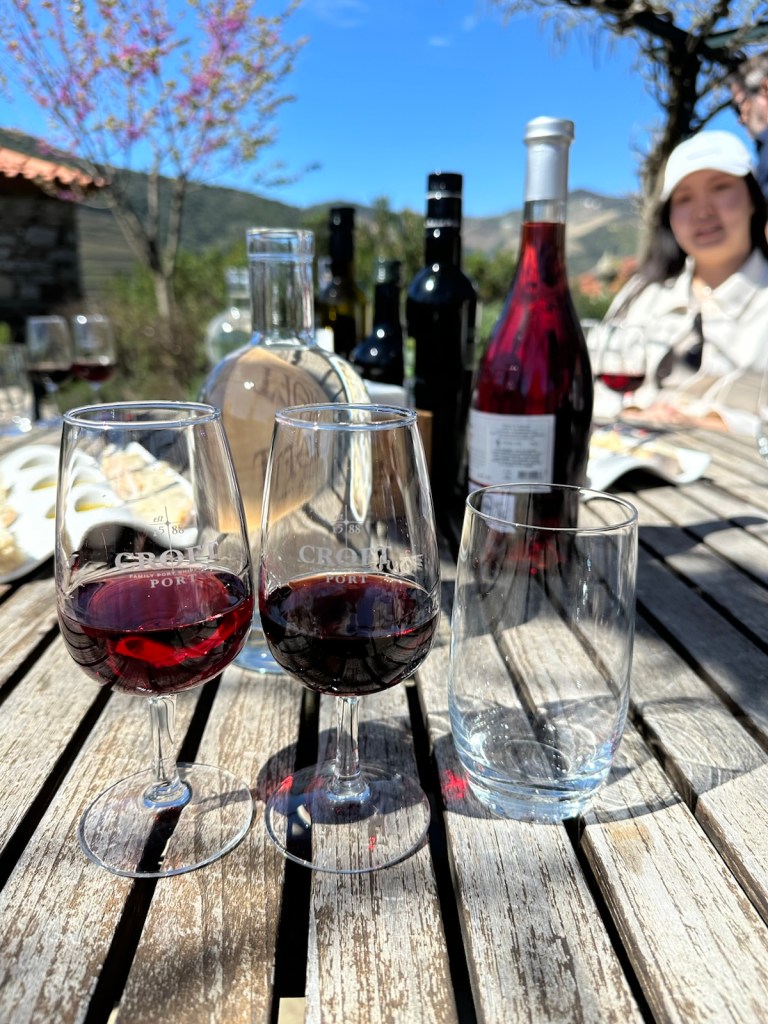
Quinta da Roêda is considered the jewel of Croft’s vineyard holdings. The estate features classic terraced vineyards overlooking the Douro River and is a prime location for growing the grapes that go into Croft’s finest Ports. On our vineyard tour, we learned about traditional winemaking methods (including grape treading in stone lagares), and we enjoyed tastings in a lovely setting with panoramic views.
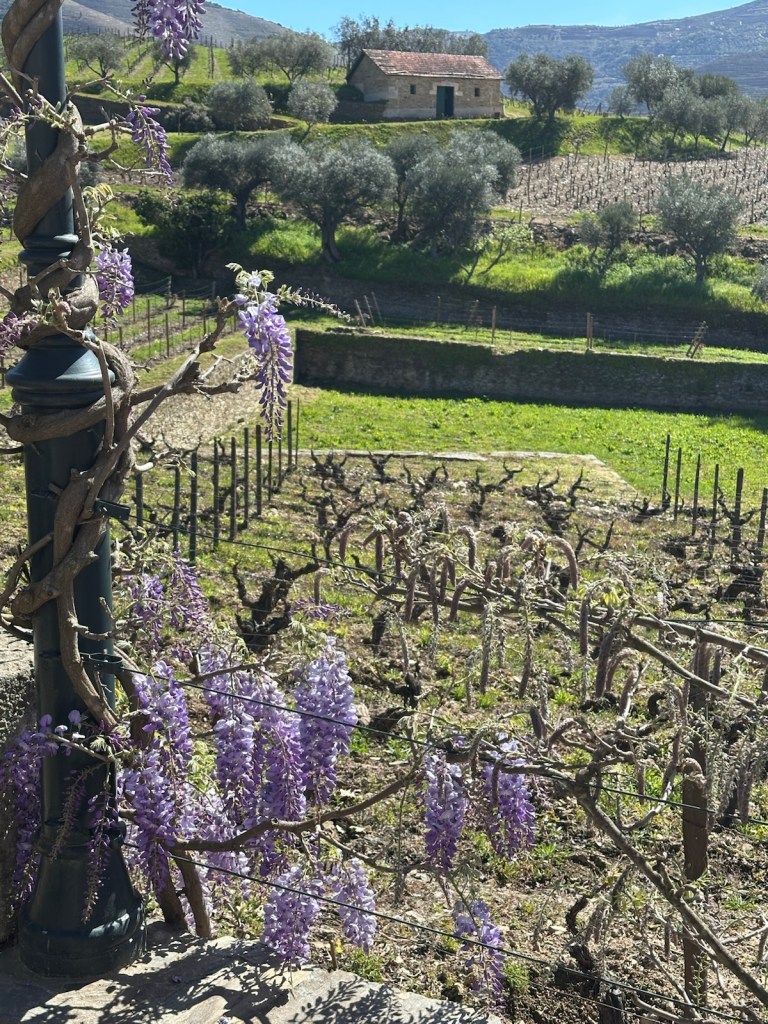
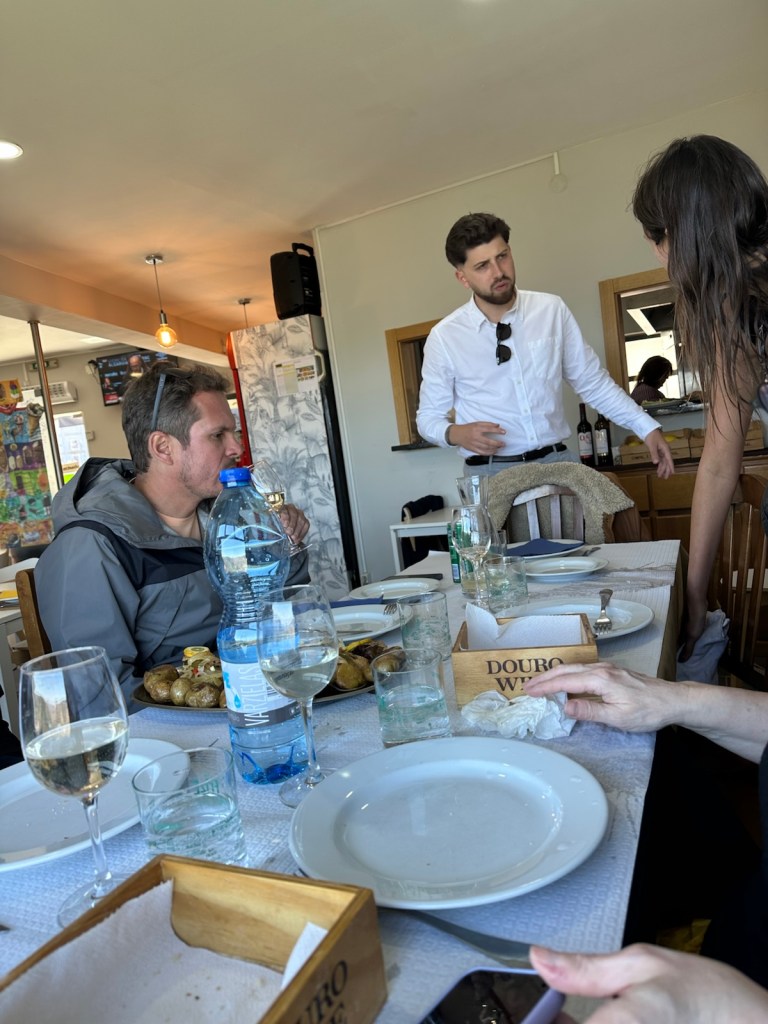
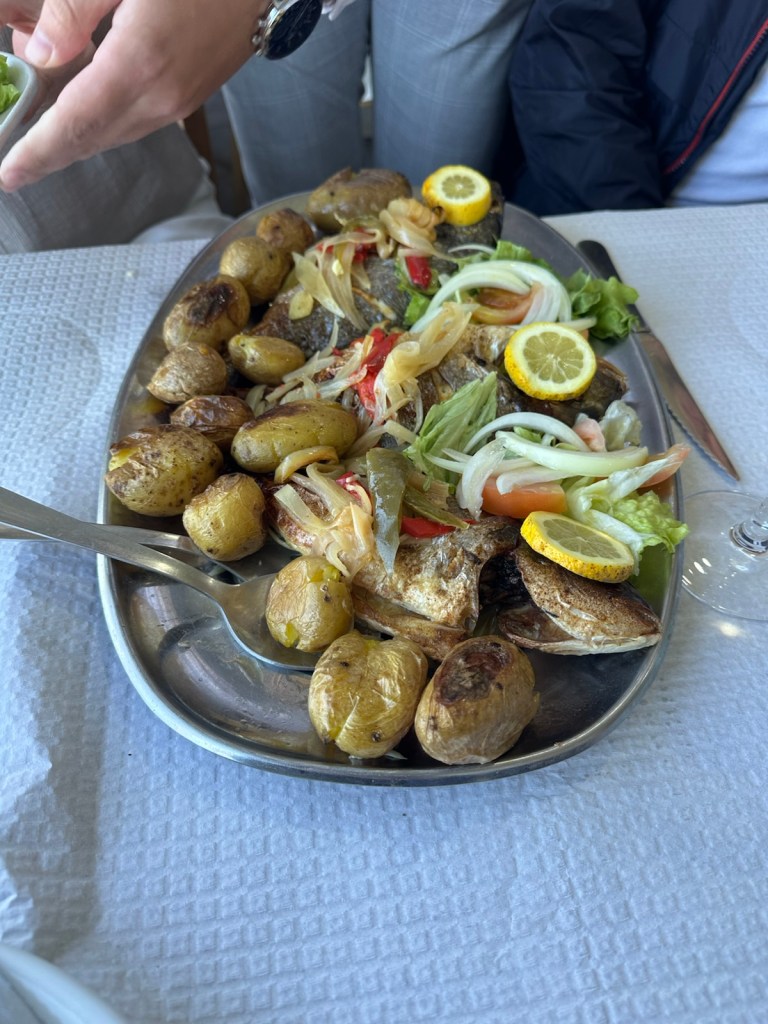
After touring Croft, we enjoyed a leisurely meal at a charming hilltop restaurant nestled high above the valley. We had perfectly prepared sea bream, accompanied by stunning, panoramic views that took our breath away. Over lunch, we sampled both red and white wines, finishing with a rich brandy cake for dessert — a sweet ending to a truly memorable experience.
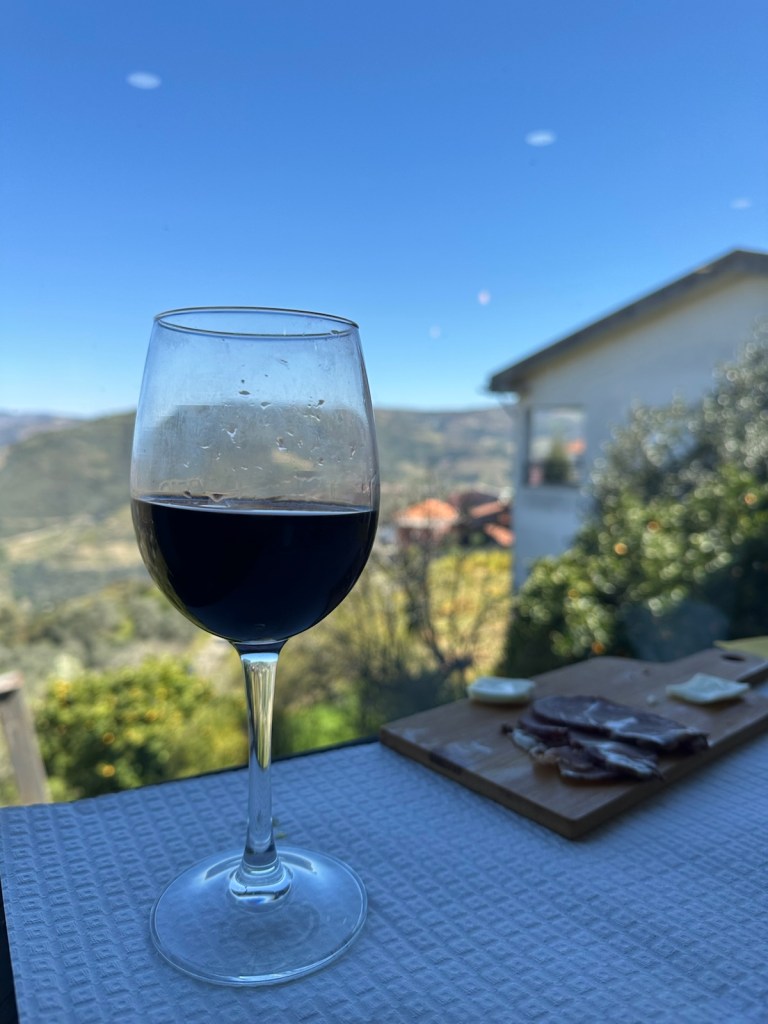
Next stop was at Quinta do Val Moreira, a scenic estate in the Douro Valley, near the confluence of the Douro and Tedo Rivers. This estate is part of the Cima Corgo subregion, which is known for producing some of the Douro’s finest wines.
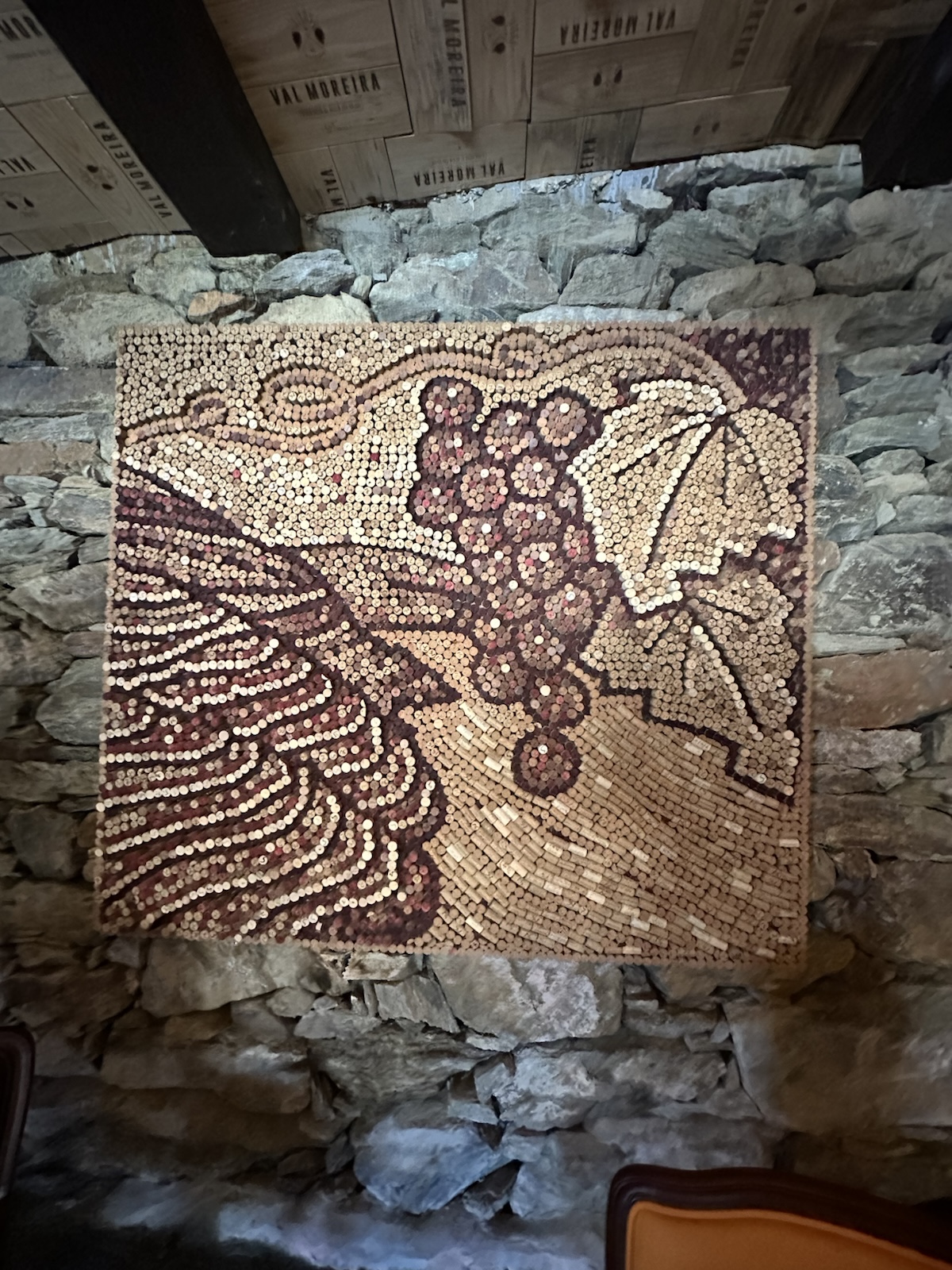
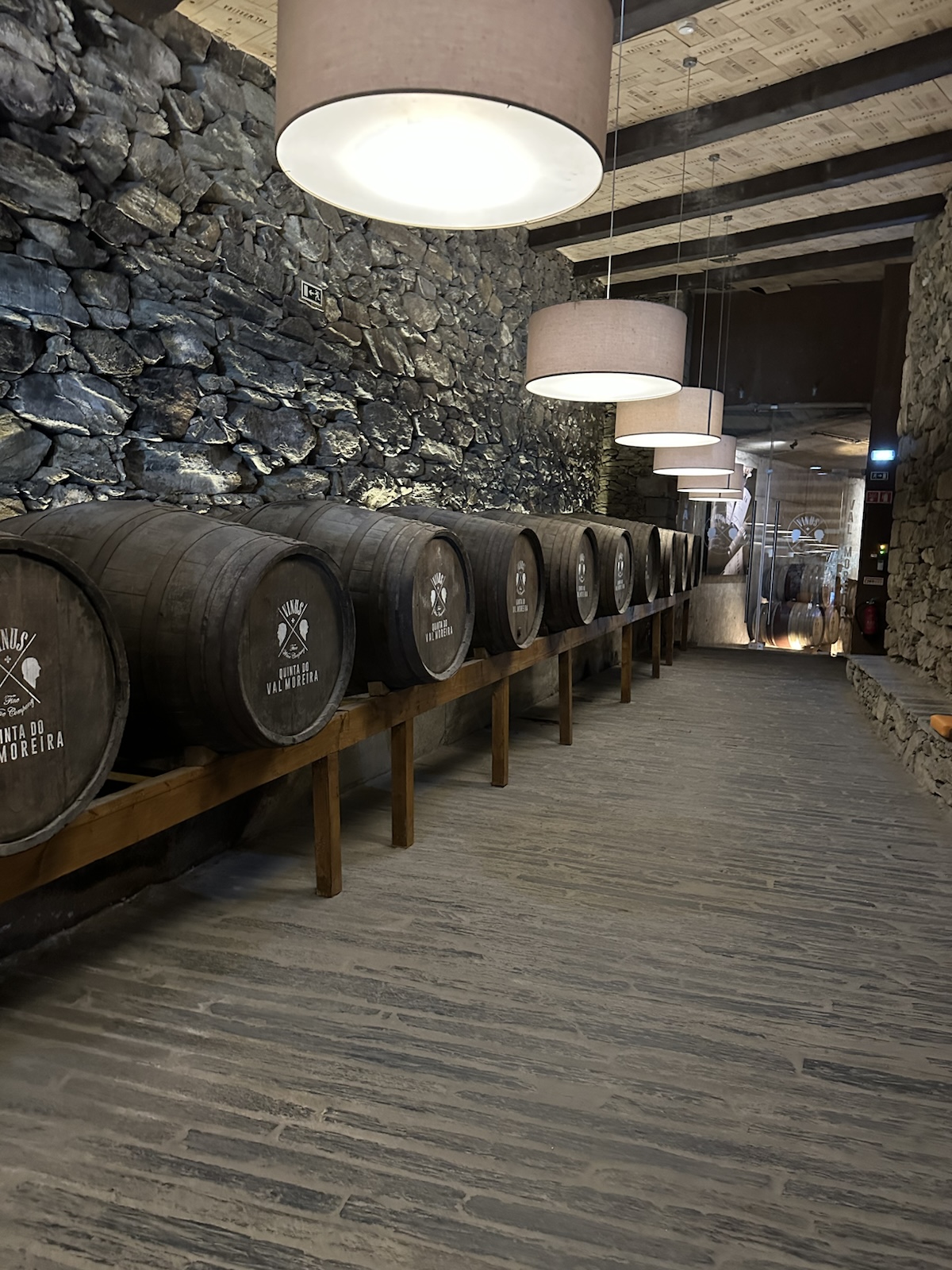
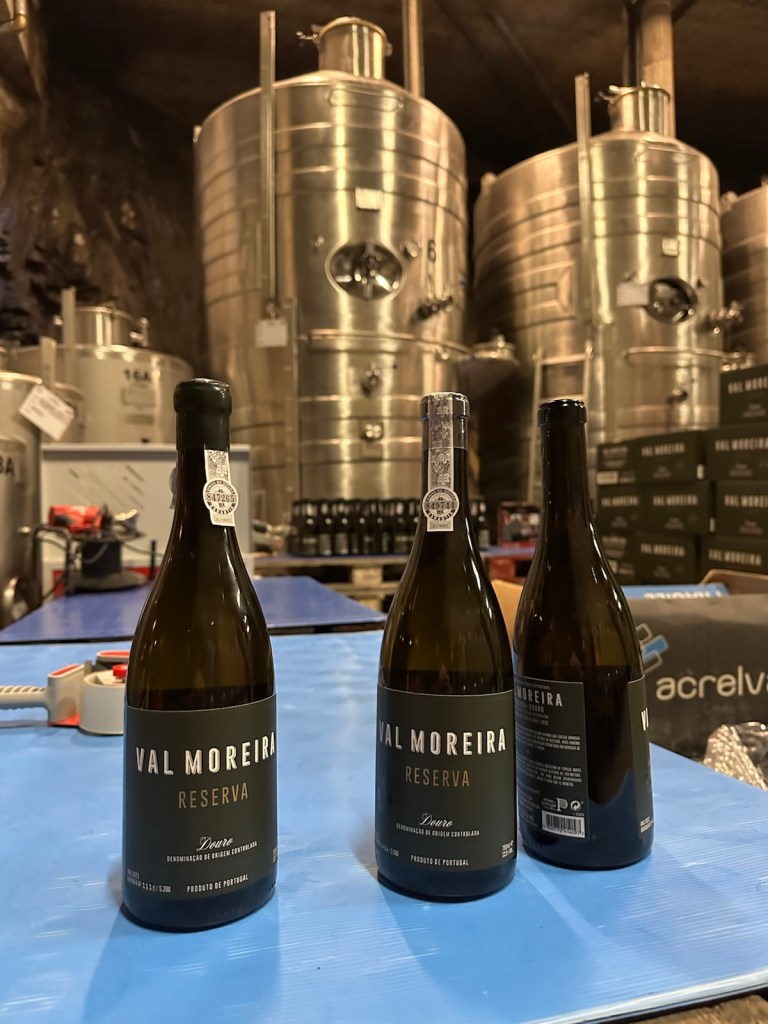
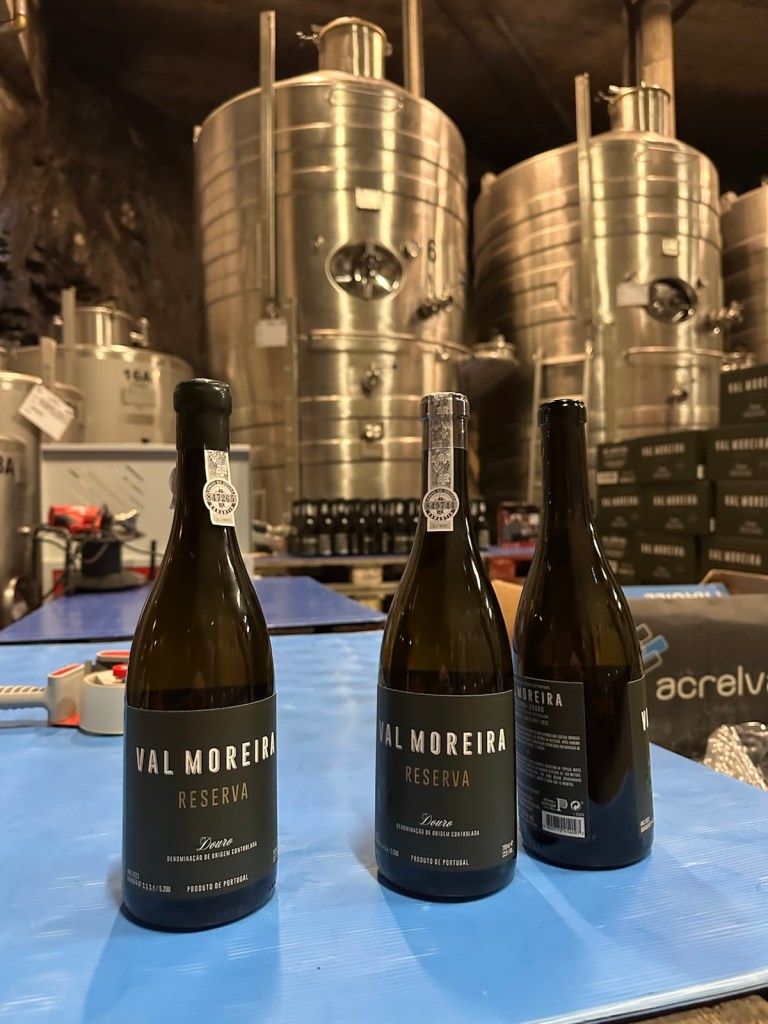
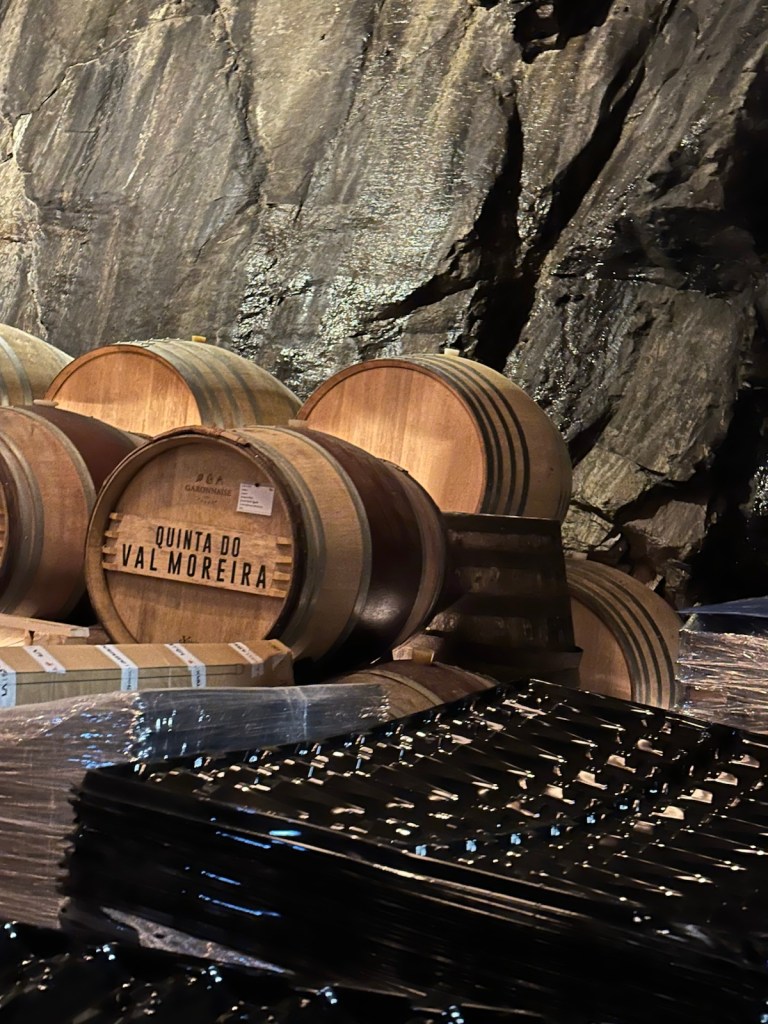
Quinta do Val Moreira itself is modern yet rooted in tradition, with sweeping views of the Douro’s terraced vineyards. It’s open for visits and tastings, and is a lesser-known gem for travelers looking to explore beyond the bigger Port houses.
Tawny Port is a style of Port wine that’s aged in small oak barrels, allowing gradual oxidation and evaporation over time. This process gives the wine its signature amber-tawny color, silky texture, and complex flavors.
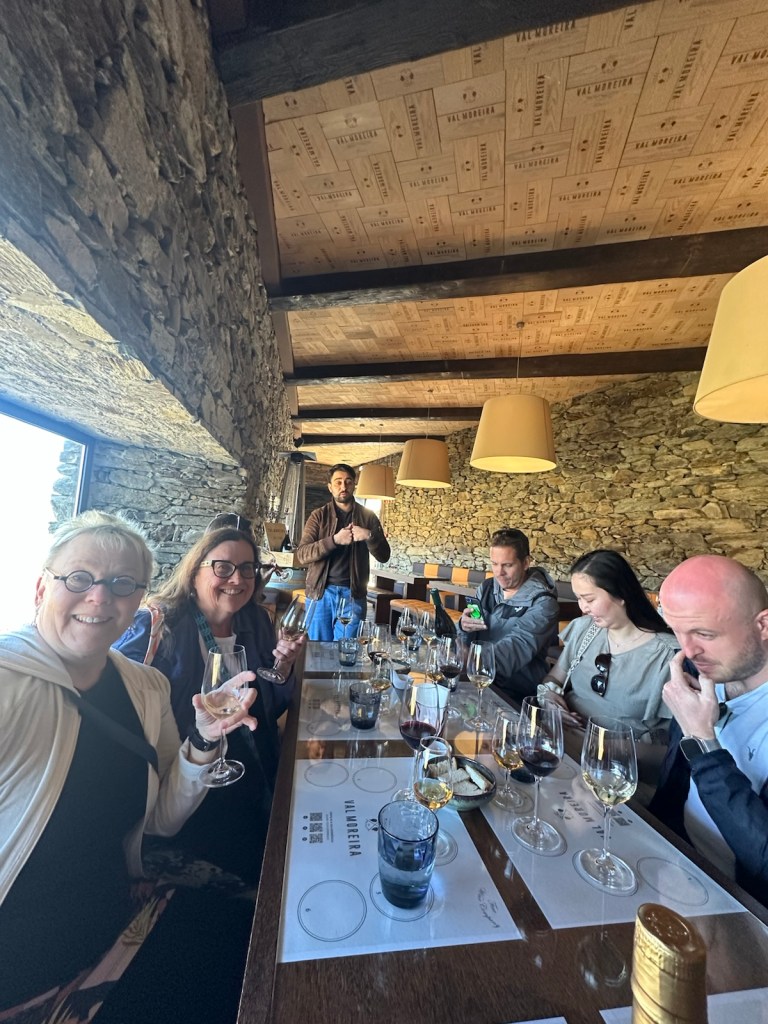
beautifully aged tawny Port.

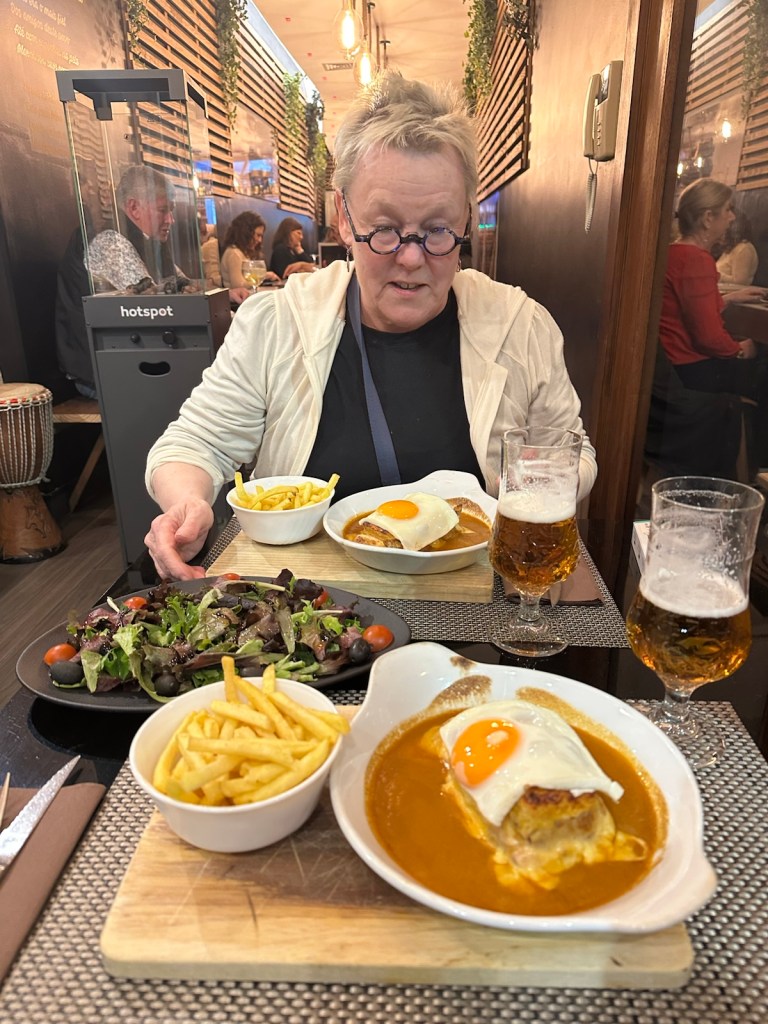
Among the many tips shared by our guide Bruno was a recommendation to try a Porto specialty called the Francesinha which means “little Frenchie”. It is a decadent sandwich made with layers of cured meats — typically ham, smoked sausage, steak or roast beef — all stacked between slices of bread.
The whole thing is smothered in melted cheese and drenched in a rich, spicy tomato-and-beer sauce. It’s often topped with a fried egg and served with a generous side of French fries, perfect for soaking up the extra sauce.
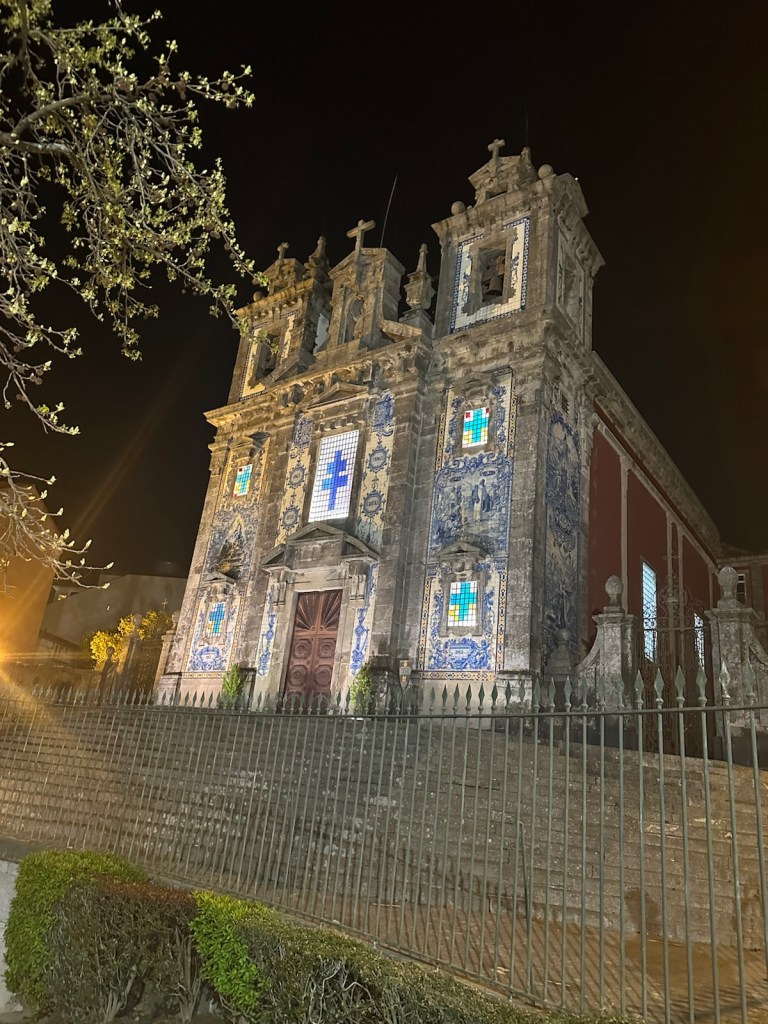

And that wraps up our day in Porto … wine-soaked, well-fed and wonderfully scenic. Tomorrow we lace up our boots and begin the Coastal Portuguese Camino. Bom camino and good night!
 Jane in Spain
Sounds like an amazing tour through wine country. Good luck on your camino adventure!
Viagens Seguras !
LikeLike