Lisbon wakes up slowly —- soft light, quiet streets, the calm before the storm. Then, like clockwork, the delivery trucks roll in, filling the pedestrian-only lanes with the hum of engines and the clatter of crates. By 8:00 am sharp, the police sweep through, shutting it all down to traffic with impressive efficiency. Order restored.

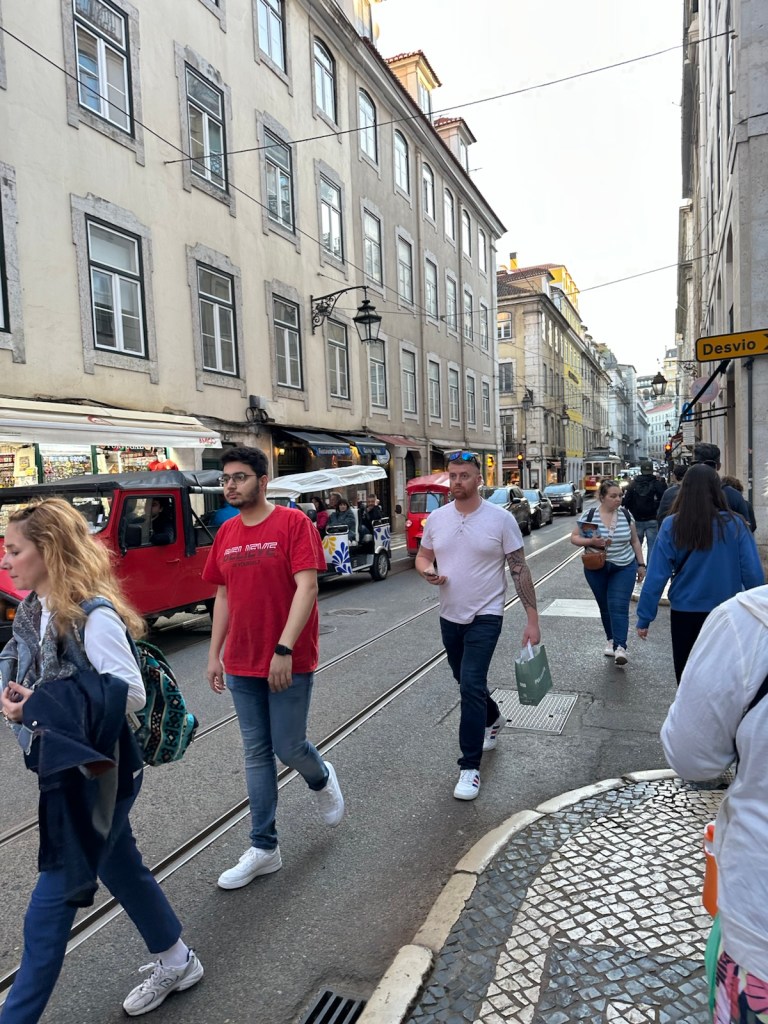
This city demands a return visit.
Before heading out, we made a stop at the Earthquake Museum — an award-winning deep dive into the city’s seismic past. A shake-up worth experiencing.
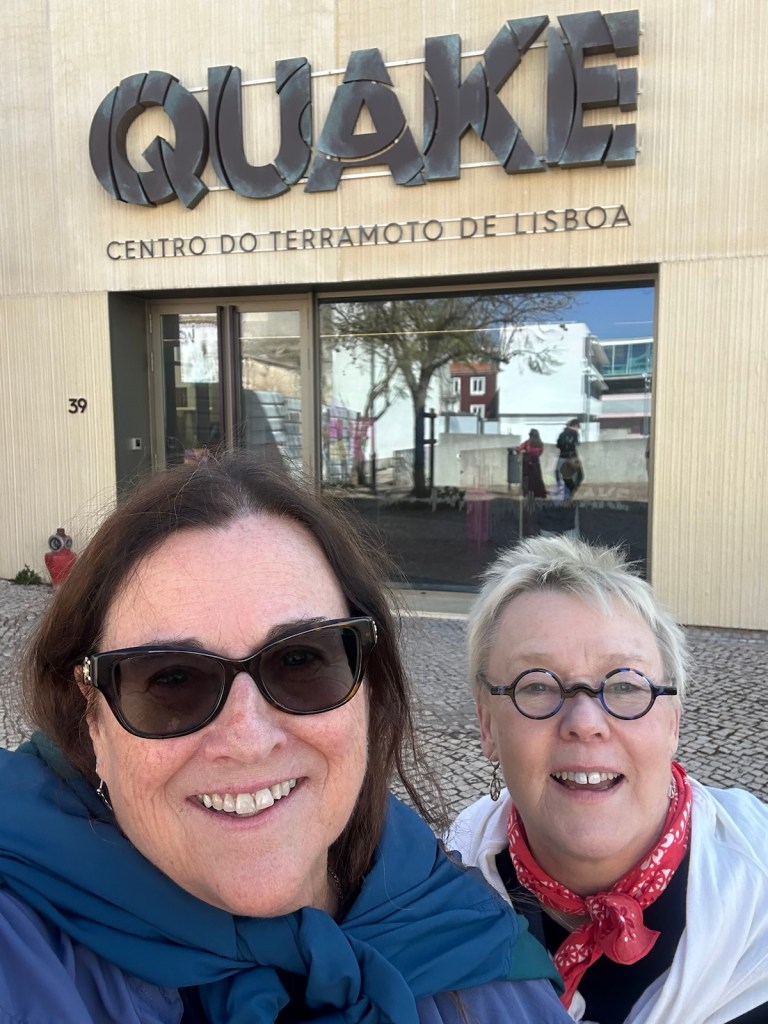
1755 earthquake that profoundly impacted Lisbon. Located in the Belém
district, the museum uses state-of-the art simulators, video mapping
and interactive exhibits to recreate this event.
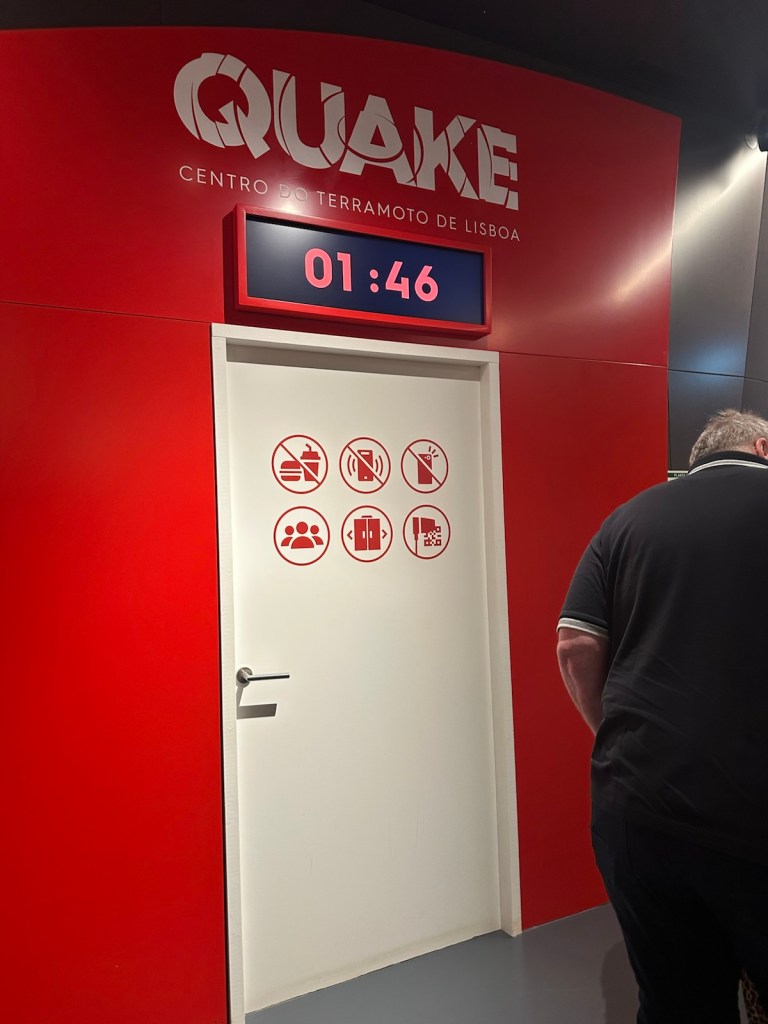
unveiling its story every ten minutes, drawing us
deeper into the experience.
Visitors embark through ten immersive rooms, each designed to transport them back to 1755. The experience includes walking through the streets of Lisbon as they appeared before the earthquake, witnessing the disaster’s unfolding and understanding its significant influence on the city’s architecture, culture and society.
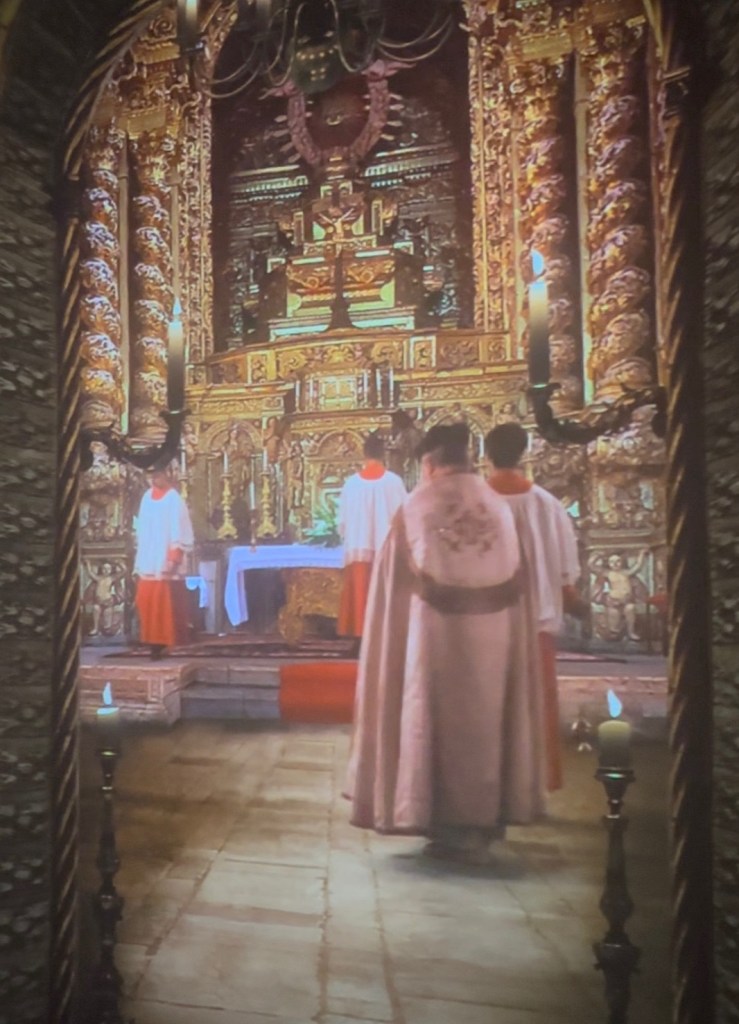
Entering Room 6, we find ourselves seated in the front pew of a church. The earthquake took place on November 1, which in the Catholic world is All Saints Day and many people were at Mass. The life-size video image portrays a mass being said complete with the smell of incense filling the air. Small tremors begin, then suddenly, the earthquake erupts — pews shake, the church crumbles, and fire spreads. A guide rushes in, urging visitors to escape, heightening the realism.

the chaos and destruction of an earthquake — a powerful
reminder of nature’s force.
The next room depicts the aftermath on Lisbon’s streets, showing the devastation. However, the experience highlights that many who fled to the open area of the shoreline perished in the resulting tsunami.
The faithful gathered in the church, seeking divine favor, only to be met with unimaginable devastation — their city in ruins, countless lives lost. In the wake of the disaster, faith was shaken, questions arose, and a new era of reason and inquiry began — marking the dawn of Enlightenment.
The museum ends with a stark message: another earthquake will happen, so be prepared. Ironically, as we immersed ourselves in this simulated disaster, a real earthquake was unfolding in Myanmar and Bangkok, with updates trickling in through the news, blurring the line between history and present reality.
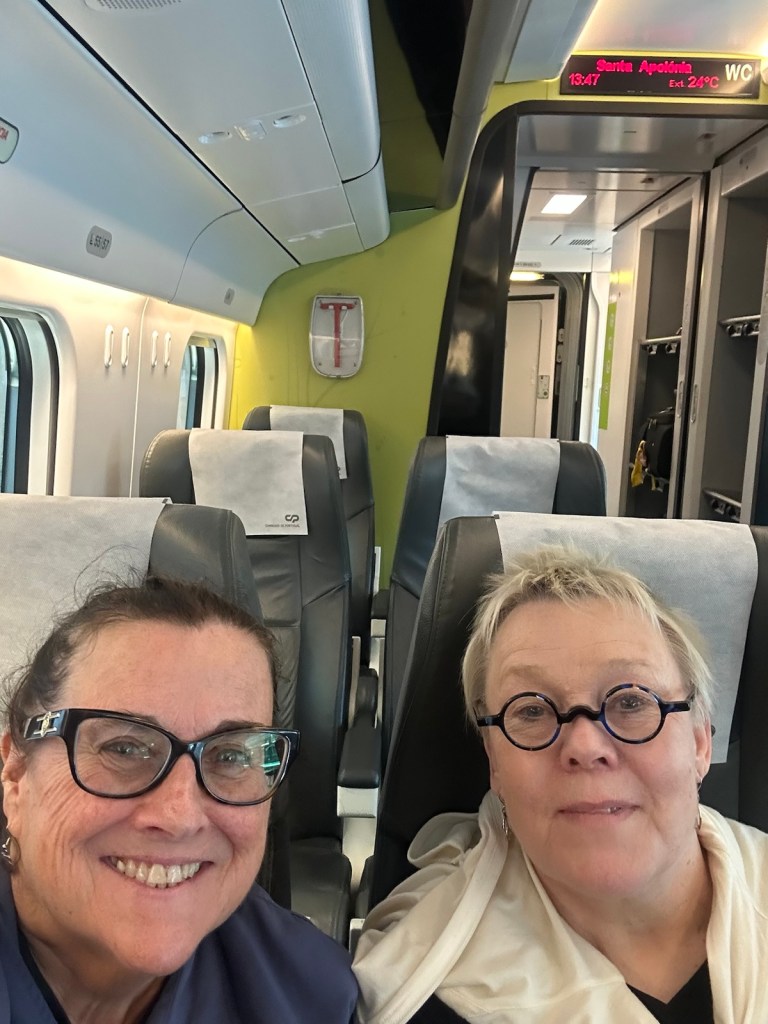
Well it’s time for us to escape Lisbon and head north to Porto. A swift Uber to Santa Apolónia, a seamless hop onto the train, and a few hours of rolling past Portugal’s scenic countryside brought us to Campanhã Station, ready for the next adventure.
Join us tomorrow as we trade city streets for vineyard-covered hills in the breathtaking Douro Valley — Portugal’s famed wine region, where terraced landscapes meet the winding Douro River and Port flows as smoothly as the scenery.
 Jane in Spain
Beautifully written Jane! Journey on soul sisters.
LikeLike