Today was our day to explore the island of Gran Canaria. The ferry port was just a stone’s throw from where we were staying — in fact, we had been watching the ferries coming and going from our balcony throughout the week. Despite its proximity, reaching the terminal by car proved surprisingly tricky.
The view from the ferry was striking—a dense wall of condos and high-rise buildings stretched along the waterfront, with rugged mountains rising behind them. From the harbor, we had a sweeping panoramic view of the city, framed by sea and sky.
The Armas ferry was comfortable, and I especially enjoyed sitting at the front, where there was an excellent view of the sea and the approaching coastline.
One of the reasons we chose to visit Gran Canaria was the World Rally Championship, which was being held on the island for the first time. As the premier international competition in rally racing, the WRC showcases high-performance, modified production cars racing across challenging routes on a variety of surfaces — including gravel, asphalt, snow, and ice.
The rally cars are heavily modified versions of street-legal models — like the Toyota GR Yaris, Hyundai i20 N, and Ford Puma — engineered for speed, agility, and durability. Kyle was especially interested, since he drives a Subaru WRX, (World Rally eXperimental) a car with its own rally heritage.
The WRX is one of the sport’s most iconic cars, especially during the 1990s and early 2000s. And while I may drive an aging Toyota Sienna minivan, I still found the world of rally racing surprisingly compelling.
We had hoped to catch part of the rally itself, but in terms of ferry schedules, it worked out better for us to be there on the pre-event day—known as “recce and shakedown day.” It turned out to be an interesting part of the World Rally Championship experience.
Far from a day of downtime, it’s packed with final preparations, technical inspections, and strategic planning. It’s also when fans can get up close to the cars in the service park, where each team sets up its base and fine-tunes their vehicles for the stages ahead.
After soaking in all the pre-race excitement, it was time for us to hit the road ourselves. And naturally, Kyle was eager to take the wheel. We headed out to the Caves of Valeron.
The drive from Las Palmas de Gran Canaria to the Caves of Valerón is a scenic journey that offers a glimpse into the island’s diverse landscapes.
The Caves are a remarkable testament to the island’s pre-Hispanic heritage. Located near the town of Santa María de Guía in the northern part of the island, this archaeological site features over 350 man-made cavities carved into the volcanic rock of a steep cliff face.
These interconnected caves are believed to have served as a communal granary for the indigenous Canarian people, known as the Guanches, dating back approximately 800 years.
The caves are accessible via a staircase that offers panoramic views of the surrounding valley.
The site includes a small reconstructed aboriginal house, providing insight into the living conditions of the Guanches. Interpretive panels along the path offer historical context.
The strategic placement of the caves—high on a cliff and hidden from the sea—provided protection against potential invaders and the elements. Each chamber was likely sealed with wooden or stone doors to safeguard stored goods such as grains and other food.
With the clock ticking and the ferry schedule looming, we had to wrap up our day a bit earlier than planned. We made our way back to Las Palmas for a late lunch before heading to the port to catch our ferry.
Walking through the streets of Las Palmas, we had to chuckle when we spotted a poster promoting “Gus” Jackson — most likely a local Michael Jackson impersonator.
We ended our visit to Gran Canaria with a serene sunset ferry ride, the golden light casting a warm glow over the water as we sailed back to Tenerife.
This morning, we all lounged around a little longer than usual, awakening to clear blue skies and warm sunlight streaming through the windows. Quinn and Emily made a delightful breakfast of ensalada de fritos con queso fresco — layers of creamy cheese drizzled with honey and topped with fresh, seasonal fruit — accompanied by flaky croissants from a nearby bakery.
Today was open with nothing on the agenda. Theresa and I hopped aboard the tram, winding our way up to San Cristóbal de La Laguna for a leisurely day of sightseeing, sunshine and shopping.
Kyle went wandering. Theresa and I crossed paths with him later in the afternoon at a grocery store. He was shopping for dinner ingredients.
The energetic Quinn and Emily rented bicycles and set their sights on conquering the nearby hills.
Barely larger than a phone booth, our building’s elevator made squeezing in two people and two bikes quite the feat.
The hills surrounding San Cristóbal de La Laguna form the lower slopes of Tenerife’s rugged Anaga highlands. Rising from the city’s roughly 500m elevation up to peaks of 800–1,000m these roads thread through deep ravines, laurel forests and dramatic volcanic outcrops.
Quinn and Emily did a challenging route up in the San Cristobal area.
All told, the San Cristóbal hills make for a rewarding ride — beautiful scenery, historical towns, and enough challenge to satisfy seasoned cyclists.
The Mighty Quinn attacked those hills with such ferocity that he actually snapped something on his rental bike. The ascent tested every ounce of his strength — and the descent was no easier on his battered bike frame.
A seasoned rider, Quinn has completed countless century rides (100 miles), conquered the DAMn (Day Across Minnesota) 240-mile challenge, and pedaled the Minneapolis–Duluth route (170 miles) on more than one occasion.
If you’re a fellow cycling enthusiast looking for your next big test … or you just enjoy biking, Quinn welcomes you to join him on the “Bike to Duluth” ride on June 28th — a free event. This grass-roots self supported bike ride covers about 170 miles from Minneapolis proper to the lift-bridge in Duluth. For more information, to register or donate door prizes or items for swag bags, contact Quinn at biketoduluth.com
You don’t have to go to Tenerife for an exciting bike ride, join Quinn for a spin through Minnesota on June 28.
As dusk settled, Kyle whipped up a hearty home-cooked feast: tender Spanish pork chops bathed in a traditional sauce, smoky Padrón peppers, crisp-edged croquetas, and a vibrant ensalada mixta. It was the perfect way to close out the day.
Stay tuned — next, we’re off to the island of Gran Canaria, which will be hosting the 2025 FIA World Rally Championship!
La Gomera is one of the smaller islands in the Canaries. It has rugged volcanic mountains, lush greenery, and deep ravines. The island has a mystical feel — it’s much quieter and less touristy than Tenerife or Gran Canaria. It is also where Christopher Columbus stopped in 1492 to stock up before sailing to America.
The day started with an hour long drive to the southern Tenerife port of Los Cristianos. From there, we took the Armas ferry to San Sebastián, the capital of La Gomera. We needed transportation on La Gomera so we ferried the car too.
The crossing was a bit choppy, with the passenger cabin rocking and rolling.From the back of the boat, the views were beautiful — the harbor nestled against the village of San Sebastián, and far off, Mount Teide on Tenerife peeked out from the clouds.
As you step off the ferry, your eyes are immediately drawn to the dramatic hillside, where the buildings of San Sebastián cling to the steep slopes, stacked one above the other in a cascade of color.
Torre del Conde is a medieval stone tower located in the middle of a quiet park in San Sebastián, surrounded by palm trees. It was built around 1450 by one of the Spanish conquerors who took control of the Canary Islands.
The tower was originally built for defense, but it also symbolized Spanish authority over the local indigenous Guanche people during the early colonization. It’s not huge — around 50 feet high — but it’s very solid, with thick whitewashed stone walls and a simple, almost fortress-like design.
Torre del Conde is a tangible piece of the island’s dramatic history.
The Monument to the Sacred Heart of Jesus, also known as the Cristo de San Sebastián stands prominently on a hillside offering a commanding view over the town and its harbor.
Quinn, Emily, and Kyle took a more adventurous route today, tackling steep trails and exploring rugged terrain that ranged from moss-draped forests to dry, arid stretches.
Quinn, Emily, and Kyle made a stop at the Jesus statue, where the wind whipped fiercely around them.Theresa and I took it easy today, spending our time touring the streets and browsing the shops of San Sebastián.
Savoring a cold beer, we soaked in the more tranquil side of LaGomera, surrounded by the island’s rugged coastline, with its black-sand beaches, towering cliffs, and stunning views of the Atlantic. After more than three weeks on the move, a quiet afternoon at the beach was the perfect reset.
The ferry schedule cut our day a bit shorter than we would have liked, with boarding starting around 4:30.
We caught the Fred Olsen ferry back to Tenerife — a gentler ride than this morning’s, with the Atlantic offering a calm, mesmerizing view.
A funny thing happened on our way back to Santa Cruz. We had planned to stop for dinner in the seaside village of Candelaria, but while driving on the freeway, we spotted a large fire just off the road. Thick black smoke billowed into the sky, and Quinn guessed they might be burning wooden pallets. Strangely, there didn’t seem to be anyone near the flames. As the scene faded in our rearview mirror, it was hard to make sense of what we’d just witnessed.
We kept going, and after exiting, we got a bit turned around and accidentally drove the wrong way down a one-way street. Strangely enough, that wrong turn led us straight to the seafood market we’d been trying to find.
As it turned out, we landed at a seaside treasure — an unforgettable seafood restaurant with sweeping views of the Atlantic.
The restaurant also functions as a seafood market, offering locally sourced catches prepared with authentic Canarian flair — standout dishes include grilled cuttlefish, Galician-style octopus, and crispy fried moray eel.
Our waiter assisted Quinn in selecting a live fish for our family-style dinner which was cleaned and prepared by a chef. The Cofradía Salad was a surprisingly delicious mix of crisp lettuce, ripe tomatoes, savory seasonings topped with tender garlic shrimp and warm shredded fish that tasted similar to pasta. The chosen fish was grilled and served up on a platter garnished with lemon.
There were also a few tasty side dishes and warm, crusty bread. Before long, everyone was happily full on all the deliciousness. Our dining experience was enhanced by the restaurant’s informal setting — plastic chairs and simple tables — which contributed to its charm. It was a relaxed, no-frills atmosphere with stunning views of the Atlantic Ocean.
After dinner, we strolled along the Atlantic … Kyle had dropped us at the door but had to park several blocks away. The stroll afterward was every bit as satisfying as dinner.
Now about that little pallet fire … as we were leaving Candeleria, we noticed it was odd that southbound traffic was stopped and backed-up as far as we could see and there was no traffic going north which is where we were headed.
Apparently, the fire was quite serious, breaking out at a pallet warehouse and quickly escalating. The blaze was intense enough to shut down the freeway in both directions, and firefighters battled the flames throughout the night. We were incredibly lucky to have passed by just as the fire was beginning — before any emergency crews had arrived. Timing was everything; had we left the port just 20 or 30 minutes later, we could have been stuck in a massive traffic jam for hours.
We made it back to our apartment around 10:00 pm, ready to unwind and looking forward to an open, unplanned day tomorrow. There was so much from the day to absorb and reflect on.
So what does an “unplanned” day look like for this group? Stay tuned.
Our first stop was the Mercado de Nuestra Señora de África which offers a rich and authentic glimpse into the heart of Tenerife which is affectionately known as La Recova.
La Recova comes from the old Spanish word “recova,” which originally referred to a marketplace where poultry and farm products were sold.
When the market was officially opened in 1944, it was dedicated to Our Lady of Africa (Nuestra Señora de África), who is the patroness of Ceuta, a Spanish enclave on the African continent. Naming it after her symbolized a cultural and spiritual connection between the Canary Islands and Africa.
So, the “African Market” name is partly religious, partly geographic and very much tied to Santa Cruz’s history as a crossroads of cultures.
The boat sculpture in front of La Recova is a striking bronze artwork titled Tribute to the Chicharrero. This life-sized piece depicts two fishermen dragging a traditional fishing boat, symbolizing the hard work and resilience of the local people, affectionately known as chicharreros .
The sculpture serves as a powerful reminder of Santa Cruz’s maritime heritage and the vital role of fishing in the city’s history.
The market offers a colorful variety of seasonal fruits and vegetables from local farms, along with an abundant selection of fresh fish, seafood, and meats. You’ll also find artisanal cheeses, freshly baked breads and pastries, and traditional Canarian specialties, including mojo sauces, local wines and spices.
Small bars and eateries offering local dishes like papas arrugadas and fresh seafood preparations.
The tile portraits are a beautiful tribute to Spain’s rich regional diversity. Each ceramic panel portrays couples dressed in traditional costumes from different parts of the country, celebrating the vibrant traditions, customs and cultural heritage that define Spain’s national identity.
The Aguadora de Santa Cruz bronze sculpture (below left) portrays a barefoot woman carrying a water jug on her head, honoring the women who once transported water from wells to homes before the advent of modern plumbing.
The Street Sculpture Trail is an open-air exhibition that showcases various public artworks throughout the city.
Next stop is the historic town of San Cristóbal de La Laguna. There is a modern and efficient light rail system that connects Santa Cruz with San Cristóbal de La Laguna. This tram service offers a convenient and scenic way to travel between these two historic cities. It’s about a 40 minute ride and costs less than two dollars.
We all hopped onto the tram and savored the scenic ride, passing through charming small communities along the way.
La Laguna has been recognized as a UNESCO World Heritage Site since 1999 and it stands as the only city in the Canary Islands to hold this distinction. Founded in the late 15th century, La Laguna was the first city established in the archipelago and served as the capital of Tenerife until 1723. Its well-preserved colonial architecture and unique urban layout offer a glimpse into the past and make it a must-visit destination.
The Cathedral of San Cristóbal de La Laguna is a significant religious and architectural landmark located in the heart of La Laguna. We opted for the audio tour and found it to be both informative and engaging.
The tour provided a comprehensive understanding of the cathedral’s artistic and spiritual significance.
The cathedral features several alcoves, each housing grand, intricately designed altars dedicated to various patron saints. These altars are adorned with detailed sculptures and paintings, each telling the unique stories and significance of the saints they honor.
The cathedral dedicated a special space to honor the late Pope Francis. Visitors were invited to share their reflections, tributes, and messages in a book provided at a designated table, allowing them to pay their respects and commemorate his legacy.The dragon trees in front of the Cathedral are a captivating sight. These iconic trees, native to the Canary Islands, are renowned for their distinctive appearance and historical significance.
La Laguna offers a great shopping experience, with a diverse selection of scarves, purses, shoes and local crafts that Theresa and I found to be especially captivating.
Our waiter, Federico from Uruguay, seemed a bit confused when we asked for a gin & tonic. After a moment, he smiled and said, “Ah, you mean ‘shin & tónica’!
The final adventure of the day was chasing the sunset, which meant heading to the island’s west side, winding through steep peaks and valleys. The drive was nerve-wracking — narrow roads, sheer cliffs and endless twists and turns.
We were thrilled to spot a black goat grazing in a field — until we visited a tiny, hole-in-the-wall restaurant and ordered goat. Though it was incredibly tender and delicious, it left us feeling a bit guilty.
At the Paca House, we savored a variety of local specialties and beloved dishes. Everyone left completely satisfied.
As for the sunset… we settled at a beach in Parque Rural de Anaga. The clouds and wind weren’t on our side. We did catch a glimpse of it, though. The drive back in the dark felt less daunting since we couldn’t see the steep cliffs we’d been navigating.
It was a day packed with successful sightseeing. Tomorrow, we’re catching the ferry to the island of La Gomera.
Just off the coast of Africa but proudly Spanish, the Canary Islands are seven slices of sunshine, volcanoes, and beachy bliss — all with their own personality. Technically, the Canary Islands belong to Spain but they are closer to Morocco. Also, the name Canary actually comes from the Latin, meaning “Islands of the Dogs” not birds.
Kyle, Theresa, and I set off from Santiago, our early morning flight lifting off through the rain … not quite on schedule but close enough. The journey was smooth and uneventful. We landed at Tenerife South Airport, ready for a new adventure. Picking up our rental car was easy, and I was pleasantly surprised by how well-maintained and modern the roads were. It was about a 40-minute drive to Santa Cruz, and it took a little time to adjust to the local streets and traffic signs.
A bit of finagling later, we found our rhythm. Thankfully, our apartment came with a garage parking space — a real blessing. After a bit of a scavenger hunt to track down all the necessary keys, doors, elevators, and garage openers, we finally settled in. All was good.
Our accommodations far exceeded our expectations. The wrap-around balcony offered jaw-dropping views of the mountains, the ocean and the busy harbor. The apartment itself was beautiful — spacious, modern, and even better than we had imagined.
We didn’t have much time to soak in our new surroundings — Quinn and Emily’s flight had just arrived, and we were soon back on the road, heading to the airport to pick them up.
It was a tight fit with the luggage but we made it work.
Needless to say, everyone was pretty wiped out from a long day of travel. On the way back from the airport, we made a quick stop at a mercado, and Kyle whipped up an amazing meal while we all settled in and relaxed, soaking up the comfort of our apartment. Despite our exhaustion, the excitement of being there made it hard to finally call it a night.
In Spain, Easter is celebrated in a more relaxed and low-key way. The focus is on family gatherings, attending church services, and enjoying the outdoors. The atmosphere is festive yet peaceful, with many people heading to the beach or exploring the countryside. Similarly, our day was quiet and leisurely as we spent time walking around and getting to know Santa Cruz.
We were excited to have Quinn and Emily with us, easing into the pace as they adapted to the European time zone.
We strolled past the harbor and along the shoreline, where cruise ships were docked and ferry boats came and went. Santa Cruz is full of interesting public art.
I was intrigued by the El Muro sculpture — mostly because I had absolutely no idea what I was looking at. Apparently, the sculptor, Juan Bordes, is famous for his expressive depictions of the human form. It’s supposed to evoke a sense of balance and physical tension. Personally, I’m still not entirely sure what was going on, but hey — it looked impressive.
Charcos de Valleseco is a newly developed coastal area designed to provide residents and visitors with a modern seaside experience. The project transformed a previously underutilized stretch of coastline into a recreational space featuring natural-style pools, floating platforms, sunbathing areas, and accessible facilities.
This swimming beach has no sand, which was a bit of a disappointment for me, but it’s an interesting concept — more like a concrete shoreline.
This is a city where nature and urban life bloom side by side. From lush botanical gardens to vibrant public parks, the city showcases a rich tapestry of flowers that reflect its subtropical climate and cultural heritage.
It was a quiet Easter, yet very pleasant. We had a wonderful dinner at a nearby restaurant and enjoyed a leisurely walk back to our apartment, soaking in the calm evening.
The ending point of our Camino Portugués is the Cathedral of Santiago de Compostela in Galicia, Spain. This magnificent cathedral is the traditional final destination for all routes of the Camino de Santiago, as it is believed to be the burial site of Saint James the Greater, one of Jesus’s apostles.
Santiago is a beautiful, historic city full of charming narrow streets, excellent Galician food and other pilgrims celebrating the end of their journey.
Our Camino journey may end here in Santiago, but the memories will stay with us forever. We’re lingering on a few more days to experience the beauty and tradition of Holy Week, with its unforgettable Spanish processions.
Holy Week in Spain is one of the country’s most storied and visually striking religious-cultural traditions.
The posed photo in front of the Cathedral of Santiago is one of the joyful highlights of the Camino’s grand finale — a moment of celebration, reflection, and shared accomplishment.
First, we’re celebrating at one of our favorite Santiago spots—Bar Latita. The tapas here are irresistible, and the atmosphere is just right for toasting the end of our journey.
Next, we make our way to the Cathedral—joining the quiet line into the crypt to see the resting place of St. James, then climbing the stairs behind the altar to pay our respects to San Tiago (St. James) himself.
Since the processions don’t begin until evening, we have the afternoon free to wander around Santiago. Theresa and I have visited several times before, so we each have our own favorite spots to return to. There’s a chance of rain, though—and if it comes, the procession may be canceled.
As night falls, you’ll often hear guitar music and heartfelt singing echoing off the stone walls of the plaza. It’s the Argentine troubadours, beloved, informal musicians performing around the grand square in front of the Cathedral. These musicians are typically traveling performers from Argentina (and occasionally other Latin American countries), often pilgrims themselves, who bring a unique spirit to the Camino’s endpoint.
Many of these musicians walk the Camino themselves and perform as a way to connect, reflect, and give back. Their presence is a reminder that the Camino is as much about community and shared experience as it is about the path itself.
It’s the perfect soundtrack for a Santiago evening—nostalgic, soulful, and filled with the spirit of the journey
It had been a long day, with rain coming and going. Theresa and Helen had already returned to the hotel, while Kyle and I lingered near the Cathedral, listening to the troubadours as we slowly made our way back. We assumed the procession had been canceled due to the weather— but then, to our surprise, we caught a glimpse of one of the floats emerging through the misty evening.
We hurried up the steps to the Cathedral as the procession approached the great doors. In a moment of quiet drama, everything seemed to pause. Then, slowly, the massive door creaked open, and the procession entered. We stood in awe, moved by the solemnity and the haunting beauty of the scene.
The conical hoods and robes you see are called capirotes (pointed hoods) and are worn by Nazarenos (penitents) as a sign of humble anonymity and spiritual “lifting” toward heaven. Though they resemble KKK garb at first glance, they have an entirely different origin and meaning: their attire is about centuries-old acts of penance and faith — nothing to do with the Klan.
The entire procession enters the Cathedral, the penitents skillfully guiding the heavy float through tight corners with remarkable precision. Once inside, they form solemn lines, joined by observers and the faithful who quietly follow behind. A ritual of prayer begins, punctuated by moments of profound silence. It’s now close to midnight, and we’ve reunited with Theresa and Helen, who came after hearing the commotion outside.
Just as dramatically as it had arrived, the procession made its way out of the Cathedral, continuing on to its next destination. The experience was powerful — and for first time viewers, almost overwhelming in its intensity. We followed for a while, caught up in the moment. A long day was gently unfolding into a long, unforgettable night.
The End of the World— Finnistere
Many pilgrims stay a few extra days to rest, reflect, or explore nearby areas like Finisterre or Muxía — places traditionally considered “the end of the world.”
It rained most of the next day. We took a two-hour bus ride to Finisterre (or Fisterra in Galician) which is often called “the end of the world” because in ancient times, it was thought to be the westernmost point of Europe — the farthest reach of the known world before the discovery of the Americas.
The dramatic cliffs, roaring ocean, and open horizon offer a powerful space for closure, solitude, and the sense of a journey fully completed.
After the long bus ride, we needed a strong coffee and a dry spot to escape the rain. Although the official Camino ends in Santiago de Compostela, reaching the Km 0 marker at Finisterre feels like the ultimate finish line — the place where land ends and the ocean begins. It’s a spot for closure, gratitude, and sometimes transformation.
While Helen and Kyle set off on a long hike, Theresa and I chose a more relaxed route — returning to the lighthouse hotel for a drink, a ritual of ours. On many of our past Caminos, we’ve watched the sun set over the sea from this very spot. But this time, the rain had its own agenda, and we were beginning to feel its weight.
Before boarding the bus back to Santiago, we had one last ritual to honor — a seafood feast at one of our favorite Finisterre restaurants, a celebration of the sea and the journey behind us.
Among the dishes we shared were a rich seafood casserole, my beloved Padrón peppers, and monkfish — Kyle’s pick, since he noted how rare it is to find on menus back in the US.
After a long, rainy day and several hours on the bus, we returned to Santiago — where the rain was still falling. We assumed the 11:00 pm procession would be called off. Theresa and Helen turned in for the night, but Kyle and I decided to venture out and see a bit of Santiago’s late-night scene.
We ended up at a nearby pub called O’Flanagan’s — too tempting to pass up. Over drinks, we chatted and unwound, and by midnight we were ready to call it a night. But just as we were about to leave, the pounding of drums echoed through the street — the procession was passing right outside. We quickly paid the bill and rushed outside.
Once again, it was a haunting, midnight scene, the figures moving solemnly through darkness and light rain. We watched in silence as the procession passed, then, unable to resist, hurried ahead to catch a second glimpse as it made its way through the city.
A crowd of followers, umbrellas in hand — ours included — trailed behind the procession as it wound its way through narrow streets, between ancient stone buildings and around shadowy corners.
Everything came to a halt in front of an eerie old church, its facade draped in moss and speckled with barnacle-like flaws. Even the birds circling overhead added to the uncanny atmosphere. The drama was thick in the air, and we waited, intrigued, to see what would unfold next.
There were ritual gestures, murmured prayers, and then the floats and penitents slowly moved into the shadowy old church. We followed along with the rest of the crowd, but just as the last of the procession disappeared inside and we reached the doorway, a solemn group of four penitents stepped forward and blocked the entrance. That seemed to be our cue — it was time to head back through the quiet streets and make our way to the hotel.
Good Friday: Our Last Day in Santiago
Once again, we woke to the sound of rain. We allowed ourselves a slow start, sleeping in a bit and easing into the day. It was Good Friday, and the streets were noticeably more crowded than usual. We had to wait a while for our first cup of café Americano and a bite to eat.
After regrouping, Kyle and Helen set off on one of their fast-paced explorations, while Theresa and I opted for a more relaxed wander.
On Good Friday, the line to enter the Cathedral seemed unending, winding through the square from morning until night. We regrouped and set off once again, happily exploring the city at our own pace.
The day slipped by quickly, and we hoped to close out our time in Santiago with a dinner at a pulpería and, if the weather allowed, one last procession.
At Pulpería Piorno, we settled in for a leisurely and delicious octopus dinner, sharing stories and reflections on the day’s adventures as we savored each bite.
Theresa couldn’t keep her eyes open and called it a night. Helen, Kyle, and I headed back to our favorite Irish pub, where we were treated to some lively traditional music. Galicia, with its Celtic roots, has a natural affinity for all things Irish.
We weren’t sure if tonight’s procession would happen, given the weather, but we were thoroughly enjoying ourselves listening to the Irish music at O’Flanagan’s.
We ordered cervezas, and as if by magic, a plate of tapas appeared alongside — charming little snacks that looked like miniature hot dogs.
Then, like a bolt of lightning out of the blue, the sound of drums cracked through the night. We sprang into action and rushed into the streets — where we were met by a powerful wave of sound. A thunderous group of drummers was marching past, pounding their rhythms with fierce intensity. We watched in awe.
The thunder of the drums was so intense it could’ve woken the dead — and it did. Even Theresa, fast asleep on the third floor with earplugs in, was roused by the pounding rhythms. Like a scene from the resurrection, she emerged and made her way down to street level (in her PJs) to witness the procession which was inches away from her.
Once again, we found ourselves following the procession through the winding streets and toward another church. The experience was deeply moving — powerful, atmospheric, and unforgettable.
After soaking in the procession, we drifted to a nearby bar for a nightcap and to bid Helen farewell. Her train to Madrid was departing in the early hours, and by Sunday, she would be heading back to the United States. Meanwhile, Kyle, Theresa, and I were preparing for our next adventure — boarding a flight to Tenerife.
This ends our three-week Camino adventure but stay tuned … we’re heading to the Canary Islands where we will be joined by two more visitors.
Padrón peppers (pementos de Padrón) are a beloved Galician tapa with a fun twist—most are mild, but now and then, you’ll get one with a surprise kick of heat. They were brought to Galicia from the Americas by Franciscan monks in the 16th century. Today, they’re grown locally and hold Protected Designation of Origin status.
In the heart of Padrón stands the Monumento á Pementeira—a bronze sculpture honoring the local women who have cultivated and sold the region’s famed peppers for generations.
It serves as a focal point during the annual Festa do Pemento de Herbón. During this festival, a procession of decorated tractors travels from Herbón to Padrón, culminating in a floral offering at the statue.
This event celebrates the pepper’s heritage and the local women who recognized the potential of this crop, leading to the establishment of a thriving pepper industry that continues to this day.
I was so excited to be in Padrón and finally try Padrón peppers at the source—the very place they come from. Sadly, we were told they weren’t available. Whether it was the off-season or they’d already sold out, the legendary peppers were nowhere to be found. A true culinary cliffhanger!
The Sunday Market in Padrón, is a vibrant and historic event that takes place every Sunday morning in the town center. It’s recognized as one of the largest and most popular markets in Galicia, attracting thousands of visitors each week.
With around 600 stalls, Padrón’s Sunday market is a treasure trove where you’ll find everything from socks to screwdrivers. The variety is dizzying—fresh produce, local delicacies, handmade crafts, and more. Needless to say, the bread and cheese selection is phenomenal.
A highlight of the market is the “pulpo á feira” (Galician-style octopus), prepared on-site and served alongside barbecued meats, local wines, and vermouth.
We dove into tender octopus, juicy ribs, and a splash of local wine—absolutely delicious
Beyond the Sunday market, we plunged into Holy Week’s open‑air fair—an explosion of color and energy that features bumper cars, a Ferris wheel and other children’s rides as well as ice cream, cotton candy and other food stalls.
The carnival buzz hit deafening levels — winners of the meat raffle walked away with a leg of ham.
To sweeten the journey, Theresa and I were joined by my son Kyle—fresh off a train from Lisbon via Porto —and her daughter Helen—who touched down in Madrid—for the next leg.
Kyle and Helen grew up in the same neighborhood and went through the same school system. Bet they never thought they’d be walking the same Camino.Good thing our two shiny pennies were with us—they powered through nine miles in under three hours, rest stops included. Theresa and I don’t walk quite that fast.Whipping up dinner in our own flat was a welcome break from restaurant fare.
Nestled at the Pontevedra end of the old Santiago Bridge is a little Chapel of la Virgen del Carmen—a humble granite‑and‑stucco shrine that has watched over the river for centuries.
Legend has it that during a fierce flood, a local fisherman, fearing he’d drown when his boat couldn’t make shore, prayed to Our Lady of Mount Carmel. Miraculously, he washed up on the riverbank exactly where he’d vowed to build a chapel—and so this tiny sanctuary was born. Another tale says a driftwood boat carrying only the Virgin’s image floated by itself to the same spot, inspiring a grateful villager to raise this shrine in her honor .
Though simple in design — the chapel occupies a key point on the Camino Portugués. Medieval pilgrims paid a token toll documented on a nearby stone, and to this day many pause here to light a candle or leave a flower before continuing on toward Santiago .
Theresa and I hit the cobblestones, intent on uncovering every hidden gem. Many treasures were found!
Our next stop is Casa do Cruceiro, a charming rural guesthouse nestled in Raíces less than six miles from Santiago. The rustic charm and serene vibe made for a memorable stay in Raíces.
Dinner was awesome … creamy cheeses, plump prawns, my beloved Padrón peppers, golden potatoes, and a mouthwatering flank steak — total culinary nirvana.
Fueled by a hearty meal and a solid night’s sleep, we were primed for our entrance into Santiago. Stay tuned!
We started the day in Vigo, making our way through several quaint villages enroute to Santiago.
VIGO: We were looking for a breakfast spot and stumbled into what can only be described as an animal farm-themed fever dream call La Cuca. I’m not sure why any restaurateur would sacrifice so much seating to larger-than-life farm animals, but the sheer commitment to the theme was both baffling and hilarious. The over-the-top decor felt more like a whimsical art installation than a brunch café — an unforgettable and thoroughly amusing detour from the usual breakfast routine.
Bigger-than-life farm animal statues added an unexpected layer of absurdity to our eggs and toast.
One of the city’s most iconic and surreal pieces of public art is the El Sireno. It’s located in the heart of the city at Puerta del Sol, one of Vigo’s central plazas.
It’s a striking modernist figure of a humanoid form with the upper body of a man and the lower body of a fish or bird, suspended in midair between two tall pillars.
The sculpture is often interpreted as a symbol of Vigo’s identity — tied deeply to the sea, fishing, transformation and modernity. The hybrid figure represents the connection between human life and the ocean, a key part of Vigo’s history and economy.
El Sireno sparked controversy for its abstract and unconventional style. Over time, though, it has become a beloved and defining symbol of the city.
The Vigo Vertical initiative has integrated outdoor escalators, elevators, and moving walkways to enhance urban mobility and accessibility.
The Gran Via area boasts eight outdoor moving walkways, installed between 2020-2022, facilitating pedestrian movement along this major thoroughfare. These walkways are sheltered by colorful, translucent canopies and are complemented by greenery and seating area, enhancing both functionality and aesthetic appeal.
I’m absolutely hooked on these people movers — after trekking for miles with a 20-lb backpack, gliding up a steep hill on what felt like a flying carpet was an absolute treat.
REDONDELE, known as the “Village of Viaducts,” features two prominent 19th century railway bridges that are emblematic of its landscape.
Viaducto de Madrid is the older of the two structures and features a combination of wrought iron latticework and traditional stone masonry pillars — a cutting-edge design for its time. It was inaugurated in 1876 and the Madrid in 1884.
Historic railway viaducts that have become iconic landmarks that span the town, reflecting its rich railway heritage.The Rande Bridge is a prominent cable-stayed bridge that connects Redondele and Moaña across the Ria de Vigo.The scent of flowers lingers in the breeze.Redondela is traversed by the Alvedosa River which has been channeled through parts of the town to manage its flow and integrate it into the urban landscape. It also adds to the towns charm.
In the heart of Redondela lies historic Os Edison Cemetery, a serene and architecturally significant site nestled within a residential area. Established in 1833 on the grounds of former hospital for the poor and pilgrims, the cemetery was developed by the Redondela City Council to serve the local community.
Os Eidos is renowned for its elegant stone mausoleums, intricate ironwork, and orderly rows of niches, reflecting 19th-century funerary art and Galician cultural heritage. Its tranquil ambiance and historical significance have earned it recognition.
Os Eidos maintains a peaceful atmosphere, offering visitors a reflective space amidst the town’s daily life. It features a unique blend of history, architecture and serenity.
PONTEVEDRA is a historic city and capital of the province of the same name. It’s known for its beautifully preserved old town, pedestrian-friendly streets, and vibrant cultural life.
The Ponte do Burgo is a historic stone arch pedestrian bridge located near the city’s fish market. It connects the historic center with the O Burgo neighborhood. It’s a pedestrian bridge and a significant landmark in Pontevedra.
The bridge features semicircular arches and is adorned with carved stone scallops between the arches, symbolizing the pilgrim’s shell associated with the Camino de Santiago.We paused for a drink and to get our bearings — apparently this pigeon had the same idea and invited itself to the table.
The Fish Market (Mercado de Abastos) is a vibrant and historic market that has been a cornerstone of the city’s culinary and cultural life since 1948. Situated near the historic center and overlooking the Lérez River, the market is housed in a traditional Galician granite building featuring arches and arcades.
The period leading up to Palm Sunday is marked by the traditional sale of intricately woven palm fronds near the fish market. Artisans craft these palms into various shapes, such as crosses and other decorative forms, reflecting a blend of religious symbolism and local craftsmanship.
These woven palms are an integral part of the Palm Sunday celebrations, where they are carried in processions and blessed during church services.
The fish market area becomes especially lively during this time, with vendors displaying their handcrafted palms alongside the usual array of fresh seafood and produce. This convergence of daily commerce and festive preparation offers visitors a unique glimpse into the local customs and communal spirit of Pontevedra during the Easter season.
A funny thing happened on the way to Caldas de Reis — our bus broke down. Without much Spanish, we had to play detective to figure out what was going on.
Some passengers called taxis or friends, while most of us just hung tight, waiting for the rescue bus. Eventually, it rolled in, and just like that, things were back on track.
This church holds the distinction of being the only one in Galicia dedicated to Saint Thomas Becket, the Archbishop of Canterbury. According to tradition, Becket rested in Caldas de Reis during his pilgrimage to Santiago de Compostela in 1167.
CALDAS DE REIS renowned for its thermal springs, historical significance, and role as a key stop on the Portuguese Way of the Camino de Santiago. Many travelers take advantage of the town’s thermal waters to rest and rejuvenate before continuing their pilgrimage.
The town’s name translates to “Hot Waters of the Kings,” reflecting its long-standing reputation for therapeutic hot springs. Mineral-rich waters emerge at temperatures between 107°C and 118°C. These waters are high in elements like sulphur, lithium, and fluoride, believed to offer various health benefits.
The Roman Bridge is a historic stone bridge that spans the Bermaña River in the heart of this Galician town. Believed to have Roman origins, the bridge has undergone various reconstructions over the centuries, preserving its ancient character.
A medieval cross adorns one side, adding to its historical charm. Its enduring structure has made it a significant landmarkDenmark, Ireland, Germany, Canada, USA, Portugal and Australia represented at our dinner table tonight in Caldas de Reis.
Next stop: Padrón — home of one of my favorite tapas, the irresistible Padrón peppers. To top it off, two visitors from home are joining us on the journey. Stay tuned!
Tucked along Galicia’s dramatic Atlantic coast, Oia, Baiona and Vigo each offer their own rhythm and charm.
OIA: Today, we’re heading to the coastal town of Oia. The rugged coastline offers stunning views of the Atlantic Ocean with waves crashing against the cliffs.
Our path wound past a variety of farm animals, peacefully grazing under the warm sun. Their tranquil pastures stretched toward the sea, overlooking a stunning coastline that made the walk feel serene and restorative.
Raised granaries (left) called Hórreos are a distinctive feature of the Galician countryside and are protected as part of the region’s cultural heritage.
Everywhere we turn, the landscape offers quiet icons of this place: wild calla lilies blooming freely along the paths, and the lone fisherman silhouetted against the sea. Both feel as natural and enduring as the sunshine and the rolling hillsides themselves.
Martina from the Czech Republic joined us to watch the sunset — a shared awe as the sky melted into gold and flame.
BAIONA: This beautiful coastal town is known for its charming old town, maritime history and stunning views of the Atlantic Ocean.
When we arrived in Baiona, reaching our hostel proved tricky — the Vig Bay Half Marathon was in full swing, and the finish line happened to be right outside our hostel. Streets were buzzing with energy, cordoned off and crowded with cheering spectators.
We found a table at a sidewalk cafe and settled in to watch as weary but determined runners crossed the finish line. The race began in Vigo and winds its way along the coast, ending here in Baiona.
The statue on the left, honors King Alfonso depicting him alongside his horse symbolizing the founding of the town. On the right is a statue of Martin Alonso Pinzón, captain of the Pinta. It celebrates his role in the discovery of the Americas
Baiona holds a unique place in history as the first European port to receive news of the discovery of the New World. In 1493, the Pinta — one of Columbus’s ships — returned to Baiona with that groundbreaking news. A replica of the Pinta is in the harbor, and is part of the Museo da Carabela Pinta. Unfortunately, it was closed on Mondays which happened to be the day we visited.
The town is dominated by the Fortaleza de Monterrey, a 12th-century fortress that now houses a luxurious Parador hotel. You can walk the stone ramparts for stunning panoramic views of the sea and Cíes Islands. Even if you’re not staying there, the grounds are open to visitors and make for a great coastal stroll.
Perched atop Mount Sansón, is a tall stone statue of the Virgin Mary. It is one of Baiona’s most iconic landmarks. The statue features white marble hands and face. Visitors can ascend a spiral staircase inside the monument to reach a boat held in the Virgin’s right hand, which serves as a unique viewpoint offering panoramic vistas of Baiona and the Atlantic Ocean.
The photo on the right captures a close-up of the statue’s upper half, focusing on the serene expression of the Virgin and the boat cradled under her arm — where tiny figures of people can be seen.
VIGO has long been defined by the sea. It’s home to one of Europe’s busiest fishing ports, and its shipyards and seafood industry shape much of the city’s identity. There are harborside markets, fresh-caught seafood and a salty breeze almost everywhere you go.
Vigo strikes a compelling balance between past and present. Its modern side boasts bustling shopping districts and vibrant cultural centers, while just steps away, the old town unfolds in a maze of narrow lanes, weathered stone buildings, and quiet, hidden squares. The dynamic contrast between its roots as a humble fishing village and its pulse as a thriving urban hub is what gives the city its distinct and lively character.
We stumbled upon a group of bagpipe players and drummers rehearsing in the street — a lively, unexpected soundtrack to our walk. What made it especially striking was how diverse the group was; multi-generational and evenly split between men and women, all united by the shared rhythm of their music.
With the sun dipping low, we wrapped up the day with a drink and a tapa — just the right kind of ending. Stay tuned — something tells me Vigo still has more surprises in store.
This was our final day in Portugal before crossing the Minho River into Spain. The morning began under a blanket of clouds and rain, setting a moody farewell tone. Before leaving, we had one last craving to satisfy—a plate of fresh prawns, a delicious send-off from the Portuguese coast. Caminha, our departure point, offered the perfect setting for this parting meal.
Caminha is a picturesque town and it sits at the mouth of the Minho River, where the river flows into the Atlantic Ocean, offering a beautiful mix of river, sea, and mountain landscapes.
As the sky darkened and the rain began to fall, we made our way to the ferry terminal. There was a sudden sense of urgency—we were told to hurry or risk missing the boat.
The “ferry boat” in the research information looks like this — but the photo on the right shows what’s actually available.
To our surprise, it wasn’t a ferry at all, but more of a rugged water taxi. We clambered aboard, stepping up onto a couple of crates to get inside the boat where the captain promptly handed us life jackets. My confidence started to waver. The small boat, barely big enough for six passengers, pushed off into the river under gray skies, rain pattering down and the wind picking up. It was a short, uneasy crossing.
With Captain Roy at the helm, even the brewing storm felt less threatening.
Once we reached the opposite shore, the captain helped each of us off the boat and onto the dock, one careful step at a time.
Captain Roy’s love for the sea and his work was unmistakable.
Now what? We’d made it across the river, but our arrival in Spain was anything but grand. We were met not by charm or bustle, but by a ghostly, crumbling village—quiet, weathered, and seemingly forgotten.
Not much to see here — just endless steep hills! We officially started walking the Camino trail. The weather greeted us with damp, humid air and a steady drizzle. About three miles to go until our next stop.
I was tired, sweaty and in no mood for a steep climb. But the lush scents in the air and the stunning scenery helped ease the discomfort.We paused halfway to catch our breath and lift our spirits.We reached our destination for the night — grateful to be done, get cleaned up and rest.After a brief rest, we wandered through town and found a spot to eat.We treated ourselves to one of our favorite comfort foods —- Galician pulpo — tender, flavorful Octopus.It’s been a full and rich day — now, it’s time to let it rest.
Stay tuned for another adventure as we work our way toward Santiago.
We kicked off our Camino along Portugal’s coast, just north of Porto. It took miles of pavement, warehouses, and city sprawl before we finally broke free — trading concrete for coastline.
We designed this Camino to be as leisurely as the cool trade winds blowing off the Atlantic. With too many miles and too little time, we embraced a hybrid strategy: walking when we wanted to, cabbing when we needed to.
Once we hit the real Atlantic, it was magic: long stretches of sand, crashing waves, sea spray in the air, and the occasional hopeful fisherman casting into the surf.
We passed through a string of fishing villages — each with gifts of its own flavor, from quiet charm to faded bustle — on our slow, salty way toward Spain.
Our planning map was our North Star — marking the cities where we had reservations and giving us a sense of distance, pace, and purpose. Part logistics, part inspiration.After leaving Porto, it felt like we would never get out of the city.No shortage of seafood along the coast.
Provo de Varzimwas our first overnight stop. This charming coastal city is about 15 miles north of Porto. It has a rich blend of history, beach culture, and local tradition. Fishing is central to its identity and for centuries it was one of Portugals most important fishing ports.
Narrow streets are the hallmark of coastal villages.Tonight’s accommodations included a sweet little backyard patio.We were delighted to finally find the long stretches of pedestrian promenades paralleled by wide sandy shorelines.
Esposende: It’s not flashy — just cozy cafés, local bakeries and friendly faces. It is nestled between the Atlantic Ocean and the Cávado River. It’s a paradise for nature lovers with its wild beaches, dunes and estuaries filled with birdlife.
In celebration of the 500 years of the Maritime Discoveries, the Town Council dedicated a monument, “Man of the Sea” which symbolizes the effort of the people who are sustained by what the sea gives, and also those who built the necessary boats for the work and discovery of new lands and sea routes.Camino pilgrims were few and far between, but every now and then we crossed paths with fellow wanderers — like Jana from Slovakia and Cecelia from Denmark — each with their own story, stride and sparkle.We were entering the land of long beaches and boardwalks.Now and then, a solitary fisherman casting his line into the surf — was he chasing dinner or simply soaking in the rhythm of the waves.We had read about the Camino boardwalk and now we’re actually walking it … dreams come true.We walked empty beaches with impressive waves wondering where were the surfers and sun bathers.The coastal path was fringed with unexpected beauty — wild calla lilies and artful, untamed bouquets crafted by the land itself.The windmills are a symbol of the town’s rich history and culture. They were built in the early 19th century, and they were used to grind flour and corn for the local population Today, they are no longer in use, but they remain an important part of the town’s heritage.There was always time to sink into warm sand and soak up the sun — topping off our Vitamin D and recharging our spirits.The destination for the day is Hostel 11 … with a charming private room overlooking a tiny courtyard.Our long day of beach walking was rewarded with a breathtaking sunset.
Viano do Castillowas our next stop. This picturesque coastal city is located at the mouth of the Lima River. Known for its rich maritime history, stunning architecture, and beautiful beaches, it offers a blend of cultural heritage and natural beauty.
Most mornings begin with Café Americano and a pastry.We met a nice gal from Freiburg, Germany who started in Porto.
Viana do Castelo greeted us with a dramatic skyline — a cathedral perched high above the city like a sentinel. What we didn’t expect was a lodging mystery worthy of a scavenger hunt.
Unbeknownst to us, Booking.com had rerouted our stay due to a water issue at the original spot. Text messages started trickling in, sending us off to decode directions and hunt down a lockbox in an underground garage. Tired and confused but determined, we recruited a friendly waiter to help crack the case.
We arrived with the rain.Eventually we did find the lock box.
Our journey ended five stories up — no elevator — with a surprisingly lovely little apartment, complete with room to breathe and a private terrace under the open sky. The property manager was confused too. His information from Bookings.com was as minimal as ours and he assumed we had mistakenly double-booked … as if we’d choose to hike up and down five flights of stairs with backpacks. It all worked out and the bottom line … misadventure turned into an upgrade.
It was nice to have a spacious modern apartment overlooking the rooftops.We started the next day with our usual Café Americano and a large selection of pastries.
Today’s challenge: reach the hilltop church without climbing the hill. It turned into yet another treasure hunt — this time for the elusive funicular, cleverly camouflaged in the hillside brush.
Our digital map, ever the trickster, insisted we head to the top station instead of the bottom. Frustration brewed. But then, crossing a bridge, we spotted the tracks below — proof it actually existed.
A few wrong turns later, we finally cracked the code. Mission funicular: accomplished.
Funiculars are charming, efficient, and often offer some of the best views in town. In the middle, the tracks separate so the car going up can pass the car going down.
A funicular is a cable car for hills. It’s a rail-based system designed to carry passengers up and down steep slopes using two counter balanced cars connected by a cable — one goes up while the other comes down.
The Santuário de Santa Luzia, also known as the Sanctuary of the Sacred Heart of Jesus, is a prominent landmark perched atop Monte de Santa Luzia.
When we finally reached the church — mistakenly expecting a cathedral — we were surprised by how small the interior felt. Back home, our cathedral has a similar grand exterior and seats around 3,000. Ironically, the towering Santuário de Santa Luzia, with all its architectural drama, seemed like it might struggle to seat even a few hundred. A case of monumental on the outside, modest on the inside.
There was nothing modest about the decor, however. The interior is adorned with intricate frescoes and sculptures, highlighting the craftsmanship of the era. Its most striking features are the massive rose windows, considered the largest on the Iberian Peninsula.
The interior was somewhat small but none-the-less stunning.
On the exterior of the Santuário, we discover an elevator that cost a euro — not sure where it led, we hopped in. It led us to the interior dome of the structure. We found a narrow stone passage. Theresa started up the narrow stone stairwell with her backpack on but quickly realized this was not her kind of adventure. She bailed, wisely.
This blind passage was managed by a red-green traffic light — because yes, it was that tight. Brave but not reckless, I waited for the green and followed two fellow adventurers into the gopher-hole-sized entry, ready to take on the mystery climb that lay ahead.
The blind passage opened to a small but cavernous landing with yet another spiral staircase — this time a metal staircase twisting higher still. At the top, we emerged like gophers from a hole — right into the dome, rewarded with frighteningly high, jaw-dropping, panoramic view of the world below.
Glad to be out of the spiral staircase but stunned by the height and the panoramic view!
Behind the Sanctuário is a serene little park with a notable statue of Saint Lucy, the patron saint of sight. The statue stands as a tribute to her significance and offers visitors a place for reflection.
Saint Lucy is said to be from Italy but the storyline is quite similar to the Swedish Saint Lucia.A little restaurant in the serene park offers lunch items. It’s time for a toasted ham & cheese with a view.From the dome, you can see a panoramic 360-degree view encompassing the Lima River, the Atlantic Ocean , and the surrounding landscape — a vista ranked among the world’s finest by National Geographic in 1927.
Adjacent to the Sanctuário are the ruins of the Citânia de Santa Luzia, an ancient pre-Roman hillfort settlement dating back to the Iron Age, offering additional historical intrigue to the site.
An elevated walkway provided a view of the ruins which revealed circular and rectangular stone dwellings with defensive walls surrounding the site.This peaceful sheep lived in the premises of a luxury hotel nestled between the Sanctuário de Santa Luzia and the ruins.
One more fascinating discovery was made from our global view on top of Monte de Santa Luzia — we could see the WindFloat Atlantic project — a pioneering floating offshore wind farm situated approximately 12 miles off the coast.
WindFloat Atlantic project showcases Portugal’s commitment to renewable energy.
WindFloat Atlantic is the world’s first semi-submersible floating offshore wind farm, utilizing cutting-edge technology that allows wind turbines to be installed in deep waters previously inaccessible for such projects. Per WindFloat Atlantic, it supplies electricity to approximately 25,000 Portuguese households annually and helps avoid the emission of 33,000 tons of CO2 each year.
Vila Praia de Âncora is a small coastal town with a beautiful, laid-back beach. It’s where the Âncora River meets the Atlantic Ocean, creating a picturesque setting that blends golden sands, dunes and rugged coastline with a peaceful, small-town vibe.
The small harbor and breakwater make it a hub for local fishing boats and casual seaside strolls. Praia de Âncora gets decent waves and there are surf schools for beginners.Our charming hostel accommodations were across the street from the ocean.Escargot was a little different here — there were dozens of miniatures floating in a garlic butter sauce.
Our journey through Portugal is winding down, but there’s still one last adventure ahead before we enter Spain. Stay tuned for a memorable “ferry crossing” over the Rio Minho — a scene not unlike Washington crossing the Delaware, but with a Portuguese twist.
Welcome to Porto! Today, we explored the stunning Douro Valley, renowned wine region about 70 miles inland from Porto. Our experience with Oporto Sensations exceeded expectations, thanks to our fantastic guide, Bruno. Traveling in a small group of six, we rode in a comfortable van — far better suited for the valley’s narrow, winding roads than a large coach bus. This allowed us to navigate the hills with ease and fully appreciate the breathtaking scenery.
Our tour started at an overlook of Douro Valley.
The Douro Valley, in northern Portugal, is one of the world’s oldest and most beautiful wine regions. Carved by the Douro River, the valley is famous for its terraced vineyards, which produce Port wine as well as excellent red, white and green table wines.
The UNESCO World Heritage site is known for its dramatic landscapes — steep hills covered in vines, charming wine estates, and winding roads with stunning river views. The region has a deep winemaking tradition that dates back over 2,000 years, with small family-run wineries coexisting alongside major producers.
Bruno is a phenomenal guide with impeccable timing. Everywhere we went, we had the best seats, the most knowledgeable guides, and the perfect tables. His expertise and connections made all the difference.
Bruno is incredibly knowledgeable about winemaking, the region, and Portugal. As a lifelong resident of Porto, he speaks with genuine passion and deep insight about this area, making every experience truly enriching.
The boats that traditionally transported barrels of wine along the Douro River are called rabelos. While touring on a rabelos, Bruno served a green wine. Despite its name, it is not green in color but refers to its freshness and youth, as it is meant to be consumed soon after production.
We enjoyed a serene ride on a rabelos and a sampling of green wine.
With the construction of dams and railways in the 20th century, rabelos were no longer needed for wine transport. Today, they have been repurposed for tourism, offering scenic river cruises in Porto and the Douro Valley.
We departed from the picturesque town of Pinhão, enjoying a serene journey through the heart of the Douro Valley. The one-hour cruise provides views of terraced vineyards, historic quintas (wine estates), and the lush hillsides that define this UNESCO World Heritage Site.
Croft is one of the oldest and most prestigious Port wine houses, with a history dating back to 1588. It’s especially known for its Vintage Ports, Tawnies and its innovation in producing rosé Port. We toured the Croft estate called the Quinta da Roêda.
Quinta da Roêda is considered the jewel of Croft’s vineyard holdings. The estate features classic terraced vineyards overlooking the Douro River and is a prime location for growing the grapes that go into Croft’s finest Ports. On our vineyard tour, we learned about traditional winemaking methods (including grape treading in stone lagares), and we enjoyed tastings in a lovely setting with panoramic views.
After touring Croft, we enjoyed a leisurely meal at a charming hilltop restaurant nestled high above the valley. We had perfectly prepared sea bream, accompanied by stunning, panoramic views that took our breath away. Over lunch, we sampled both red and white wines, finishing with a rich brandy cake for dessert — a sweet ending to a truly memorable experience.
Next stop was at Quinta do Val Moreira, a scenic estate in the Douro Valley, near the confluence of the Douro and Tedo Rivers. This estate is part of the Cima Corgo subregion, which is known for producing some of the Douro’s finest wines.
A striking mural crafted entirely from wine corks greets visitors in the entryway, while rows of casks line the hallway, adding to the rustic charm and a rich, oaken aroma to the space.Val Moreira Reserva is a high-quality wine crafted from traditional Portuguese grape varieties.
Quinta do Val Moreira itself is modern yet rooted in tradition, with sweeping views of the Douro’s terraced vineyards. It’s open for visits and tastings, and is a lesser-known gem for travelers looking to explore beyond the bigger Port houses.
Tawny Port is a style of Port wine that’s aged in small oak barrels, allowing gradual oxidation and evaporation over time. This process gives the wine its signature amber-tawny color, silky texture, and complex flavors.
We sampled a selection of Val Moreira wines, including a beautifully aged tawny Port.It was a 9-hour tour through one of the most breathtaking regions of Portugal. After a full day of stunning views, delicious wines and memorable moments, the ride back to Porto gave us a chance to relax and even sneak in a well-earned nap.
Among the many tips shared by our guide Bruno was a recommendation to try a Porto specialty called the Francesinha which means “little Frenchie”. It is a decadent sandwich made with layers of cured meats — typically ham, smoked sausage, steak or roast beef — all stacked between slices of bread.
The whole thing is smothered in melted cheese and drenched in a rich, spicy tomato-and-beer sauce. It’s often topped with a fried egg and served with a generous side of French fries, perfect for soaking up the extra sauce.
If a Cubano sandwich met Poutine, it would give birth to a Francesinha. It’s a hearty, messy and totally satisfying comfort food. We’ve always split one because they’re absolutely massive.Today, Portugal sprang forward for Daylight Saving Time — clocks moved ahead an hour, giving us a little more light to end the day. The streets lit up as we walked back to our hotel, Nations Porto.
And that wraps up our day in Porto … wine-soaked, well-fed and wonderfully scenic. Tomorrow we lace up our boots and begin the Coastal Portuguese Camino. Bom camino and good night!
Lisbon wakes up slowly —- soft light, quiet streets, the calm before the storm. Then, like clockwork, the delivery trucks roll in, filling the pedestrian-only lanes with the hum of engines and the clatter of crates. By 8:00 am sharp, the police sweep through, shutting it all down to traffic with impressive efficiency. Order restored.
Early morning calm.Our last day in Lisbon. Not nearly enough time. This city demands a return visit.
Before heading out, we made a stop at the Earthquake Museum — an award-winning deep dive into the city’s seismic past. A shake-up worth experiencing.
The Quake offers an immersive journey into the events of the devastating 1755 earthquake that profoundly impacted Lisbon. Located in the Belém district, the museum uses state-of-the art simulators, video mapping and interactive exhibits to recreate this event. We moved through a sequence of immersive rooms, each unveiling its story every ten minutes, drawing us deeper into the experience.
Visitors embark through ten immersive rooms, each designed to transport them back to 1755. The experience includes walking through the streets of Lisbon as they appeared before the earthquake, witnessing the disaster’s unfolding and understanding its significant influence on the city’s architecture, culture and society.
Entering Room 6, we find ourselves seated in the front pew of a church. The earthquake took place on November 1, which in the Catholic world is All Saints Day and many people were at Mass. The life-size video image portrays a mass being said complete with the smell of incense filling the air. Small tremors begin, then suddenly, the earthquake erupts — pews shake, the church crumbles, and fire spreads. A guide rushes in, urging visitors to escape, heightening the realism.
The Quake museum offers a strikingly realistic glimpse into the chaos and destruction of an earthquake — a powerful reminder of nature’s force.
The next room depicts the aftermath on Lisbon’s streets, showing the devastation. However, the experience highlights that many who fled to the open area of the shoreline perished in the resulting tsunami.
The faithful gathered in the church, seeking divine favor, only to be met with unimaginable devastation — their city in ruins, countless lives lost. In the wake of the disaster, faith was shaken, questions arose, and a new era of reason and inquiry began — marking the dawn of Enlightenment.
The museum ends with a stark message: another earthquake will happen, so be prepared. Ironically, as we immersed ourselves in this simulated disaster, a real earthquake was unfolding in Myanmar and Bangkok, with updates trickling in through the news, blurring the line between history and present reality.
Well it’s time for us to escape Lisbon and head north to Porto. A swift Uber to Santa Apolónia, a seamless hop onto the train, and a few hours of rolling past Portugal’s scenic countryside brought us to Campanhã Station, ready for the next adventure.
We have arrived in Porto.
Join us tomorrow as we trade city streets for vineyard-covered hills in the breathtaking Douro Valley — Portugal’s famed wine region, where terraced landscapes meet the winding Douro River and Port flows as smoothly as the scenery.
Lisbon Lounge was starting to feel like home! Our cozy private room, bathed in blue, featured a watchful pachyderm. With Solomon the elephant standing guard like a celestial sentinel, sleep came easy.
We must be adjusting to the time change — slept hard and woke up ready to explore the Shrine of Fátima. I grew up hearing about apparition shrines, unbelievable tales, miracles and the pilgrims who traveled to visit these sites. Being the curious person I am, I had to see what it was all about. But first, it was time for breakfast.
Guests gather, share cordial morning chatter and then set off on their adventures.
It takes about an hour on the Flix bus to reach Fátima from Lisbon. A very comfortable ride through the countryside on a blue sky sunny day.
The bus terminal at Fátima had several small gift shops with an array of shiny gemstone rosaries and Mary statues — some were even glow-in-the dark phosphorescent green. Lots of trinkets and souvenirs. It was a short walk from the bus terminal to the shrine.
This renowned pilgrimage site typically welcomes millions of visitors annually. However, today the expansive esplanade, capable of accommodating up to 100,000 people, felt remarkably empty. Spanning about 150,000 square meters — equivalent to about 21 football fields — the vastness was particularly striking in the absence of crowds.
The story of Our Lady of Fátima is one of the most famous Marian apparitions in Catholic history. To make a long story short, it took place in 2017 between May and October. The Virgin Mary is said to have appeared to three shepherd children while they were tending sheep. She asked them to return on the 13th day of the month for six months. Over that time period, she shared several messages with the children. The grand finale took place on October 13 when a massive crowd of 70,000 people gathered to witness a promised miracle. After heavy rain, the sun appeared as a spinning disk, changing colors and seeming to zigzag toward the earth before returning to normal. Many witnesses, including journalists and skeptics, reported the event which is now called the Miracle of the Sun.
The Basilica of the Holy Trinity stands at one end of the esplanade and features contemporary sacred architecture. This is the view of the Basilica of Our Lady of the Rosary from the entrance of the Basilica of the Holy Trinity. It’s a long walk.The Basilica of Our Lady of the Rosary is a neo-Baroque structure with stained glass windows depicting scenes from the apparitions. The tombs of the shepherd children rest here.
Half way across the expansive esplanade, we came across an outdoor chapel where Mass was in progress. The air was thick with the scent of melting wax, leading us to a sizable glass walled room brimming with beeswax candles of all lengths and sizes.
For a donation, visitors could choose from a variety of candles. Some had one candle, others had several. This man carried a candle that was over 5-feet long.
The candle burning station holds profound spiritual significance for pilgrims, symbolizing their prayers, sacrifices, and expressions of gratitude. Candles are lit often representing specific intentions or thanksgiving, and placed into the large burning pit as a tangible act of devotion.
Visitors light their candles from a communal flame.After lit, candles are placed in a large candle pit.
On the outskirts of the Shrine, there were countless hotels, restaurants and shops selling the same rosaries, statues and also wax body parts — hands, feet, kidneys, gallbladders, intestines and a whole lot more.
Apparently, the wax body parts are known as promessas de cera or “wax promises” which devotees burn as offerings related to specific healings or blessings.
Wax body parts can be found in countless shops in and around the Shrine.The vast array of religious items, images, icons and trinkets is ample enough to serve the multitude of visitors each year.
After hours of walking and observing the Shrine at Fátima, we were ready to switch back to exploring Lisbon. Our dinner plans took us to the Bica district, one of Lisbon’s most picturesque and historically rich neighborhoods.
In addition to owning the Lisbon Lounge, our friend Paul Bell owns a Peruvian restaurant called, Choclo Ceviche which is situated along one of the city’s most iconic and steep streets. The Ascensor da Bica, is a charming funicular railway that transports passengers up and down the steep incline. It’s a delightful experience for visitors.
Lisbon’s iconic trams are a defining feature of the city’s historic charm, adeptly navigating its steep and narrow streets. Dining at Choclo Ceviche provides not only a taste of authentic Peruvian cuisine but also an immersive experience in one of Lisbon’s most picturesque and historically rich neighborhoods.The Pisco Sour is a classic South American cocktail, renowned as the national drink of Peru. Pisco is a grape brandy originating in the port city of Pisco in Peru.Leche de Tigre Ceviche combines seafood with corn, peppers and Tiger’s milk which is a citrus based marinade that cures the seafood.
We departed the restaurant content and satisfied, having enjoyed both our meal and the passing trams that added to the evening’s charm. The iconic tram stopped running at 9:00 pm so it was time to hike the hill.
Iconic Tram 28 stays parked on the hill after hours.
At the top of the hill, we caught an Uber and headed back to the Lisbon Lounge. As we concluded our evening, we encountered a solemn religious procession moving through the streets — a local observance of the Stations of the Cross, a traditional Catholic devotion during Lent. Participants moved reverently, pausing for prayers and hymns at various stations depicting events from Christ’s Passion.
A sound system accompanied the procession and could clearly be heard by all. Participants walked the streets stopping at stations to kneel in prayer on the pavement.
Experiencing such a procession firsthand offered a profound insight into the city’s rich spiritual traditions. With Holy Week approaching, one can anticipate even more elaborate and deeply moving ceremonies throughout Lisbon and beyond in the Hispanic countries.
We were soaring with enthusiasm as our Delta flight cruised over Bloomington and onto Chicago for our connection to Amsterdam. Uneventful flights. When we landed in Amsterdam, it was 2:00 am back in Minneapolis, but here, the sun was already shining. That’s when I had to disconnect from Central Standard Time and let jet lag sort things out.
Lisbon’s Humberto Delgado Airport was buzzing with activity. The Uber pick-up is an underground garage of chaos. People, luggage, noise and horn-honking cars everywhere. It took a long time to get out of the airport.
Uber drivers pull in and out of a dozen spaces picking up jet-lagged frenzied passengers who were able to figure out how to get to this Uber Pick-Up zone.
Lisbon is a city paved with fancy tiles and history. If a city could be effortlessly cool without trying, Lisbon would be it.
After three flights of airplane food it was time to give our taste buds a proper welcome to Portugal and the family owned Dois Arcos did not disappoint.
Dois Arcos is a hidden gem where the food is authentic as the tiles on Lisbon’s streets — only far more delicious and much easier to navigate.
We had barely settled into our seats when plates of cheese, bread and cod coquettes magically appeared — like Portugal’s way of saying, “Relax, you’re among friends and you won’t be leaving hungry.”
The garlic shrimp was a flavor-packed knockout and the Pulpo (octopus) Salad was so tender it could charm even the most skeptical seafood skeptic.
We wandered the streets of Lisbon and stumbled into an open-air market with merchants offering traditional street fare, beverages plus local goods.
In the center of the square, Praça da Figueira, is an equestrian statue representing King John I. It is part of the Lisbon Baxia, the area of the city reurbanized after the 1755 Lisbon earthquake.
I love this photo of King John, looking regal as ever, now crowned with a very confident pigeon, while below, a crepe booth ensures that even royalty wouldn’t go hungry.A variety of tapas and treats readily available.Samples abound.Ginja is something we need to try … it is a Portuguese liqueur made by infusing ginja berries in alcohol and adding sugar, cloves, cinnamon and other ingredients.Sangria is a staple here.Pork belly frying on a griddle.
Portugal isn’t just the world’s biggest cork producer — it’s basically the cork capital of the universe. From wine stoppers to handbags, shoes and even umbrellas, the Portuguese have turned tree bark into an art form. And since cork trees can live for over 200 years, they’ve got sustainability mastered, proving that being eco-friendly can also be effortlessly stylish.
Several booths featured cork items.This woman was a one-woman cork empire, sewing wallets and purses right before our eyes.
We wandered back to our accommodations at the Lisbon Lounge. This place is very special — the owner, Paul Bell, is the son of my lifelong friend Diane. The Lisbon Lounge Hostel is perfectly placed — close to shops, restaurants, and just about everything else you didn’t know you needed, making it the ideal launchpad for exploring.
The charming Lisbon Lounge is more than just a place to stay — it’s a cozy, stylish hub where adventures begin, new friends are made, and the city’s magic feels right at home. Our new friend Sophia runs the Lisbon Lounge like a true hospitality wizard — making sure every guest feels not just welcome, but completely at home.Sophia is also our bartender.
Sophia made us an awesome concoction called Amêndoa Amarga which combines bitter almond liqueur and a mix of the juice of a freshly squeezed lemon, a lime and two ice cubes. It had the heavenly smell of almonds and a very pleasant sweet, strong almond flavor.
Amêndoa Amarga is a traditional Portuguese cocktail.
And with that, it’s time to wrap up this marathon of a travel day. Join us tomorrow as we uncover the mysteries of the Shrine of Fátima. Until then, boa noite and sweet dreams from Portugal!
I will be catching a plane today along with my ‘sole’ sister and longtime friend Theresa. Join us as we walk, talk, eat, think & drink our way up the coast of Portugal and into Spain.
We have become seasoned (and seasonal) walkers since our first adventure in 2017. Living in Minnesota makes it a challenge to get your steps in during the winter months. Our Camino accomplishments are summarized below and documented throughout this blog.
2021 Camino Frances Maseta: About 100 miles from Burgos to Leon. In 2017 we skipped the Maseta segment of Camino Frances to have a timely arrival in Santiago. We often pondered what we missed and just had to find out. Afterward, we flew to the island of Majorca for a few days before heading home.
2019 Camino Inglés: 60 miles walked from A Coruna to Santiago. In addition, we spent a couple weeks as volunteer hosts at an Albuergue in Ribadiso.
2018 Camino Finisterre: 130 miles walked from Santiago to Finisterre to Muxia and back to Santiago.
2017 Francais: 550 miles walked from St. Jean Pied ‘d Port, France through the Pyrenees to Spain and on to Santiago.
The European Camino Network
All camino routes end at the shrine of the apostle Saint James the Great in the Cathedral of Santiago. Many walk the Camino for religious devotion, self-discovery, or adventure, enjoying its mix of stunning landscapes, historic towns, and camaraderie among fellow travelers.
Today’s journey takes us to the spiritual haven of Chimayo on a 56-mile scenic byway called the ‘High Road to Taos.’ It winds through the Sangre de Christo Mountains between Santa Fe and Taos offering alpine views dotted with centuries-old Spanish villages. We returned on the ‘Low Road’ which is a beautiful drive through valleys as it follows along the Rio Grande.
Chimayo has a history that dates back hundreds of years. One of the well known legends is about dirt that comes with a claim of healing abilities. Whether you’re a believer or not, there’s something about the serenity of small churches that makes them inviting. With its thick adobe walls, two bell towers, and six-foot crucifix, the church is considered a prime example of Spanish colonial architecture. But it’s probably best known for the supposedly curative powers of the “holy dirt” that’s found in a side chapel.
National Historic Landmark –– El Santuario de Chimayo
Chimayo legend has it that in 1810 a farmer witnessed light shining from a hillside which was coming from a cross buried in the dirt. After taking the crucifix to a neighboring town, on three separate occasions it went missing, only to be found again in its original location. A chapel was built on that spot and miraculous healings have been attributed to the dirt where the crucifix was found. Now, the church El Santuario de Chimayo is a National Historic Landmark with ‘Holy Dirt’ being sought by thousands of people each year making this site the “Lourdes of North America.”
Many visitors seek El Pocito, a small pit of holy dirt found in a side chapel. Some come out of curiosity while others are hoping to find miracle cures. This photo is a screenshot. Photos not allowed in the church.
The Pueblo Indians have inhabited the Chimayo area since the 12th century — long before the initial Spanish conquest of New Mexico. The Pueblo Indians believed that they shared their land with supernatural beings. The natives thought the healing spirits were to be found in the form of hot springs, which ultimately dried up leaving the healing earth. The Pueblo and Tewa used the site of El Santuario de Chimayo for healing long before Spanish occupation.
Supposedly, the small pit of holy dirt is the spot where the crucifix was found and where an ancient pool of mud used by the Indians stored healing powers. Although both the crucifix and the mud have been lost to time, the hole is now filled with Chimayo dirt that has been blessed.
Nearby Santo Niño Chapel
Just a short distance away is the Santo Niño (Holy Child) Chapel, The sign out front instructs you to enter with “the heart of a child” to fully appreciate the chapel. The Holy Child of Atocha is said to roam the hills and valleys, particularly at night, bringing aid and comfort to the needy, and thereby wearing out his shoes.
The Holy Child of Atocha
Photos are not allowed inside the quiet and peaceful chapel. The room down the hall from the chapel is mysterious and endearing at the same time with countless pictures of babies and hundreds of pairs of children’s shoes filling shelves and hanging from the ceiling. The shoes and other offerings have been left for Santo Niño, who is said to be in constant need of new shoes because of his long journeys on foot.
In 1945, US servicemen who survived the Bataan Death March began a tradition of walking to El Santuario to thank Santo Niño de Atocha for “delivering them from evil.” Over 900 New Mexicans from the 200th Coast Artillery died during the Bataan Death march. The tradition of pilgrimages has grown stronger over the years, and now many thousands of people begin or end pilgrimages at El Santuario.
One could spend quite a bit of time wandering the property of El Sanctuario de Chimayo. Pathways lead in various directions and some went down to a pleasant green space filled with beautiful gardens, shrines, grand old trees, a creek and view of the mountains. Over 300,000 people visit this National Historic Landmark each year, many are on pilgrimages.
Many restful spots for contemplation.Beautifully carved wooden doors adorn an adobe building.We crossed paths with Damascio and Patricia — they are the newly weds we saw in the Mariachi procession around the square in Santa Fe. These delightful people from San Antonio have quite the dramatic story about their road to the wedding chapel. It had a very happy ending!Several grottos are covered with candles and religious mementos.Crosses and personal items are found everywhere, left by pilgrims in loving memory or in hopes that their prayers for healing may be answered.A stone birdbath or holy water font? Either way I’m sure the birds inhabiting this grand old tree enjoy it. A devotional walkway follows the river bed.
Perusing these two amazingly ornate adobe churches and their gift shops, could easily fill half a day on their own. But there’s even more to Chimayo, including art galleries, historic weaving shops and chile vendors.
The dusty streets of Chimayo are filled with public artwork.El Potrero Trading Post sits between the two churches at Chimayo.
Another gem … just footsteps away from the churches is the El Potrero Trading Post, a family-owned business loaded with local treasures.
The trading post also features Milagros (miracles) small metal religious charms. These charms are often used as offerings and act as good luck charms for pilgrims.
Many treasures to be discovered here.
Smells wafting through the post hint at an abundance of chile to choose from; ground, crushed, sundried, red, green, heritage and standard.
The Chimayo chile is sought after for its signature combination of spice and sweetness that is rare in chiles. It is accentuated by a deep richness that some describe as smoky. The demand for Chimayo chile is further boosted by over 300,000 tourists that are drawn to El Santuario de Chimayo each year.
On the road again … After several hours in the Chimayo area, we hit the high road to Taos. Authentic old Spain is evident in the small villages we passed. There were many small galleries, shops and restaurants that appeared to be closed. We either hit the wrong day or the end of the season. Many pueblos and businesses had major festivities over Labor Day weekend which we just missed.
The mountainous high road to Taos reaches 9,300 ft.
Along the remote areas, we saw signs warning of elk, deer and also cows. You can see hawks and eagles soaring above the mountains.
By mid-afternoon, we stumbled onto a roadside restaurant in the sleepy town of Peñasco. The ‘Sugar Nymphs ’ parking lot was full but starting to empty. At the time, we didn’t realize that most restaurants close at 3:00 pm and reopen around 5:00 pm. I think we were the very last of the lunch crowd.
Sugar Nymphs near Peñasco was an awesome find.
The Sugar Nymphs tagline is ‘country atmosphere, city cuisine’. Everything is farm-to-table fare and made from scratch.
The food is diverse and original with baked goods that are the best ever!The food was so amazing we opted to share a slice of homemade triple-chocolate cake. No regrets.Coming out the mountains and heading for the Rio Grande — very scenic.The Rio Grande was flowing briskly — June is a big month for rafting.Five miles of the Rio Grande is a class III whitewater segment.A beautiful drive along peaceful and relaxing waters.
Enroute back to our Santa Fe rental property, we stopped at Food King to forage for some type of frozen entree and a bag of salad for dinner. It had been a long day and we were ready to kick-back and enjoy a restful evening while digesting the day.
Information taken from, New Mexico by Moon, Zora O’Neill’ Official Visitors Guide, Sante Fe; nps.gov/chimayo; moretimetotravel.com; santafe.org; talesofatelecommuter.com; photosphere.com; slowfoodusa.com
Coming from the Midwest I rarely if ever use the word Pueblo. Arriving in New Mexico for the first time, I discovered that a Pueblo wasn’t exactly what I thought it was … specifically, some type of Adobe building. I needed to do a little research for clarification because it became more confusing as we explored New Mexico.
Pueblo Indians are North American Indian people known for living in permanent settlements called Pueblos. Some of the other tribes were more nomadic and and always on the move. Most Pueblo Indians live in northeastern Arizona and northwestern New Mexico.
Going back a bit in history, the Ancestral Puebloans, also known as the Anasazi, were an ancient Native American culture that spanned the present-day “Four Corners” region which includes southeastern Utah, northeastern Arizona, northwestern New Mexico and southwestern Colorado.
The Ancestral Puebloans, known as the Anasazi, lived in the area where the four corners of these states meet.
Pueblo is another word for an Indian village. A “reservation” is the same thing except that it is the legal term for land managed by a federally recognized tribe under the US Bureau of Indian Affairs. In New Mexico, most of the reservations are called Pueblos.
Typically, the Pueblo (people) still inhabit their ancestral lands and their culture has not undergone much change.
The word Pueblo is also used to describe housing. Traditional Pueblo architecture is found in the southwest, especially New Mexico. This type of structure is usually made of adobe and has multi-level buildings with rooms that touch each other or share a boundary wall. They have flat roofs supported by wooden beams called vigas which typically protrude beyond the building structure.
The Taos Pueblo is a multi-level adobe structure.*
Some pueblos were very large with more than 100 rooms. The rooms were built in long rows and could house many families, kind of like an apartment complex. Today, most Pueblo people live in traditional houses in Pueblo villages.
To summarize the Pueblo world … the Pueblo people belong to various Pueblos and lived in Pueblo structures.
In the early years of the current era (1000 CE) the Puebloan people would build their village on a cliff-top Mesa (flat area) for defense purposes. High above the canyon floor, they could watch for raiding parties from the neighboring tribes. Rather than build a wall around their cities, the cliff dwellings relied on a single means of egress, a ladder or rope that could be pulled up in the event of an attack. Their agriculture assets would also be protected high on the cliffs. It is also theorized that this move to the cliffs was done as a way to shelter from wind in the winter and draw heat from the sun.
Archaeological evidence suggests that most of the region inhabited by the Ancestral Pueblo experienced a severe drought that lasted several decades at the end of the 13th century. This in turn made the traditional method of mesa-top farming unsustainable and they were forced to seek wetter areas elsewhere. This move to find more suitable living environments eventually broke the Ancestral Puebloans into the modern Pueblo tribes. **
More about ancient cliff dwellings to come in a future post describing a visit to the Puye Cliff dwelling in the Santa Clara Pueblo.
When arriving in New Mexico, I was also fascinated with a prominent symbol that shows up on many things. It’s a powerful red and yellow graphic which is even seen on the state flag and the license plates on cars.
I learned that the Zia sun symbol is what I had been seeing throughout New Mexico. It represents the four cardinal directions, the four seasons of the year, the four periods of each day (morning, noon, evening and night), and the four seasons of life (childhood, youth, middle age, and old age) The center of the sun symbol stands for life itself.
I also learned that in 1925, the state of Mexico adopted a design for its flag featuring the sun symbol belonging to the Zia people. According to the tribe, the symbol was secret and stolen from the Zia, who lost both ownership and control over it, and were left to contemplate the sun symbol being widely used and sometimes desecrated. It later became public domain, still without consent from the Zia secret society which used it for healing and wellness processes.***
For a first time visitor to New Mexico, there is a lot of history to discover that makes the journey more compelling.
* Taos Pueblo photo taken from Advisory Council on Historic Preservation; Josemaria Toscano, Fotolia.
** Zia information and Zia Pueblo photo taken from an article by Catherine Saez, “Indigenous Knowledge Misappropriation: The Case of the Zia Sun Symbol Explained at WIPO.
*** Information taken from Mesas, Cliffs, and the Ancestral Pueblo by Luke Carothers. Also, csengineermag.com
This week’s adventure led my friend Peggy and me to the enchanting state of New Mexico where stunning landscapes, diverse cultures, authentic art and rich traditions prevail.
There is more than 500 years of Hispanic history in New Mexico which is enough to satisfy my ‘Jane In Spain’ passion for the Spanish culture. It is evident in the cuisine, the missions, the architecture, the churches and the artwork. Combine this with the Native American grandeur which dominates the region –– 23 Indian Tribes and 19 Pueblos — that adds up to an exciting week with countless avenues for exploration.
Our hub city Santa Fe is the capital which sits in the Sangre de Christo foothills. It is the oldest capital city in the United States and it is the country’s first UNESCO-designated Creative City which means it is teeming with artists, writers and musicians. Some are renown like Georgia O’Keeffe and George RR Martin, writer of Game of Thrones and many of the lesser known ones fill the parks and streets of Santa Fe.
Join Peggy and me as we tour, explore, eat and shop our way through Santa Fe and New Mexico.
Peggy and I will try to leave no stone unturned on this adventure.Easy to find our bags at Albuquerque International Airport — they were the only two on the carousel.
It’s a Beautiful Day in Santa Fe!
An hour or so from Albuquerque is our rental property nestled in the woods about seven miles south of Santa Fe.
We opted for a rental property rather than a hotel.
This very charming two-bedroom house features exposed timber ceiling beams and wood floors.
A full-size kitchen made quick breakfasts easy.High ceilings & comfortable furniture –– perfect for relaxing and feeling at home.We love the outdoor patio — smells like pine trees with countless birds at home in the trees. Lots of hummingbirds.
On our first afternoon, we drove to Santa Fe, a city that was founded in 1610. That same year the first church was built and later replaced with a larger adobe church which was destroyed by the Pueblo Indian revolt in 1680. The expelled Spaniards returned and rebuilt the church in 1714. On this same site, the current Cathedral was completed and dedicated in 1887. The Cathedral was elevated to a Basilica by Pope Benedict in 2005.*
* Information taken from the Cathedral Basilica of St. Francis of Assisi website.
The Cathedral Basilica of St. Francis of Assisi is a prominent site in downtown Santa Fe.A shopping alley filled with weaving and other creative items.After an extremely long day, we strolled through town square. It was very relaxing to listen to a cellist perform.Willie Nelson songs and sounds filled the air.Daniel, the ‘engineer of words’ had my heart. He wrote some licks about my cat Biscuit and her compatriots Pat-Rick, Purrsey and Atlas. The best words were, “cats prolong the life of their owners for the cat caretaker is loved more than anyone knows.”Even this Harley Davidson screams of Santa Fe with the chili pepper artwork in addition to the staircase of Loretto.Singing Mariachis led a newlywed couple in a promenade around the town square.What a joyous occasion to see this beautiful bride and her handsome husband being escorted around by the Mariachi musicians. This is not a sight you see very often. The setting sun cast a dramatic glow on the Basilica Cathedral and statue of St. Francis of Assisi.Fountains just outside the church doors.The church courtyard honored contemporary Saint Kateri Tekakwitha who was an Algonquin Mohawk.Even though it had been a long day, we took time to walk the Labyrinth in front of the Cathedral-Basilica which is in the style of the one at the cathedral of Chartres, France. It was a nice way to end the day.
And the Tucson adventure continues. Temperatures this weekend were in the high 70s. Full sunshine was a welcome break from the gray and cloudy winter skies of Minnesota. My husband David and I are exploring the area with our favorite snowbirds — John and Vicki.
We’re on the serendipity path and one interesting stop was at a neighborhood church steeped in Spanish Missionary tradition. The neoclassical/Spanish colonial design of this church campus was inviting especially for the curious.
Lovely vine covered arches frame the main entrance. There’s a beautiful view of Finger Rock Mountain from the church’s nave.A sign from heaven — pancake breakfast $5
Vicki may know a bargain but I know church pancake breakfasts and this was an exceptional one … blueberry pancakes, scrambled eggs with chorizo, ham or cheese; pork sausage and bacon plus all the accoutrements — for $5. Obviously, with the price of eggs, this was not a fundraiser.
The church men knocked it out of the park especially with the chorizo eggs.An outdoor fountain featured an oasis of succulents. The pleasant courtyard is perfect for absorbing sun and planning the day.
On our way to downtown Tucson, we made a stop at the La Encantada shopping mall for a Fine Arts Festival. This exhibit of local artists and craftsmen was held in the open-air atrium surrounded by beautiful lush greenery and gardens. There were a number of art shows throughout Tucson this weekend. Too many to choose from but this one was on the way.
La Encantada Fine Arts Exhibit featured the work of local artists.A blooming orange tree and lush gardens combined with the art exhibit for an open-air festival of natural and creative beauty.
It was tempting to stop at some of the pop-up exhibits but we stayed focused on exploring downtown. We parked near the historic Congress Hotel which is in the heart of downtown Tucson.
Hotel Congress was built in 1918 and is known for being the site of the capture of gangster/bank robber John Dillinger in 1934. It is a cultural landmark that anchors the downtown area.
As we walked through the hotel it was easy to imagine yesteryear in this classically renovated and updatedbuilding. There is a story in every detail as well as in its history.
A charming entrance flanked with a sidewalk cafe greets visitors.The nostalgic front desk featured a display case of sundries. The switchboard has user directions for operators taped to it.Very hip artwork on the entrance to the cocktail lounge.Much of the original fixtures and charm still exist in the taproom.
Onto the streets! Downtown Tucson is filled with countless wall murals, paintings and works of art. There’s something around every corner.
Black Lives Matter Afro: This wall mural is found outdoors on Hotel Congress. Camila Ibarra wanted to make a statement about the pandemic and the Black Lives Matter movement. She completed the mural in two days using her own painting supplies. Hotel Congress provided her with a wall space. She was inspired by a picture of a powerful-looking woman she saw on the internet, but she added her own interpretation.
“Black Lives Matter Afro” by Camila Ibarra
Jack and Bill: Just around the corner from the Congress Hotel is a mythical “jackalope” (a rabbit with antlers) and its rider, basketball legend and sportscaster Bill Walton. The artist, Tucsonan Ignacio Garcia, says the piece is meant to have a youthful quality and hopes it will impart joy to those who see it.
It imparted great joy for us — David, who is a distant relative of Bill Whalton, has followed his career since before his Boston Celtic days which lead to an MVP award and induction into the Hall of Fame. It was a nice surprise to stumble into this mural.
“Jack and Bill” by Ignacio Garcia
The Empowered Woman: Another downtown mural by Ignacio Garcia represents female empowerment and the increase in female leaders throughout Tucson. The mural represents strength, leadership, and the beauty of boldness.
“The Empowered Woman” by Ignacio Garcia.
Tucson Portrait Project: As we walked through the Fourth Avenue underpass that leads to the historic downtown area, we noticed mosaic panels of black and white mugshot-type photo tiles.
Tucson Portrait Project by Gary Patch and Darren Clark
The 4 x 4-inch tiles feature 6,000 black-and-white photographs — a cross section of Tucsonans. Local designers spent six months snapping shots of people at various community events.
Becoming history … 6000 random mug shots taken at community events.
The portraits represent a cross section of the City of Tucson in 2010 and will become a historic landmark over the coming decades.
Tranquil Lady: This artwork puts you at ease — that was the intention behind Ignacio Garcia’s mural. The calming colors and woman’s relaxed facial expression are meant to evoke feelings of tranquility and breathing easy.
“Tranquil Lady” by Ignacio Garcia
The Fourth Avenue District: Affectionately known to locals as “Fourth”, this historic district with a hippie vibe offers an array of local artisans and boutiques with curated selections of vintage clothing, jewelry, furniture, artwork, antiques, handcrafted and imported wares, hard-to-find books and anything else you might want to go digging for.
This area has a flavor of its own with cafes, restaurants, thrift shops, bookstores, tattoo parlors and more.
Corbett Brewing — a few blocks off Fourth Avenue is a little gem of a micro-brewery. Josh, the friendly brewmaster was behind the bar during our visit. We discovered that he lived in a little town in northern Minnesota called Pequot Lakes. He’s planning to expand with pizza ovens being installed in the adjoining space. Definitely worth a return visit.
Brewmaster Josh’s last brewery was in Pequot Lakes, Minnesota — it’s a small world.Corbett Brewing was the perfect rest stop on an 80 degree day.Brewery art included tiled Our Lady of Guadeloupe.
Moai Tiki Head: The stoic Easter Island-ish sculpture has become a fixture at the Polynesian-themed watering hole called, “The Hut”. Standing over 42-ft high, it is believed to be the largest Moai Tiki Head in North America.
The Moai Tiki, salvaged from a golf course that closed, now watches over the Fourth Avenue activities.Not sure if this igloo looking camper qualifies as an “art car”. It would be perfect for Burning Man.Dillinger Brewing in the historic Coronado Hotel — a great place for people watching.Tony and his backpack dog Bonita stopped to chat with us. Bonita, who doesn’t like walking long distances, is this man’s best friend.Vibrant drumming on a pleasant afternoon by the Underpass.
Zeppelin & Clue Mural: Featured on the Rialto Theater building, this artwork pays homage to two events — an American tribute to Led Zeppelin and the Rialto’s 9th annual fundraising gala which is themed after the Clue game.
Rialto Mural by Jessica Gonzales
Prince Mural: Being from Minneapolis, this one hits home for me. Located on the side of the Rialto Theatre it honors Prince, who died in 2016.
“We Wish You Heaven” by Joe Pagac.
We looped back to our starting point which led us into the Thunder Canyon Brewery for more artwork and creativity.
Thunder Canyon Brewery — ‘a venue for artists who think like artists’. The word ‘artist’ is all encompassing. The brick walls displayed an assortment of painting by locals, the stage featured a variety of musicians and the Canyon also attracts video game enthusiasts.
Plenty of ambiance here.Sunday Special — buy a pint and get a burger & fries for $3 more.
What I found most intriguing in this creative venue, was the number of young adults engaged in video games on really old devices. I saw several combination screen and VCR units that looked like what we used on road trips 20 years ago.
One observer told me that the original games were designed during the heyday of these old units and the quality and timing was far superior on the older units than games modified to be used on newer technology. Apparently, these techies meet here routinely to compete bringing their old technology devices with them.
Some video games work best on the old technology it was designed for.
We headed out to the next adventure which was on our ‘must try’ list — the Korean hot dog.
Popular ‘Two Hands’ Korean Corn Dogs
Korean-Style Corn Dogs: these dogs usually have a rice flour batter as opposed to cornmeal batter used in the US. They can be filled with cheese, sausages or other proteins. And finally, Korean street corn dogs are often seen with creative toppings such as fried potatoes, dry ramen noodles or even a sugar coating that plays against the savory and salty filling.
Potato dog is coated with cubed potatoes, Spicy dog is rolled in Hot Cheetos and covered with spicy sauce and Two Hands dog has their signature seasoning covered with ranch dressing.
Dogs on display with ‘how-to order’ directions posted below.The deep-fryer guy is key to keeping the line moving … he’s dipping six at a time.
We checked this one off the bucket list. The final consensus was in favor of the Potato dog but not sure if it can compete with the Sonoran hot dog.
Our festival of artwork did not end in downtown Tucson. Just a short walk from our accommodations is a small gallery with an interesting history and an Arizona vibe.
Hidden in the Catalina foothills is the DeGrazia Gallery in the Sun.
DeGrazia Gallery in the Sun started as a small construction project in the early 1950s and developed into a 10-acre National Historic District designed and built by acclaimed Arizona artist Ettore “Ted” DeGrazia.
DeGrazia is best known for capturing the spirit of the Southwest and its people. (Photo from Smithsonian magazine.)The gift shop features work of local artists as well as DeGrazia’s work.A cactus bordered walkway leads to the Mission in the Sun. In 1952, DeGrazia built the Mission in the Sun in memory of Padre Kino, a Jesuit priest who founded many missions in Mexico and Arizona.
Mission in the Sun sits next to the gallery and was the first building constructed by DeGrazia on the gallery grounds. He built it in honor of Padre Kino and dedicated it to Our Lady of Guadalupe,
An altar with a depiction of Our Lady of Guadeloupe is surrounded by tributes, memorials and mementos left by visitors.The adobe chapel has a stone floor with simple benches surrounded by walls that showcase DeGrazia’s hand-painted frescoes.DeGrazia is known for his colorful images of Native American children of the Southwest and other Western scenes. A peaceful cactus garden with a walkway is perfect way to round out a contemplative experience to end the visit.
Our get-away to Tucson is winding down and it’s almost time to go back to reality. From warm weather, sunny skies, the foothills and cactus …
… to snow, snow and more snow. I’m looking forward to another adventure in Tucson next year.
There’s no place like home, almost.
Mural information and factual details taken from: Visit Tucson, Tucson Topia, Longview News-Journal, Library of Congress, Trip Advisor, Pima County Public Library, Smithsonian, Roadside America, Arizona Daily Star and Route 66 News.
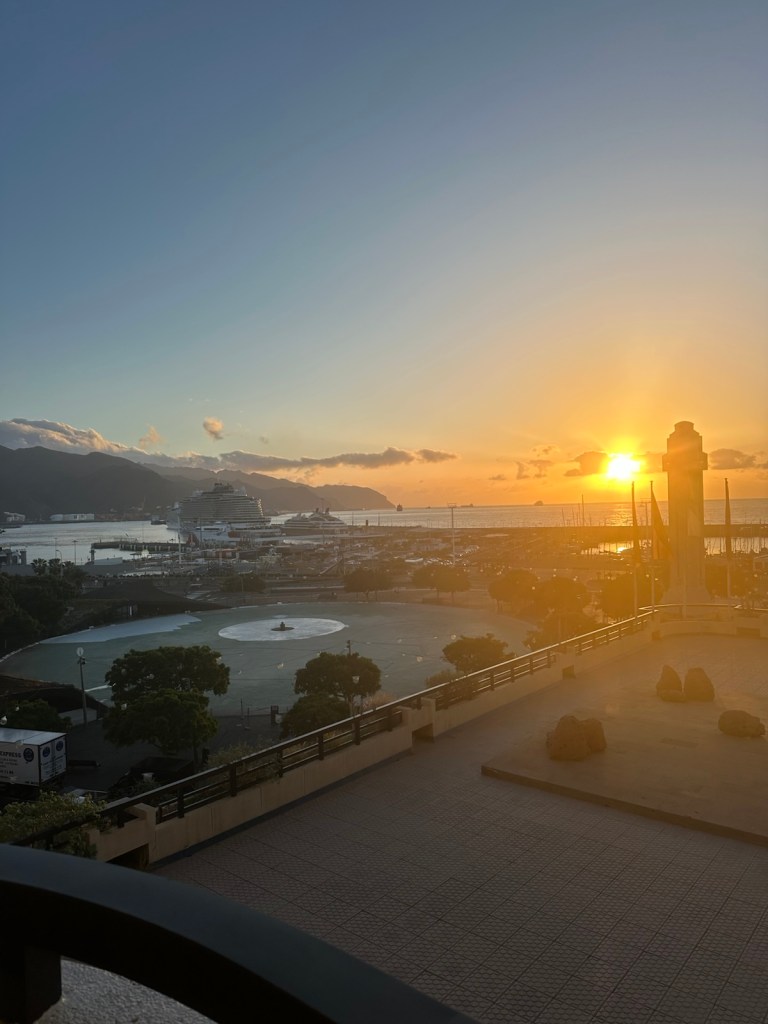


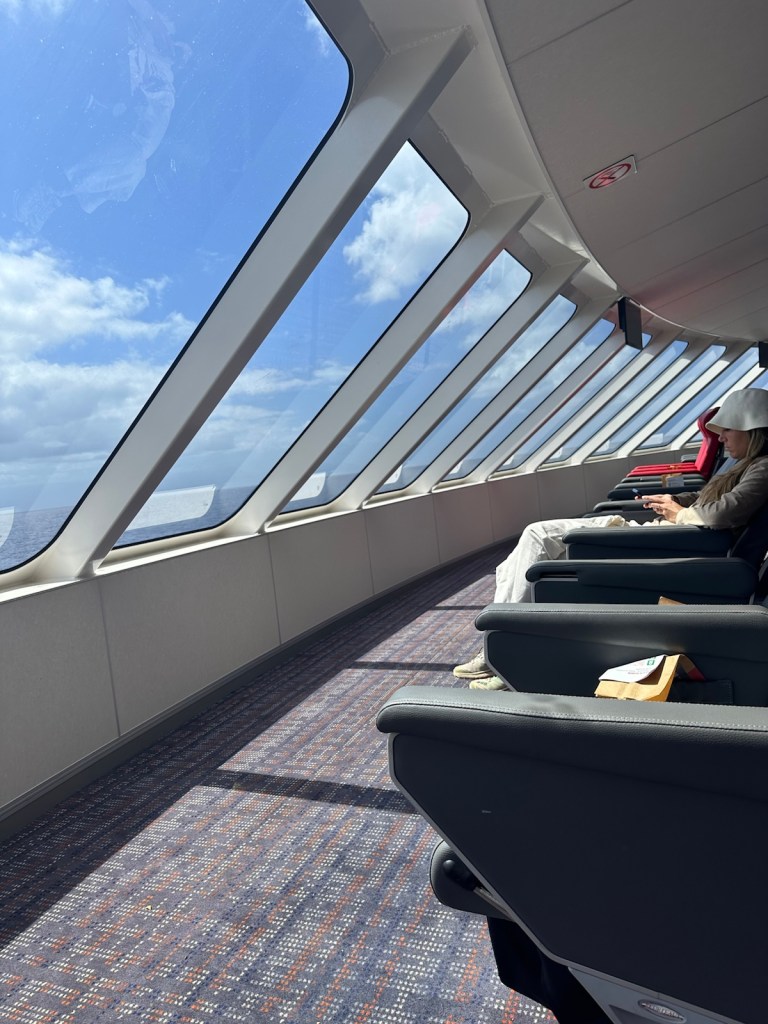
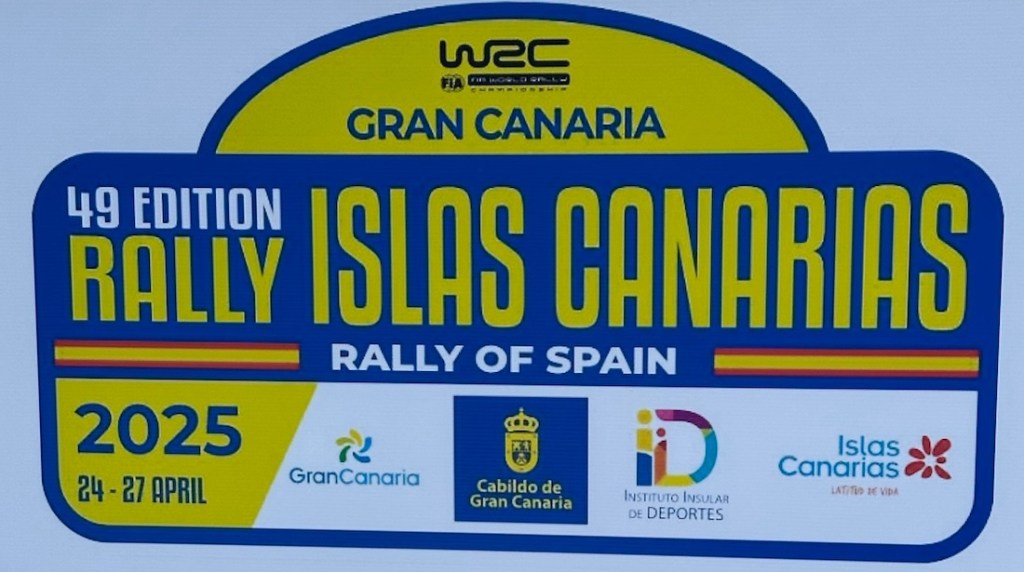

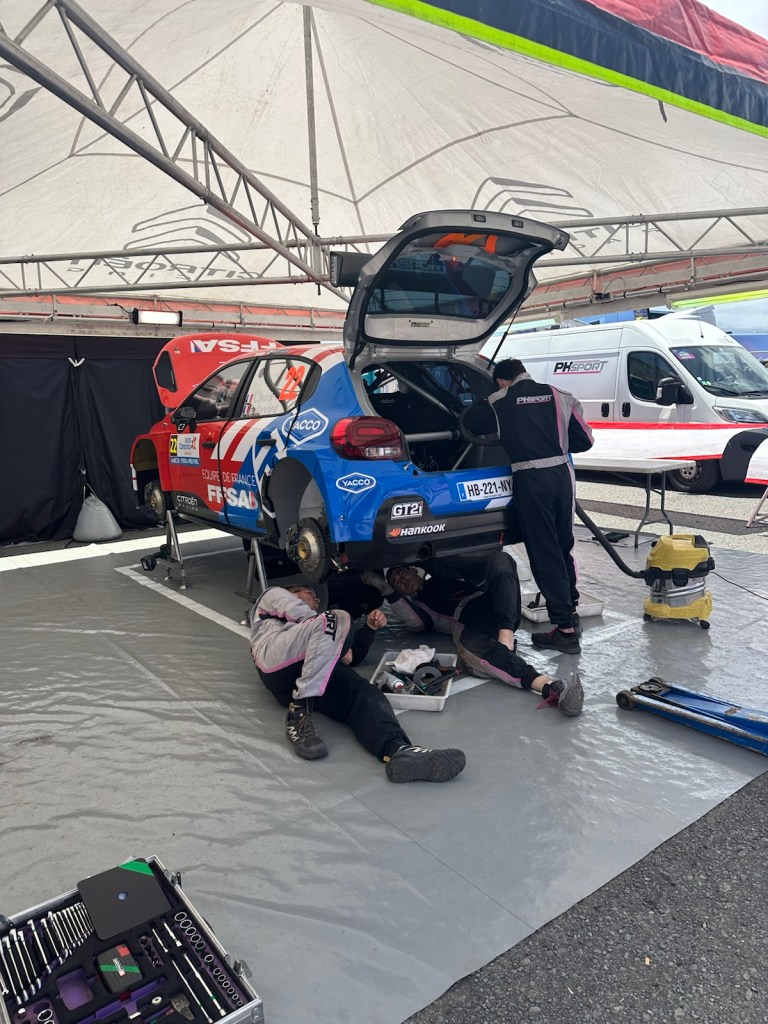
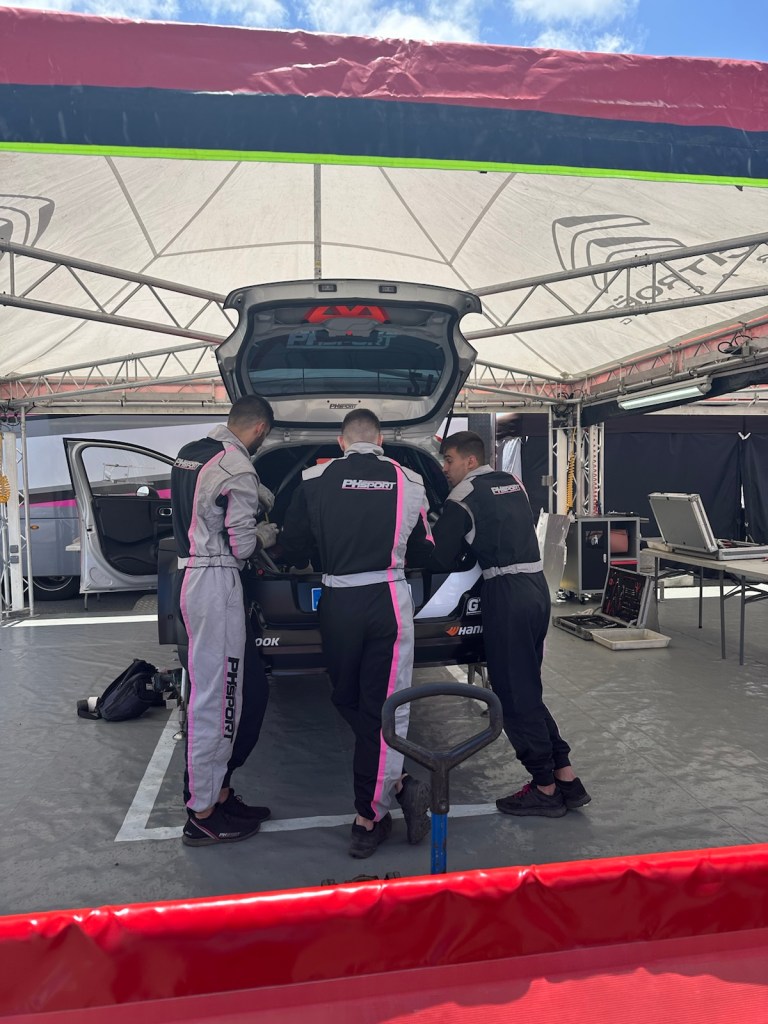
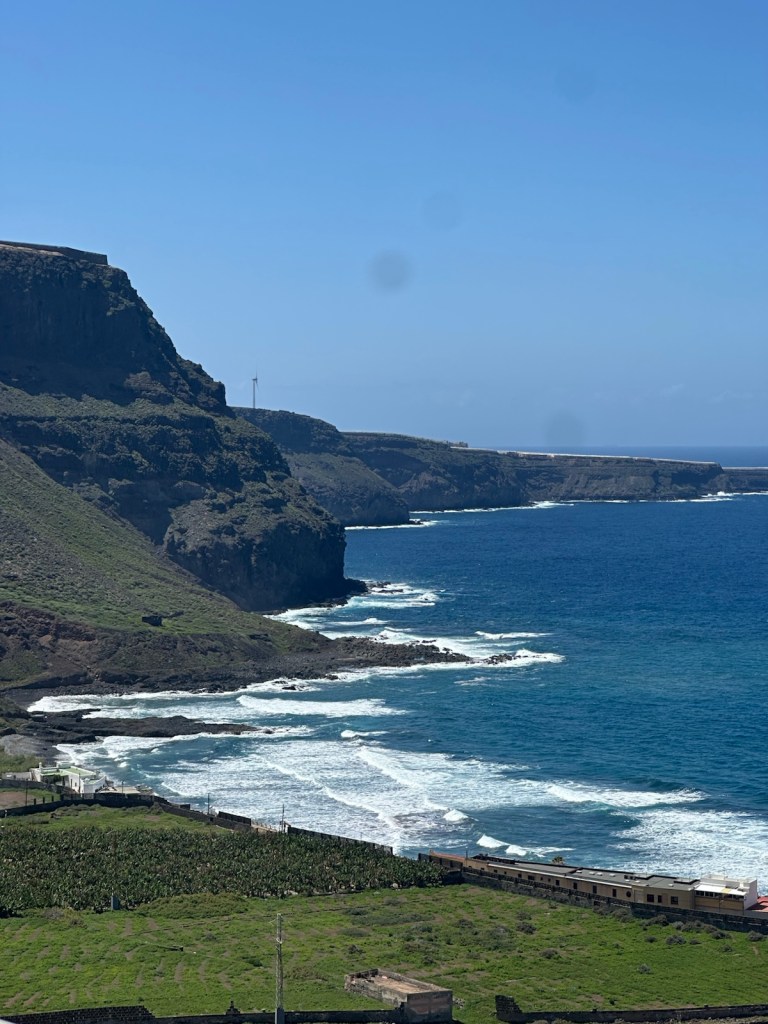
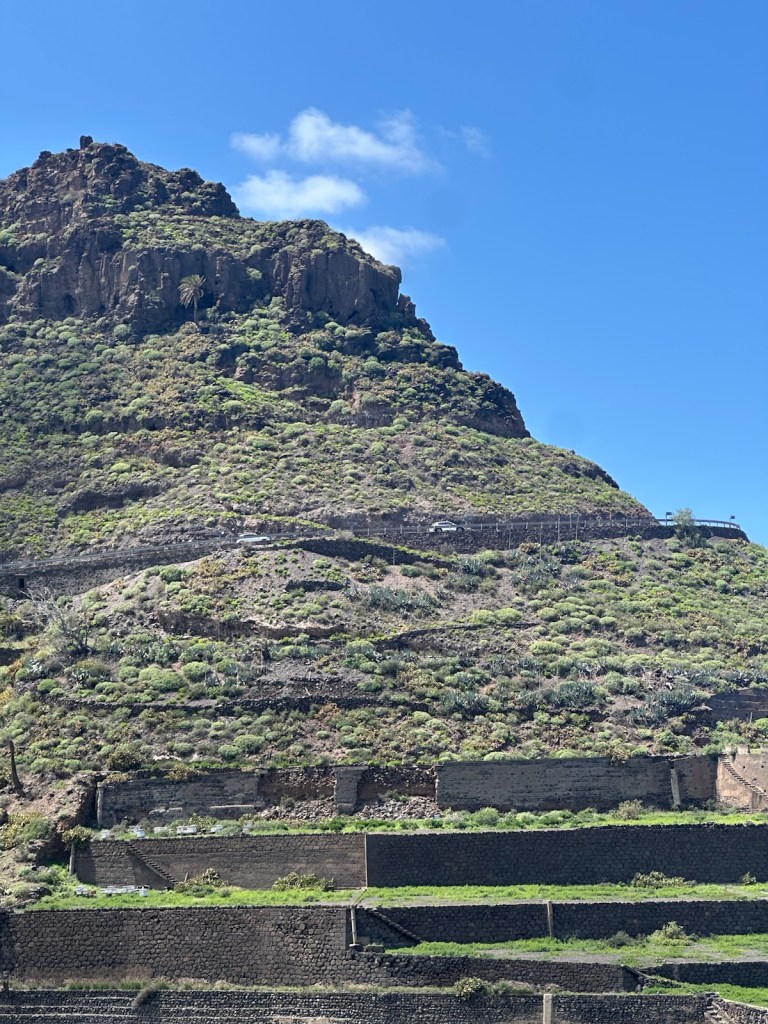
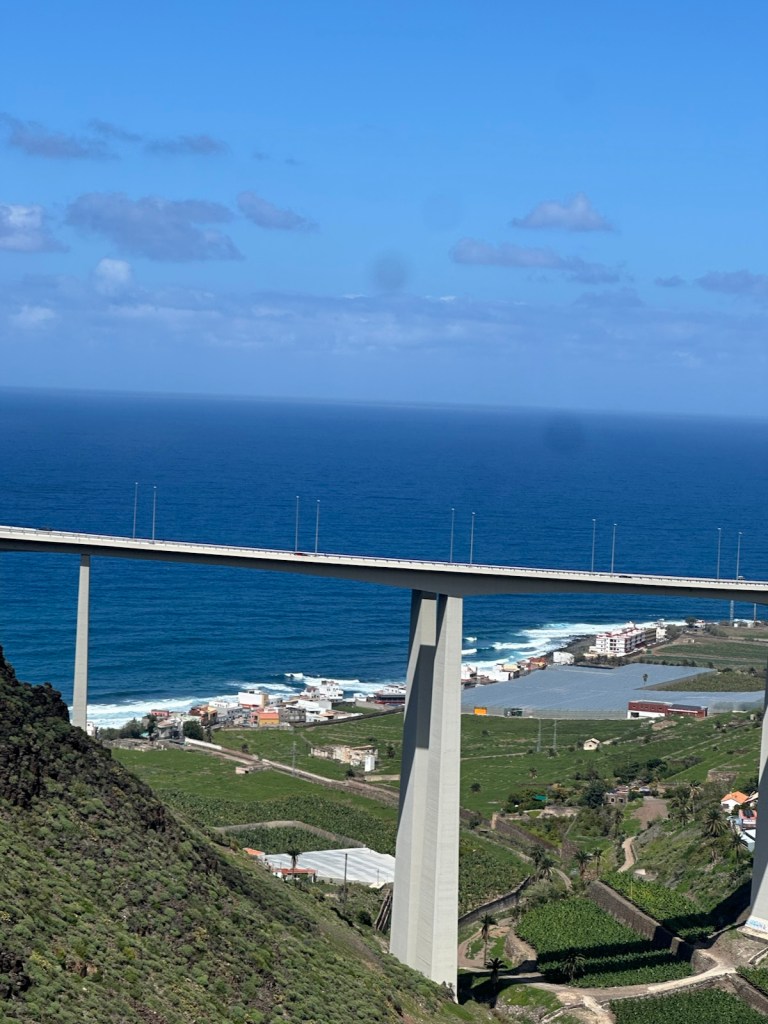
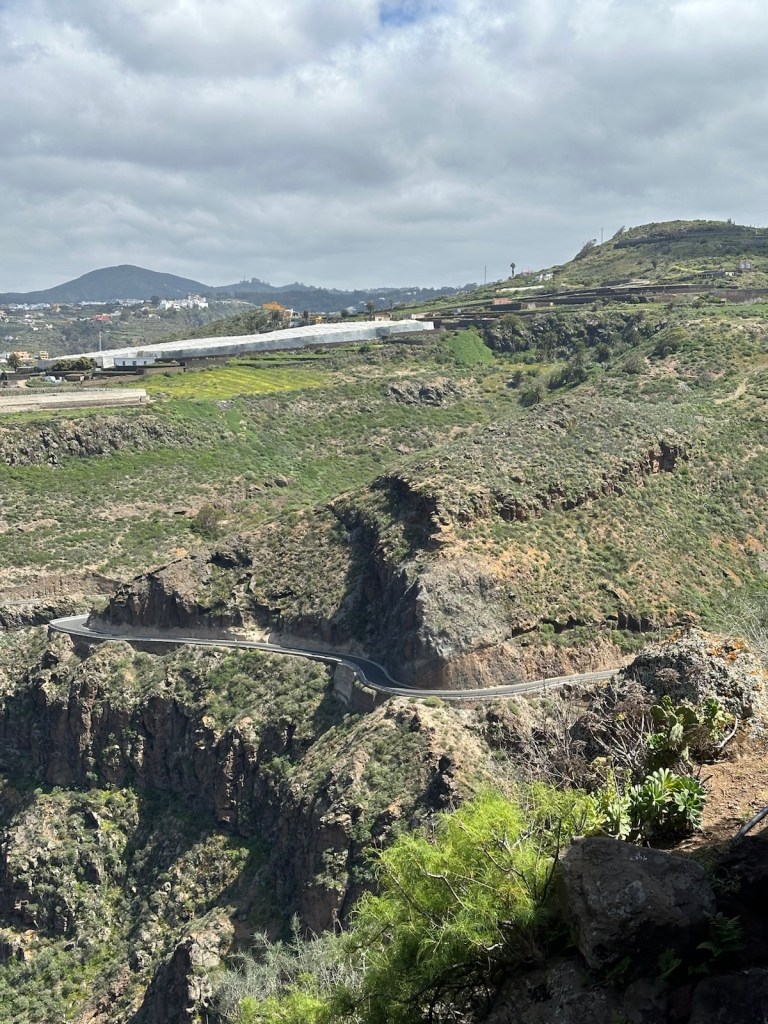
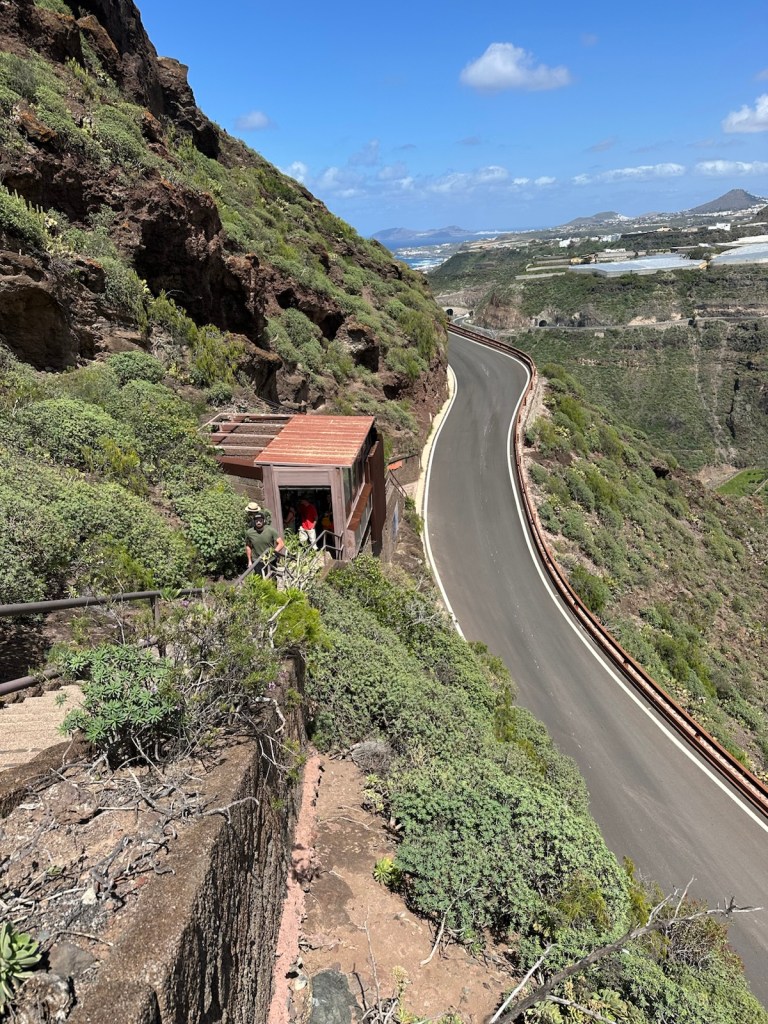
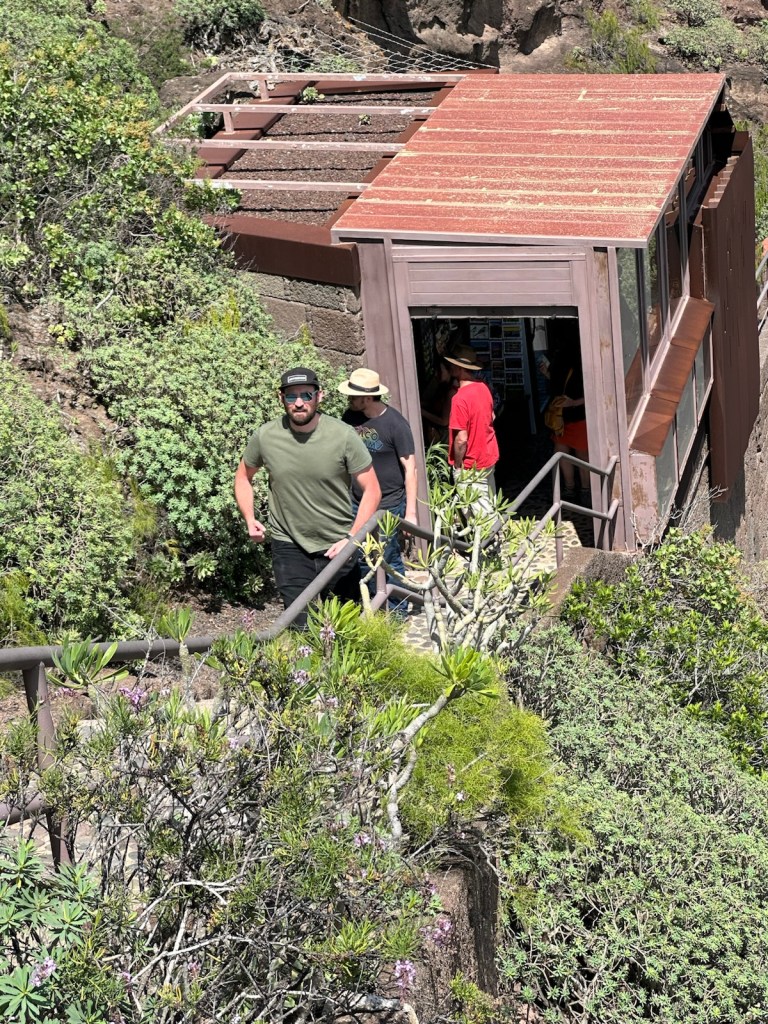


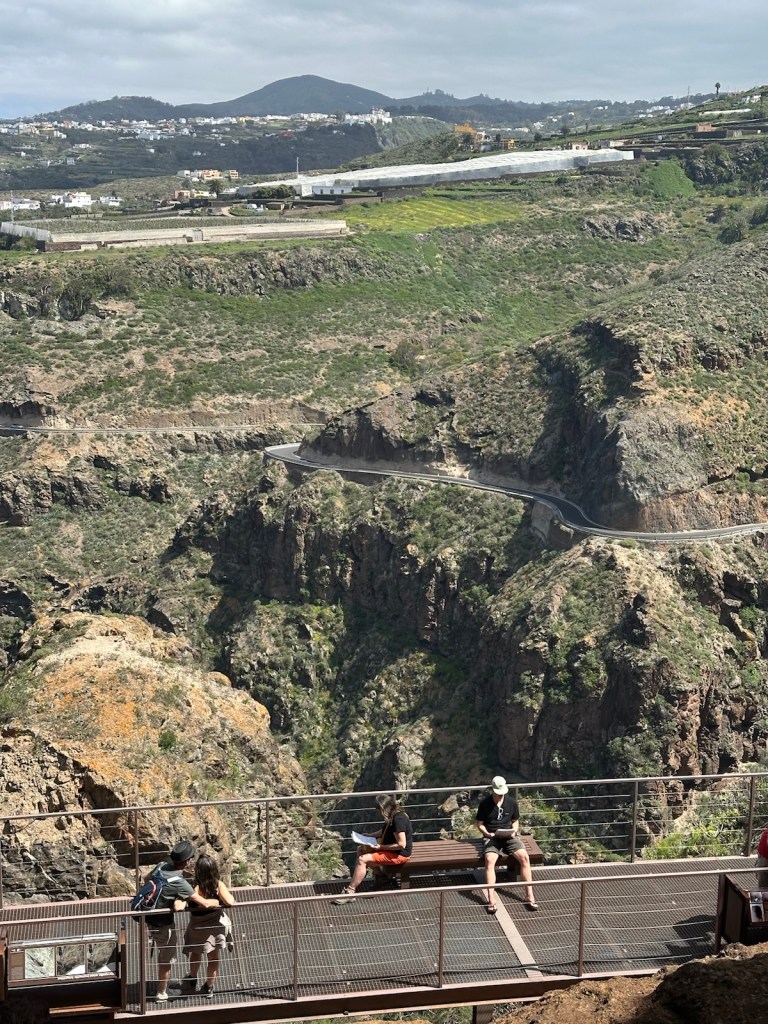
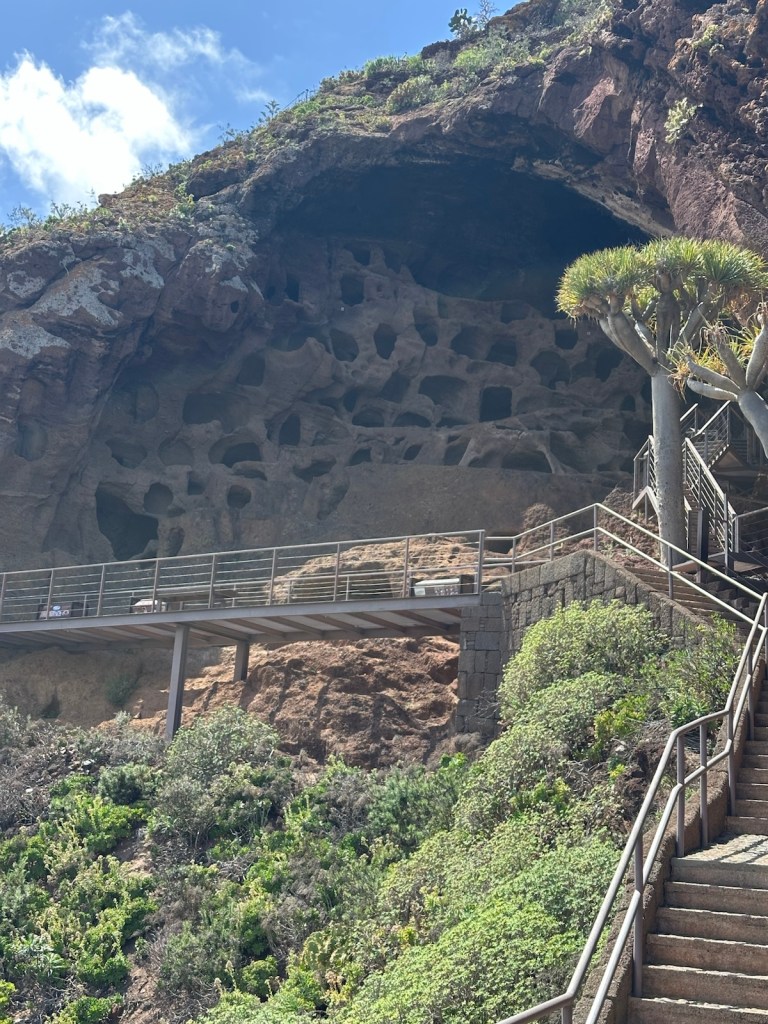
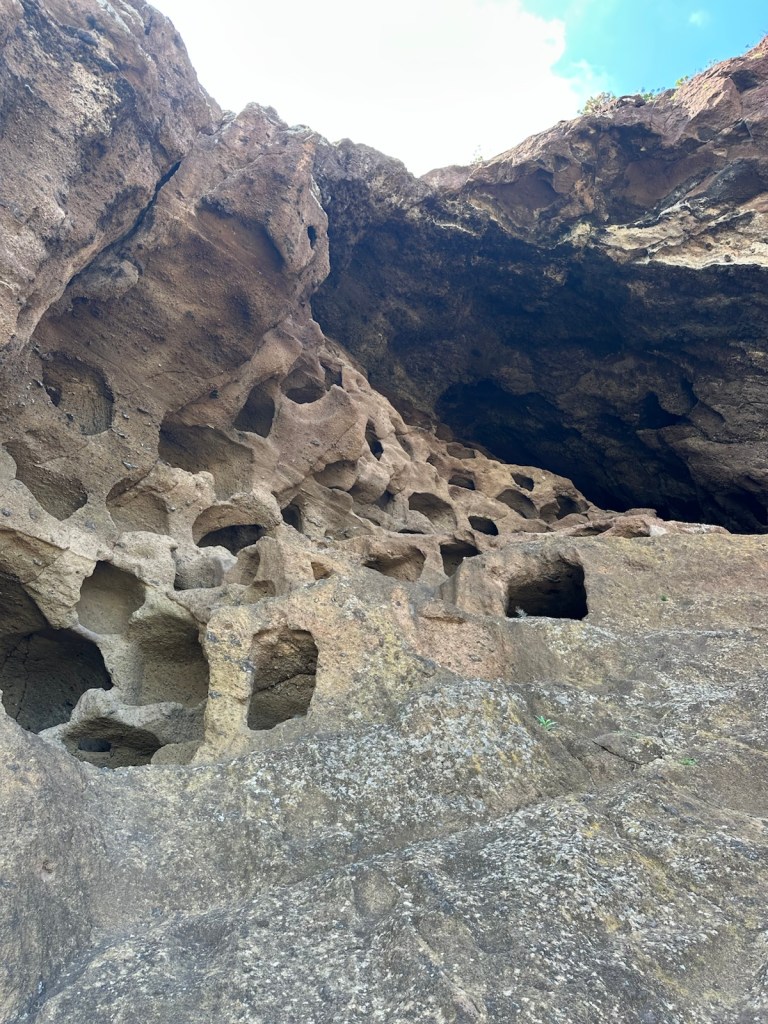
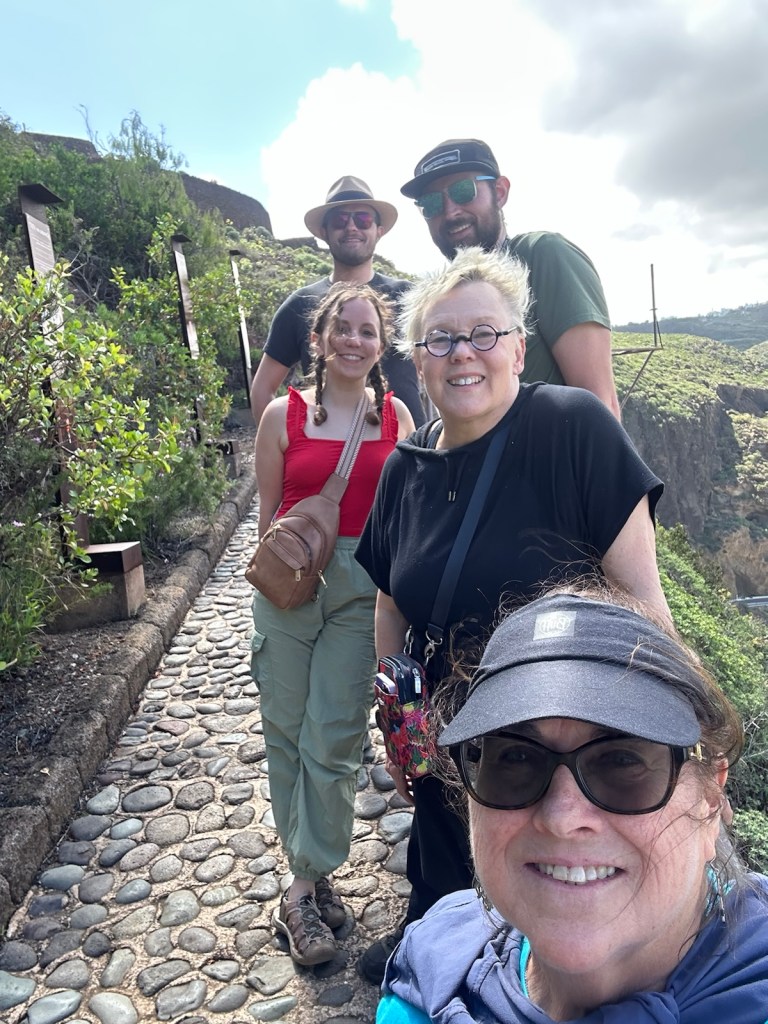
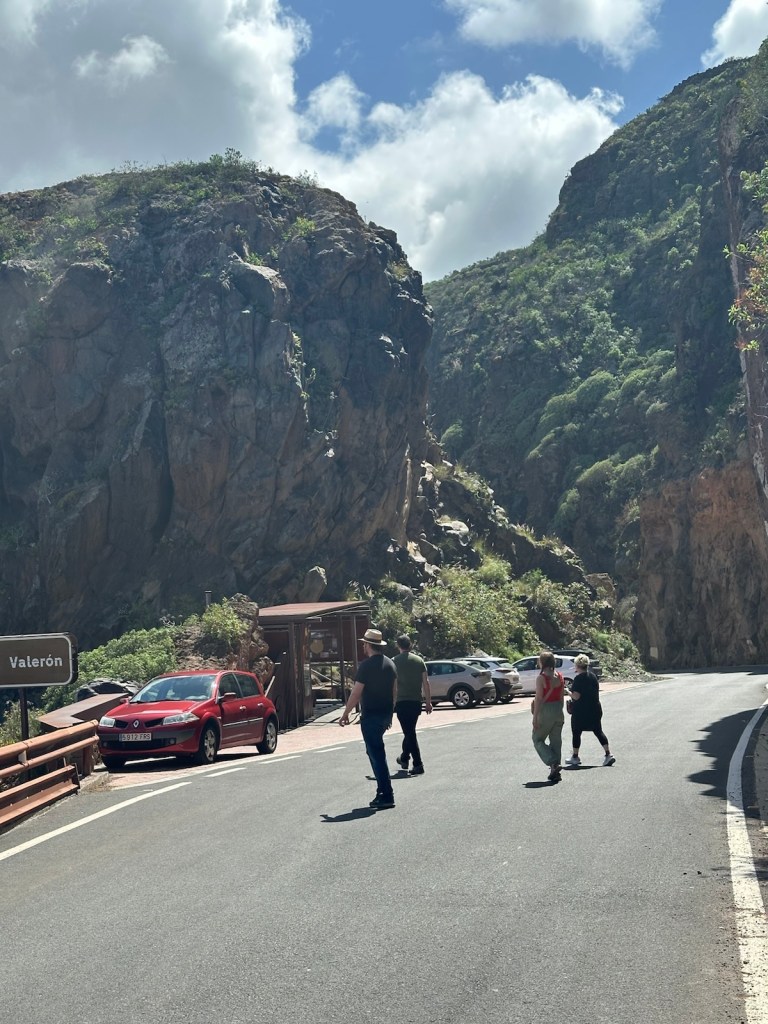
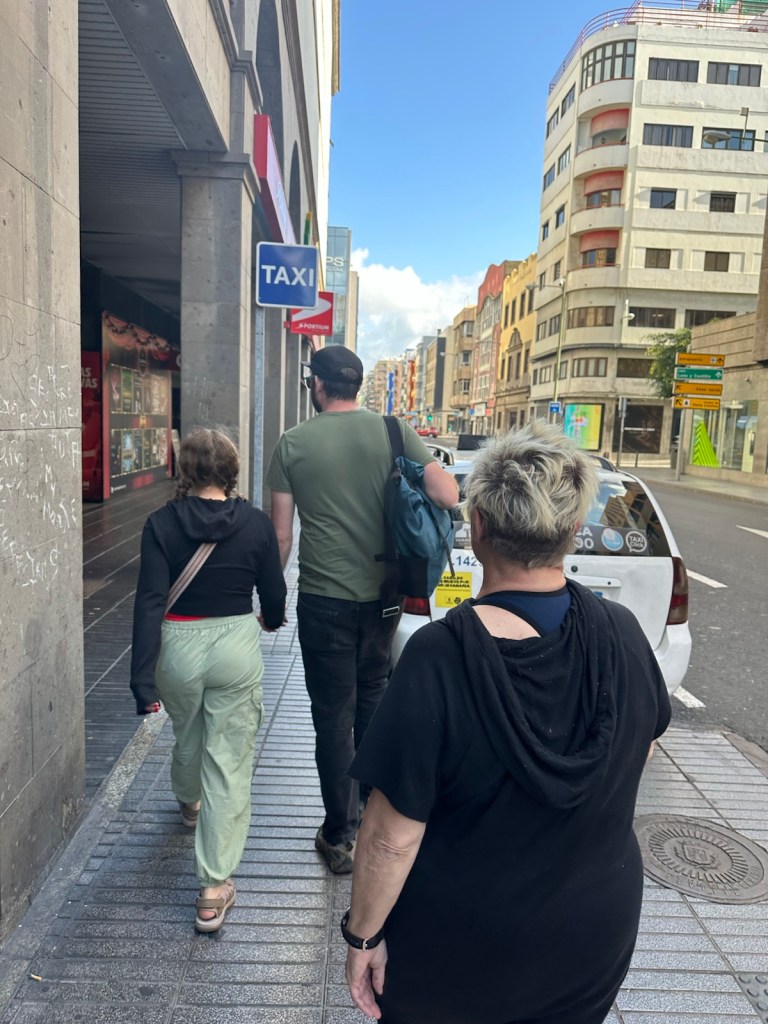
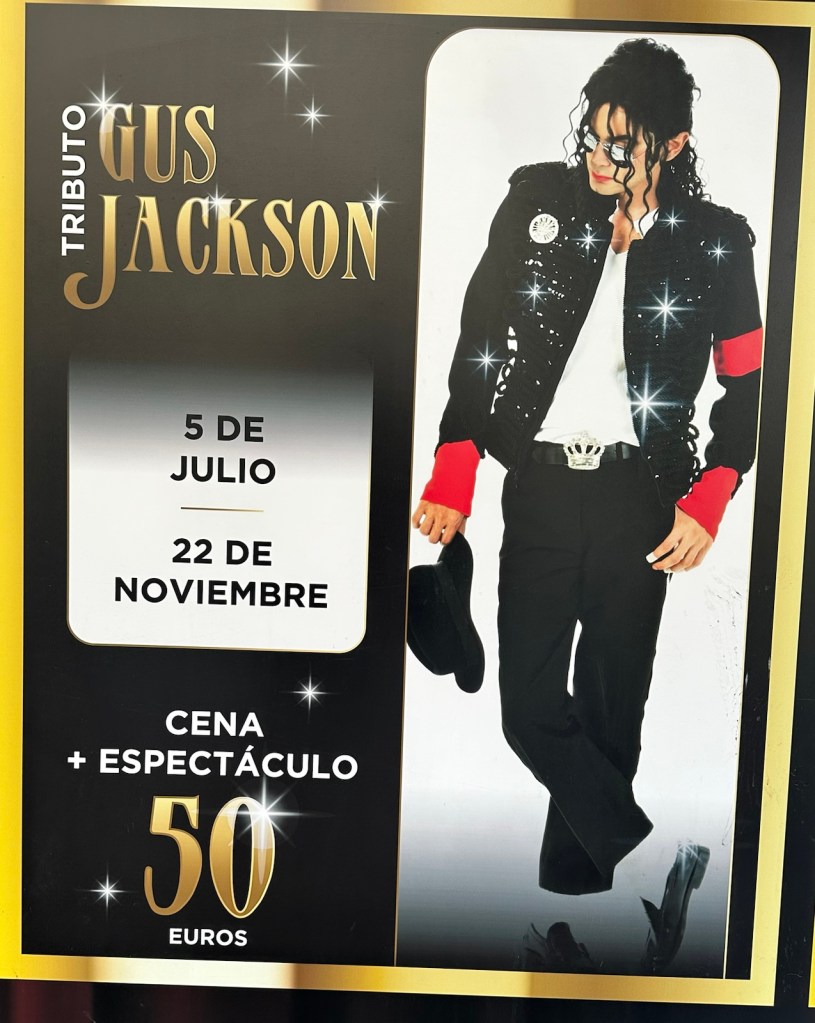

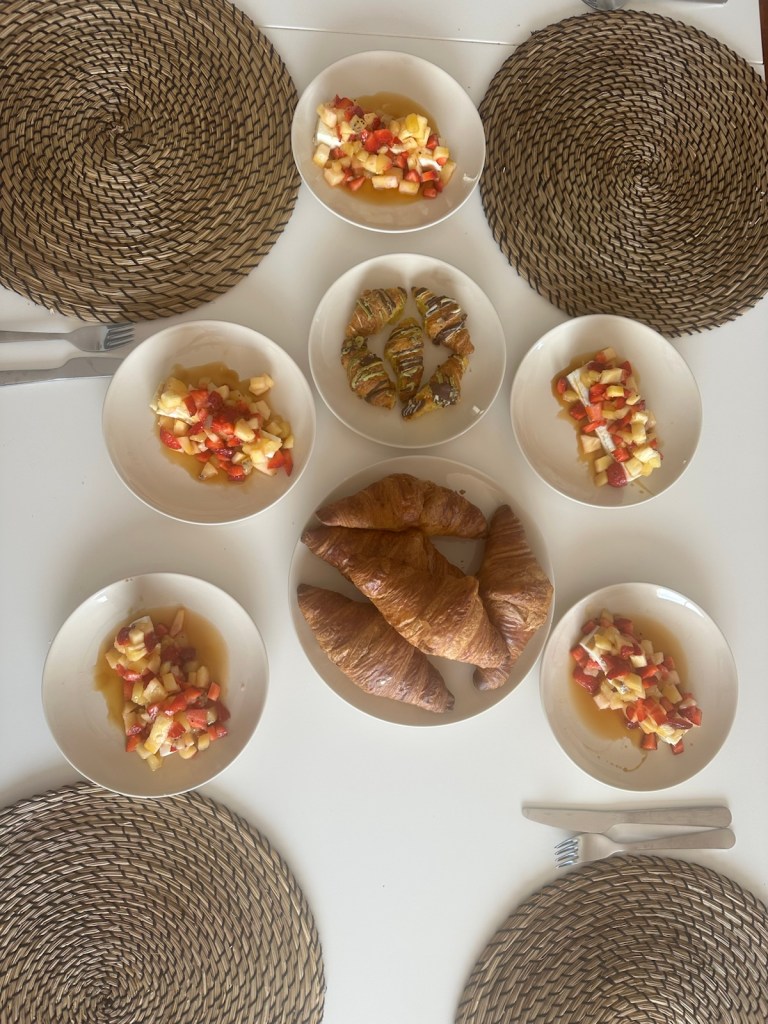
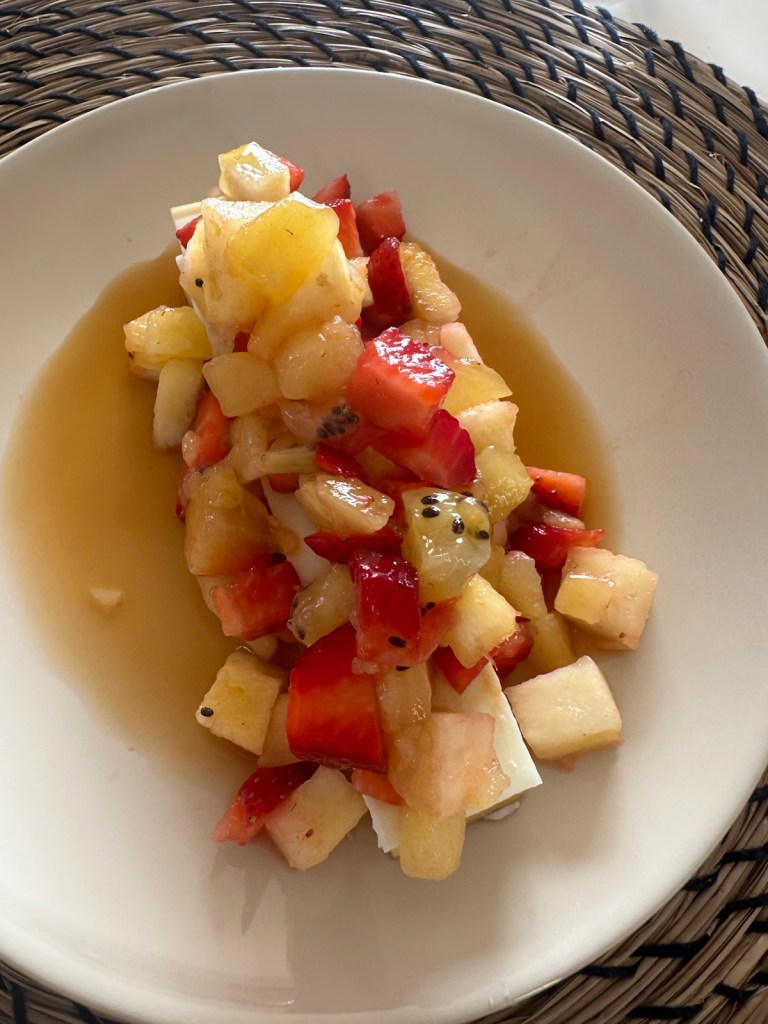
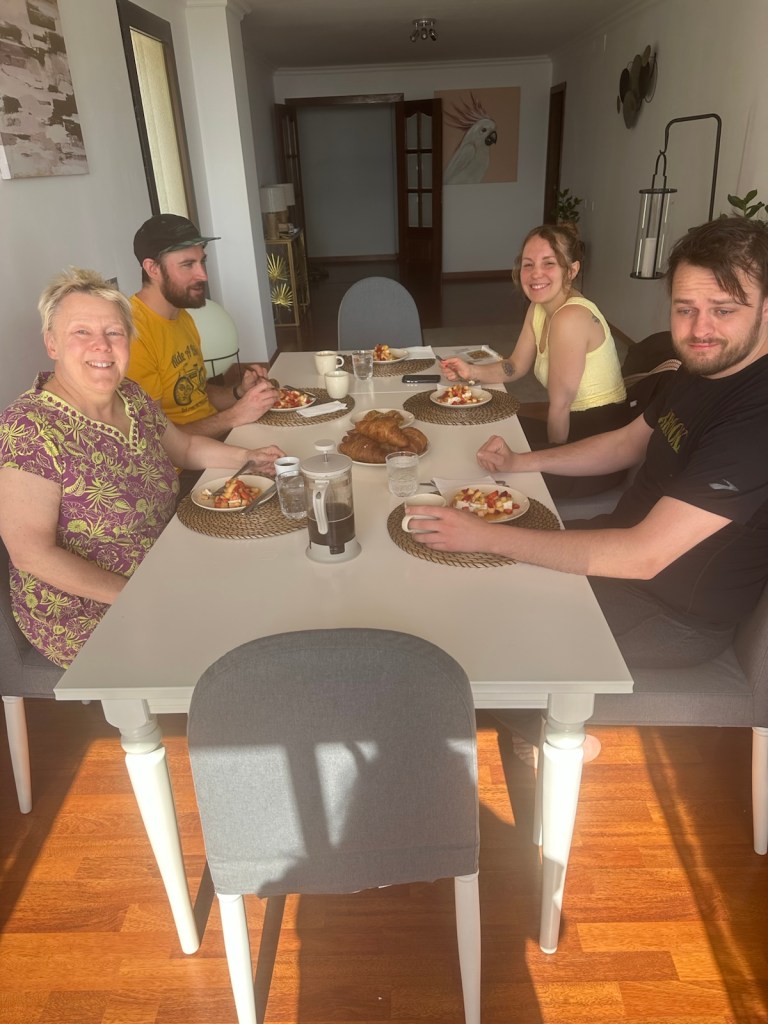
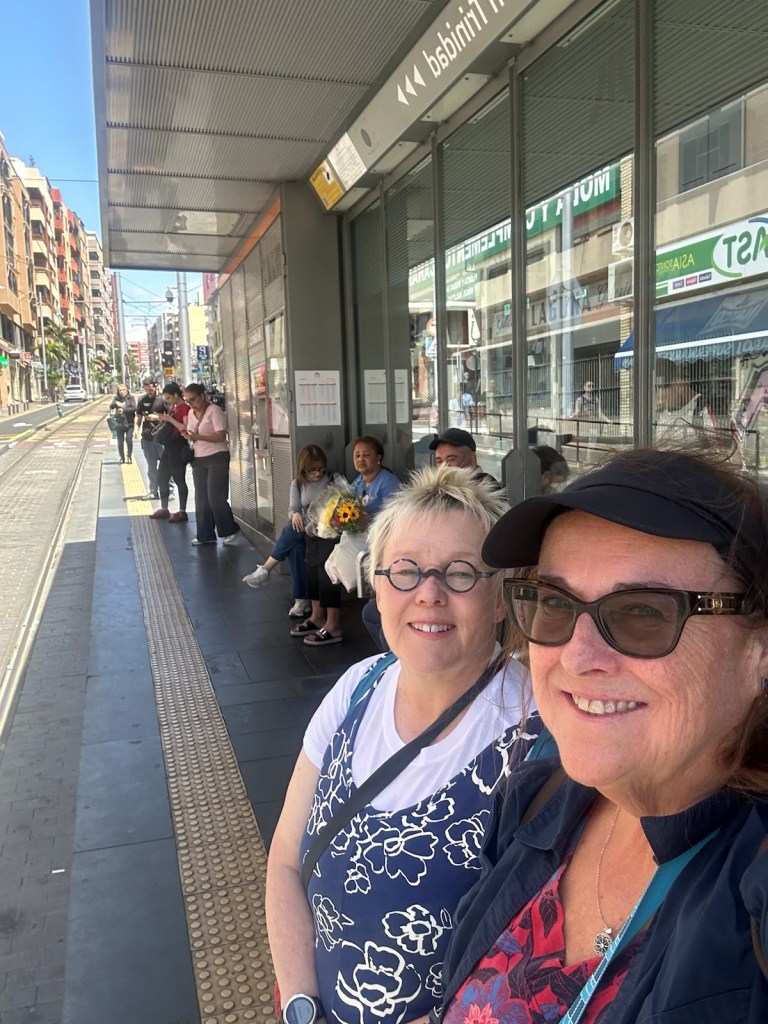
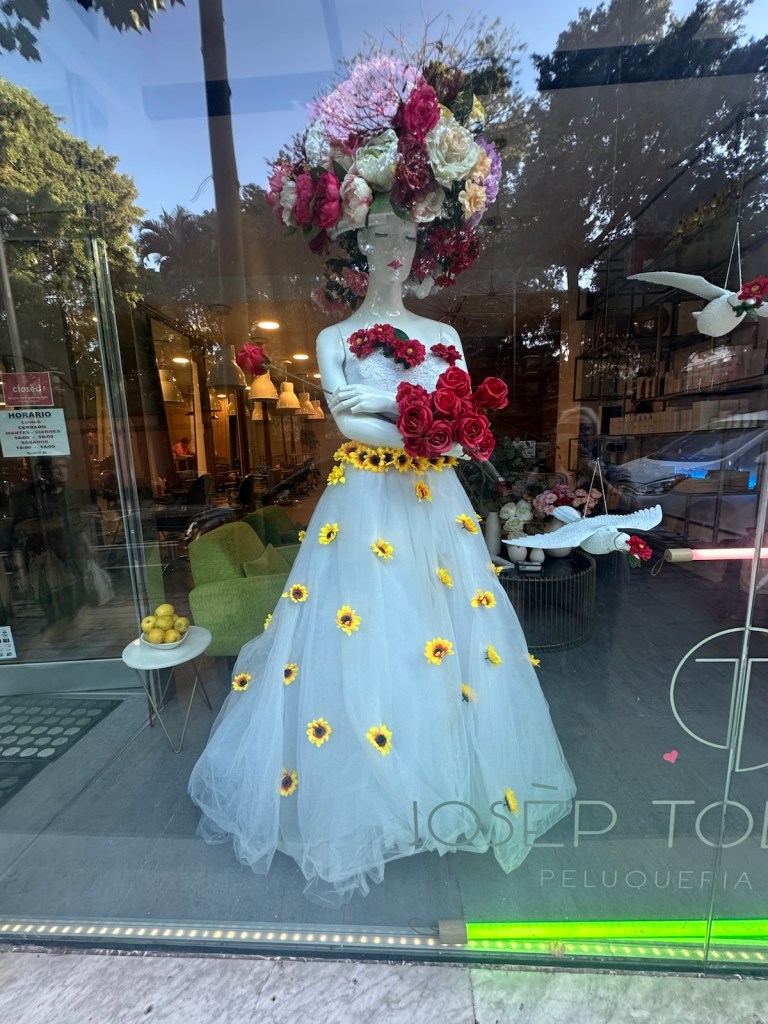
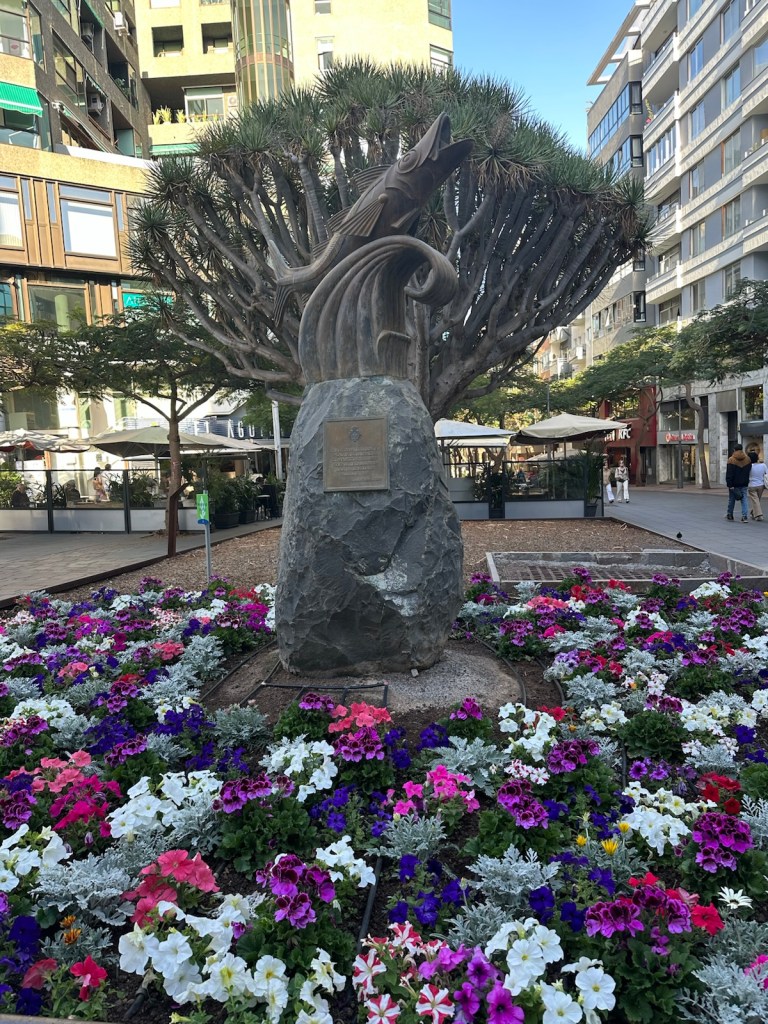
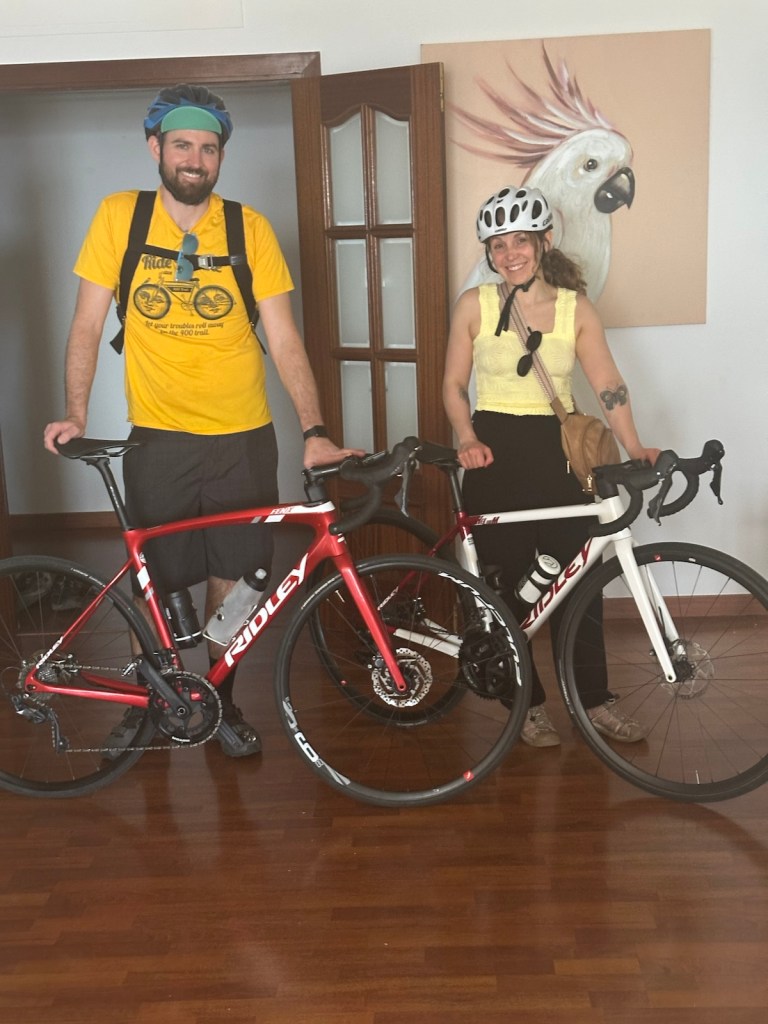
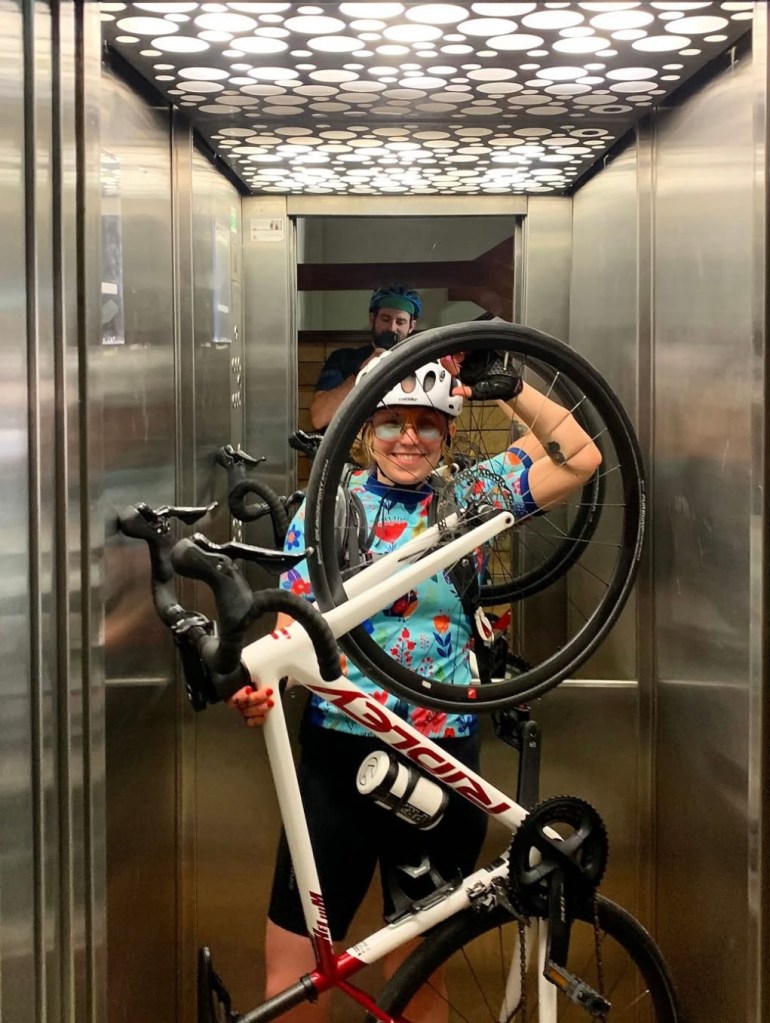
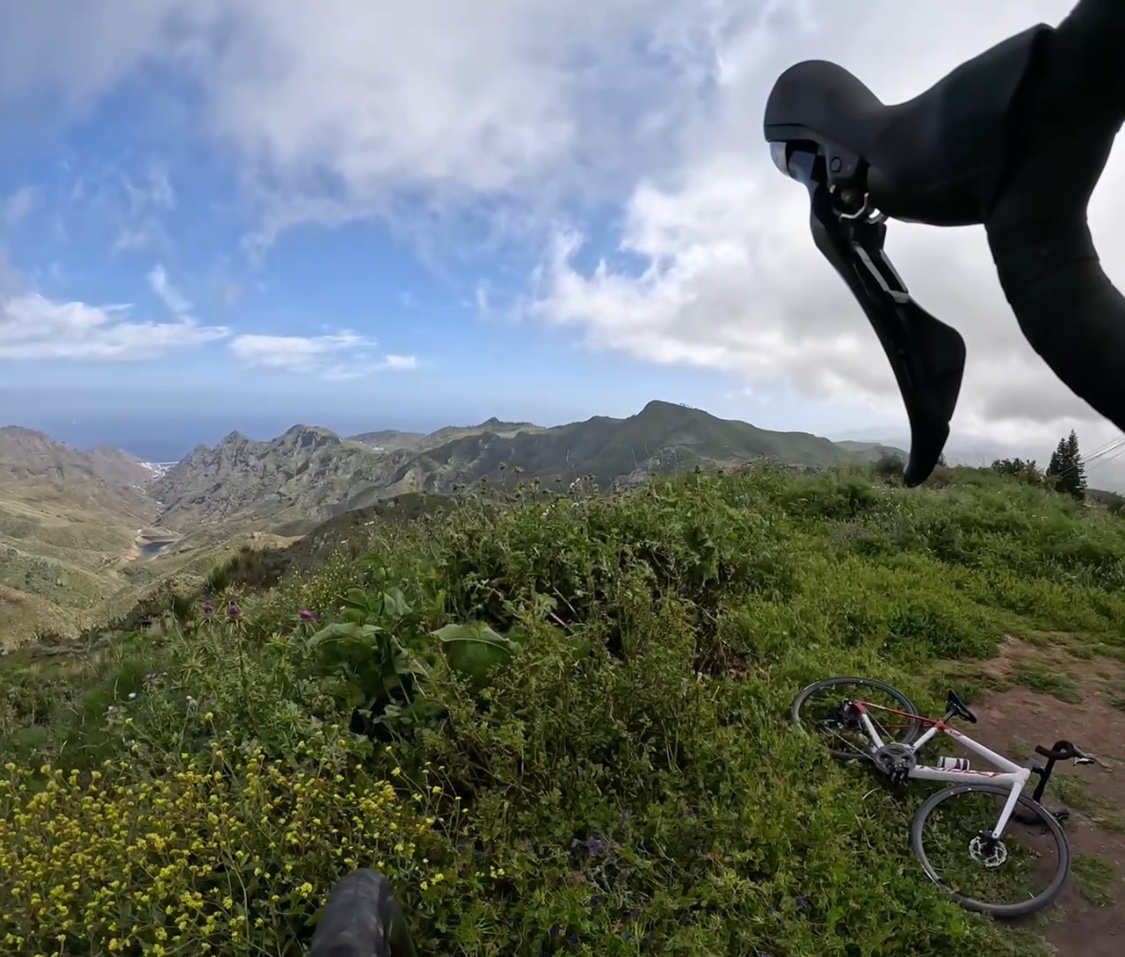
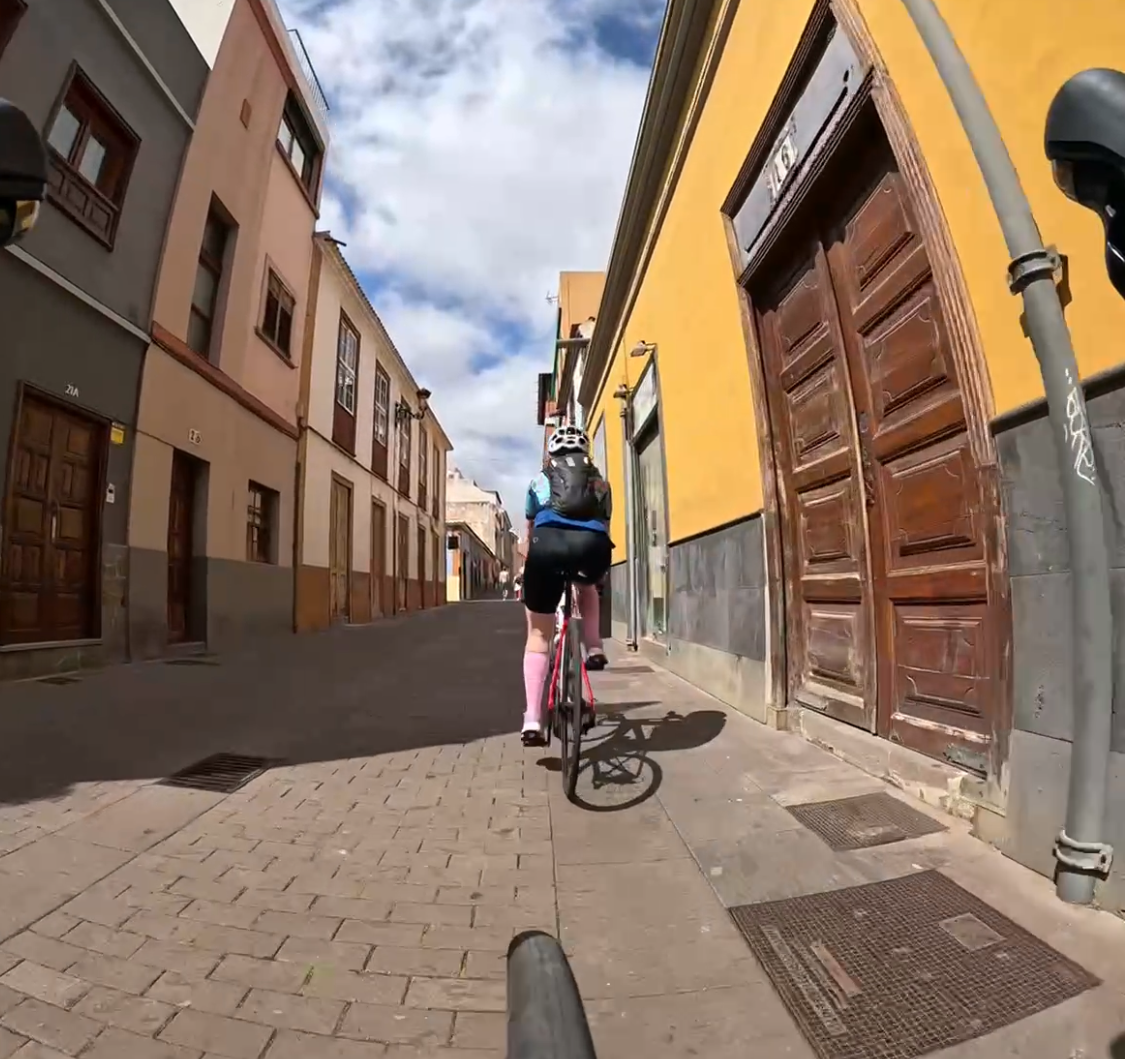




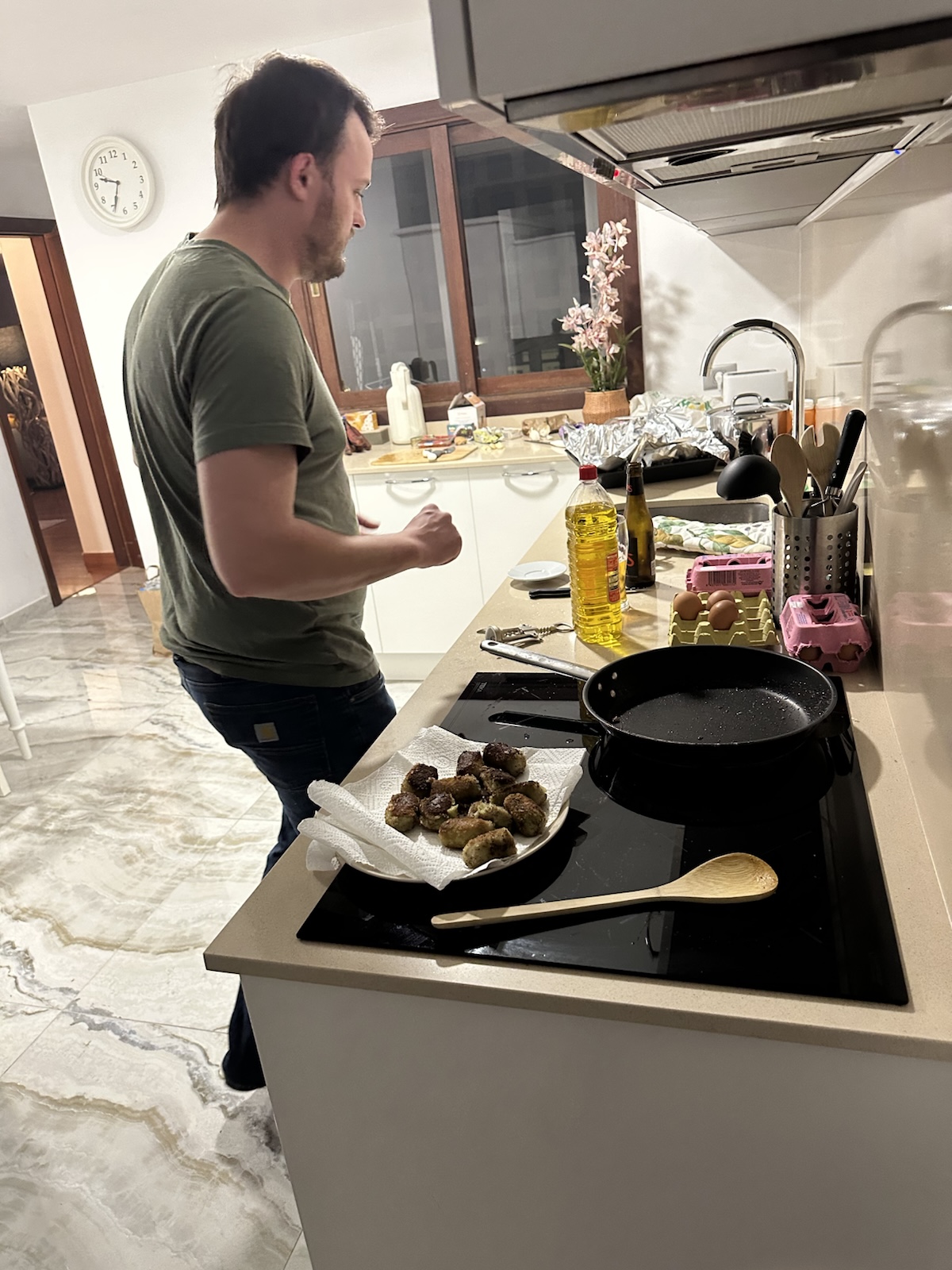

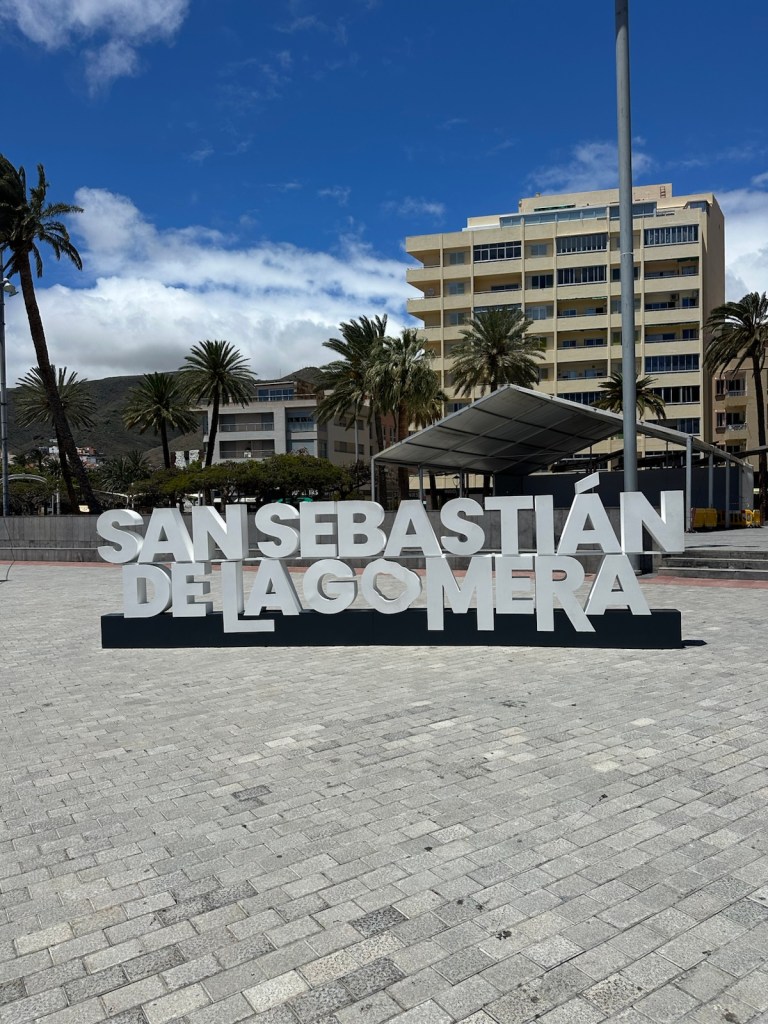

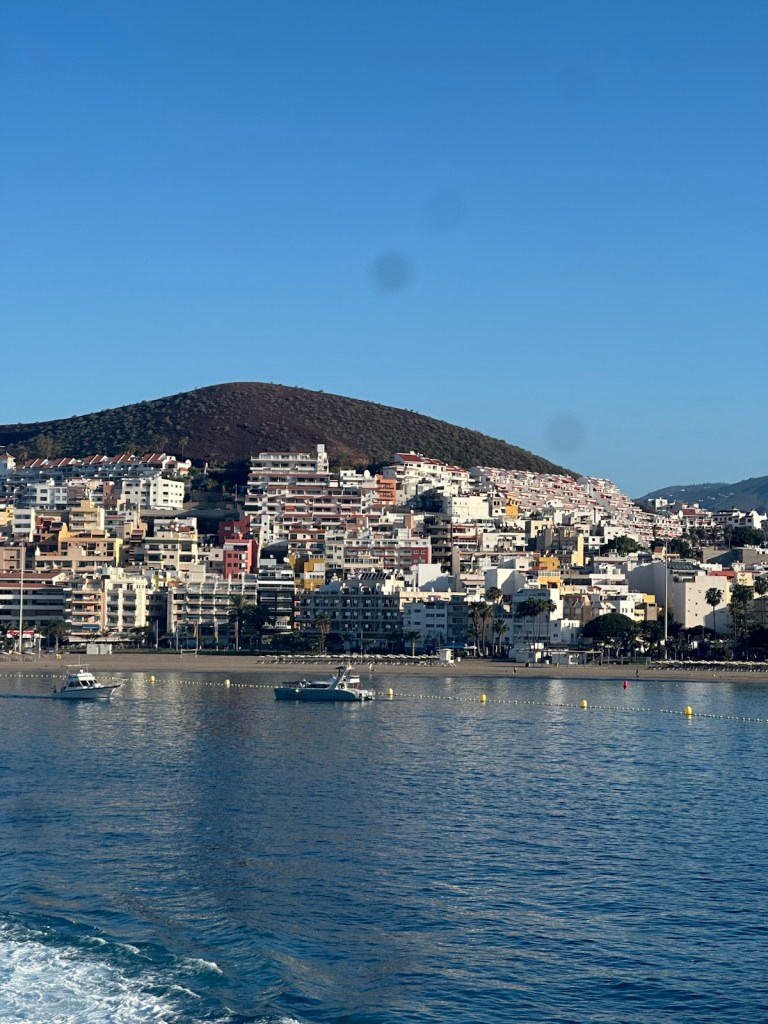
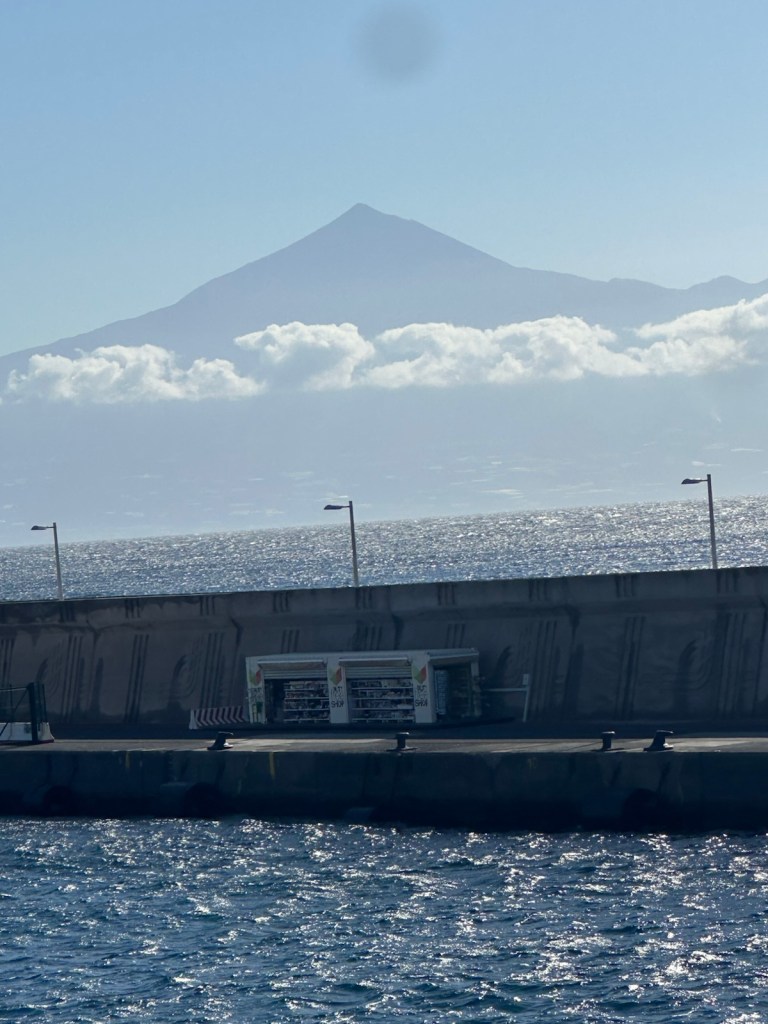
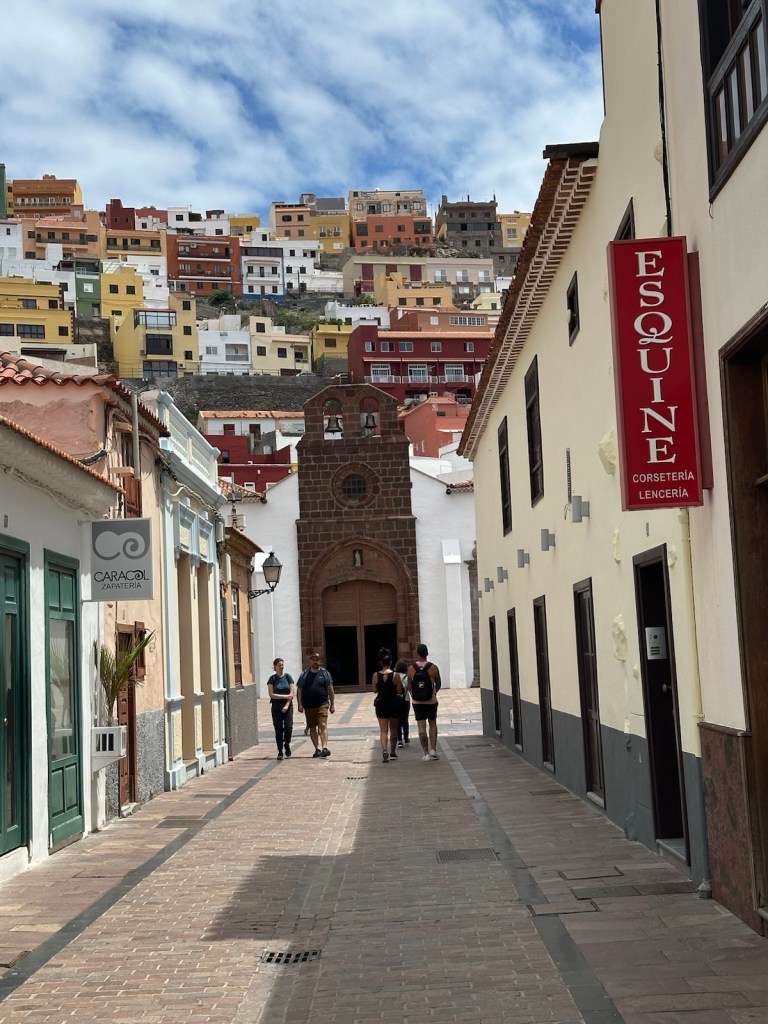
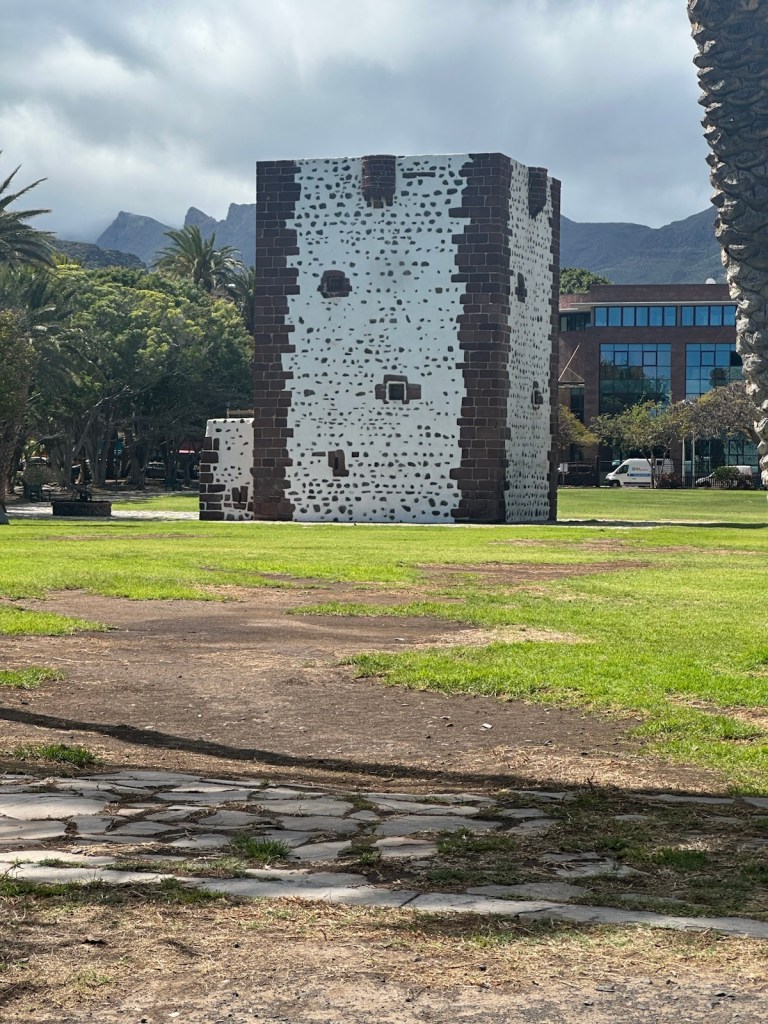

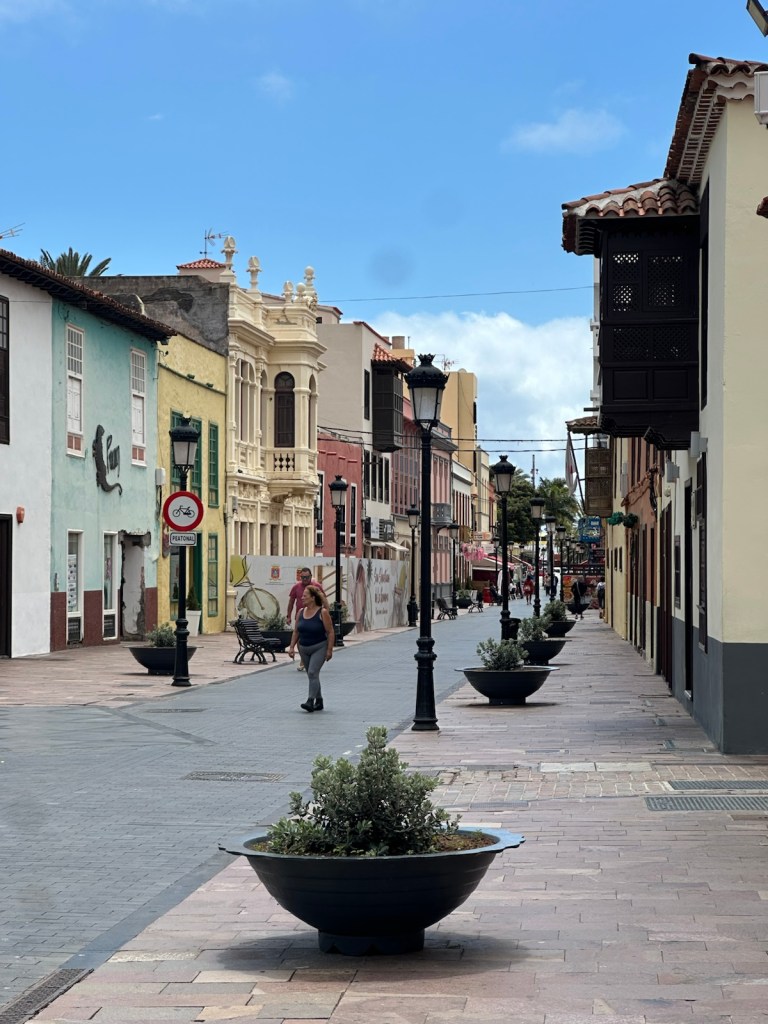
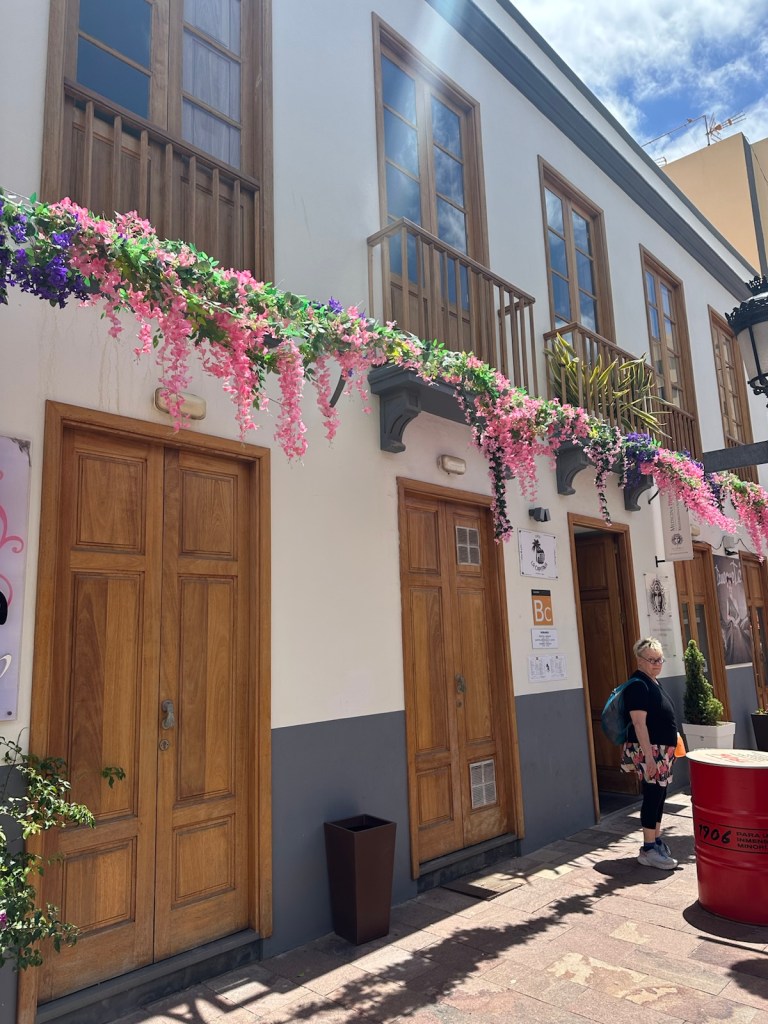
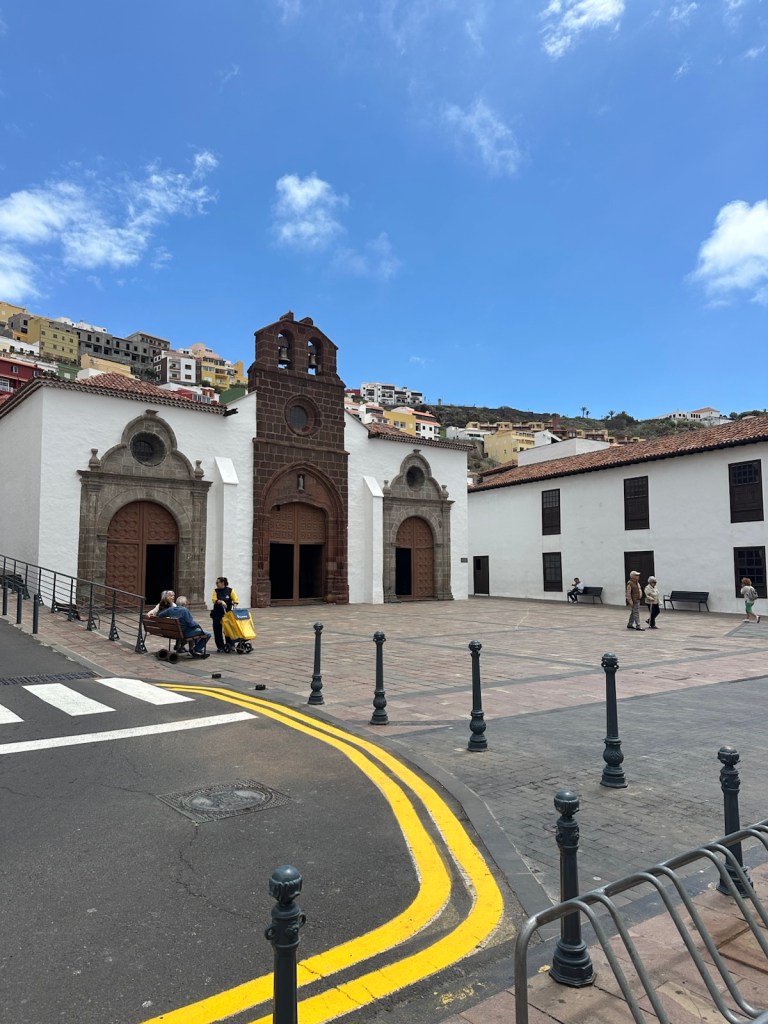
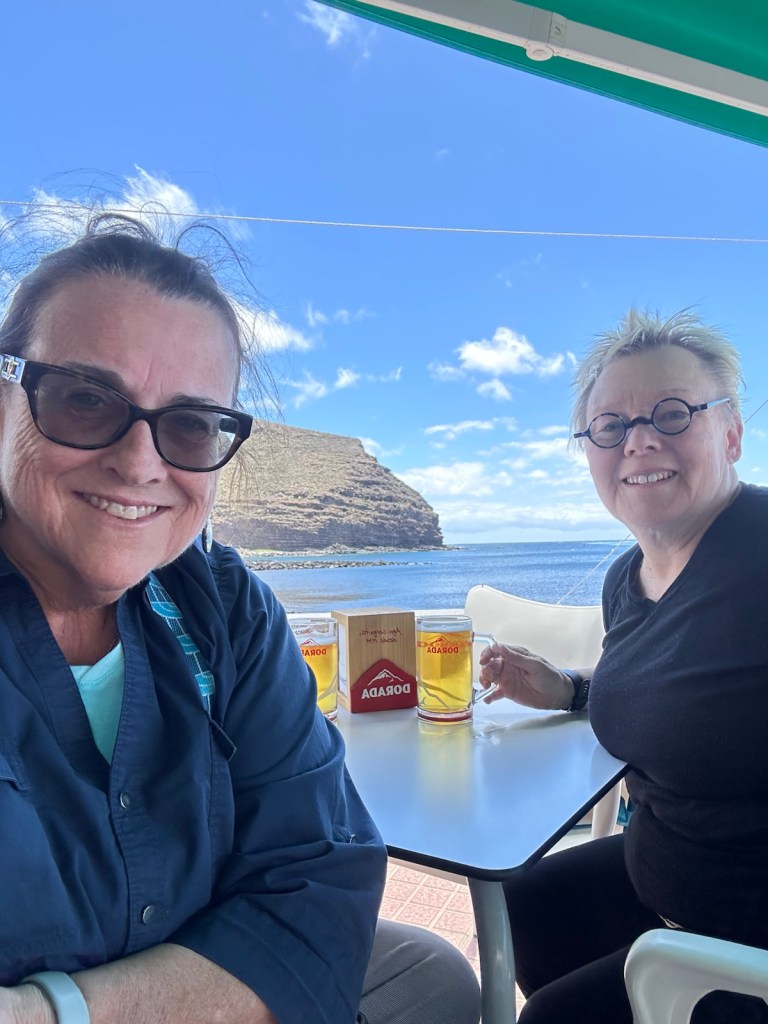
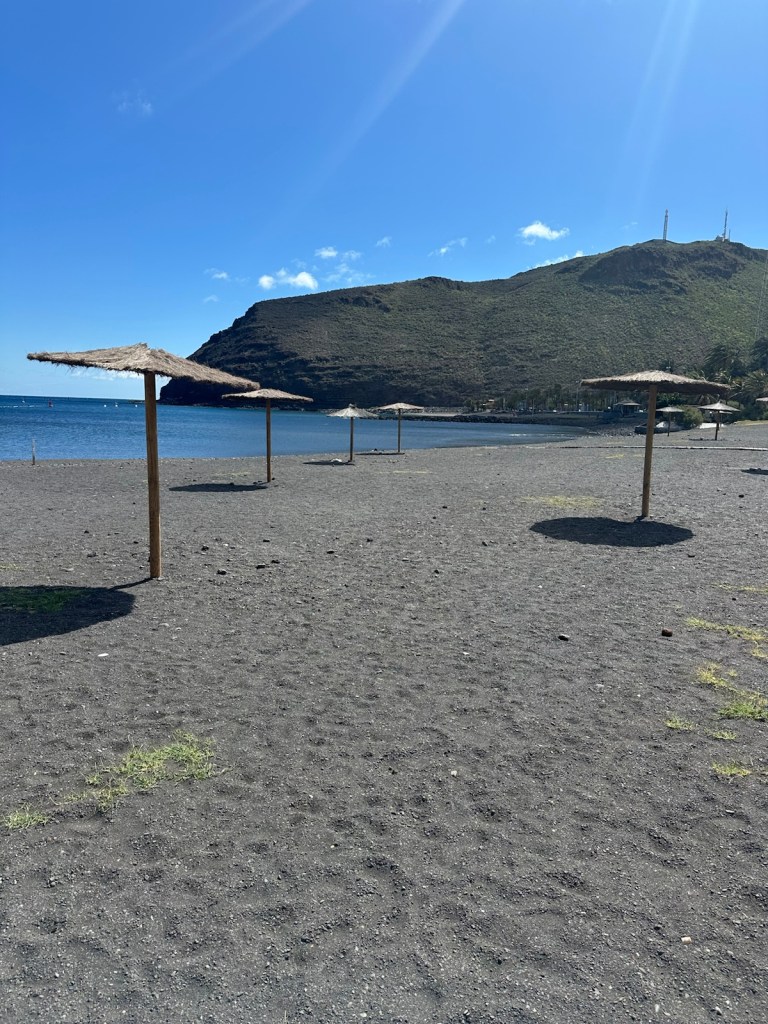

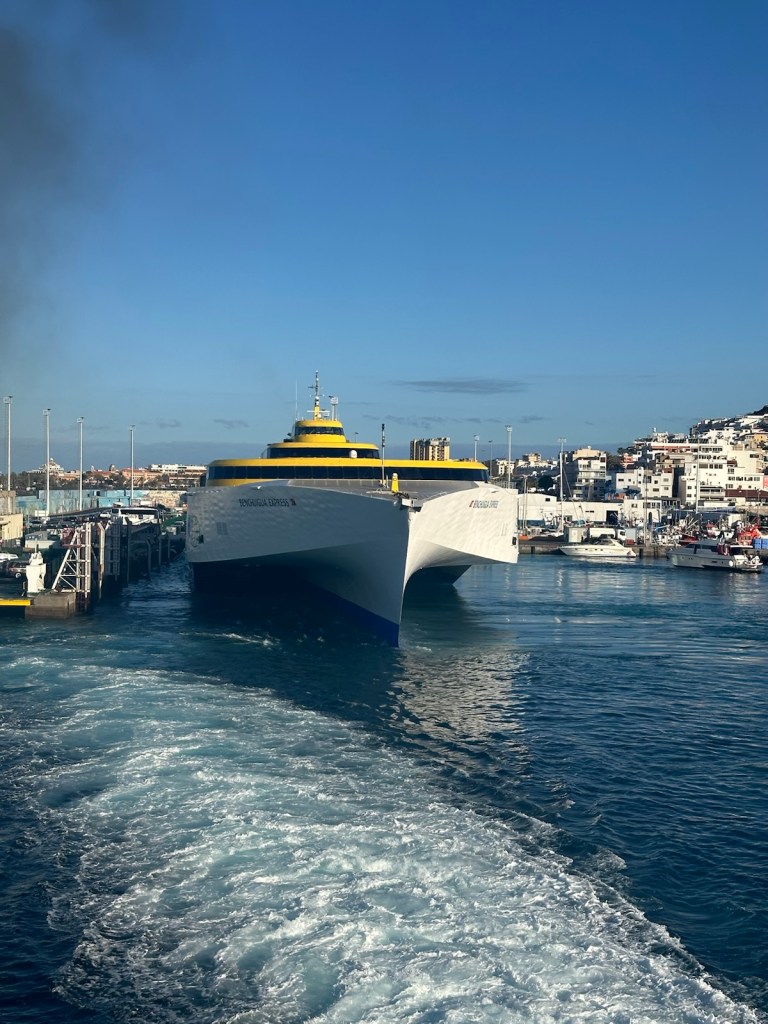

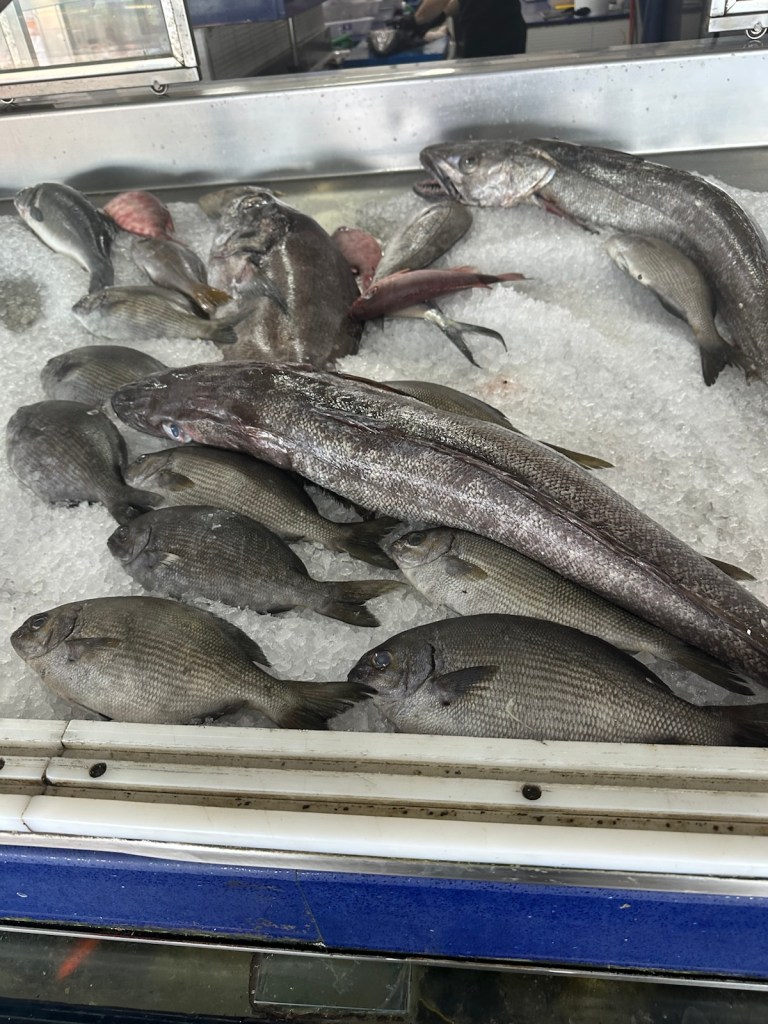
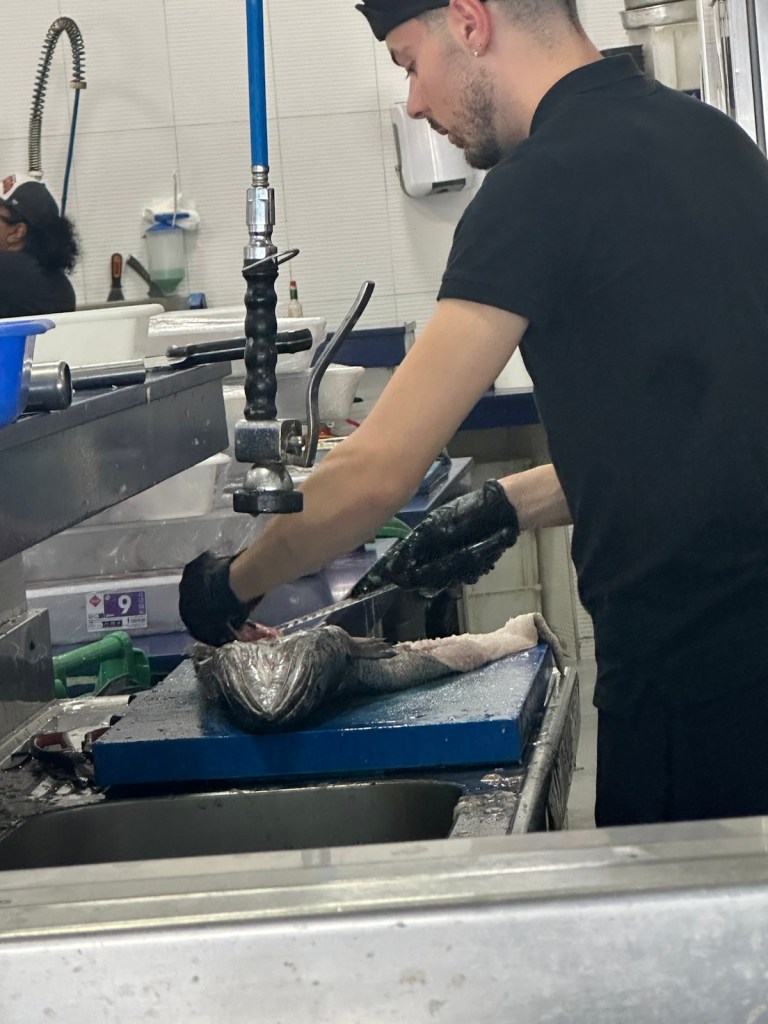
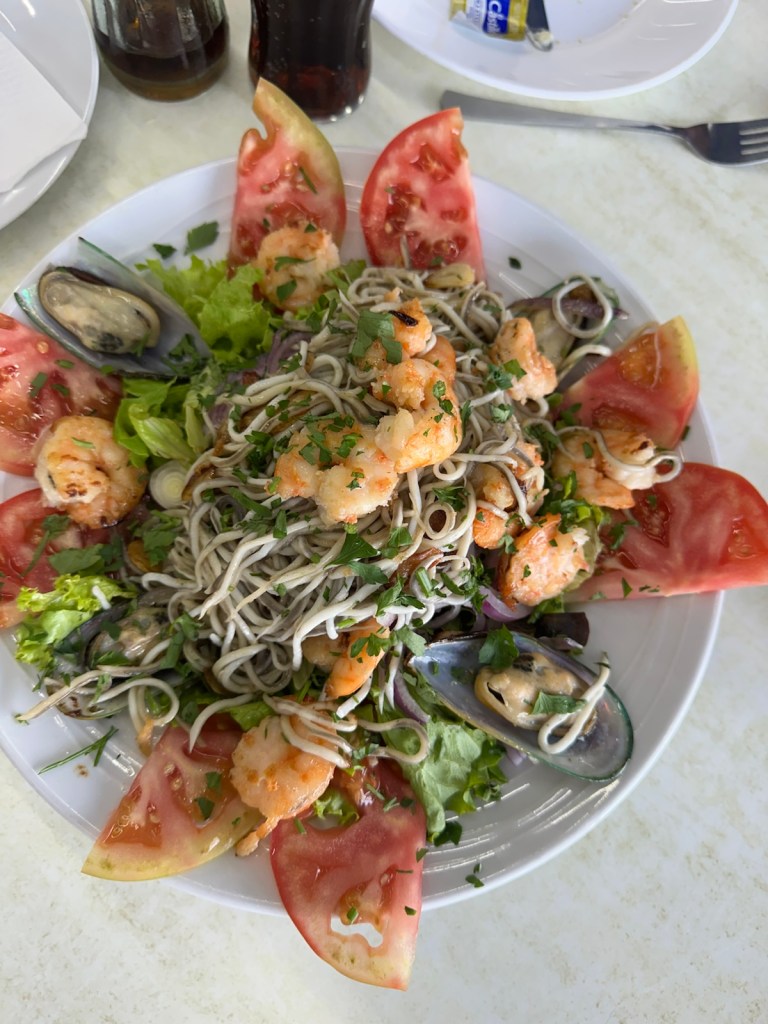

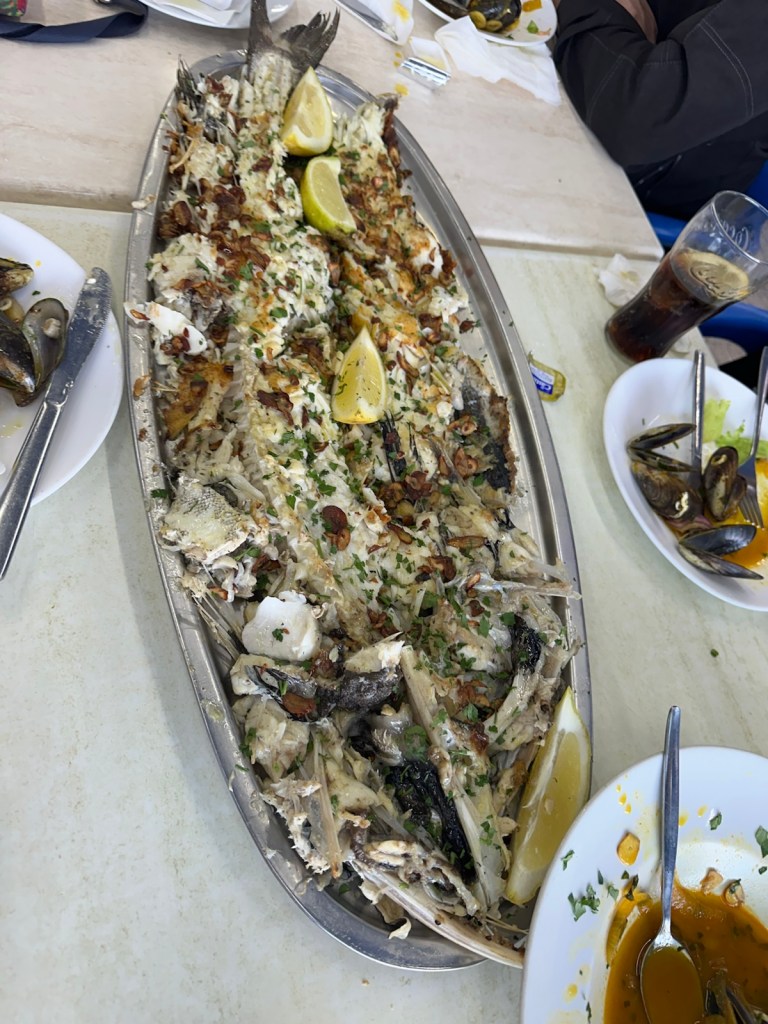
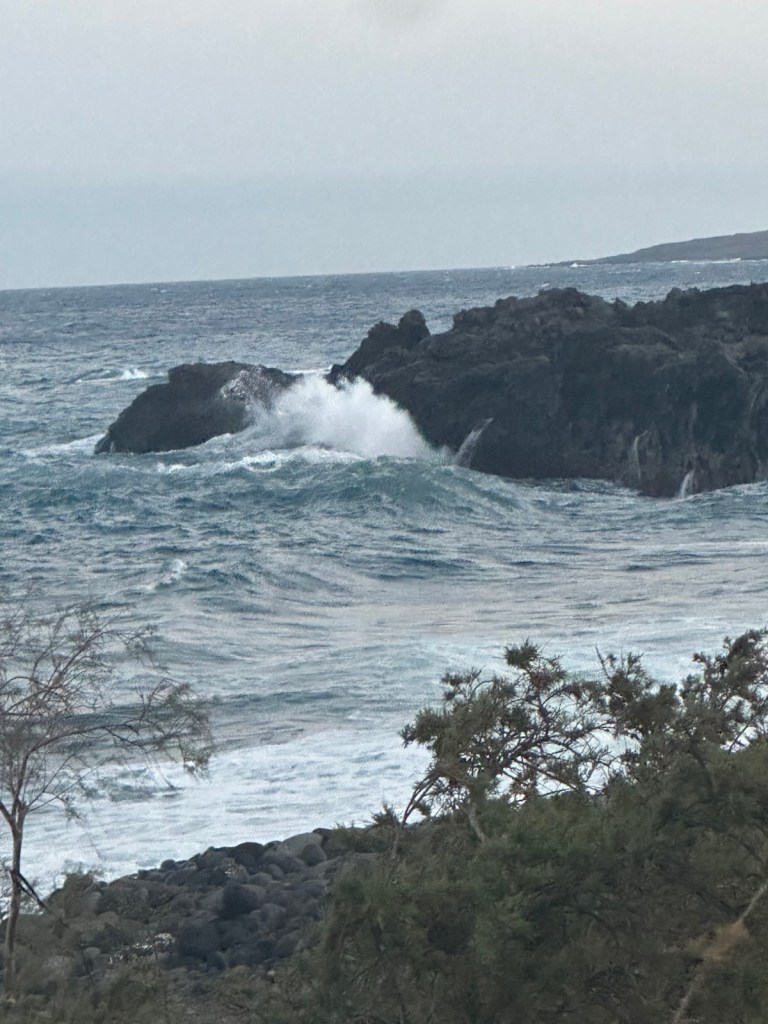
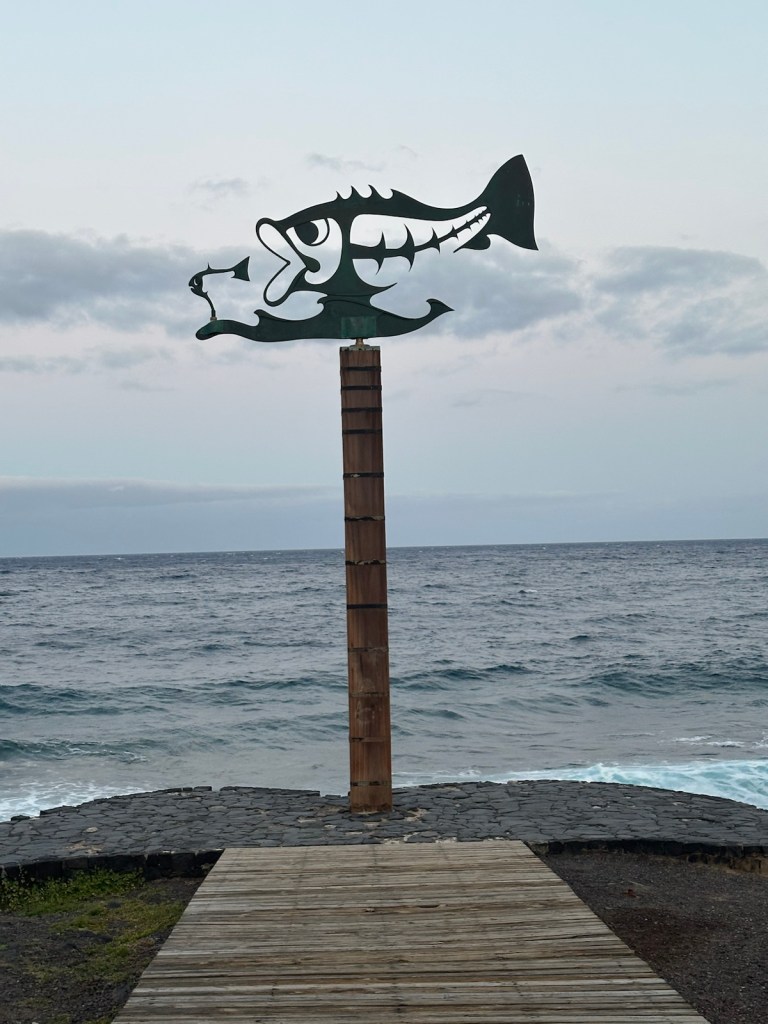

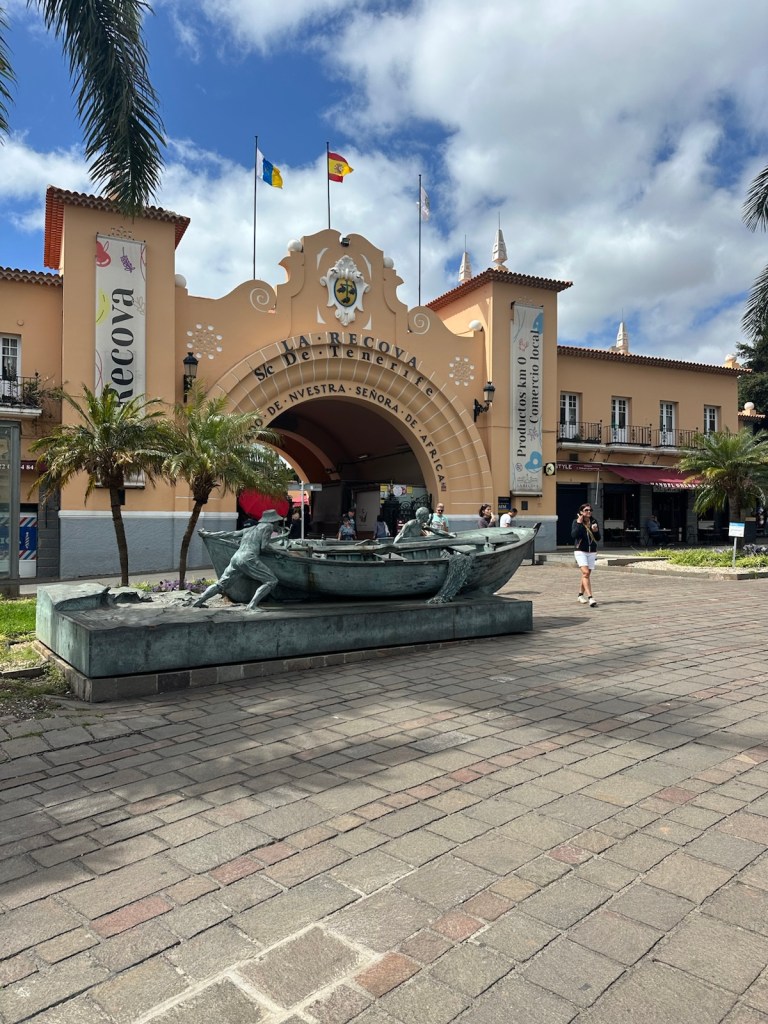
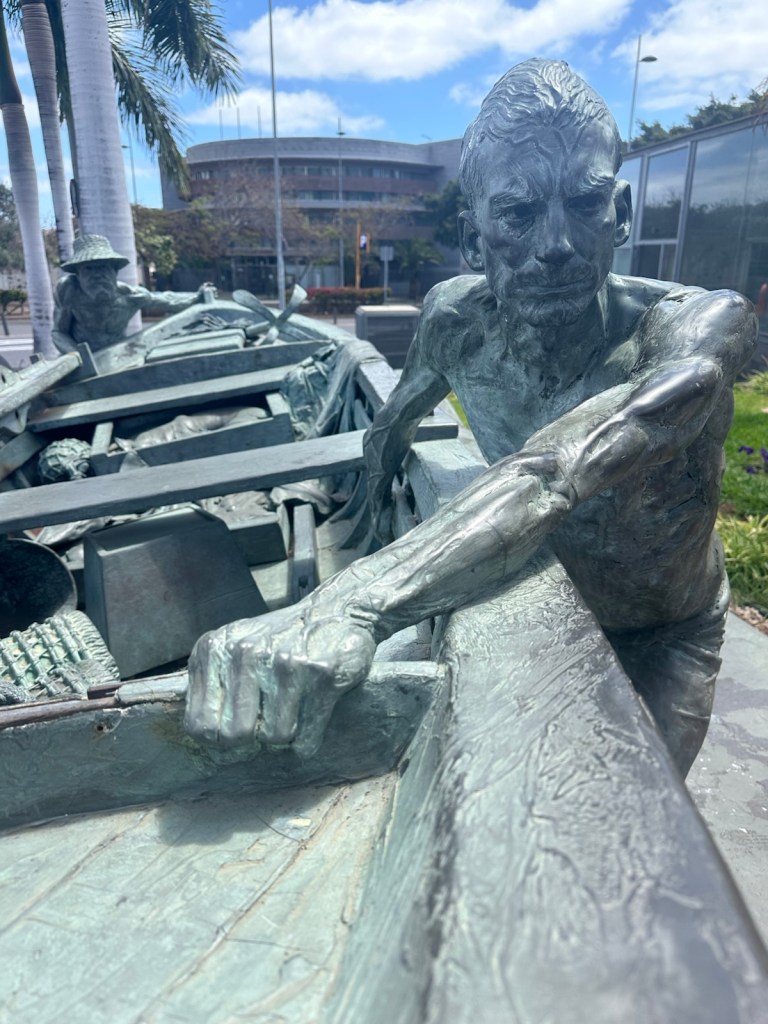
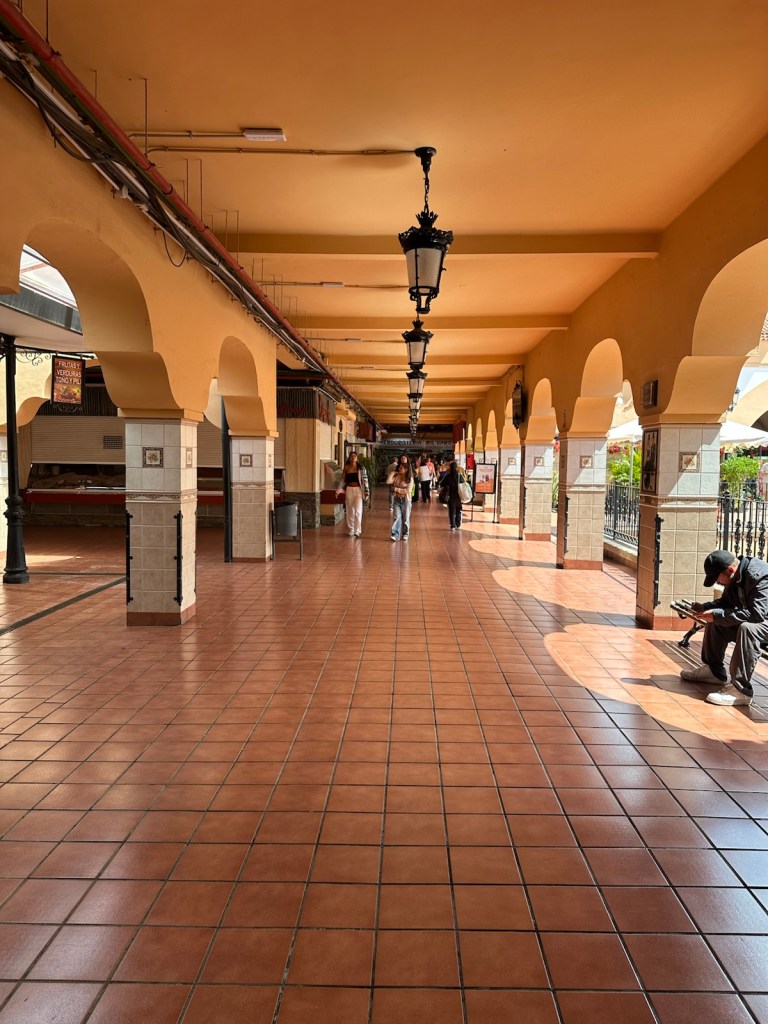
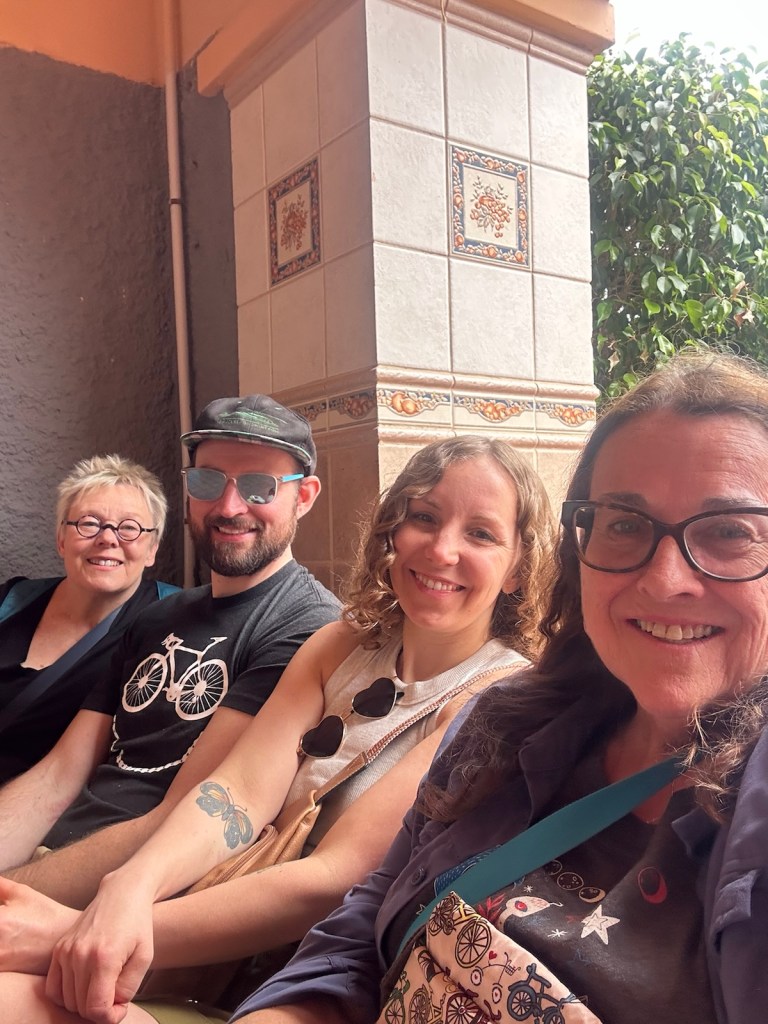
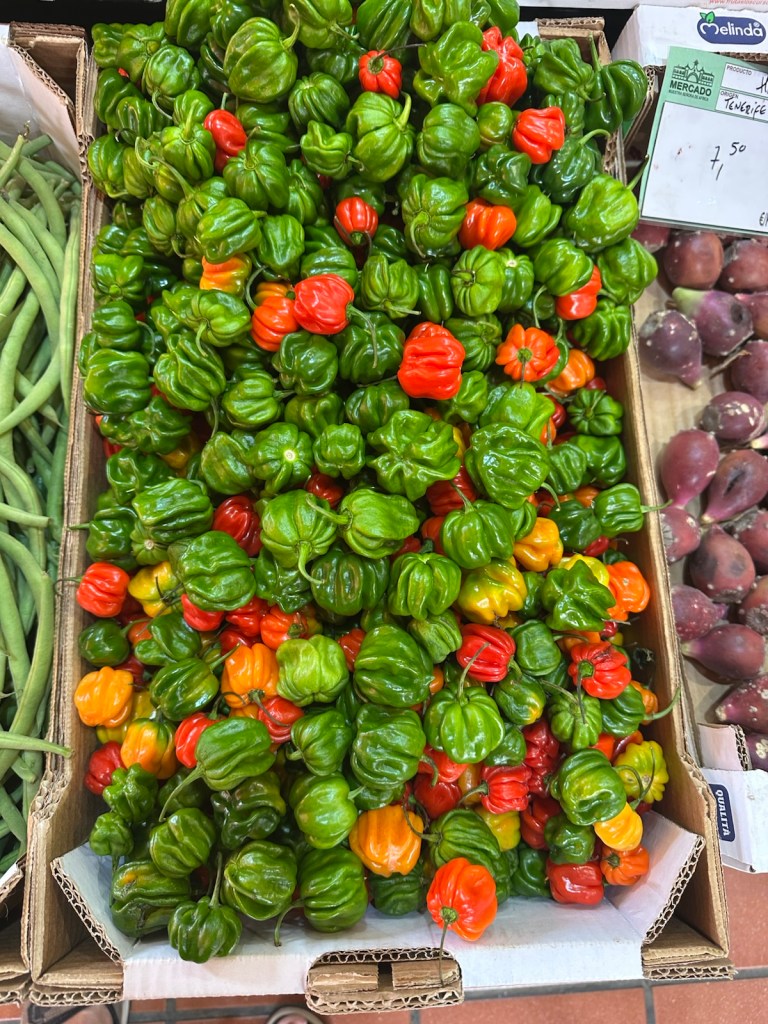
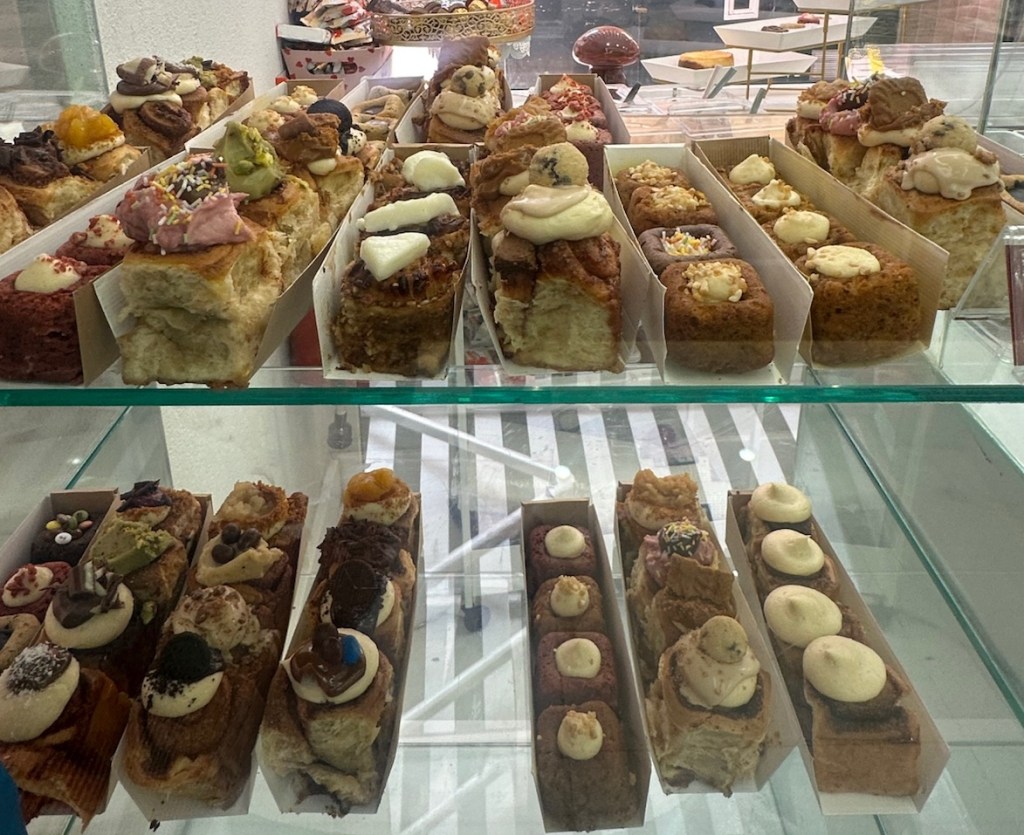
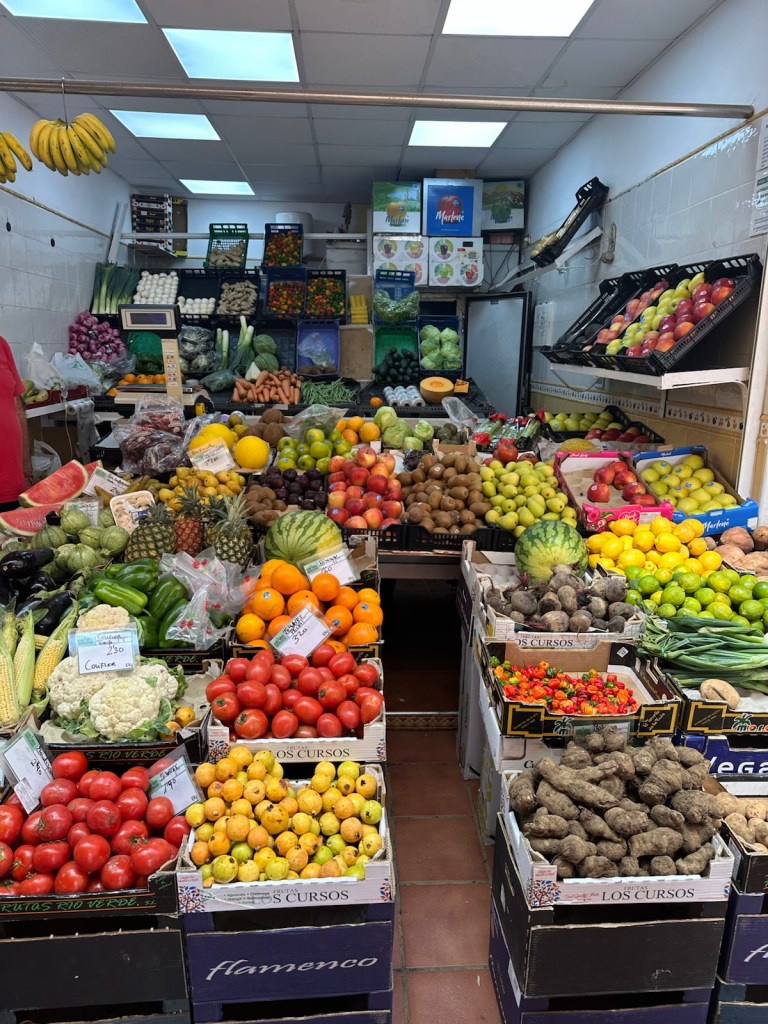
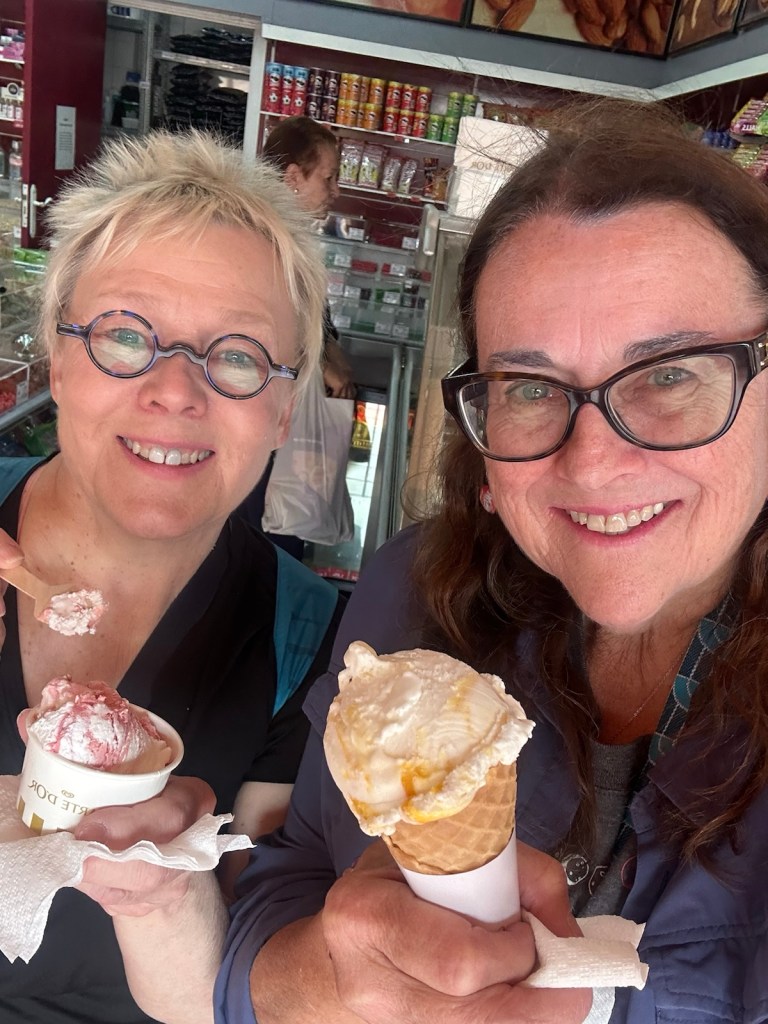

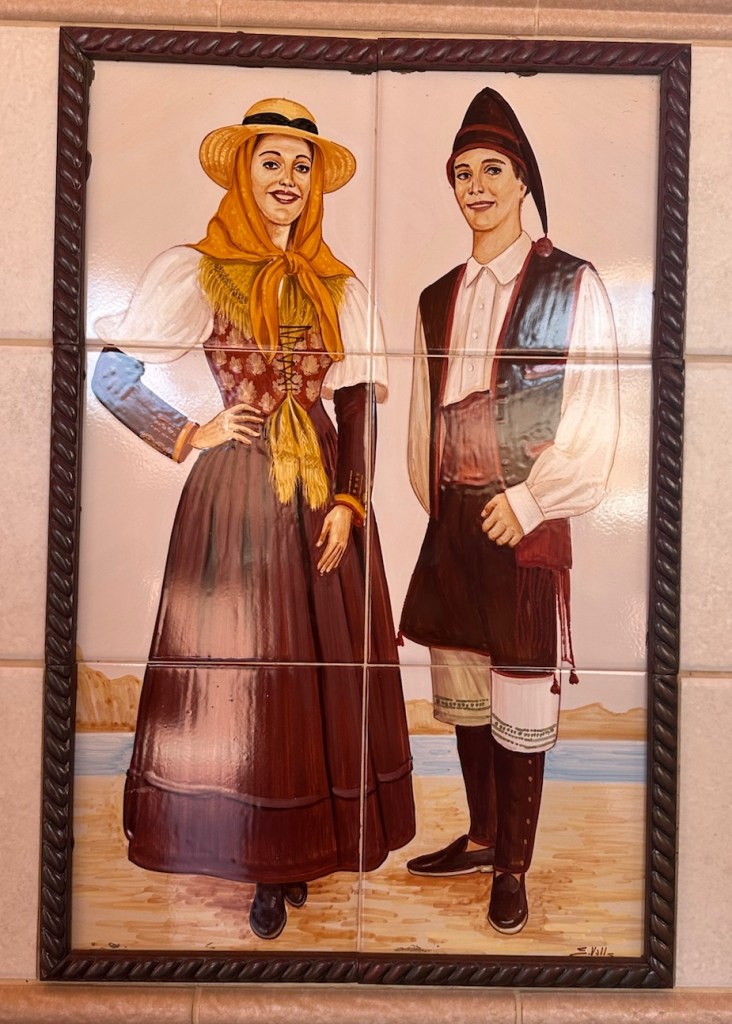
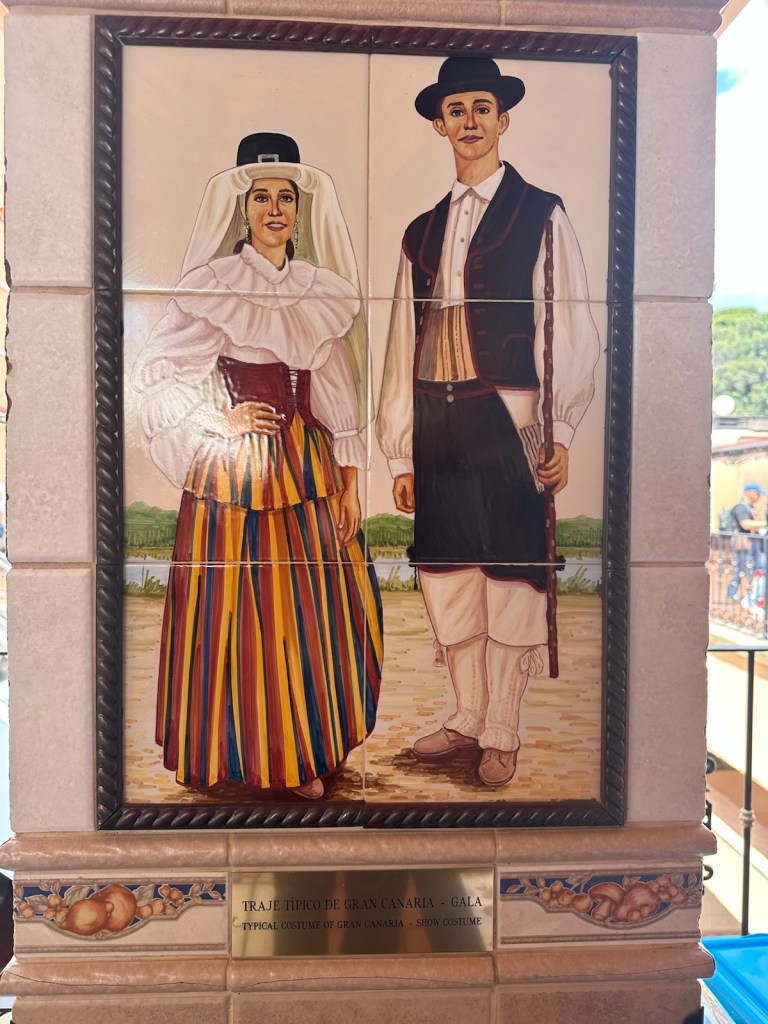
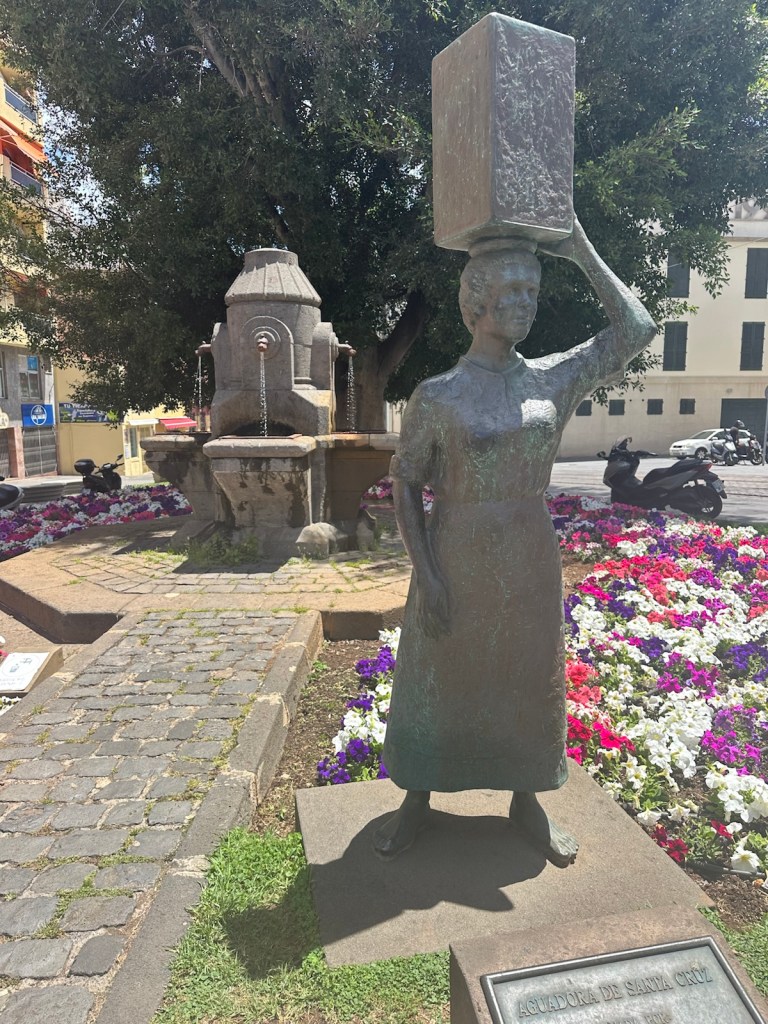
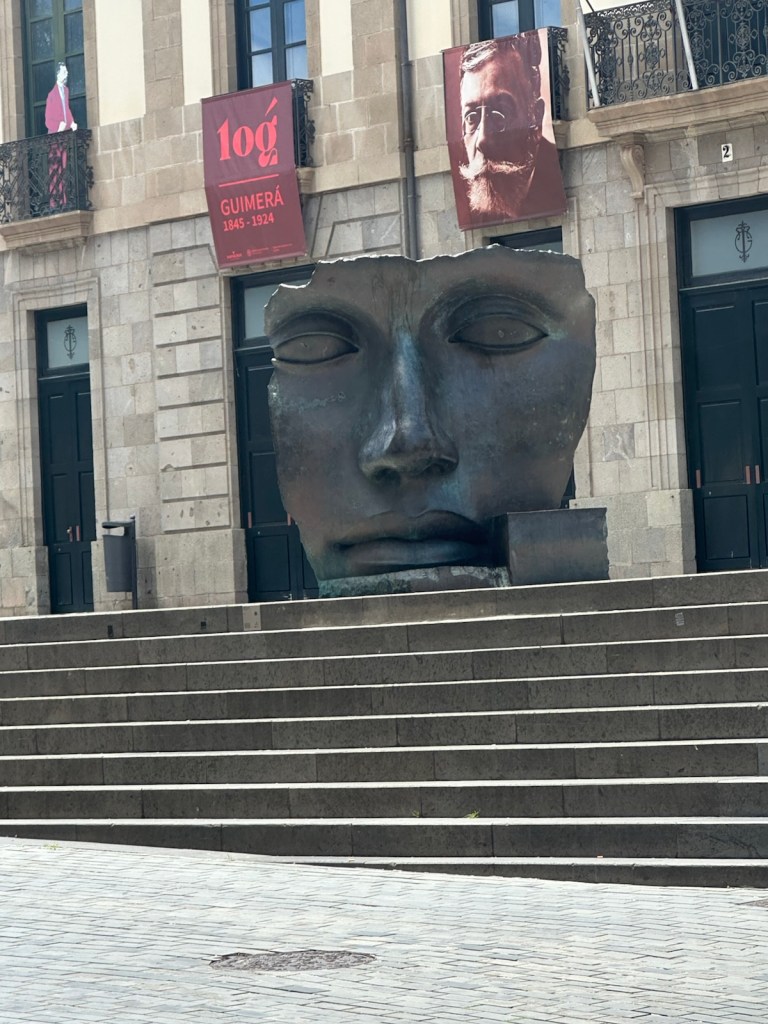
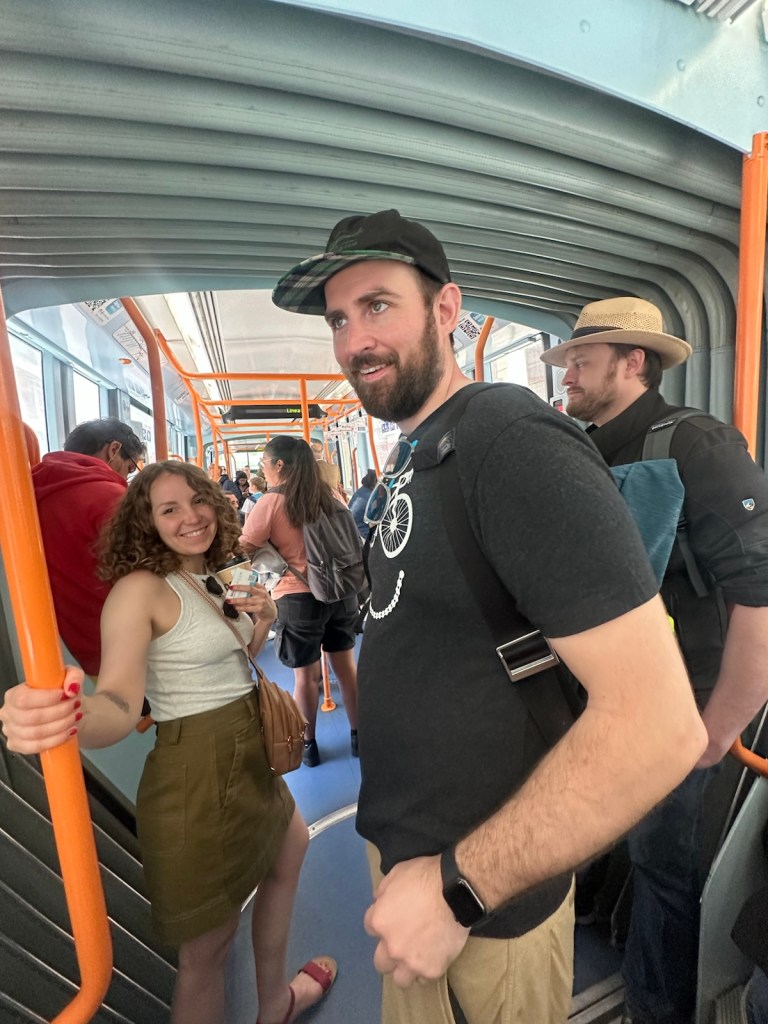
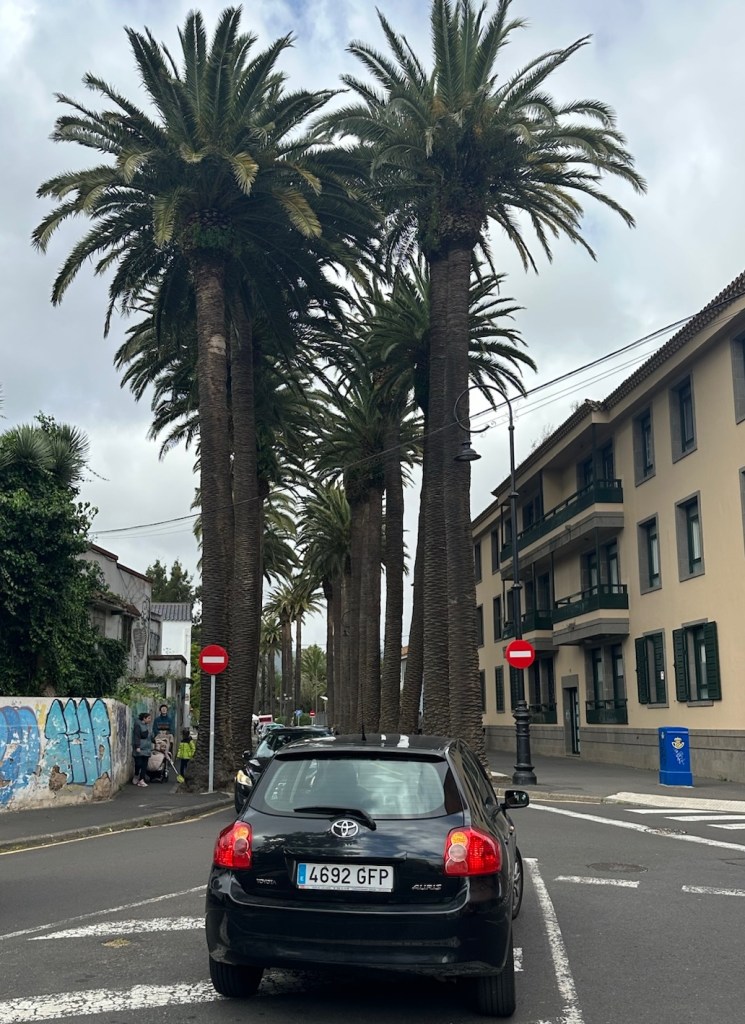
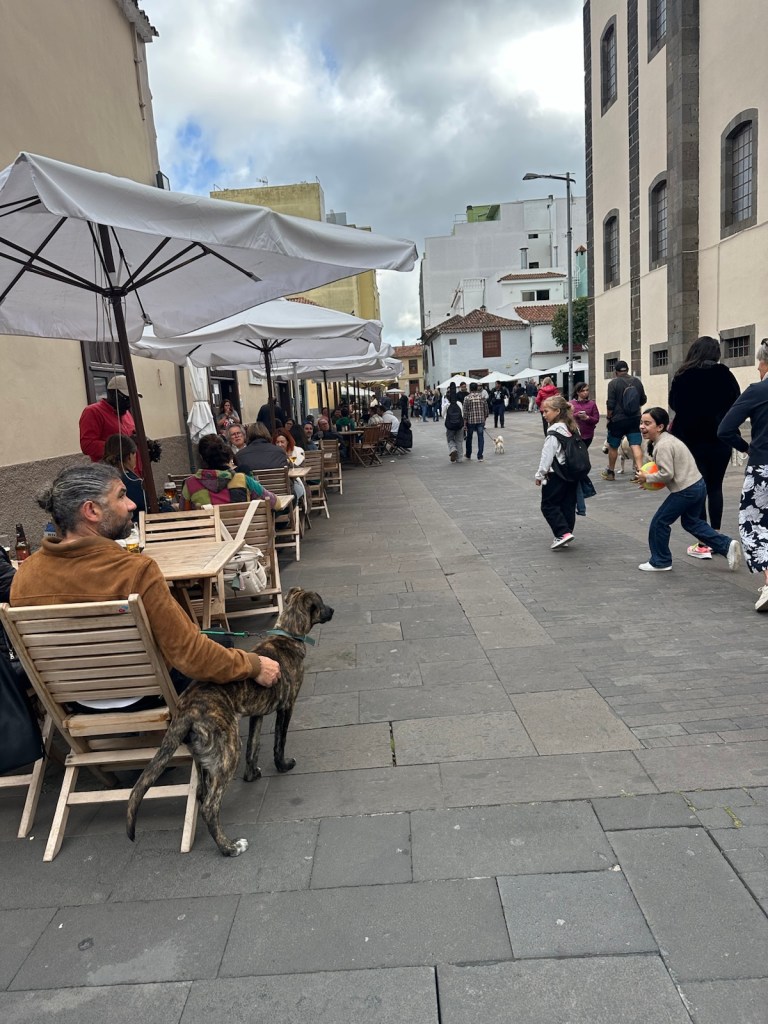
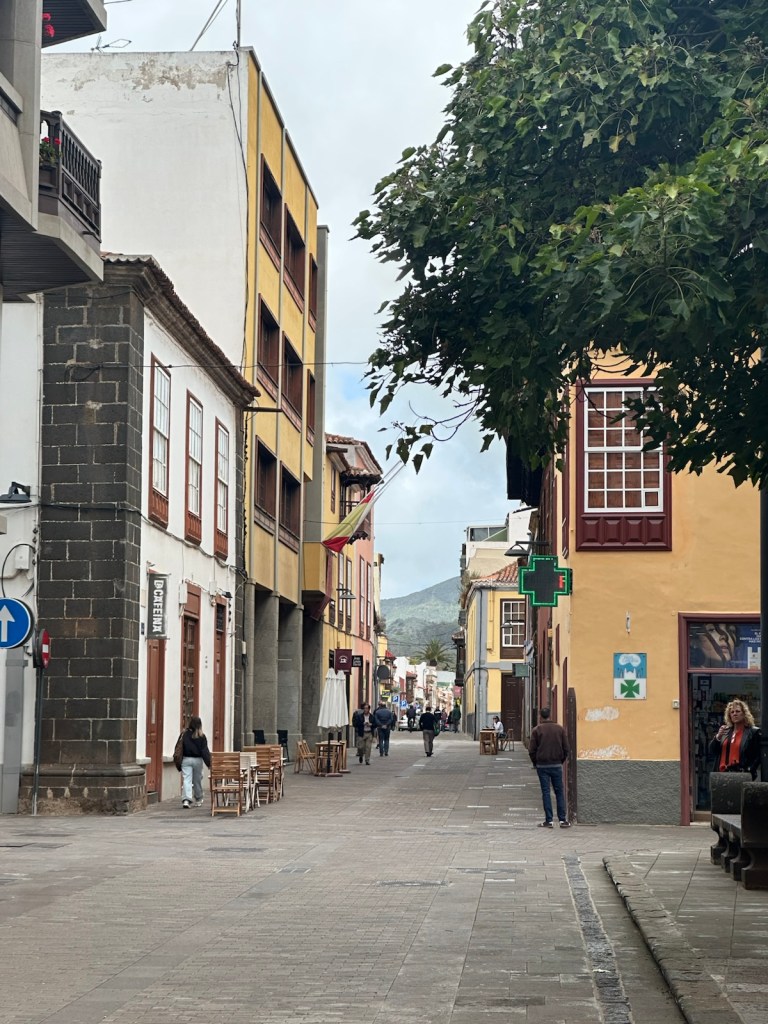
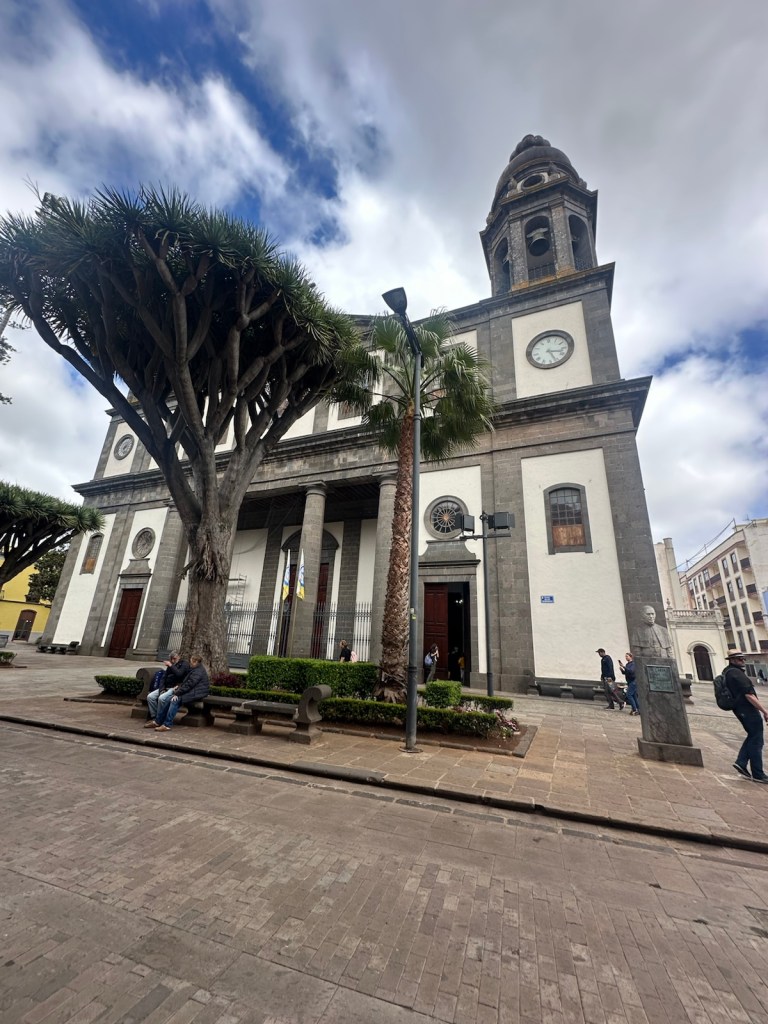
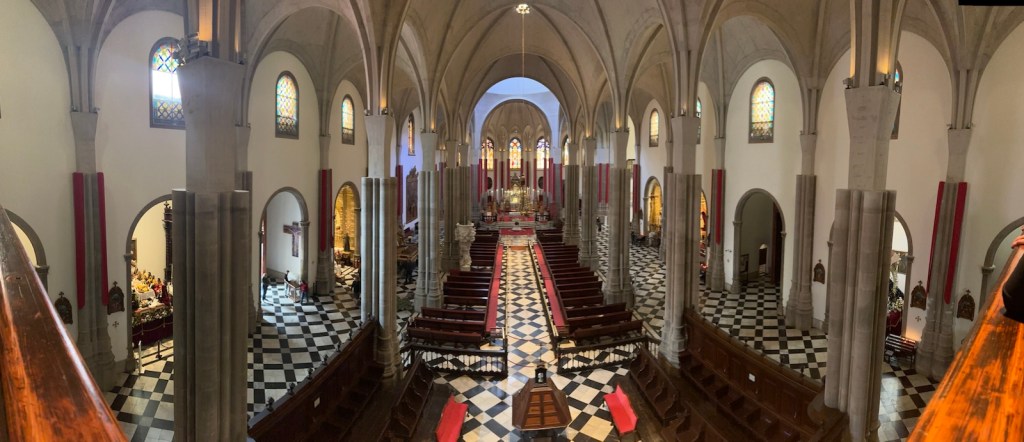
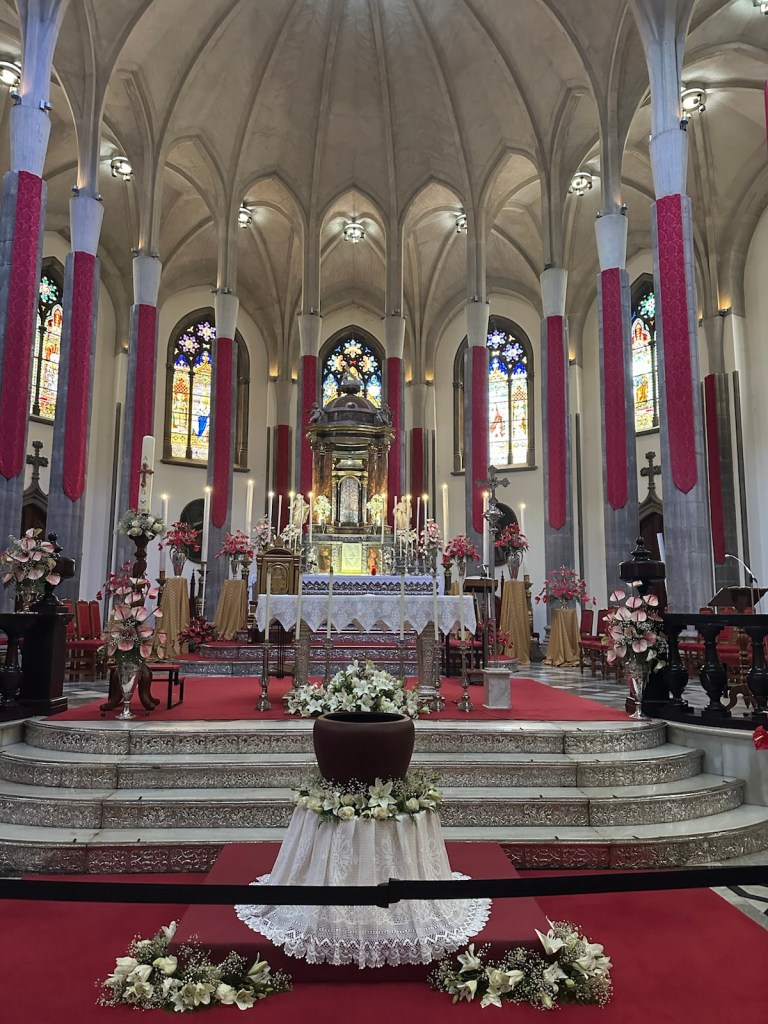
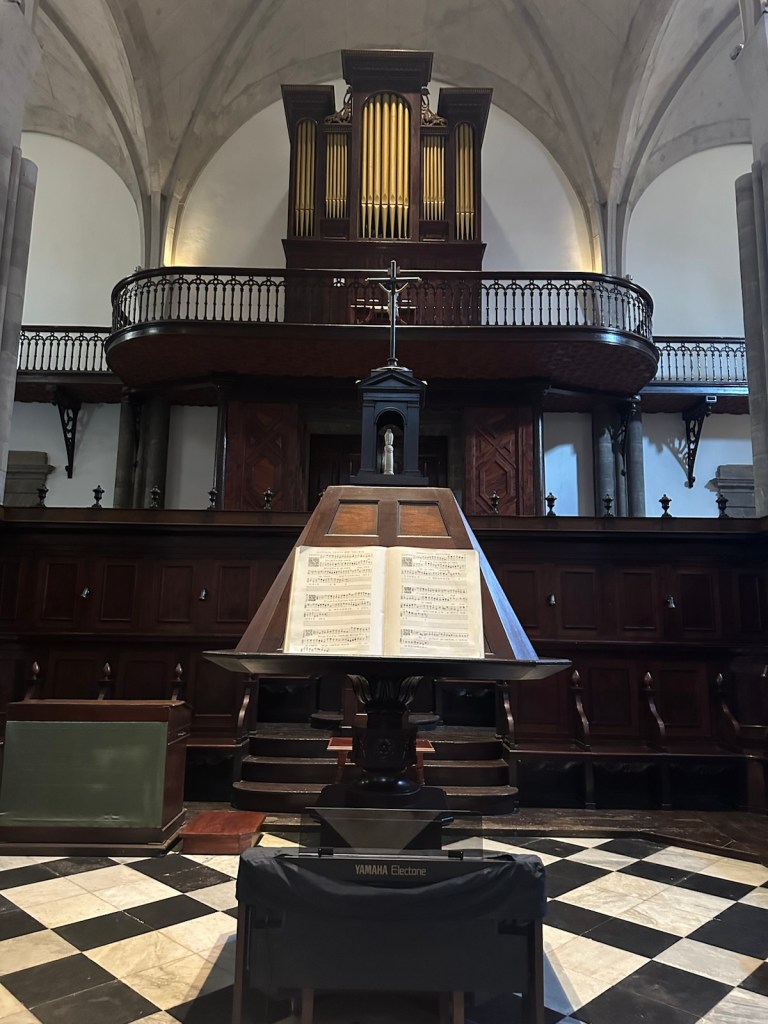
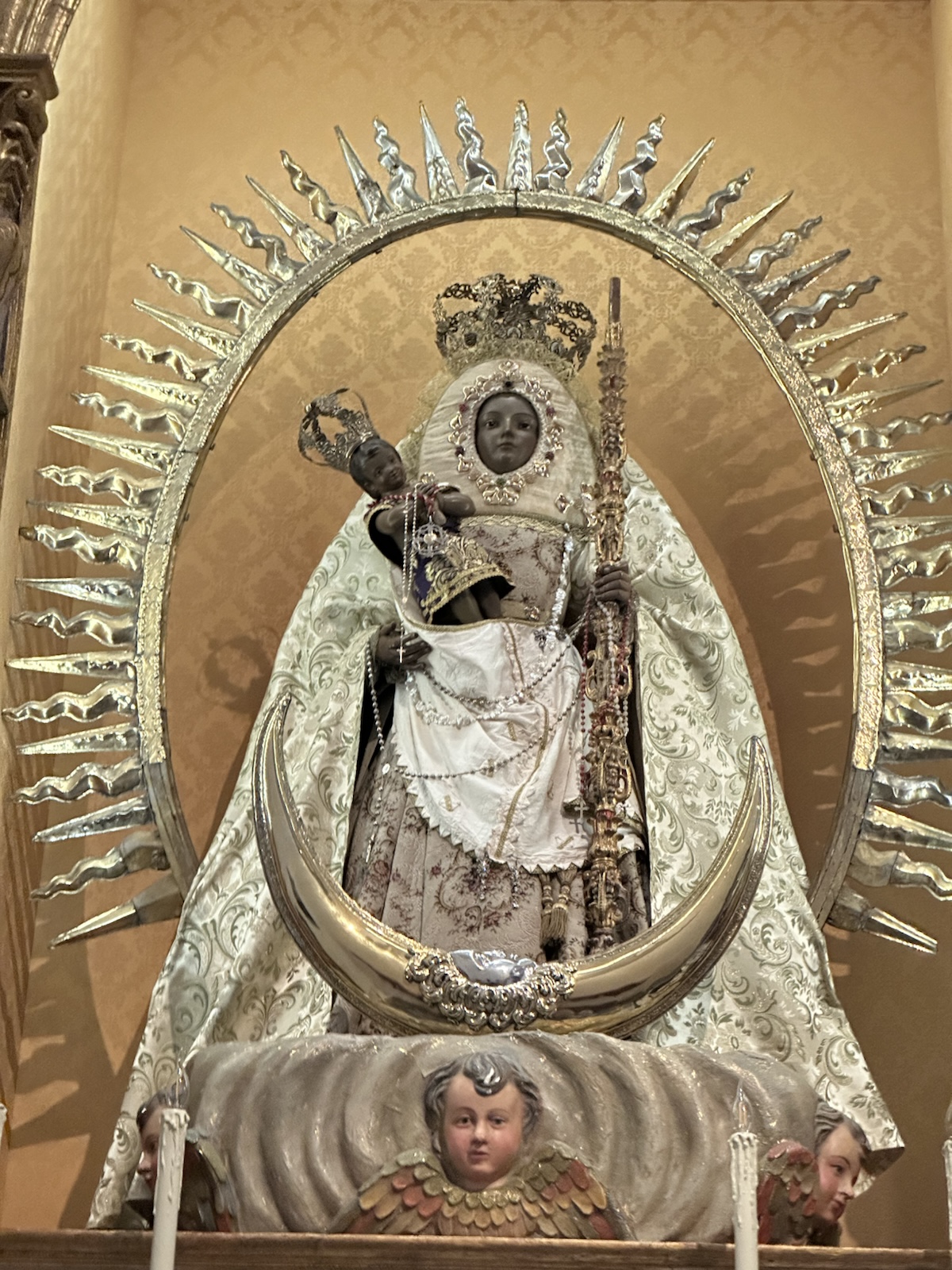
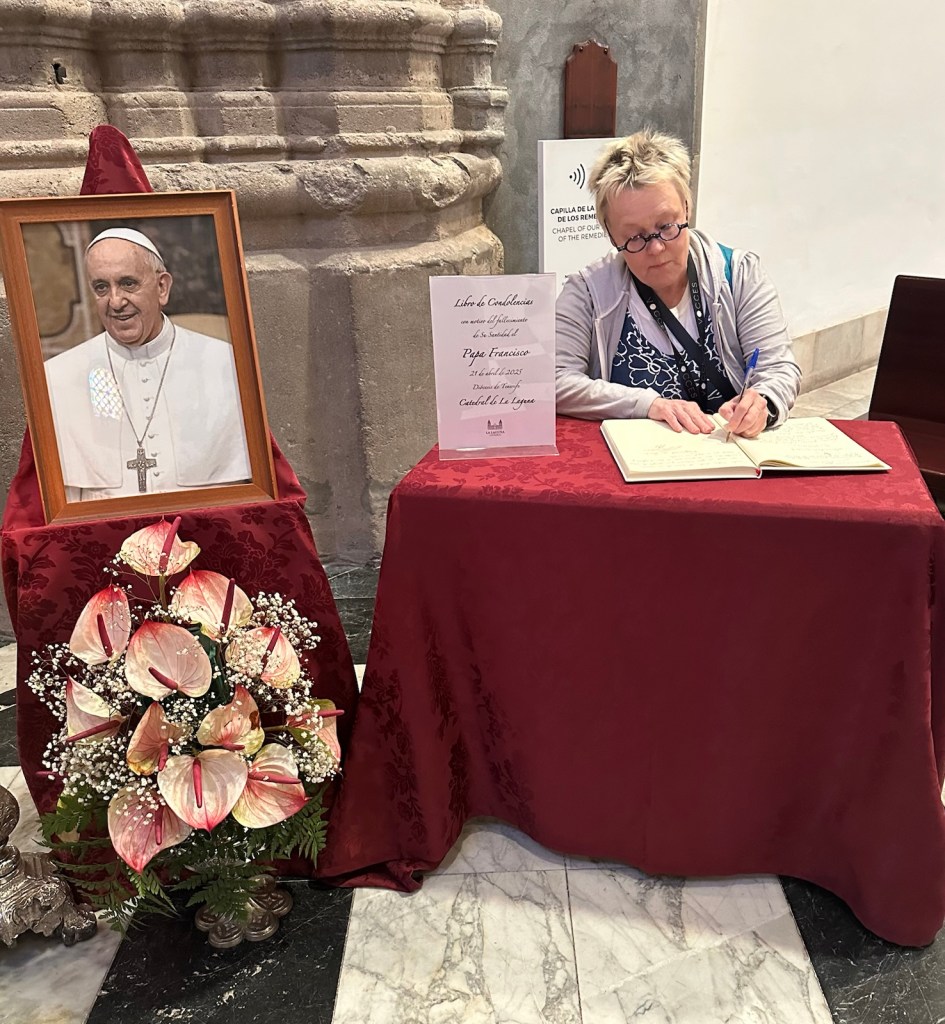
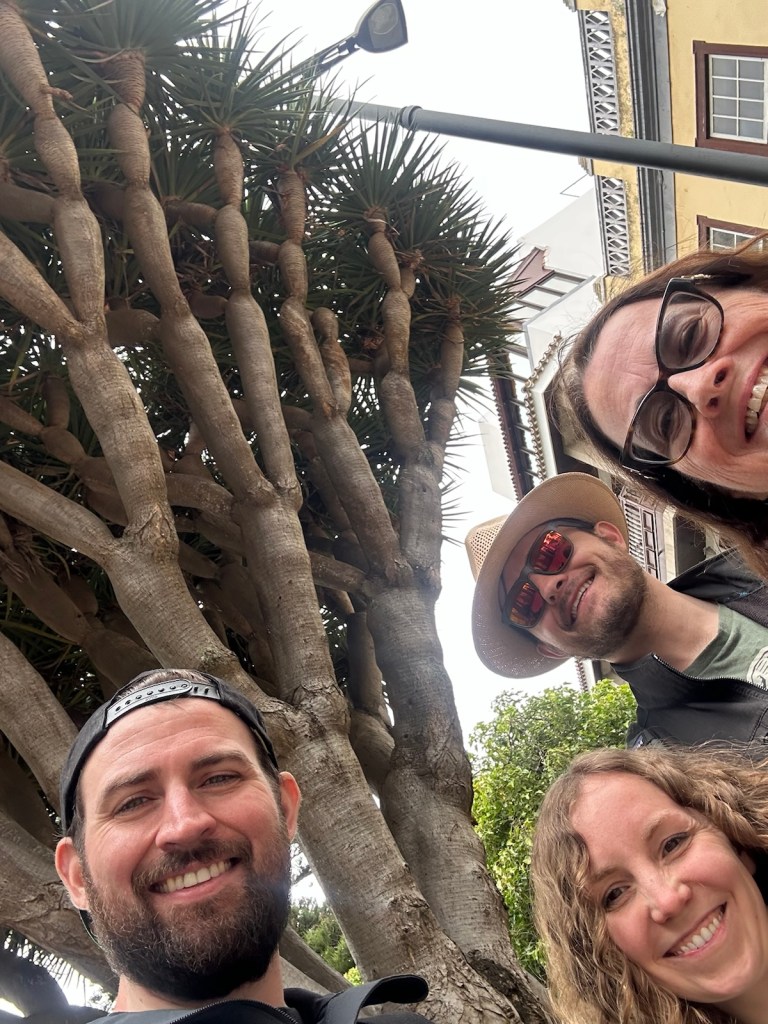
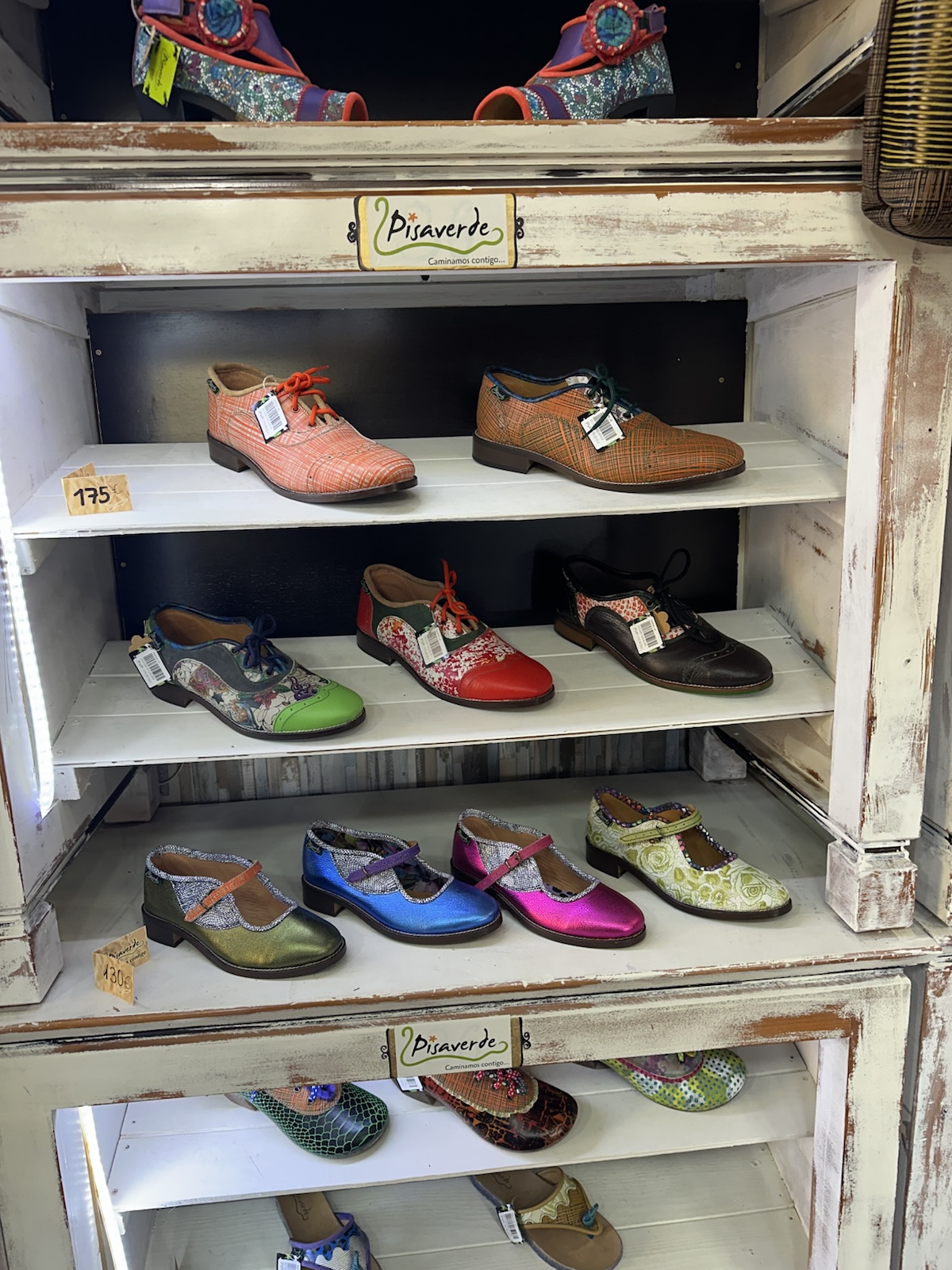
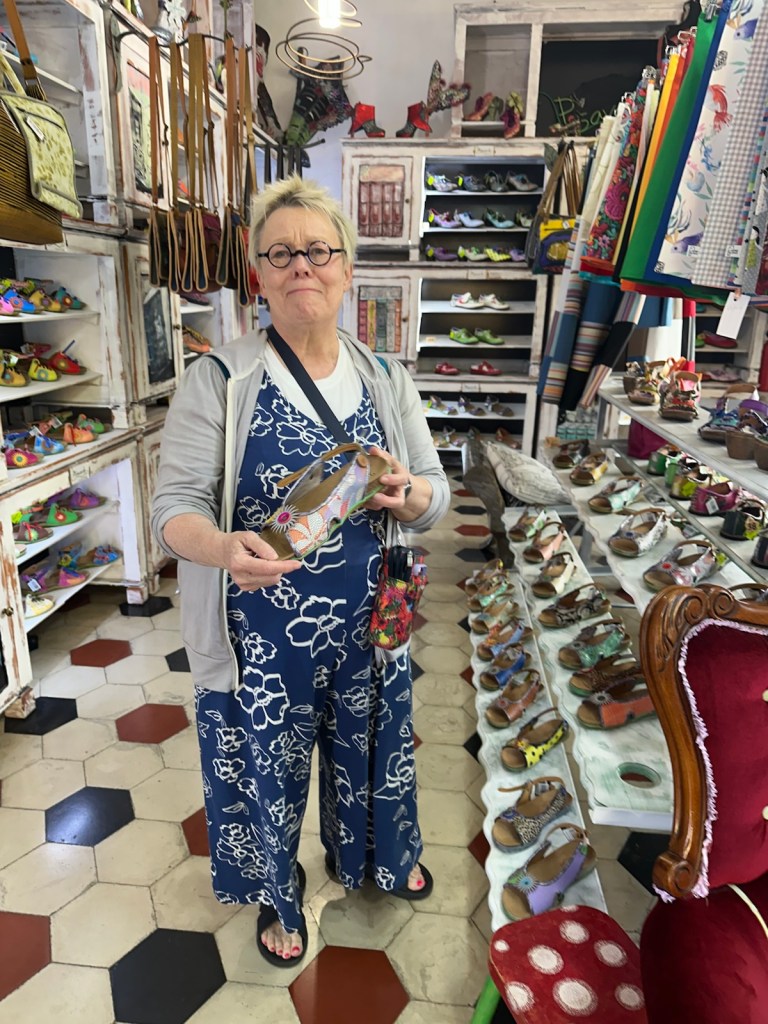

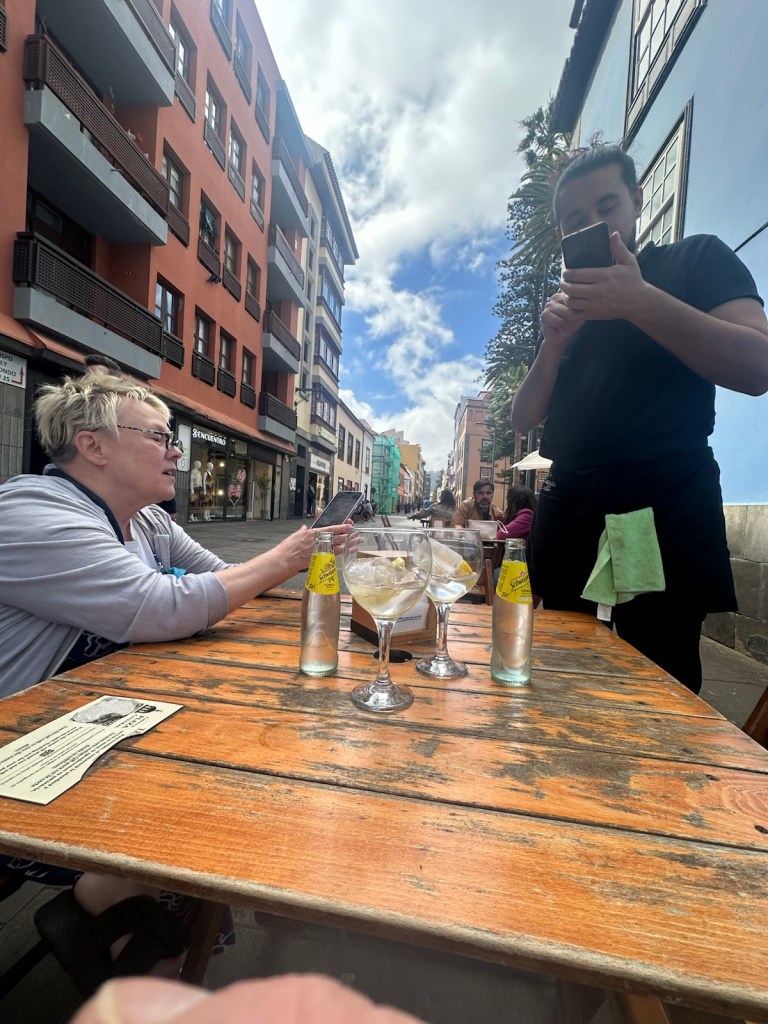
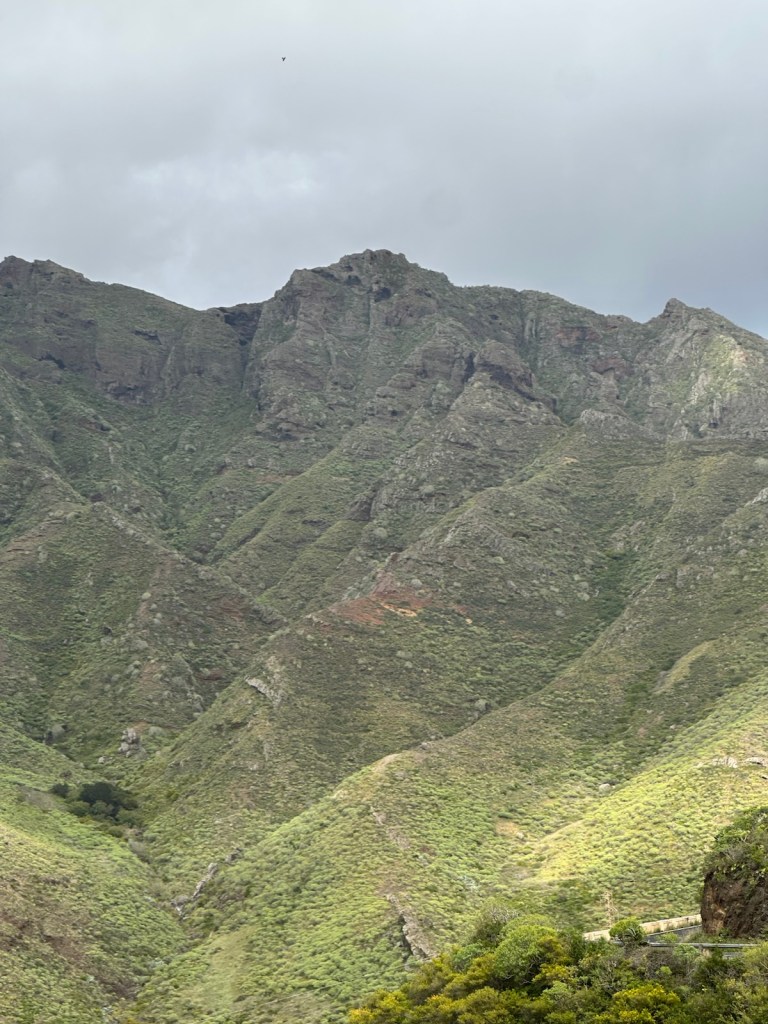
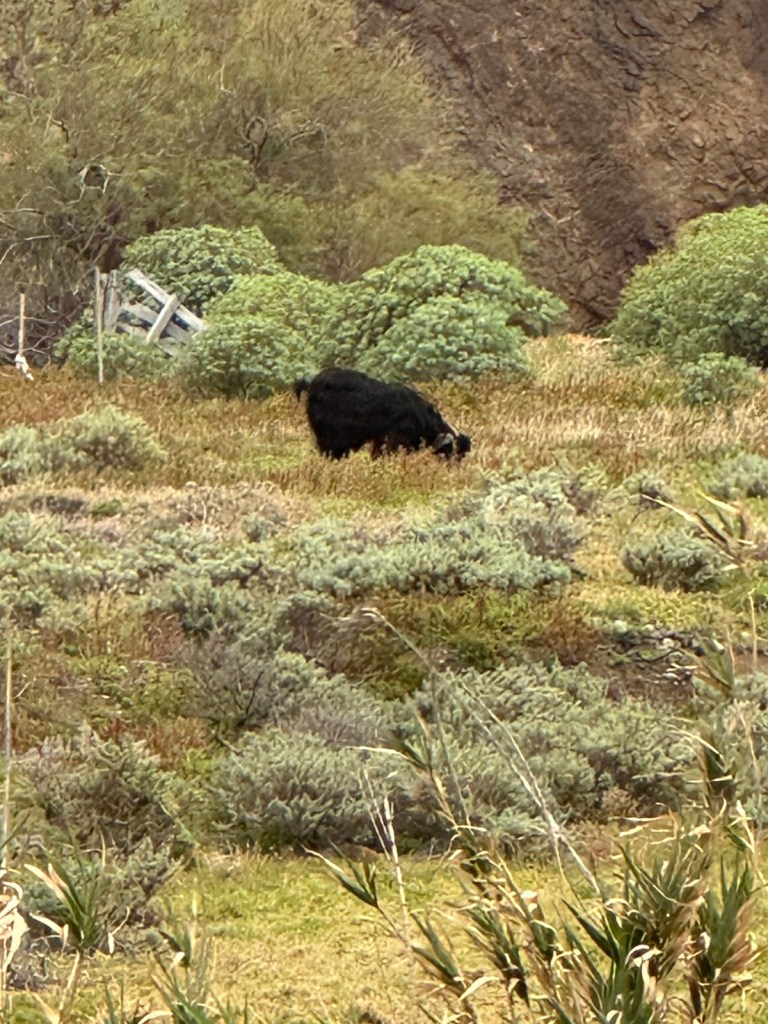
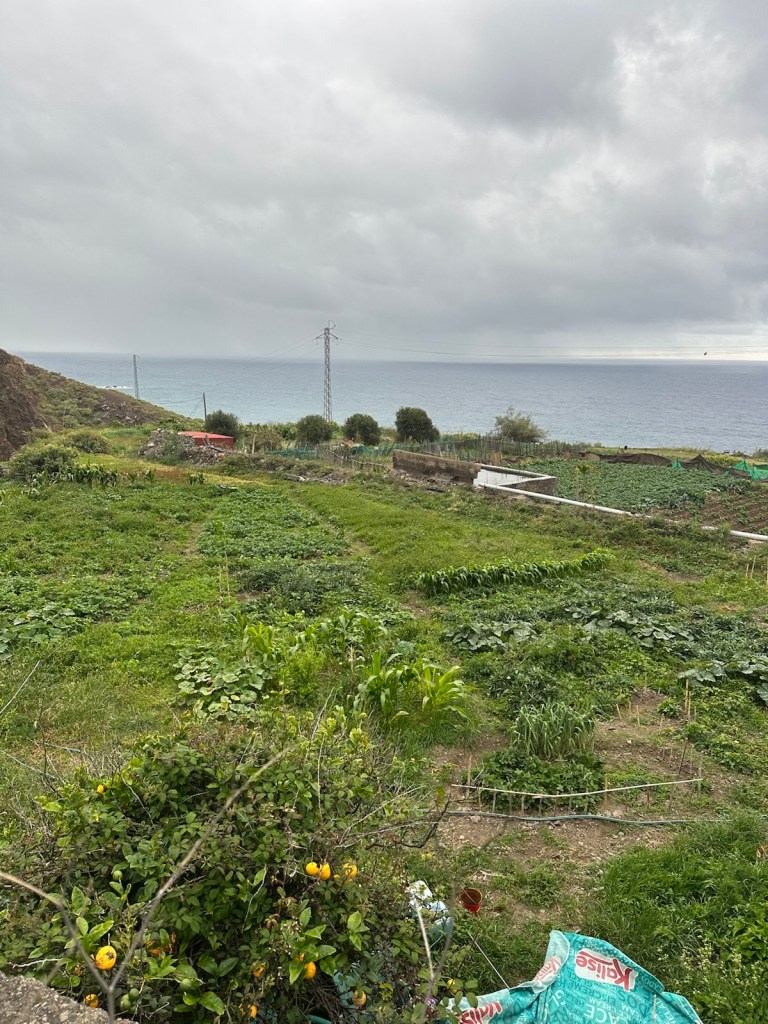
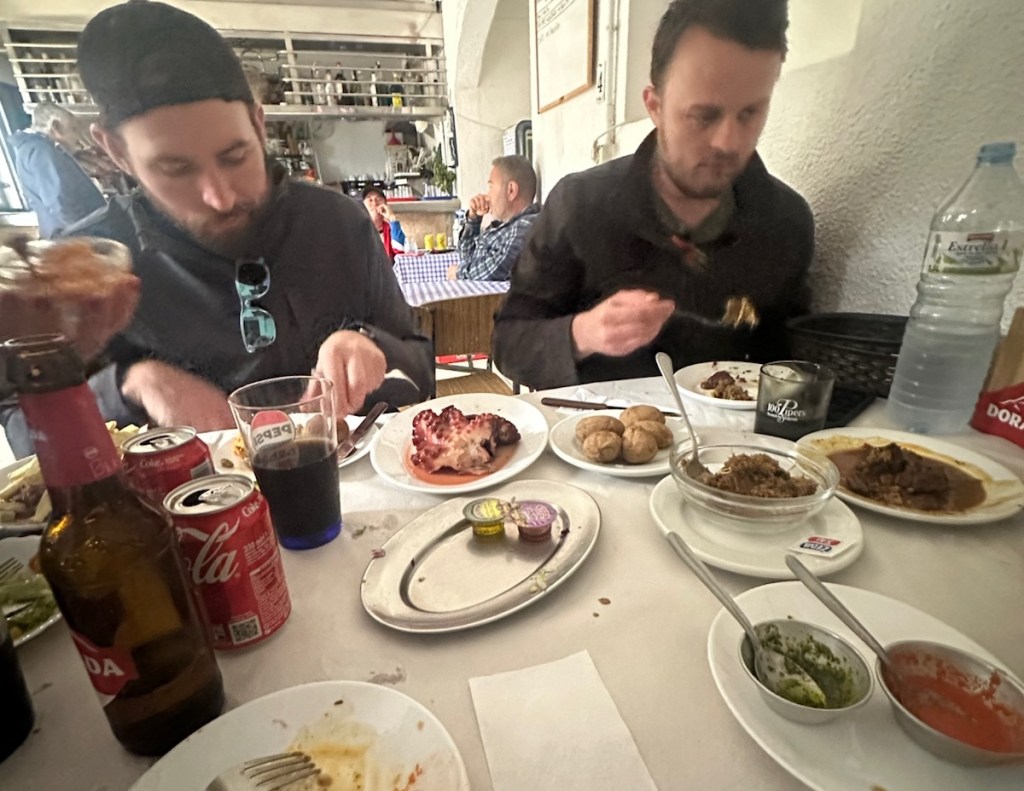

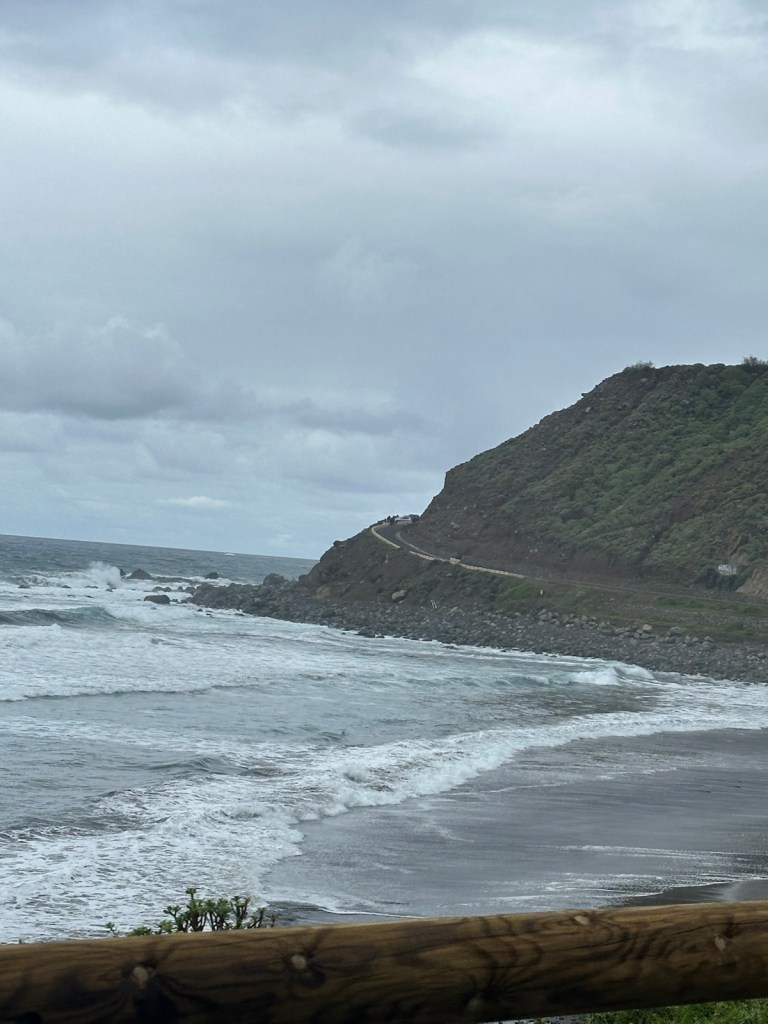
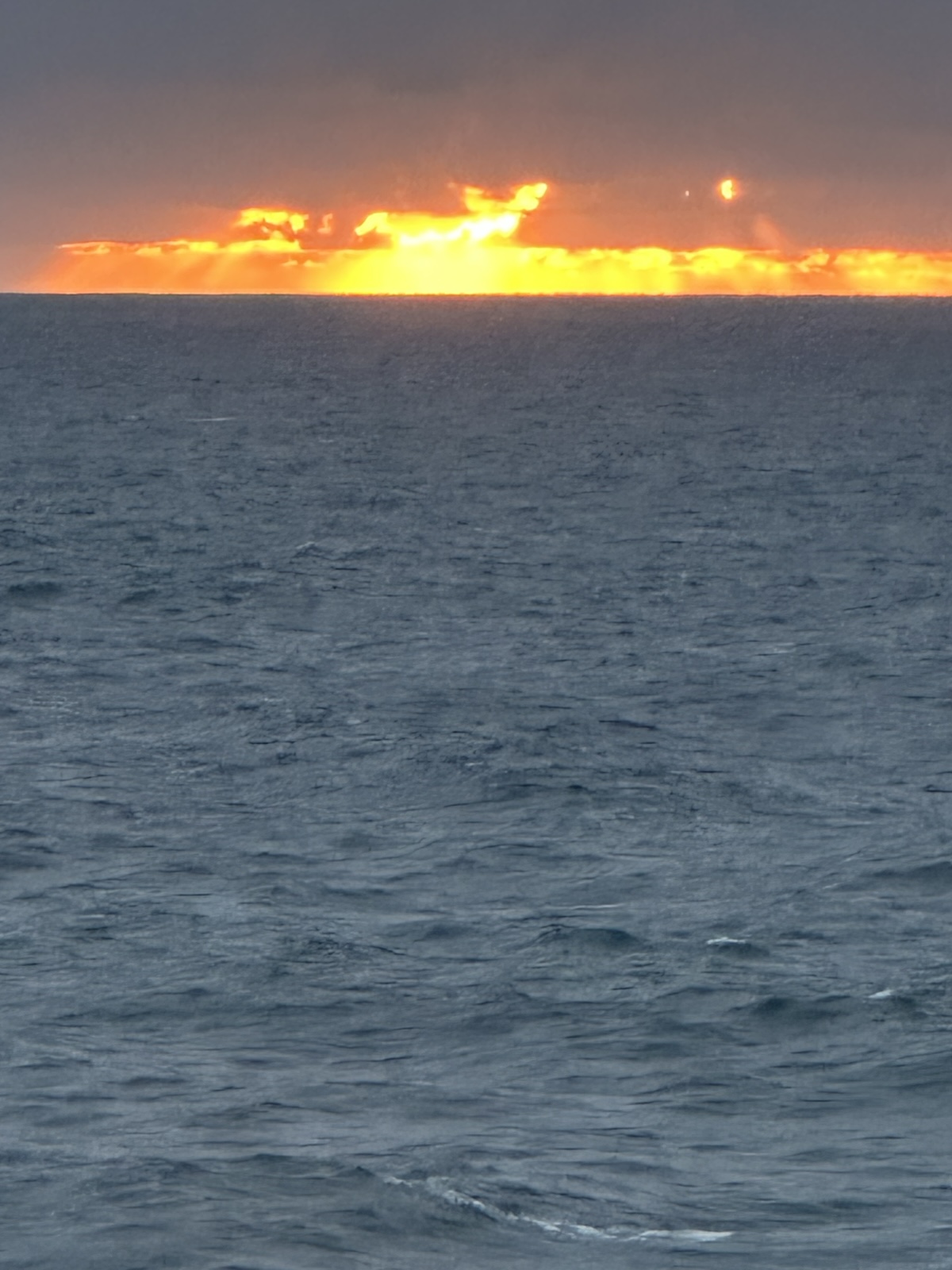
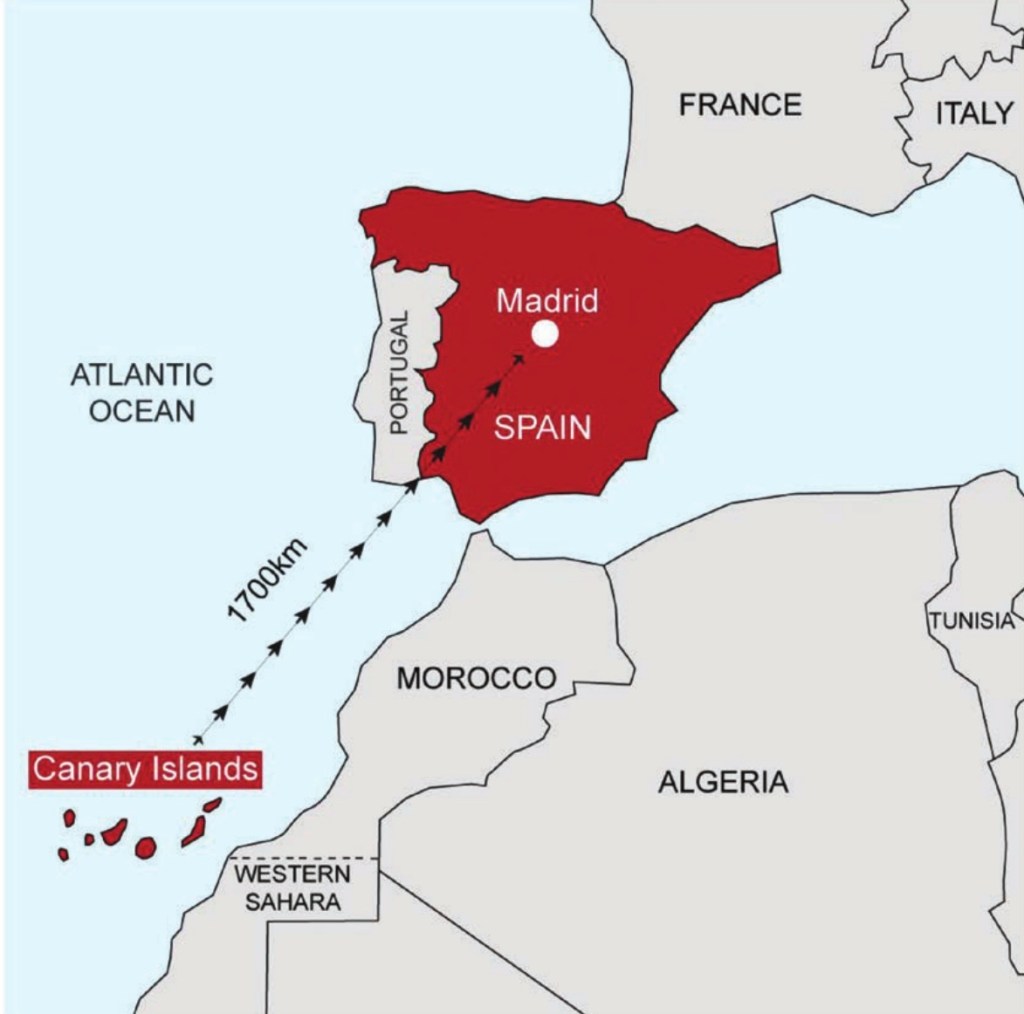
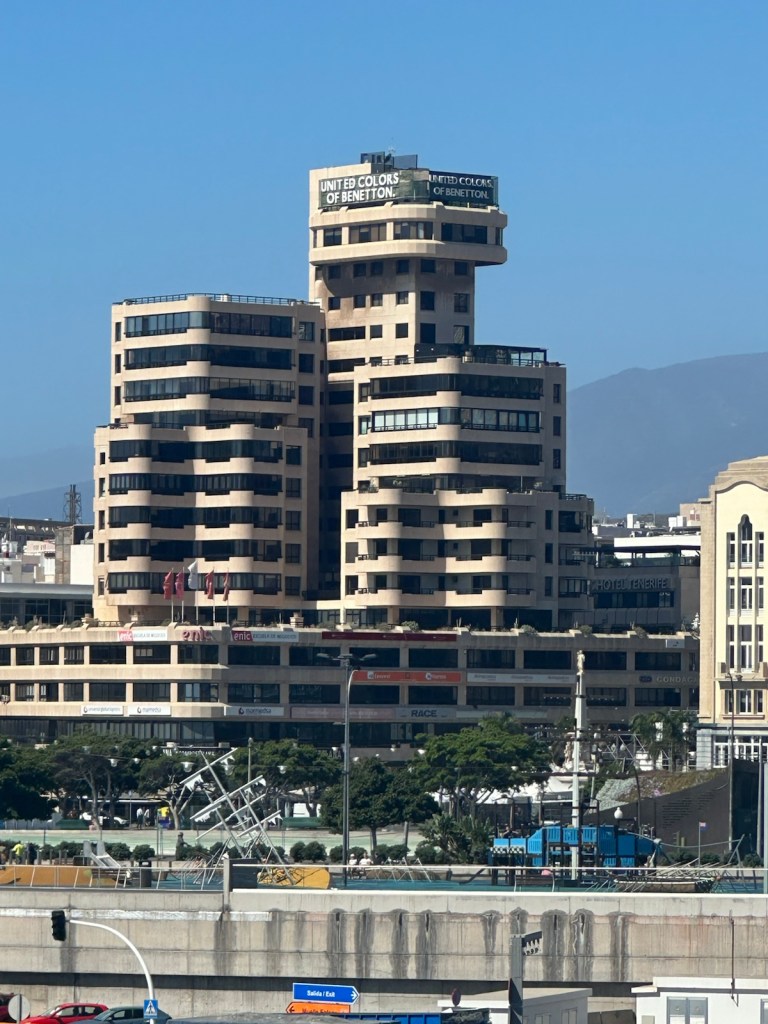

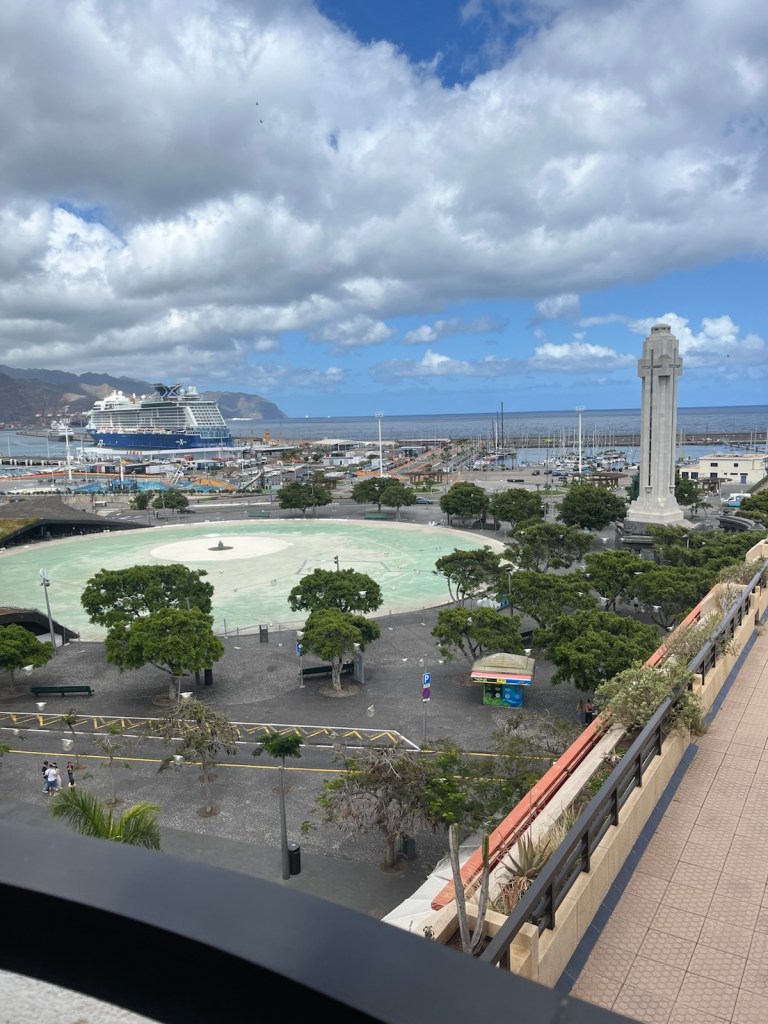
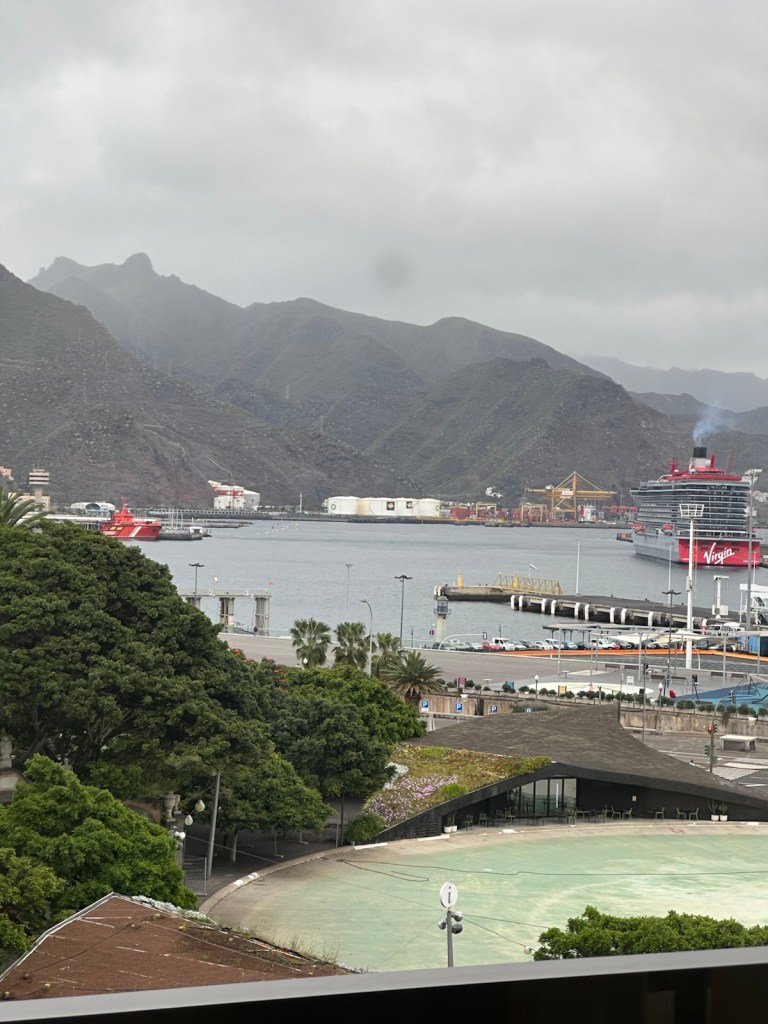

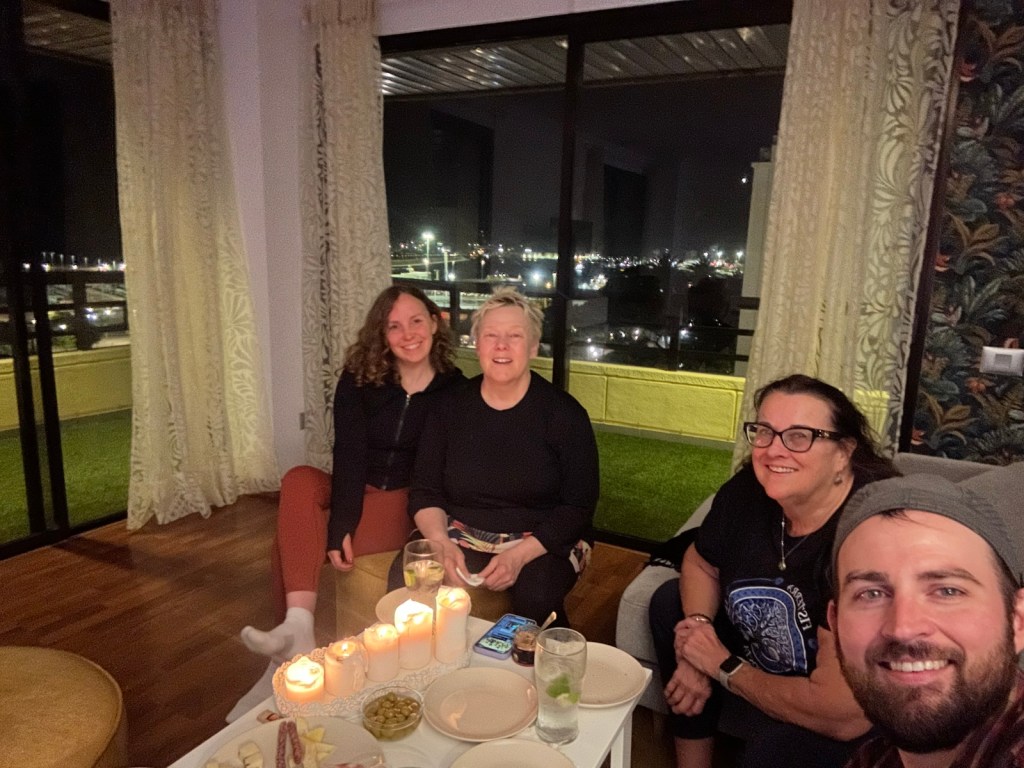


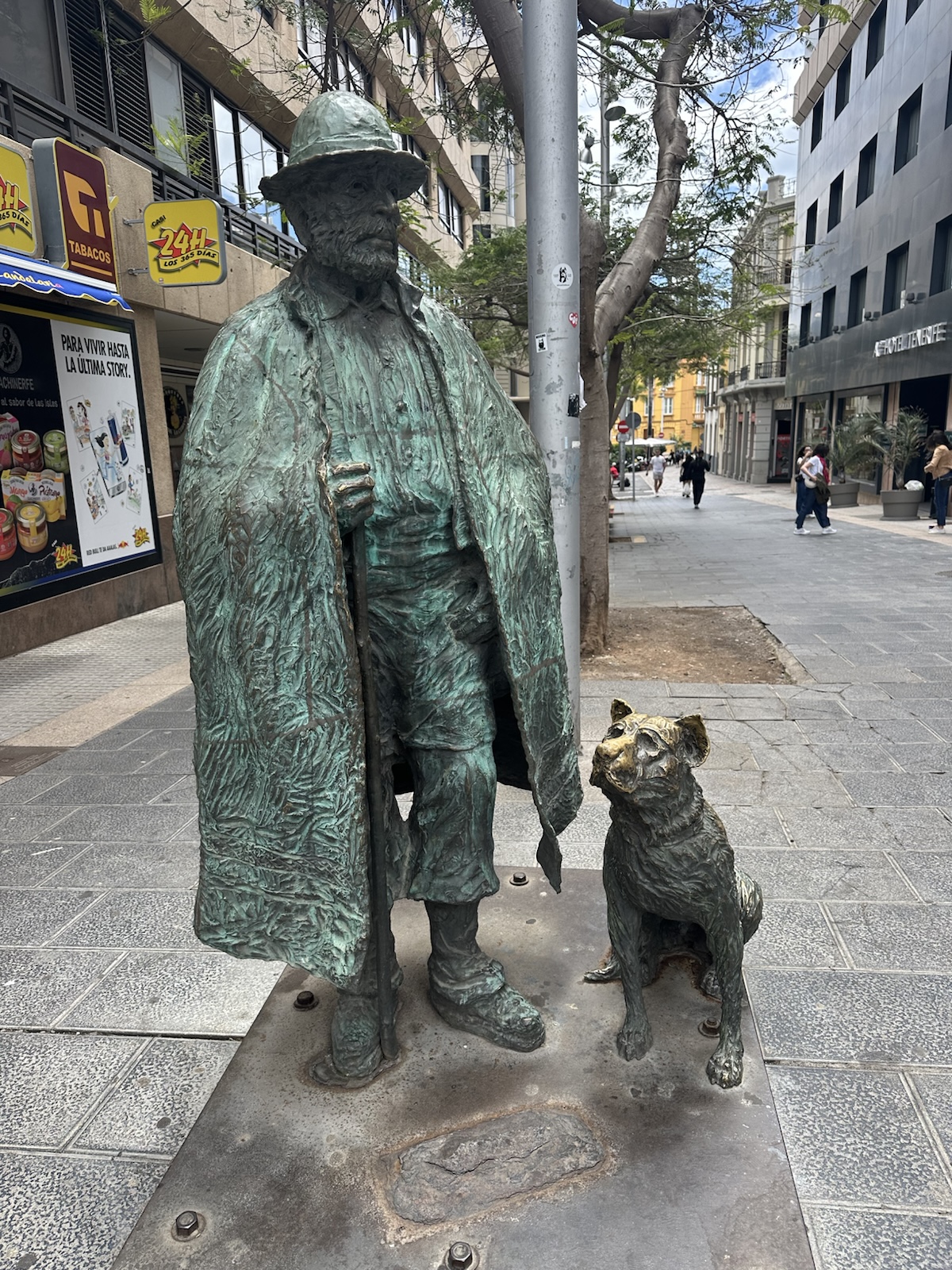
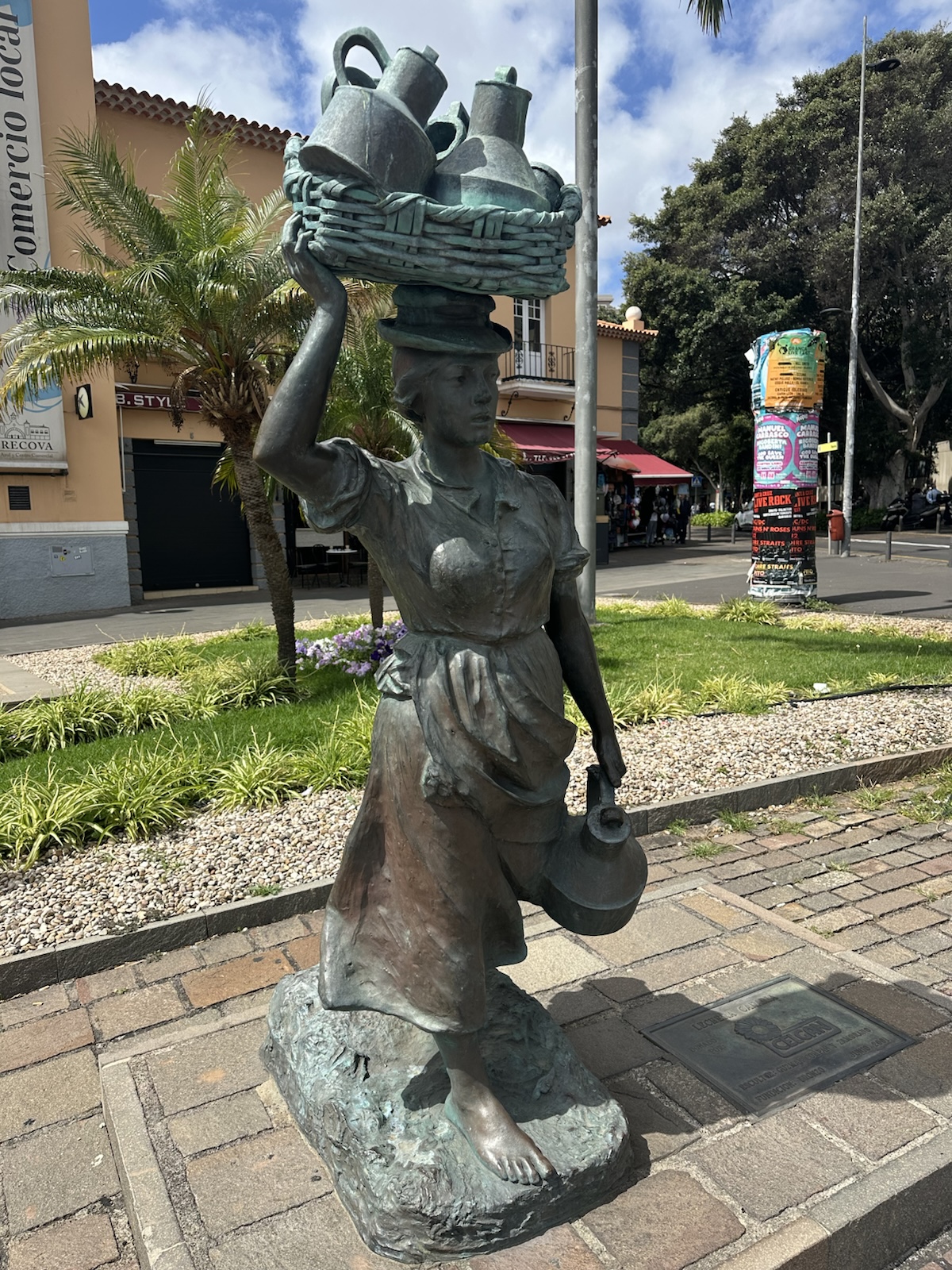
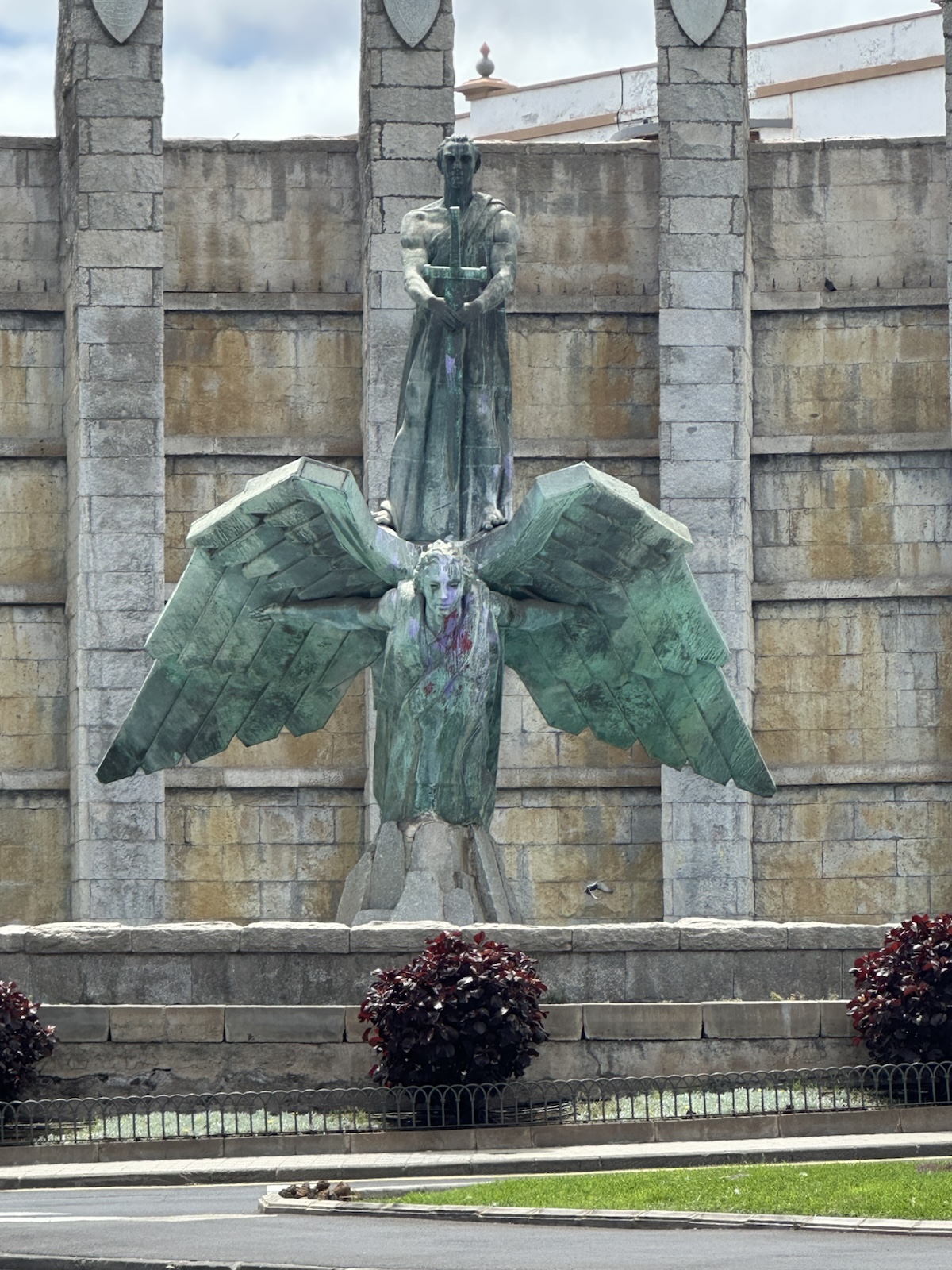
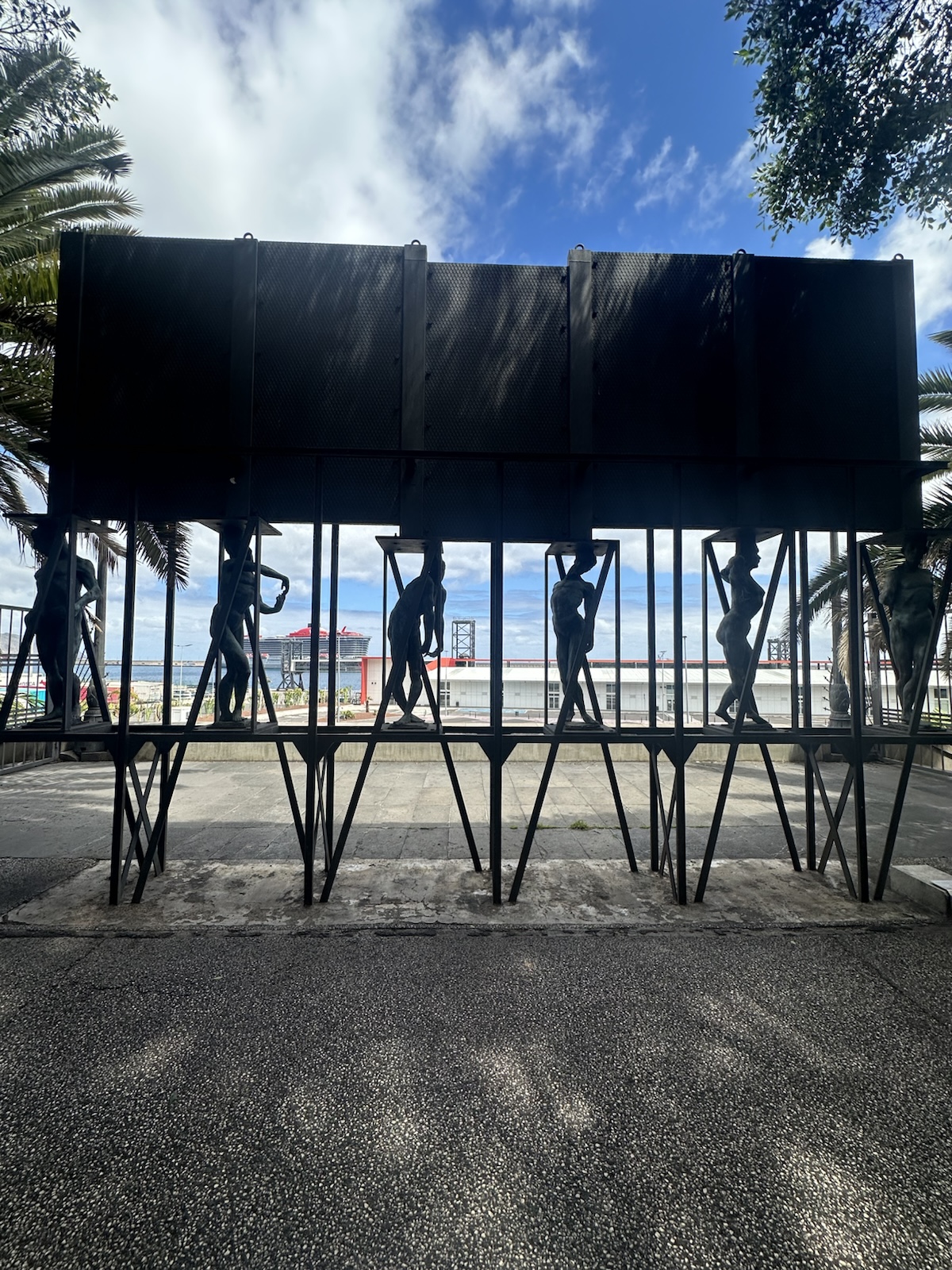
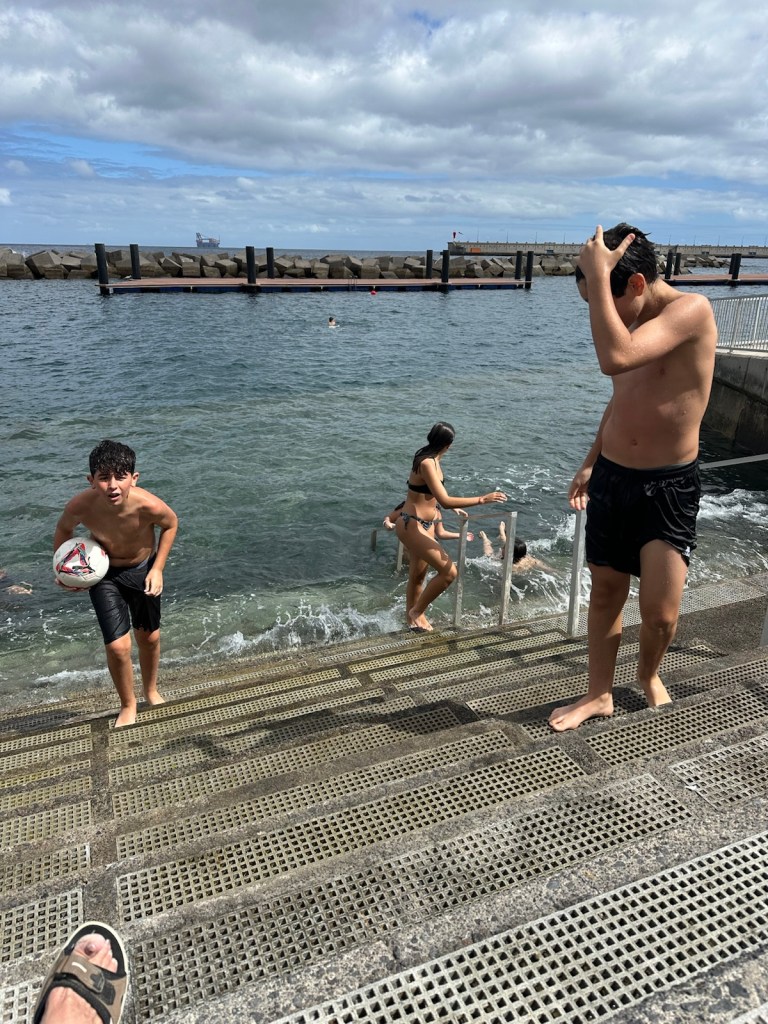
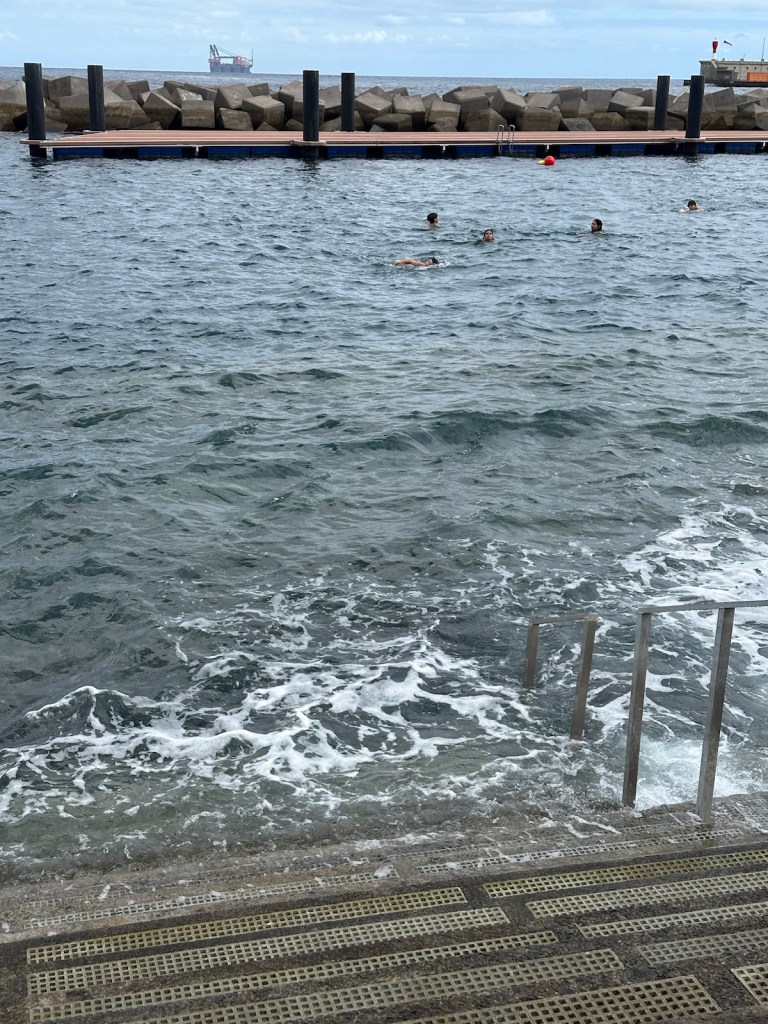

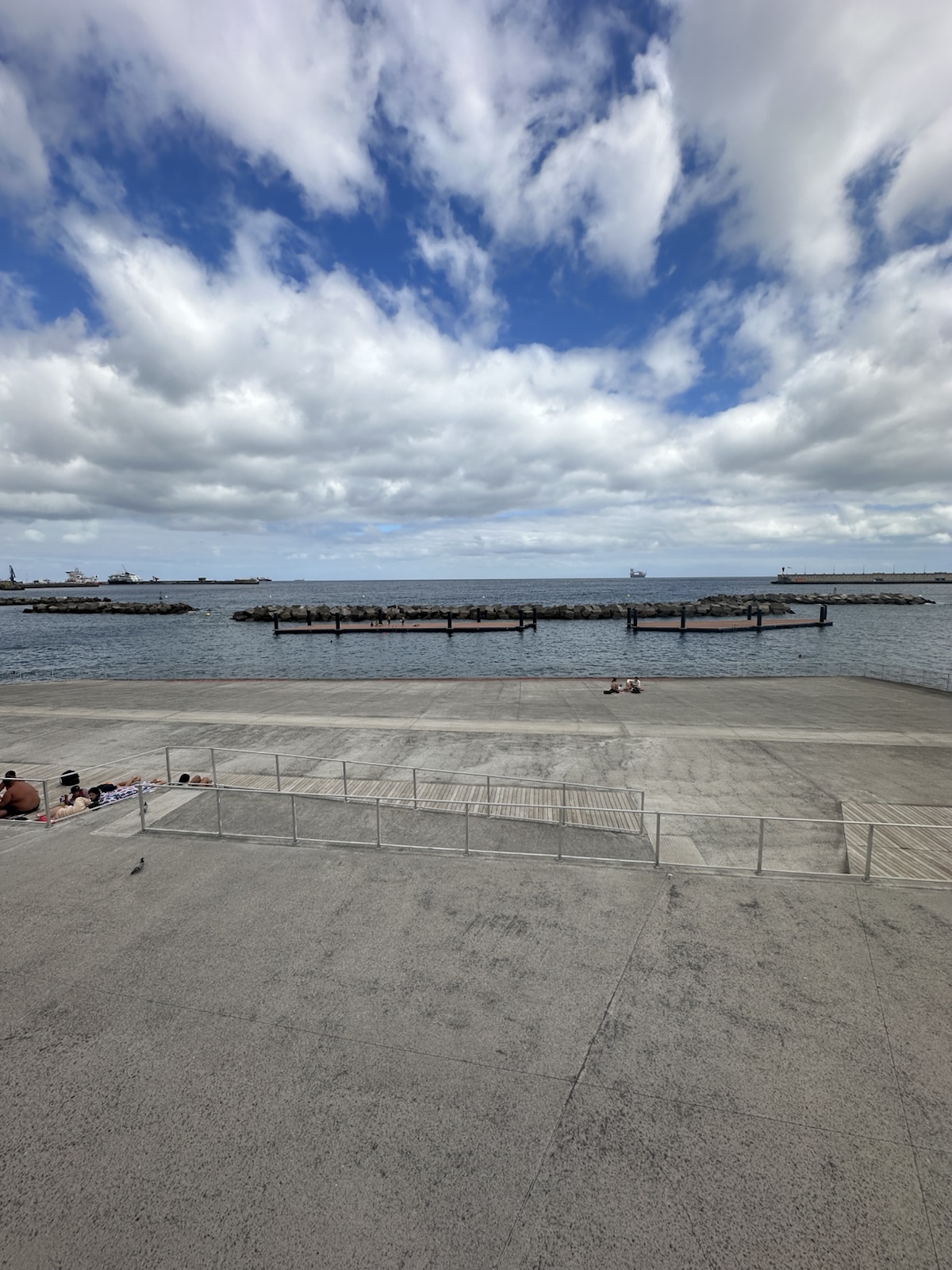
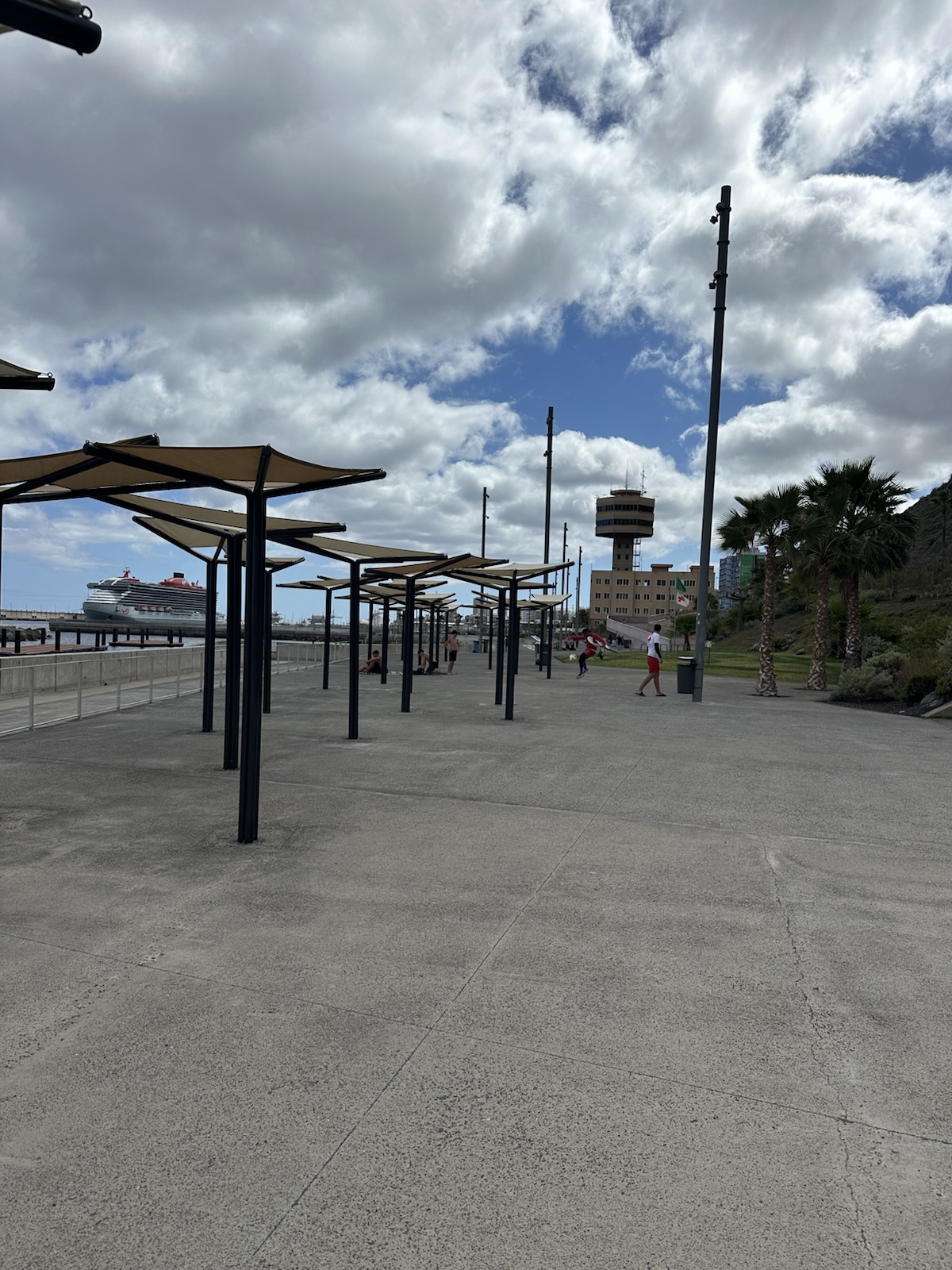

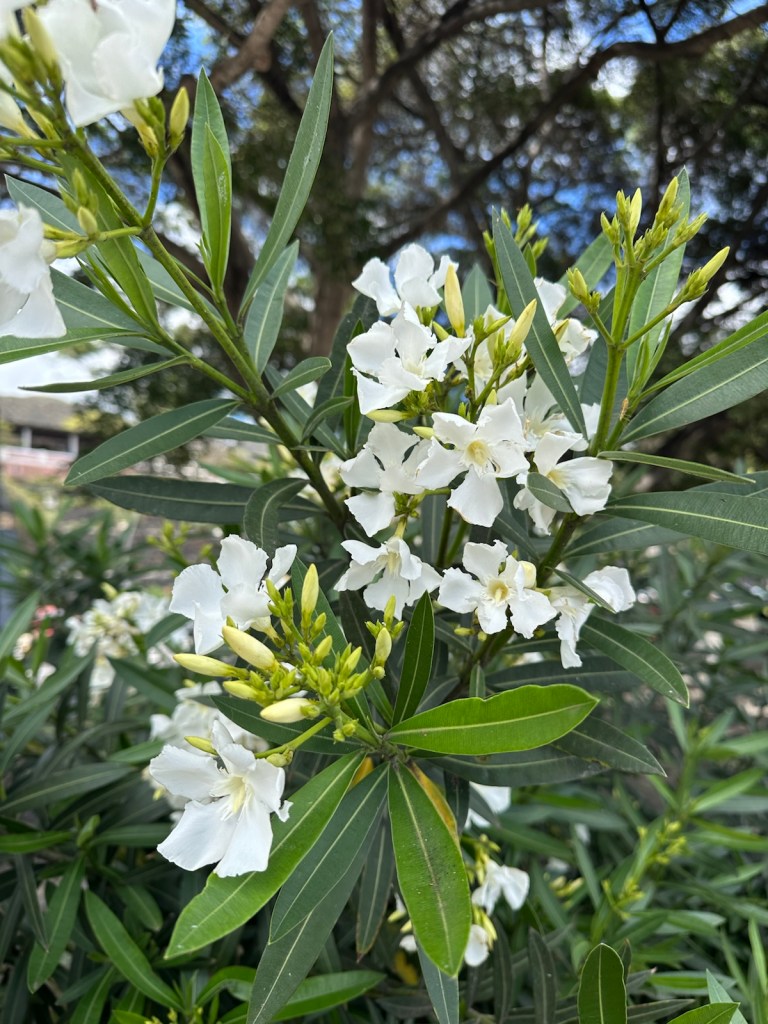
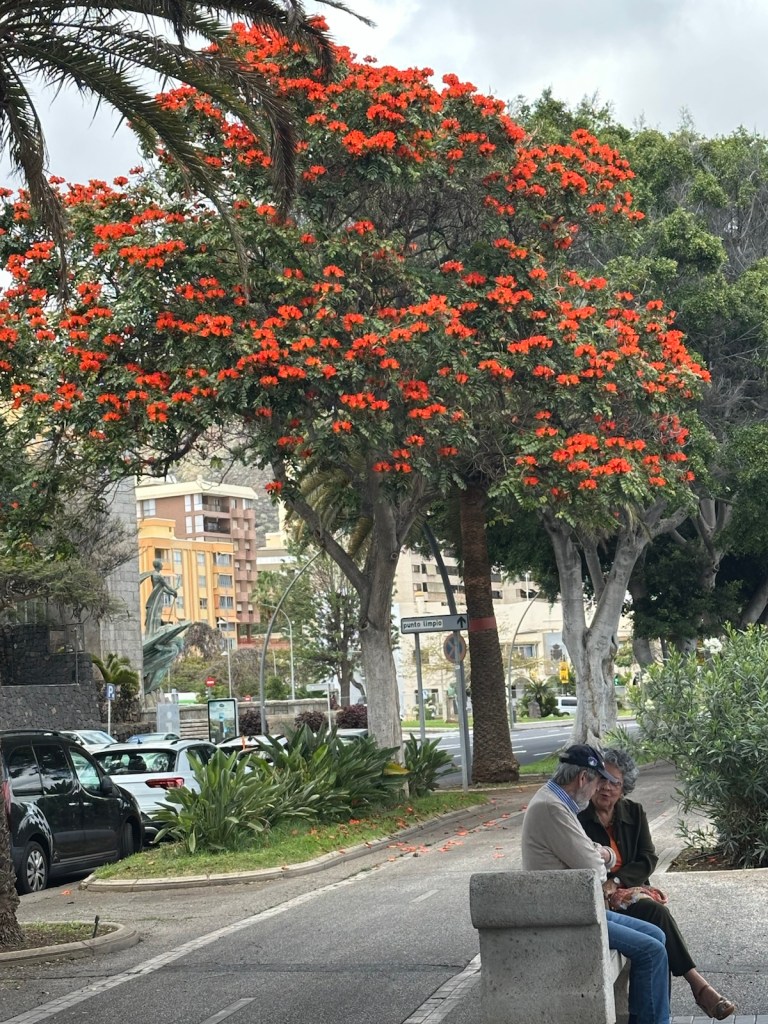
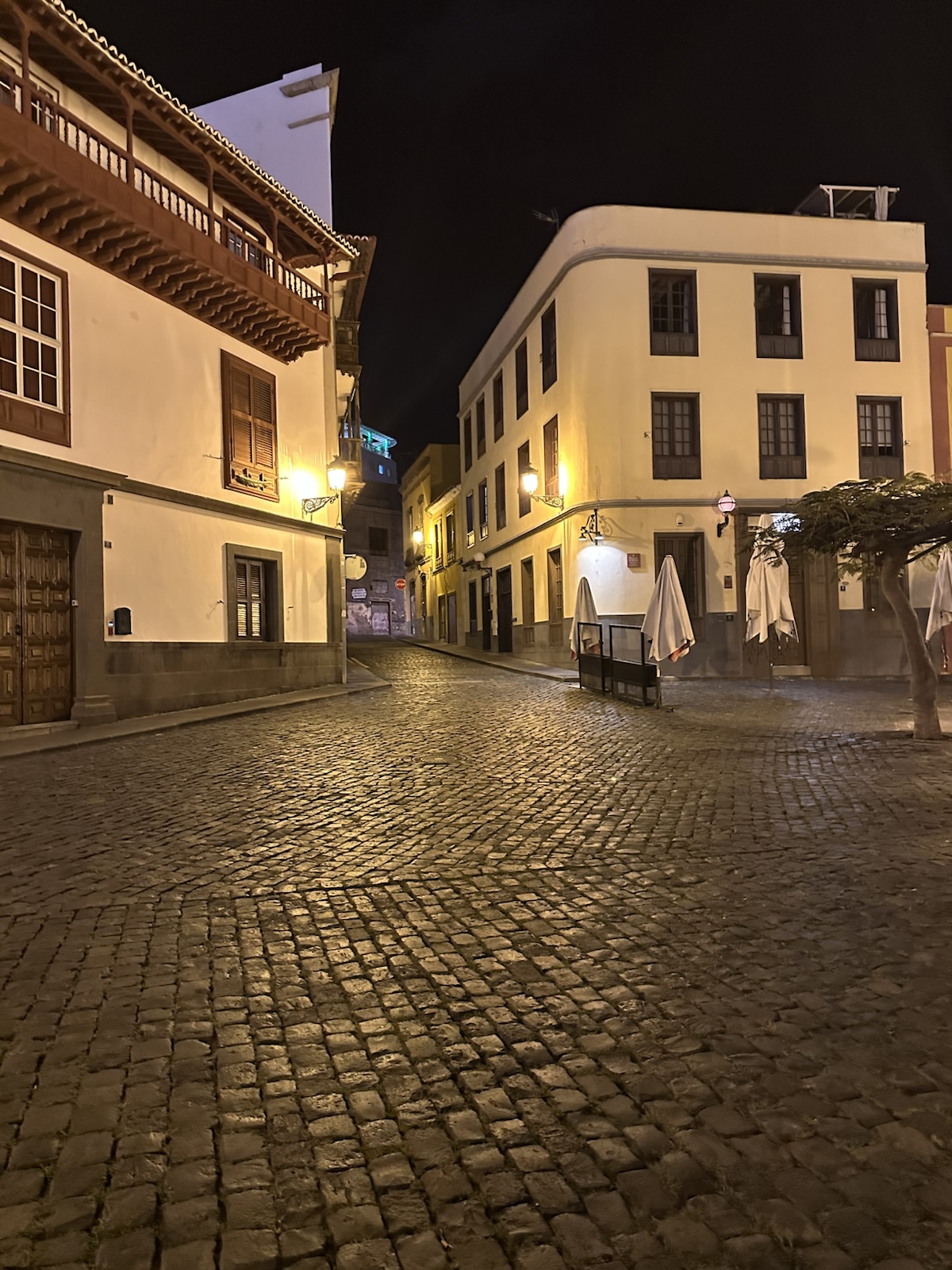
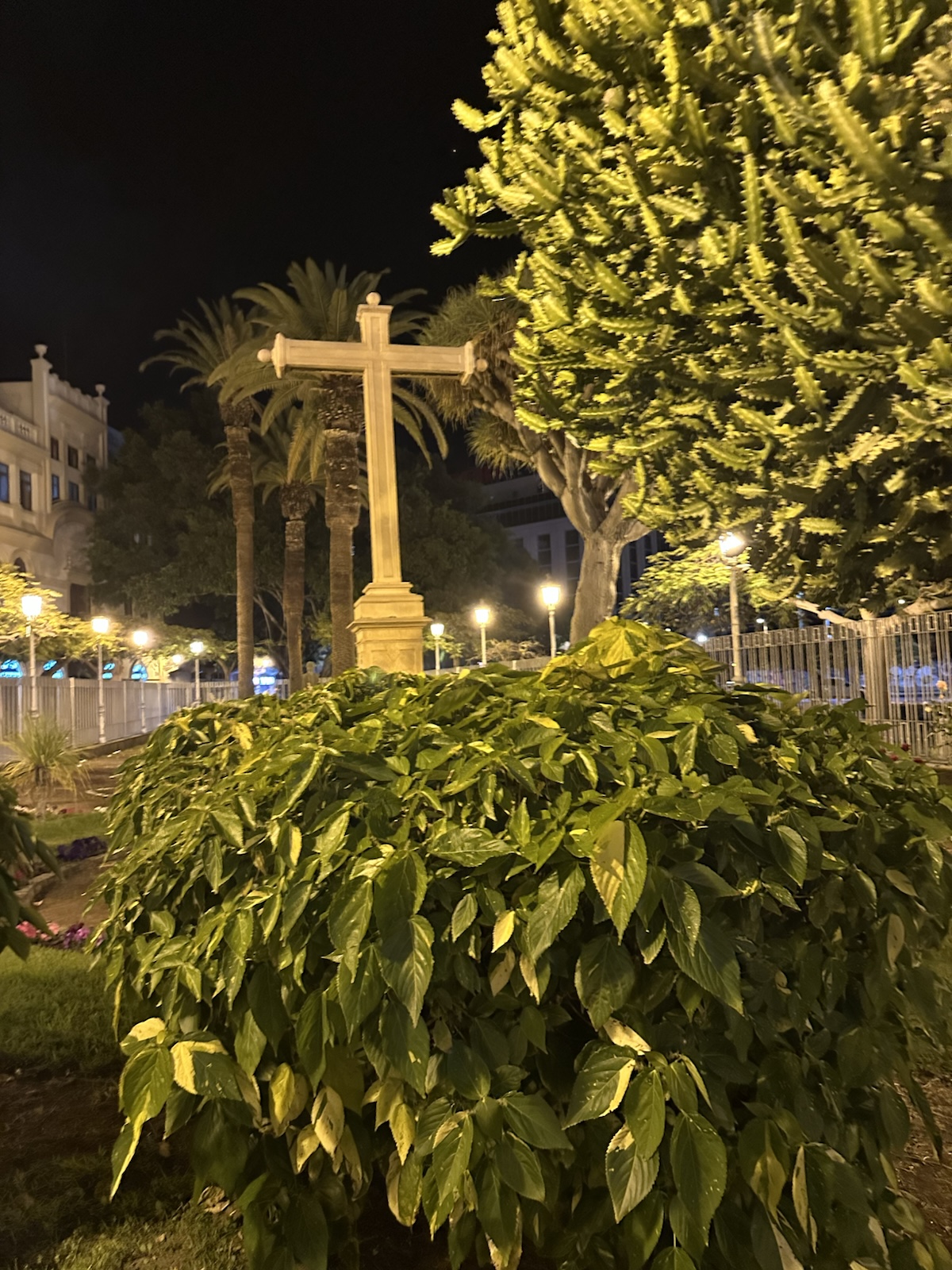
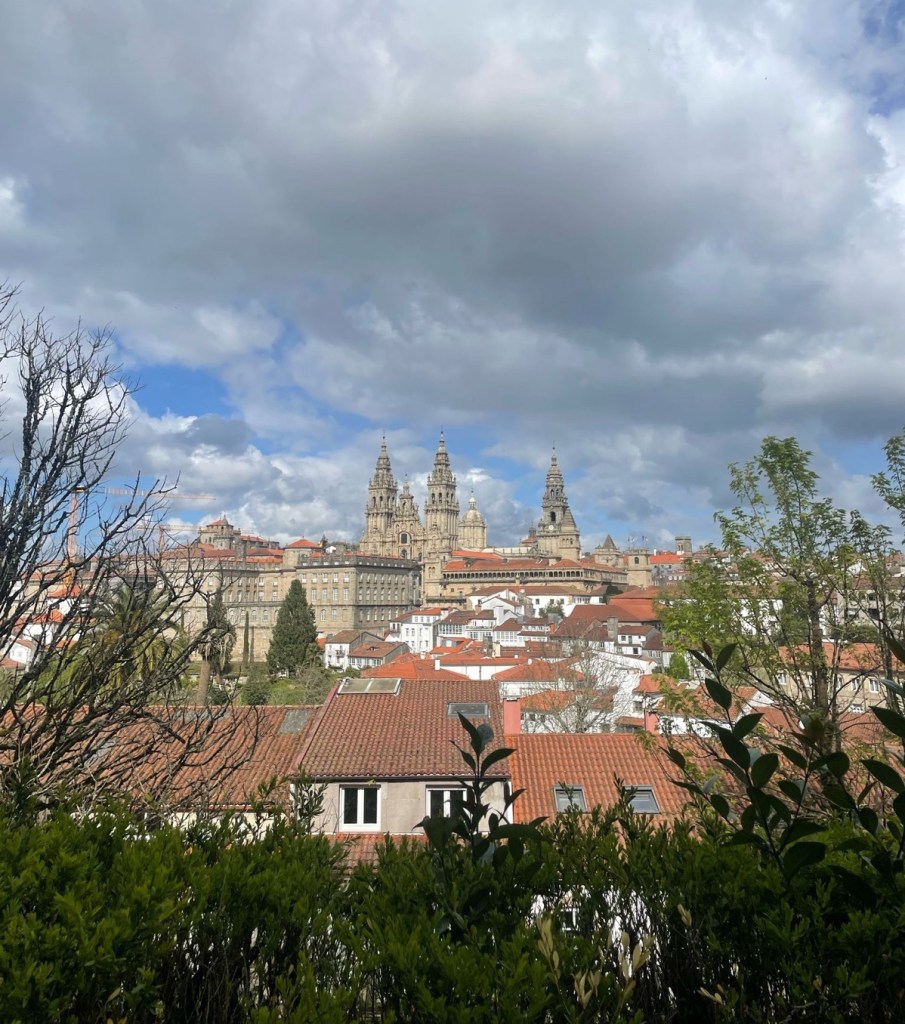
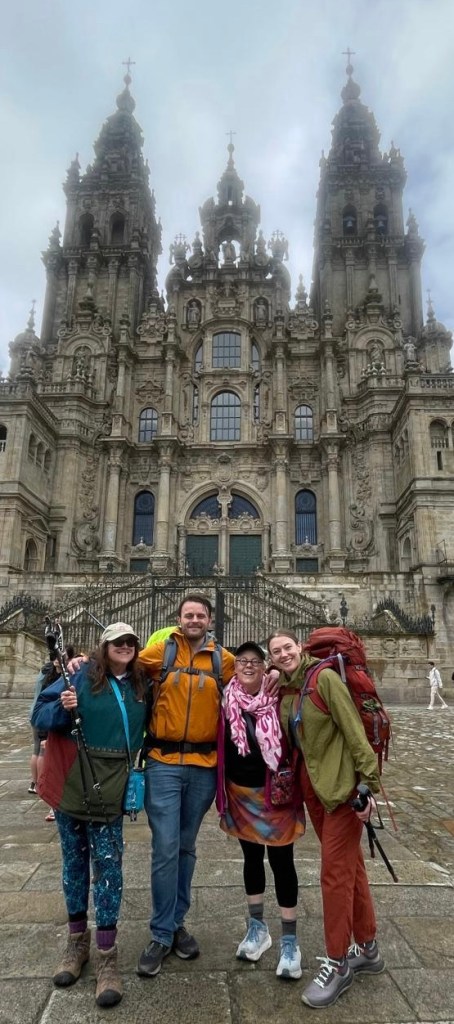
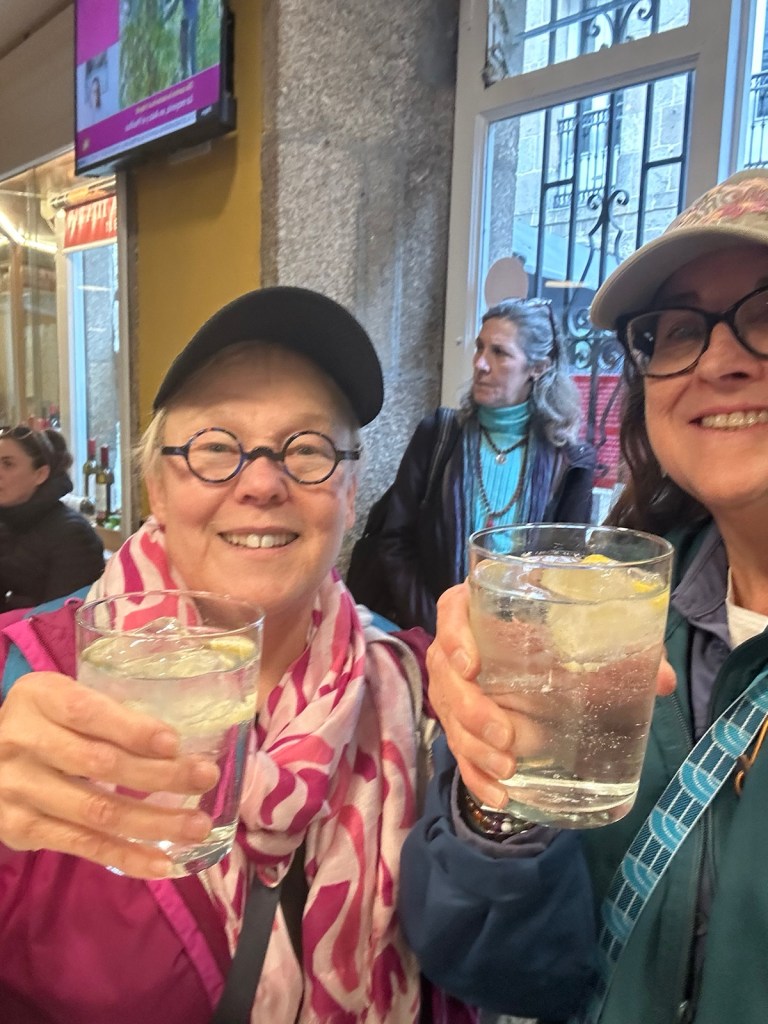
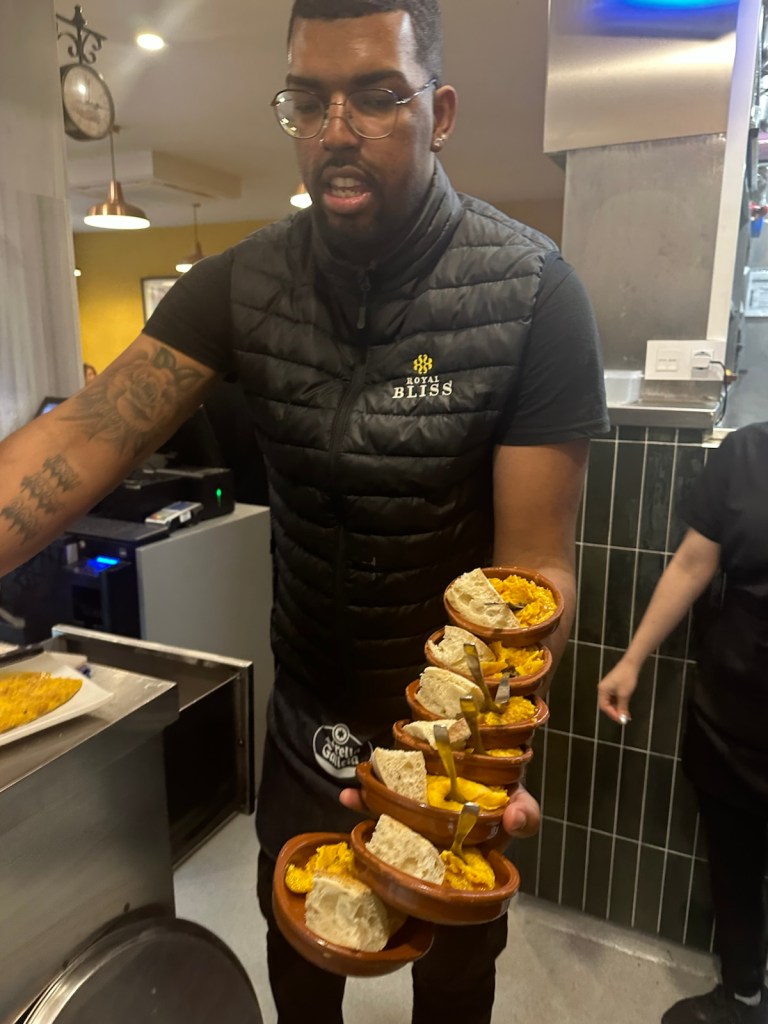
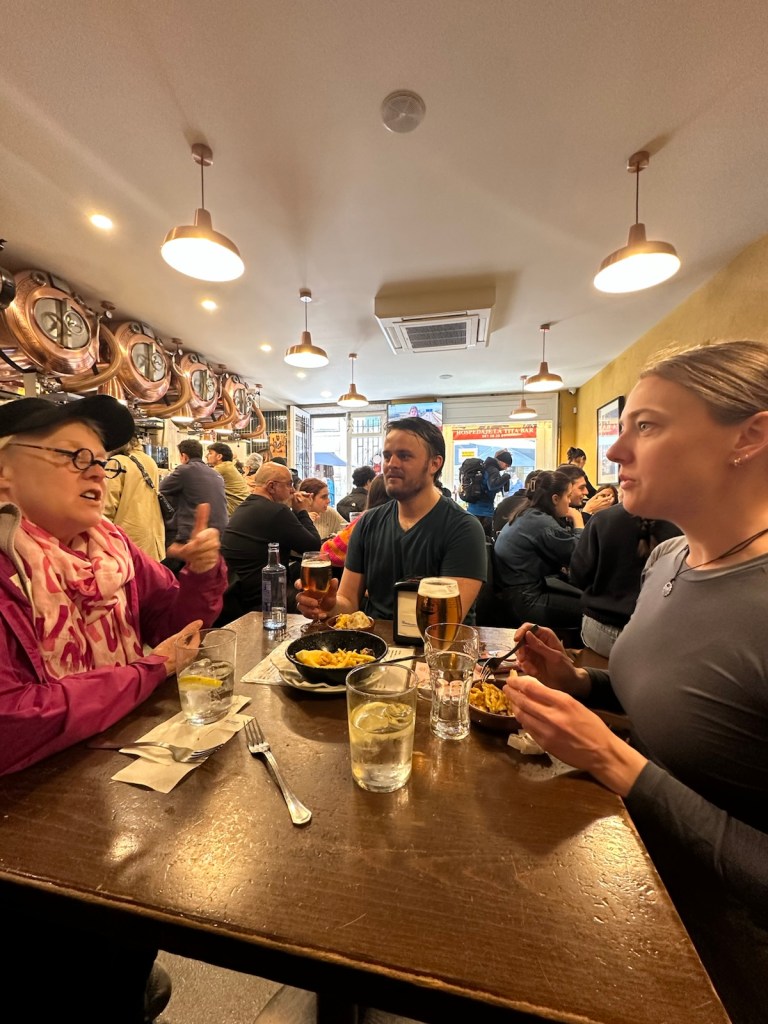
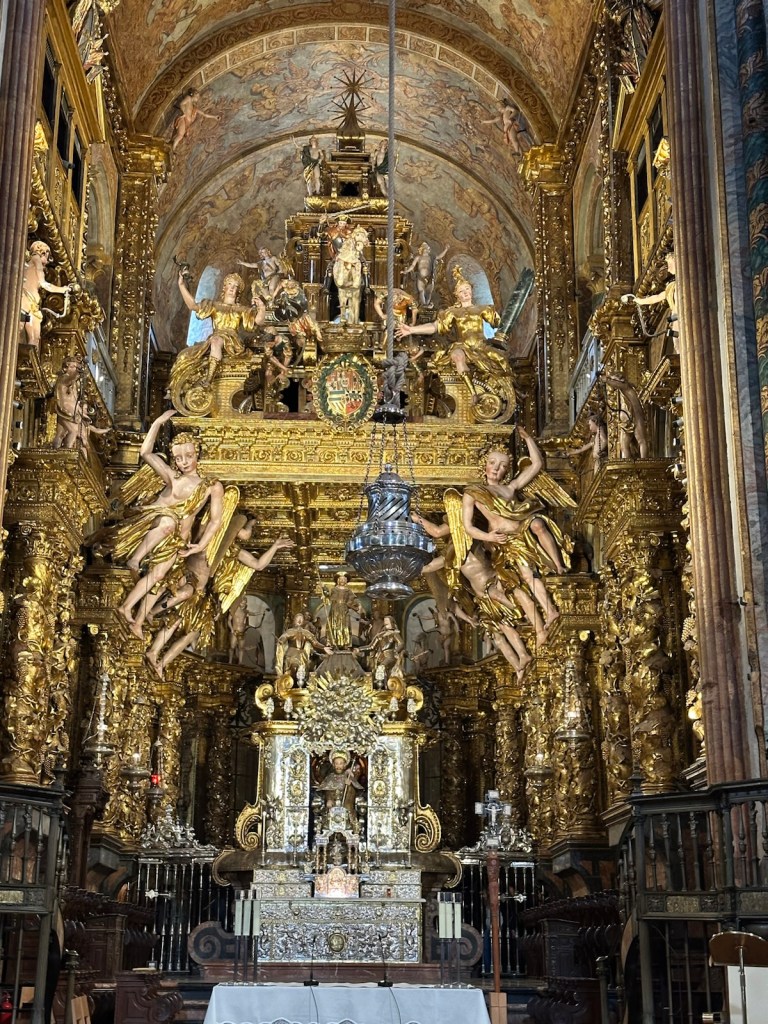
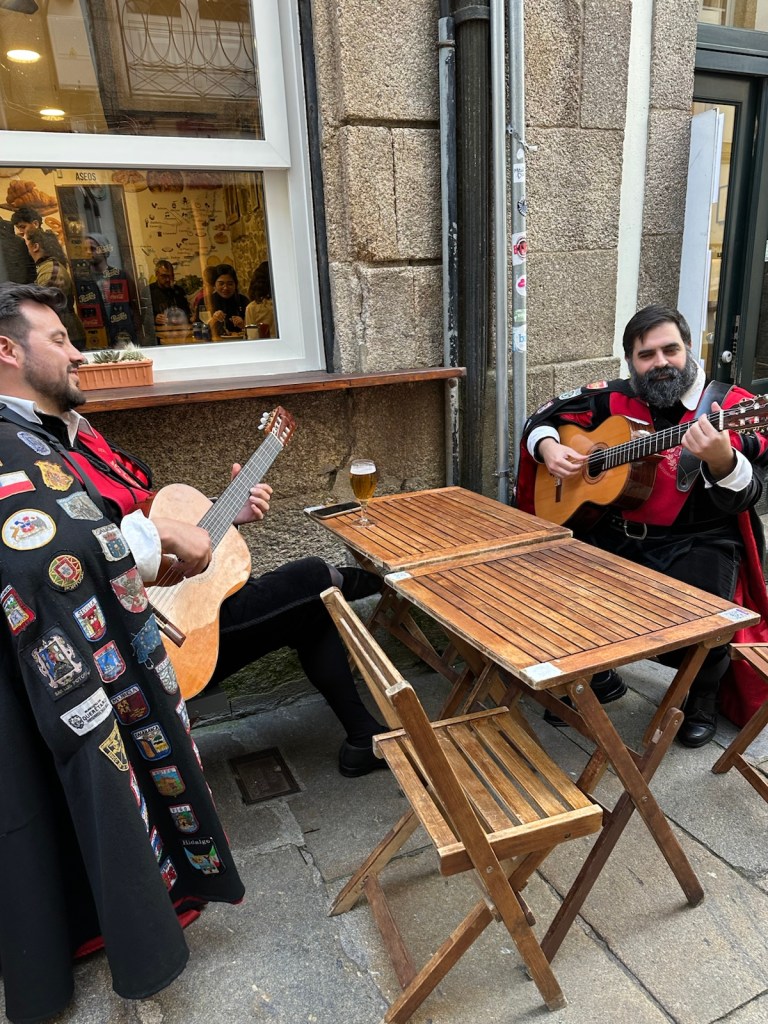
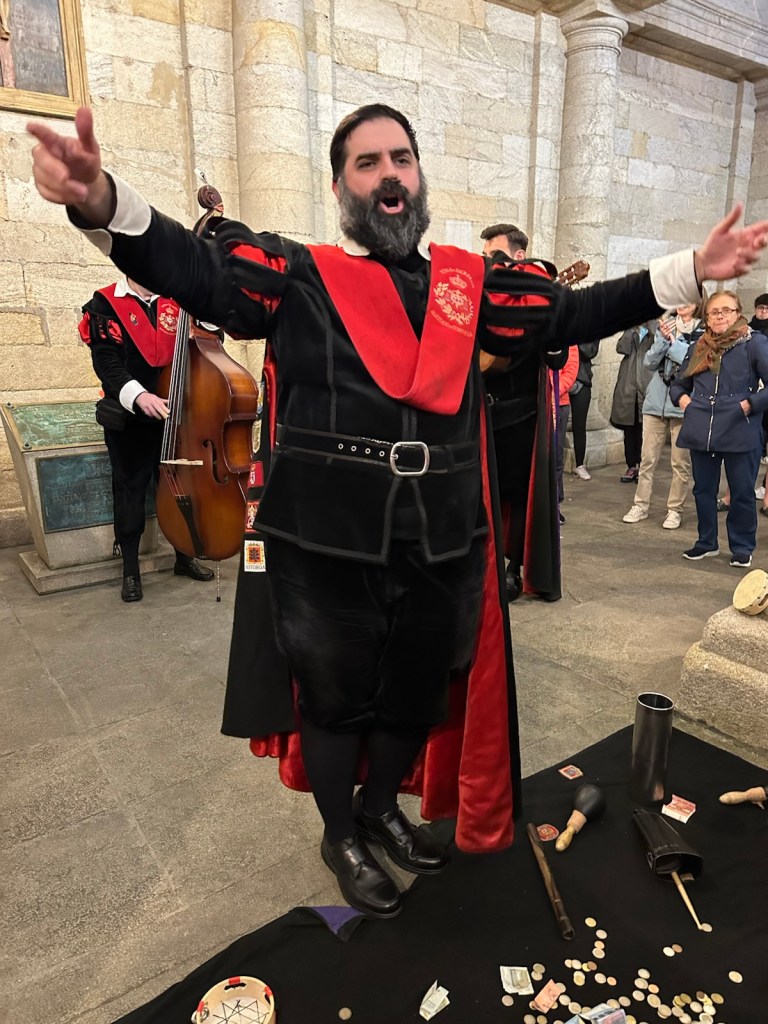
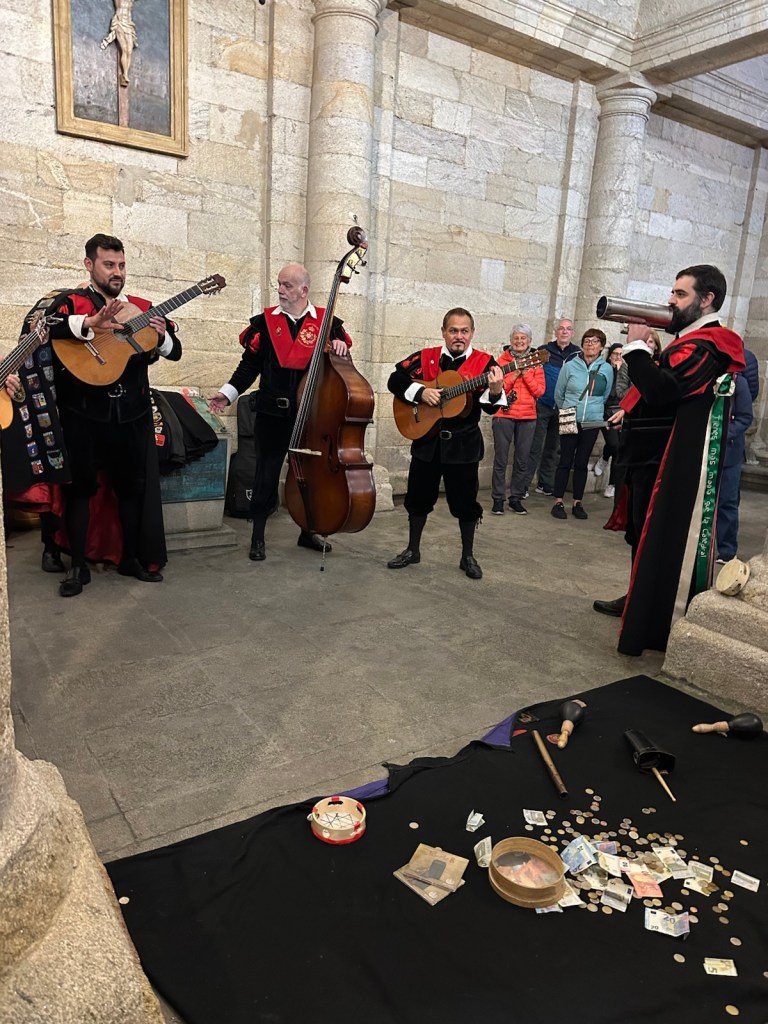
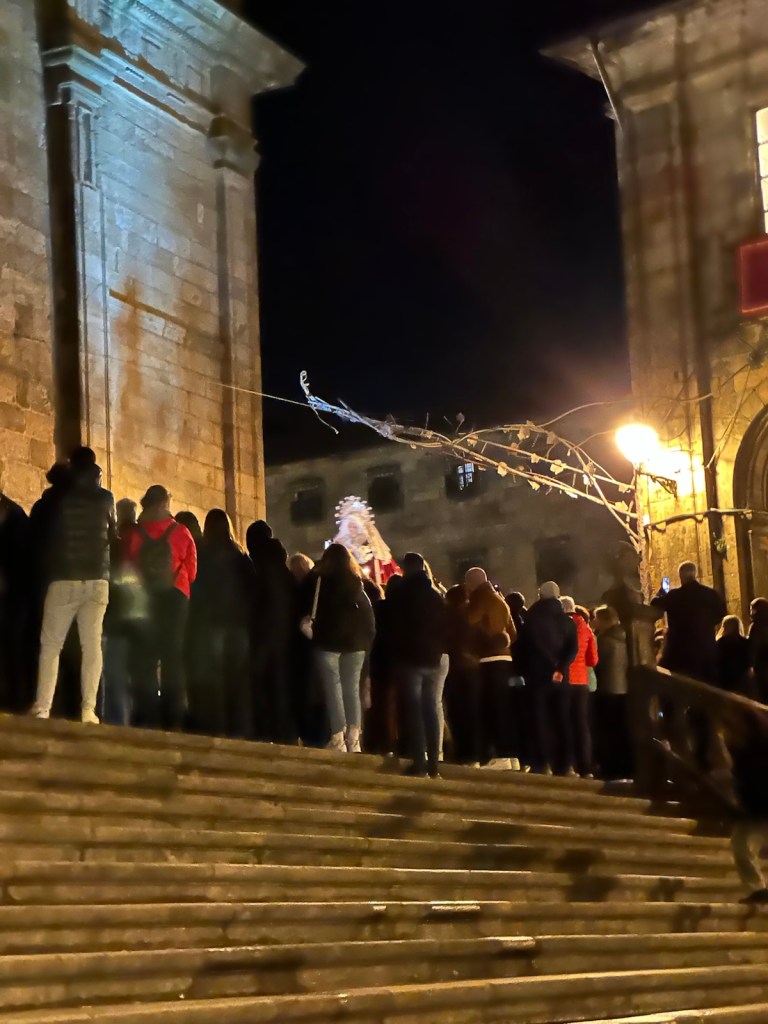
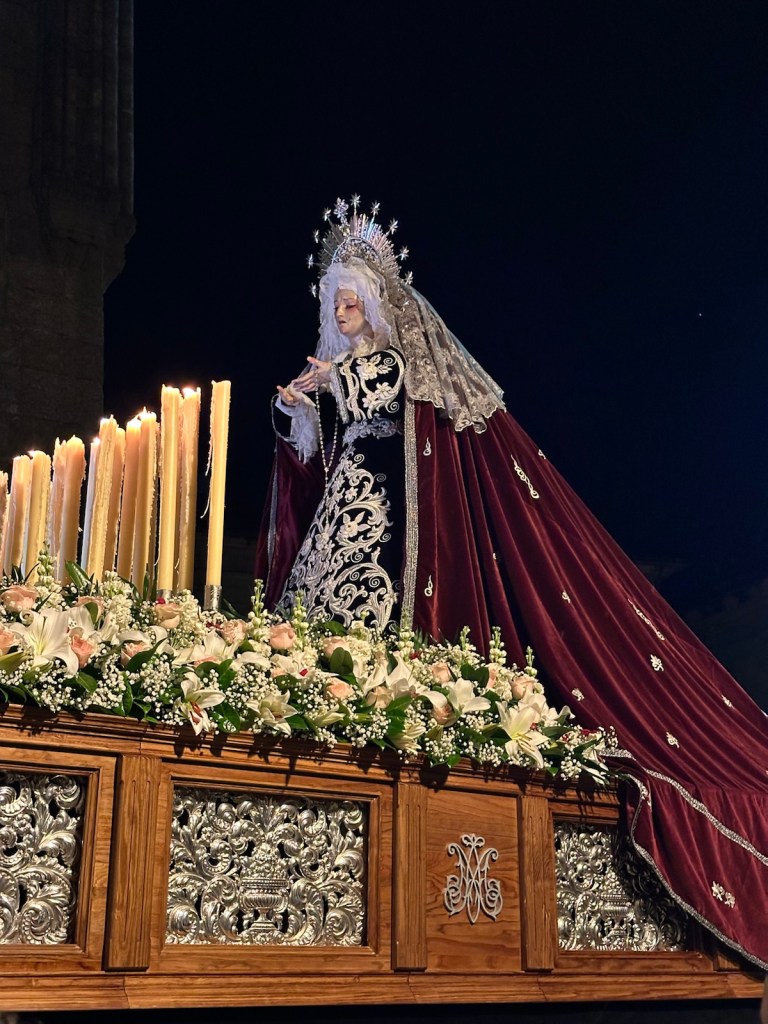
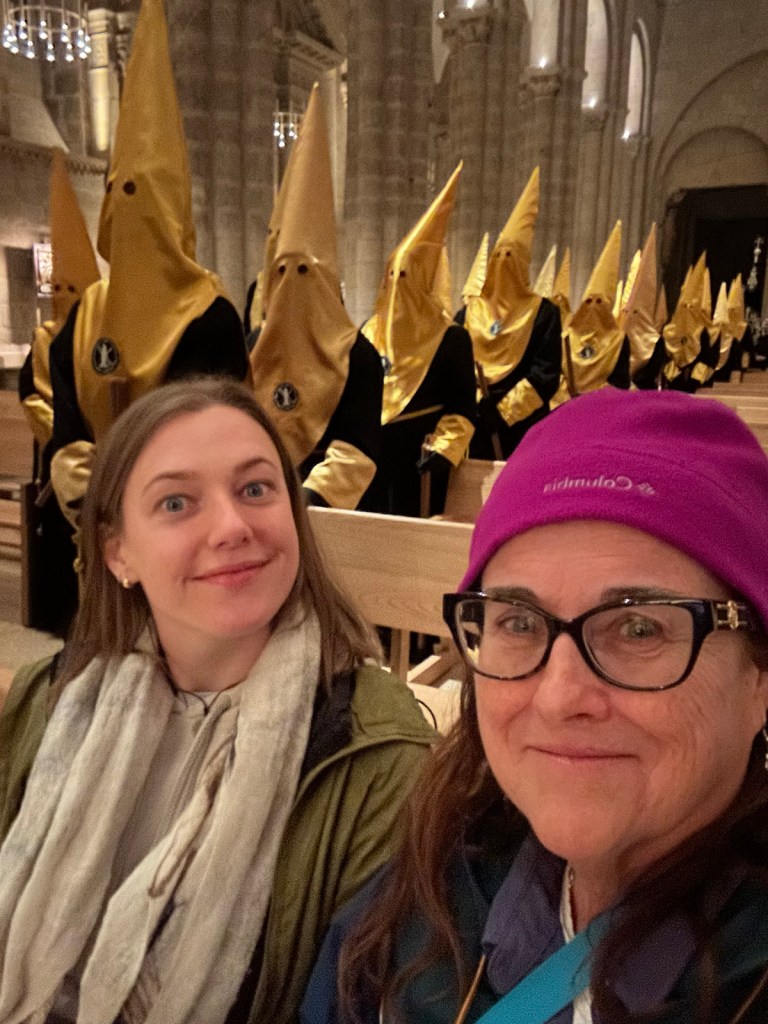
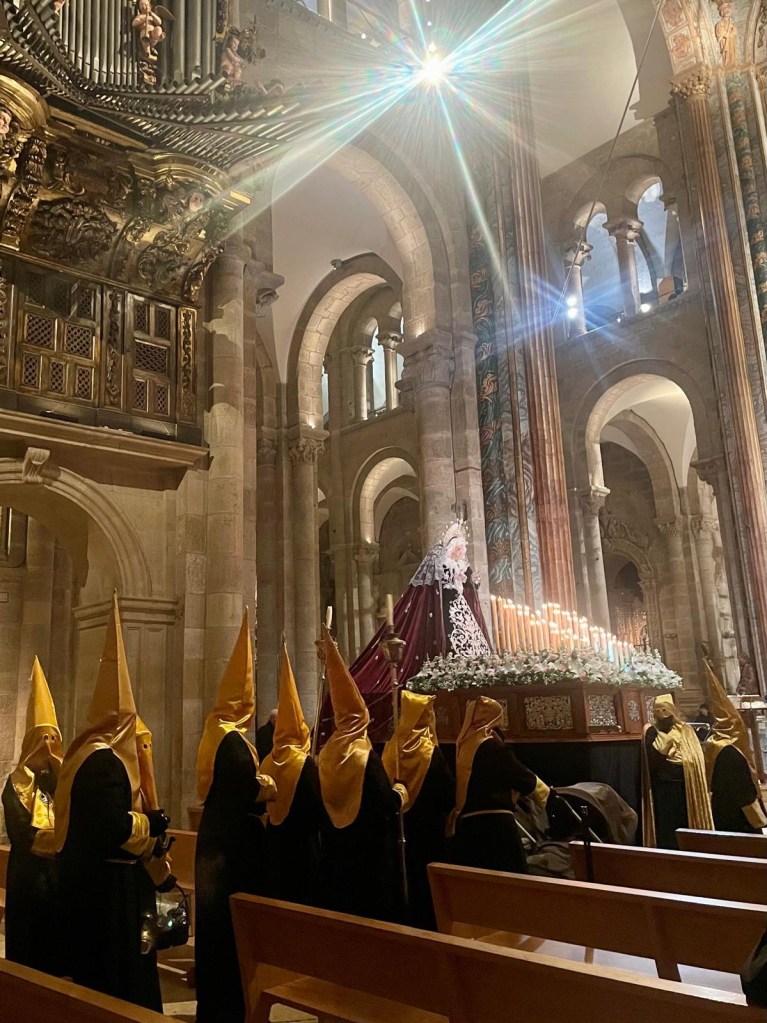
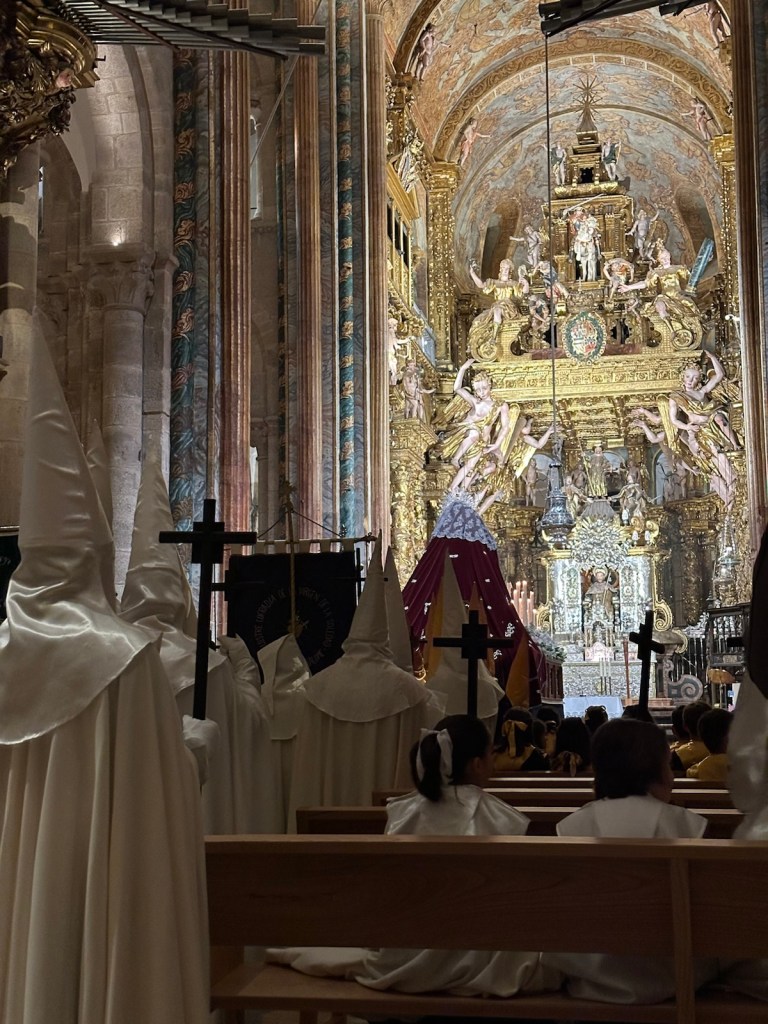
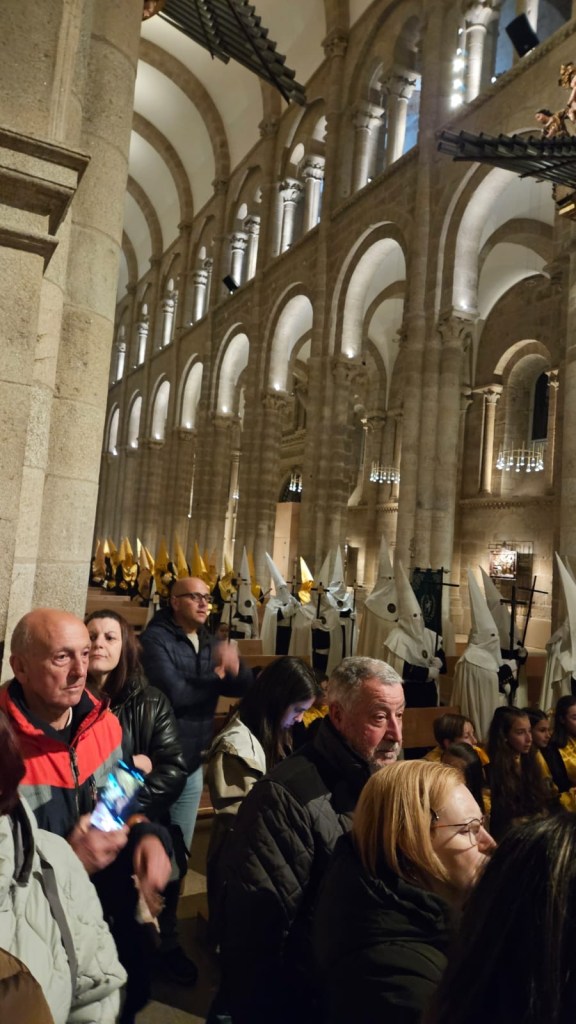
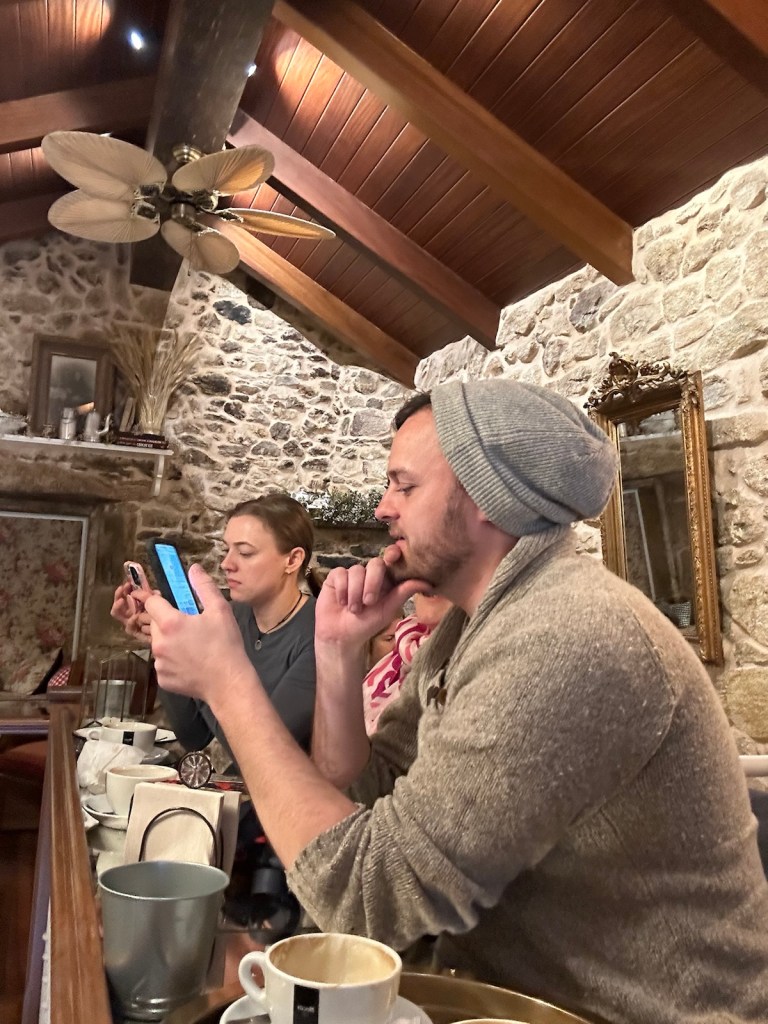
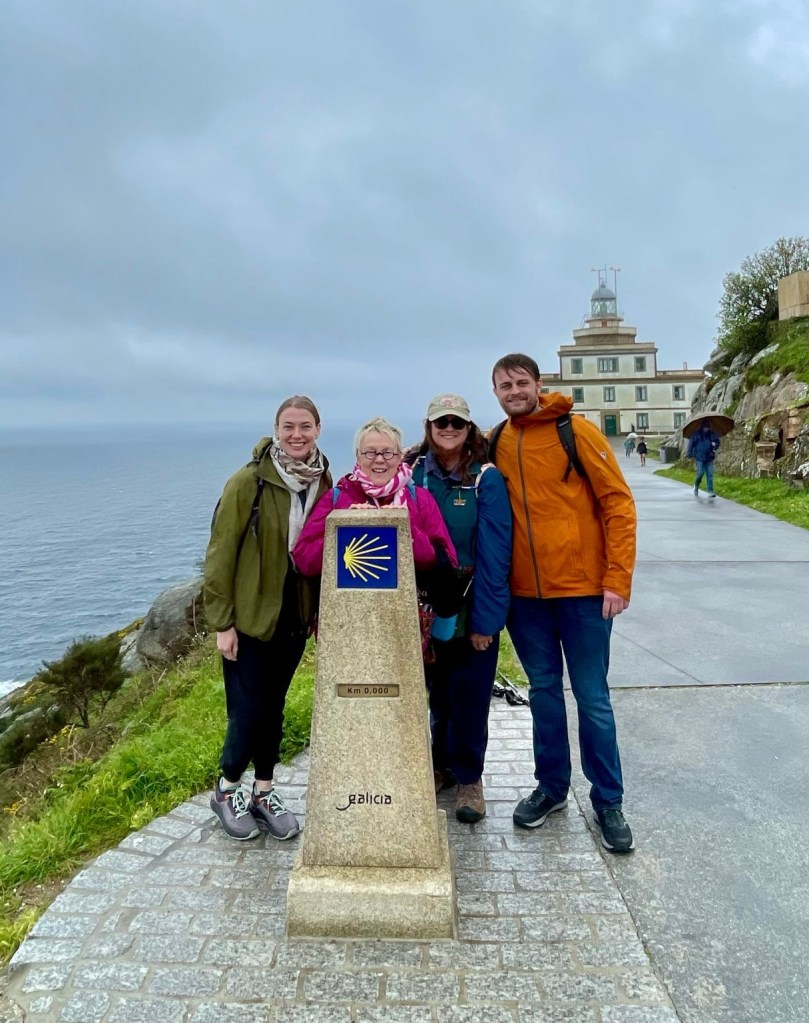
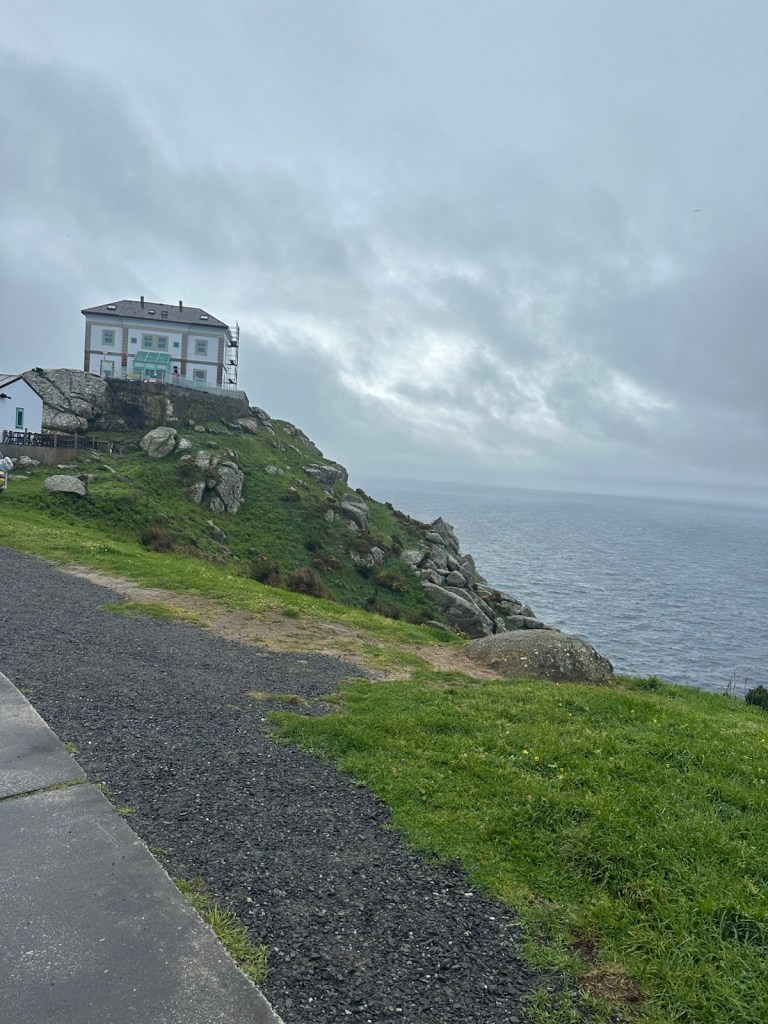
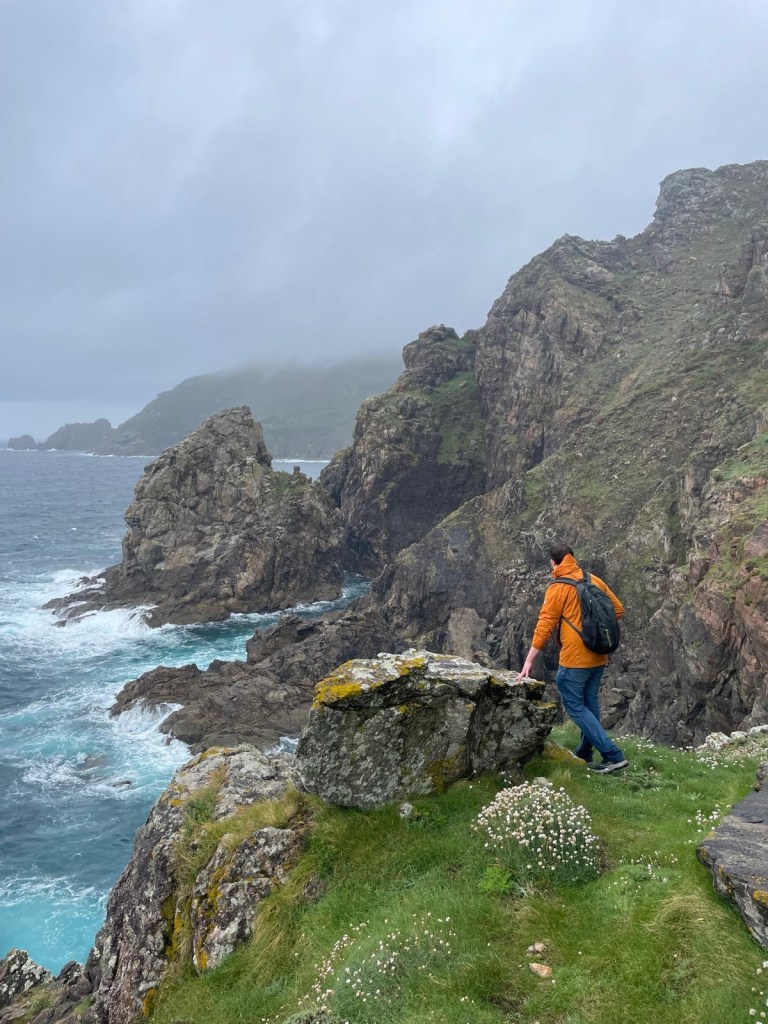
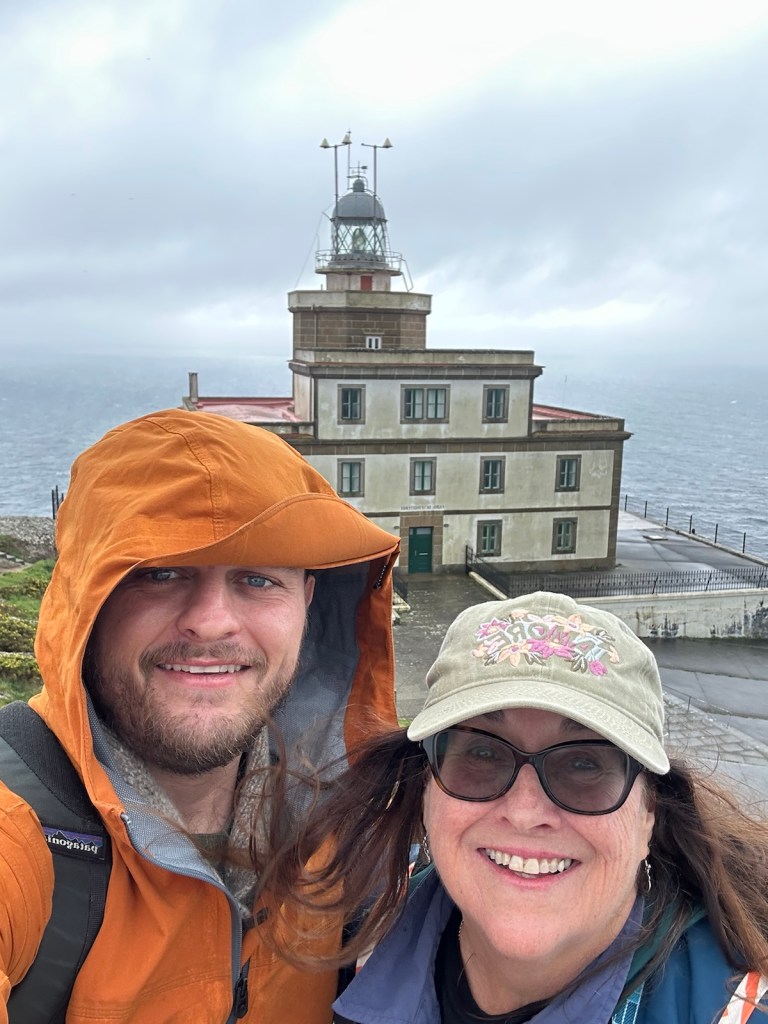
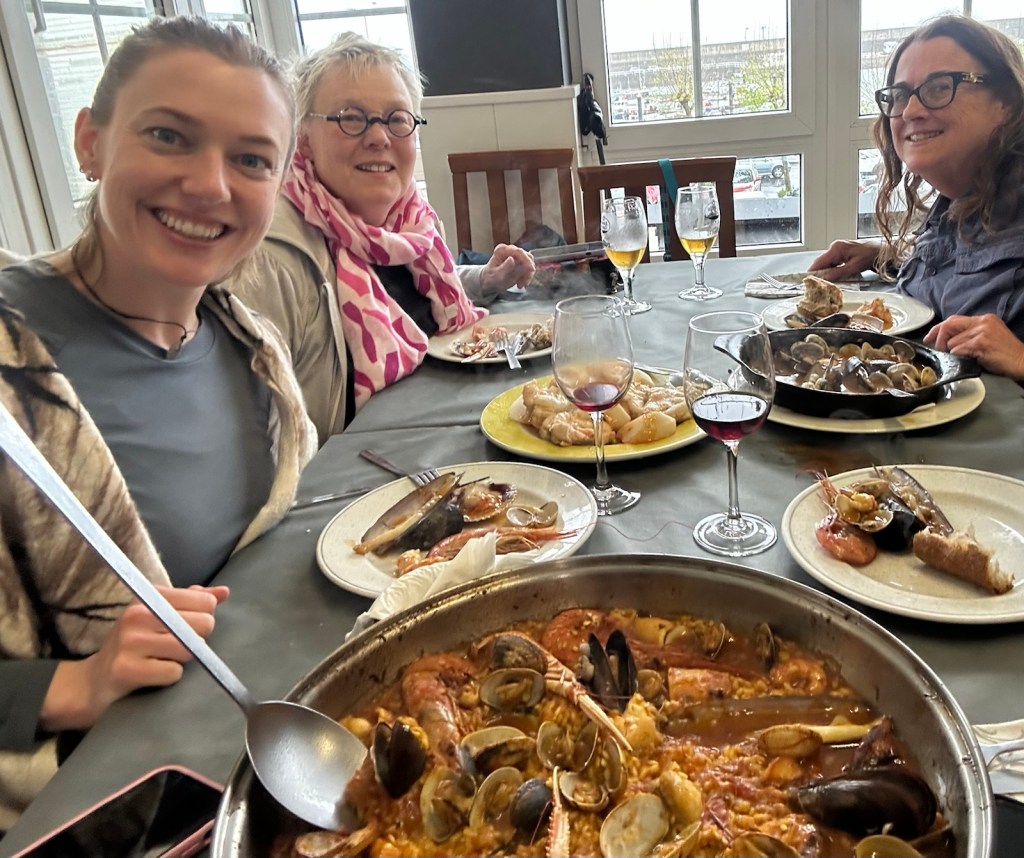
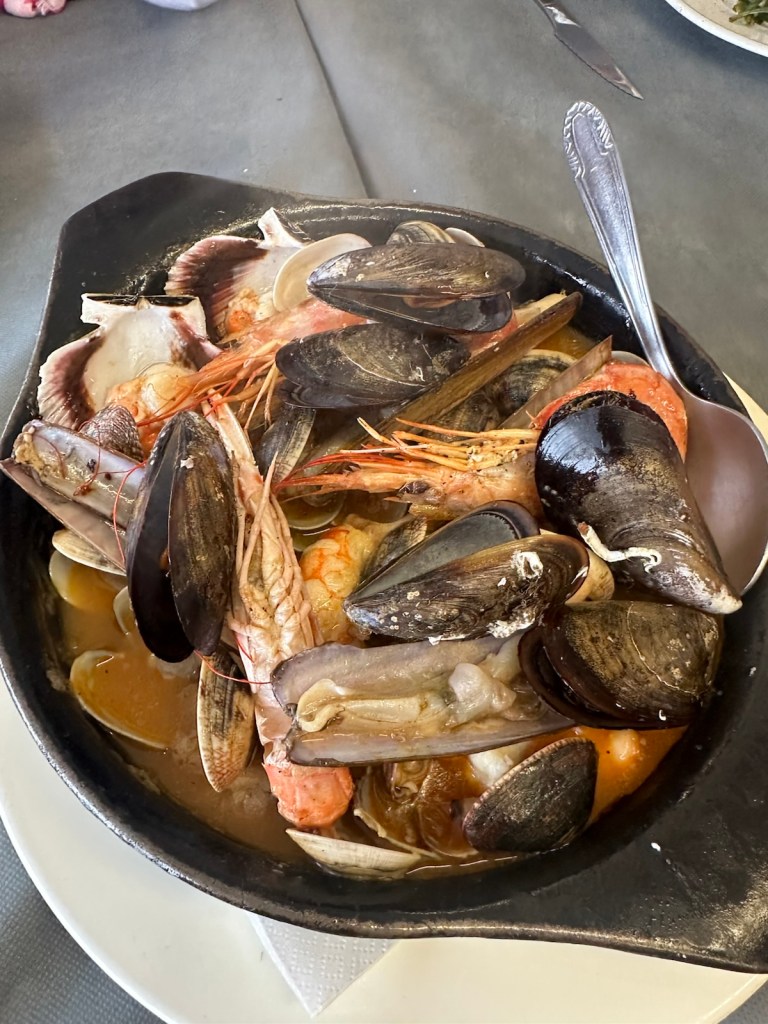
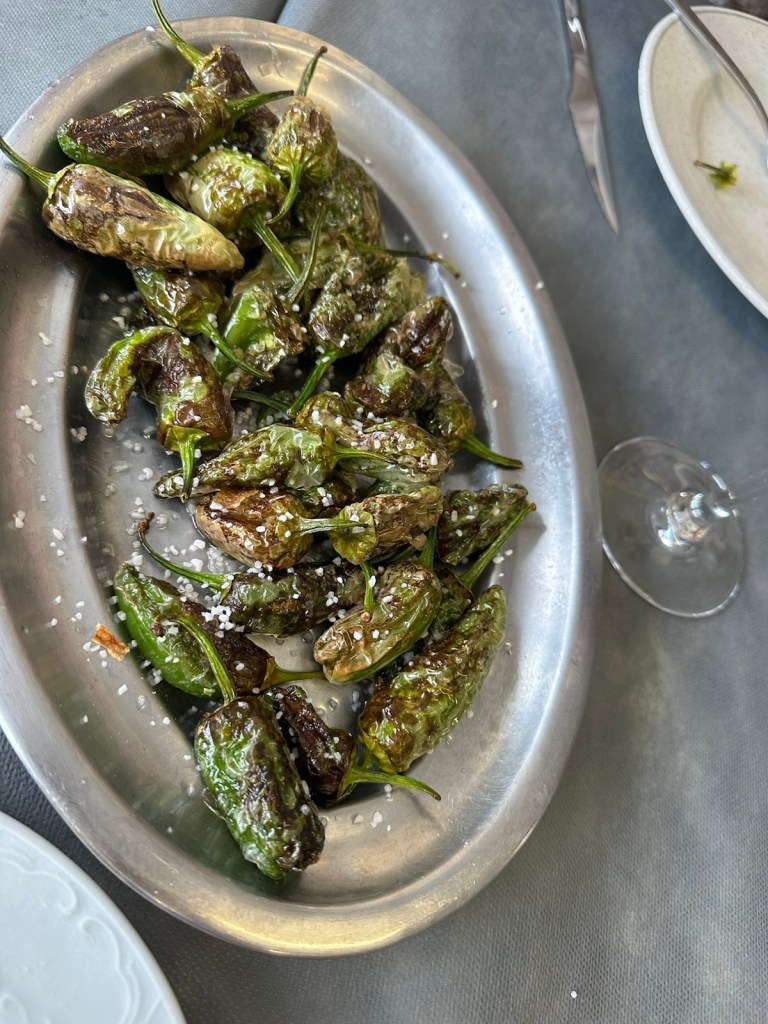
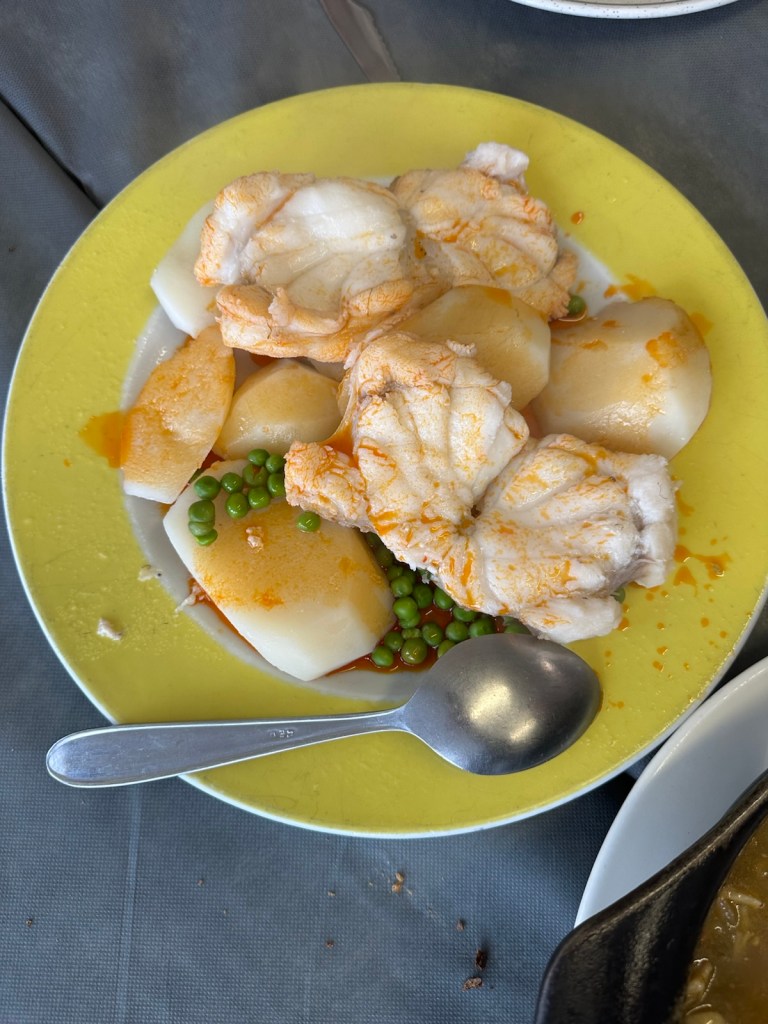
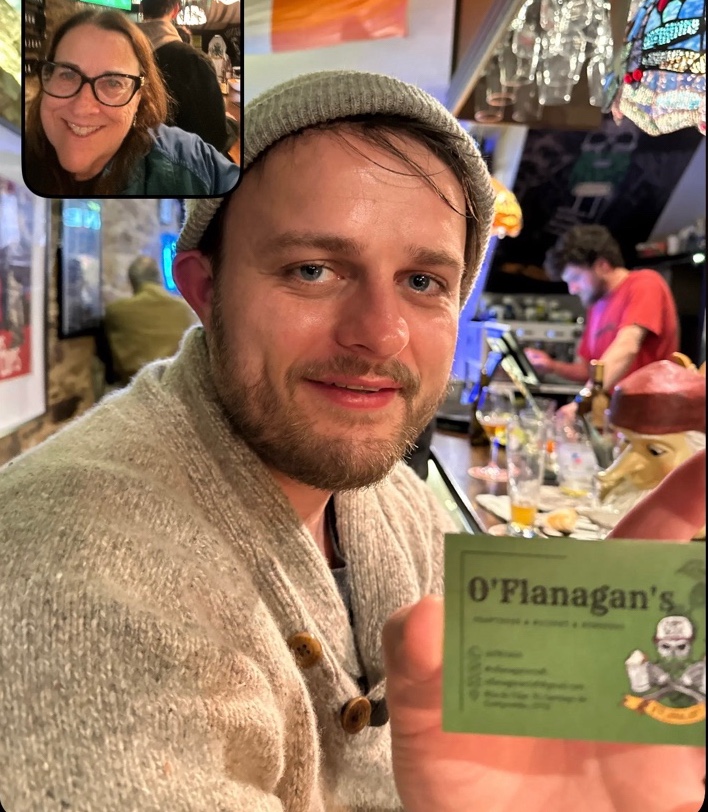

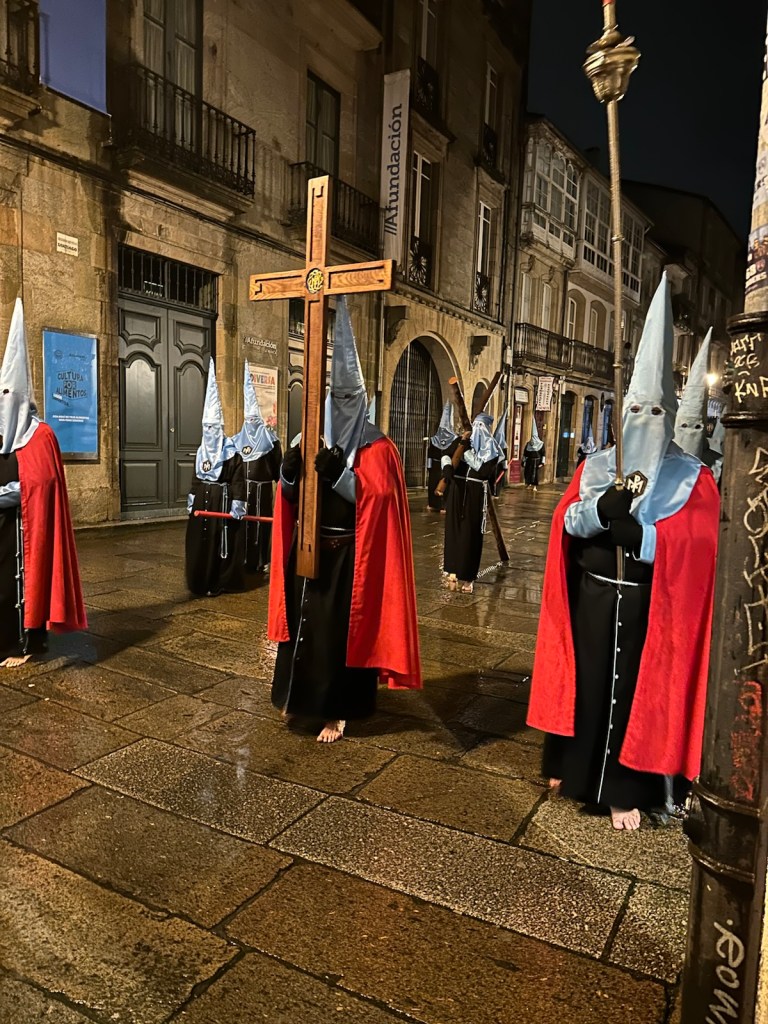
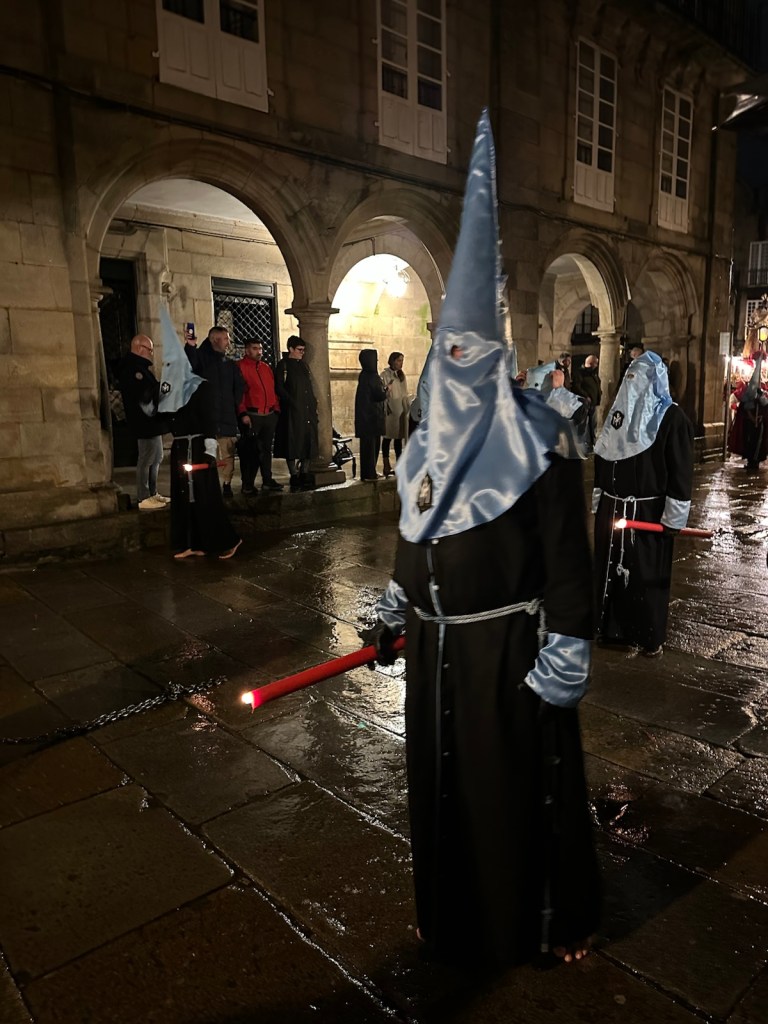
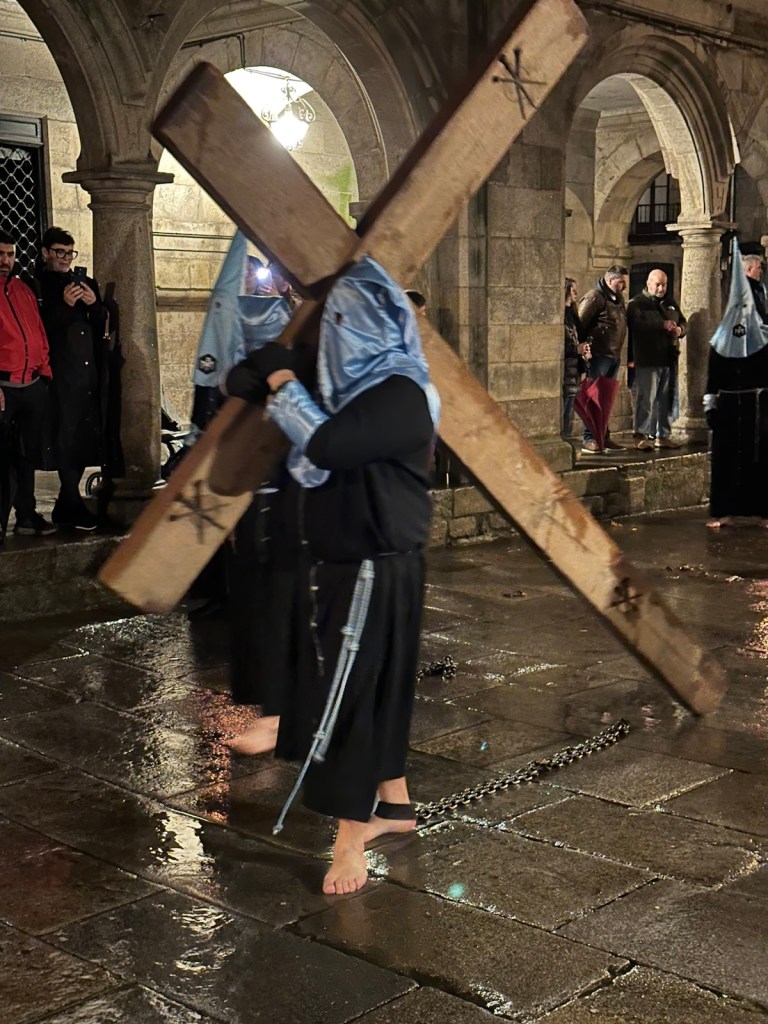

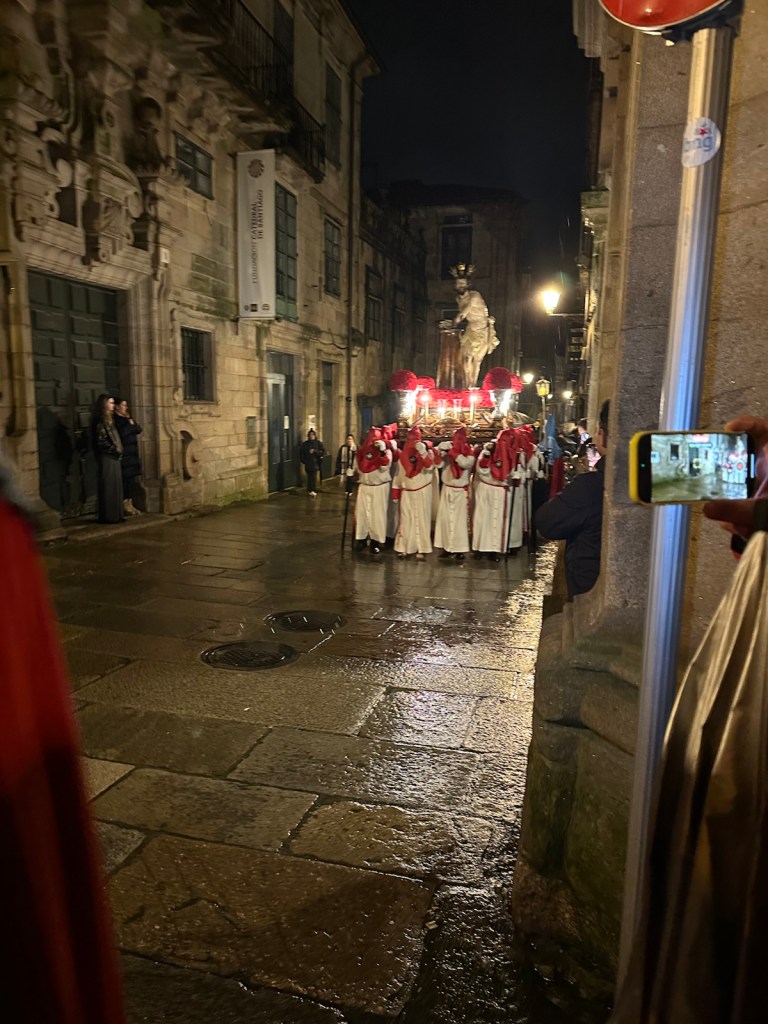
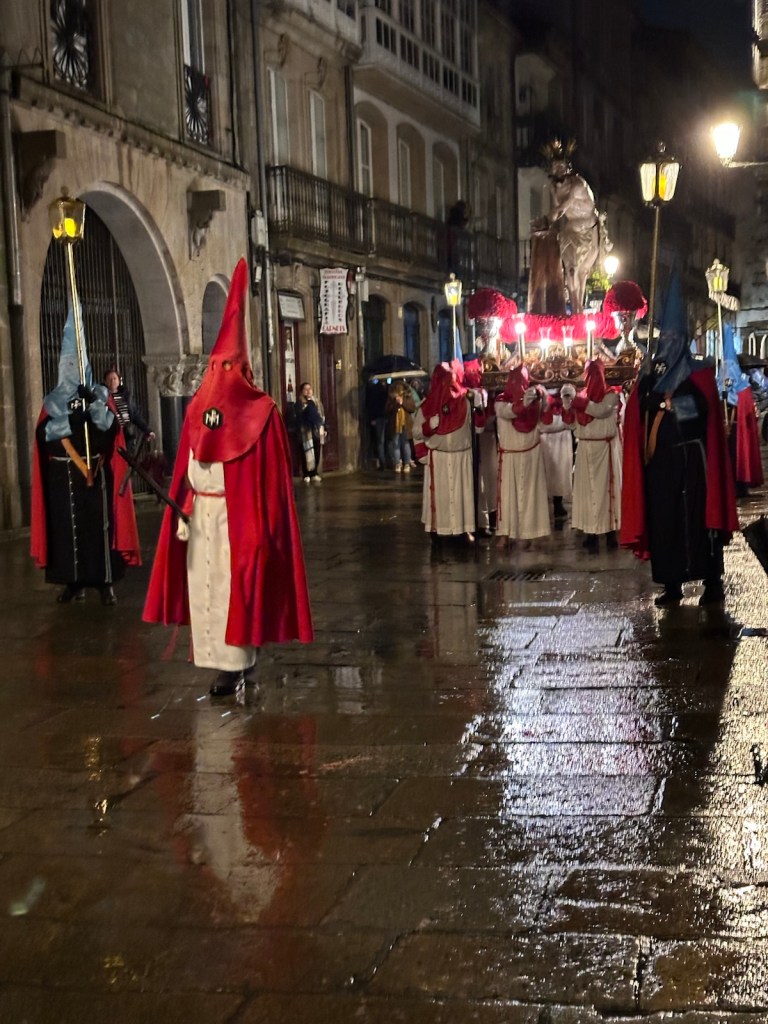
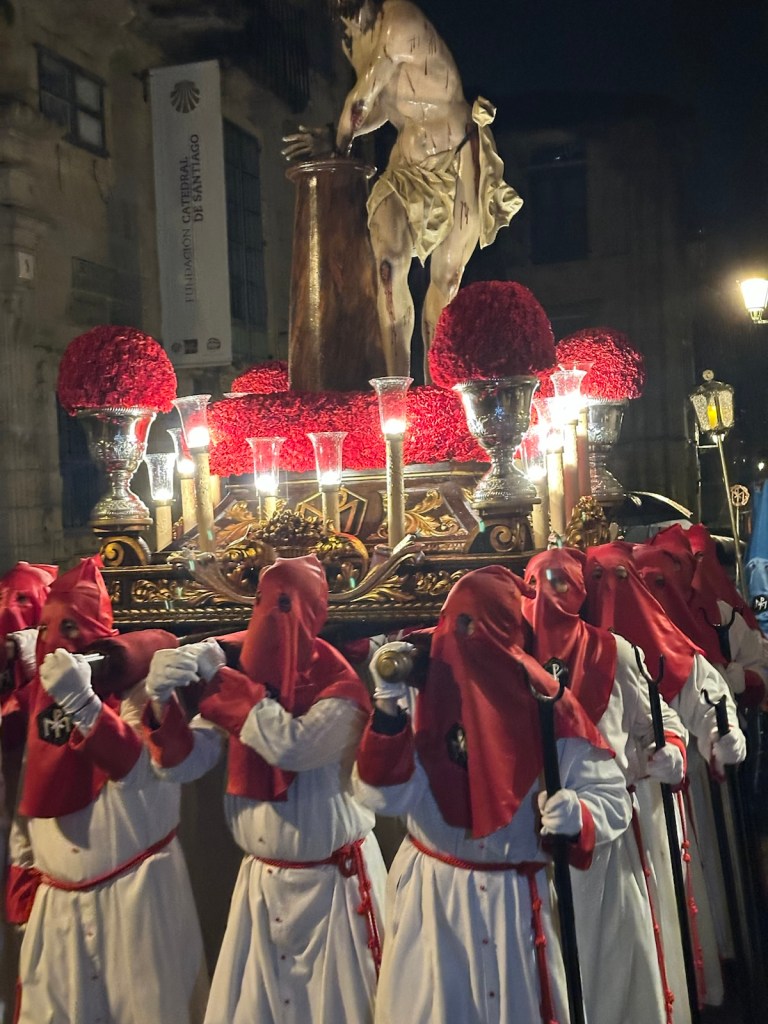
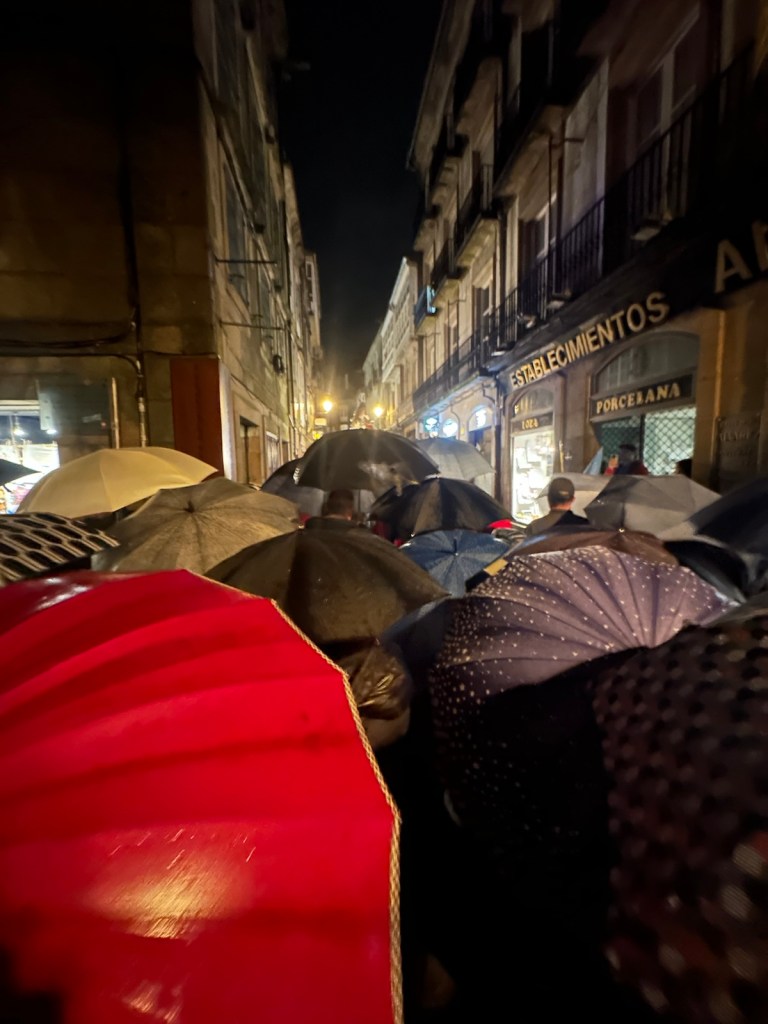
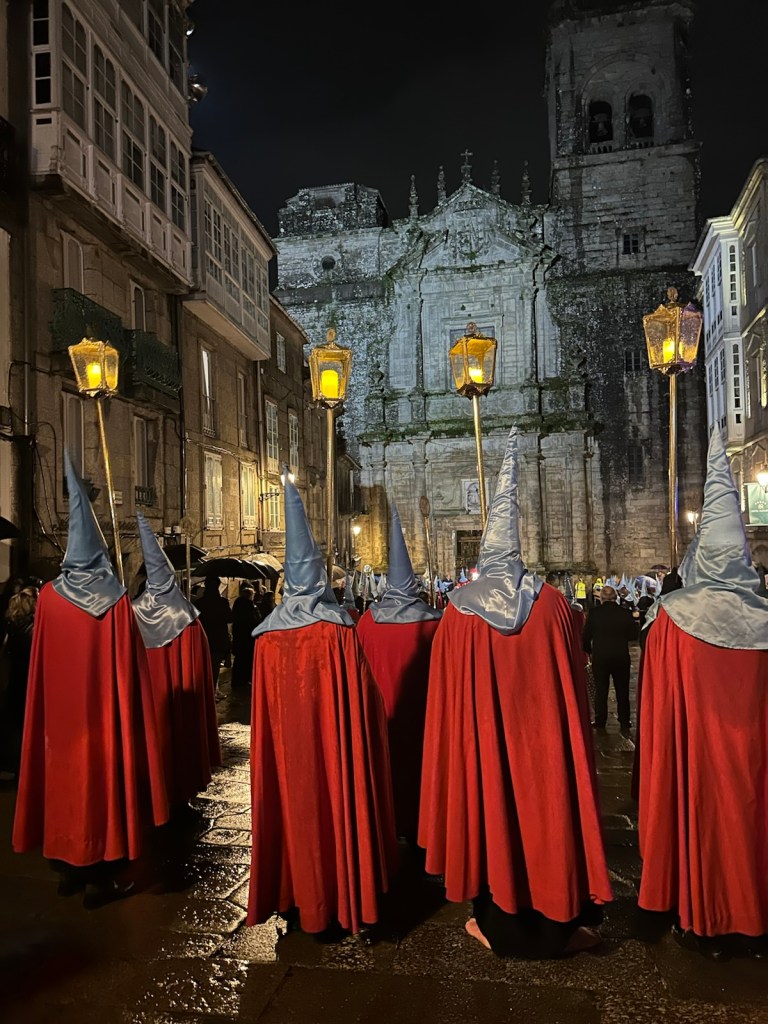
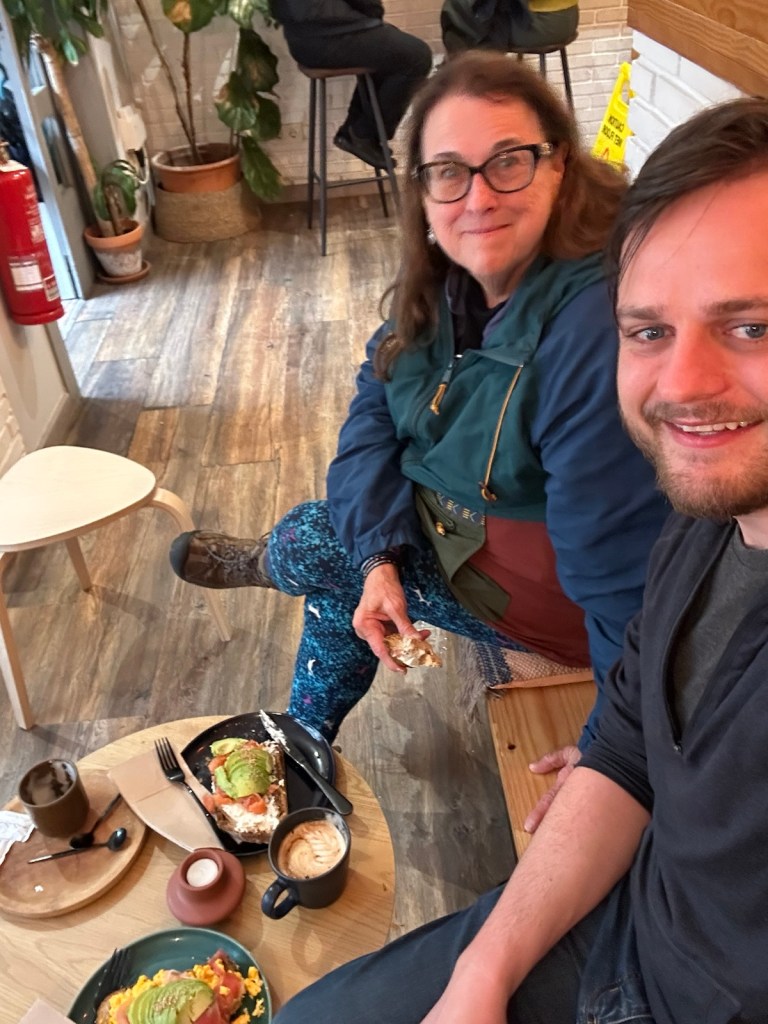
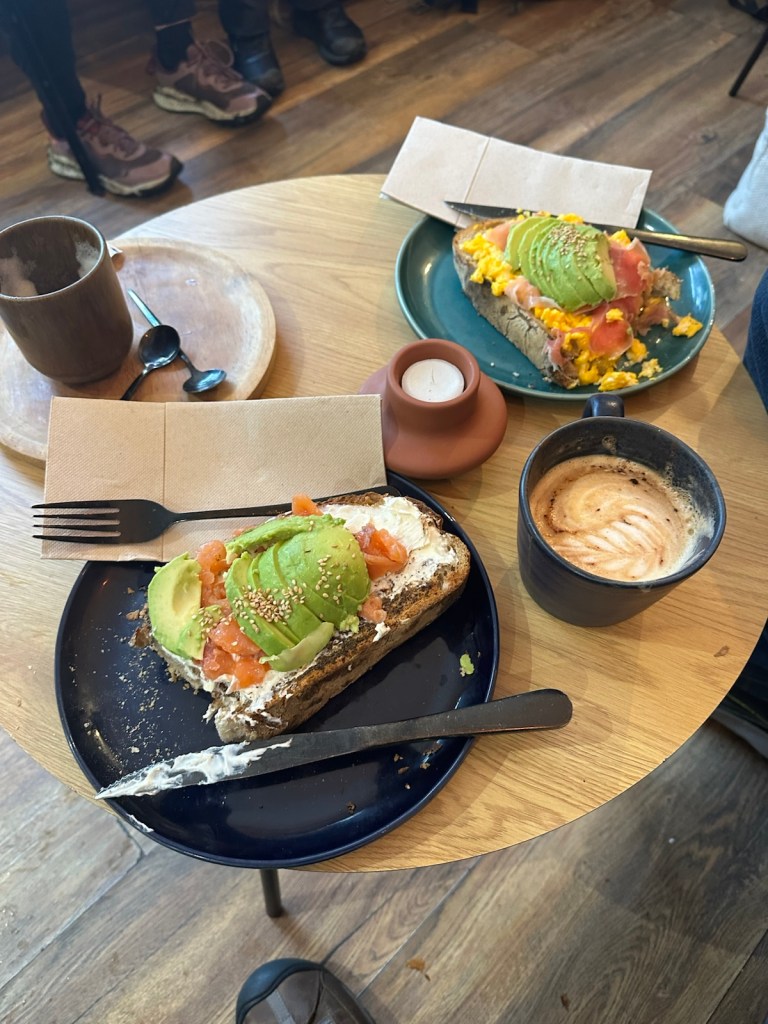
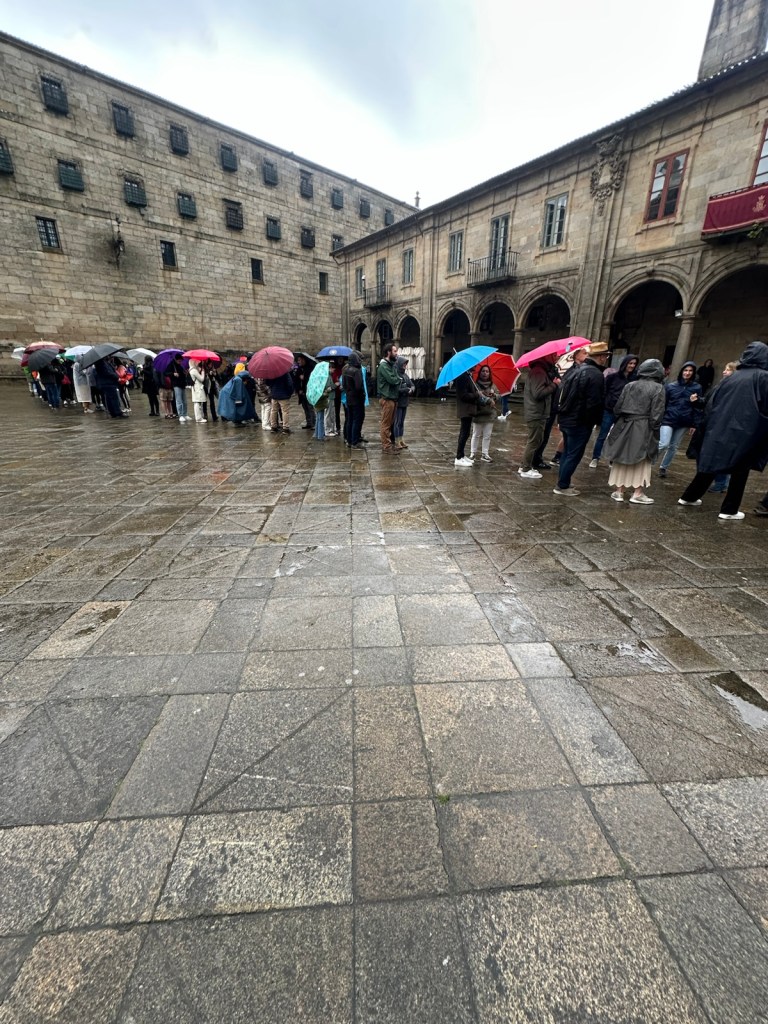
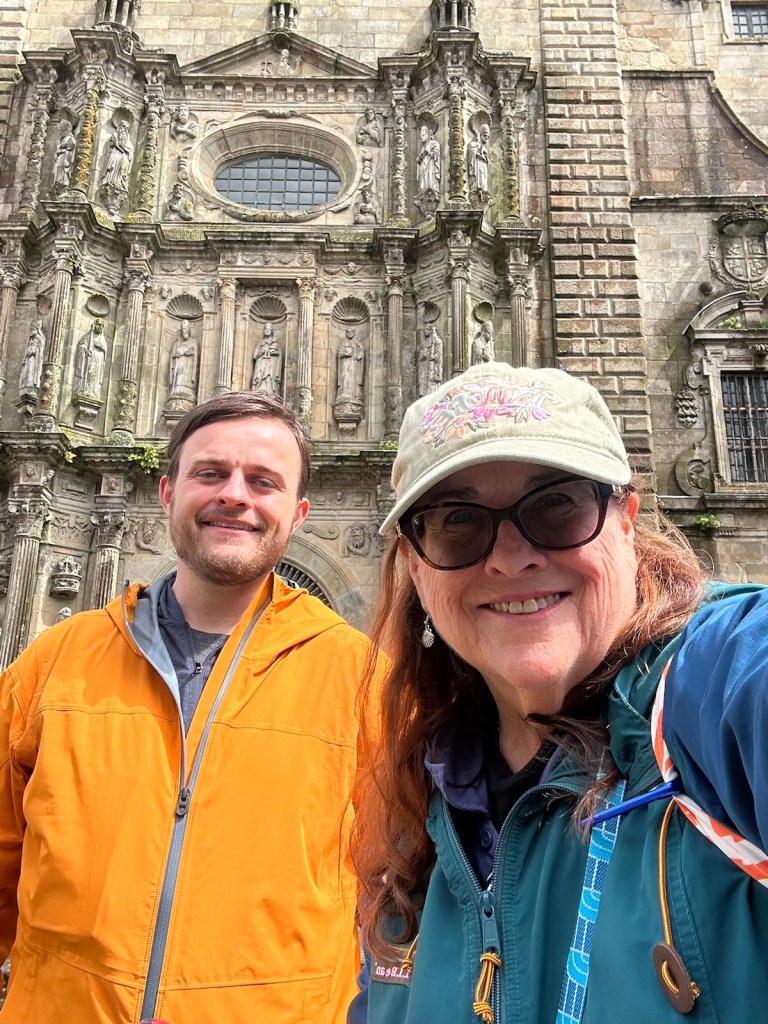
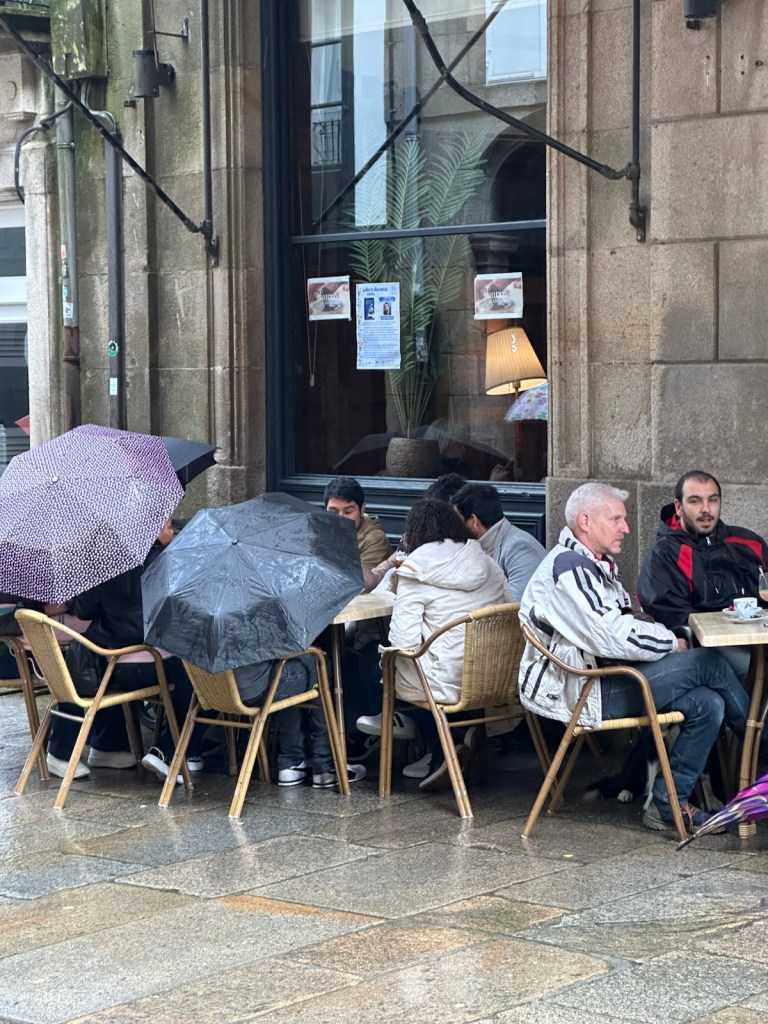
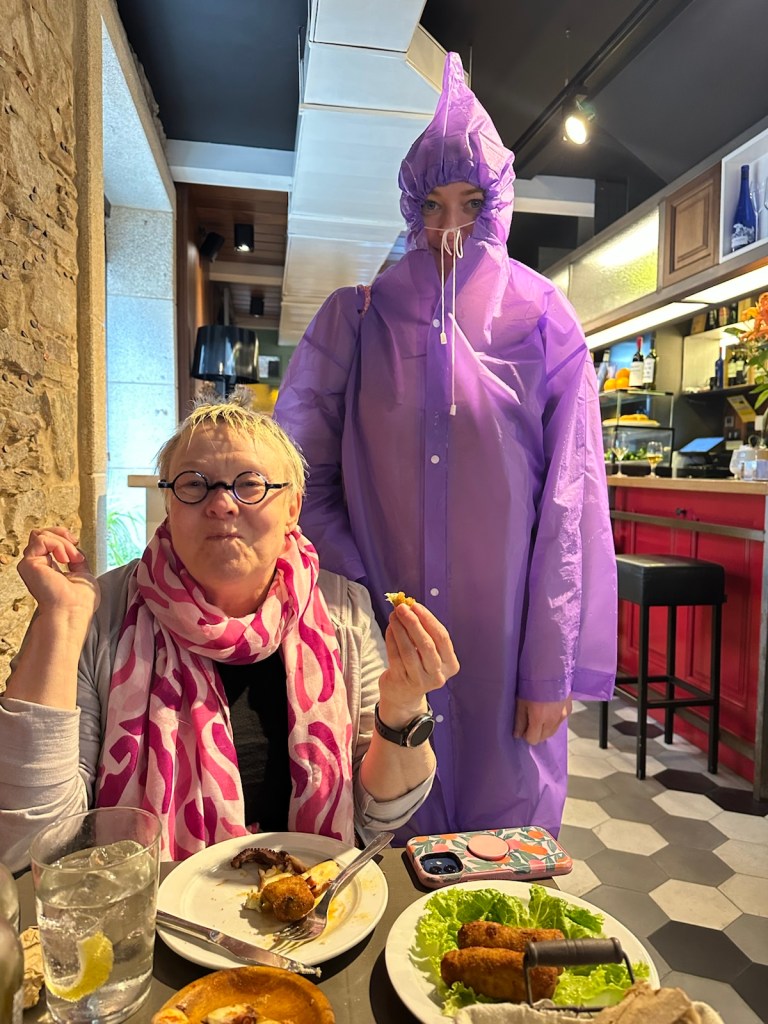
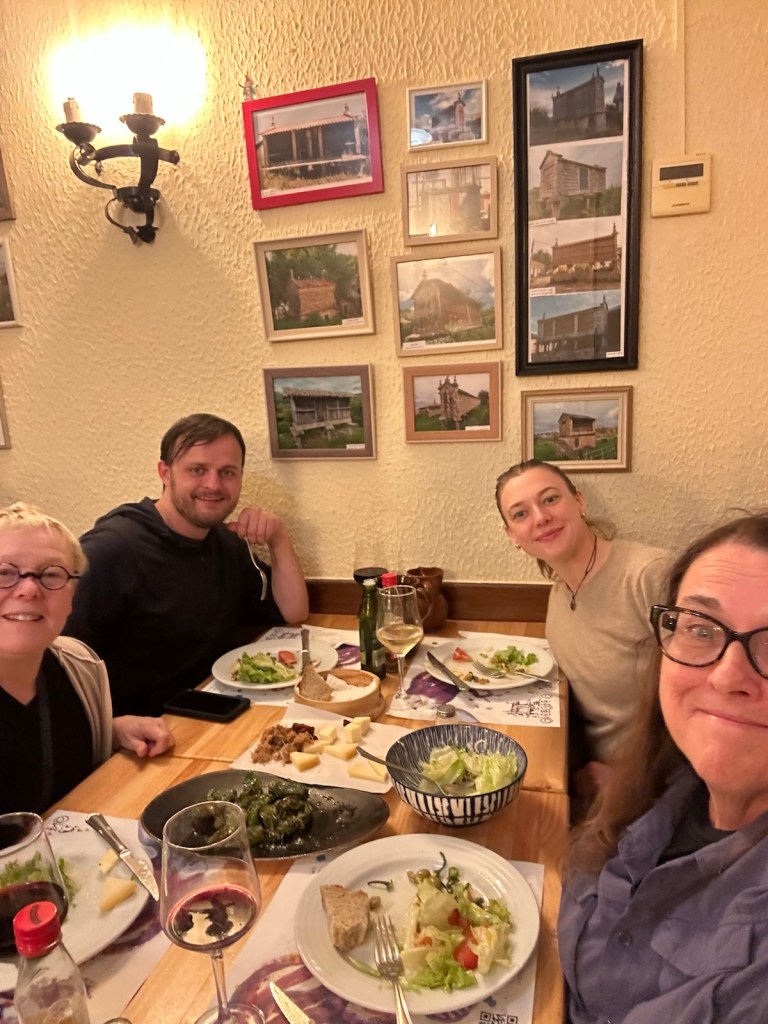
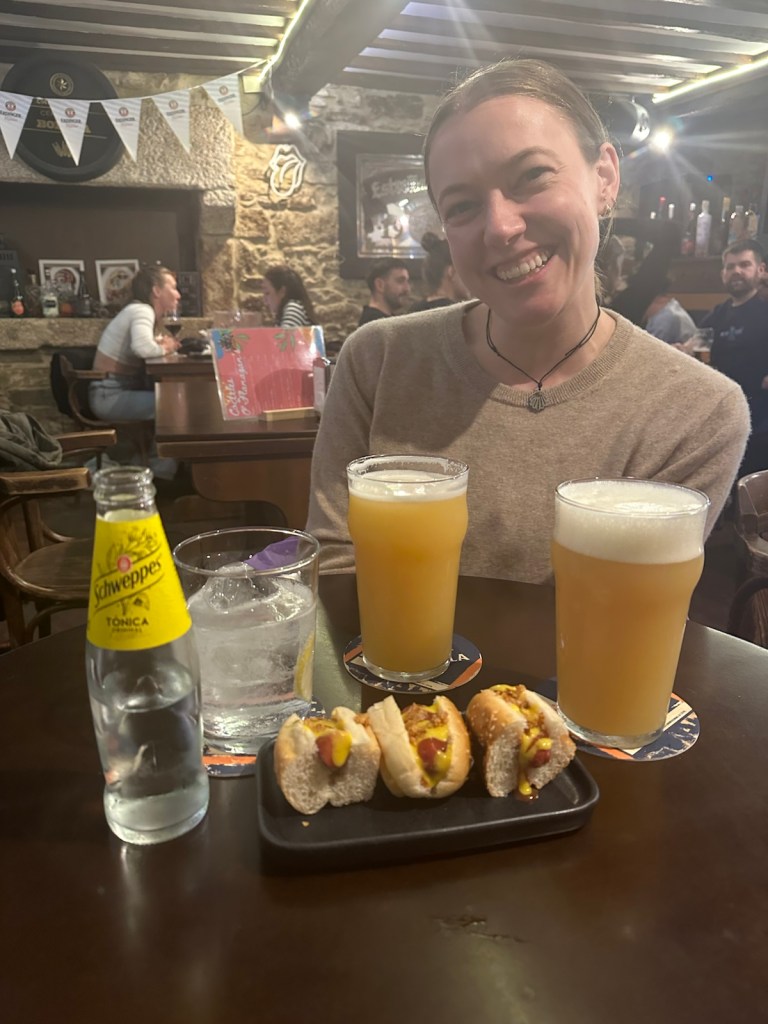
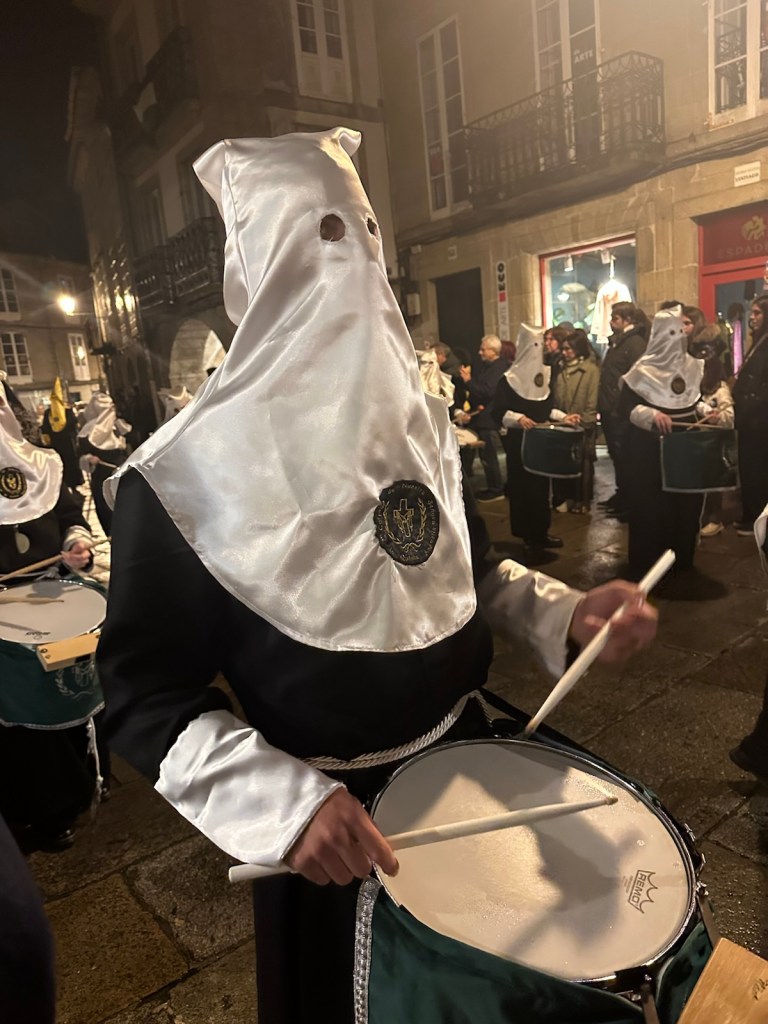
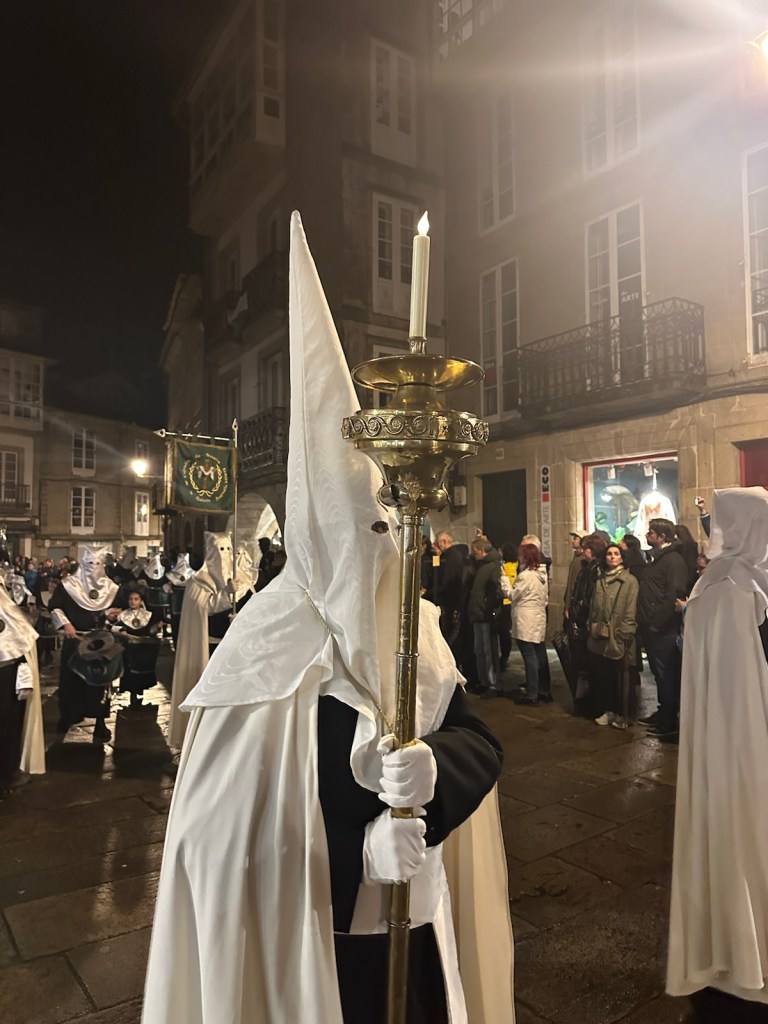

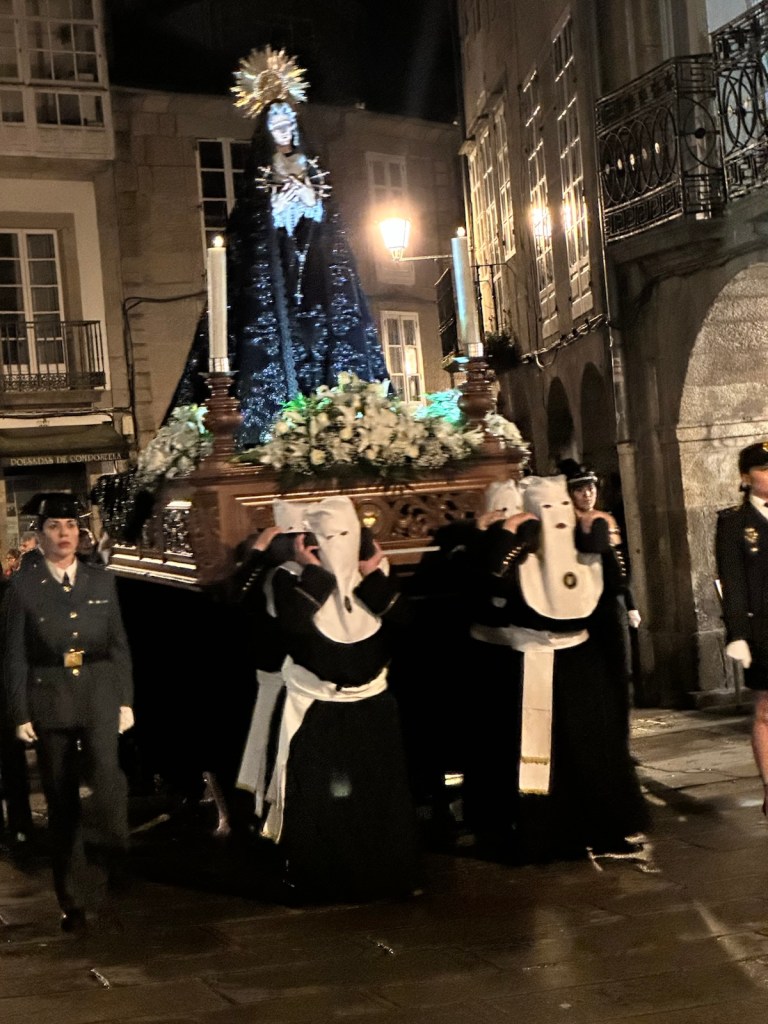
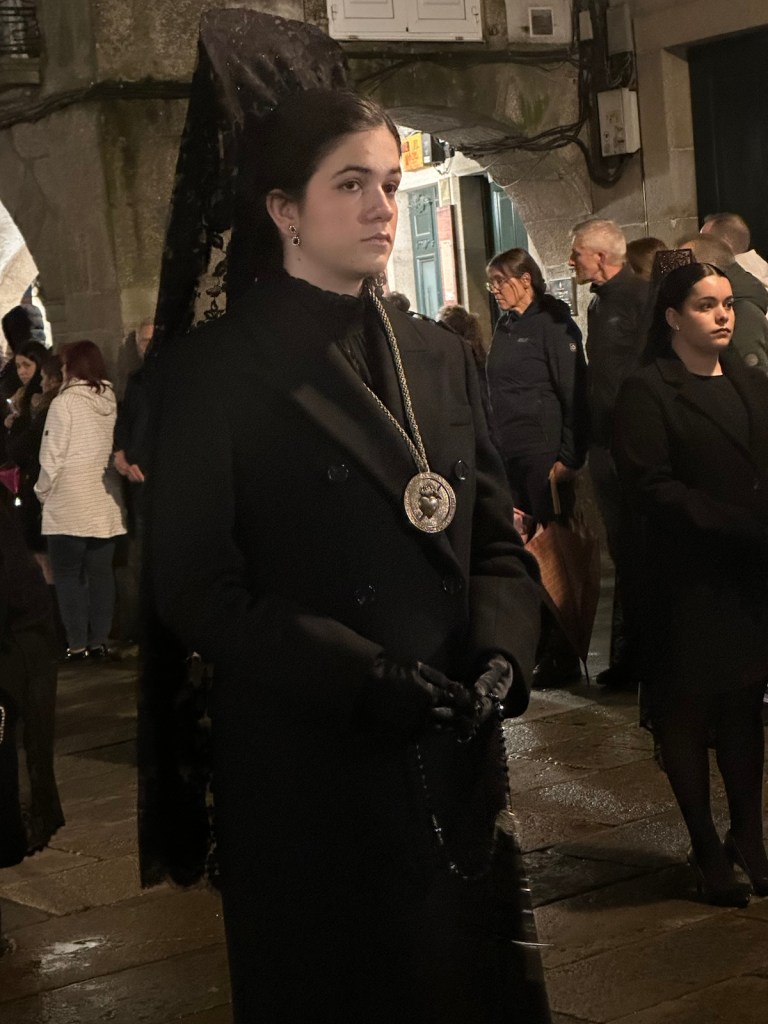
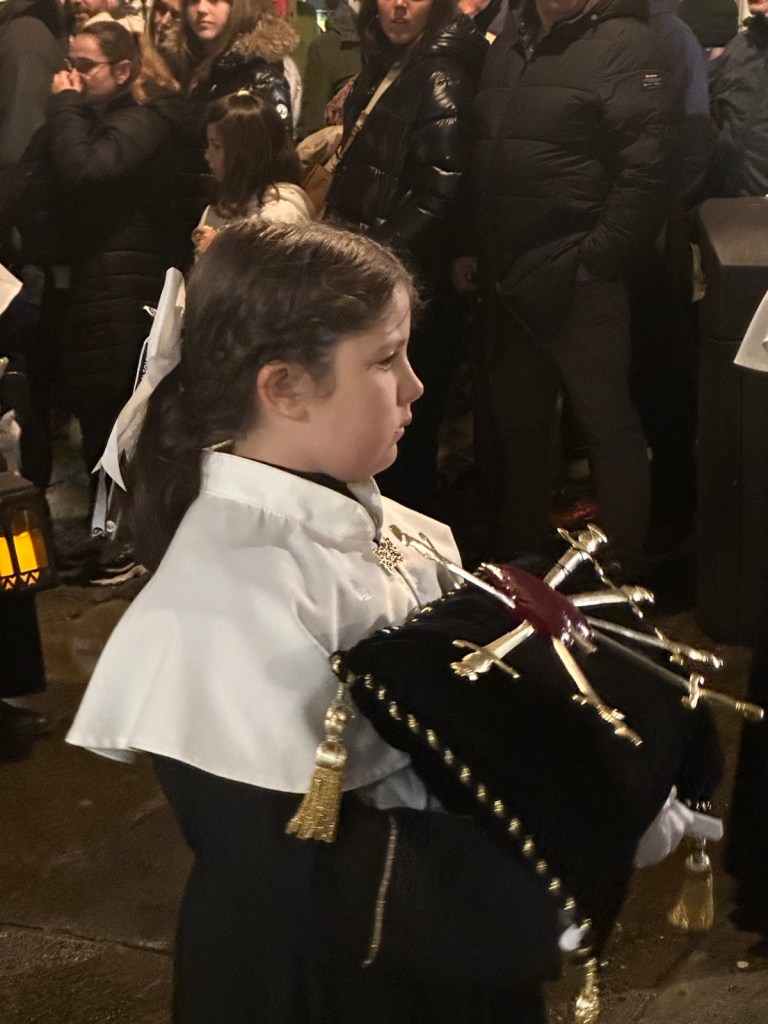
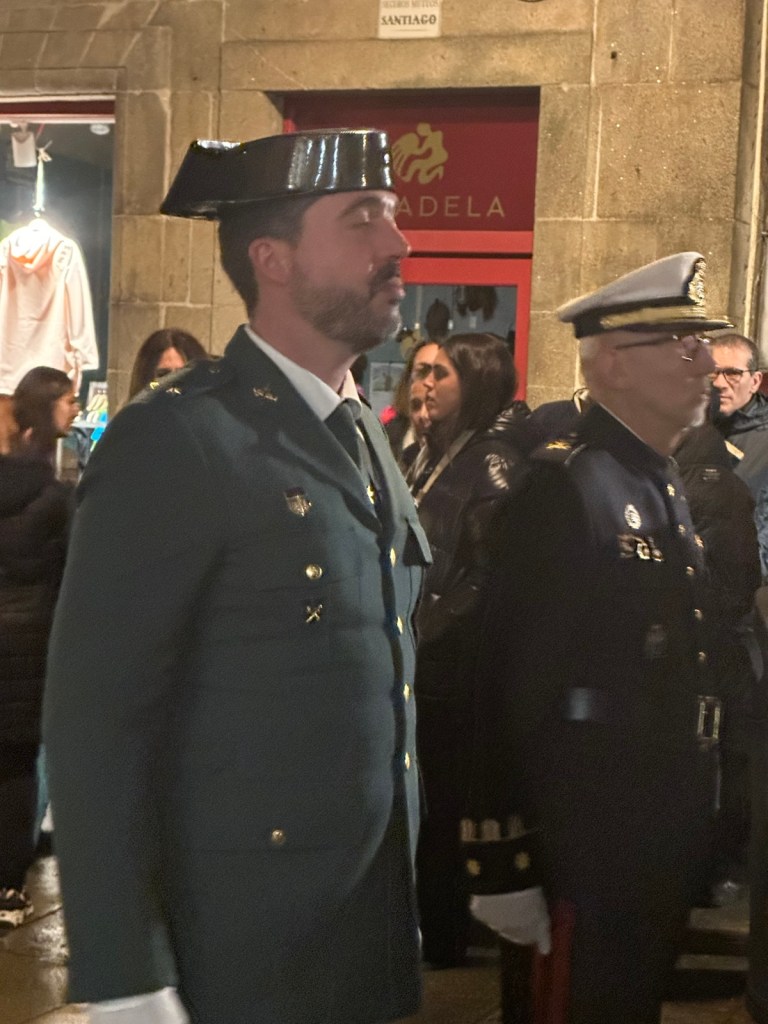
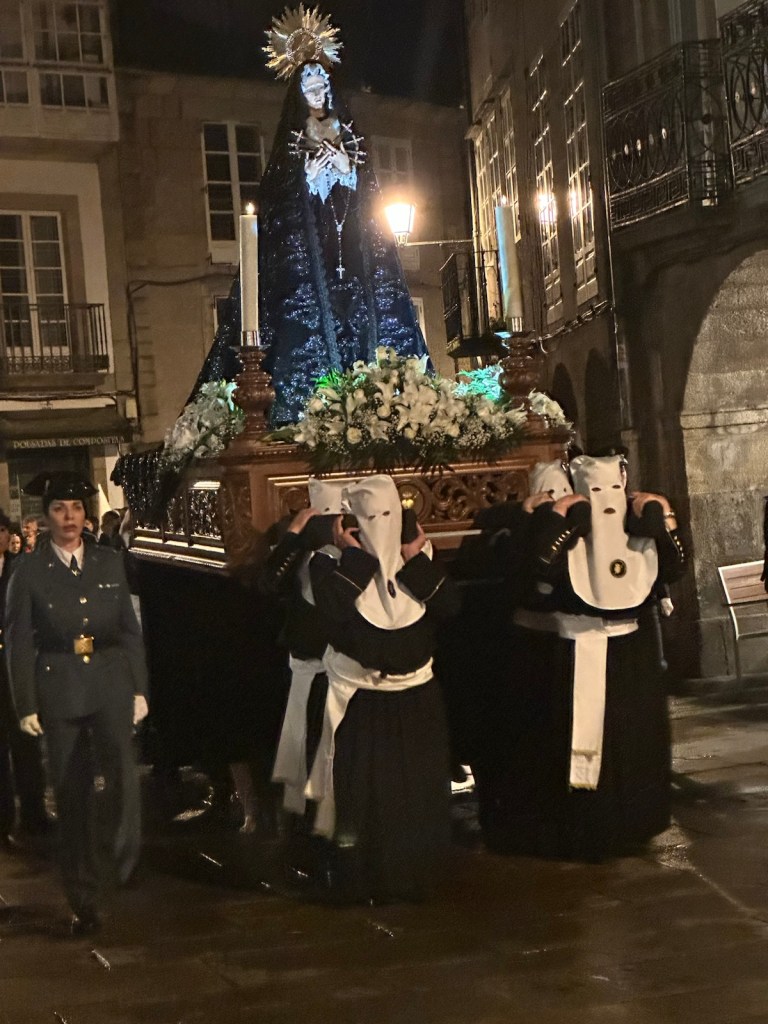
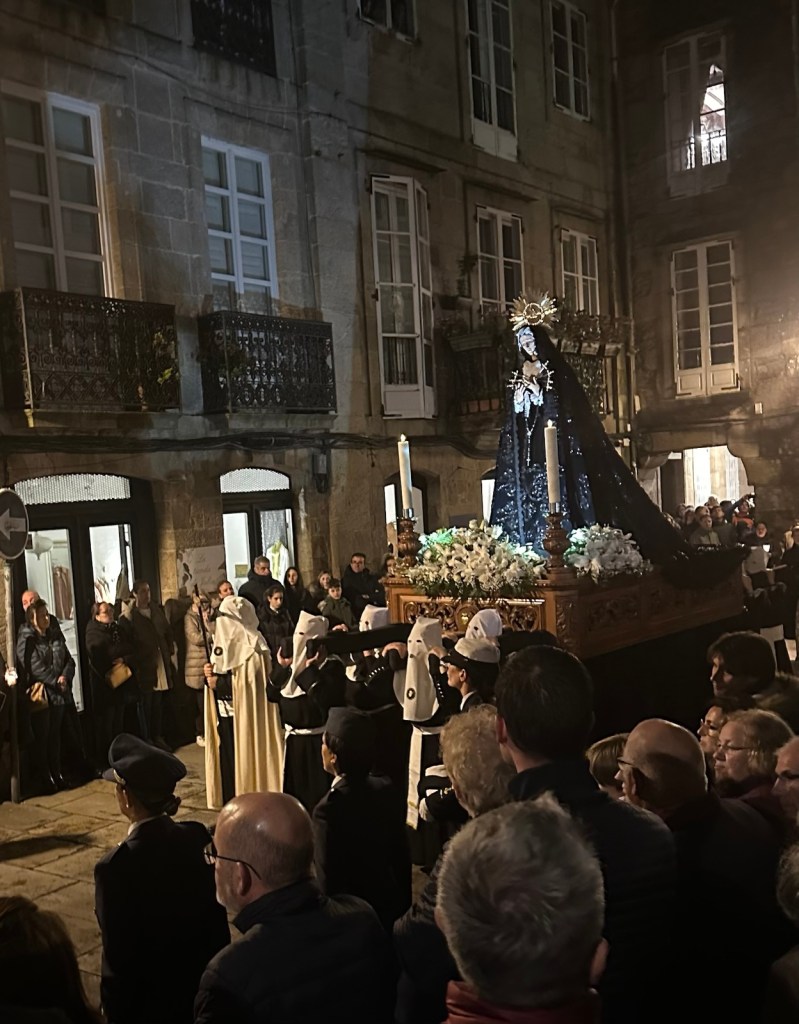
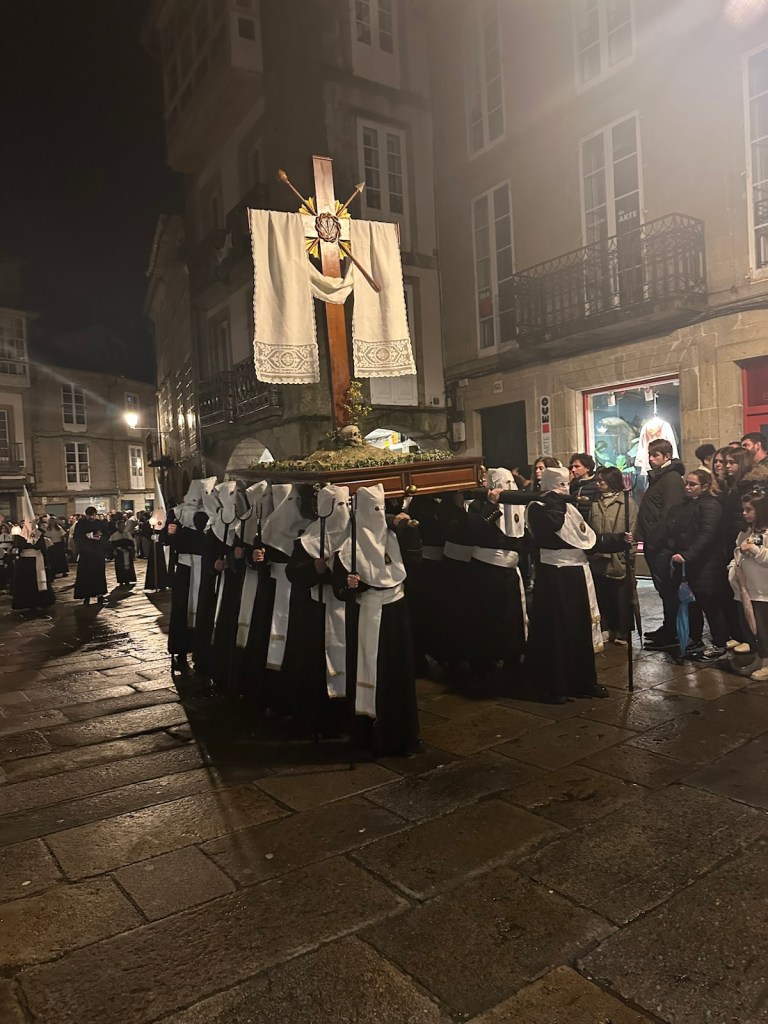
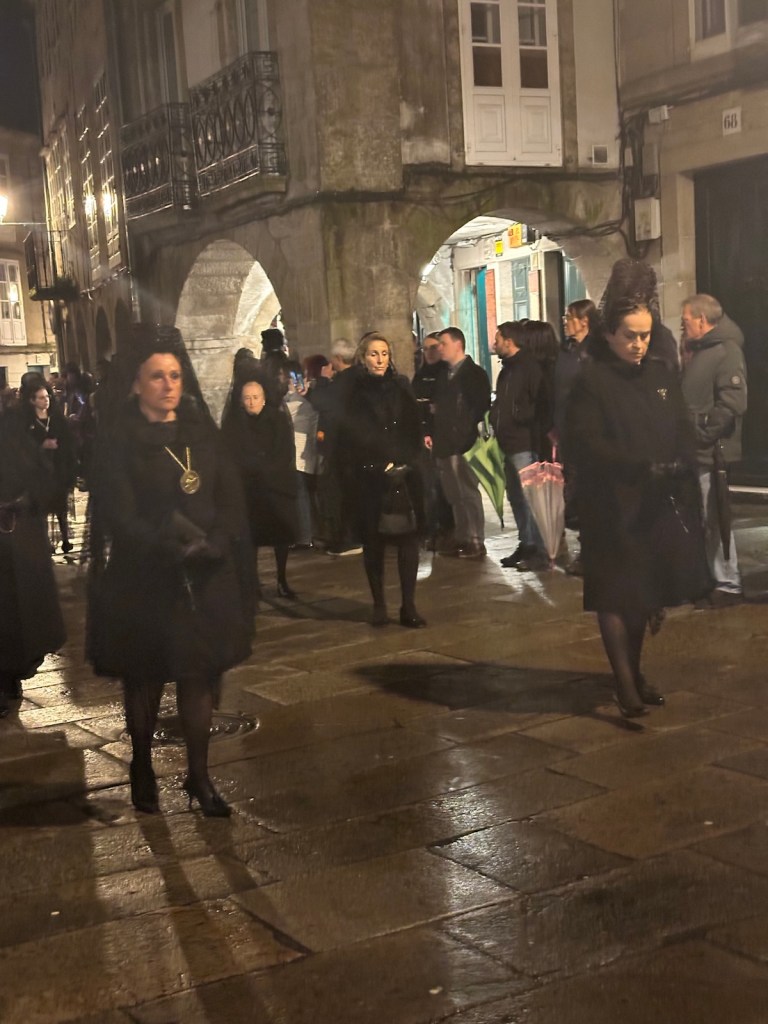
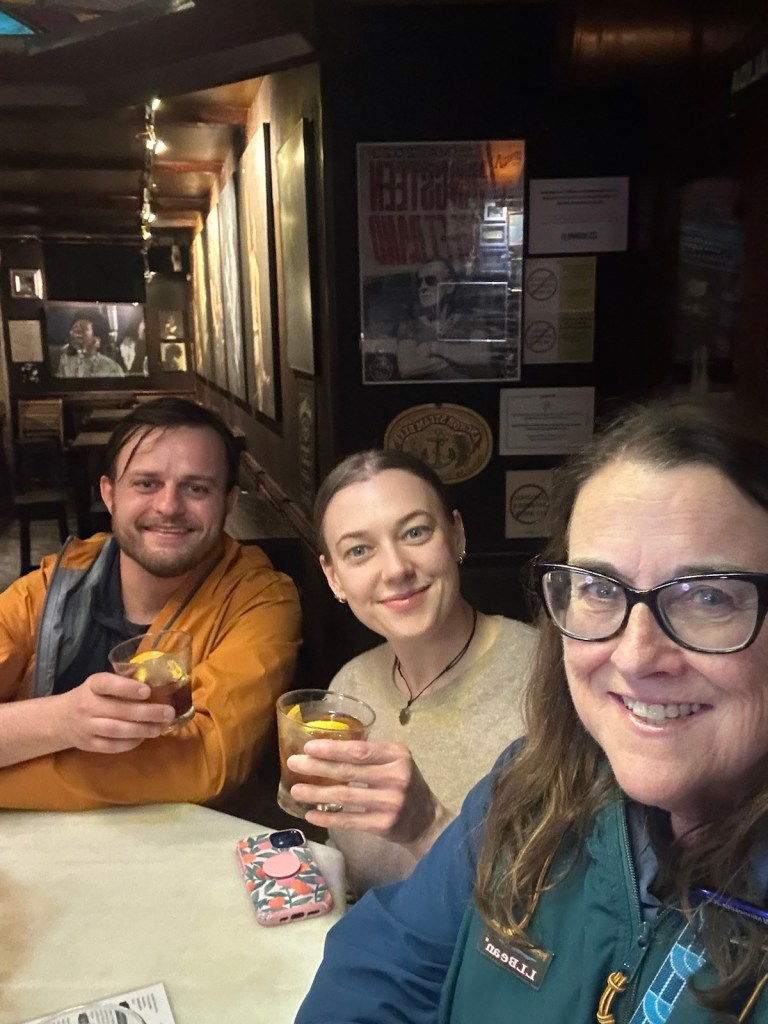
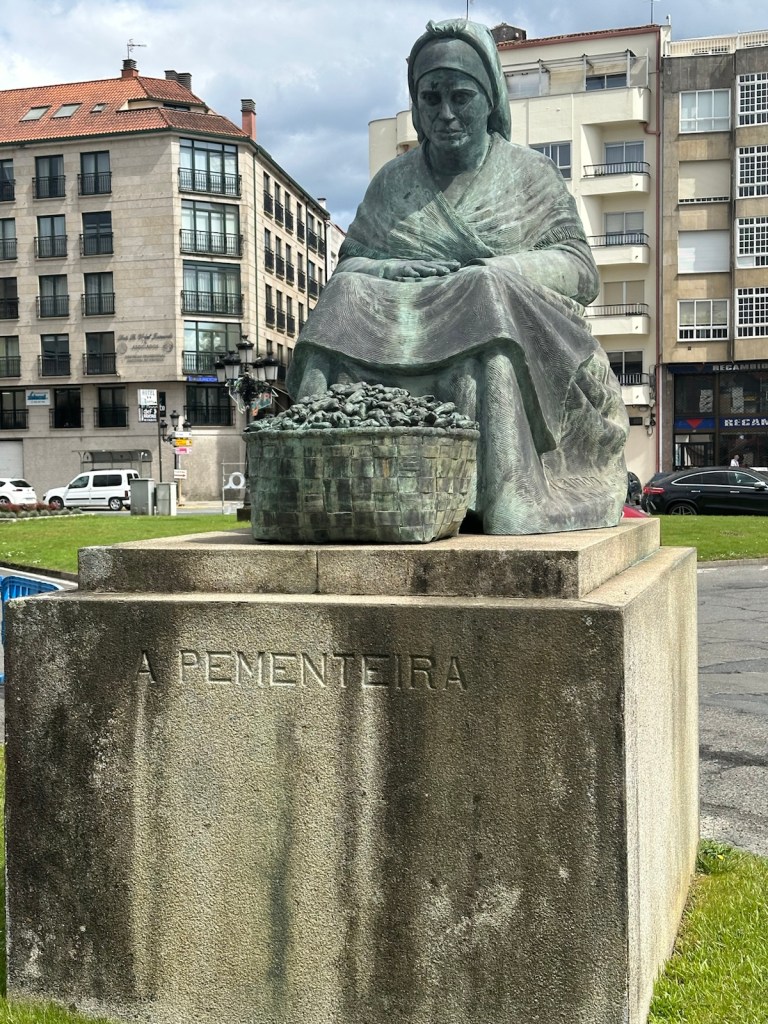
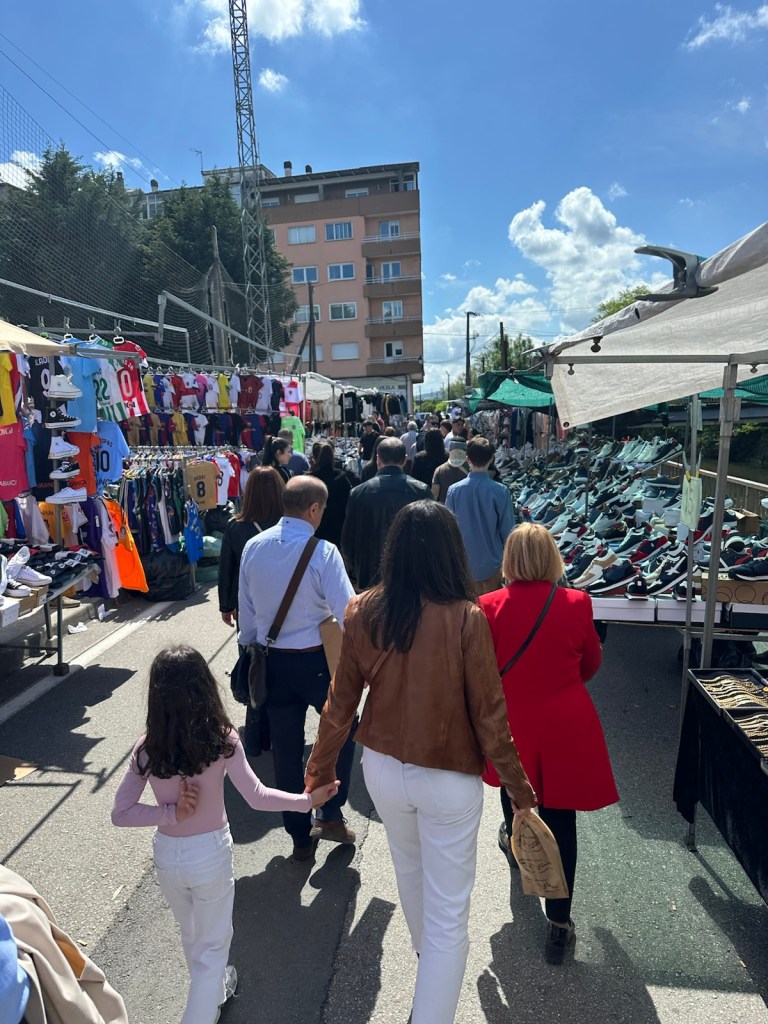
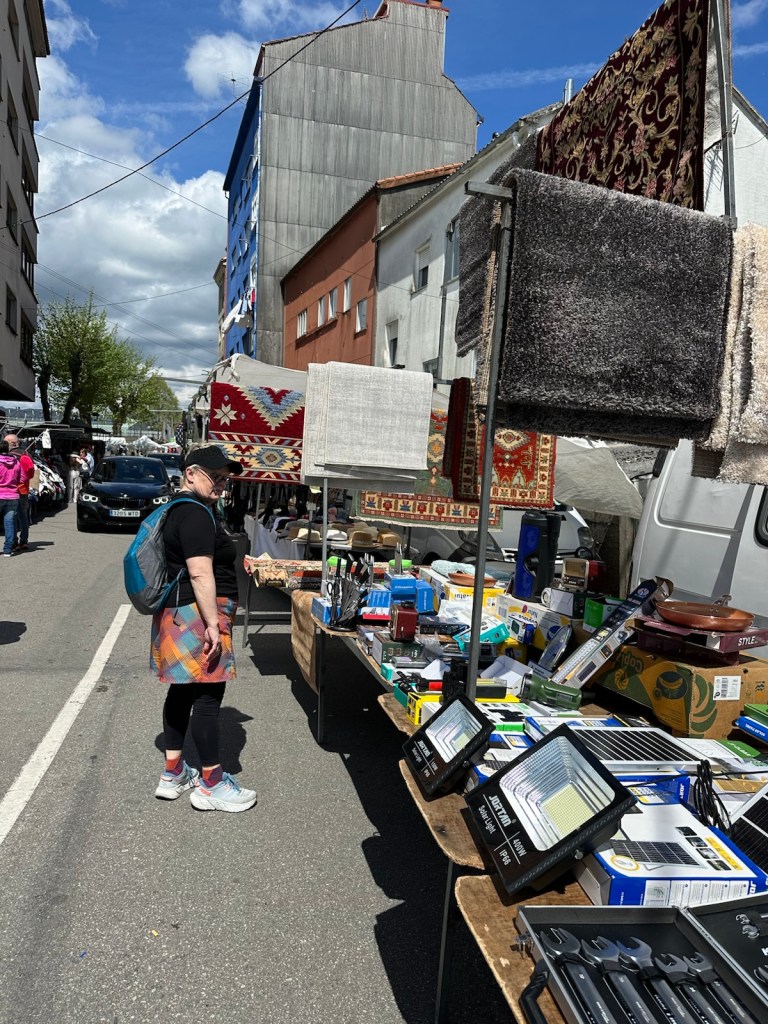

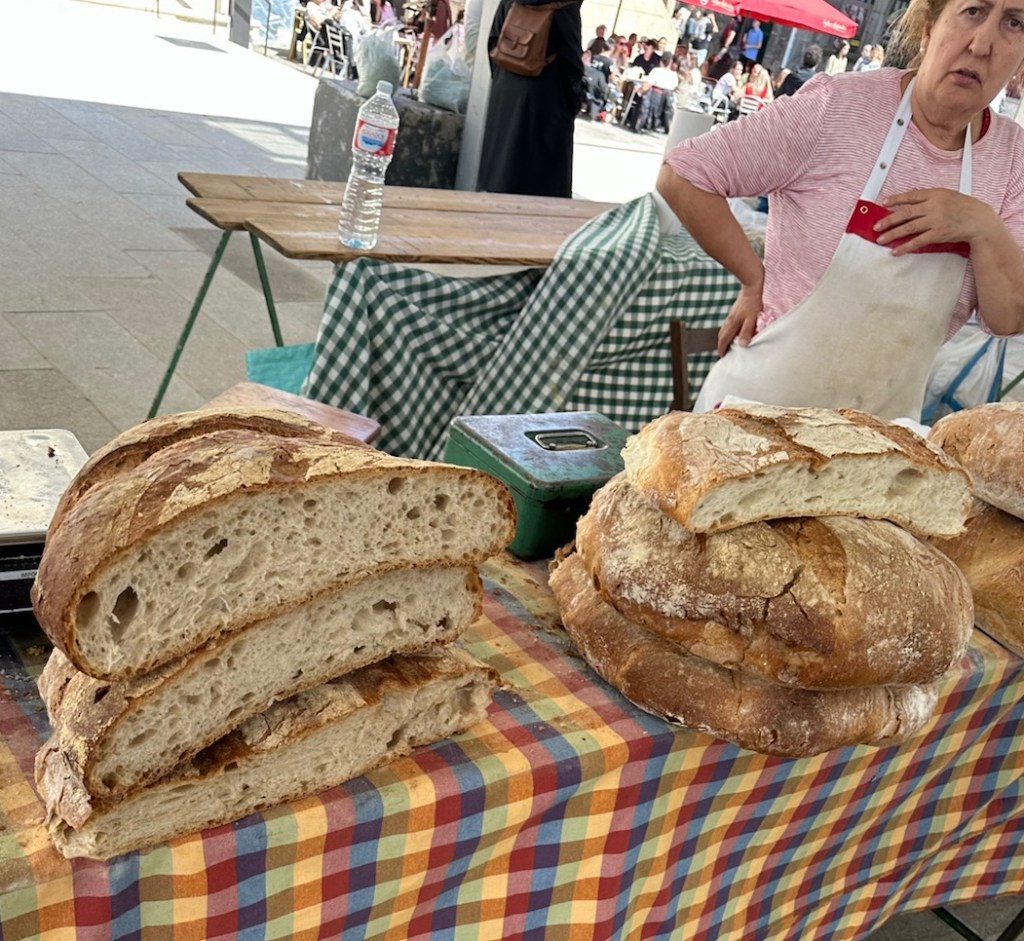

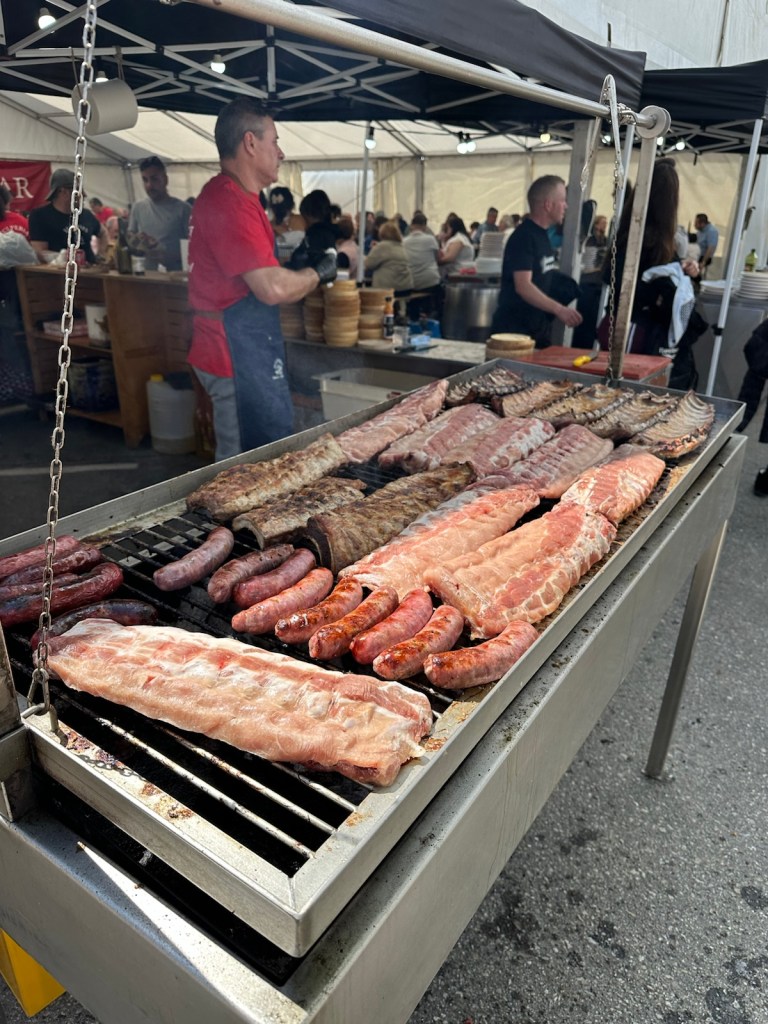


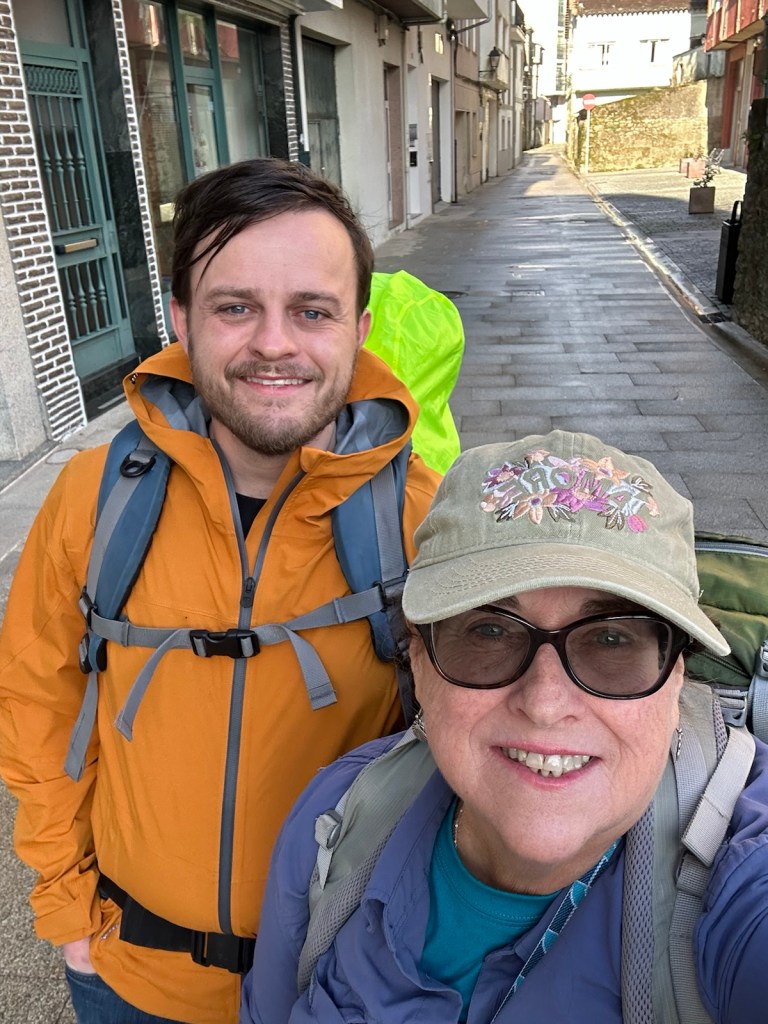
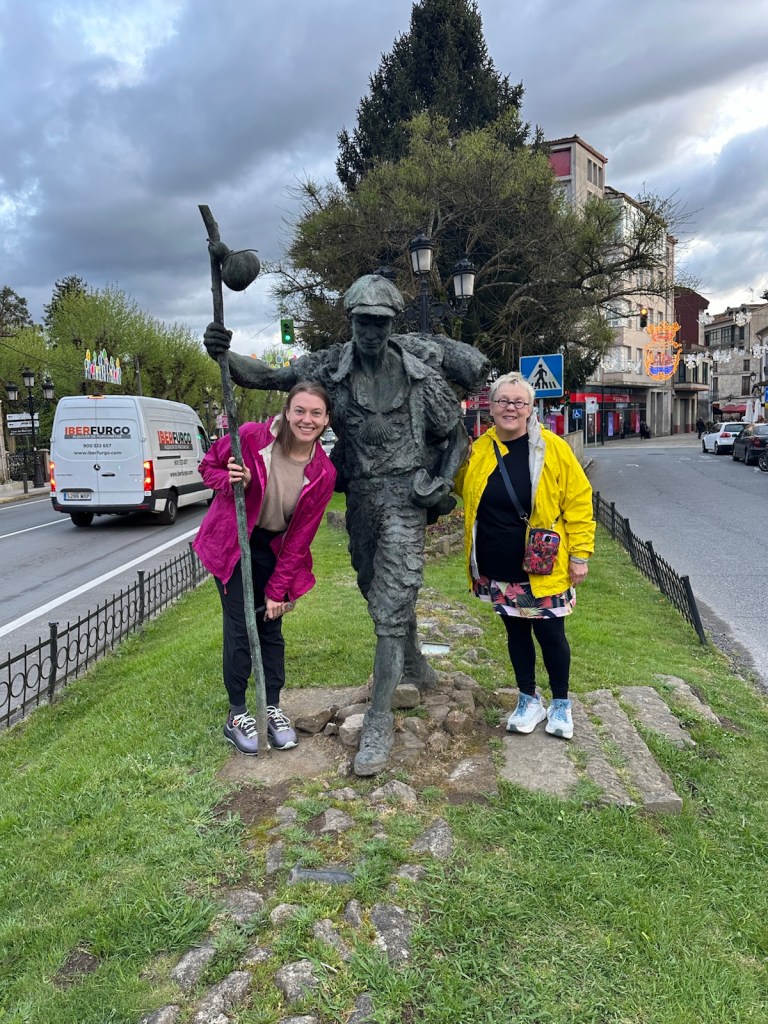
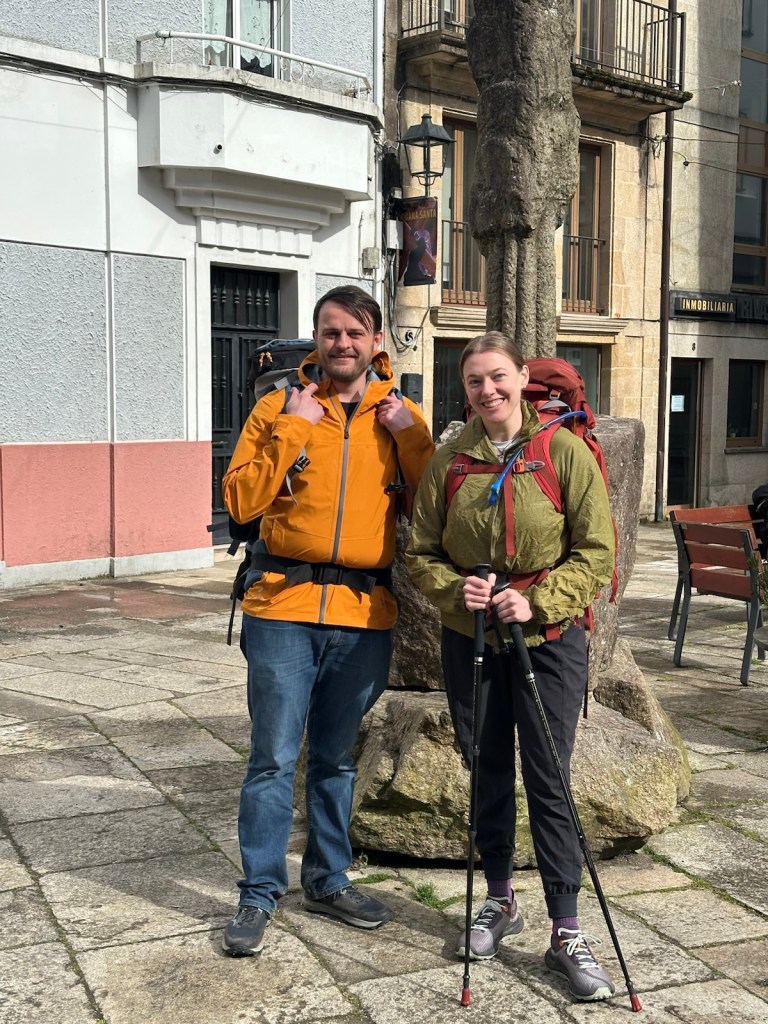
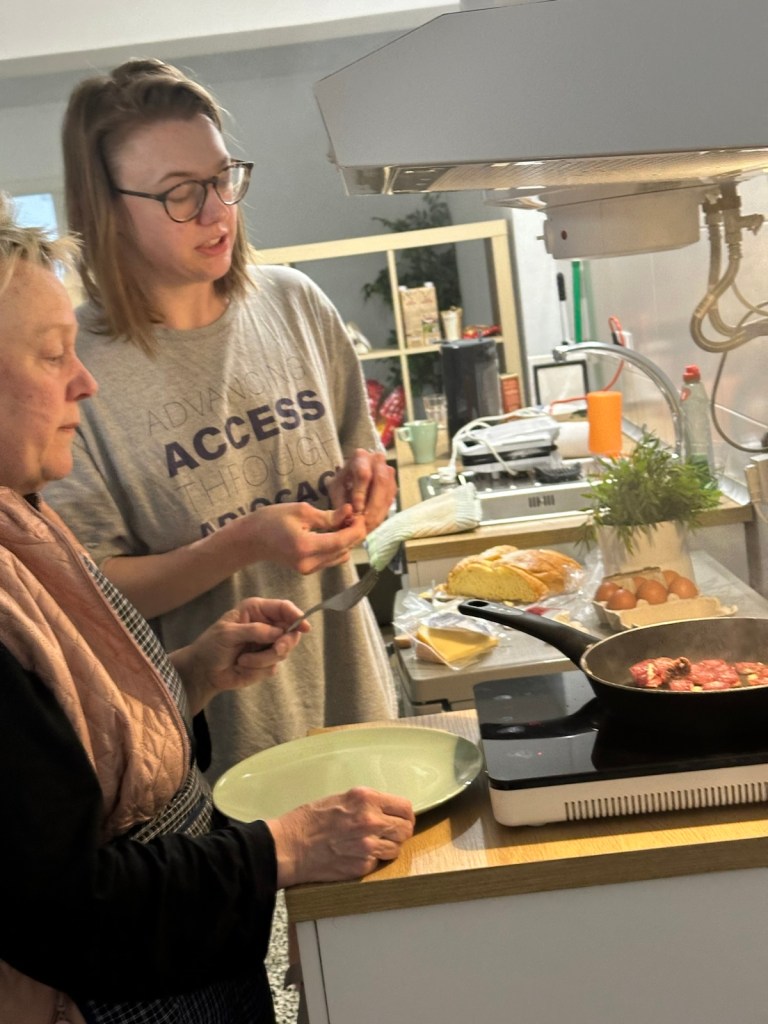
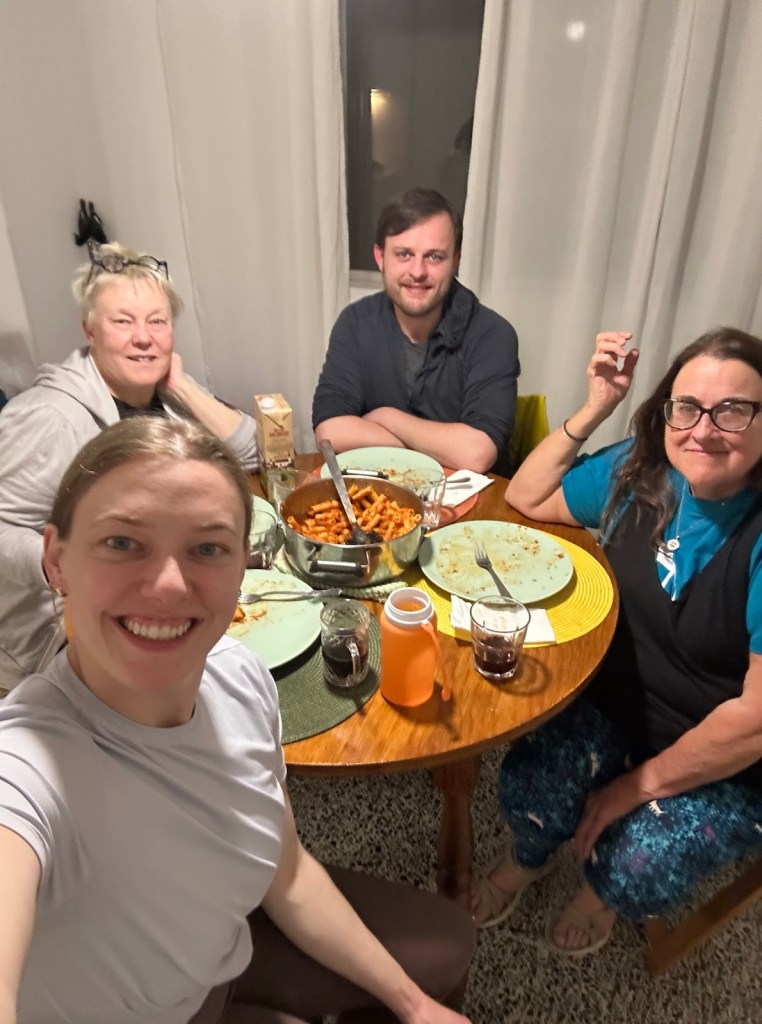
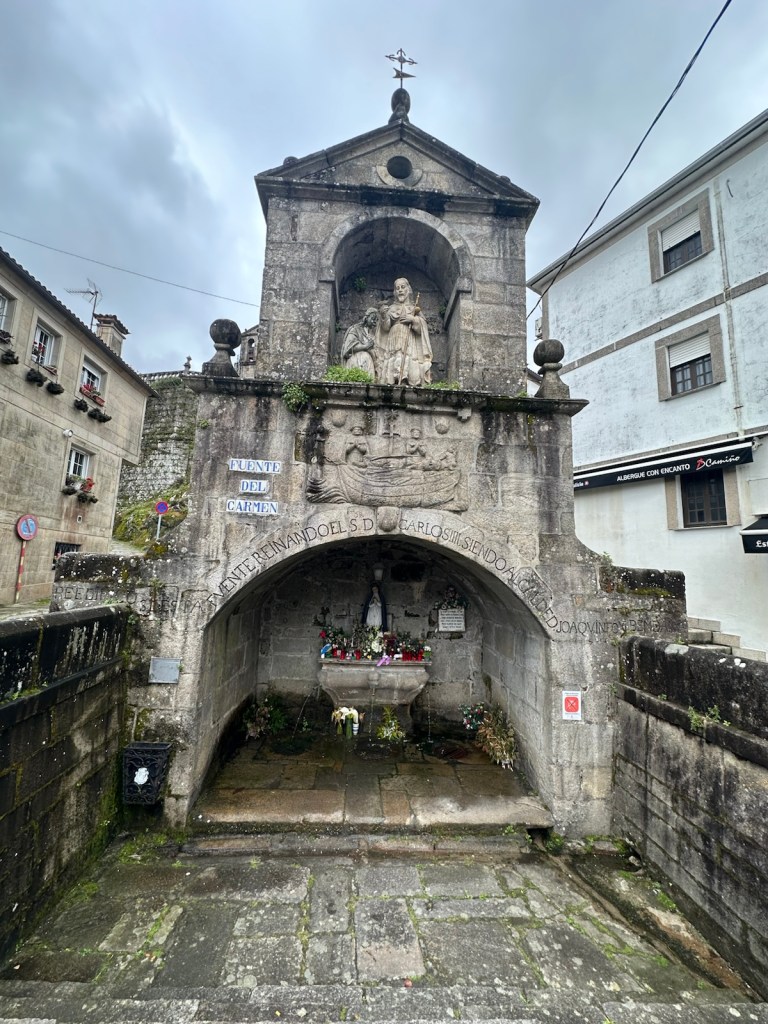
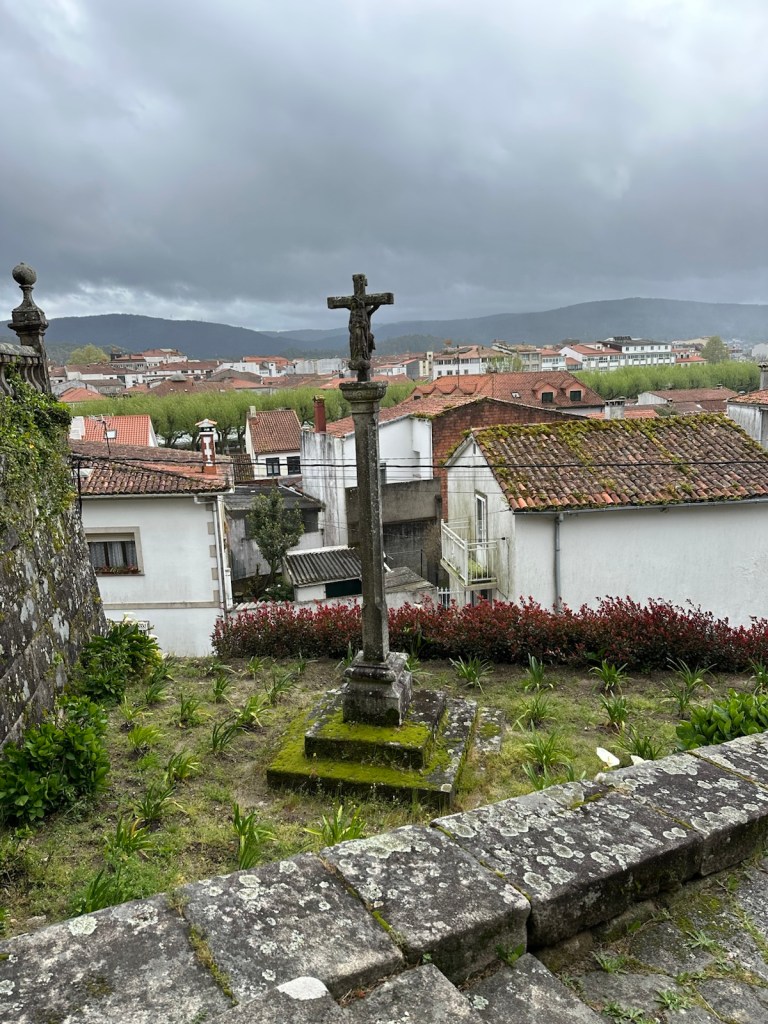
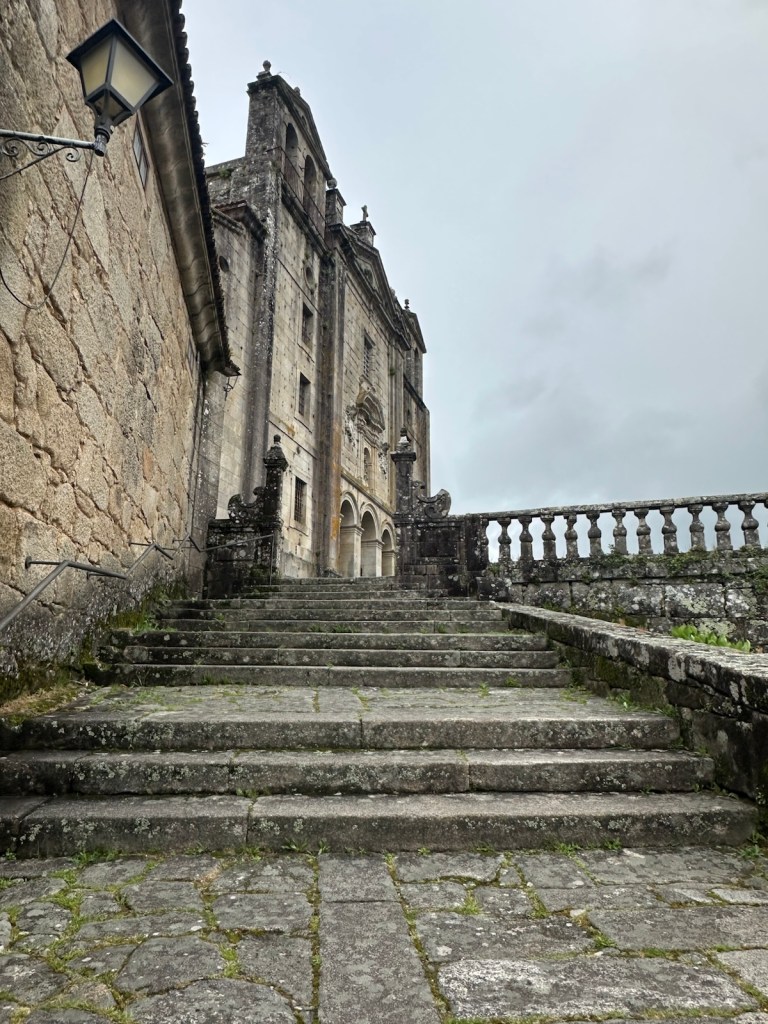
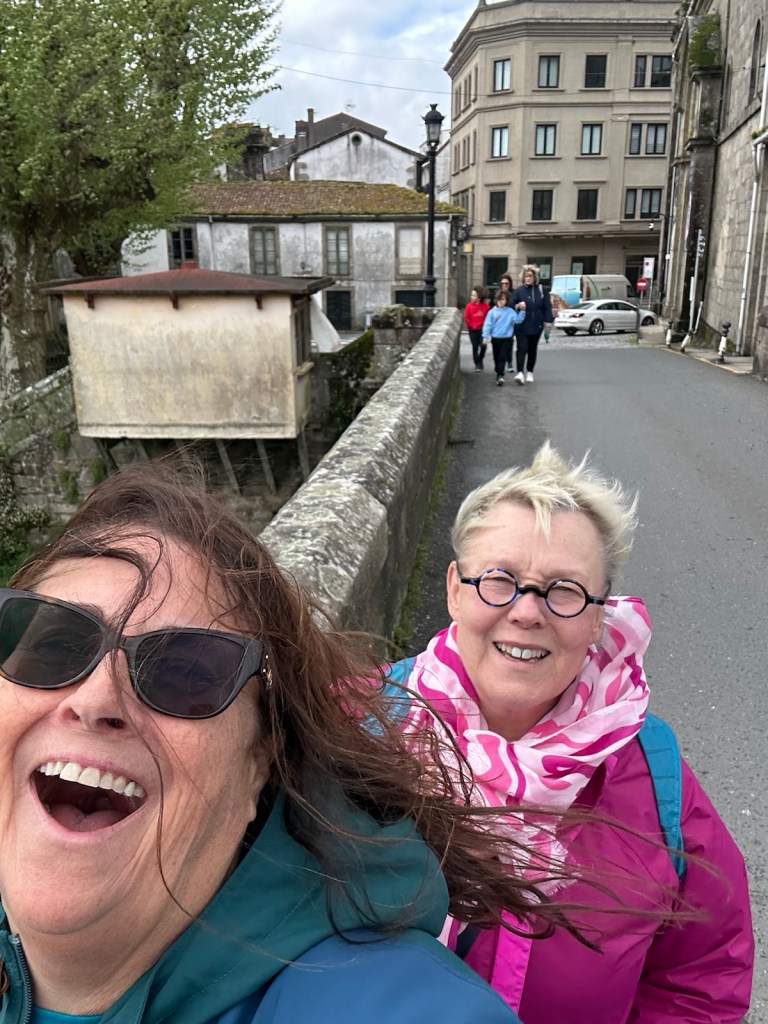

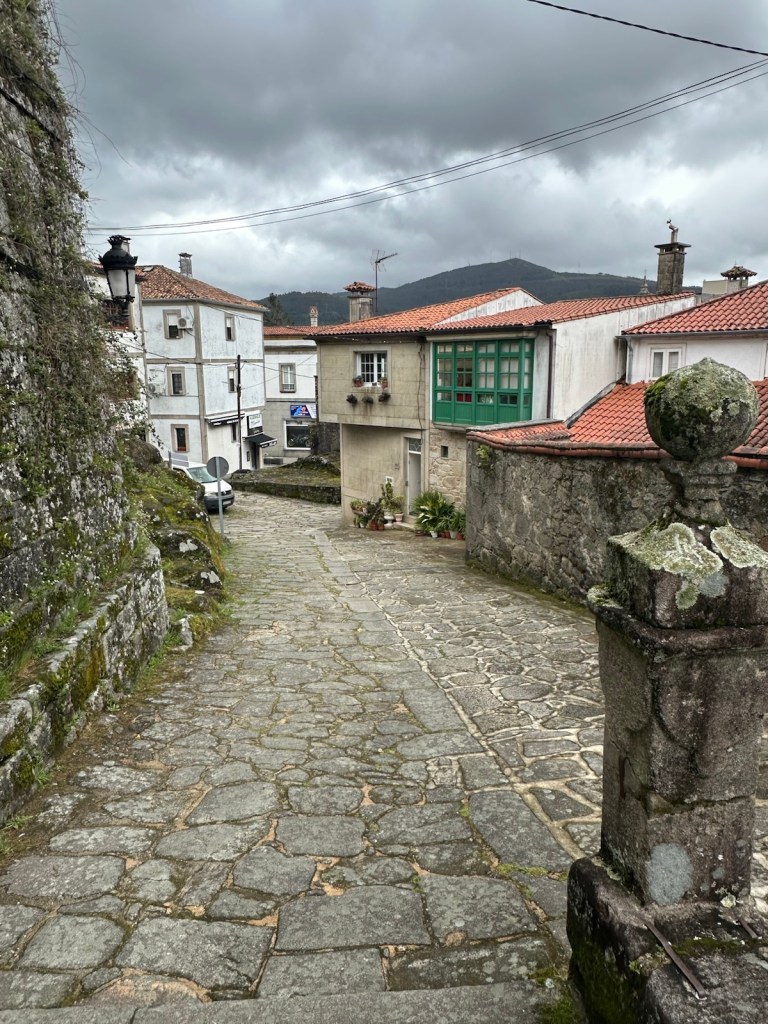
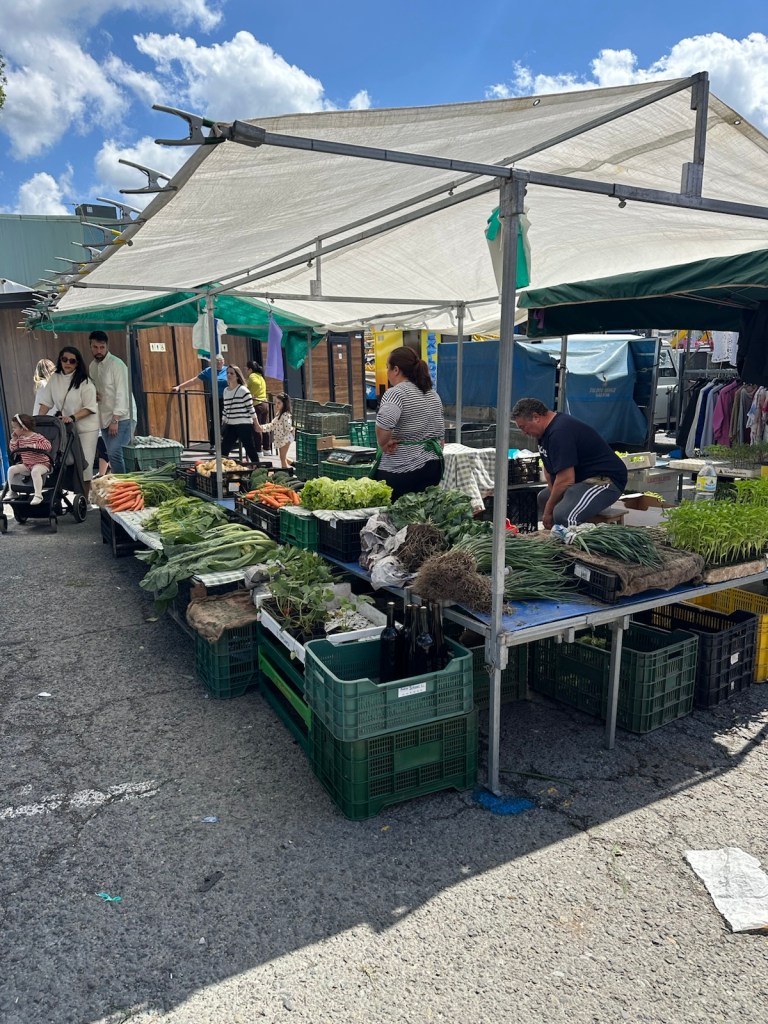
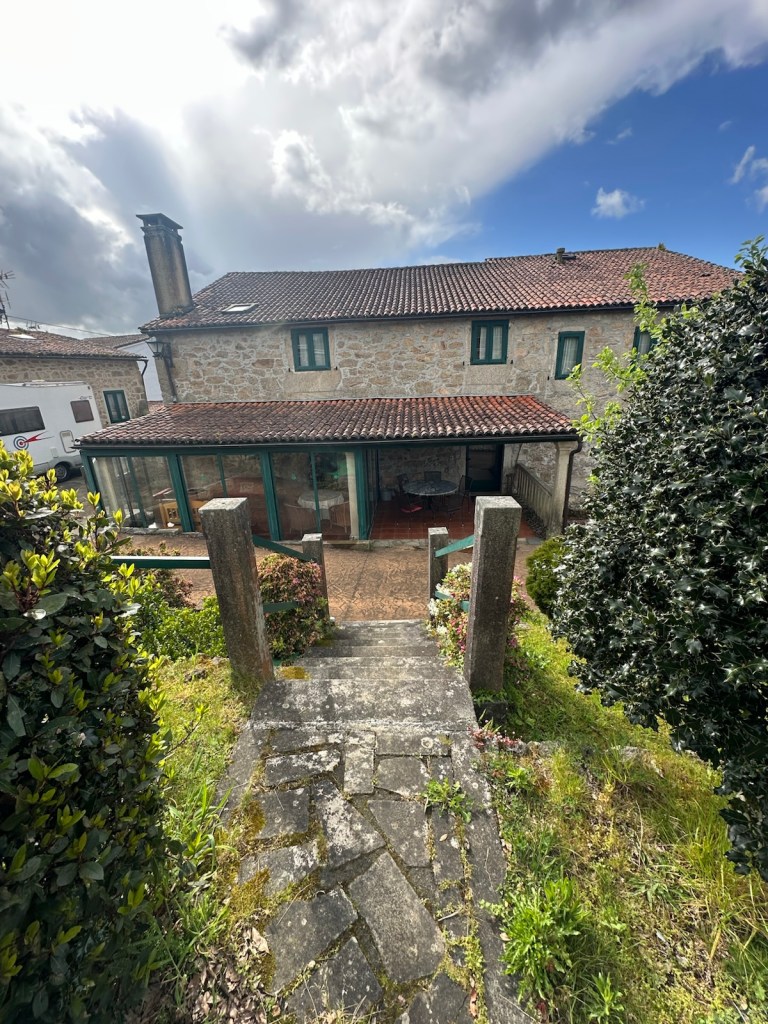
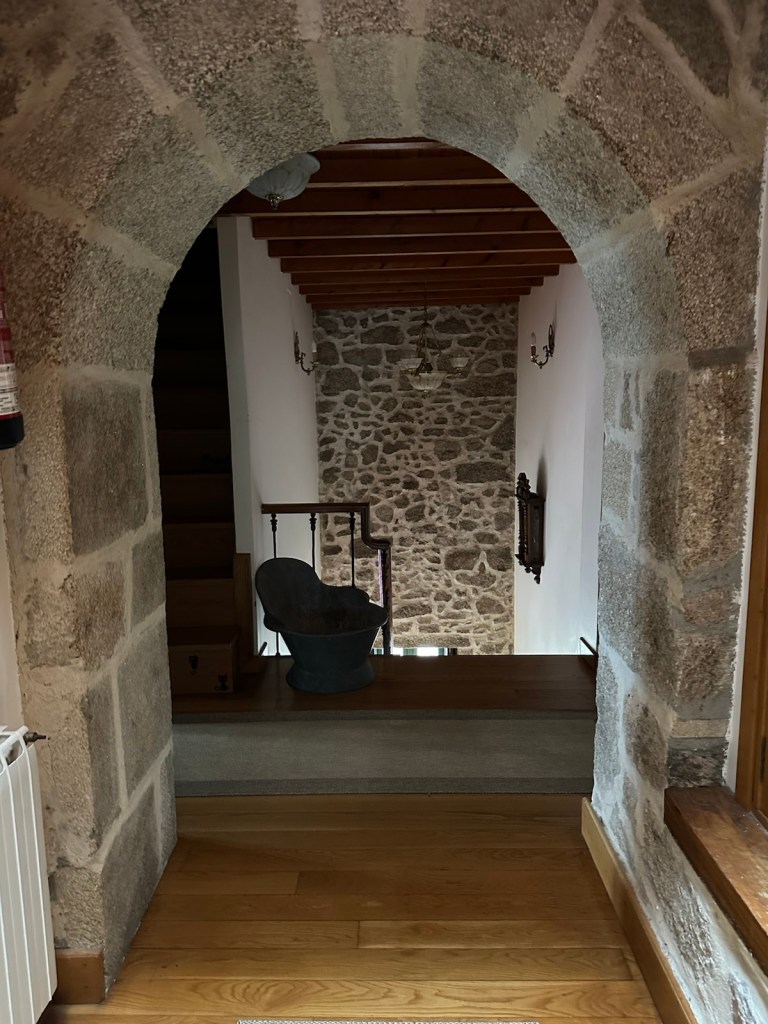
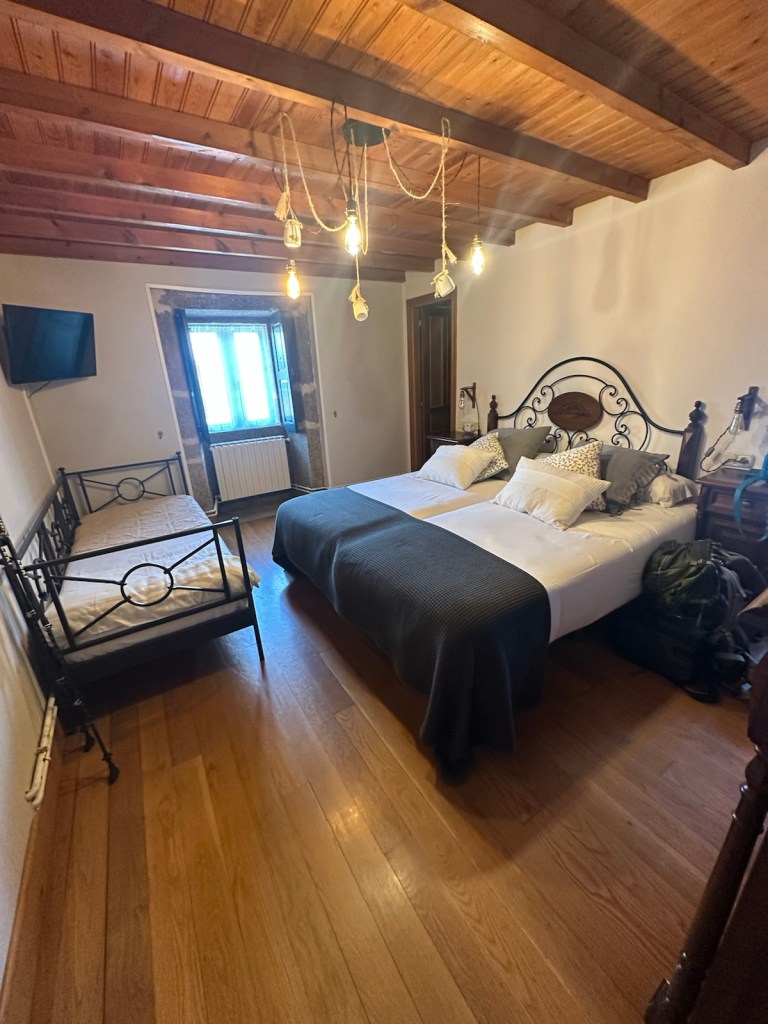
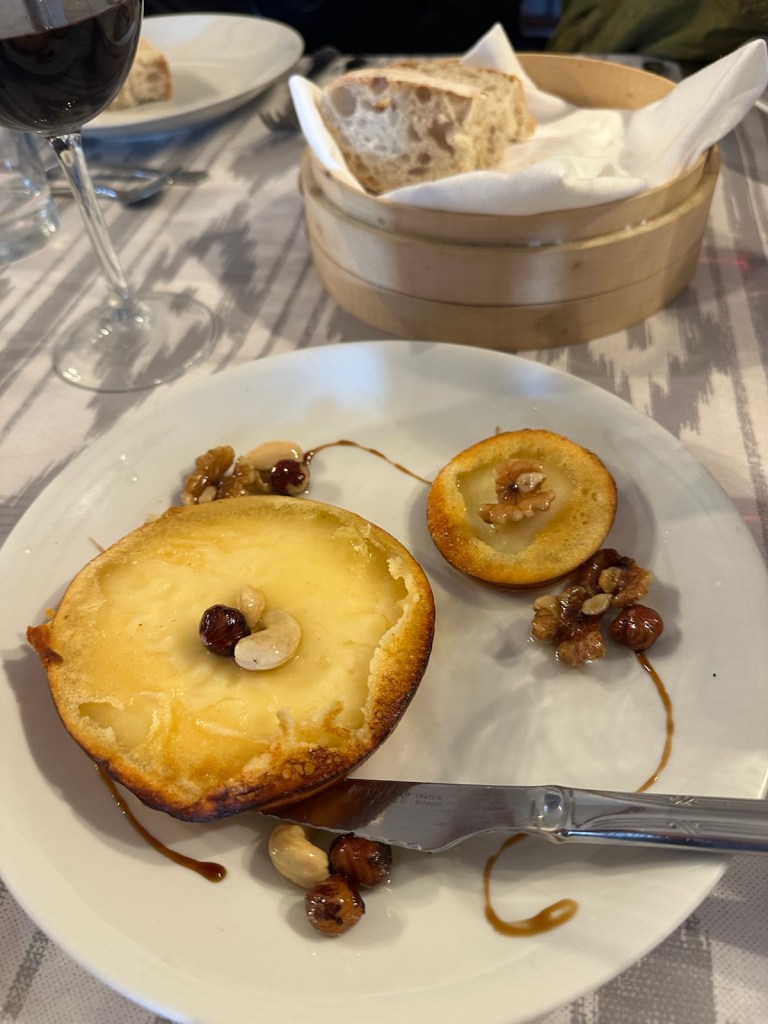
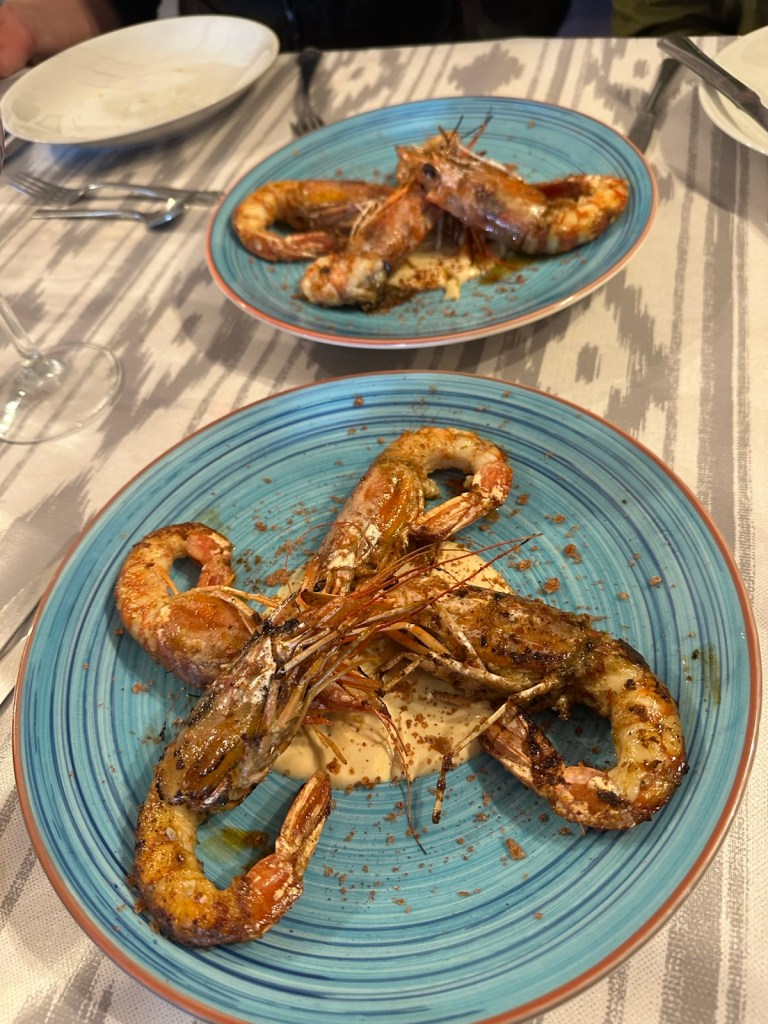
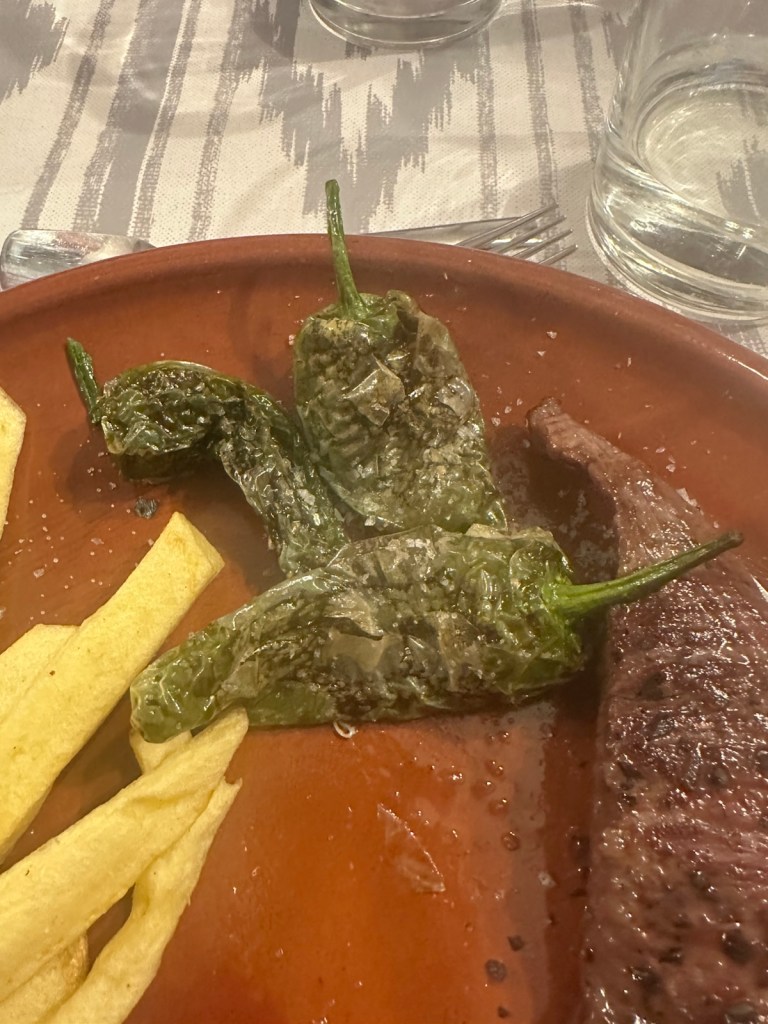
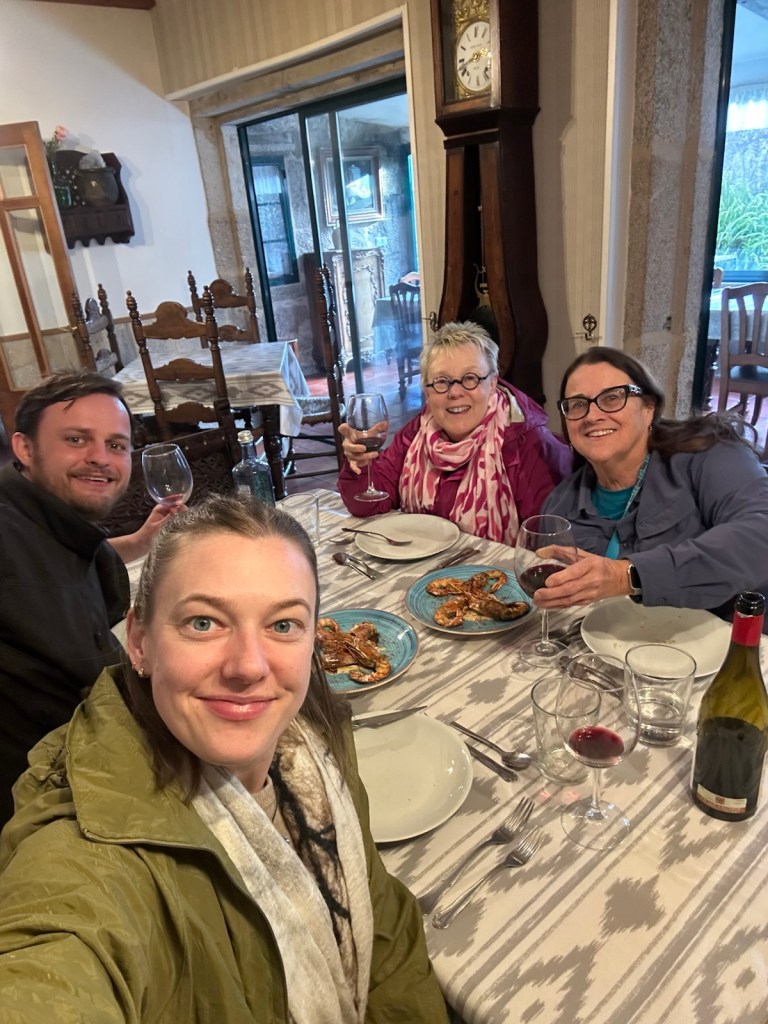
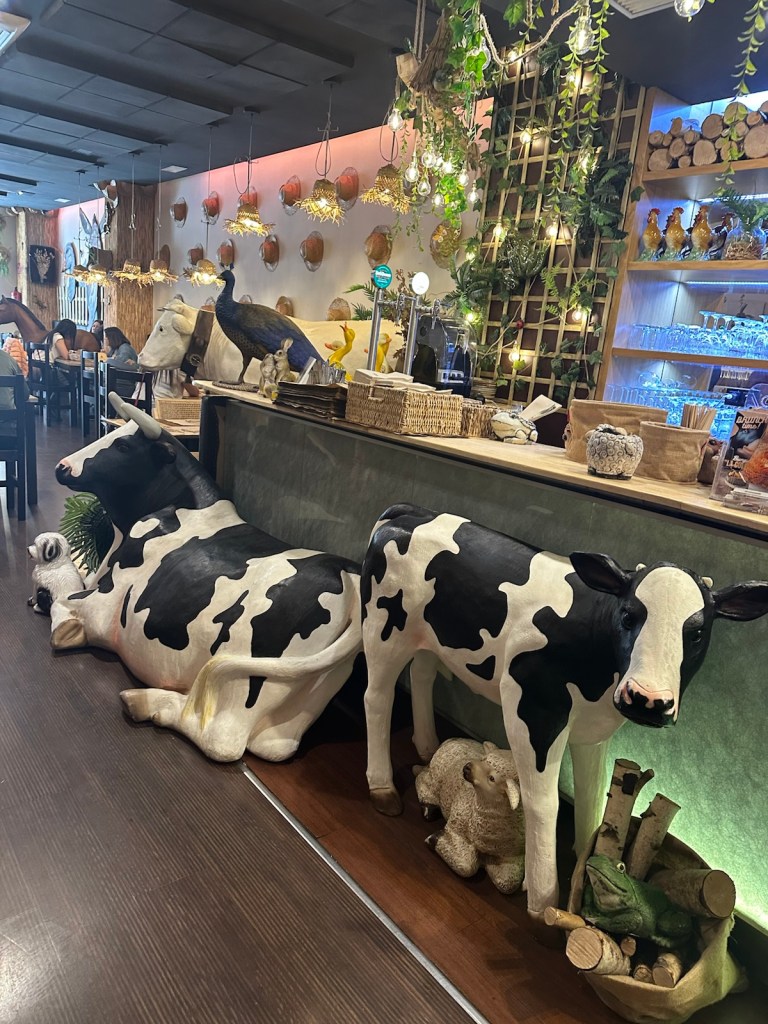
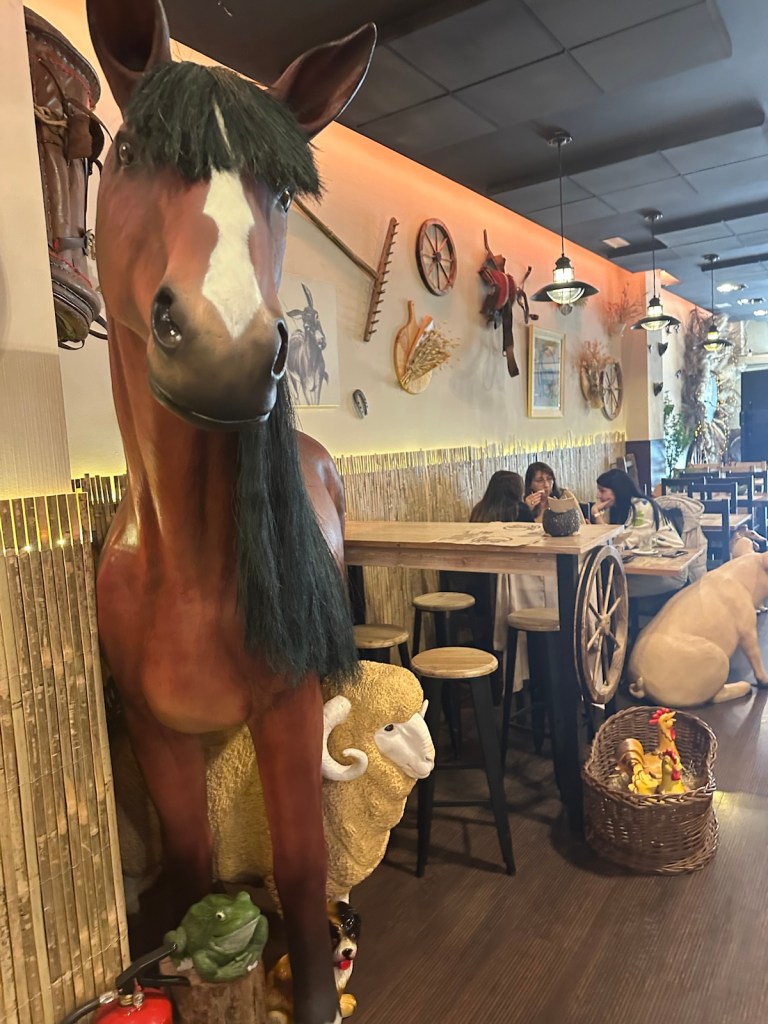

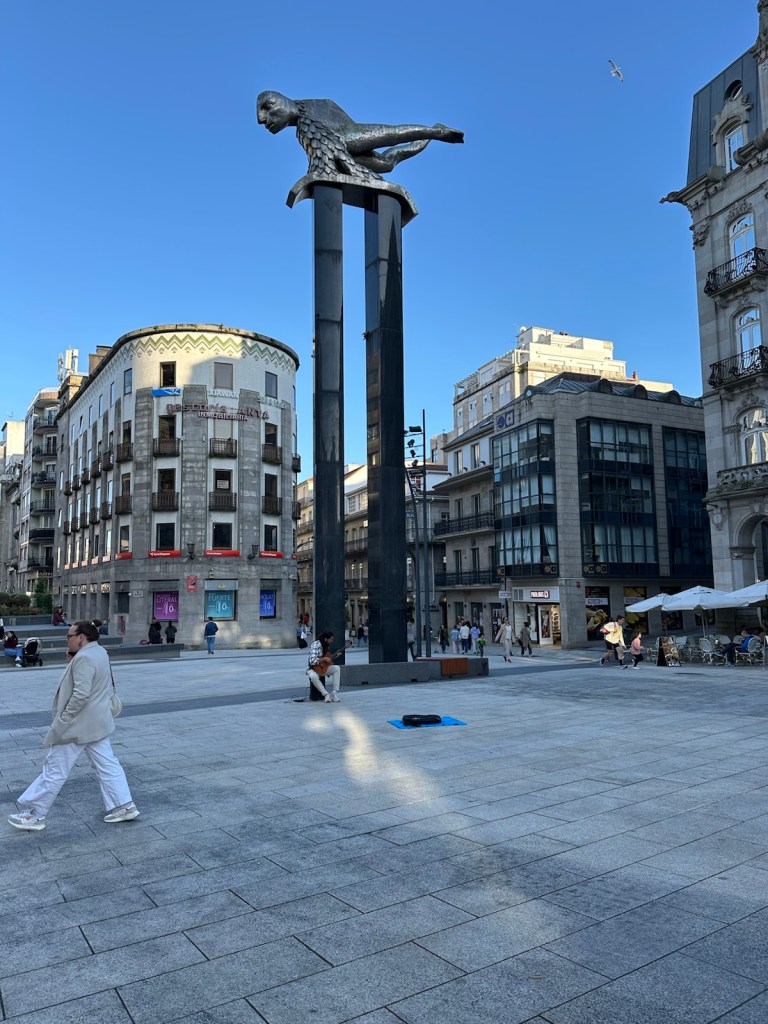

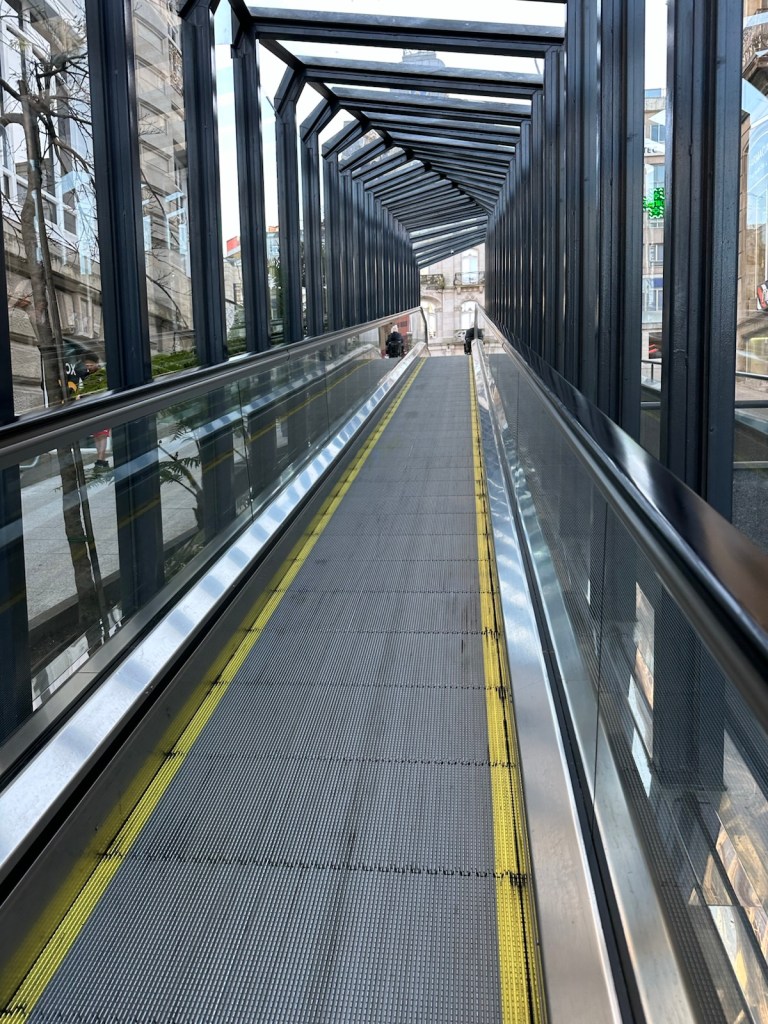
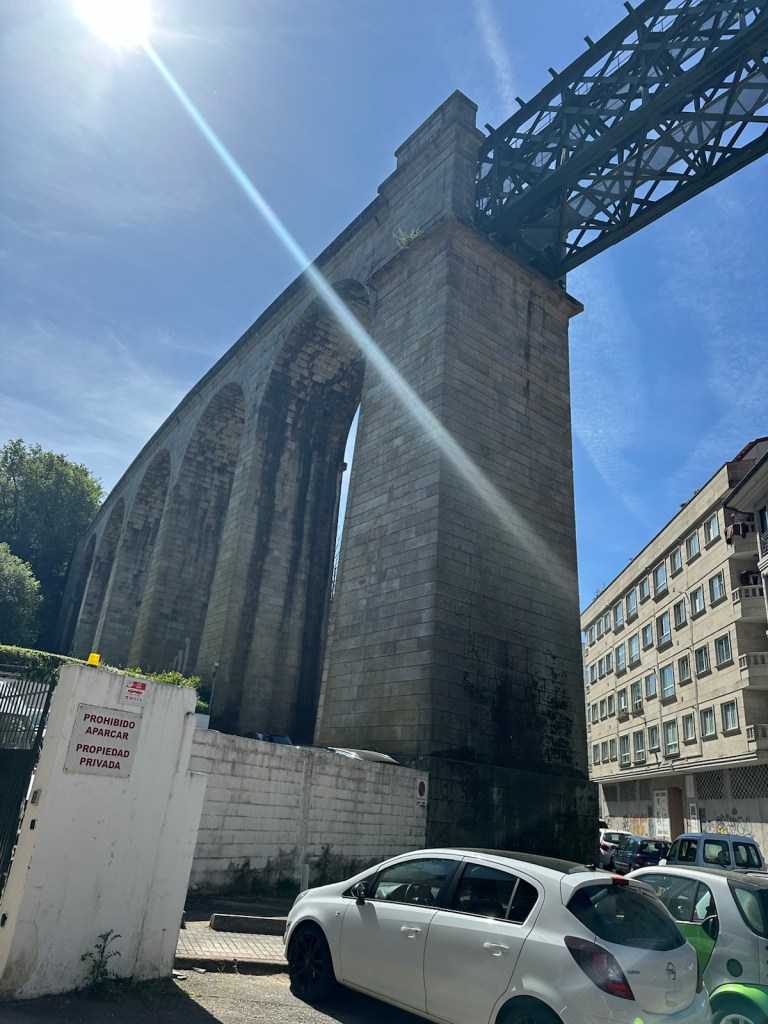
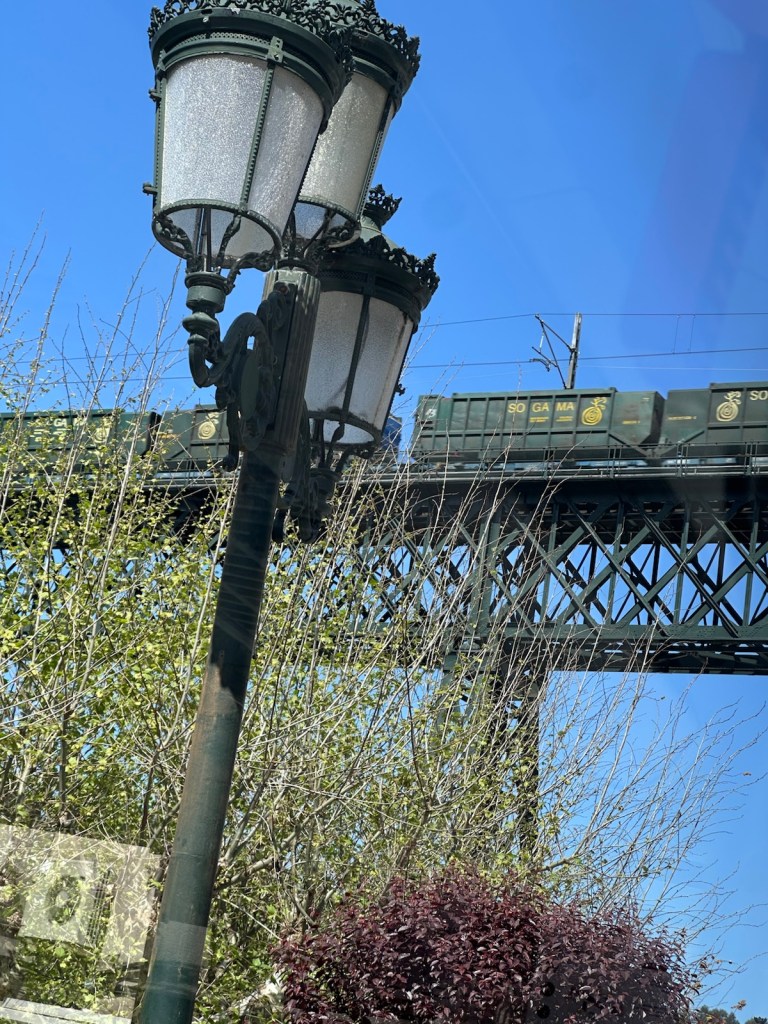
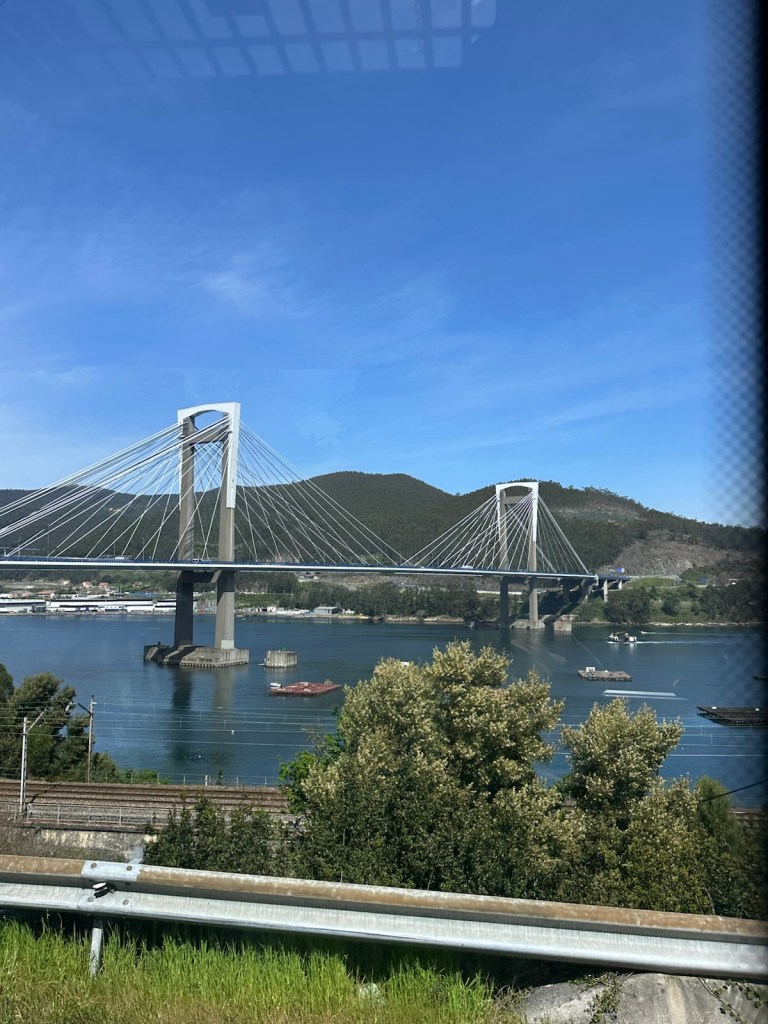

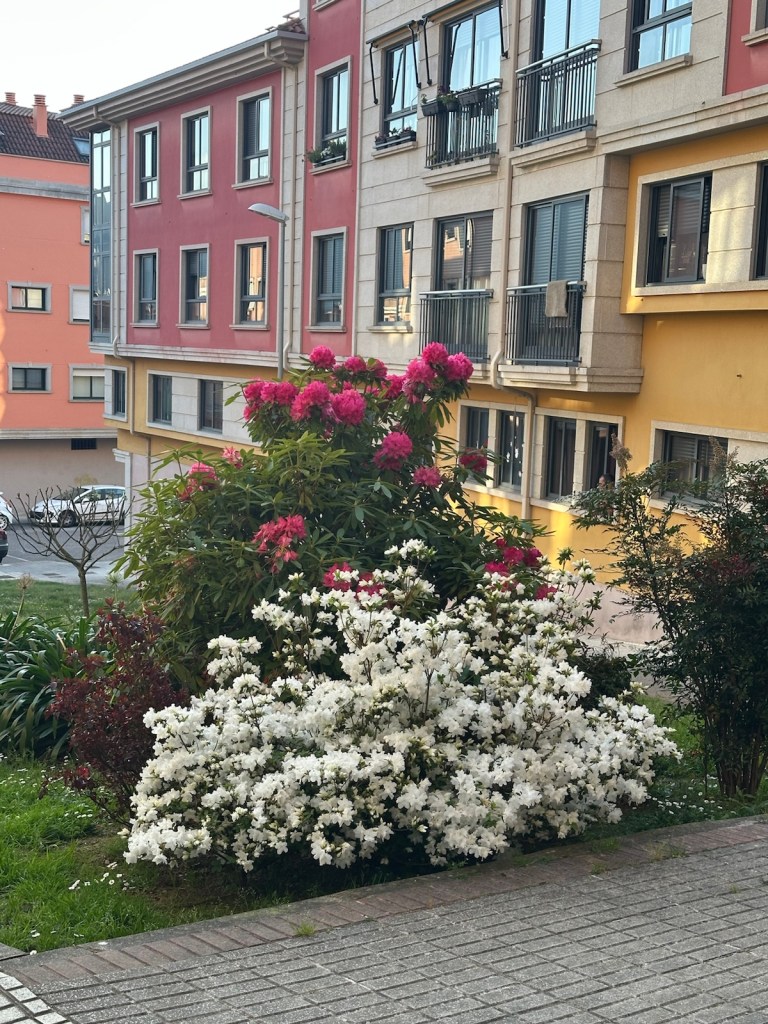
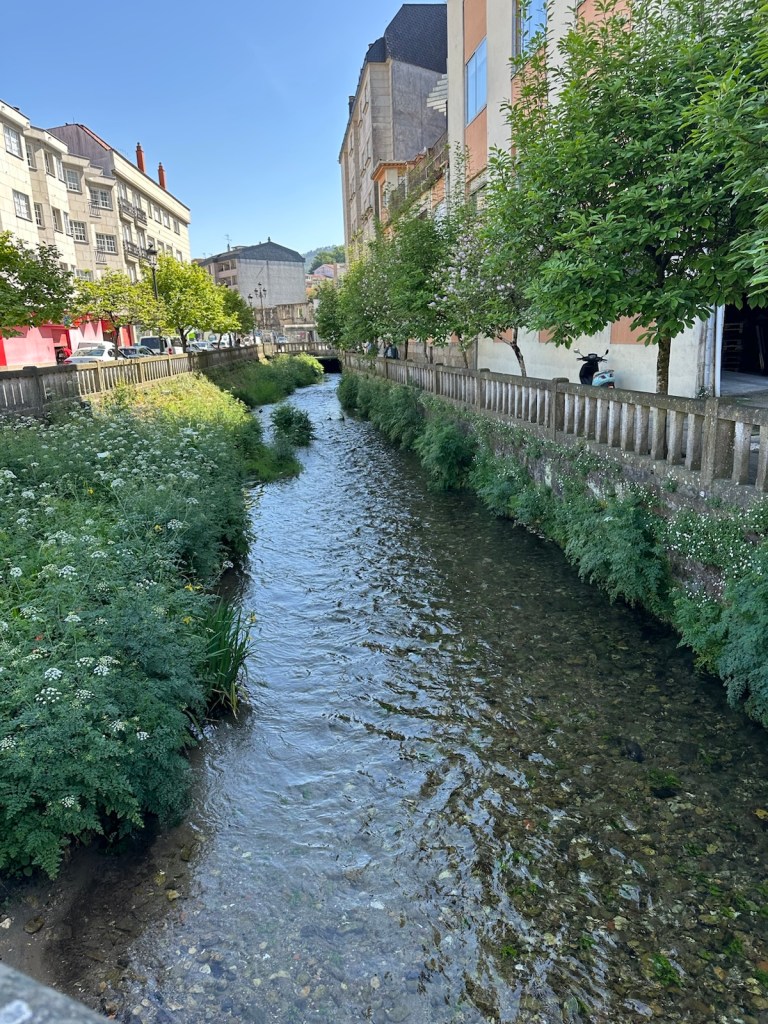
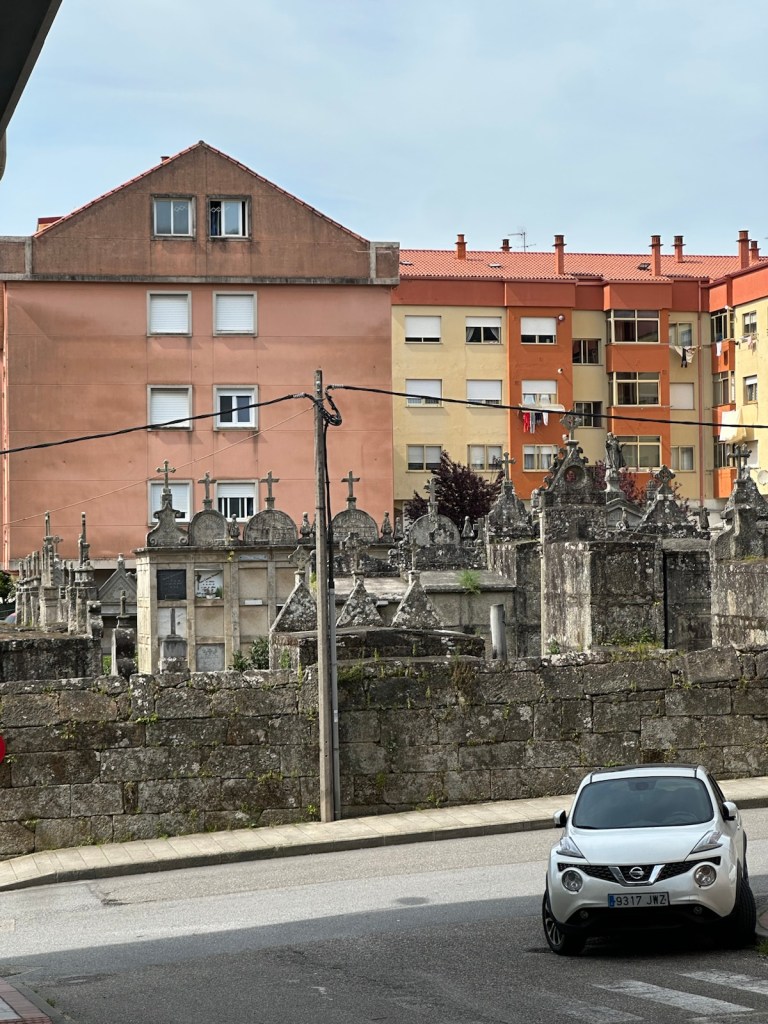
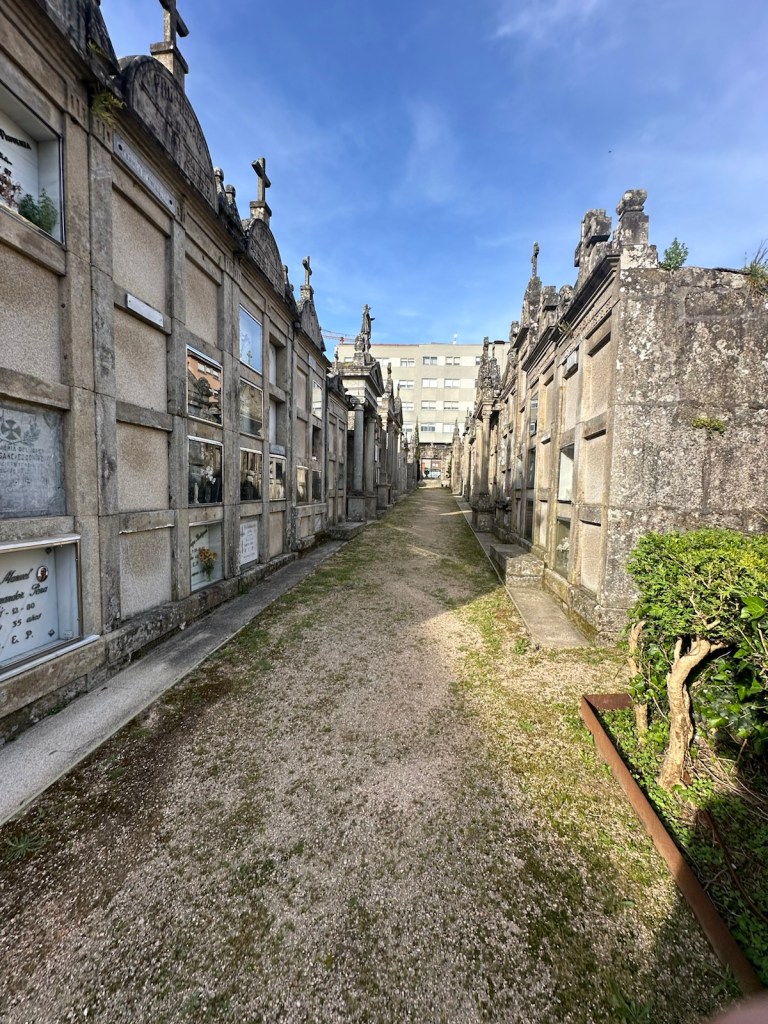

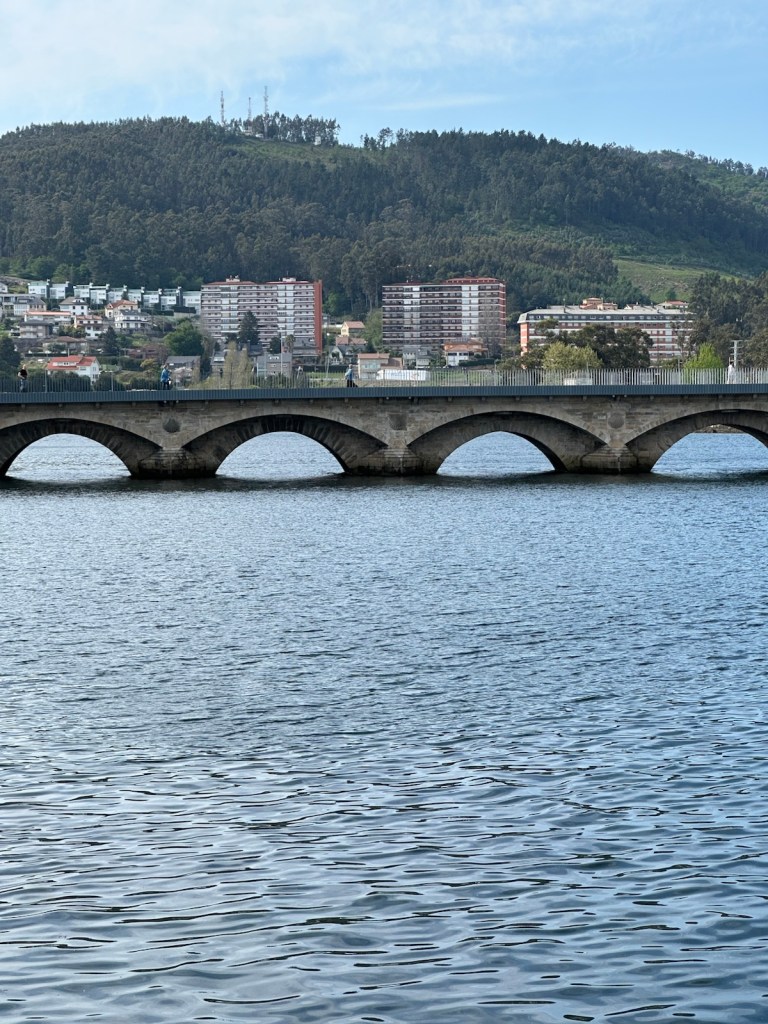
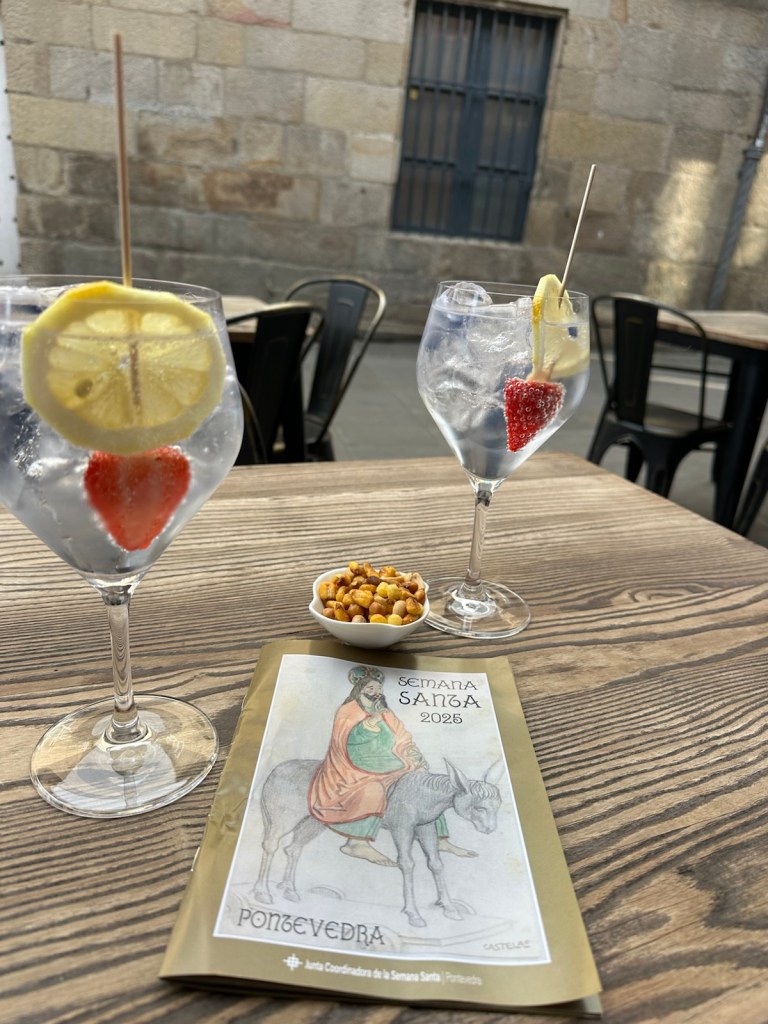
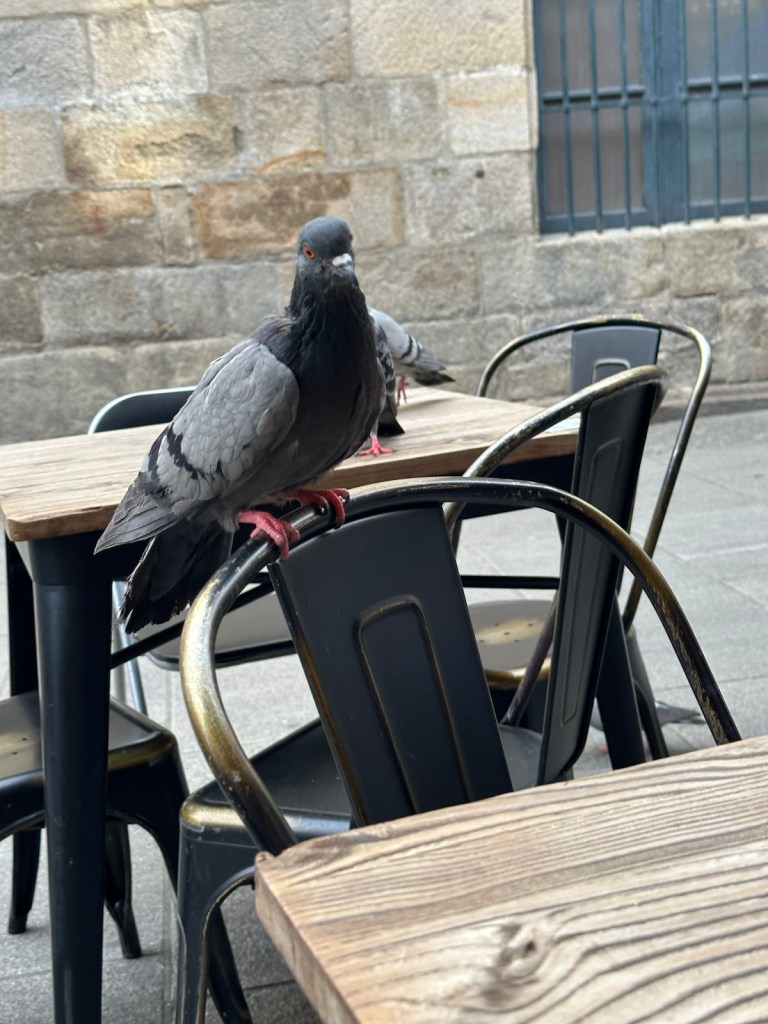
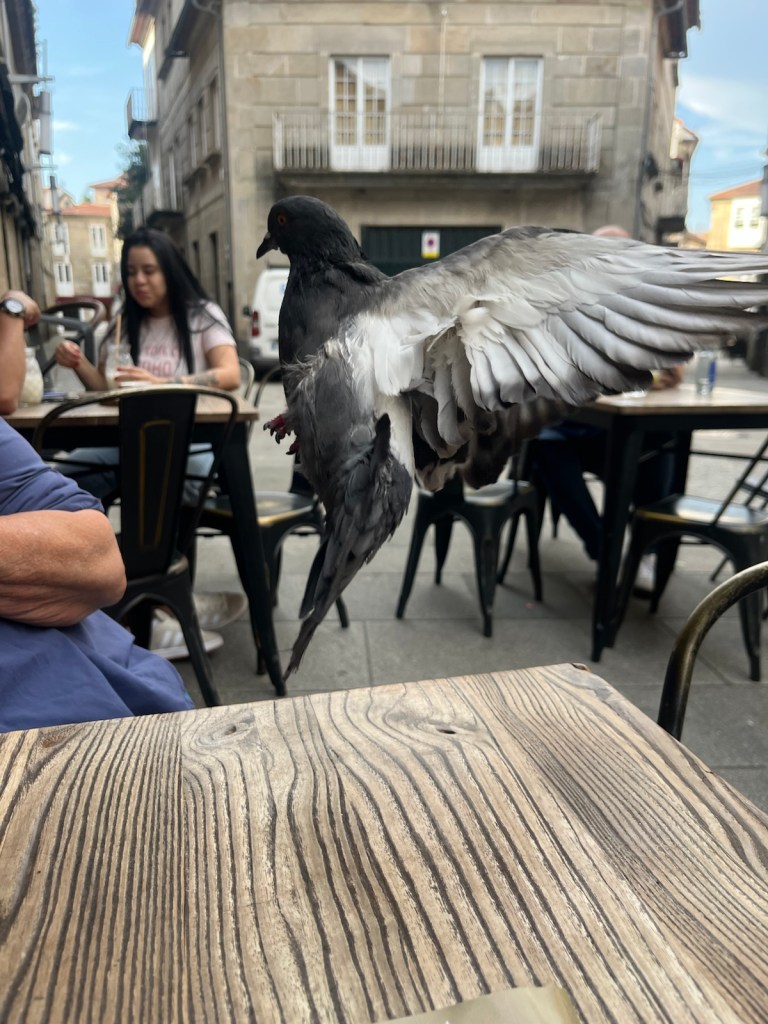
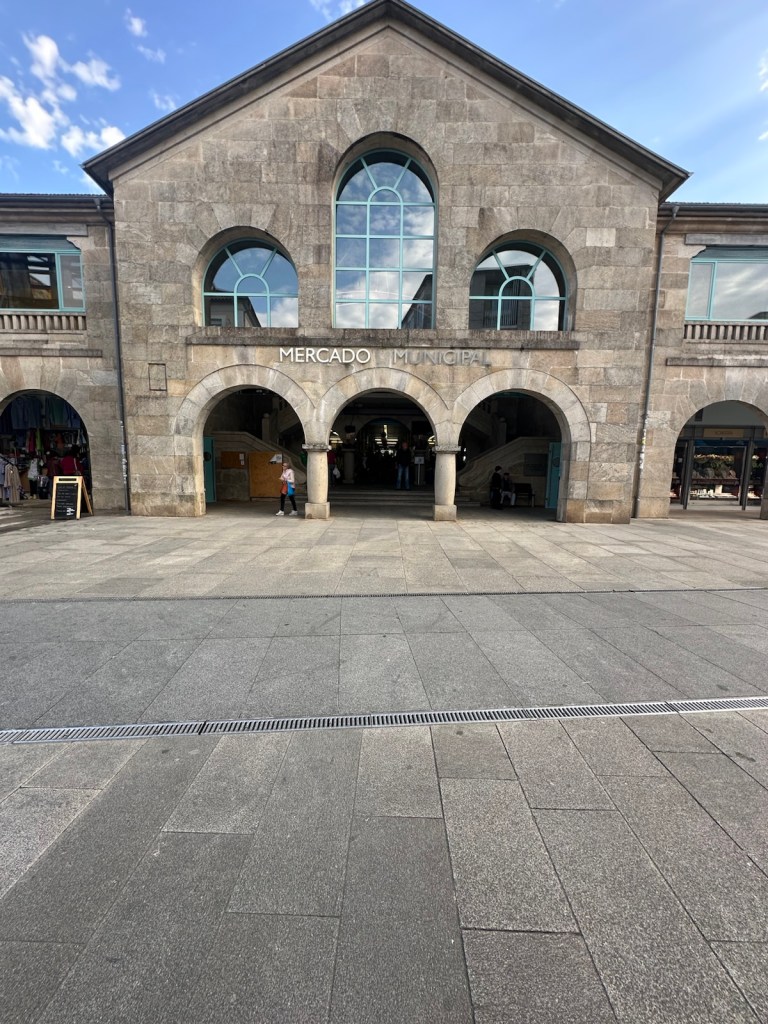
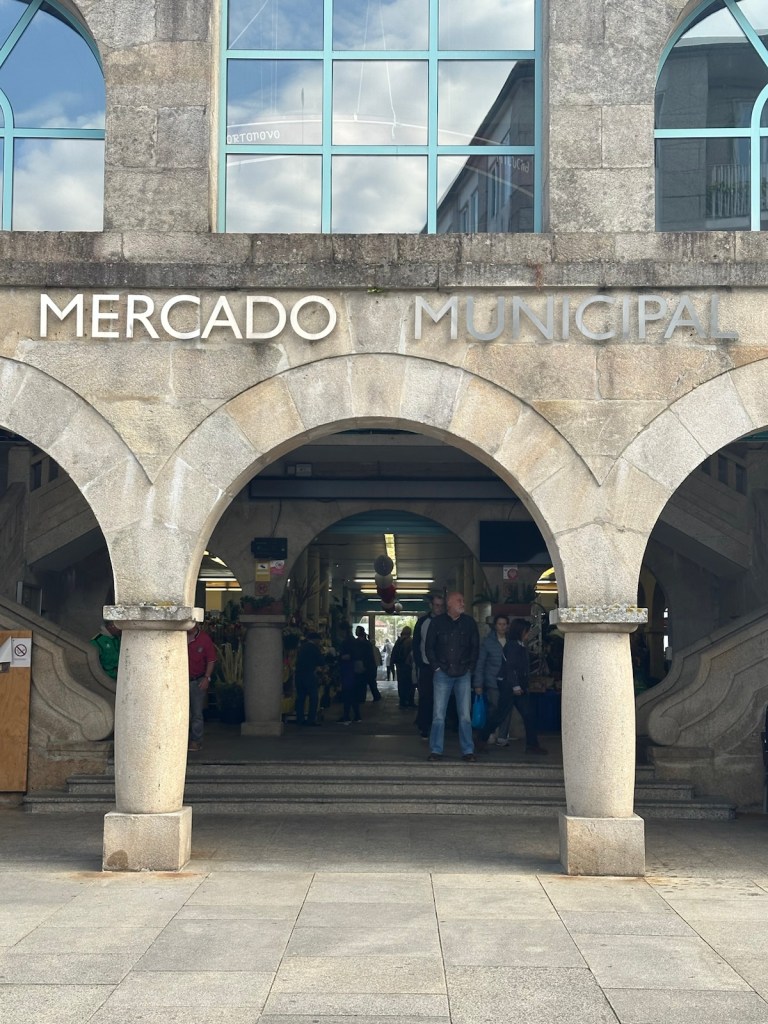
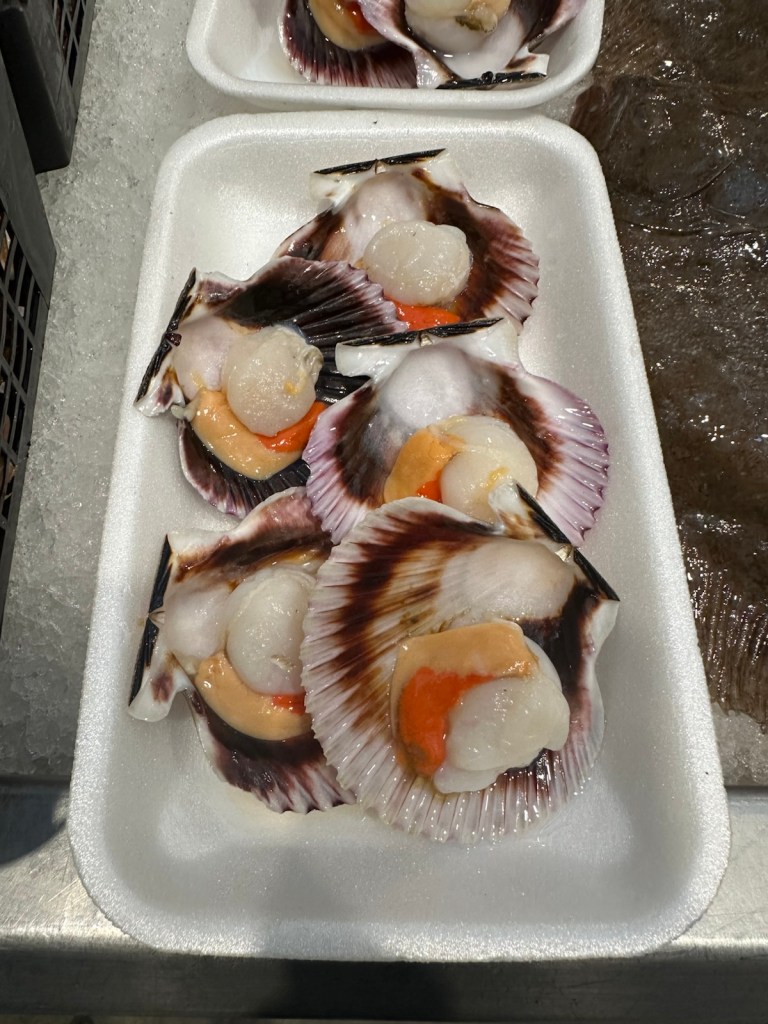
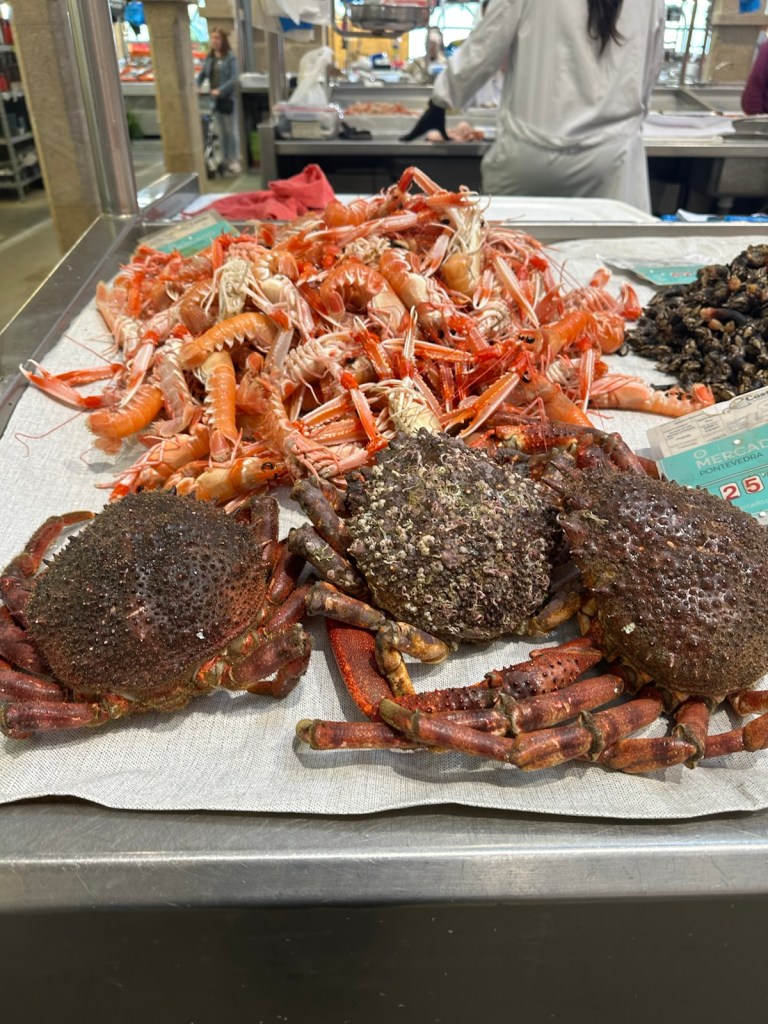
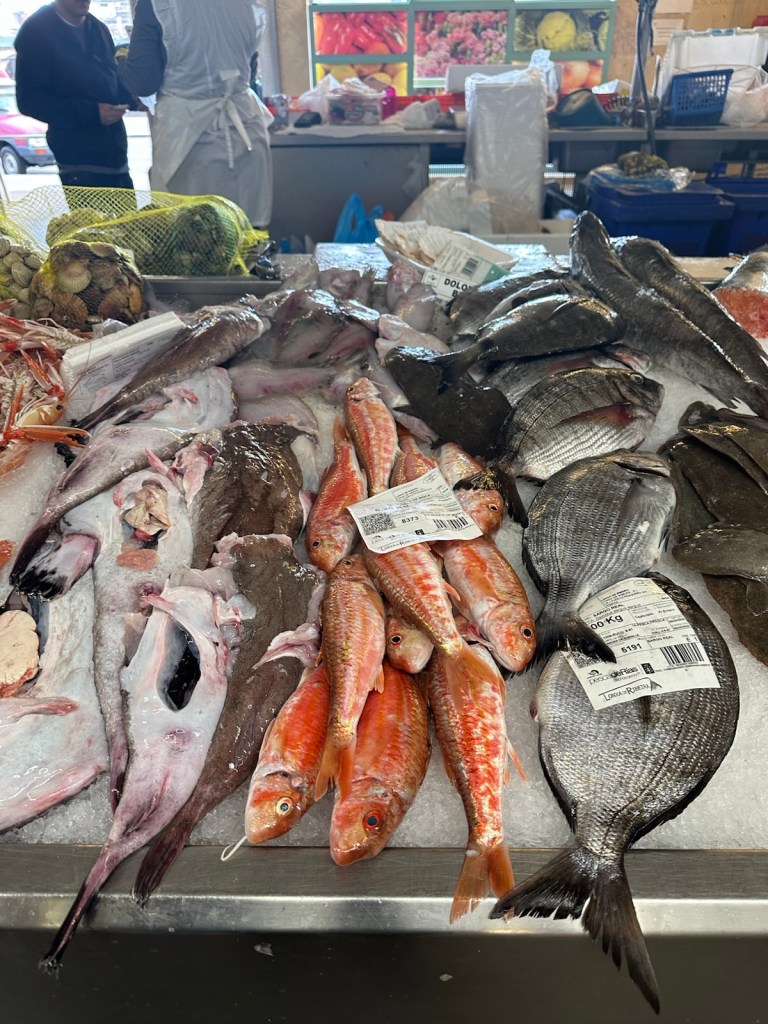
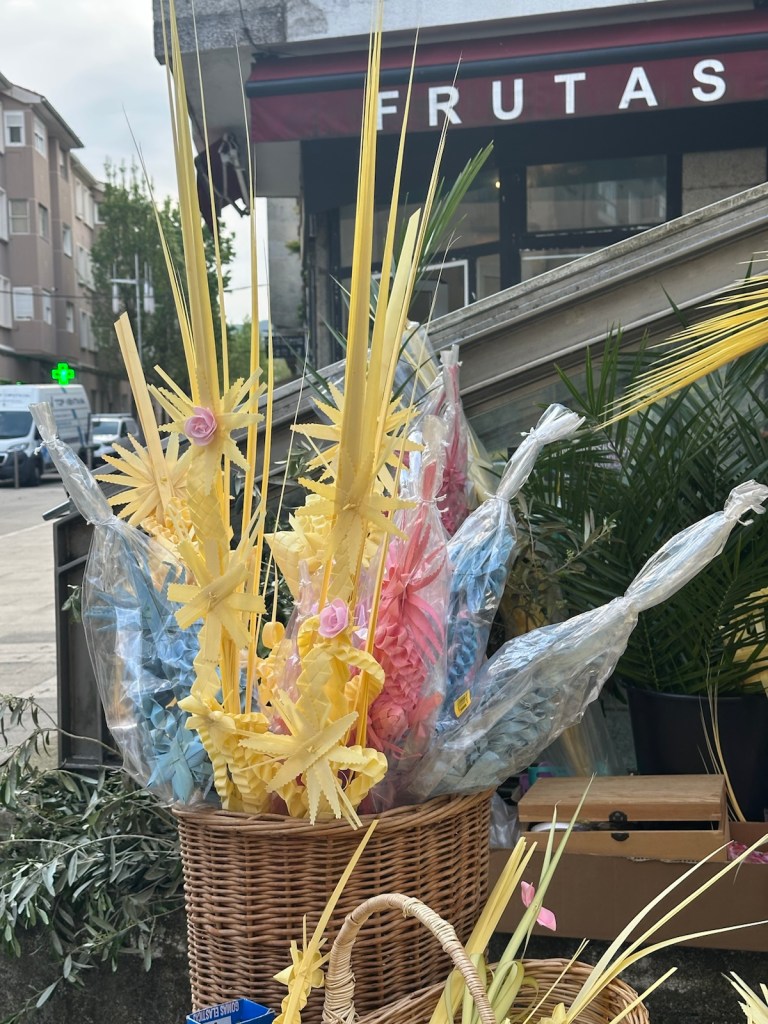

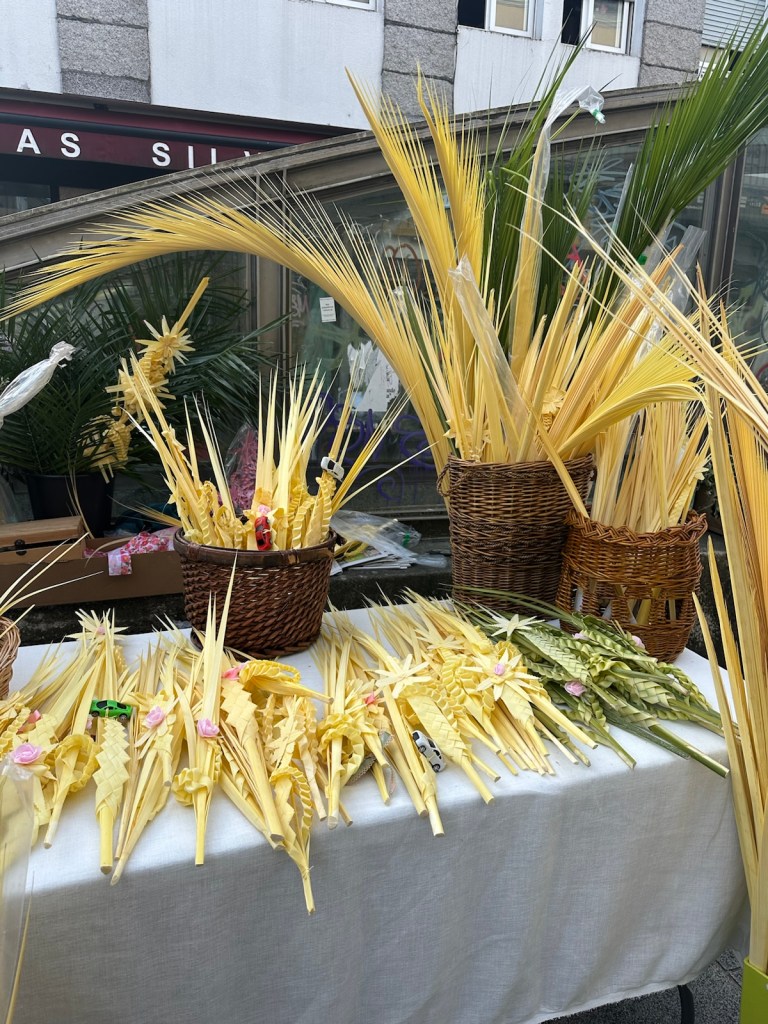


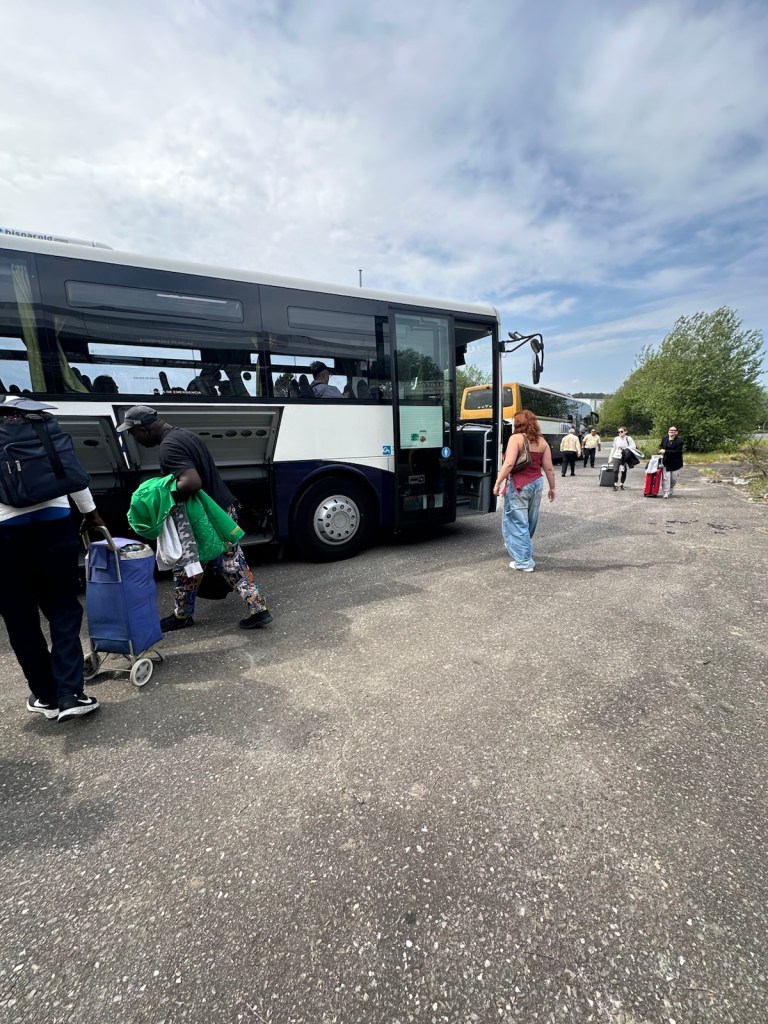
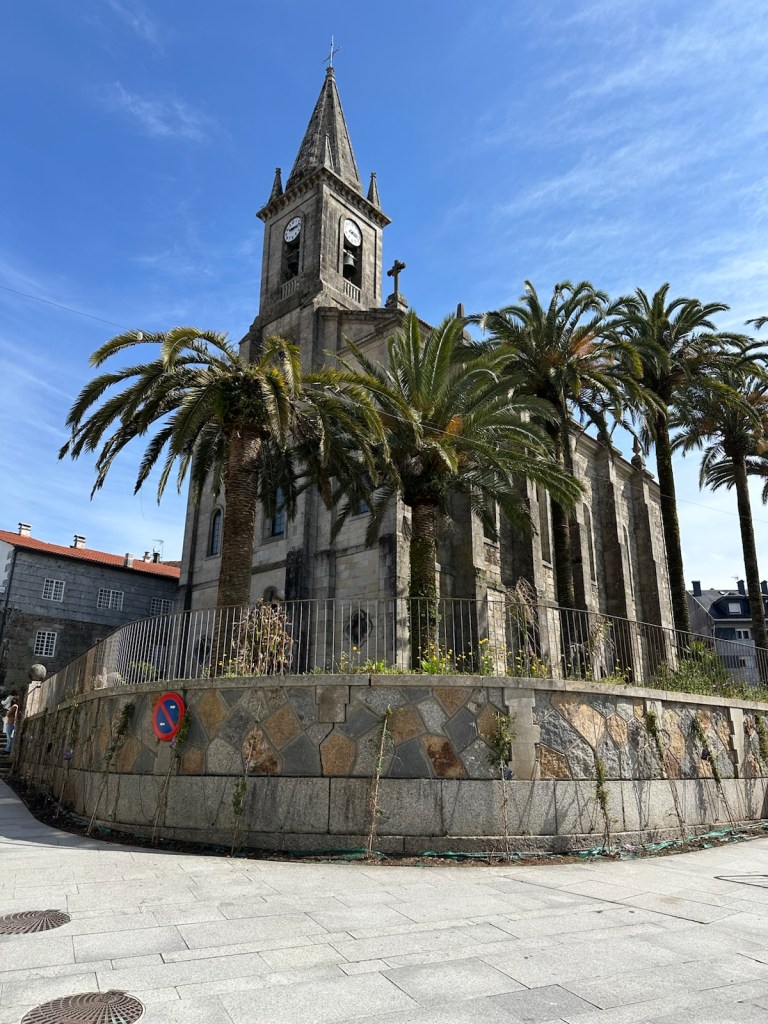
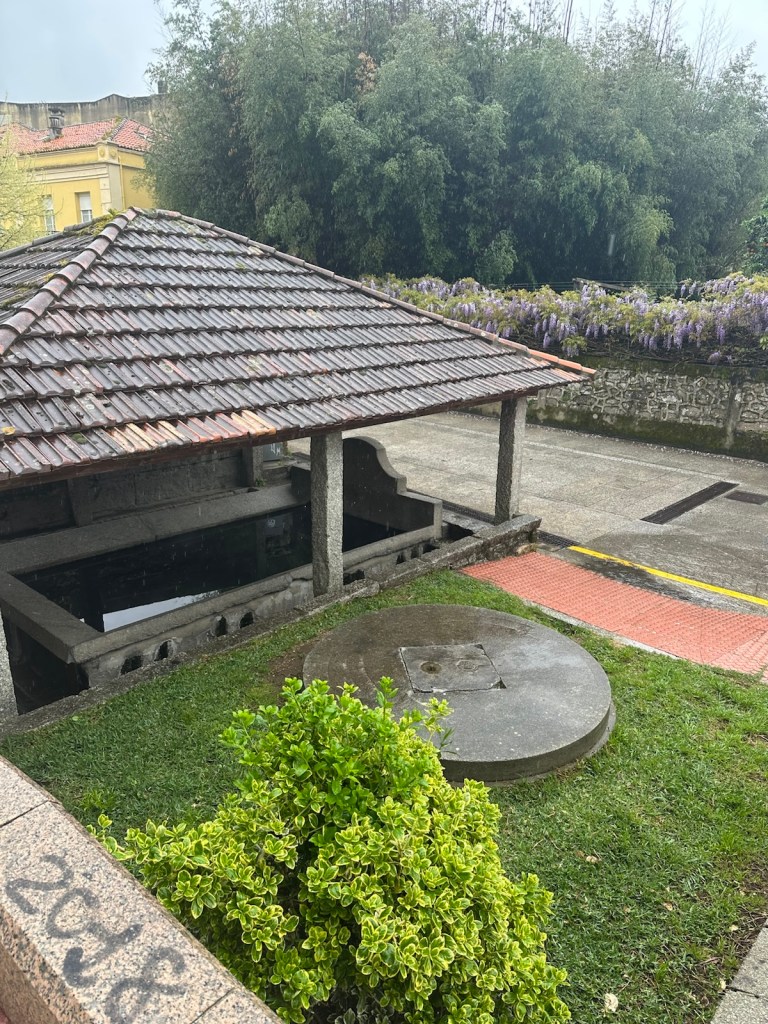
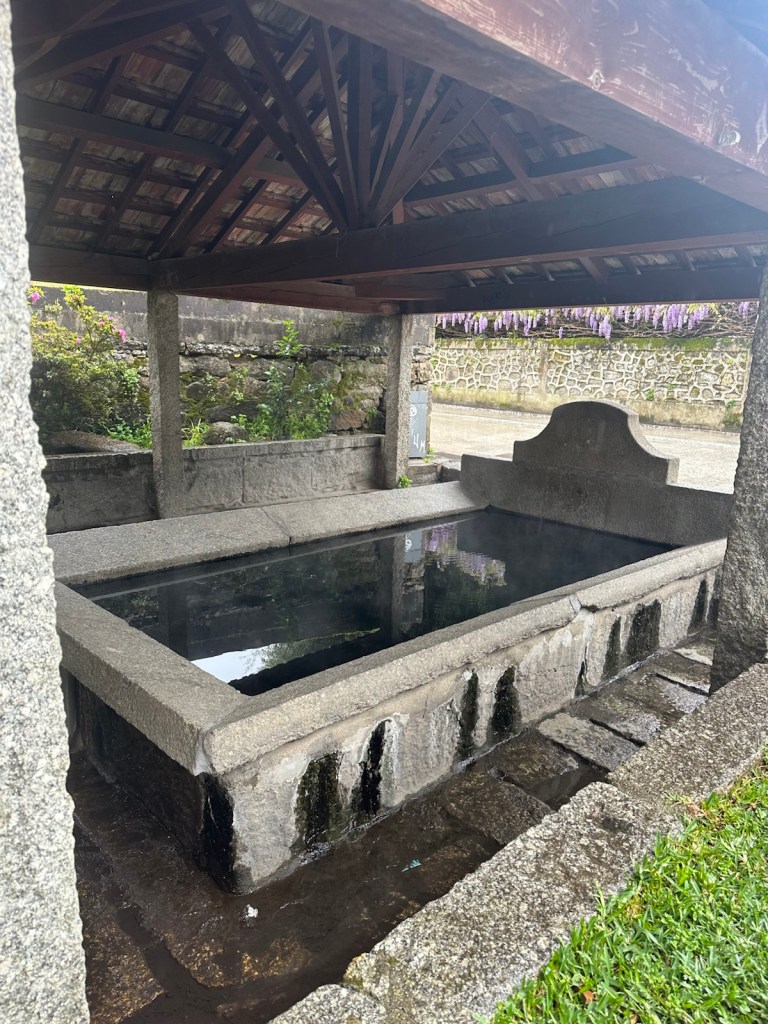
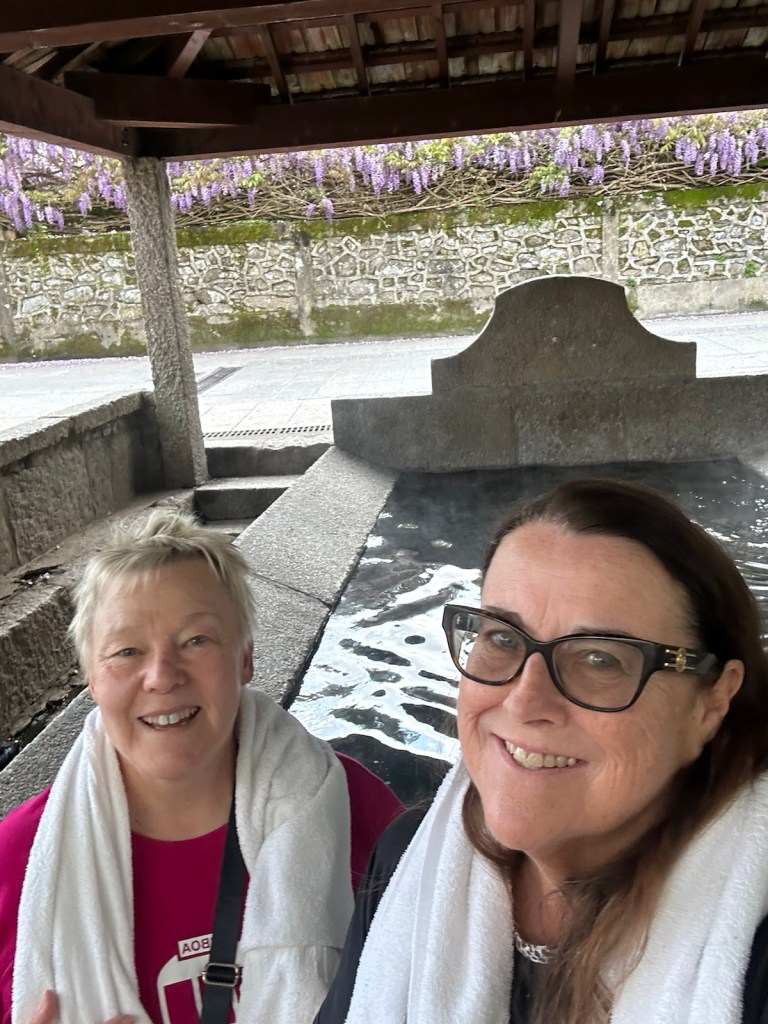
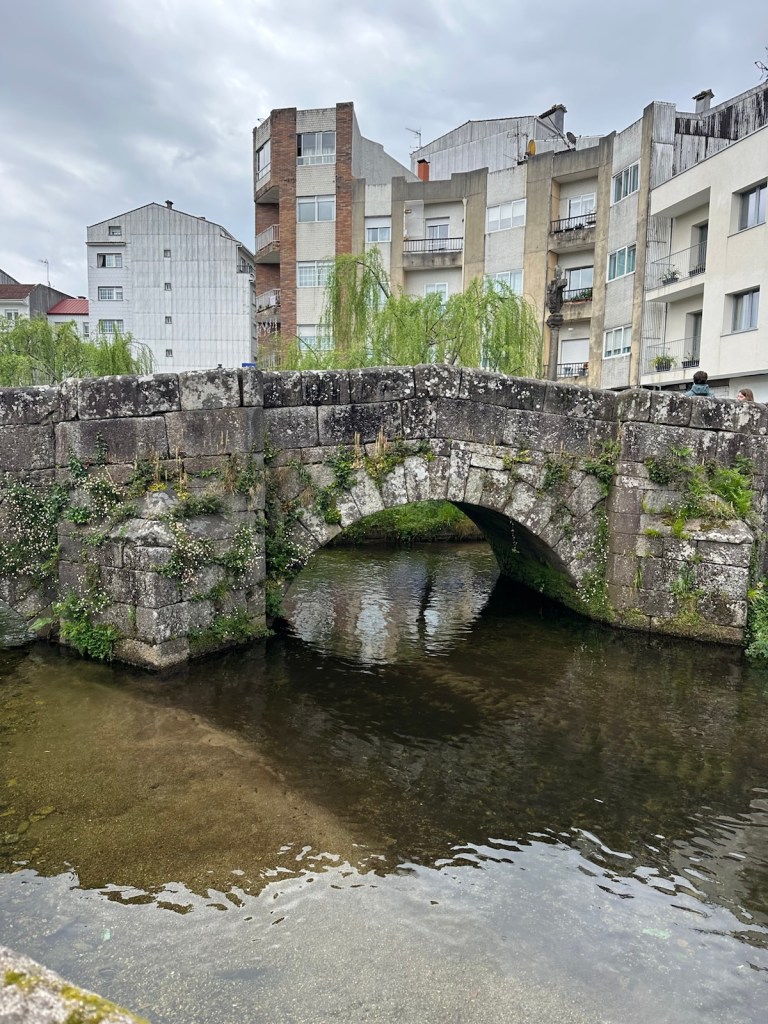
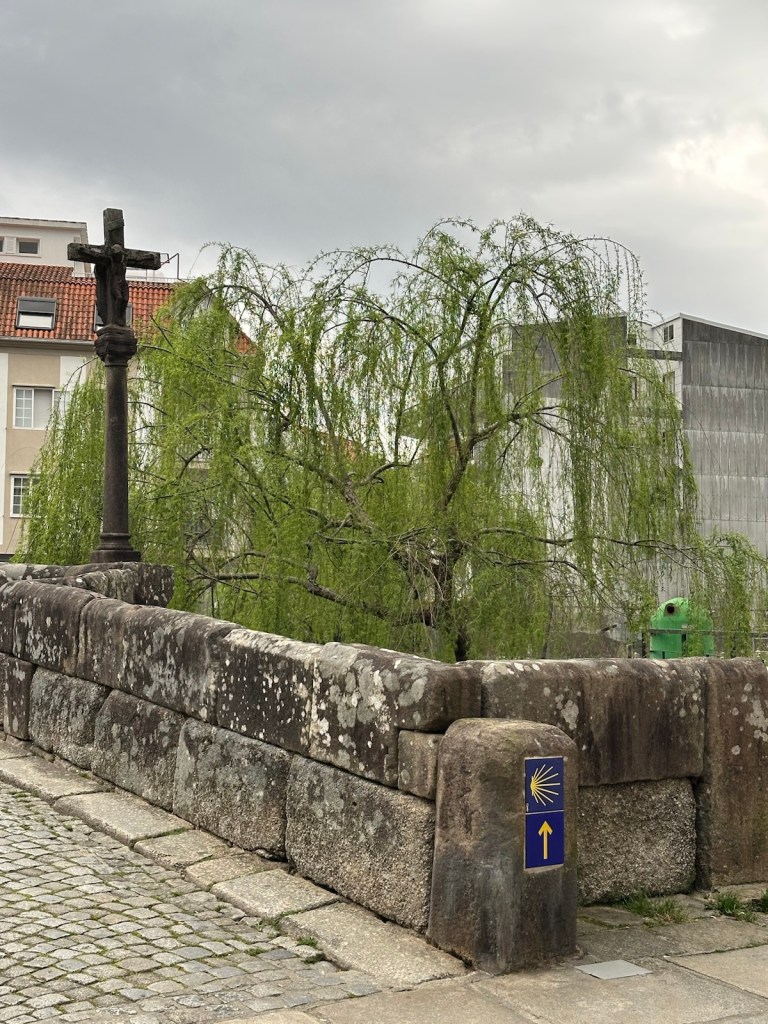
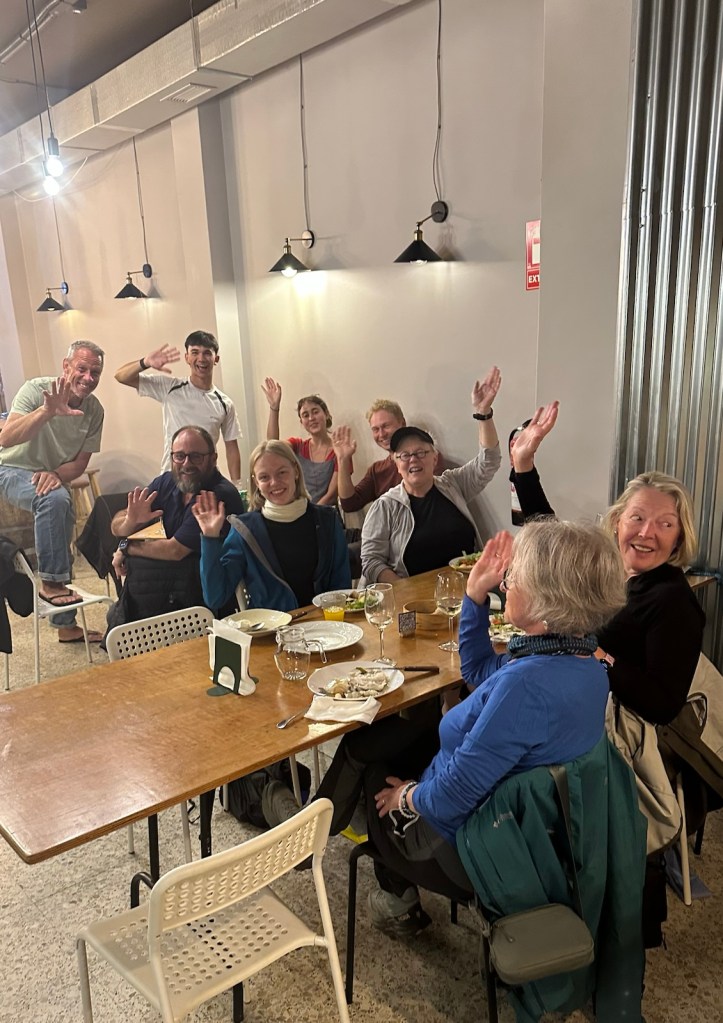
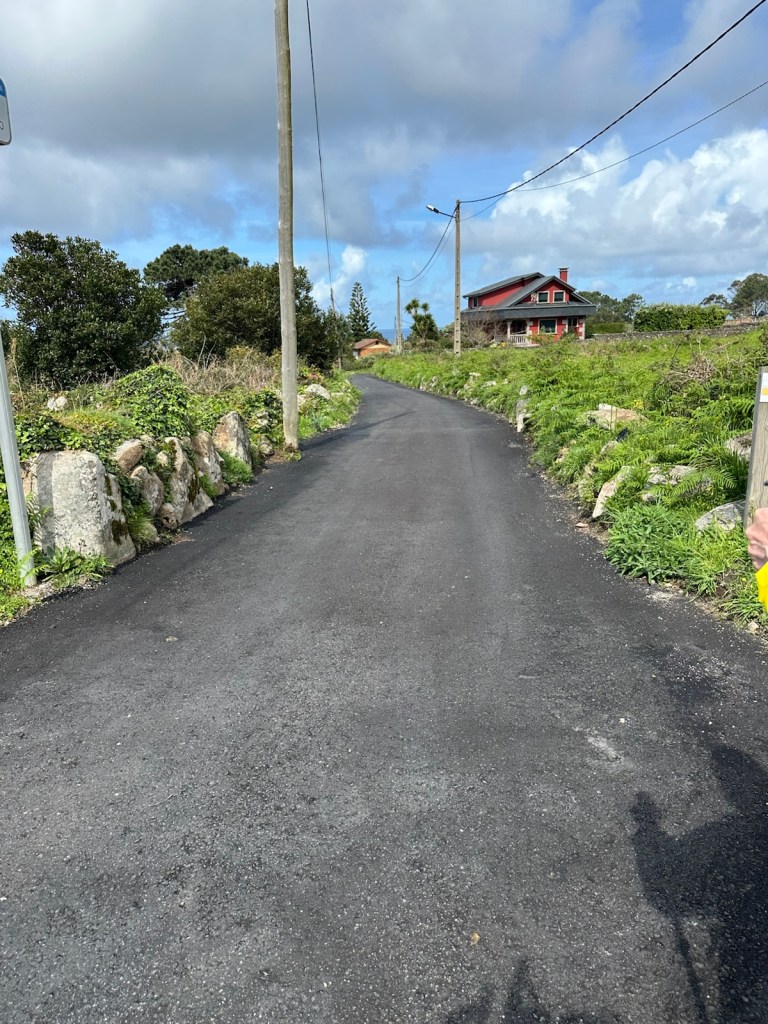
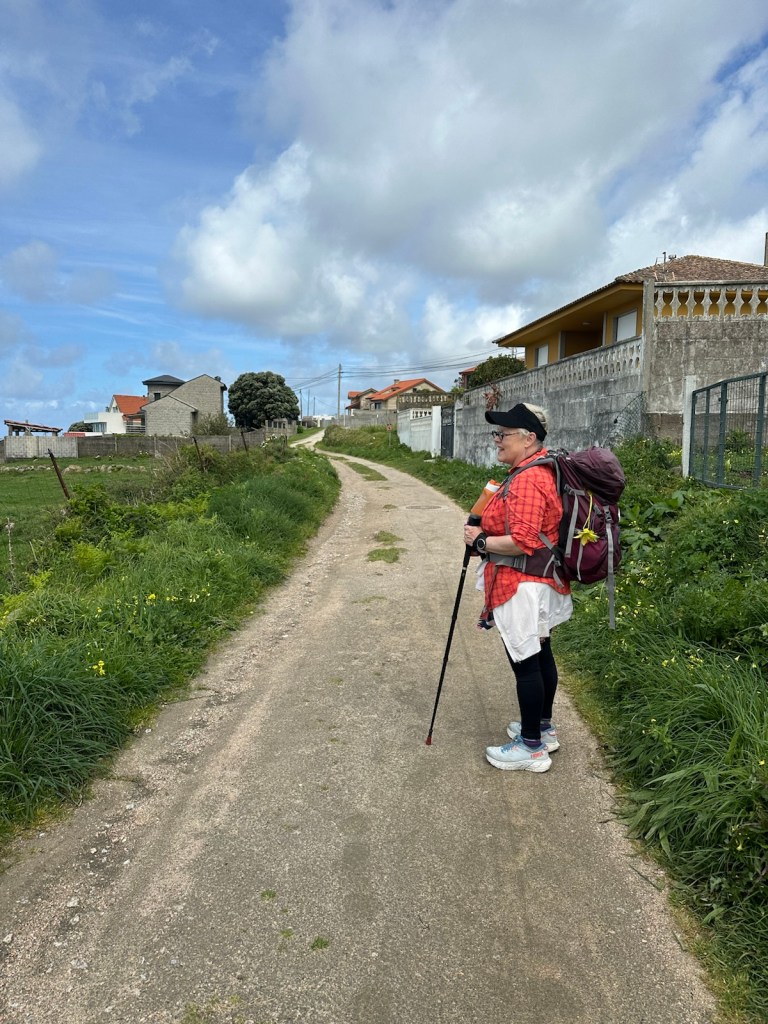
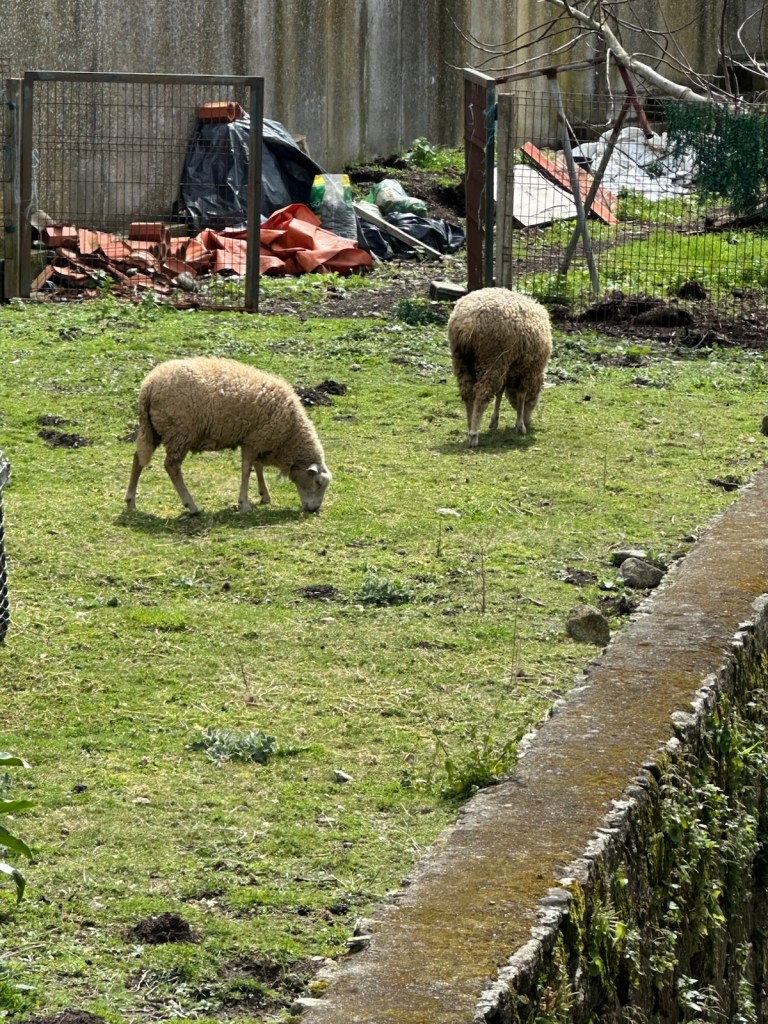
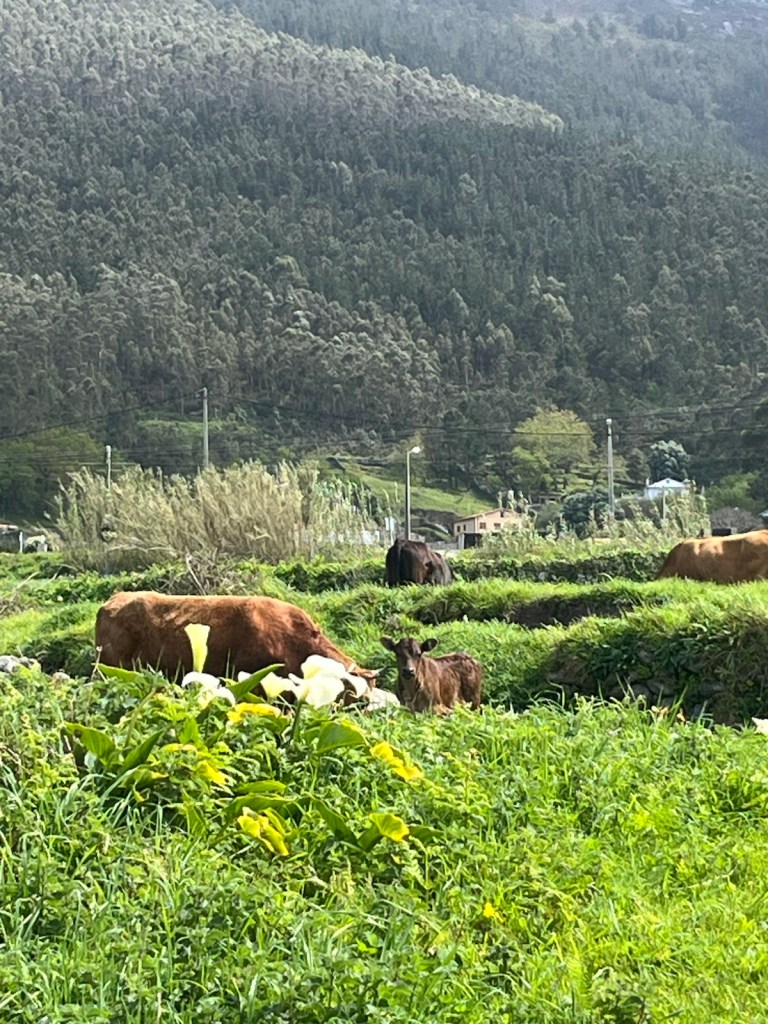
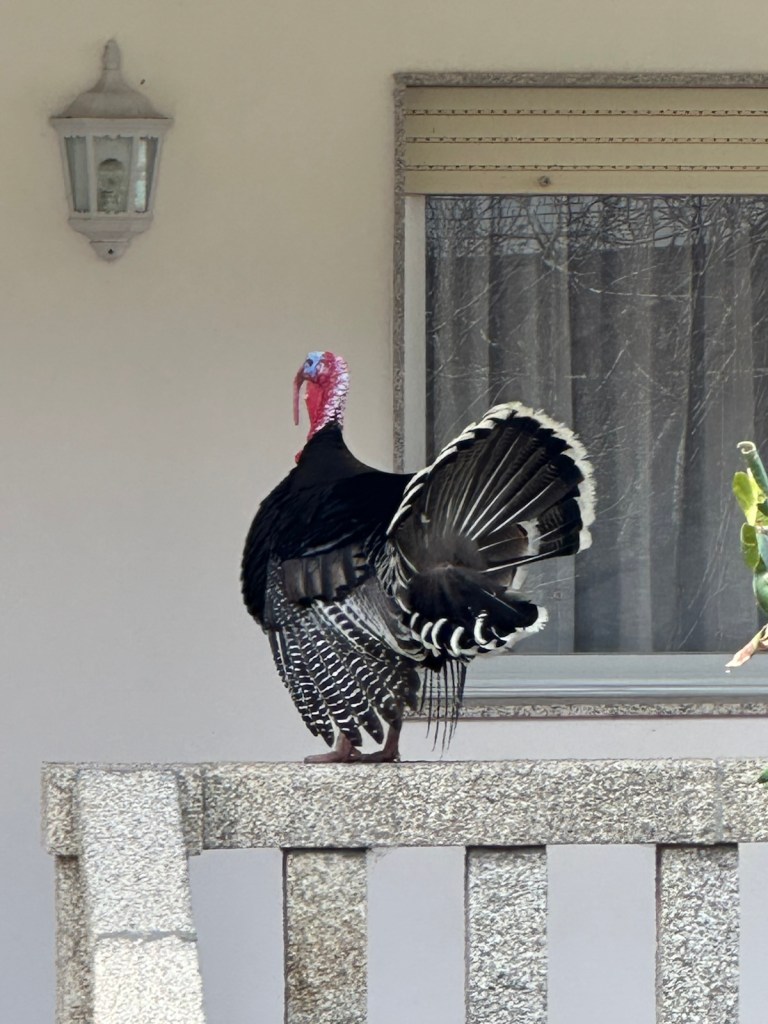

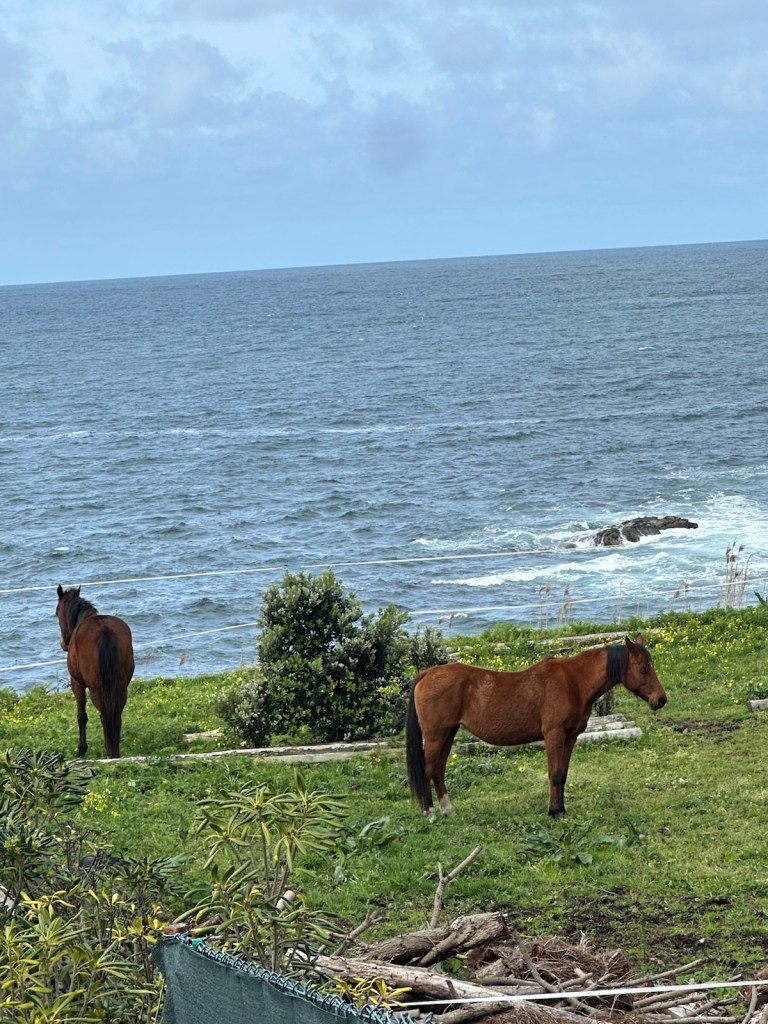
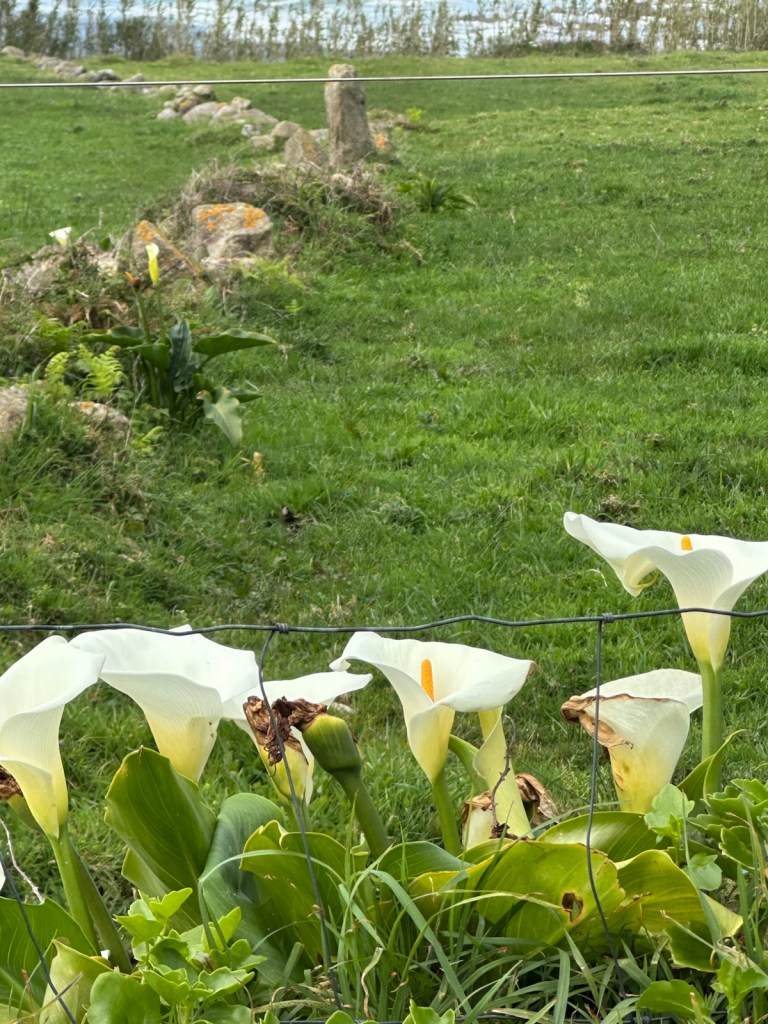
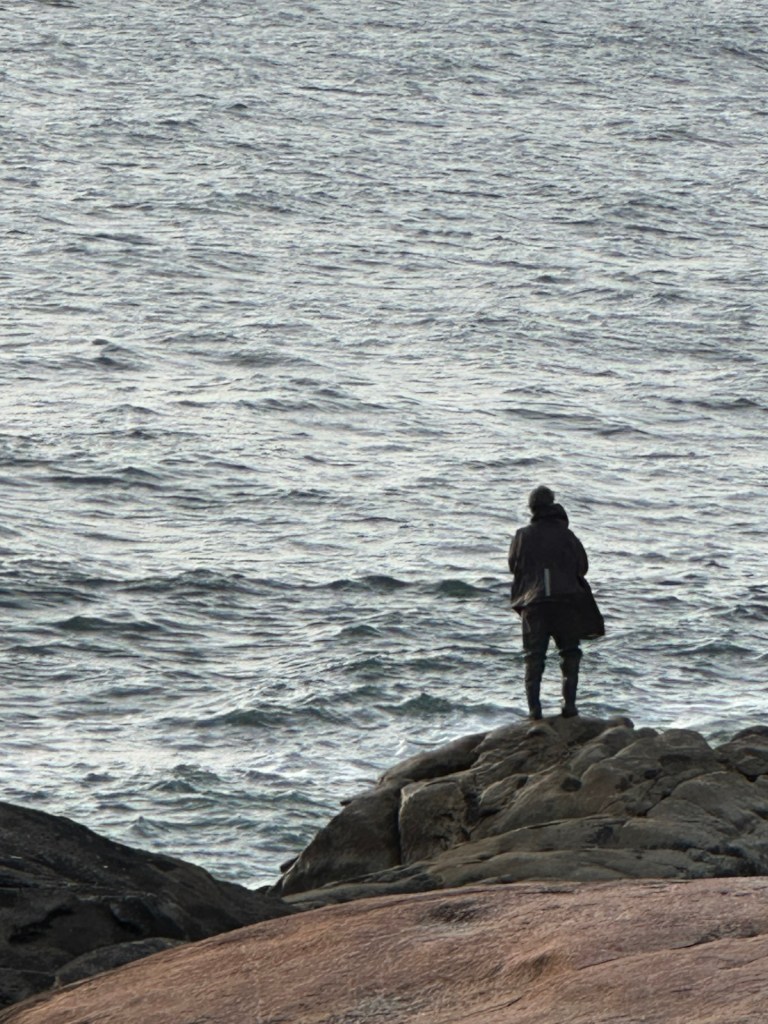
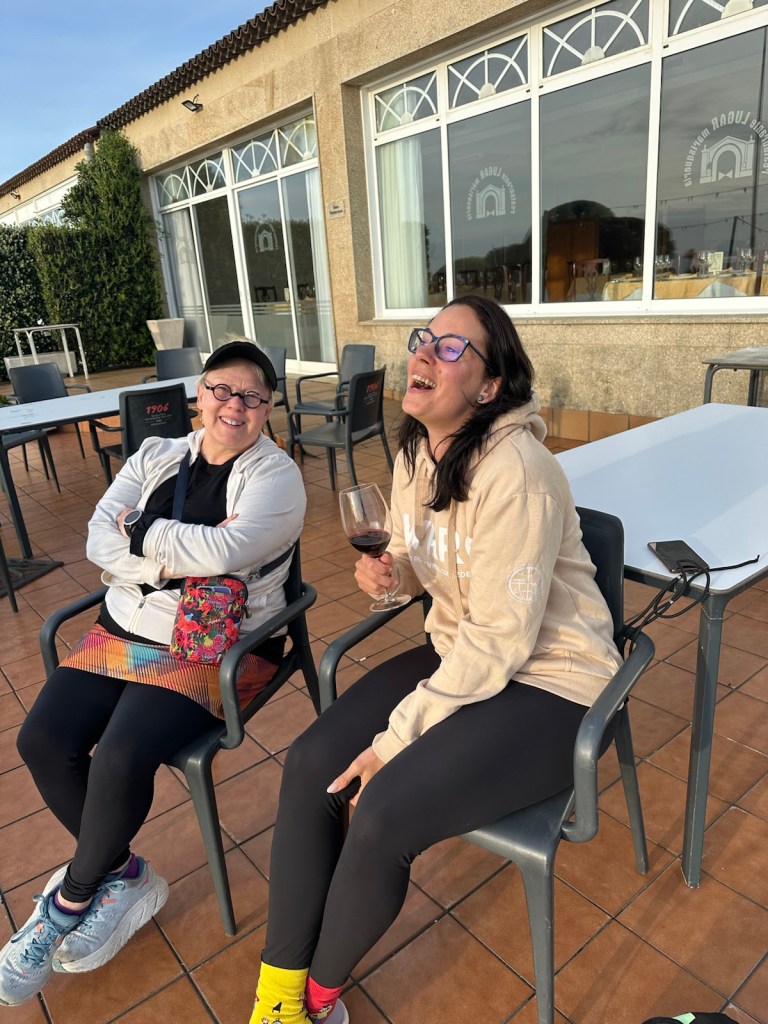
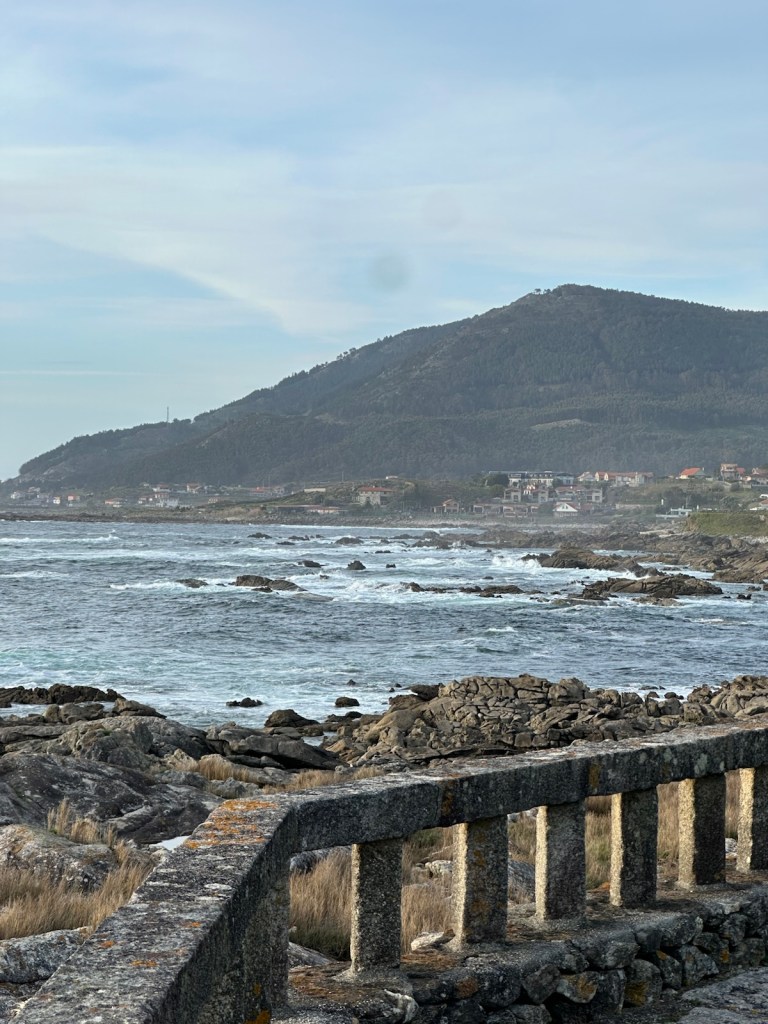

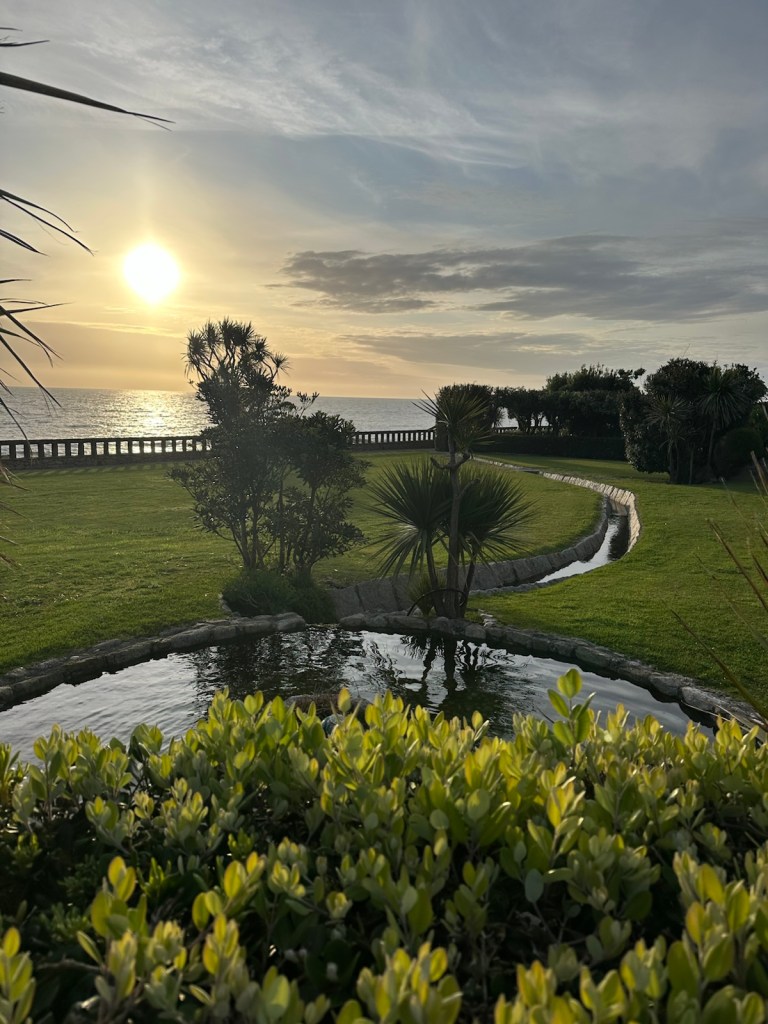

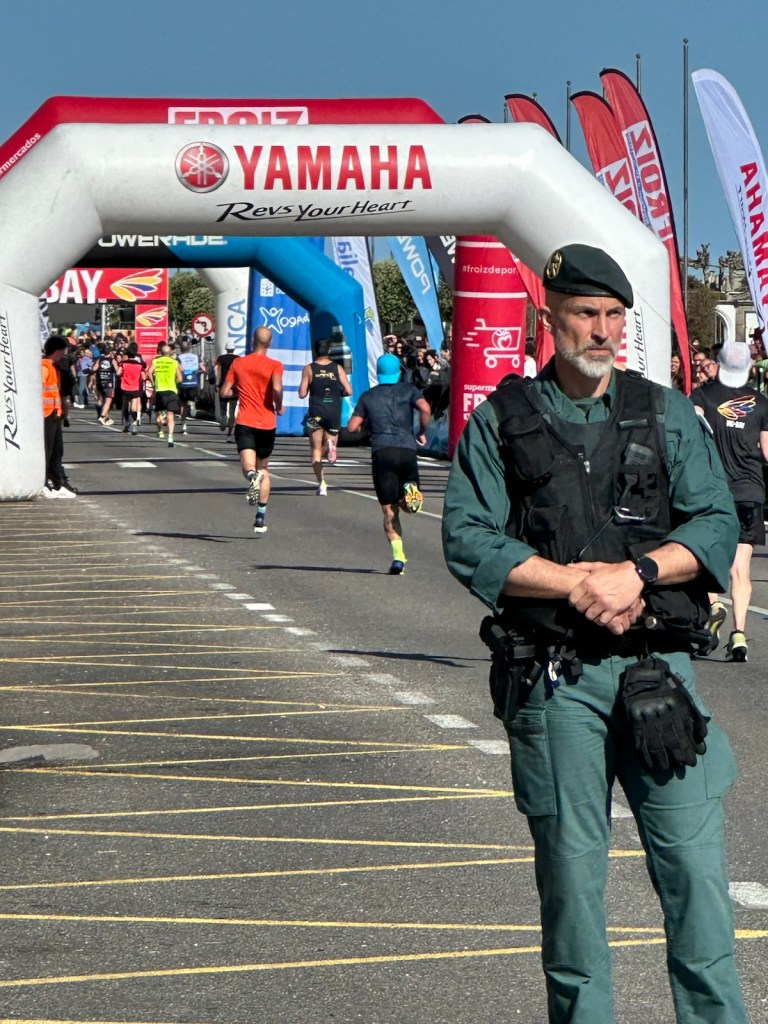
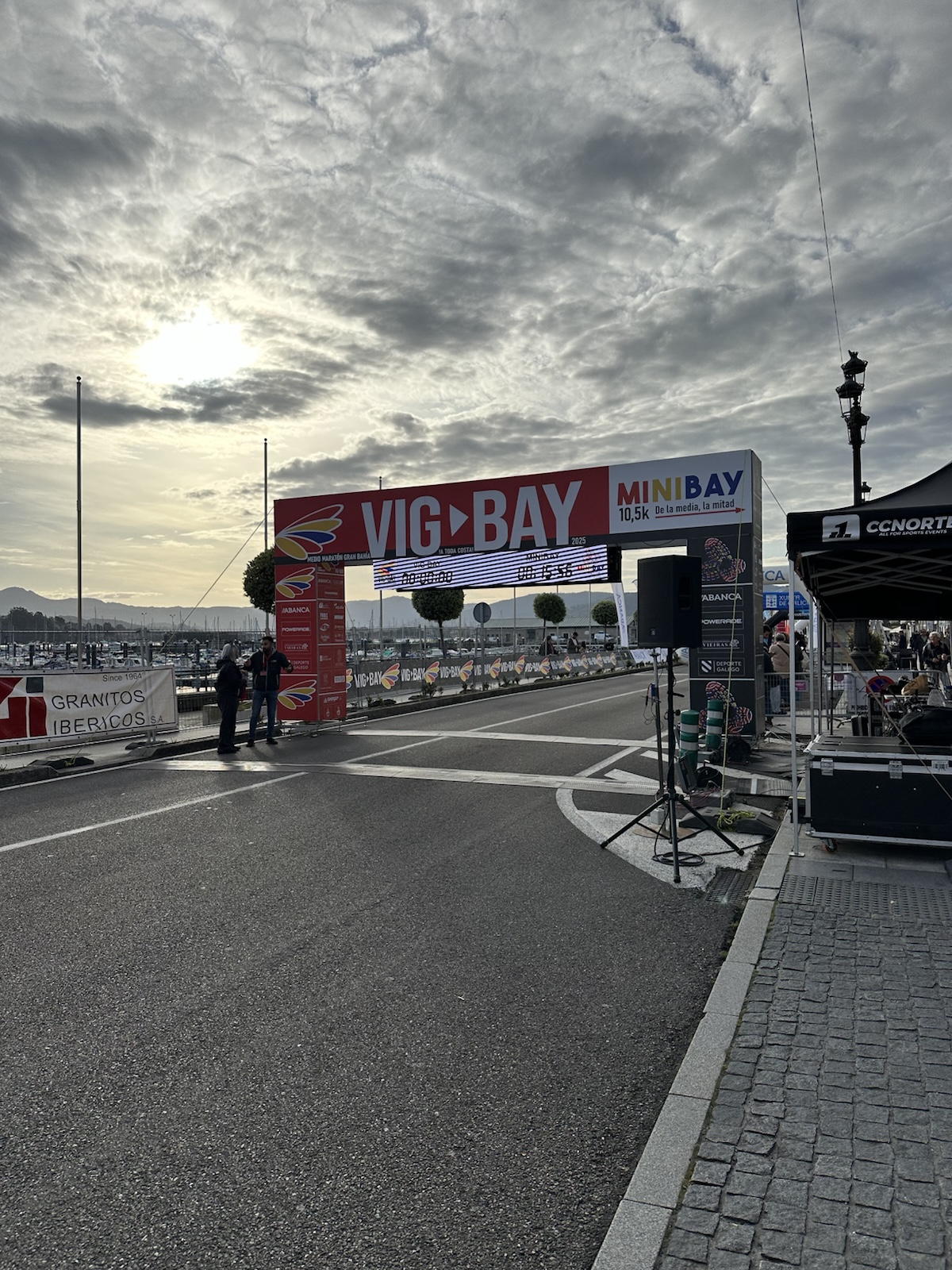

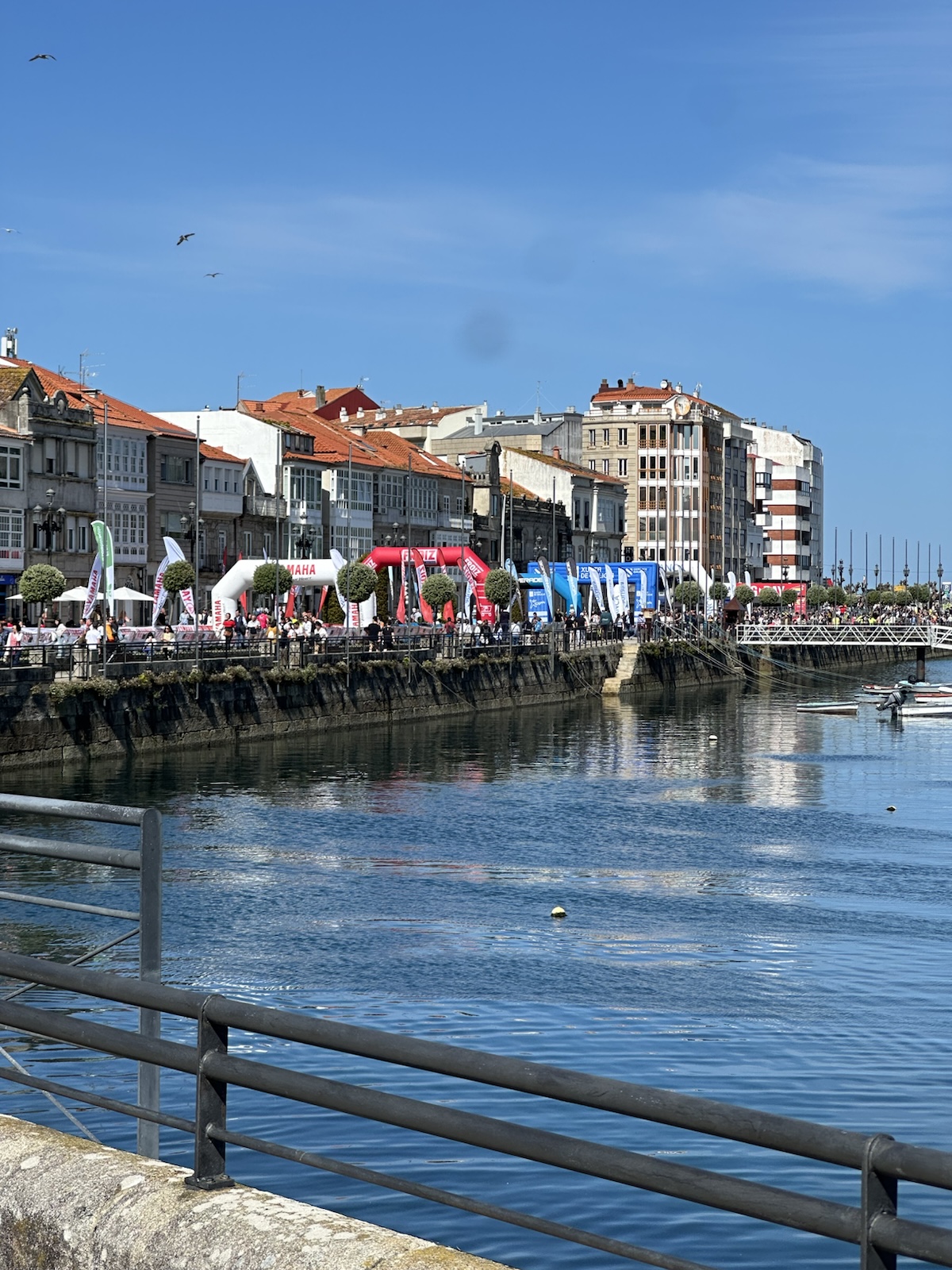
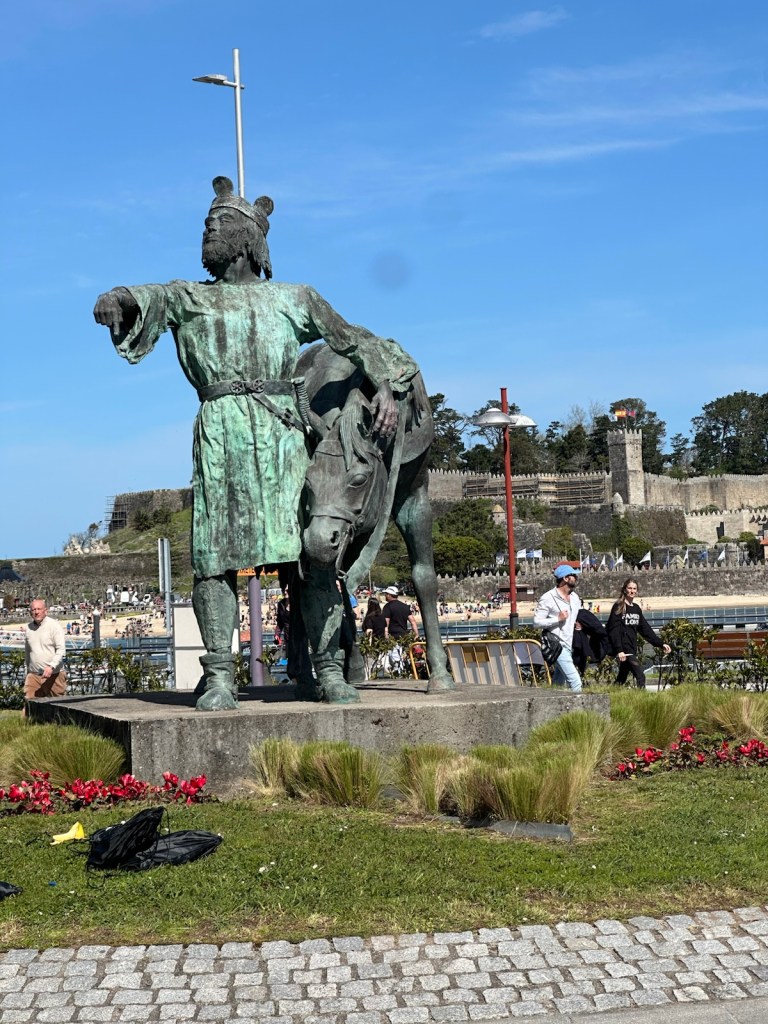
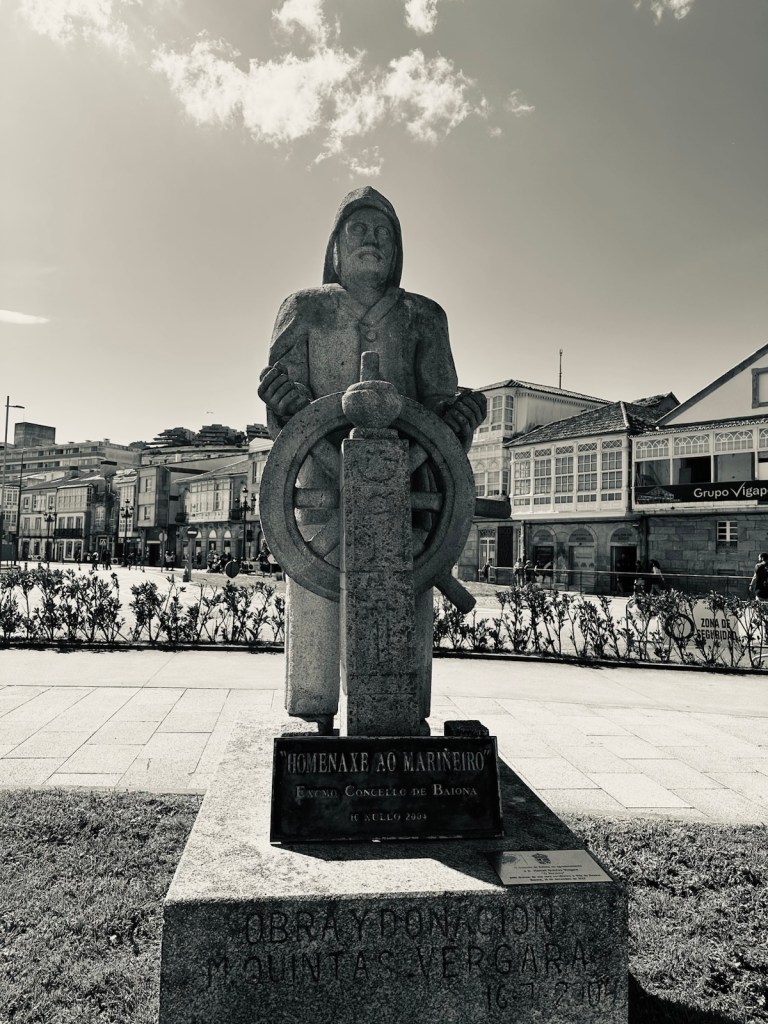
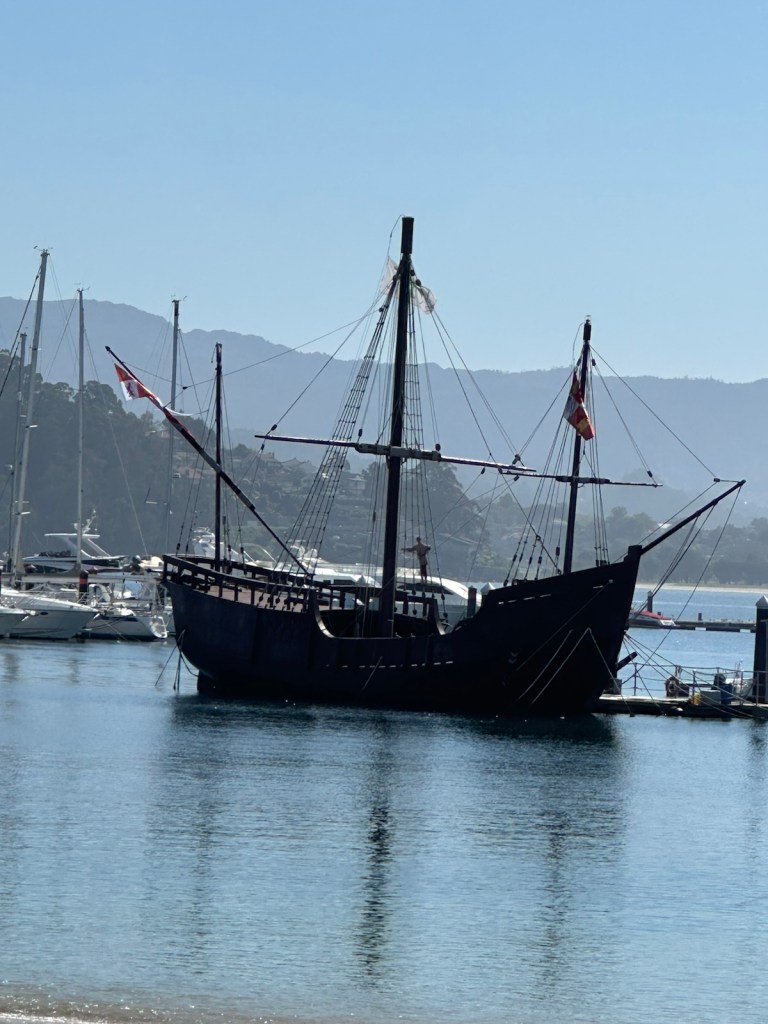

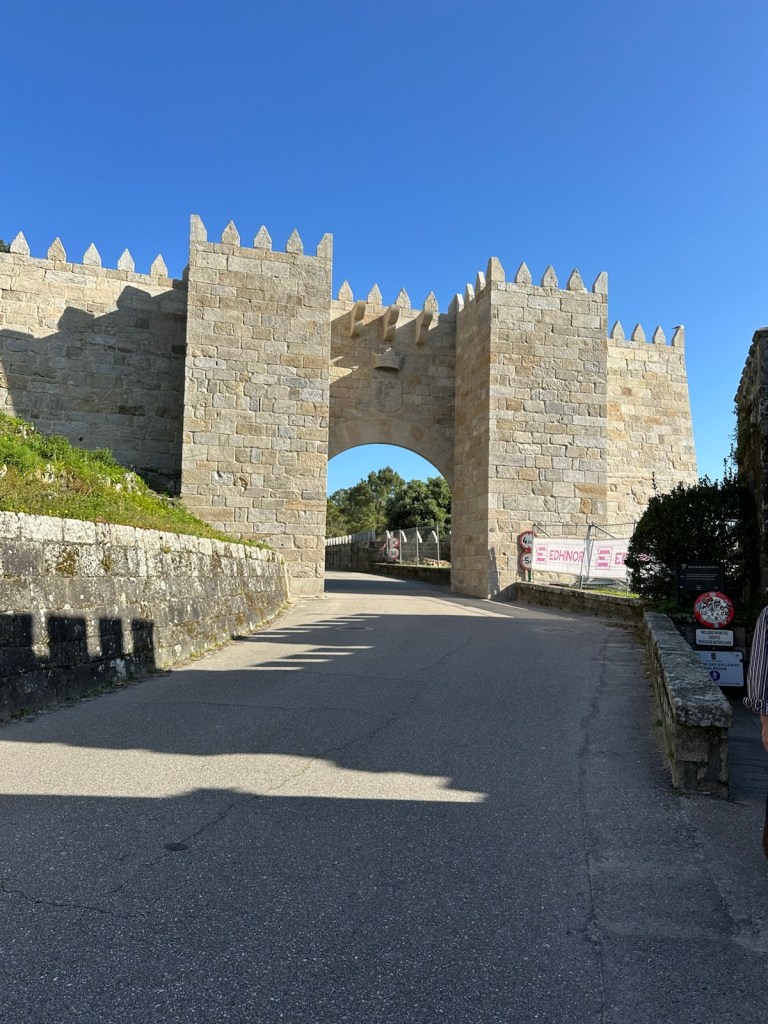
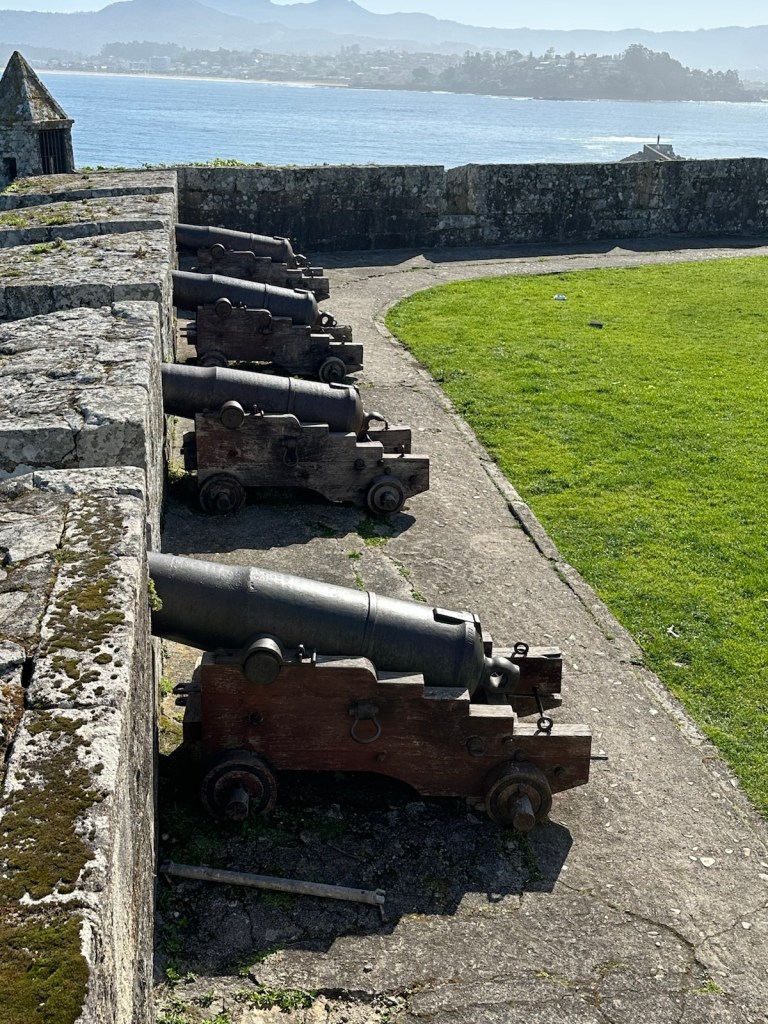
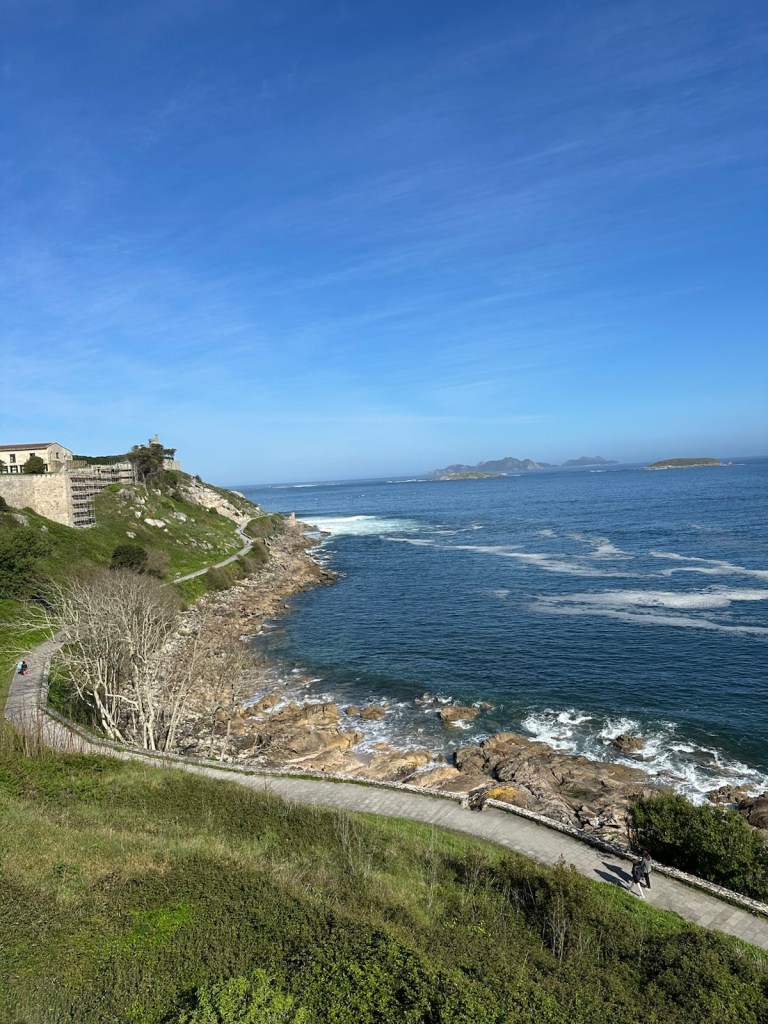
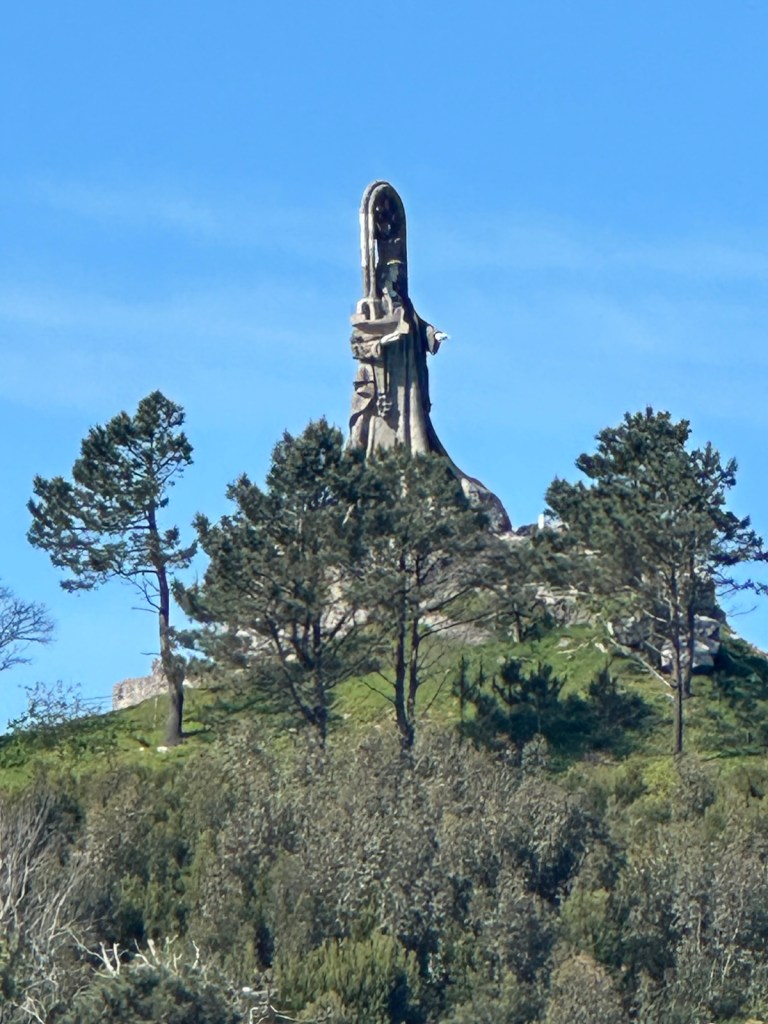
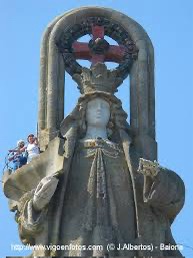


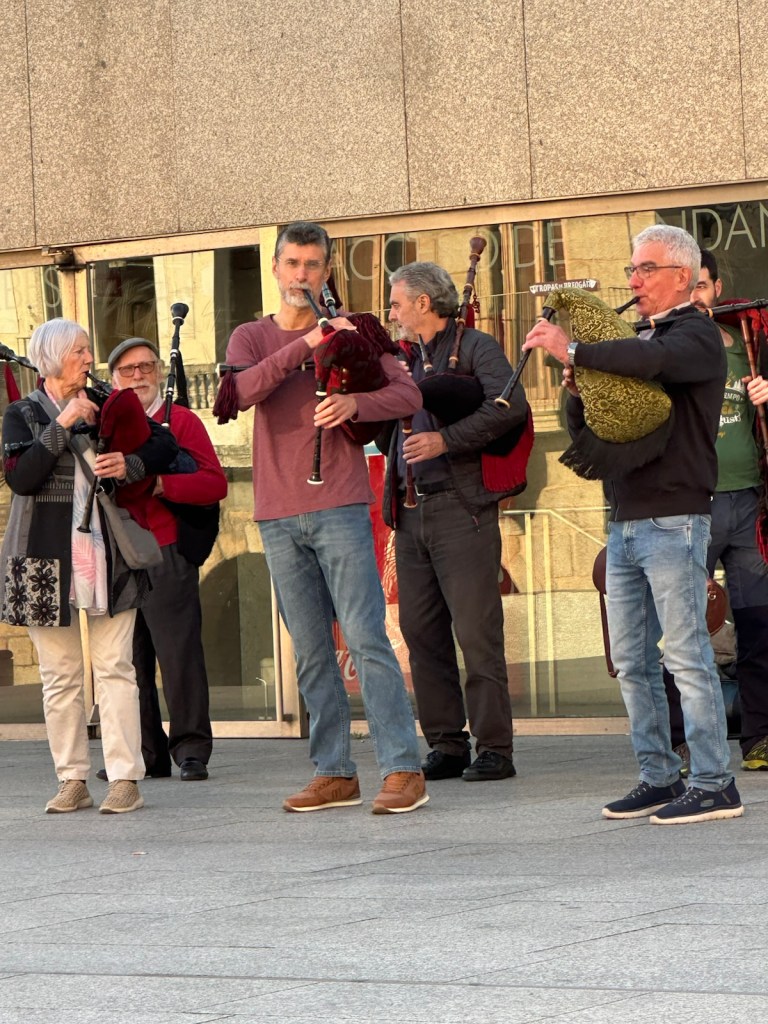
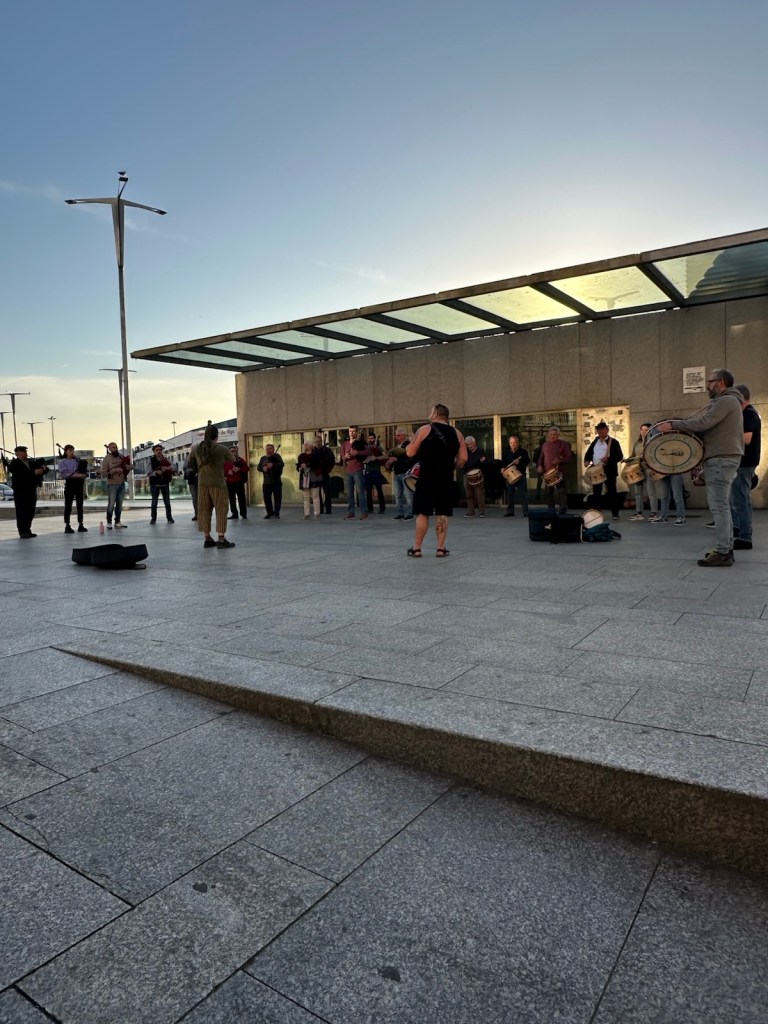
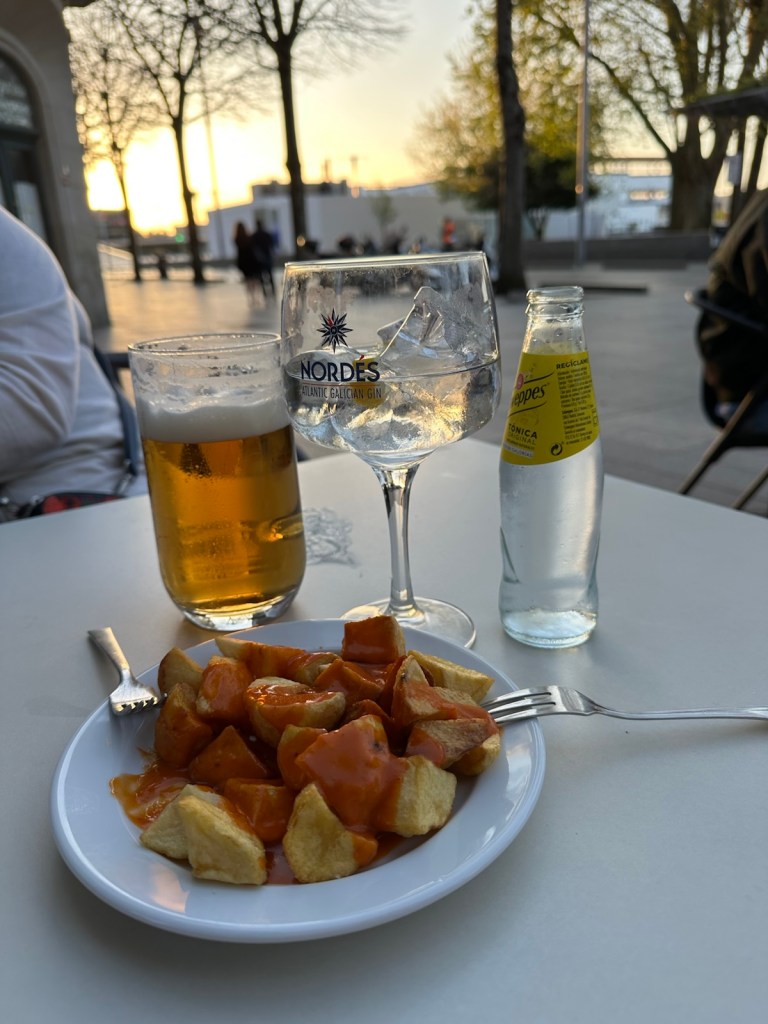

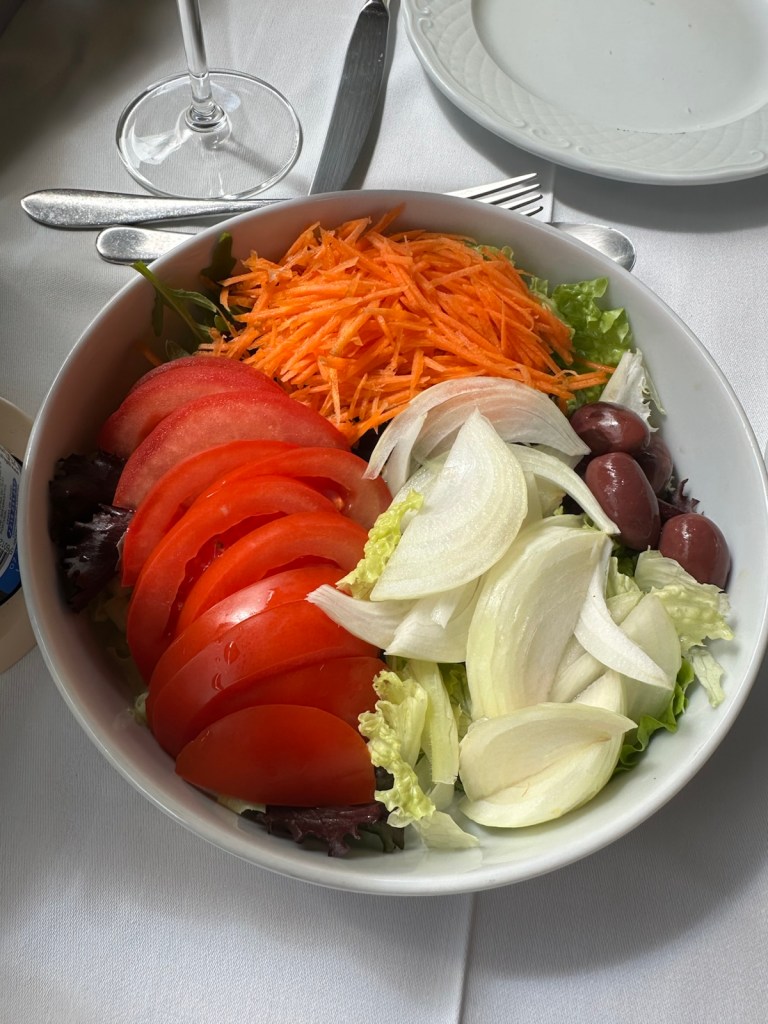
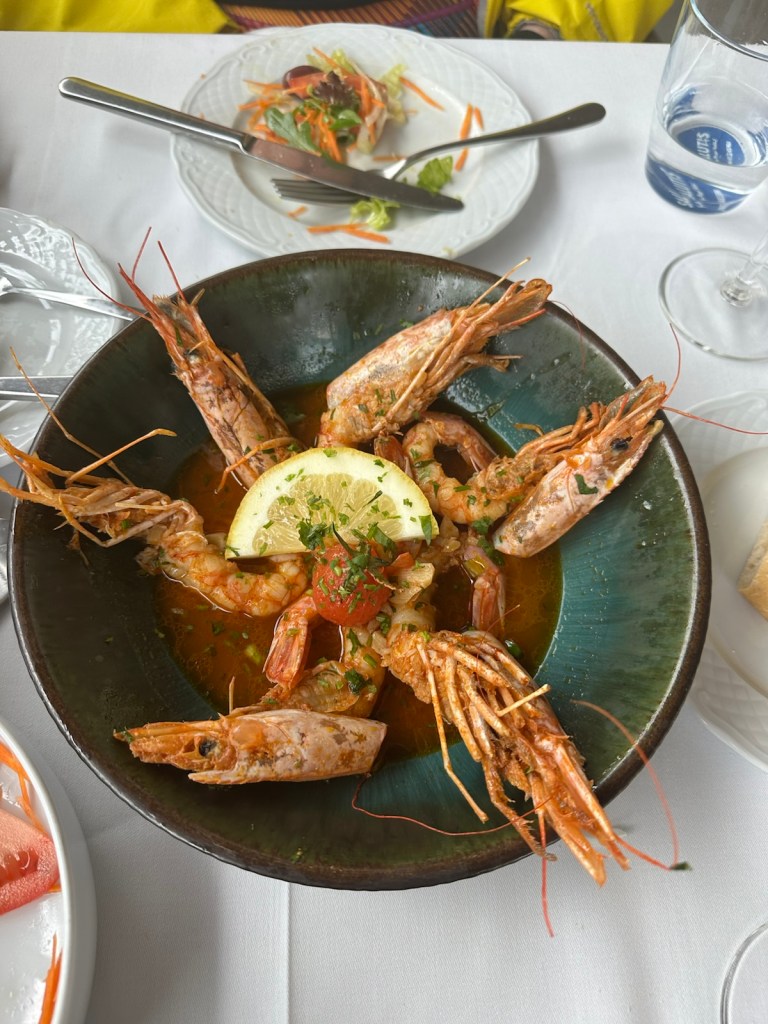

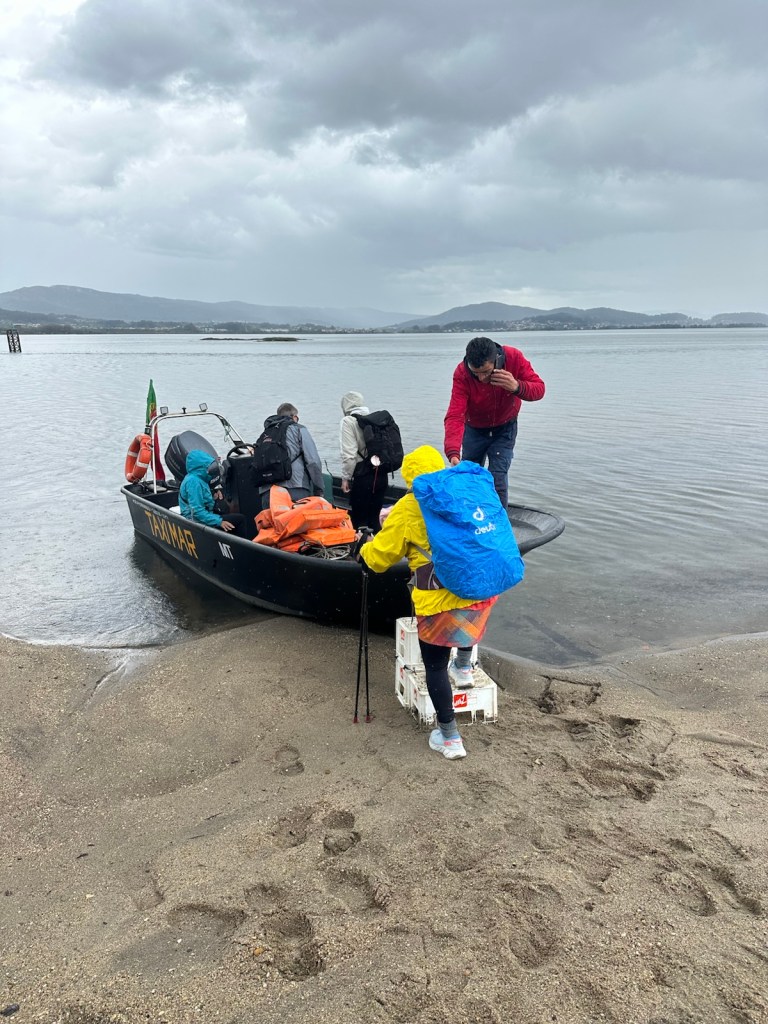
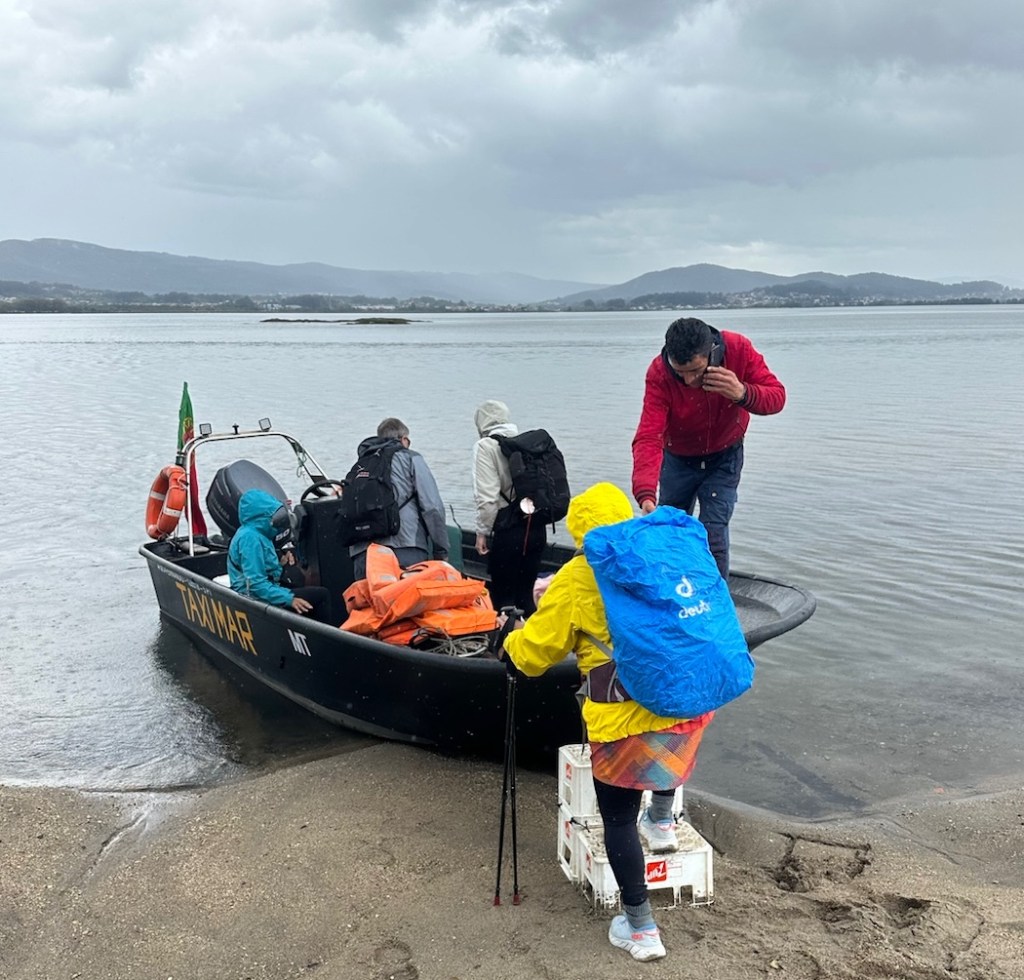
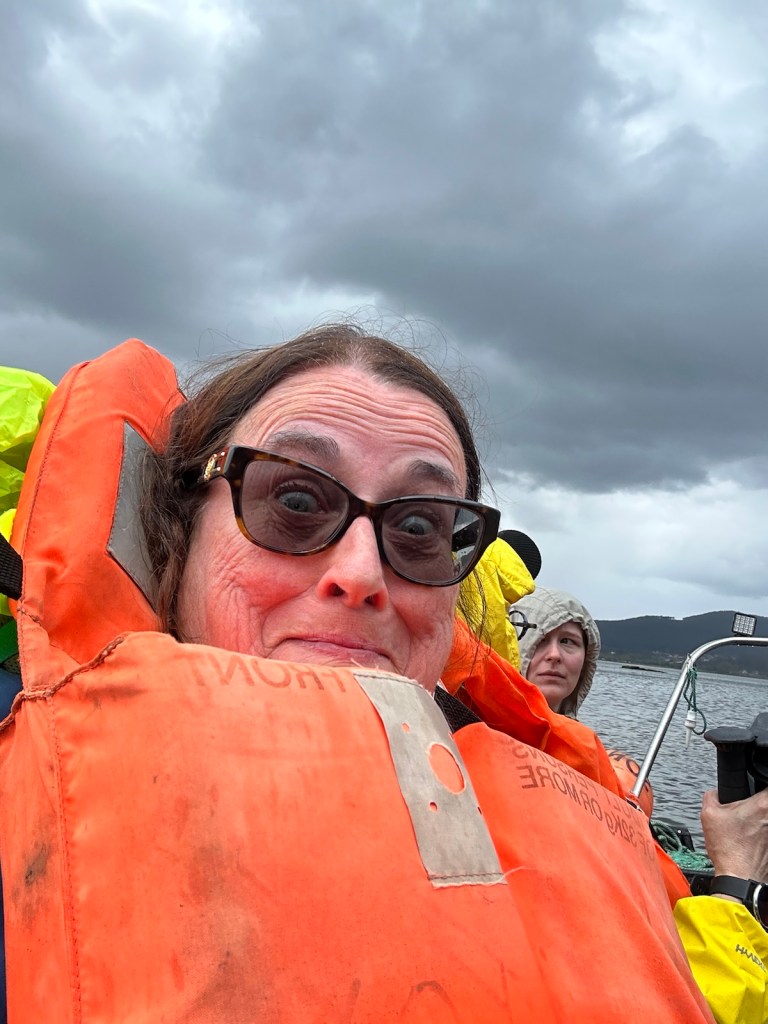

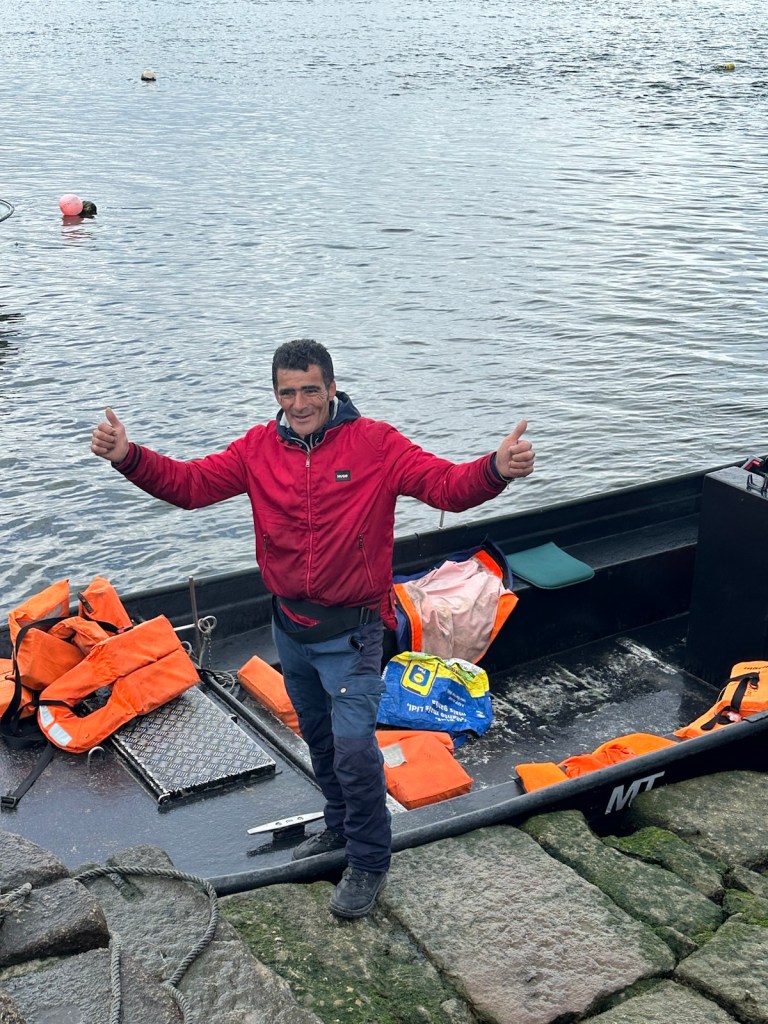
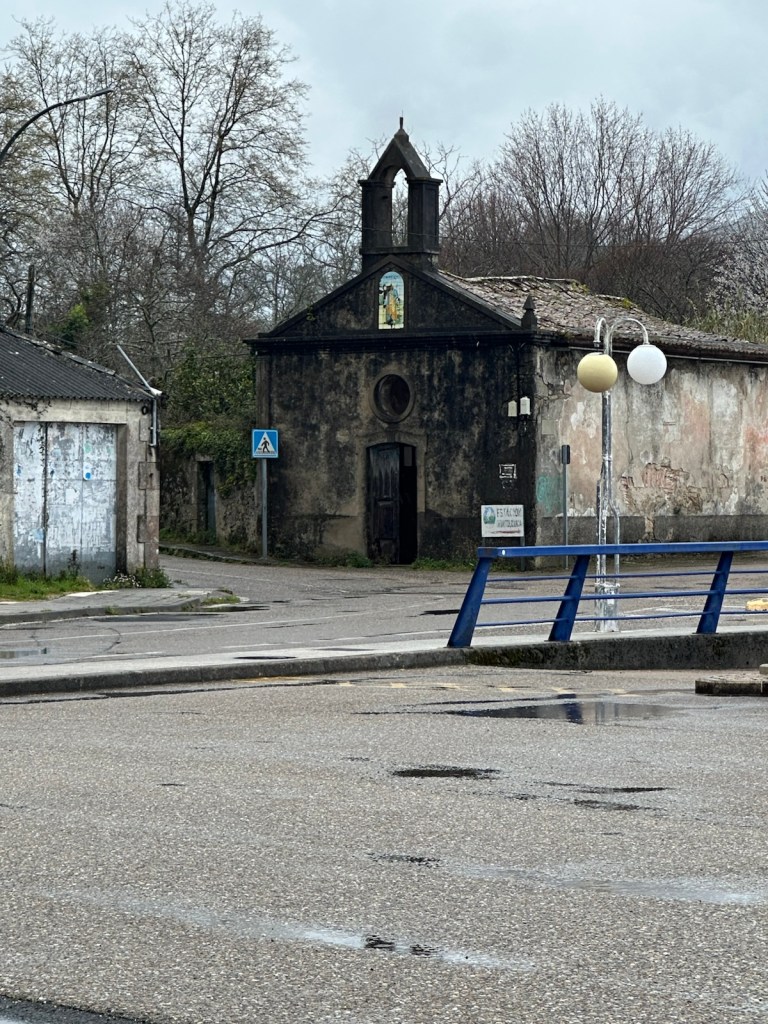
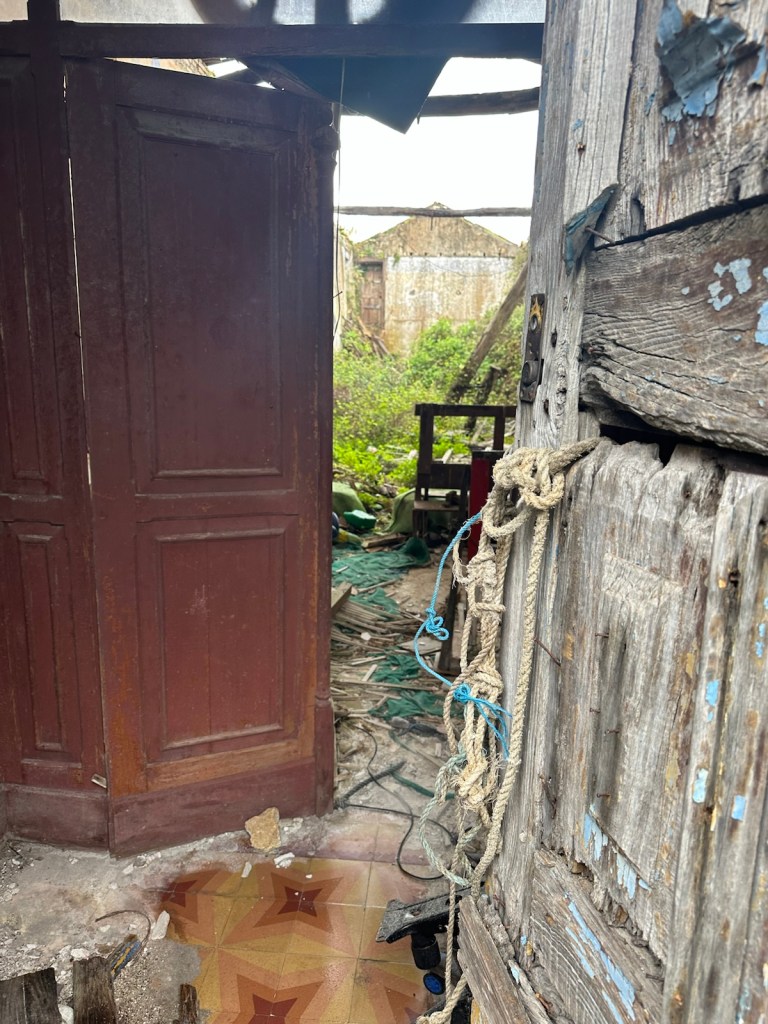
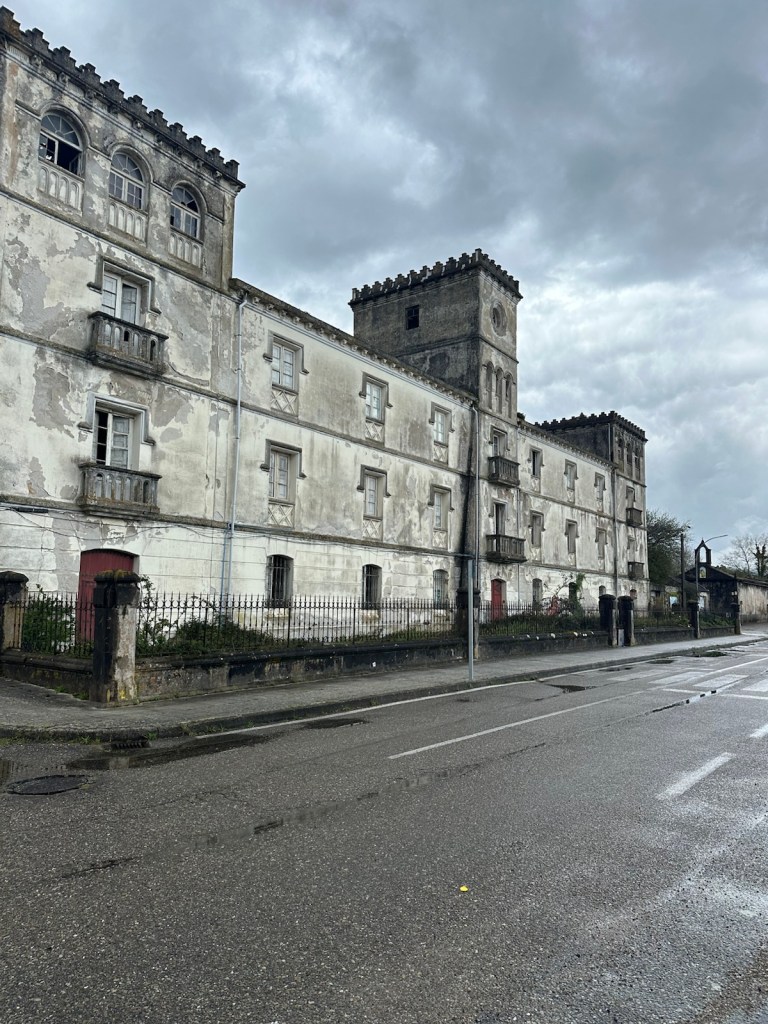
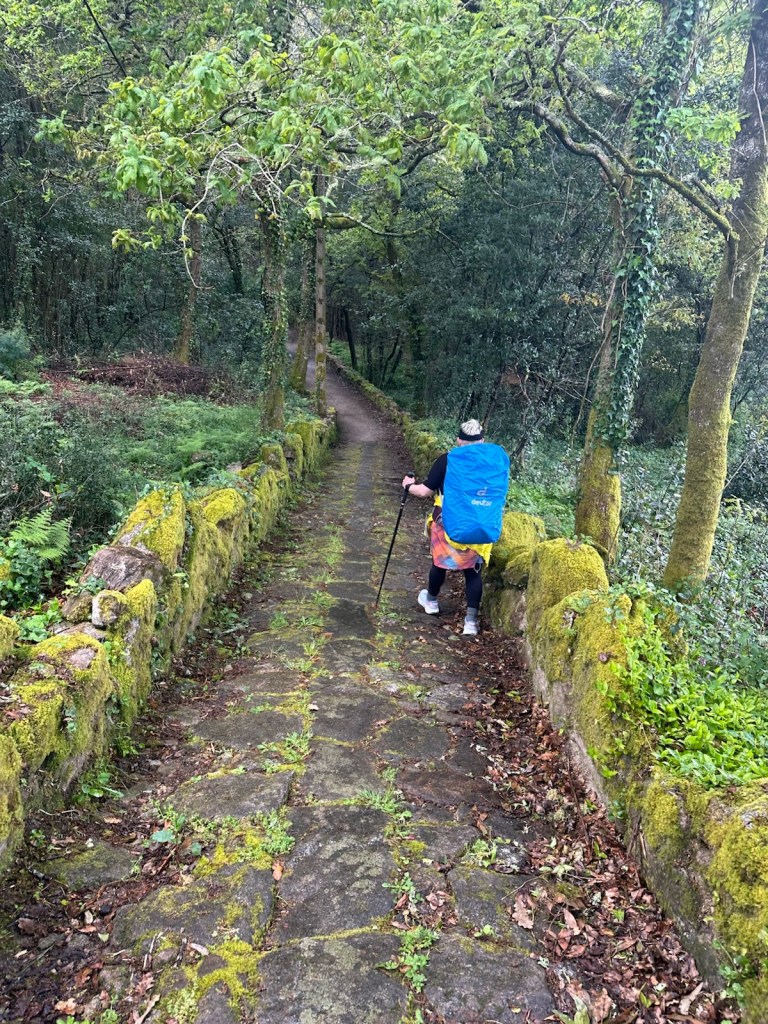
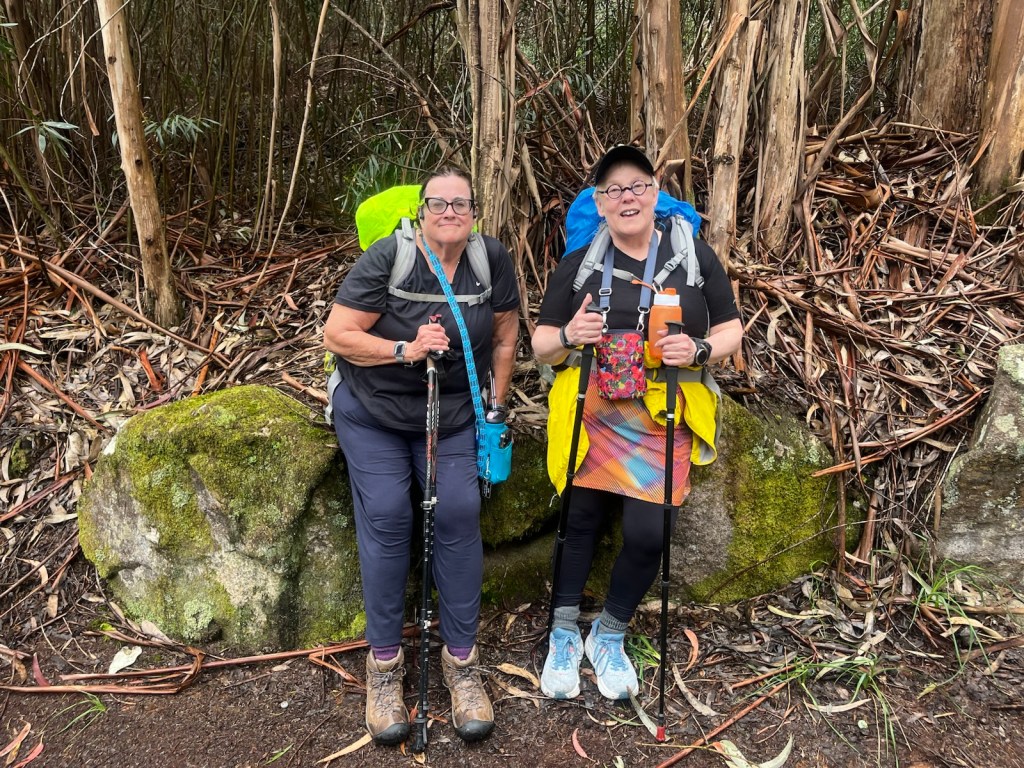
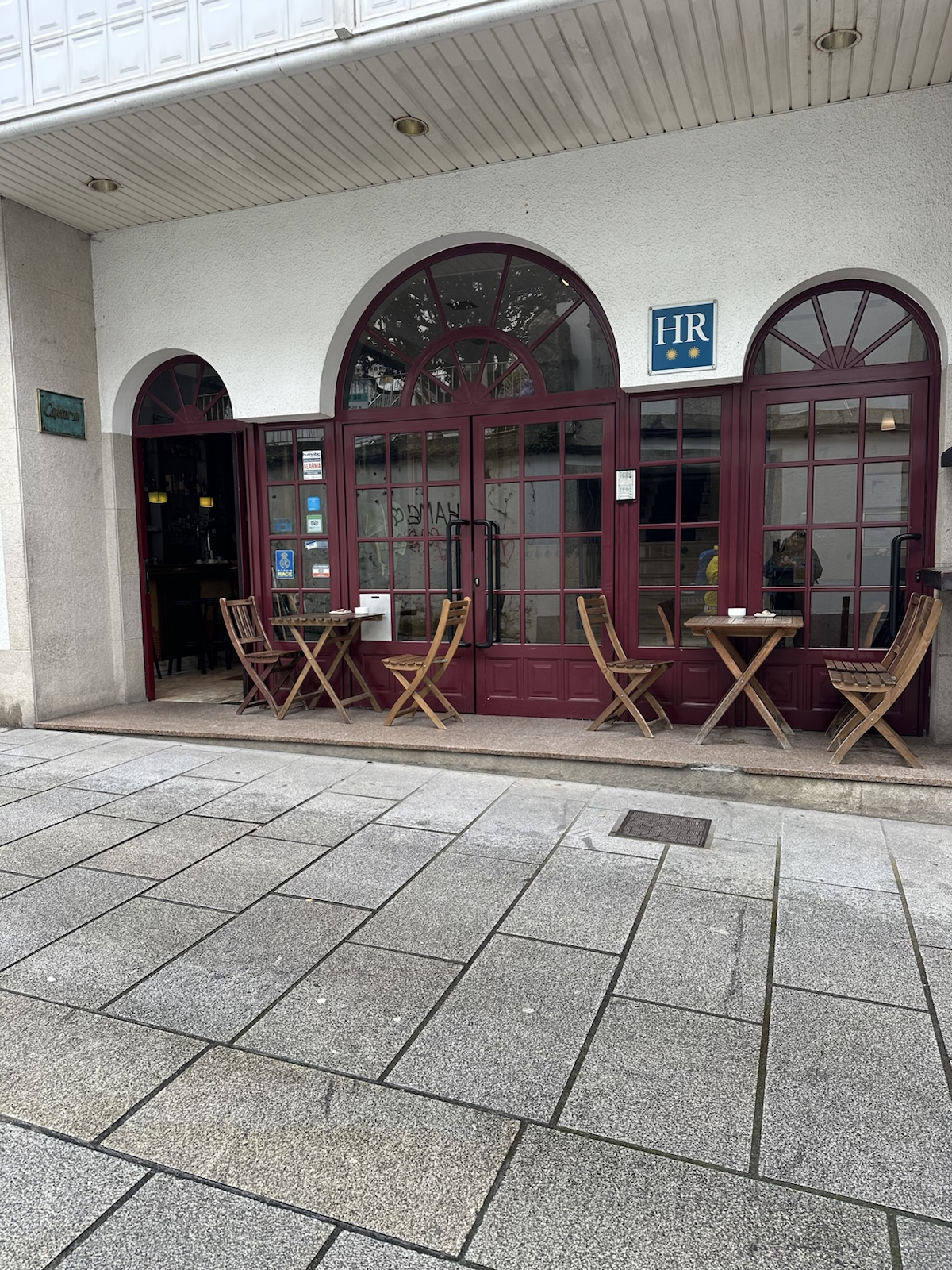
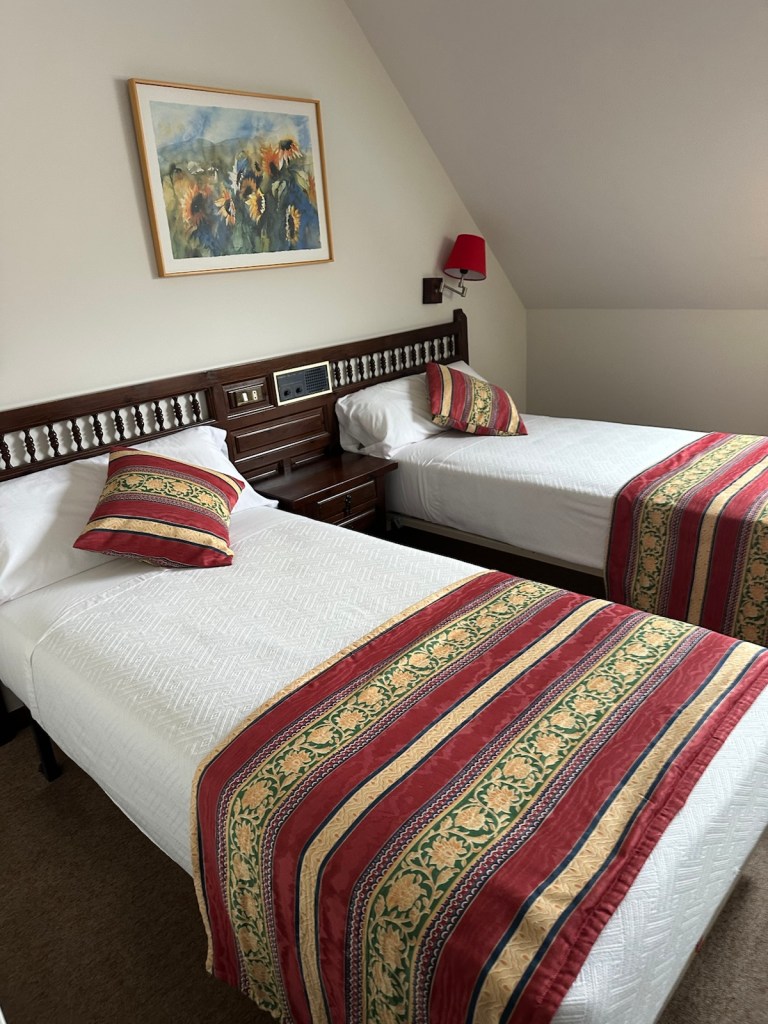
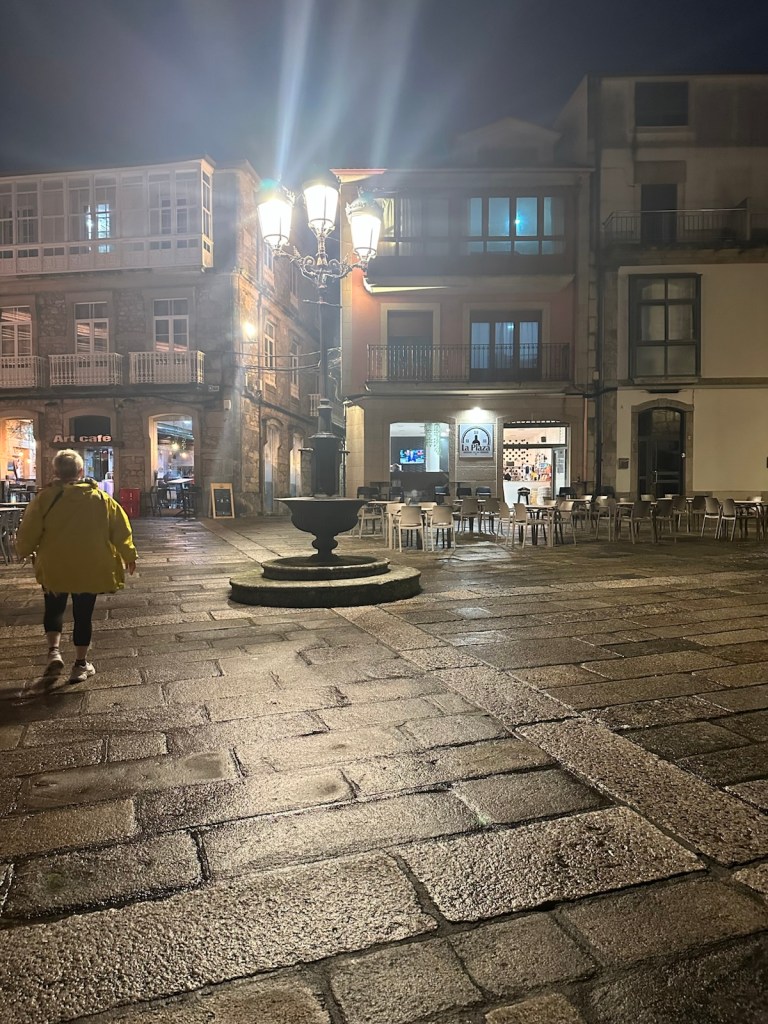


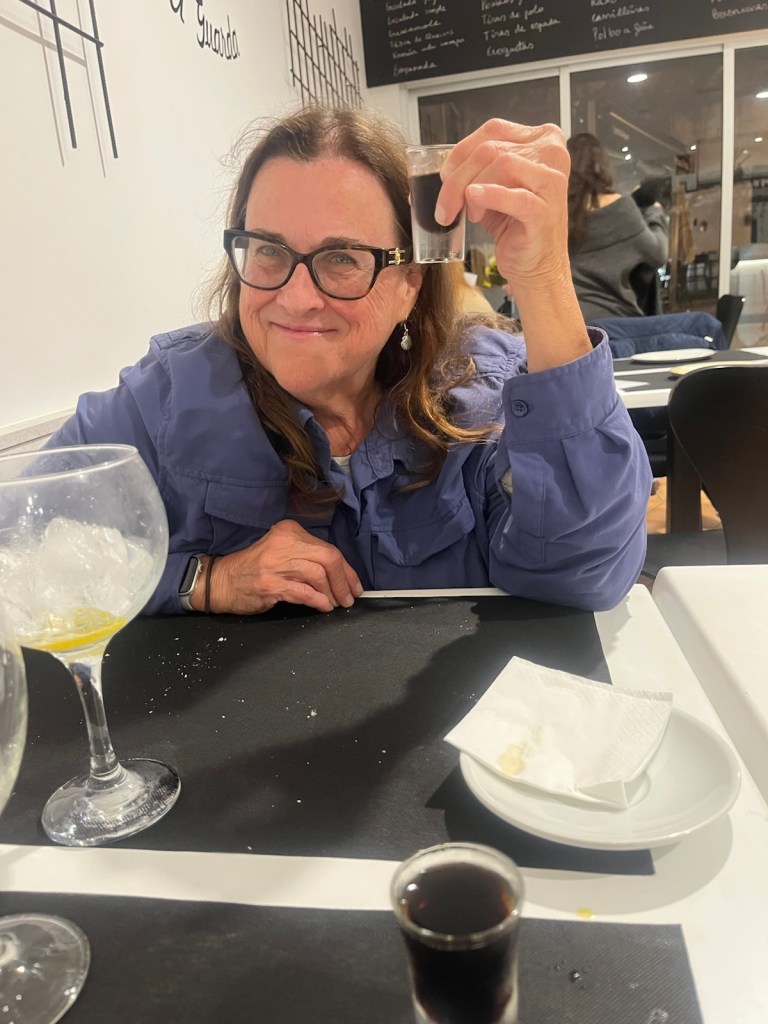


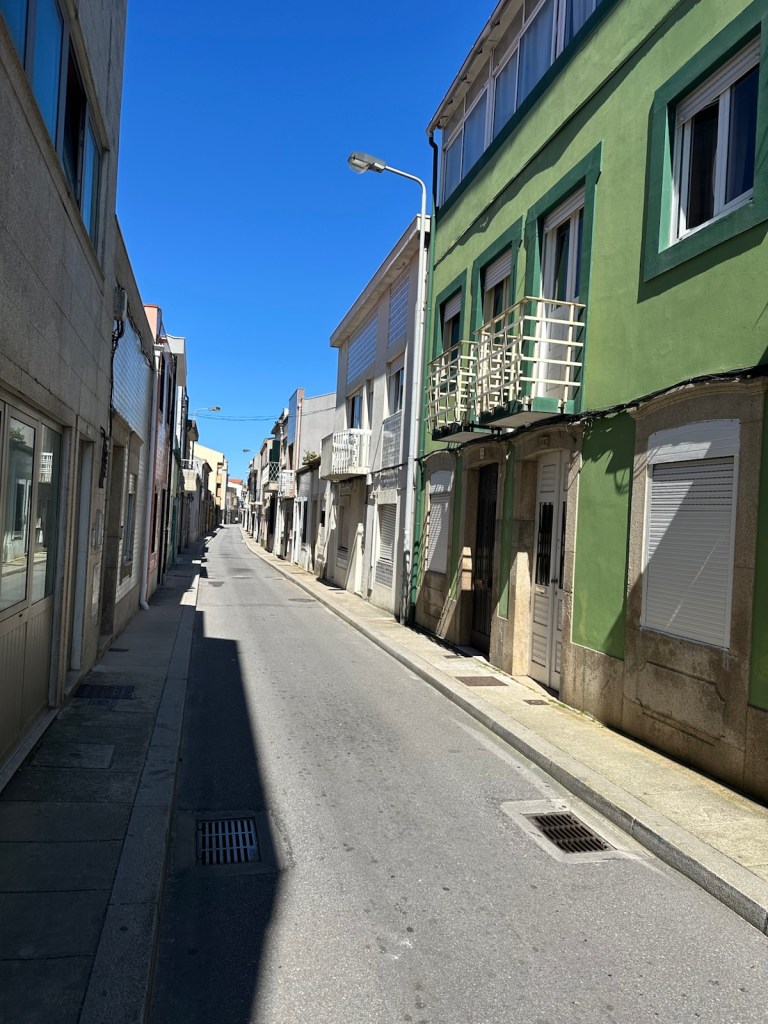
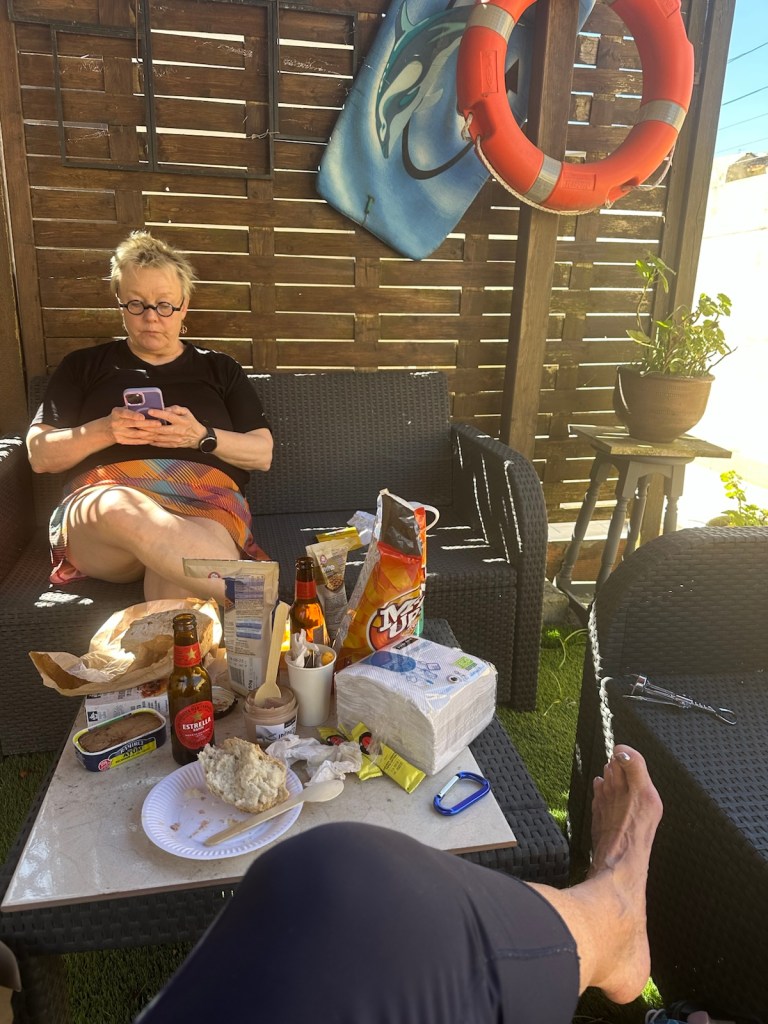
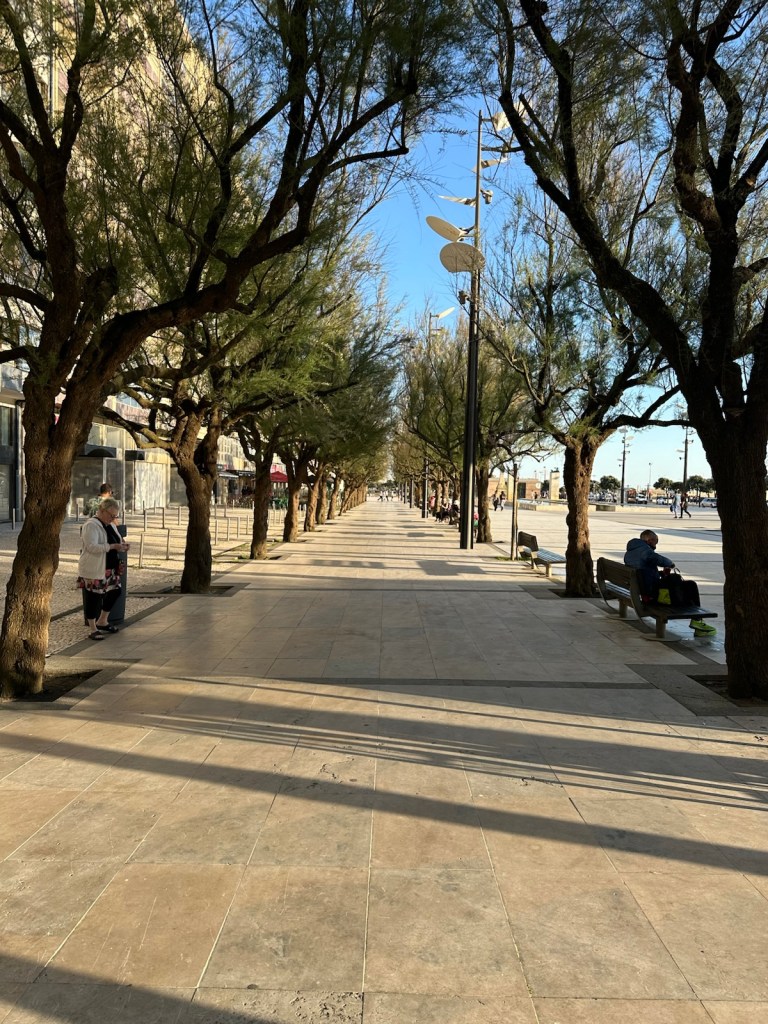
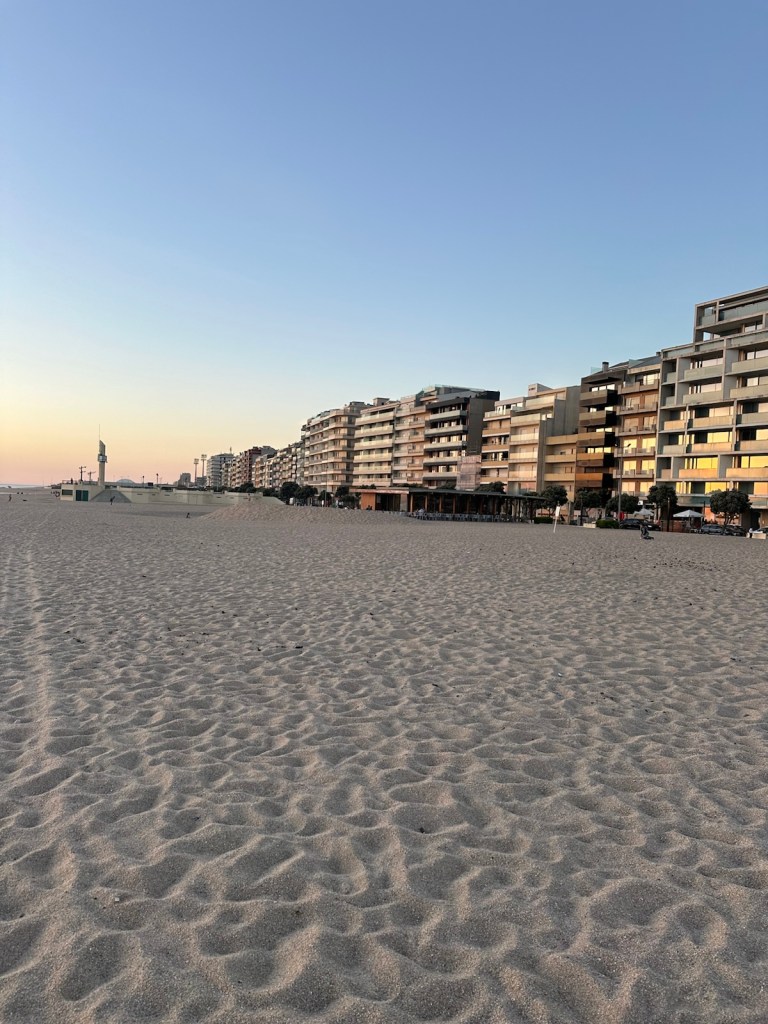


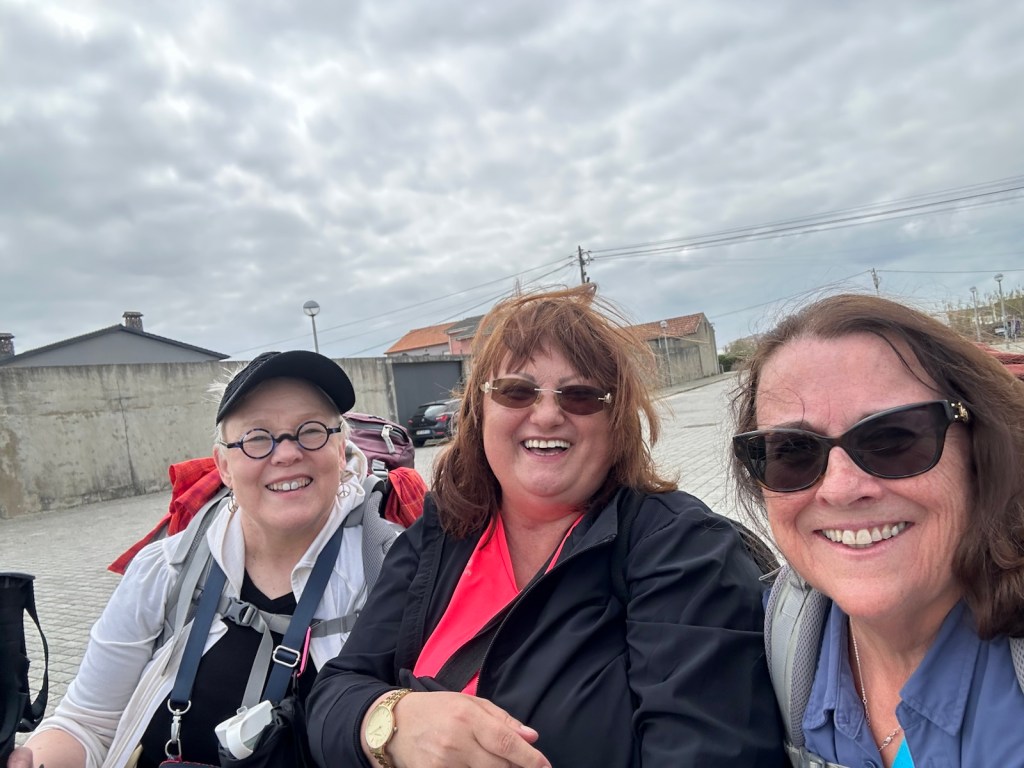
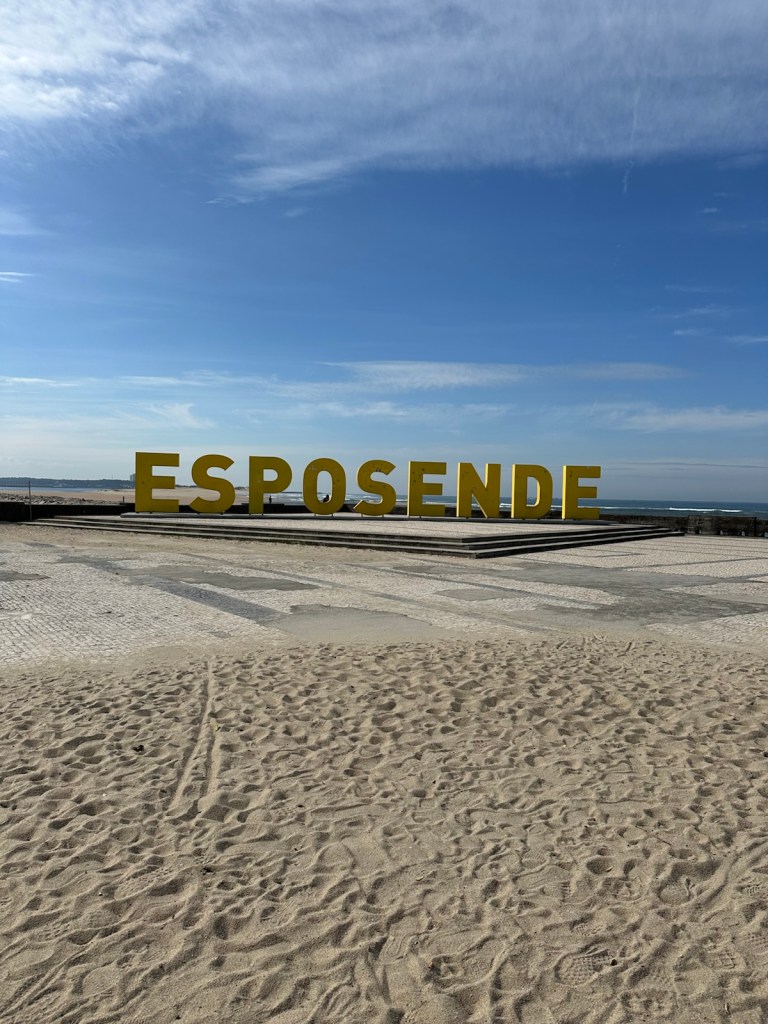

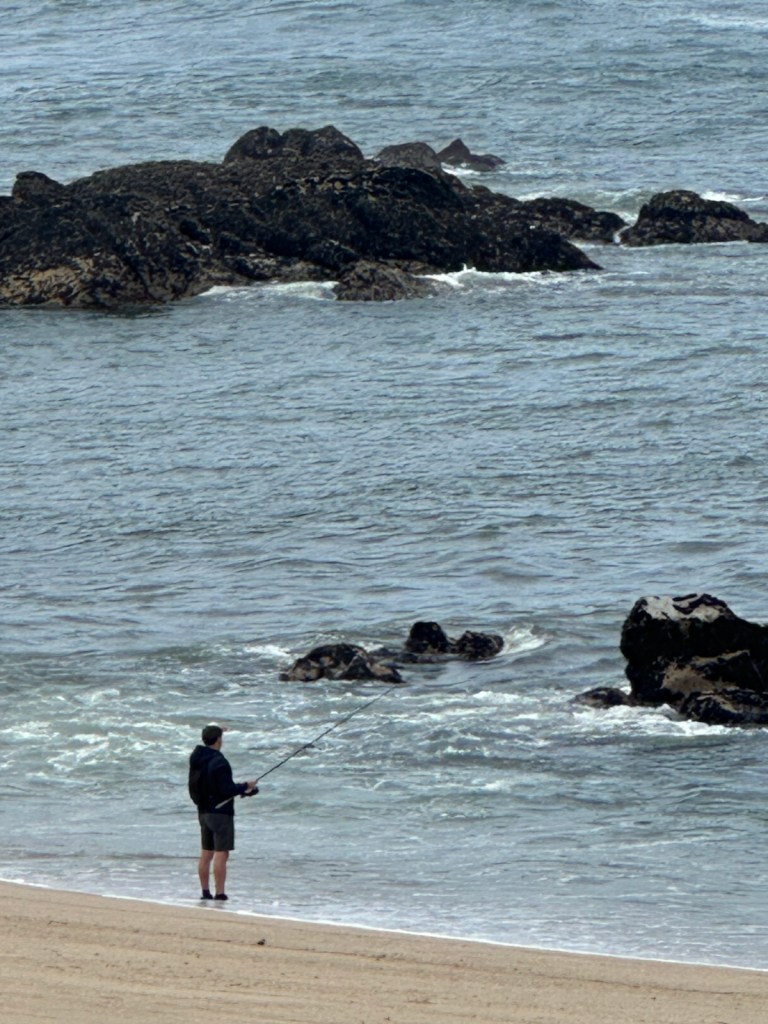

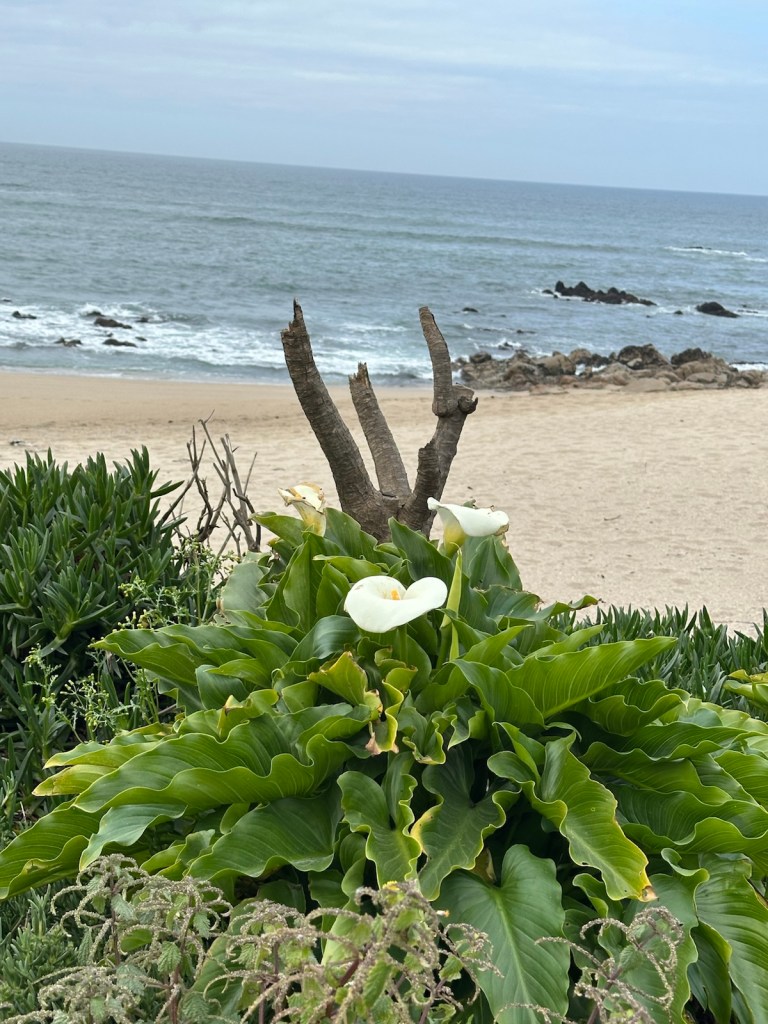
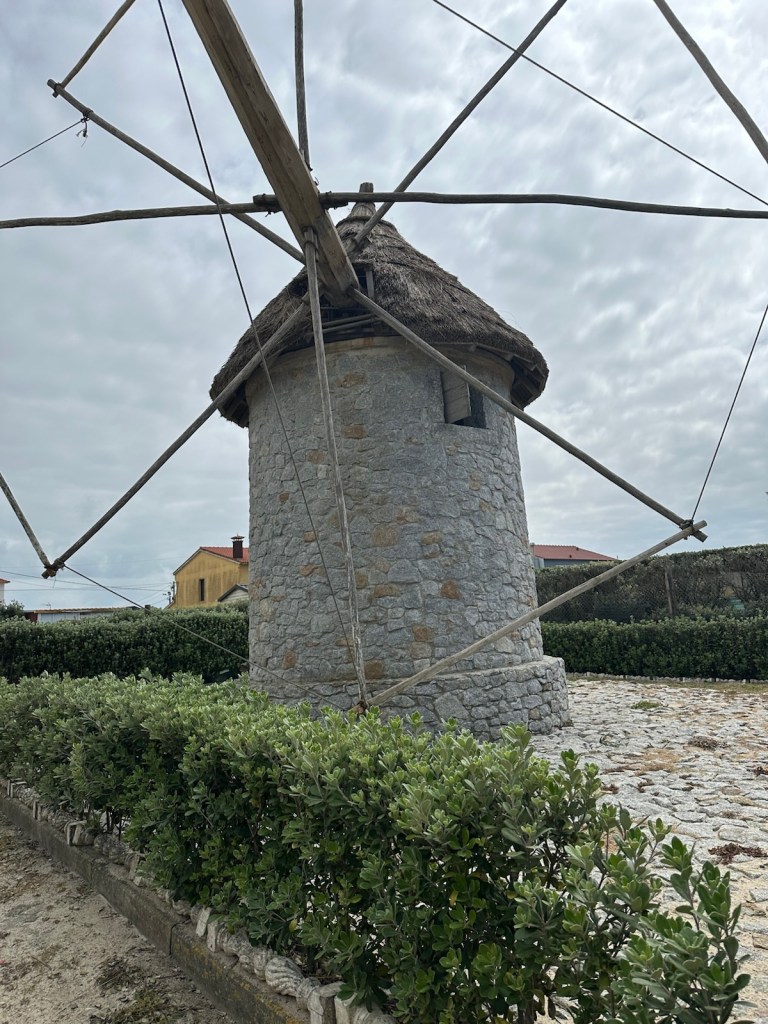

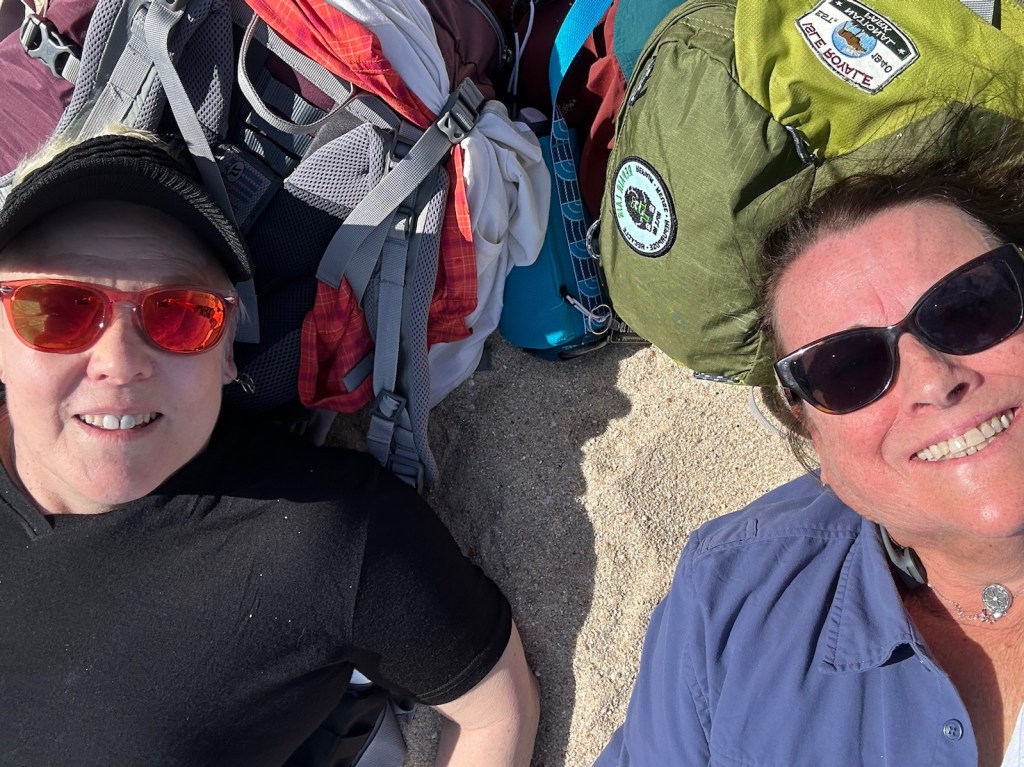
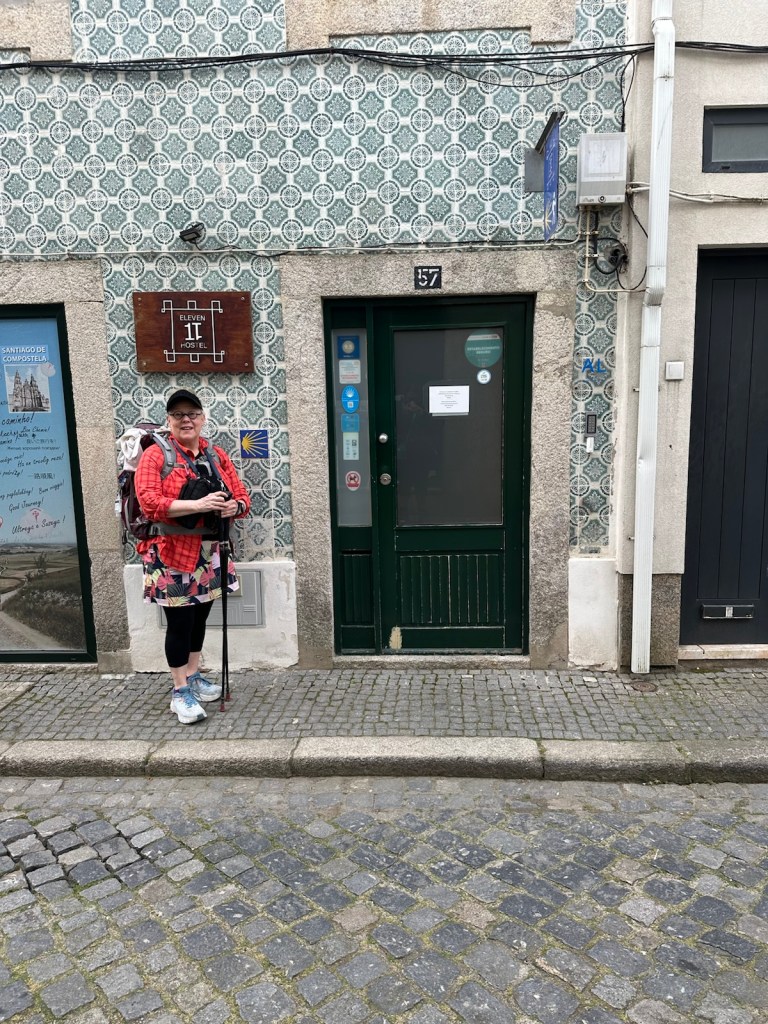
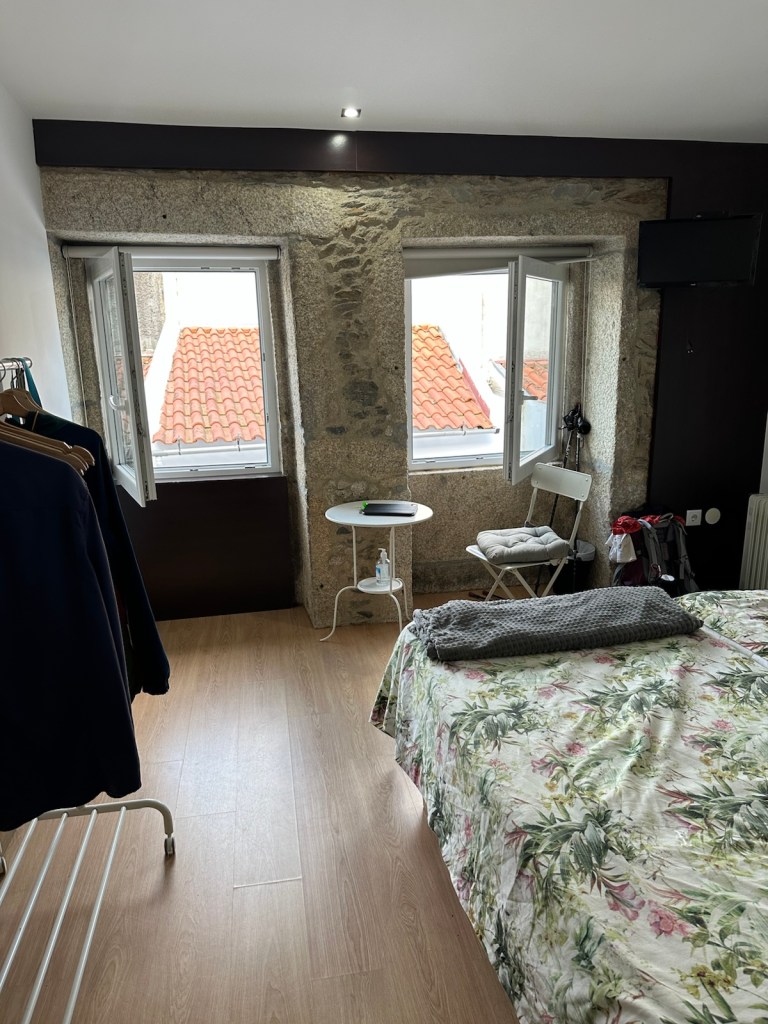
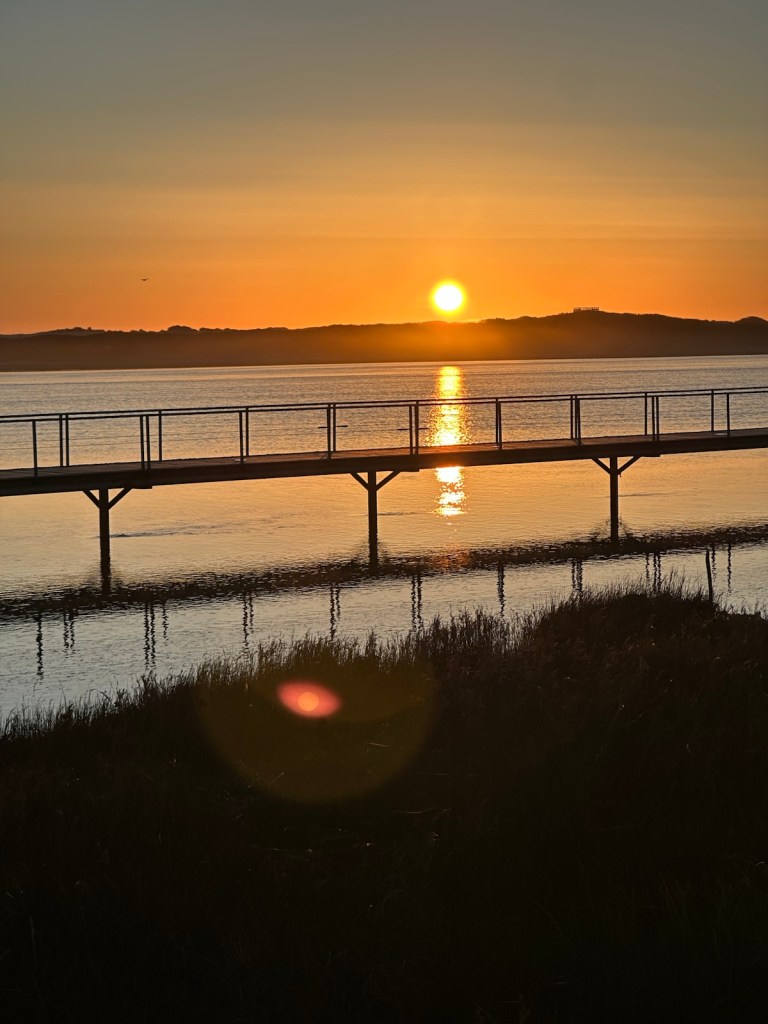
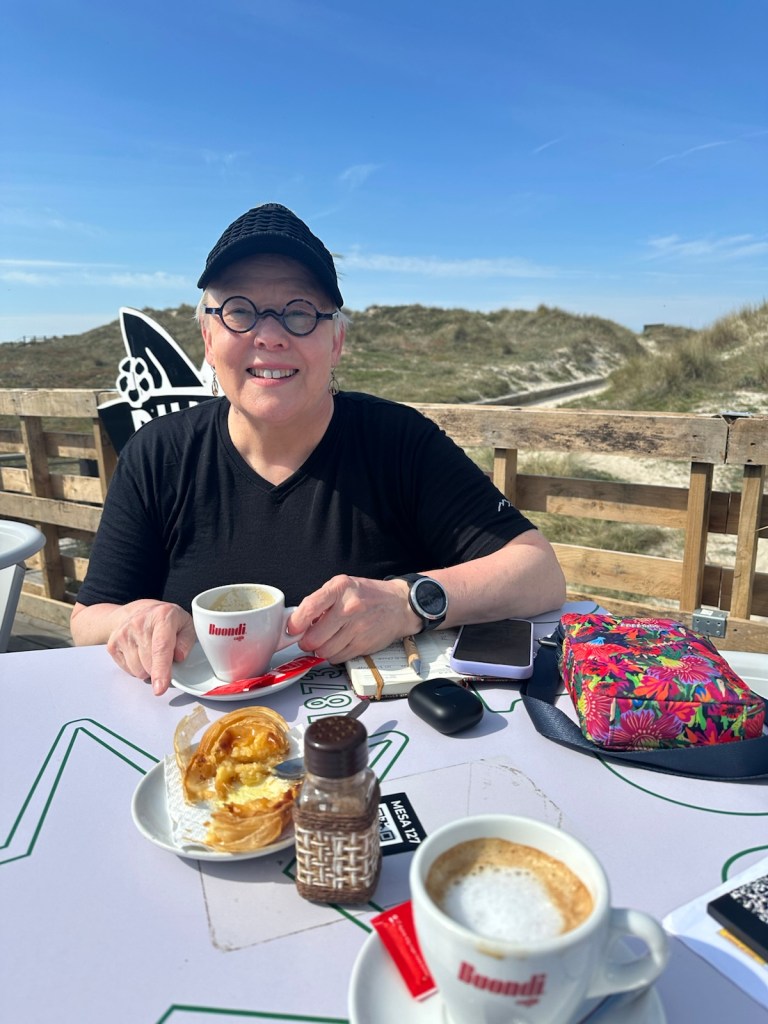
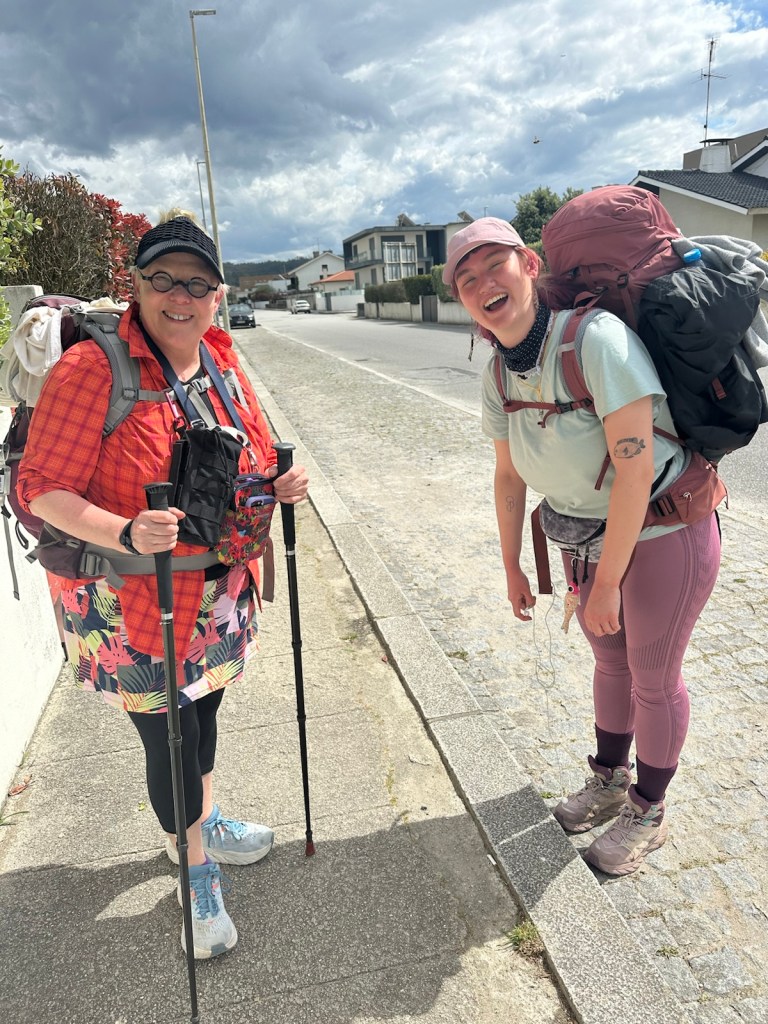
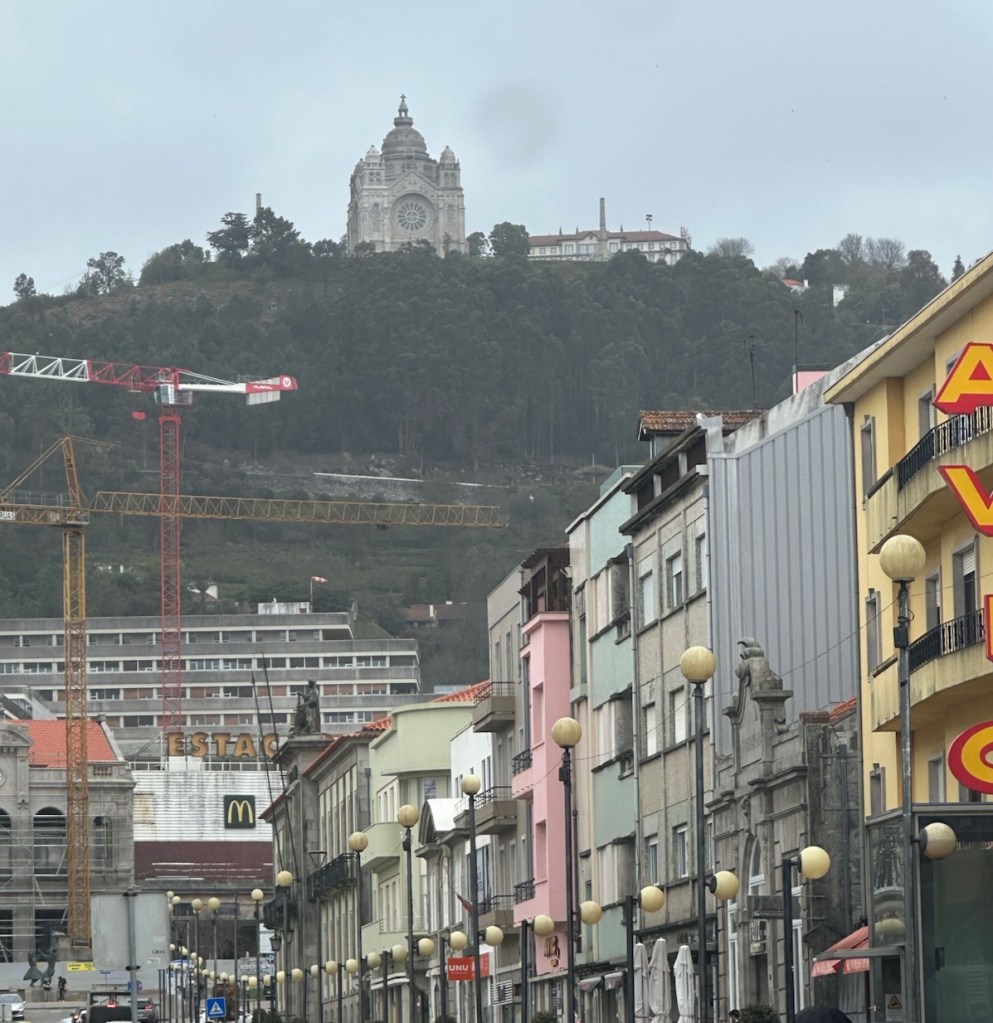
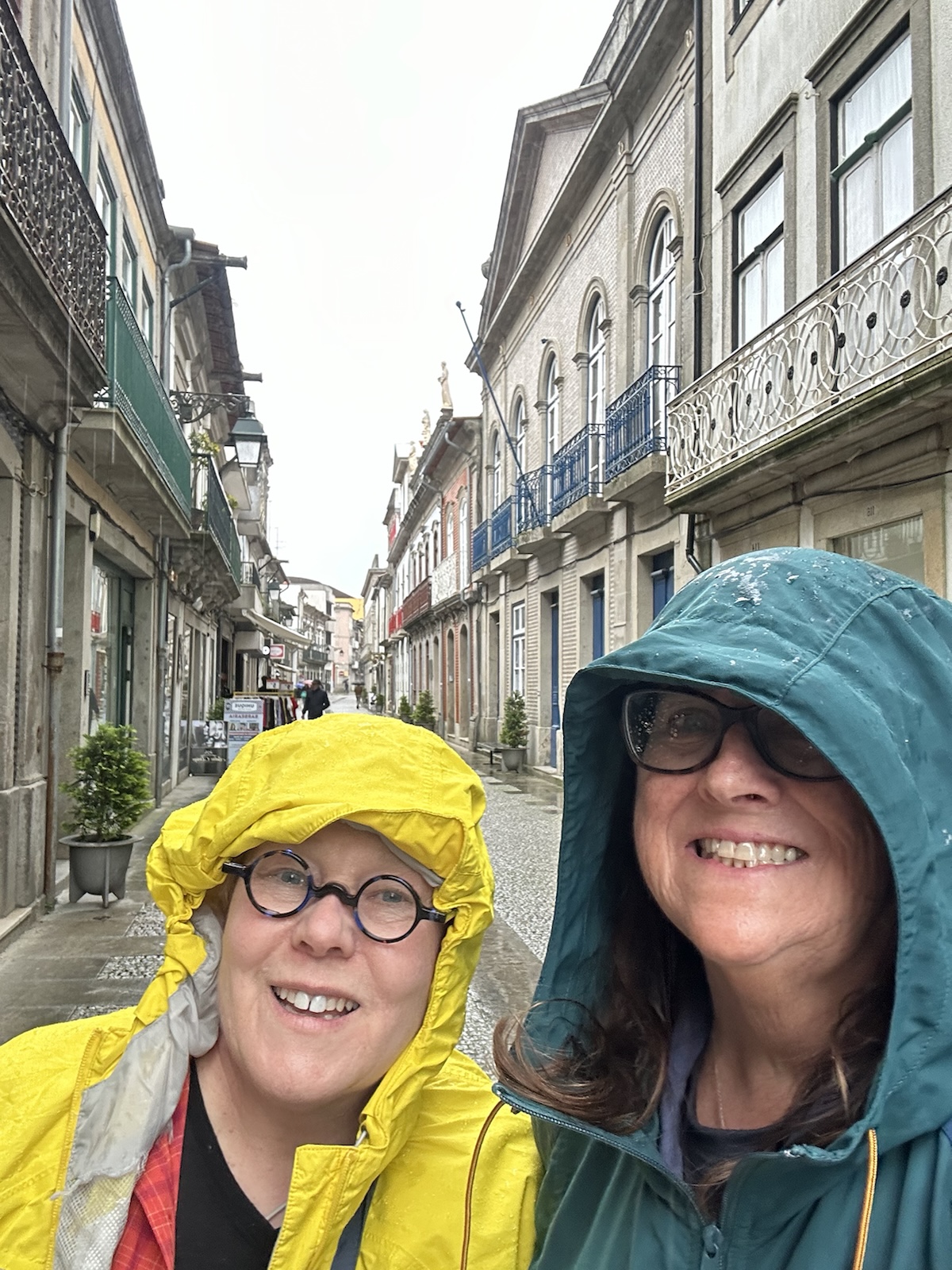
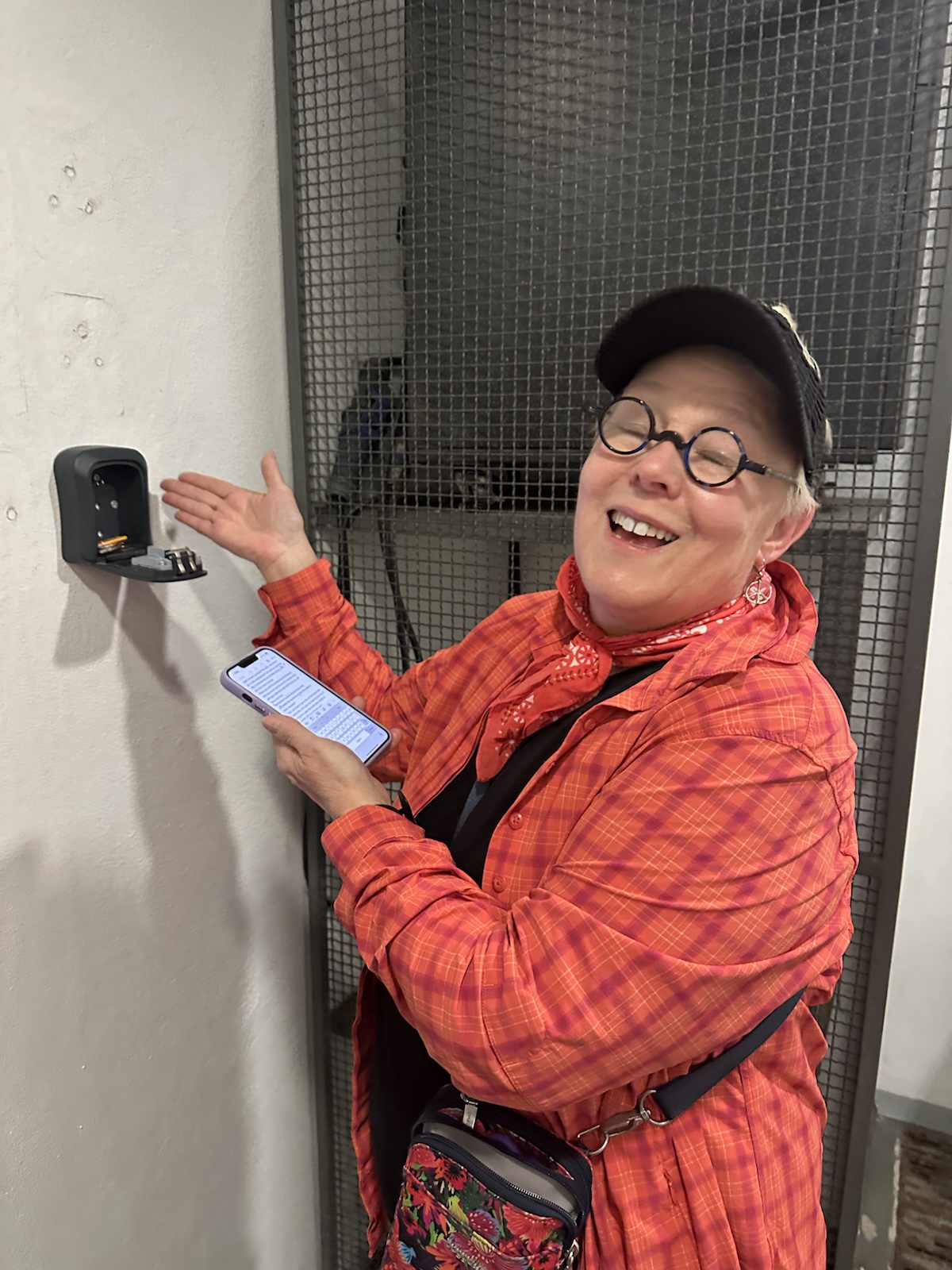
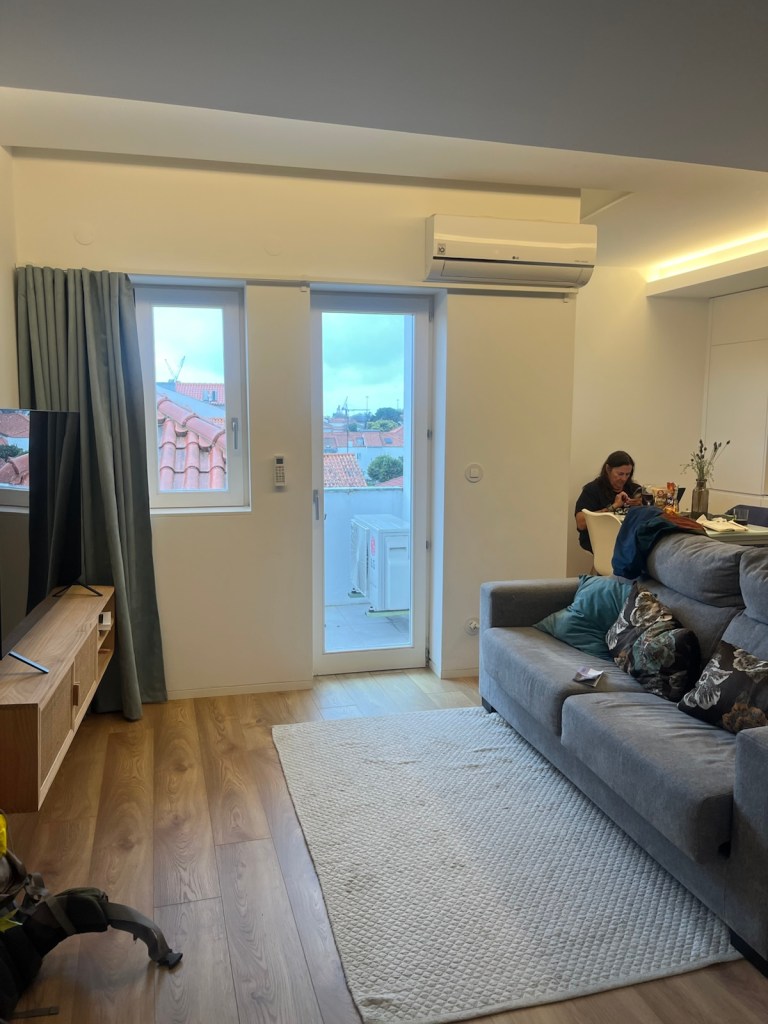

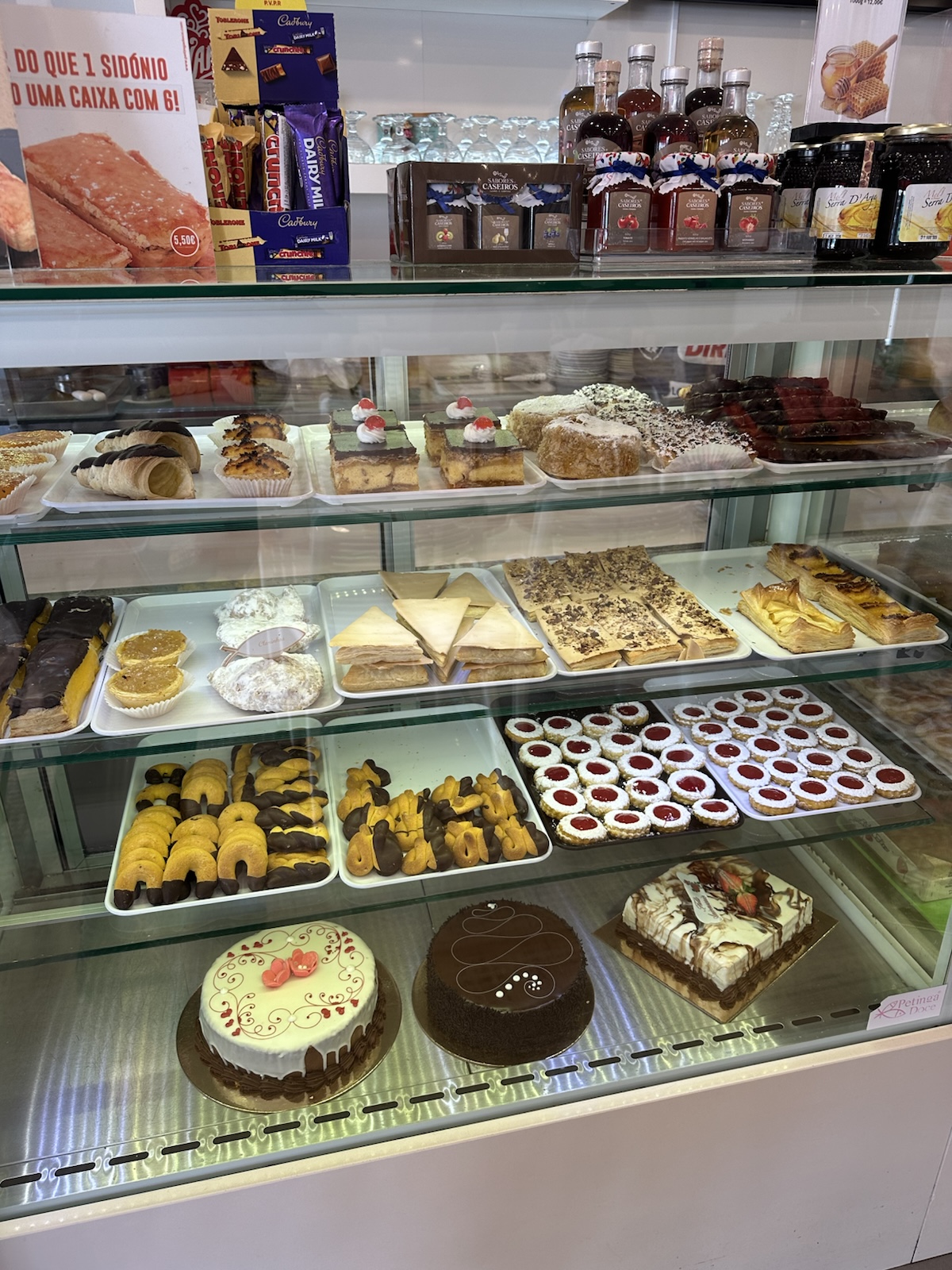
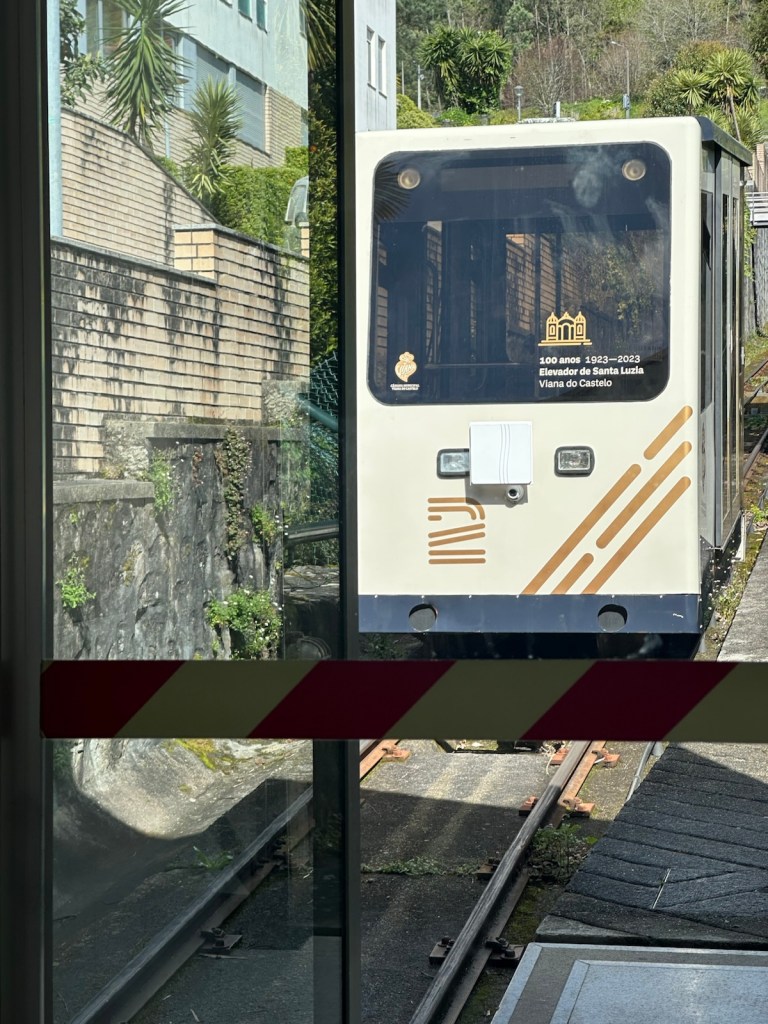
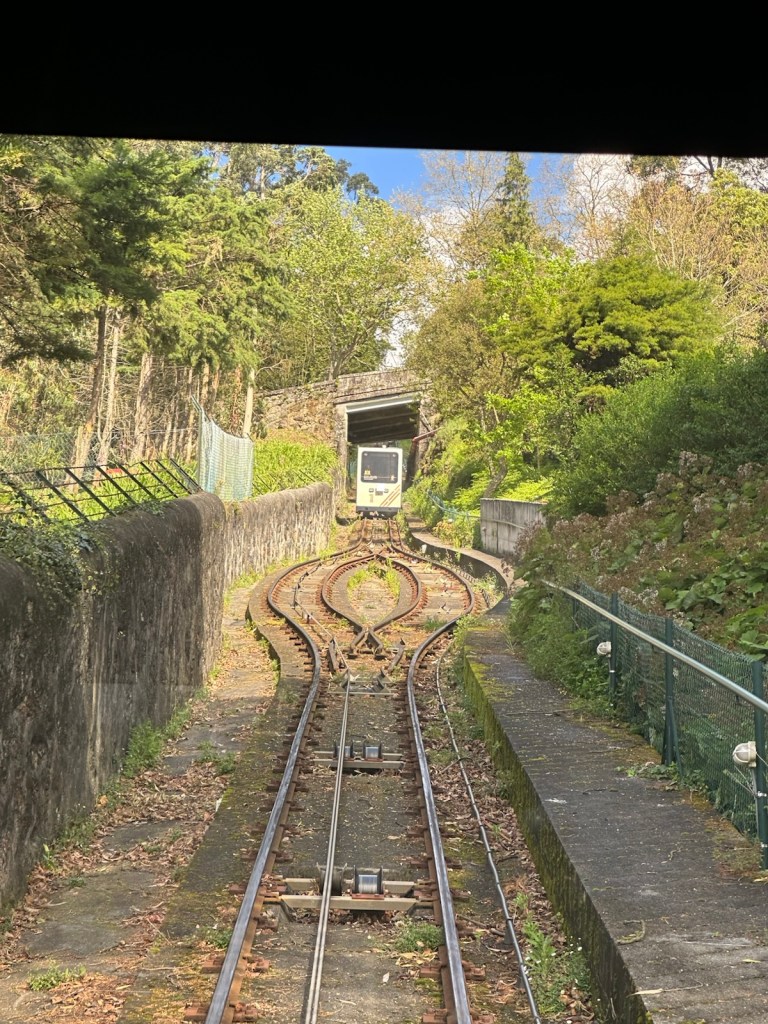
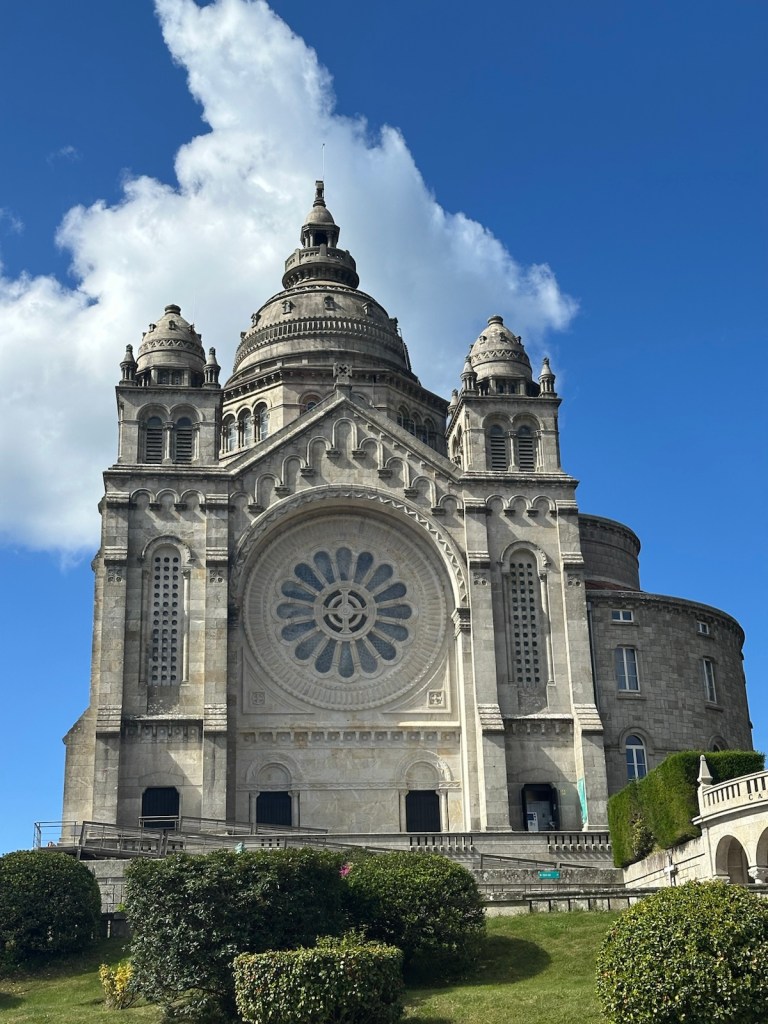
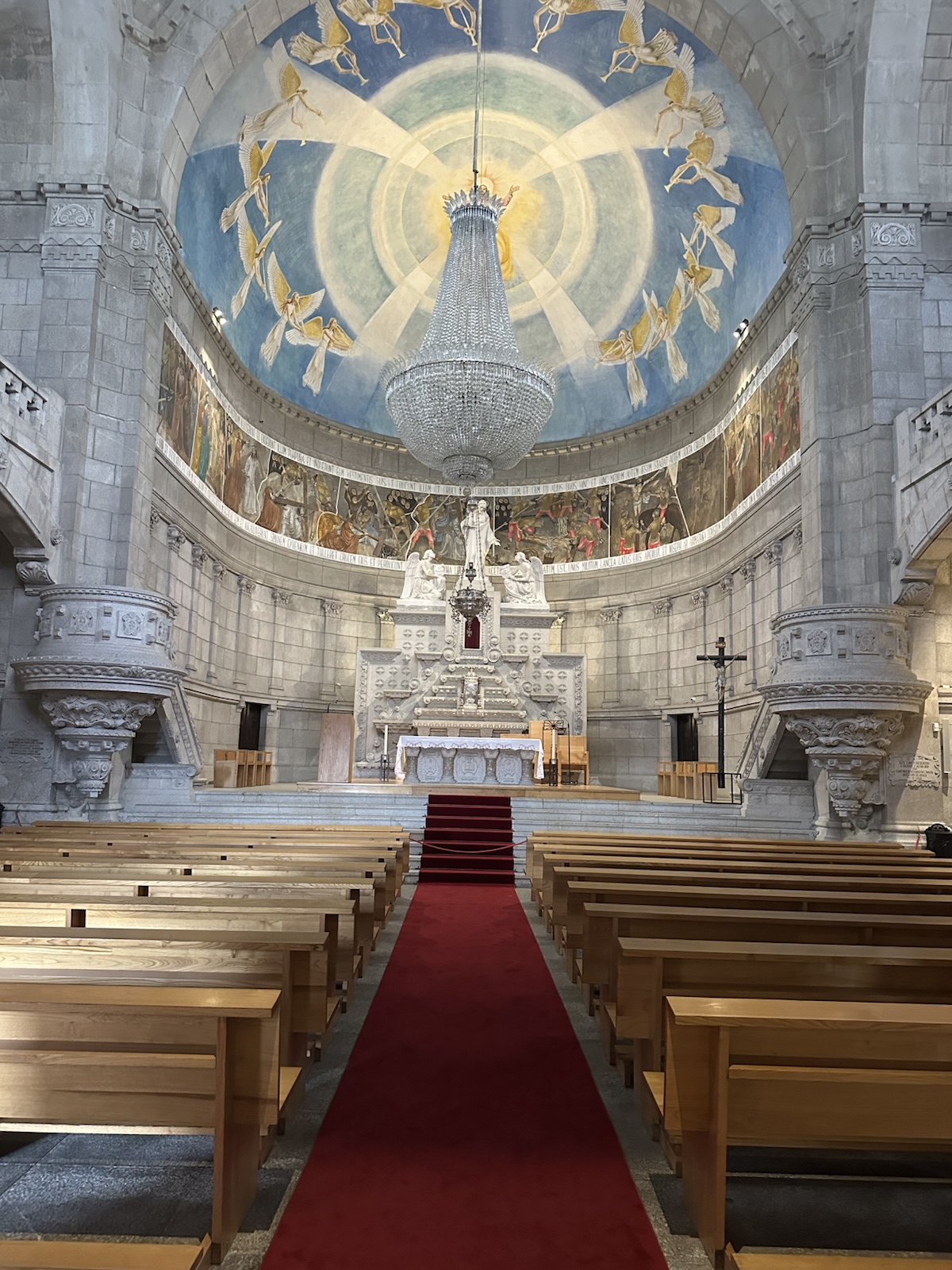
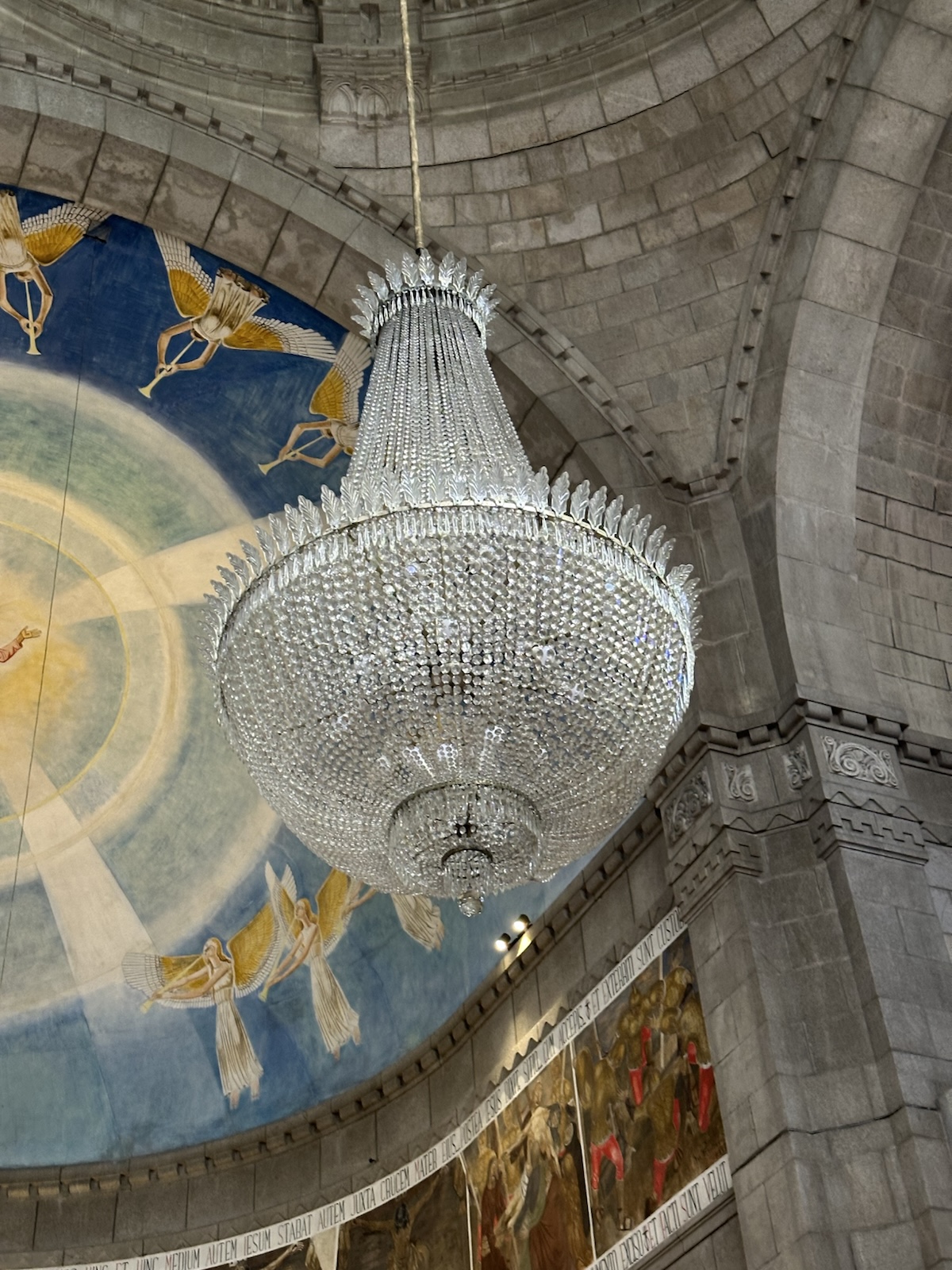
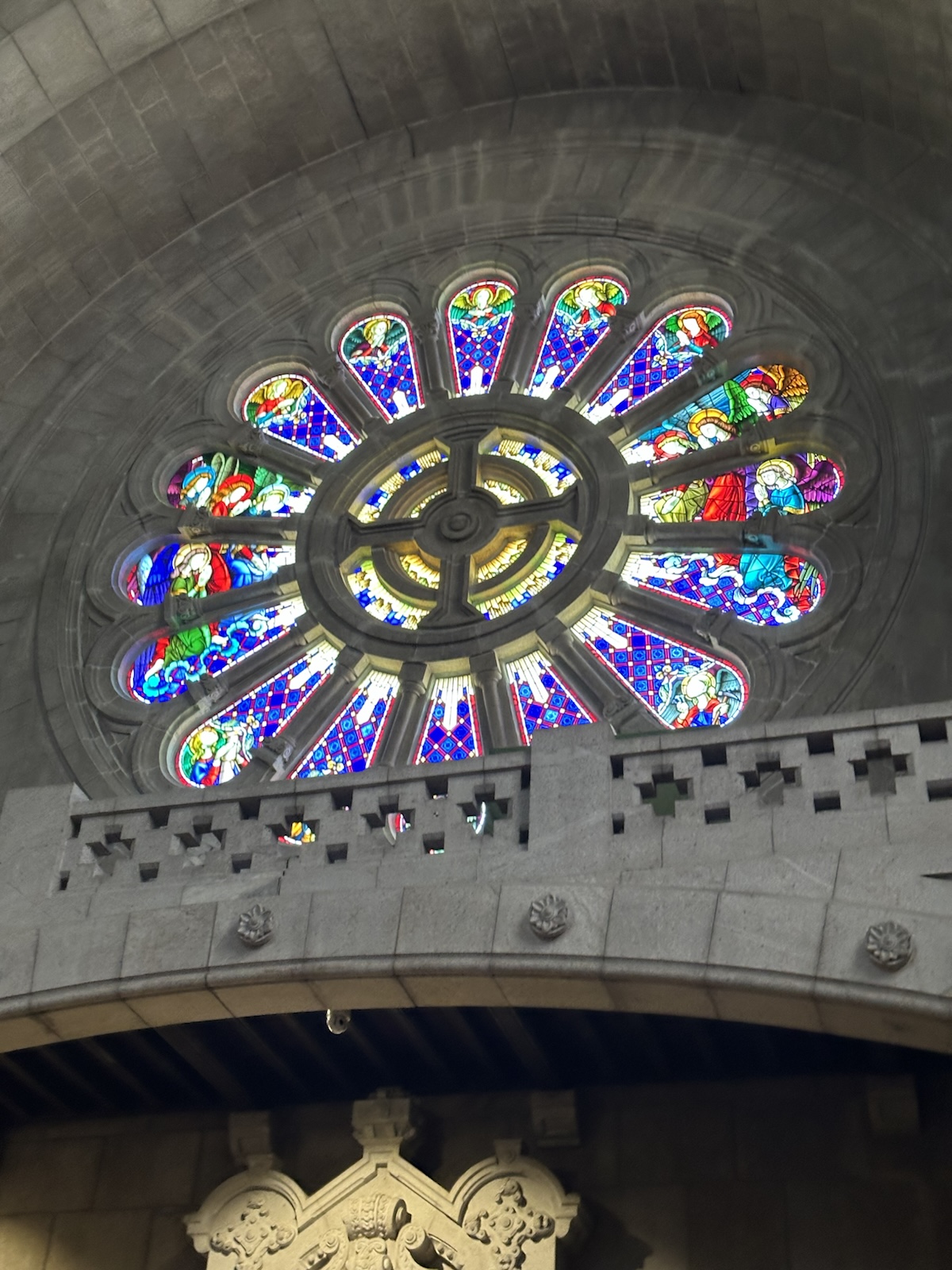
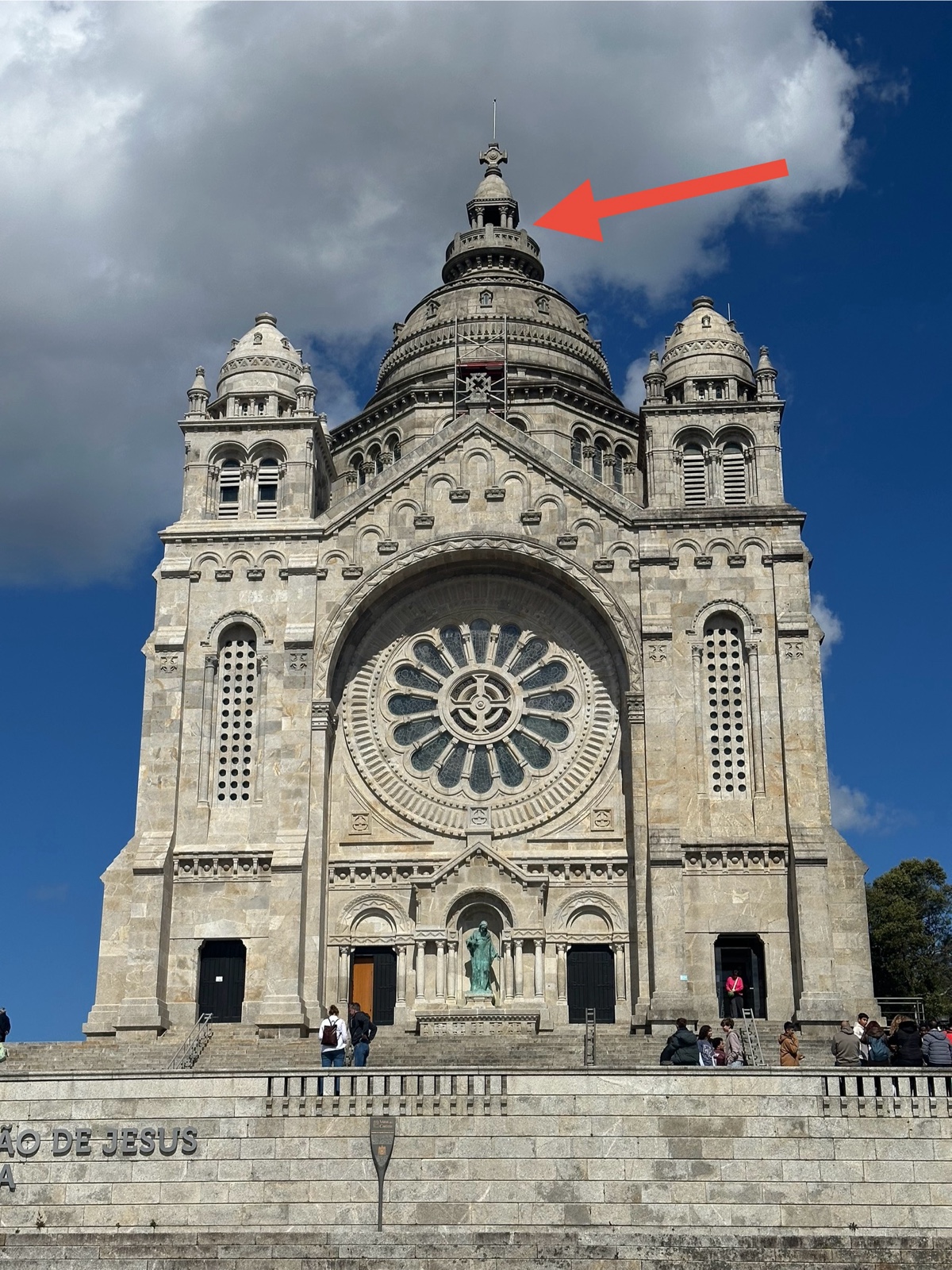
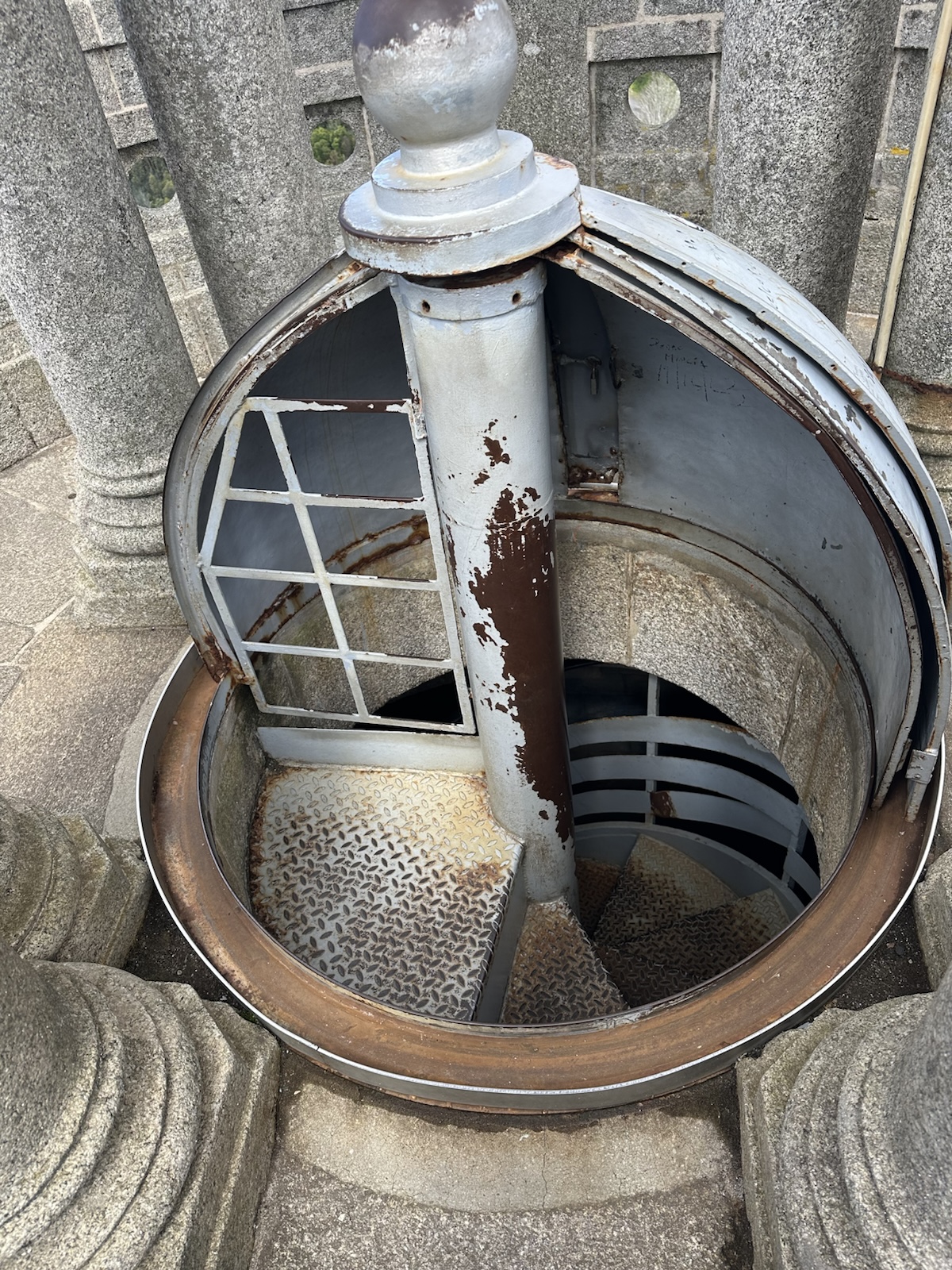

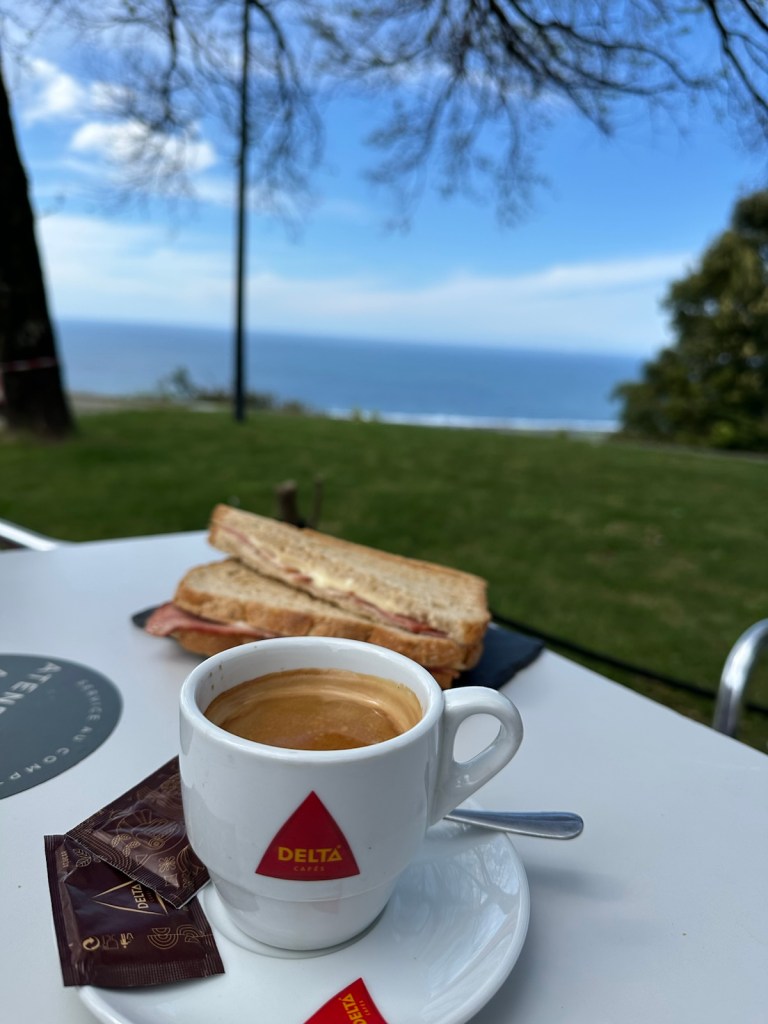
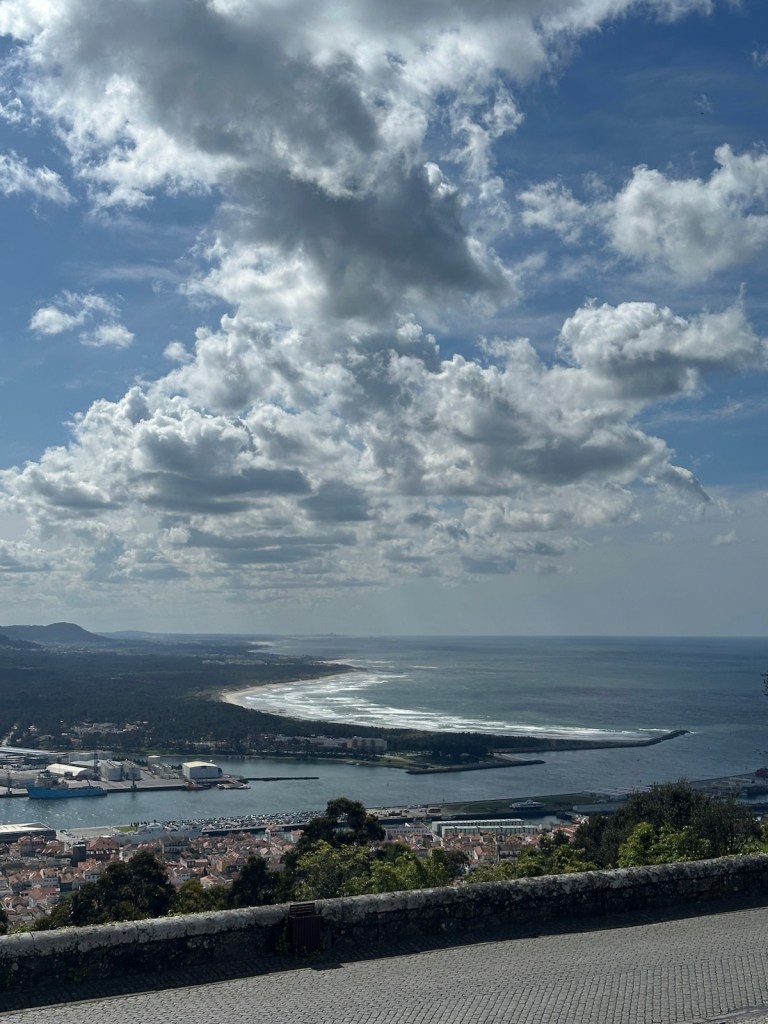
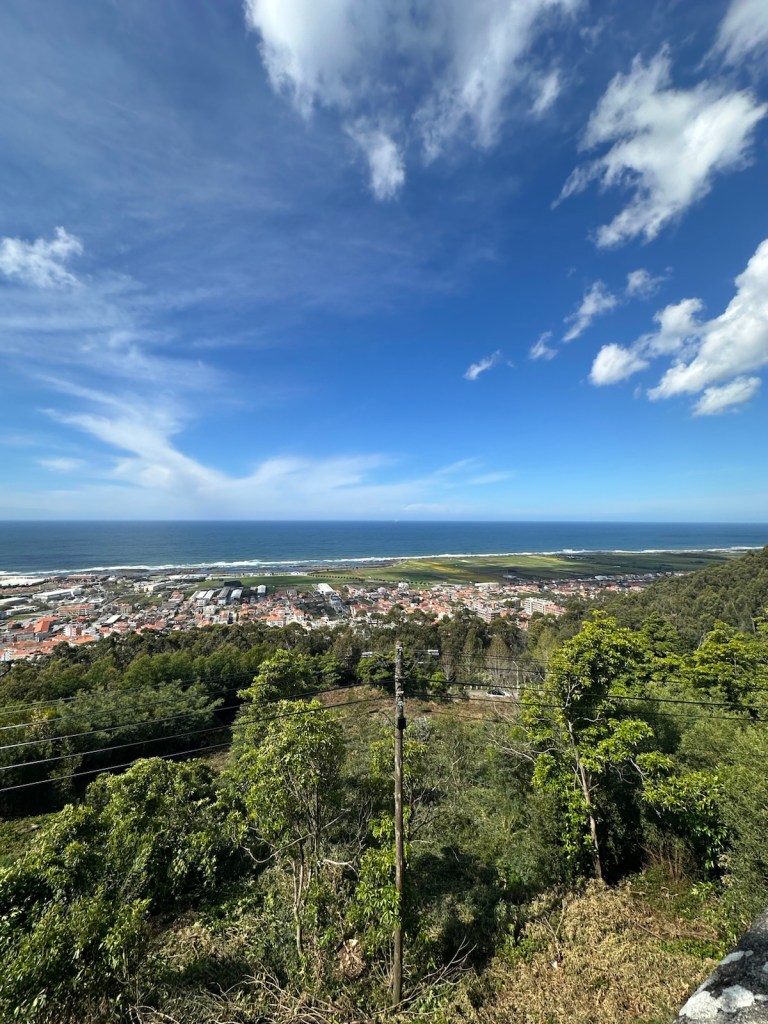
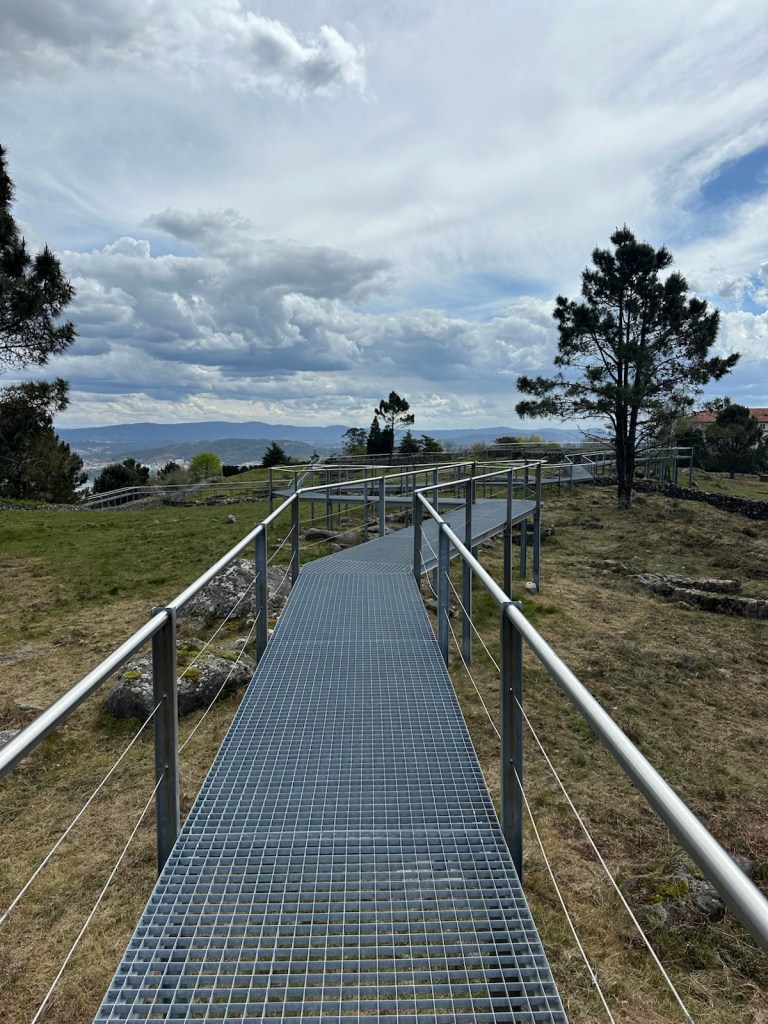
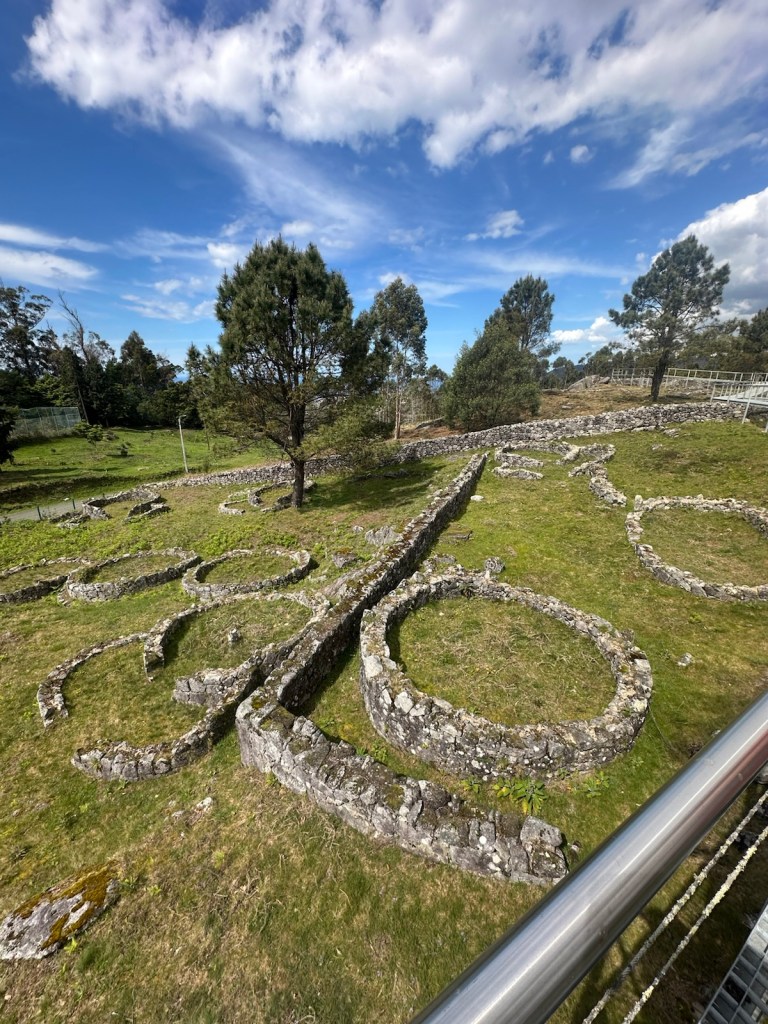
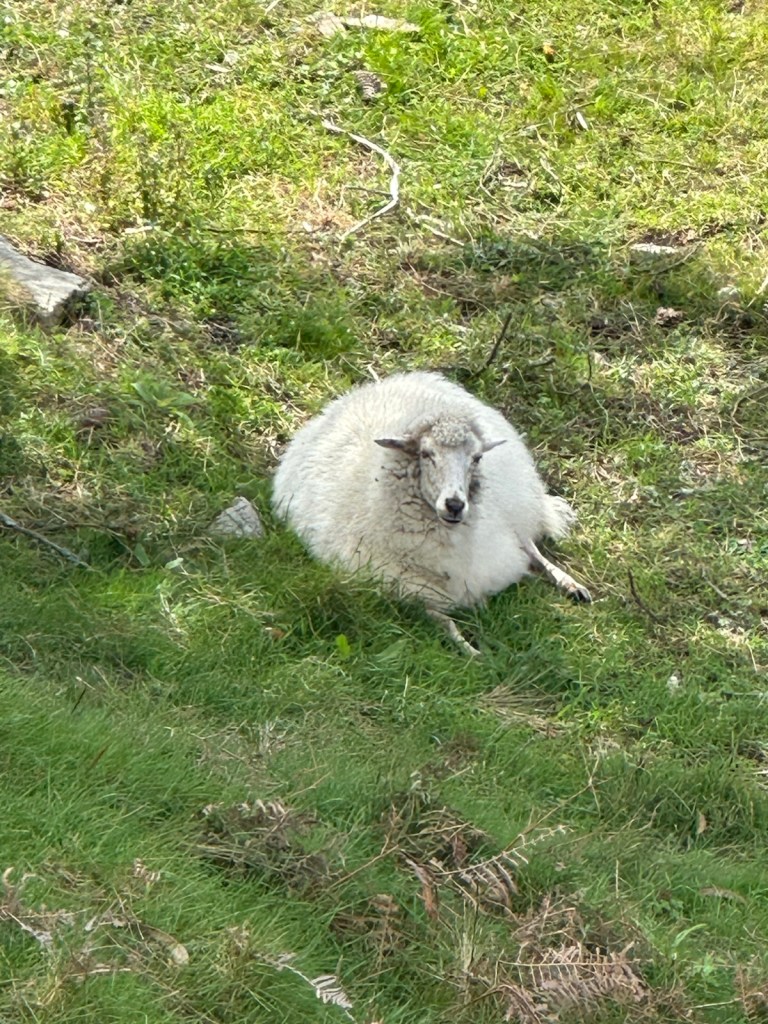


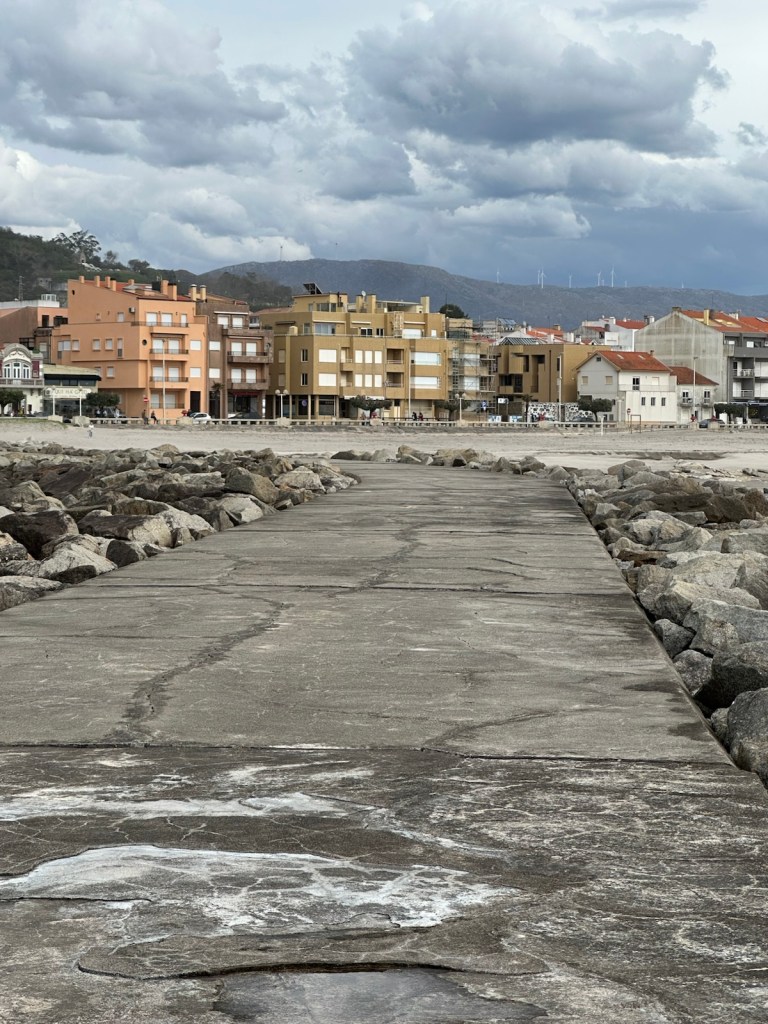
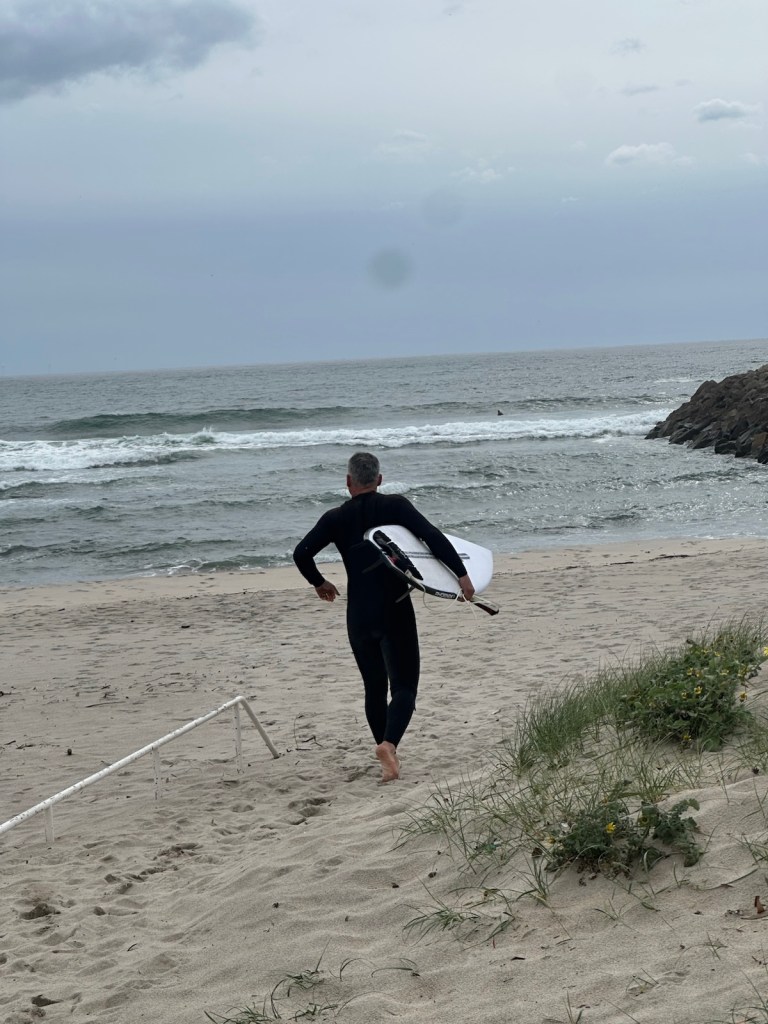
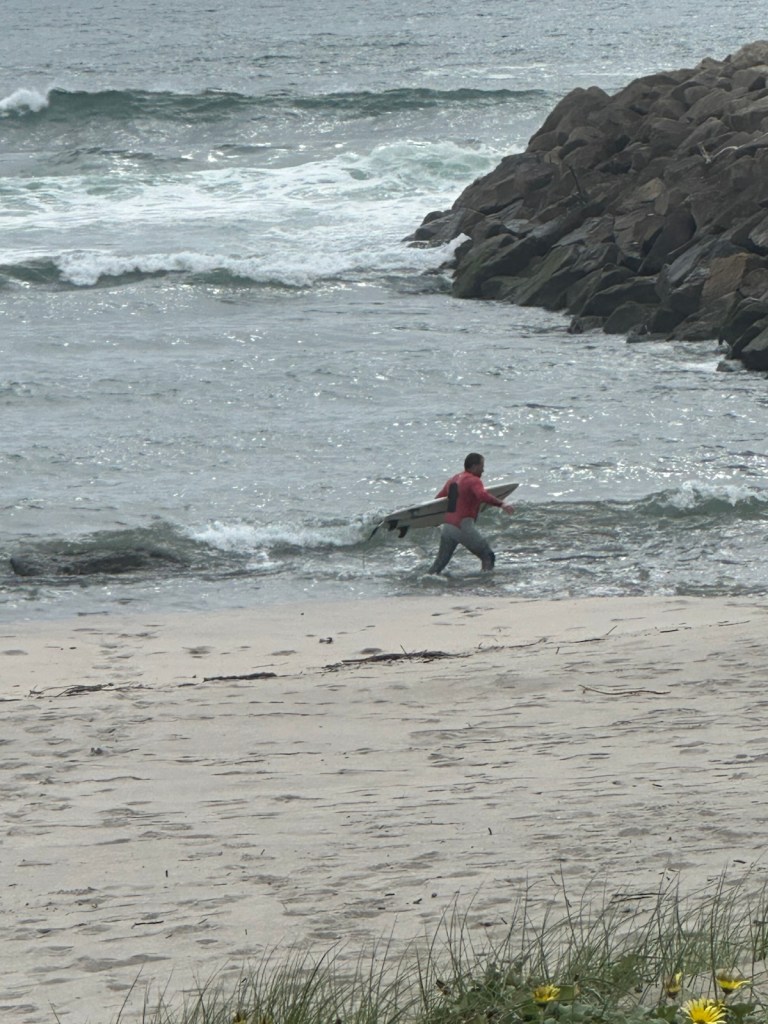
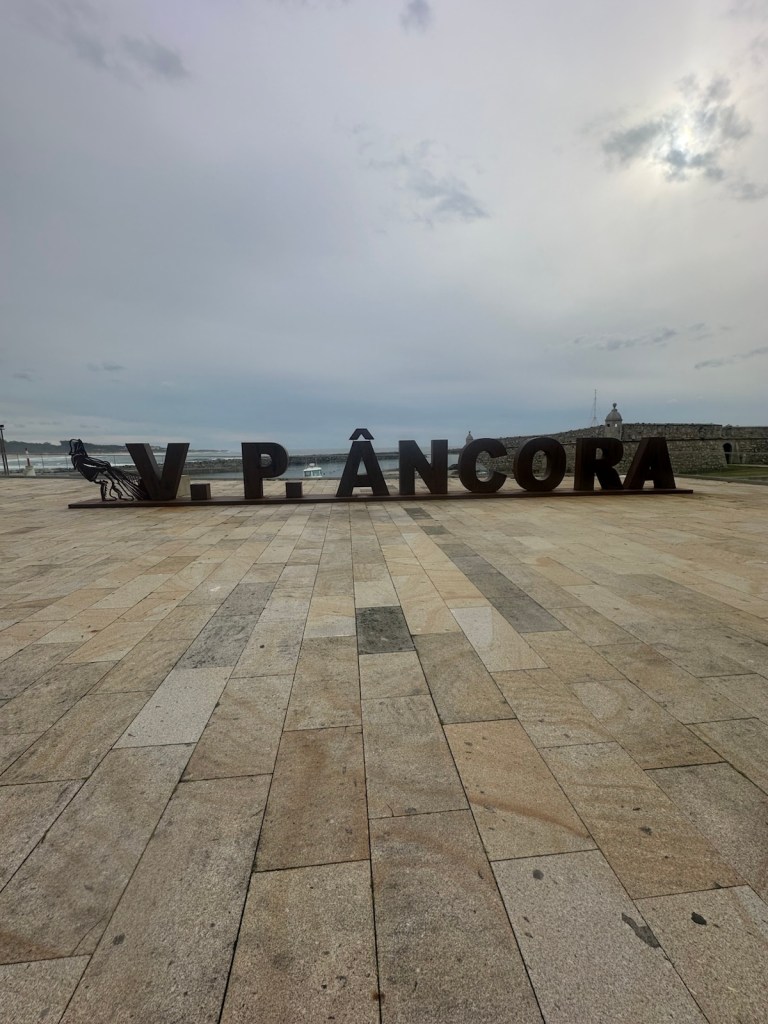
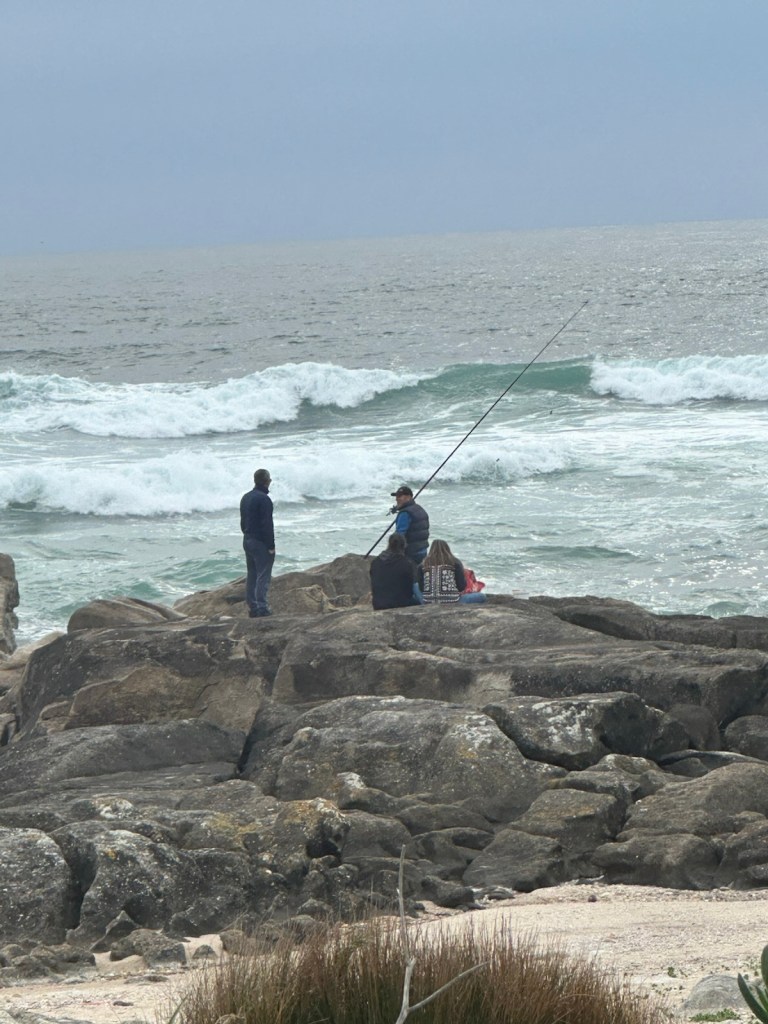
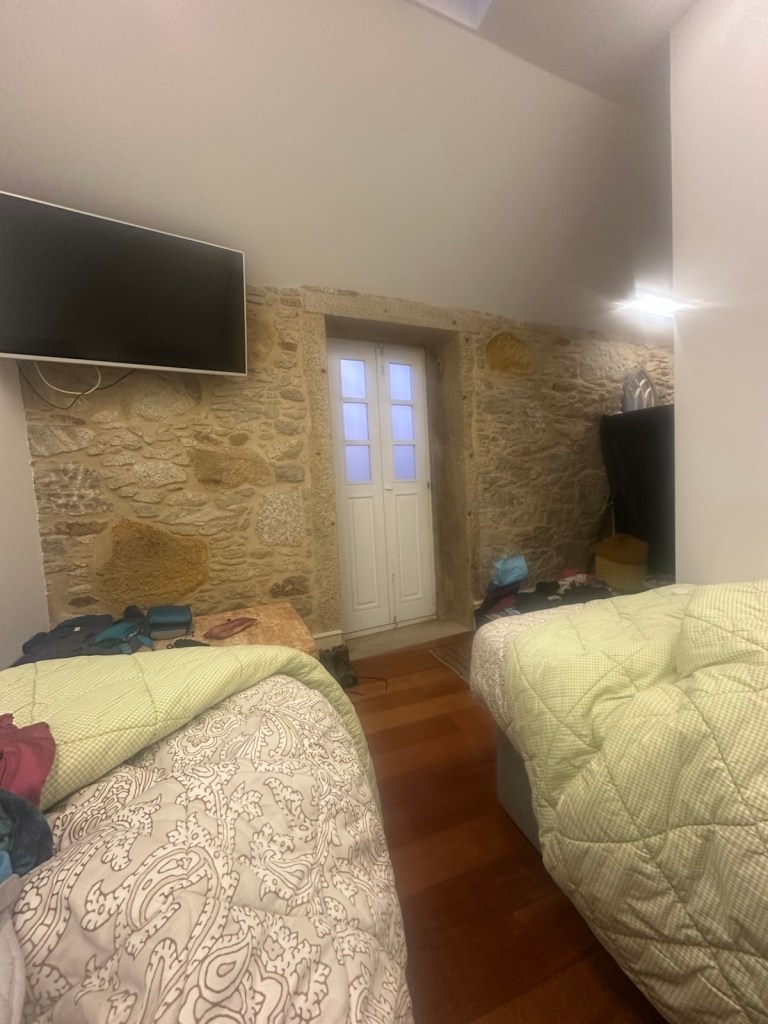

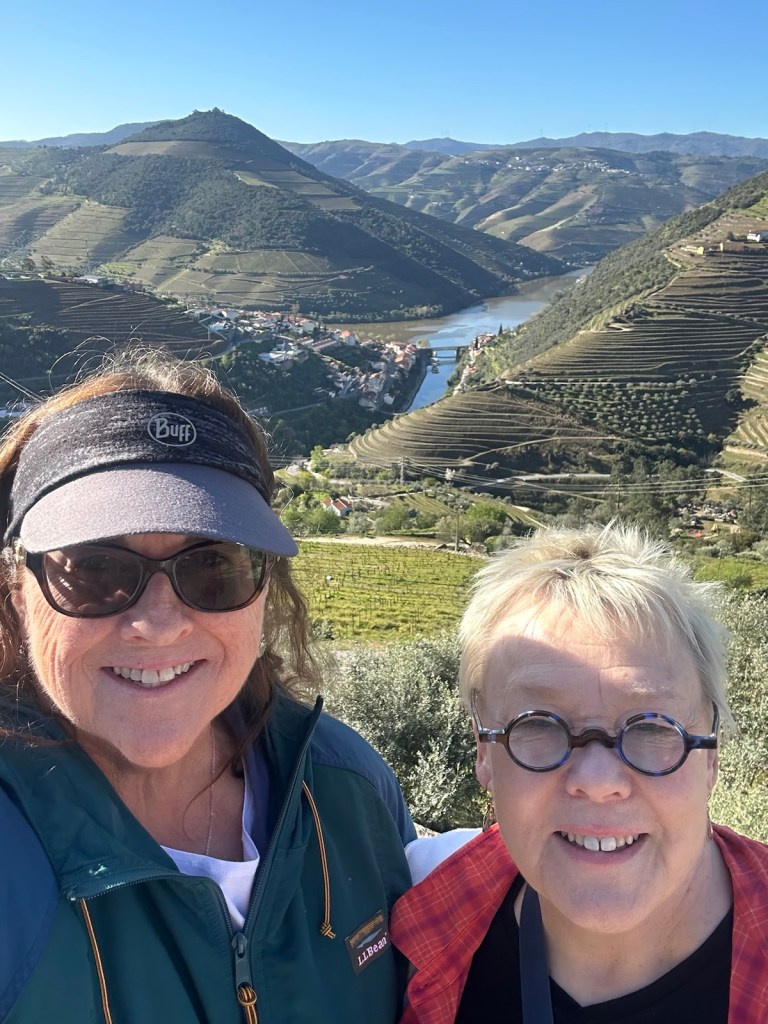
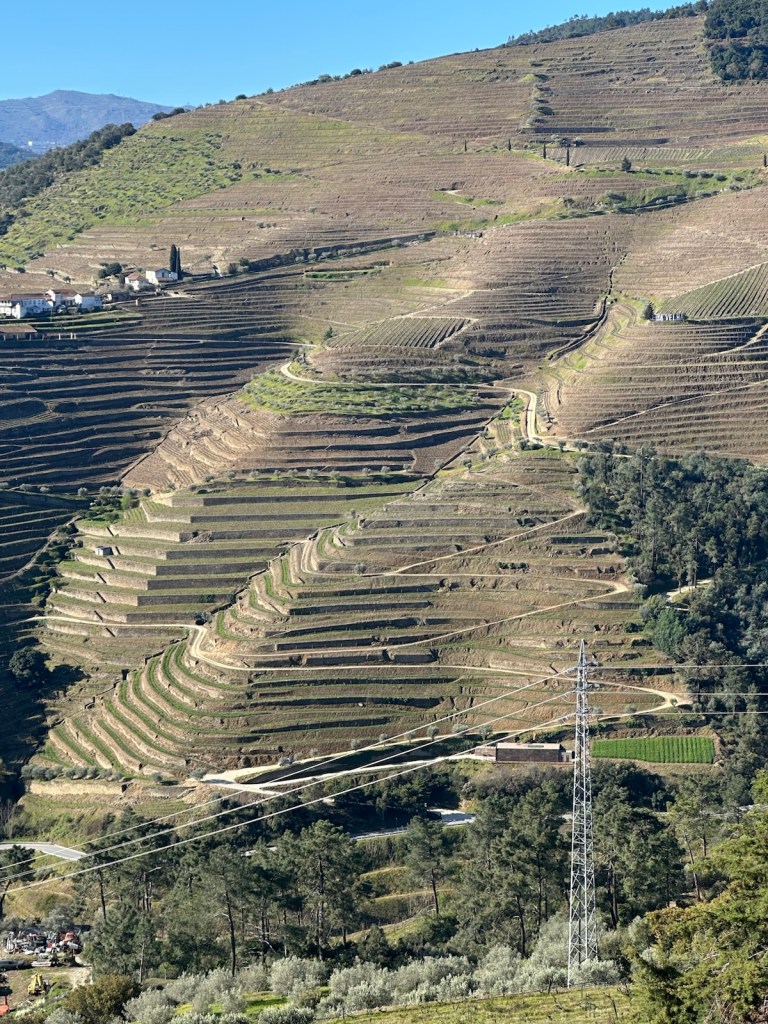
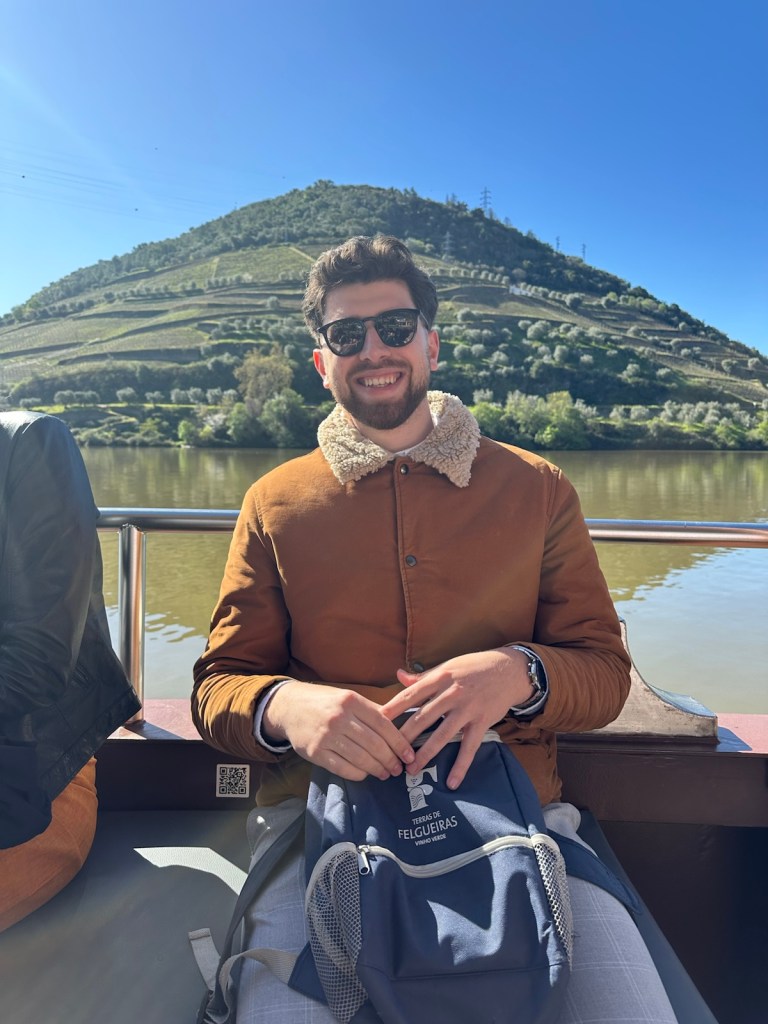
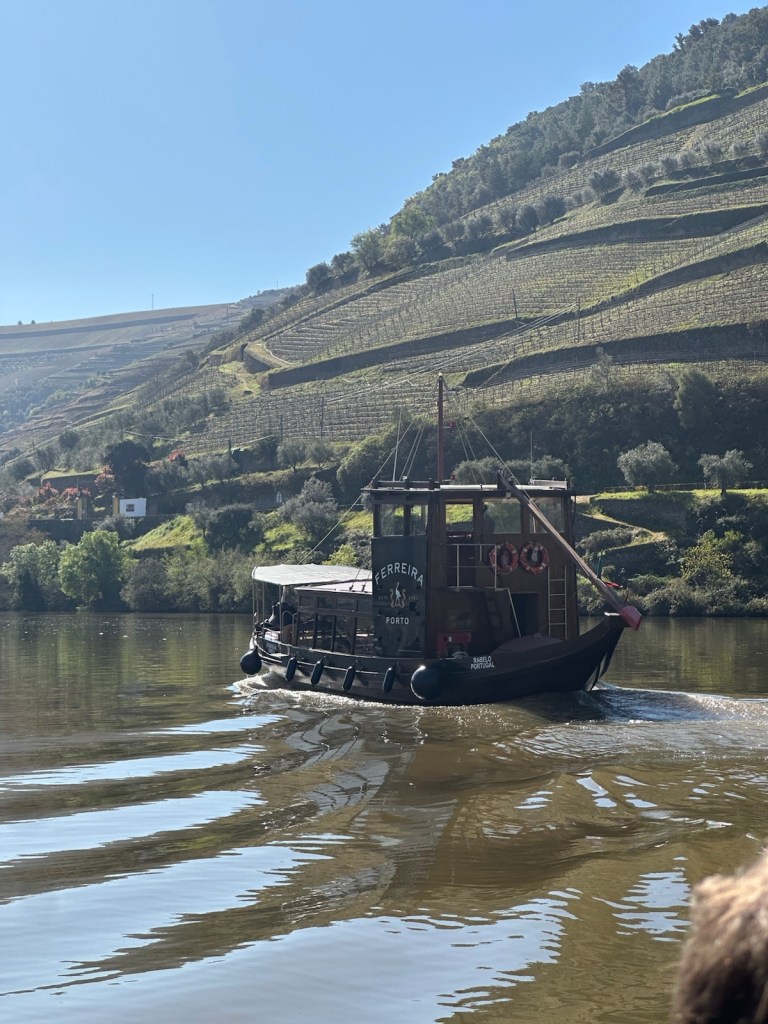
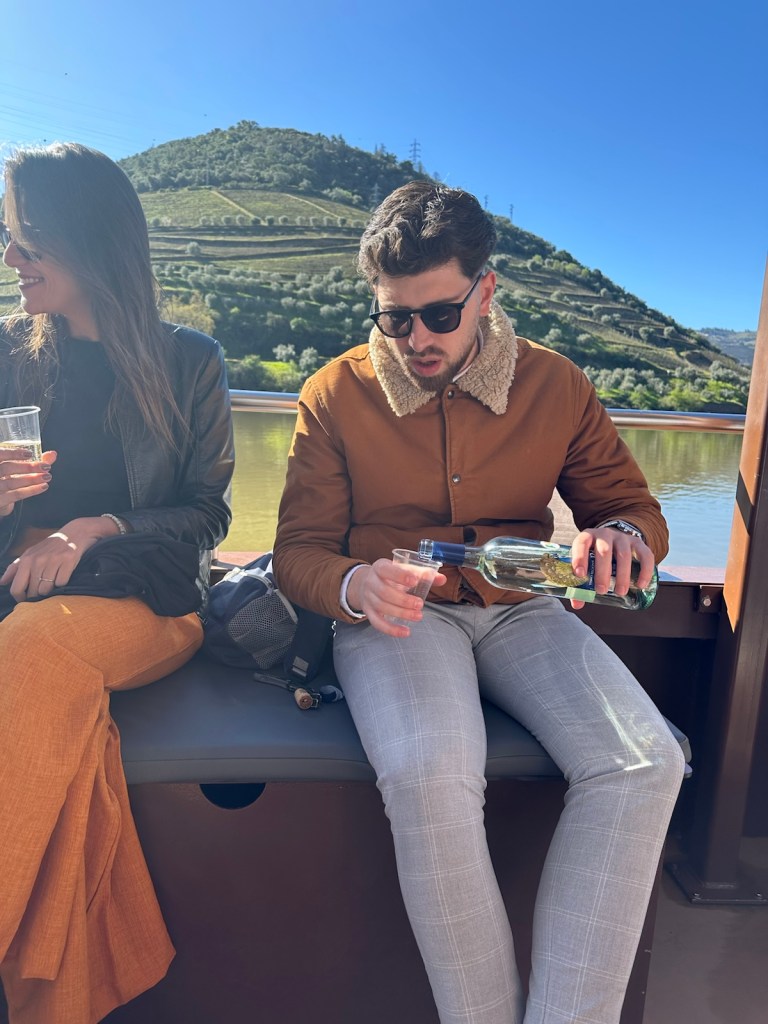
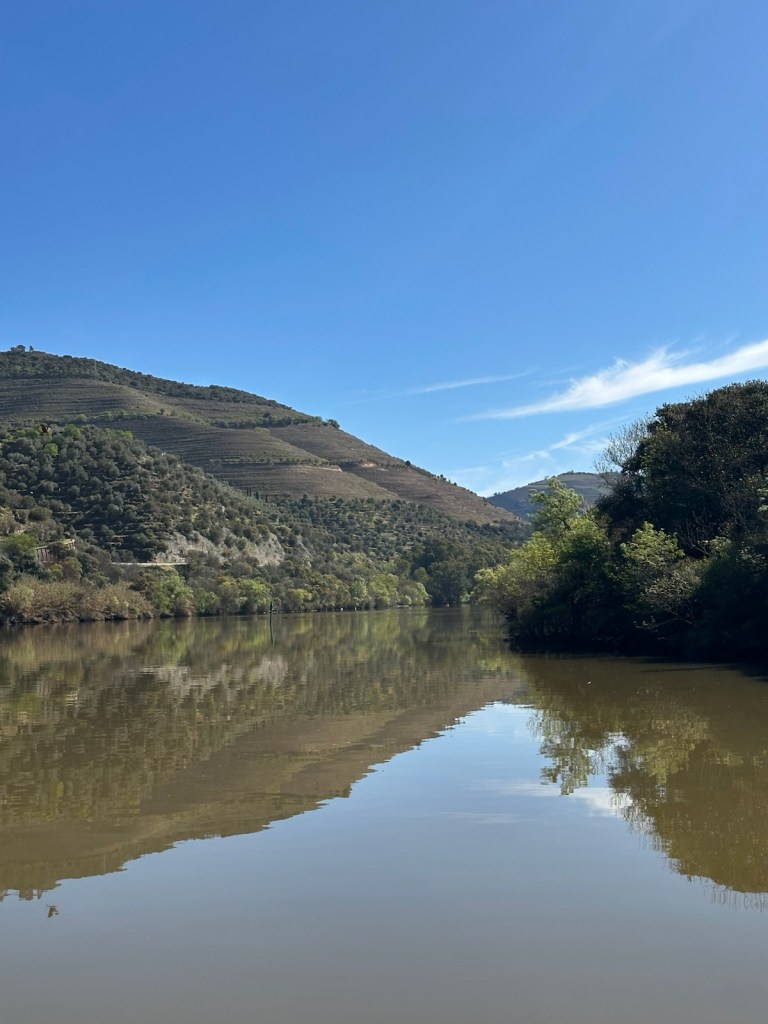
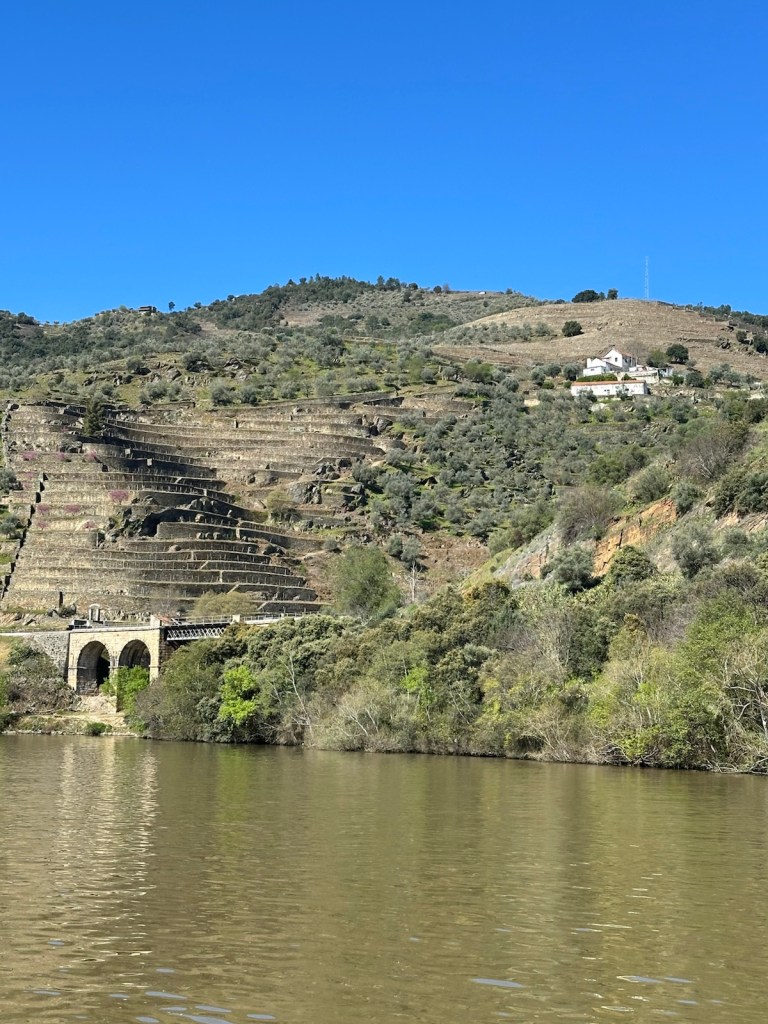
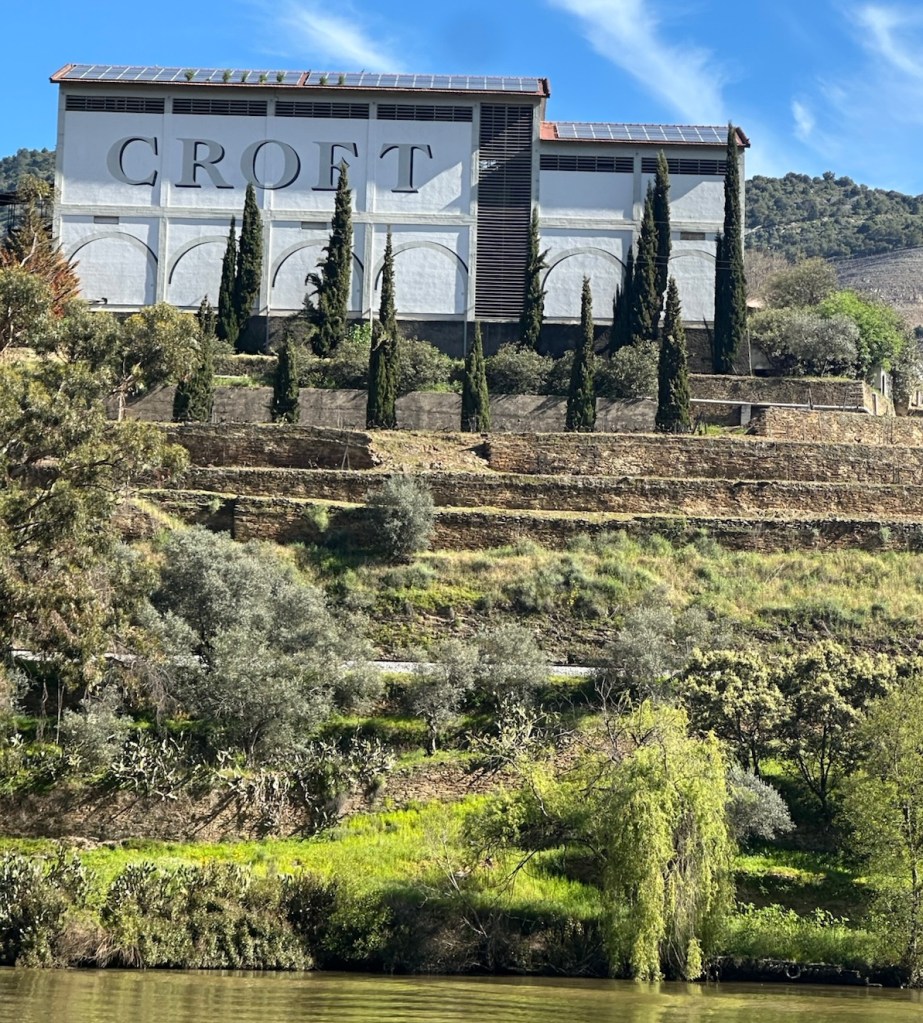
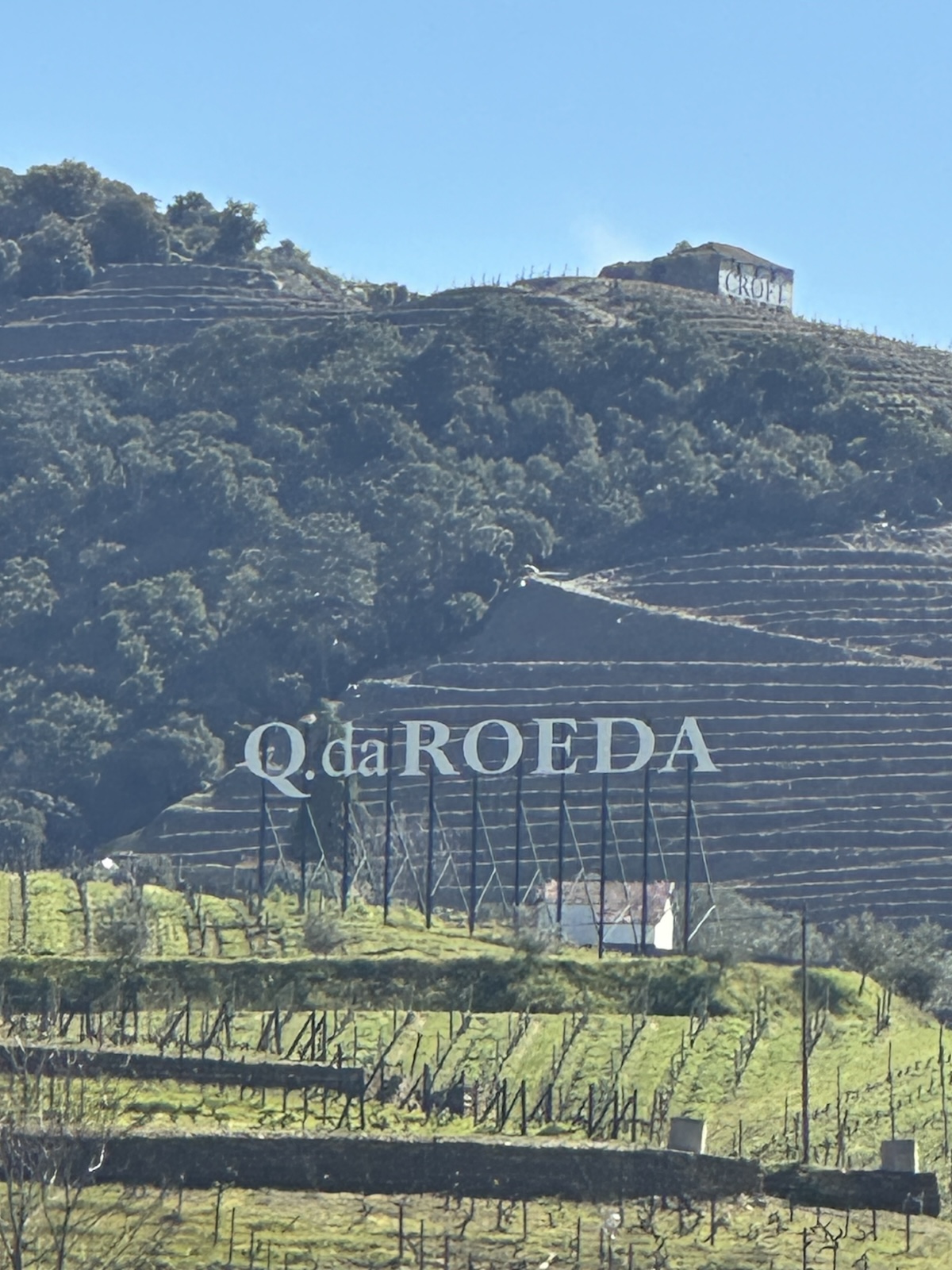
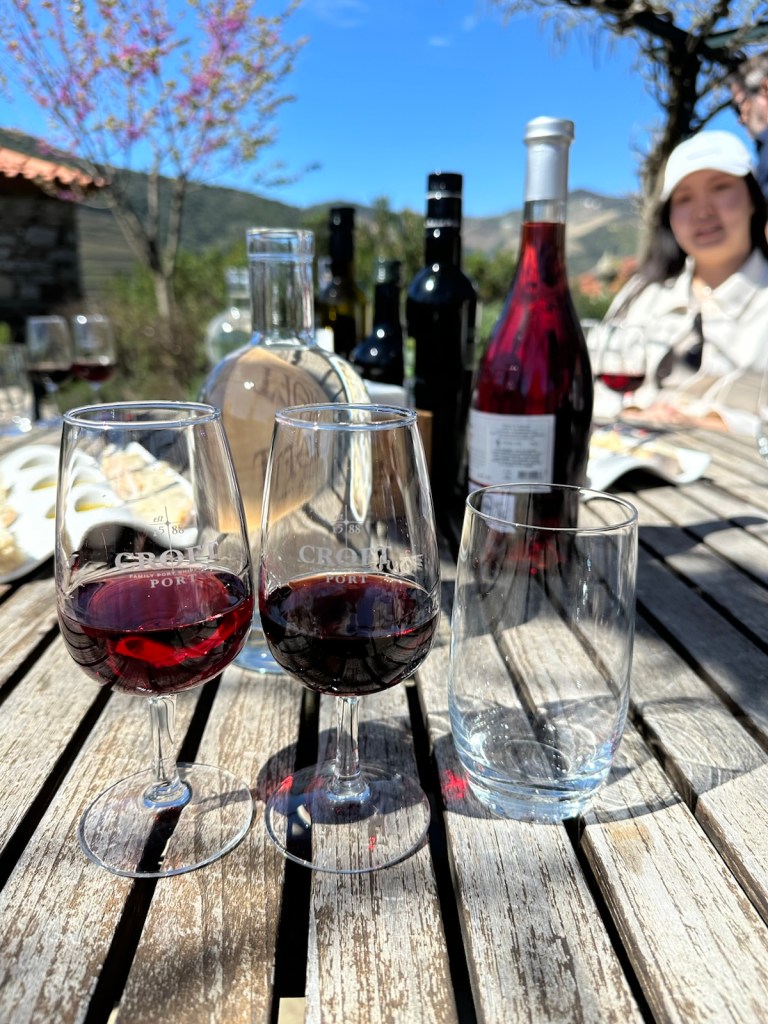
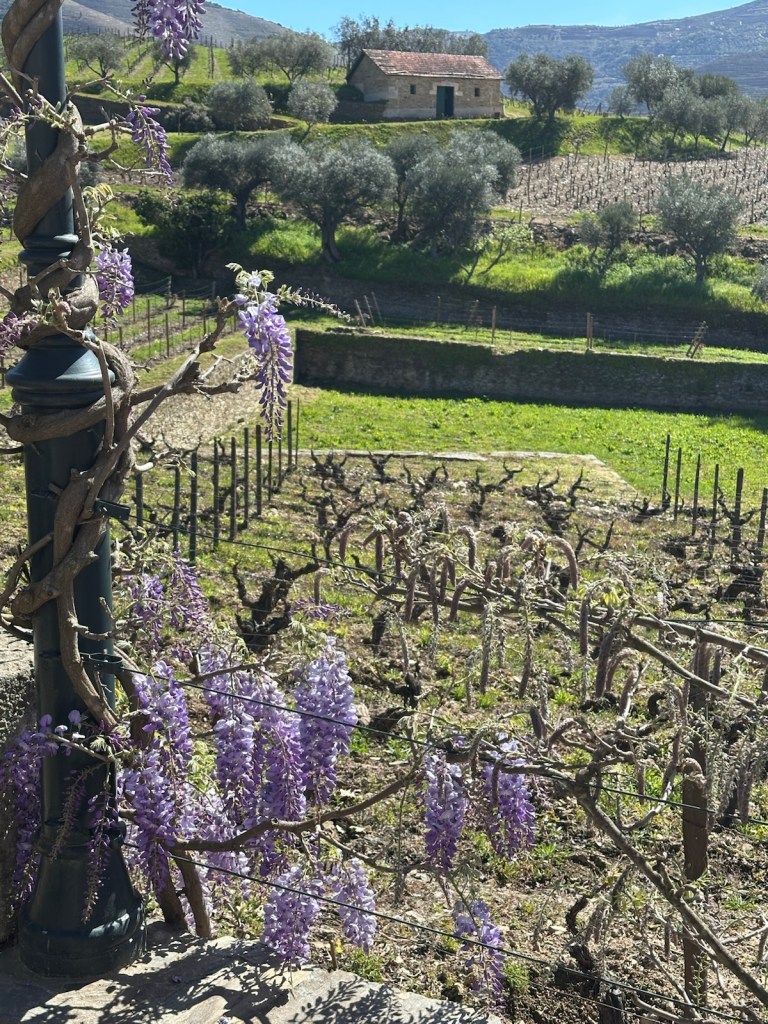
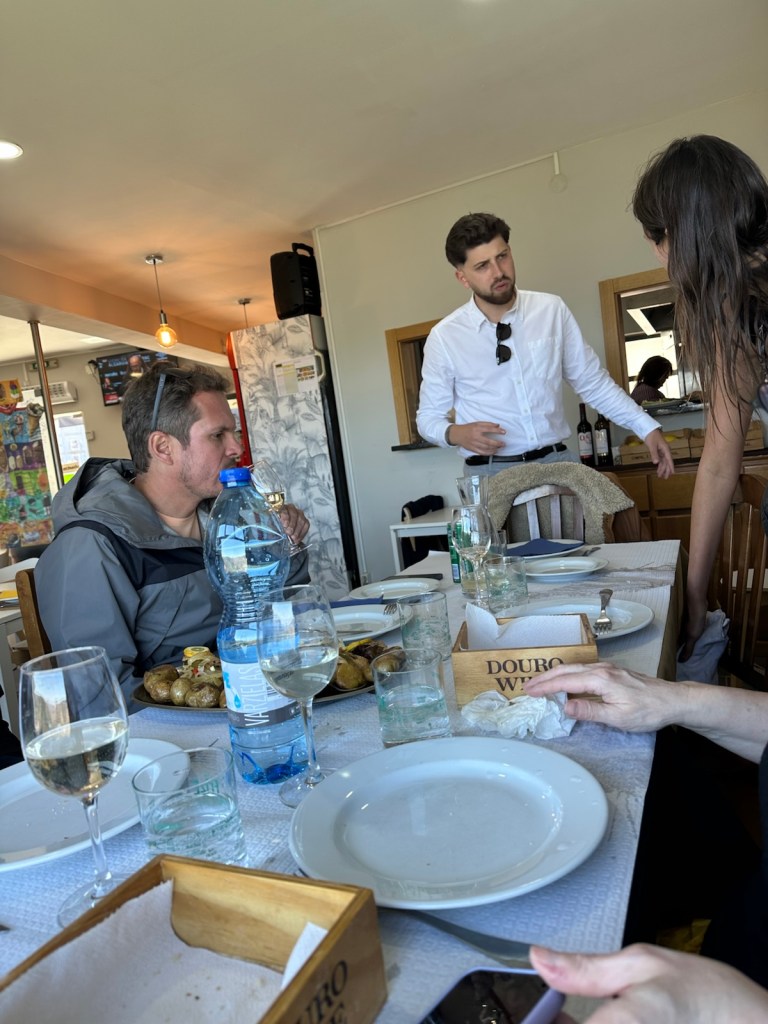
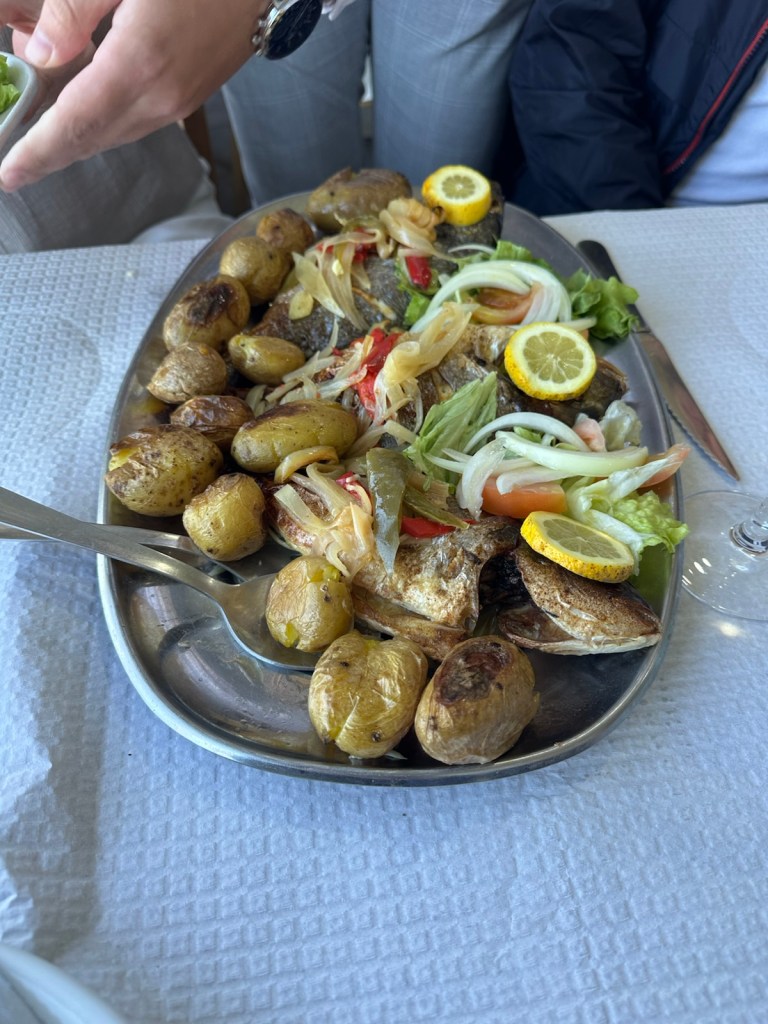
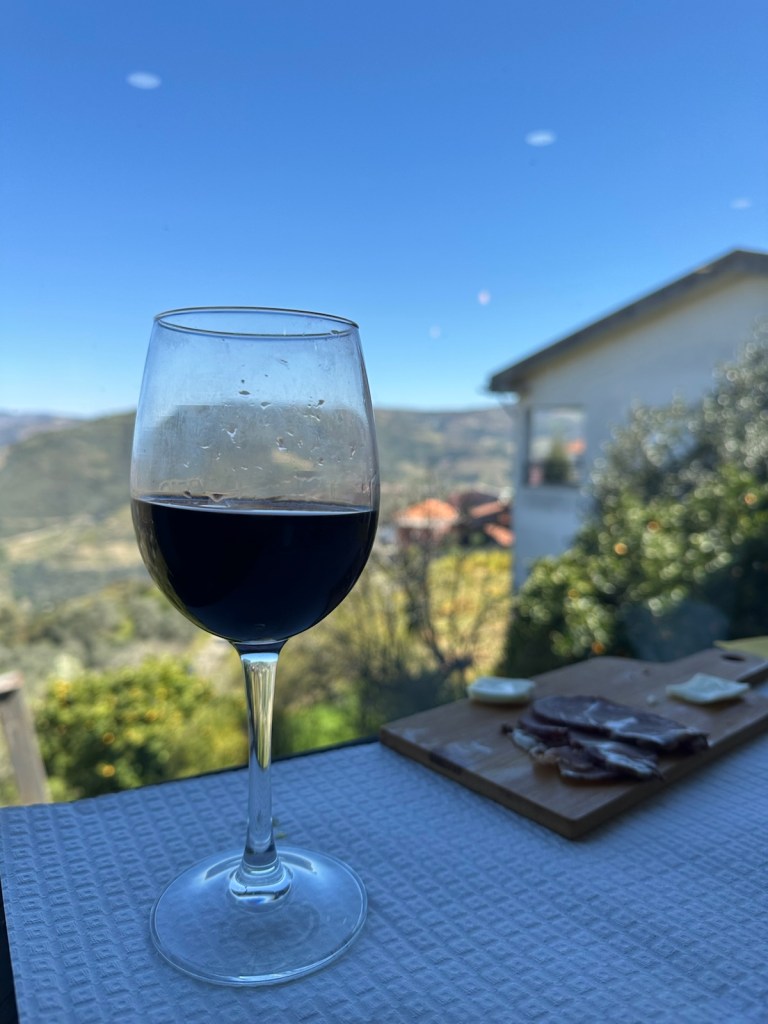
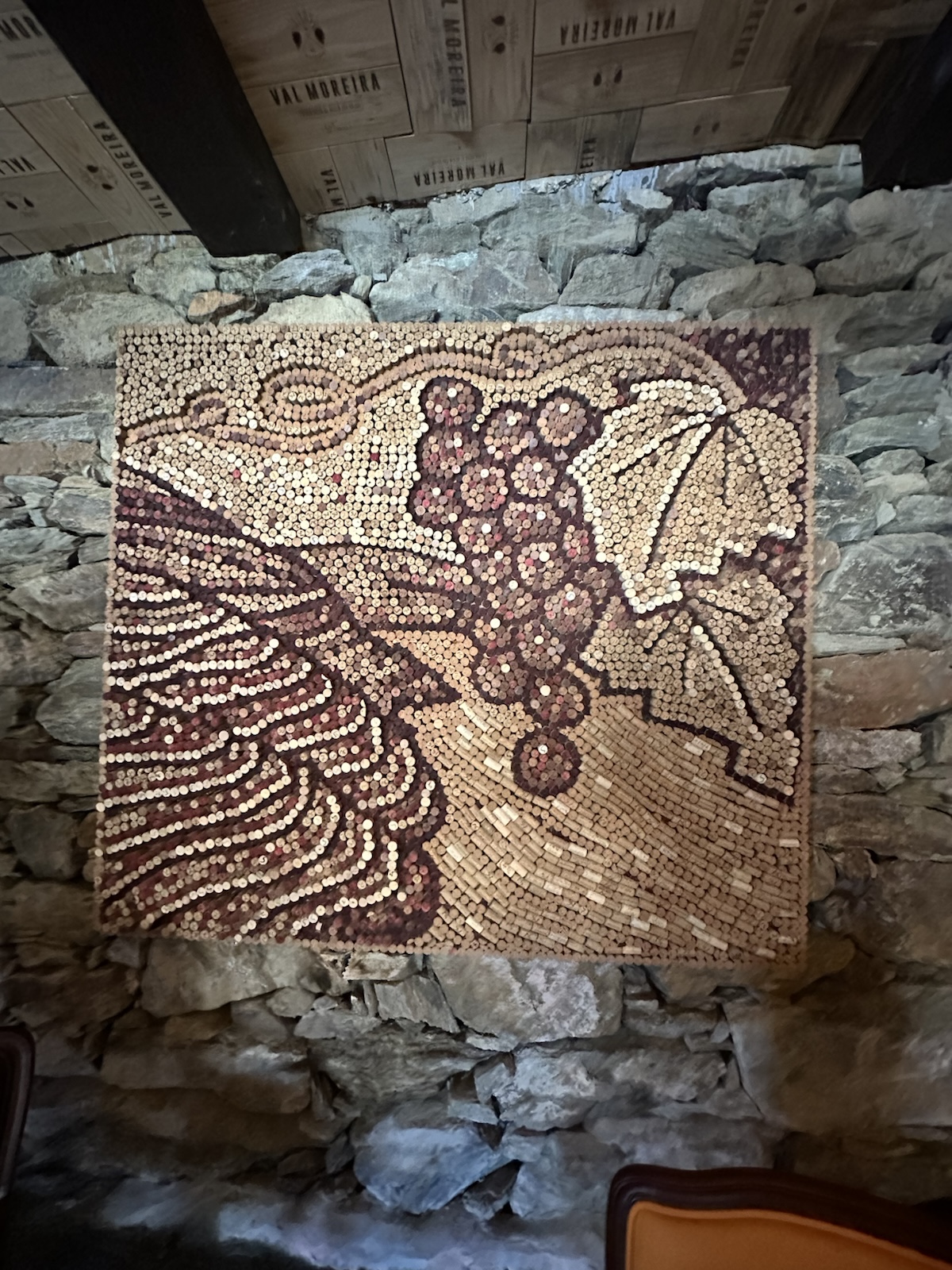
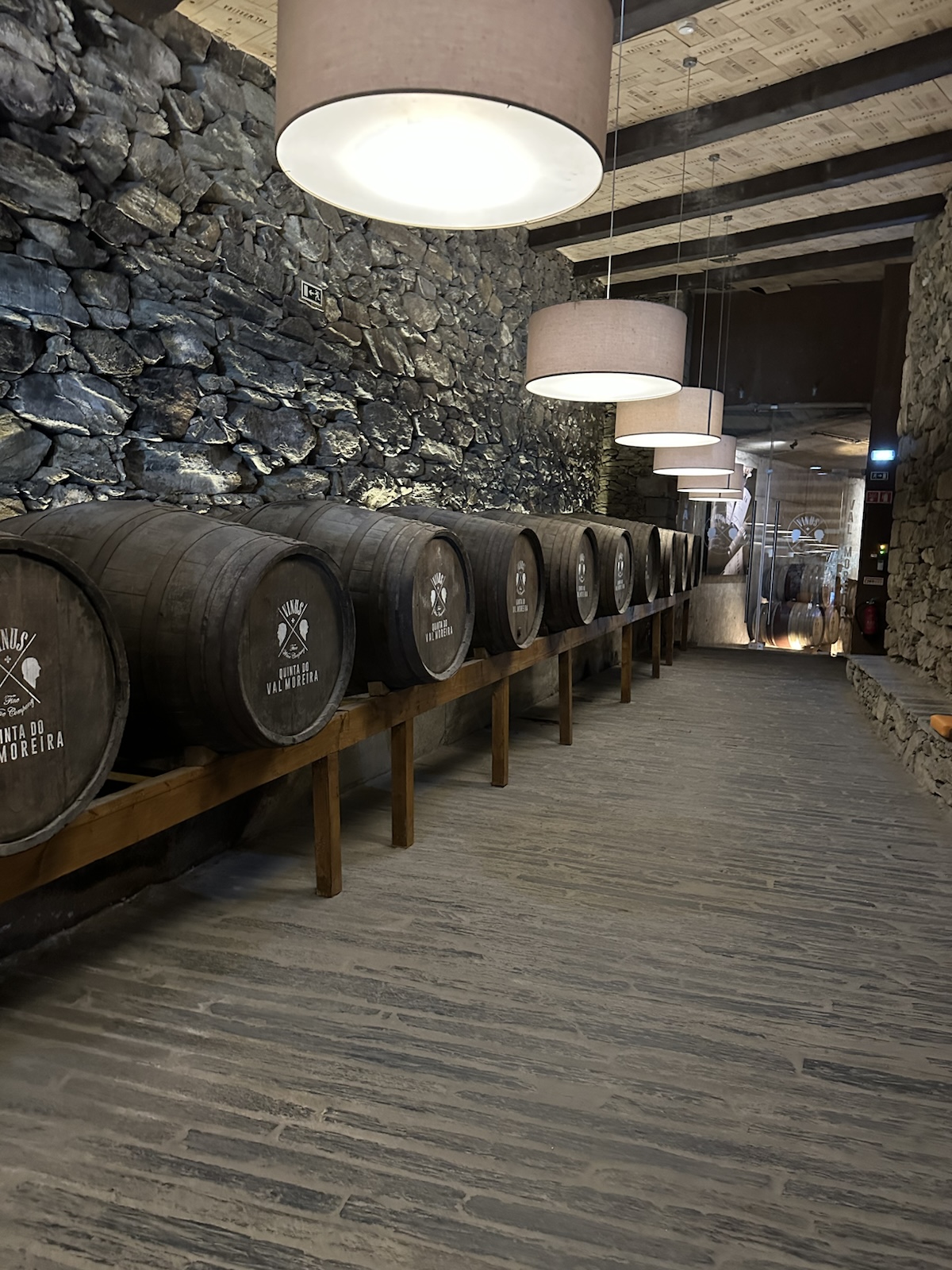
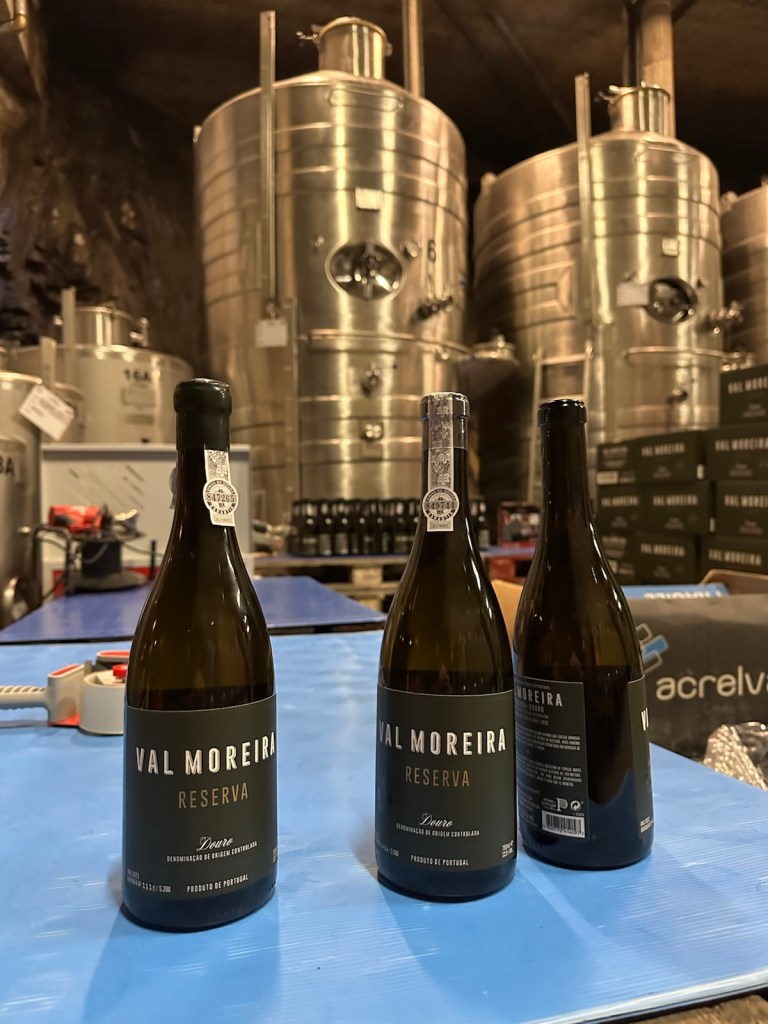
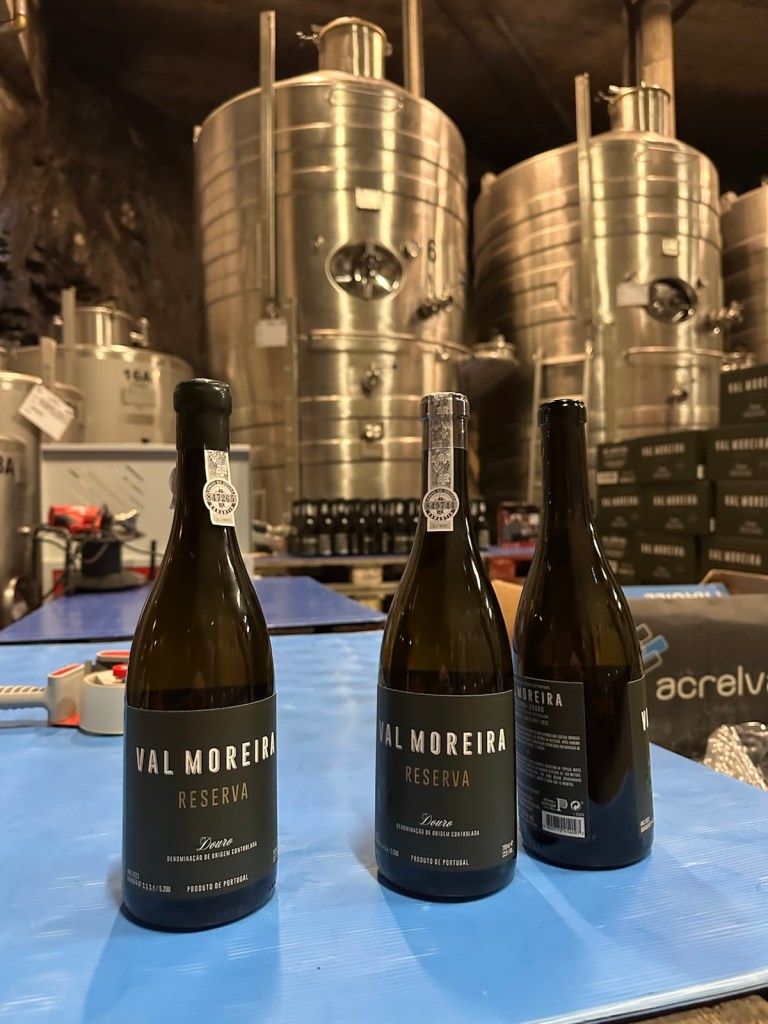
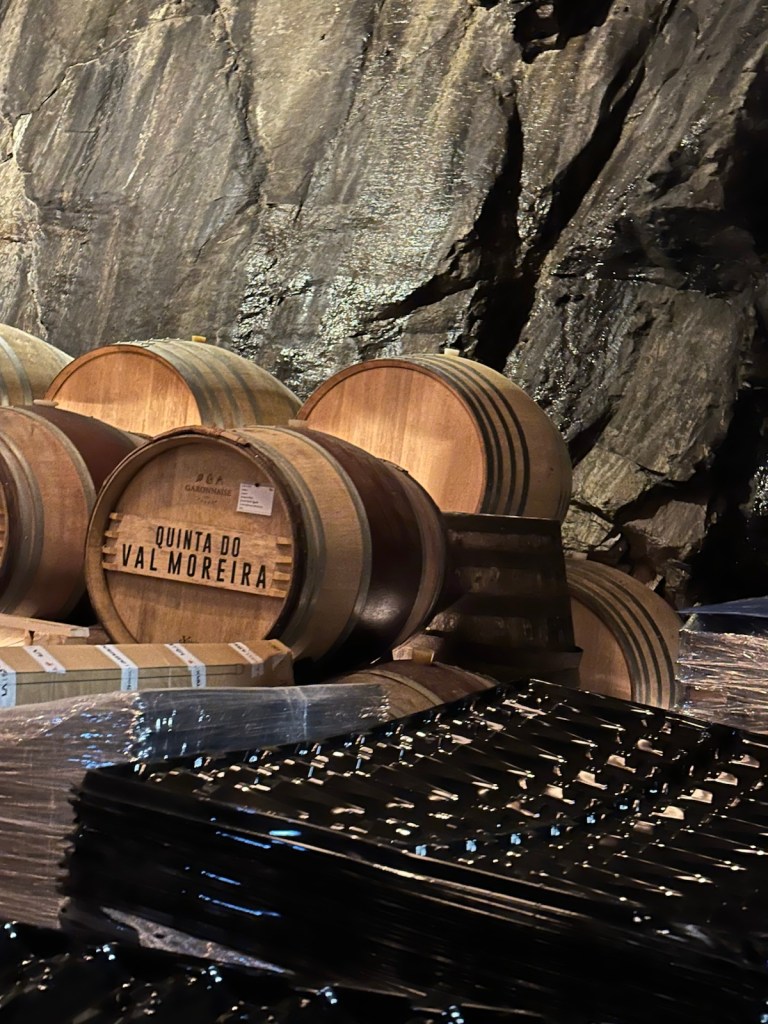
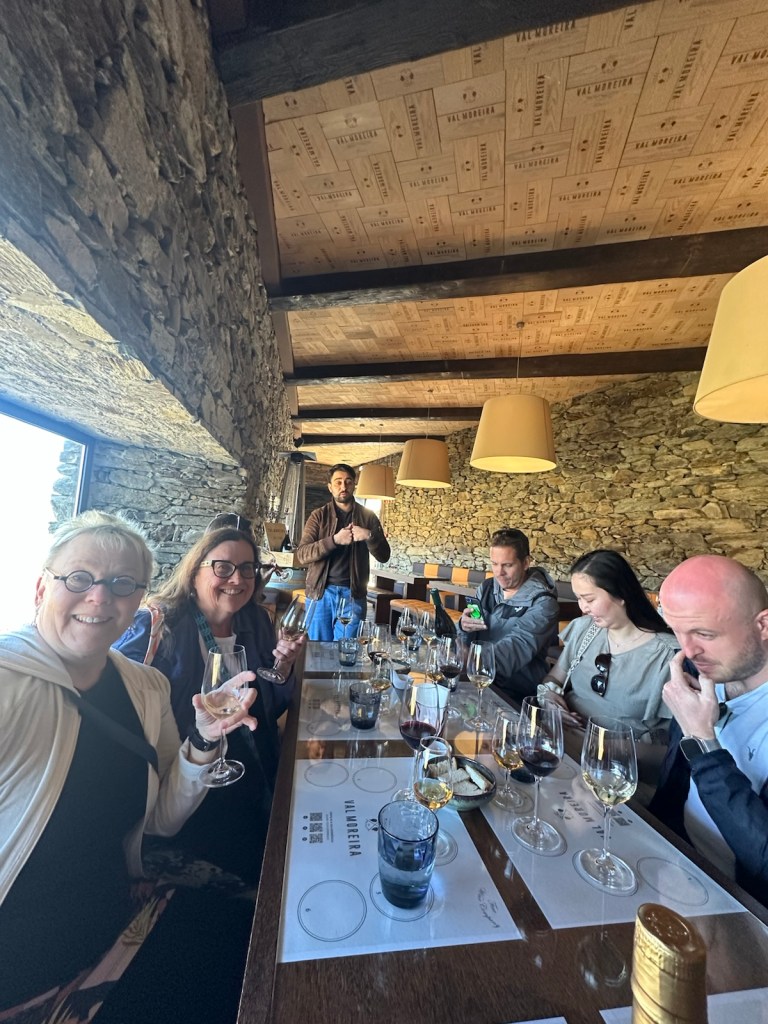
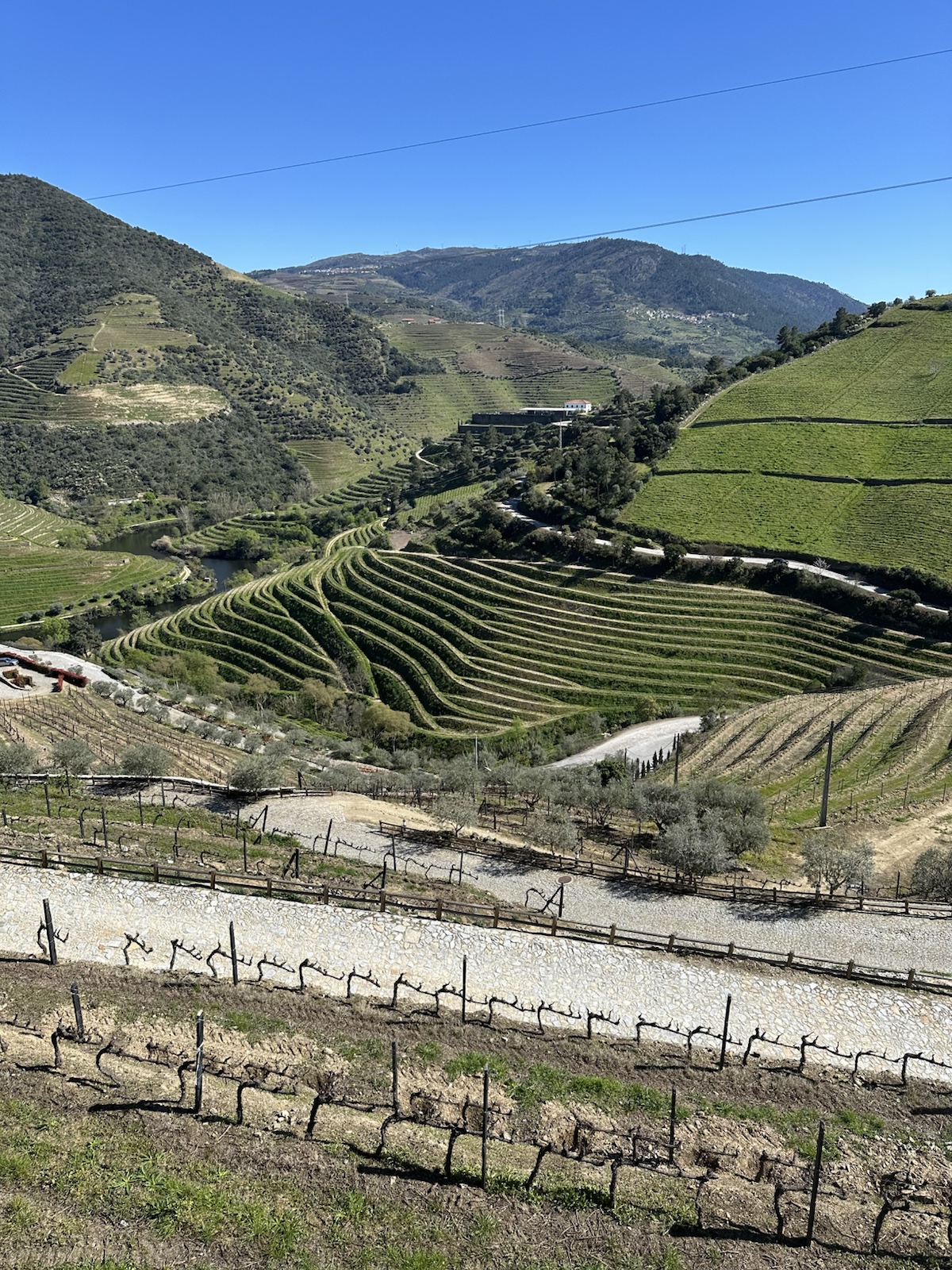
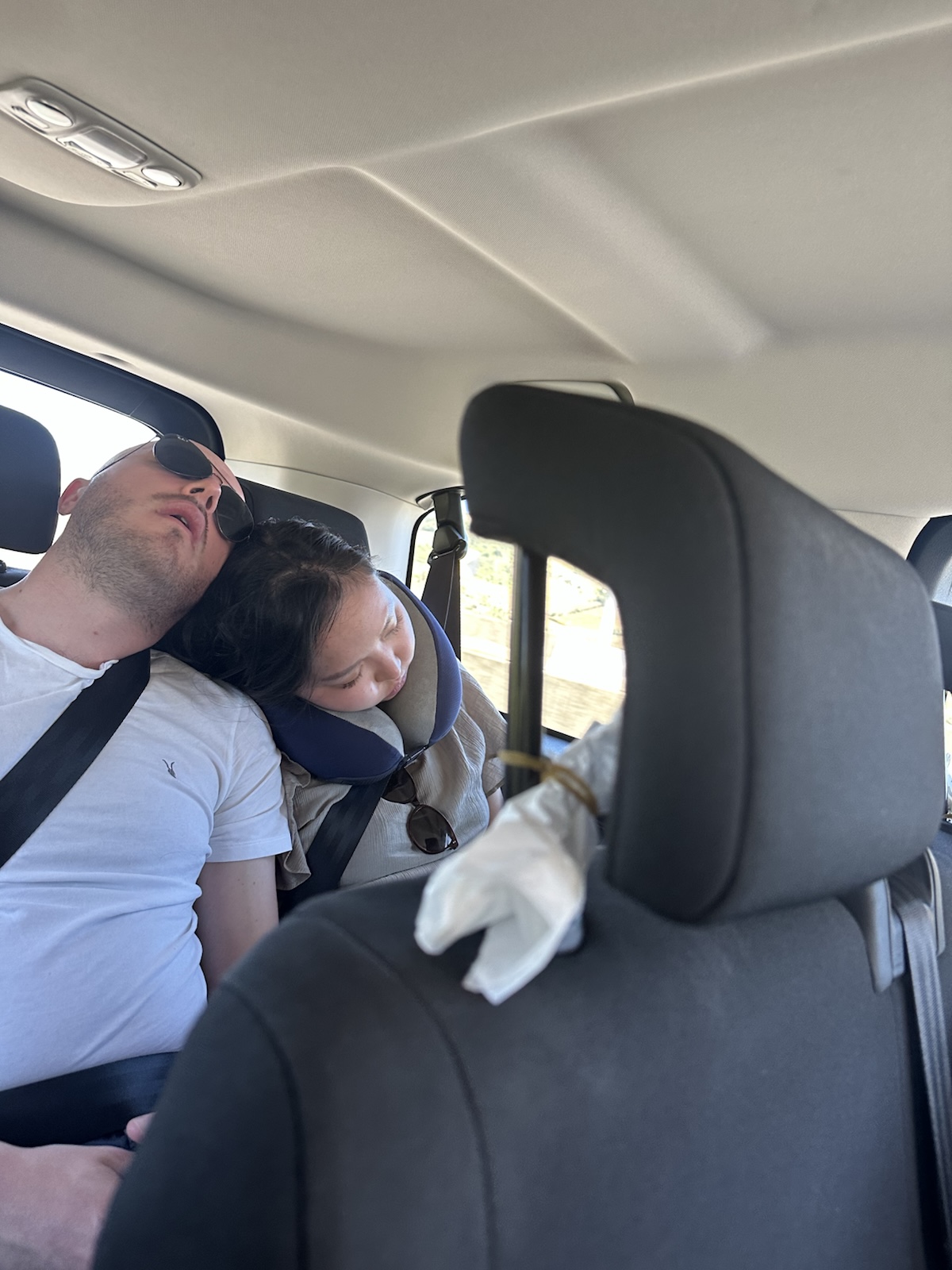
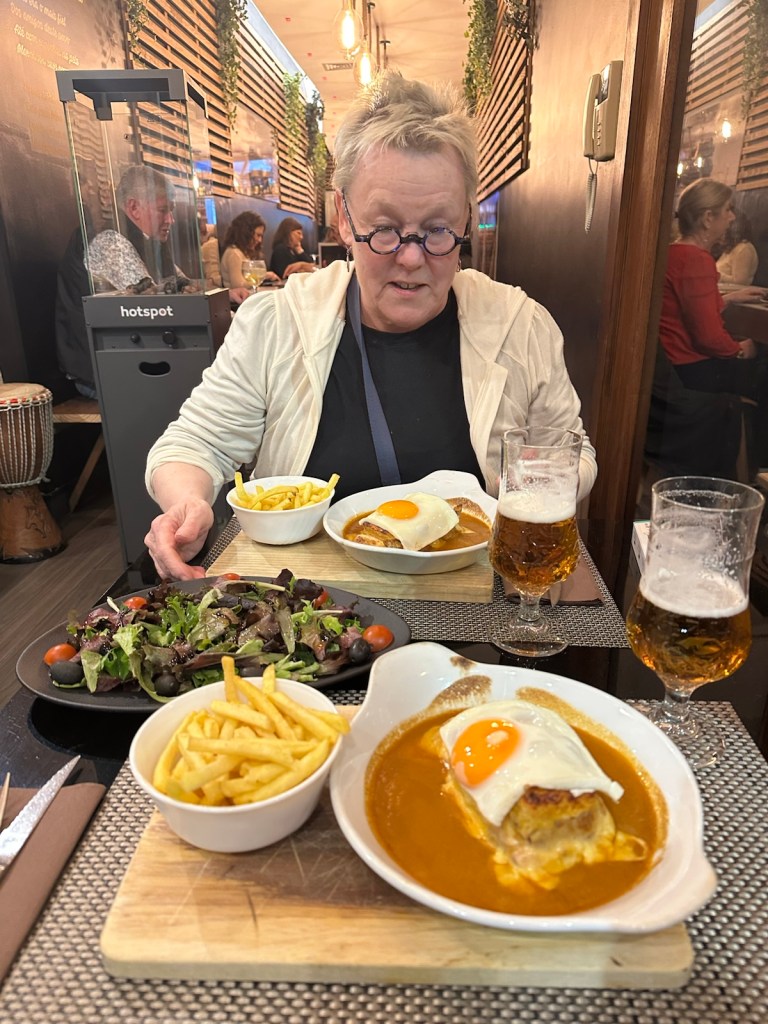
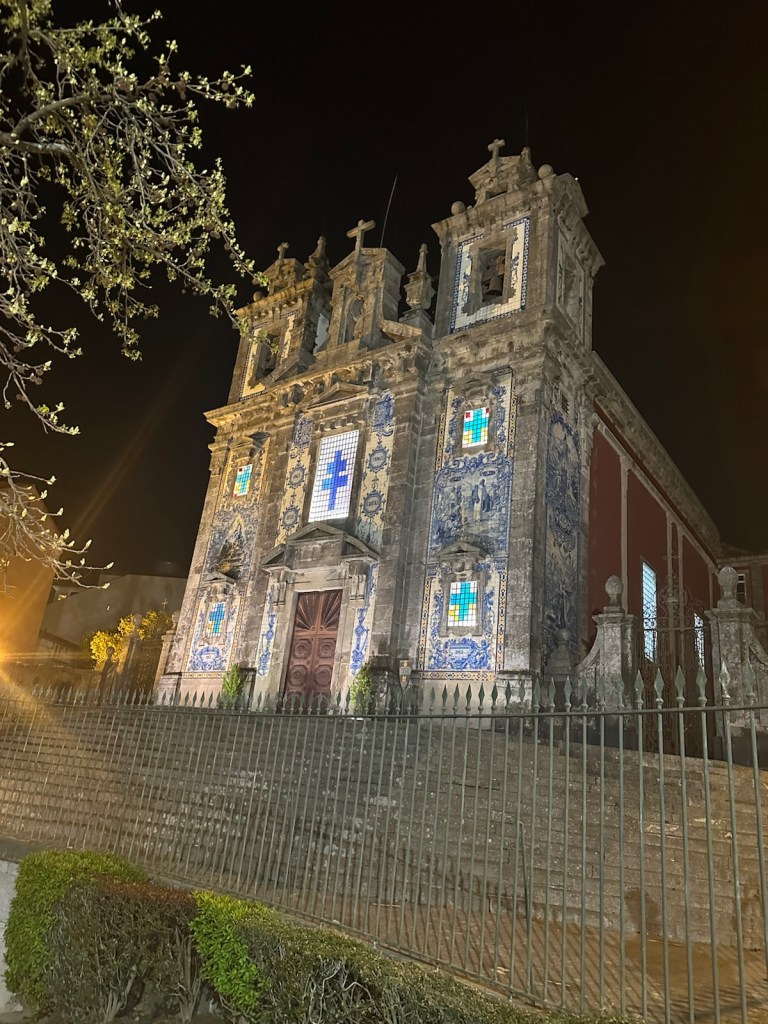


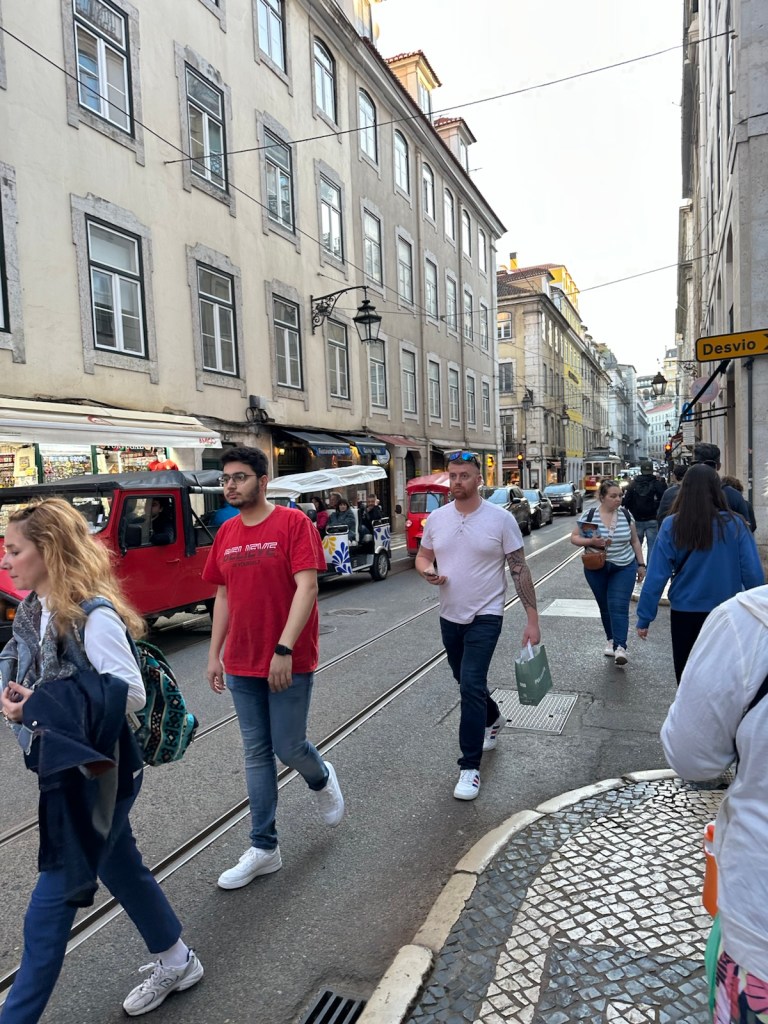
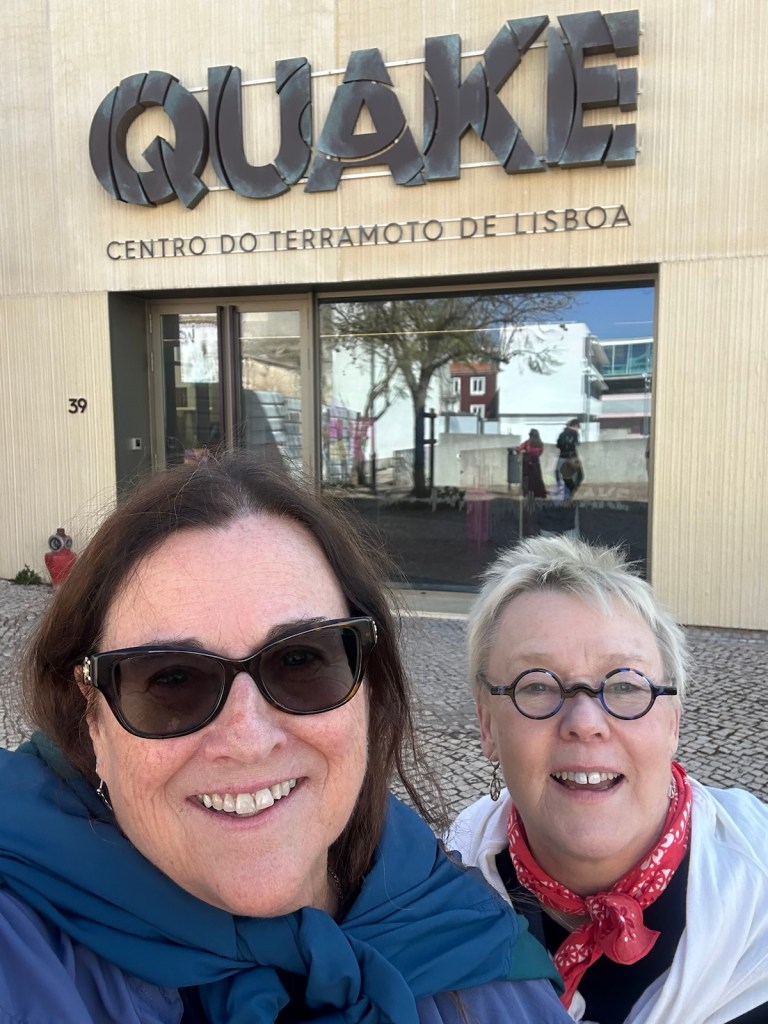
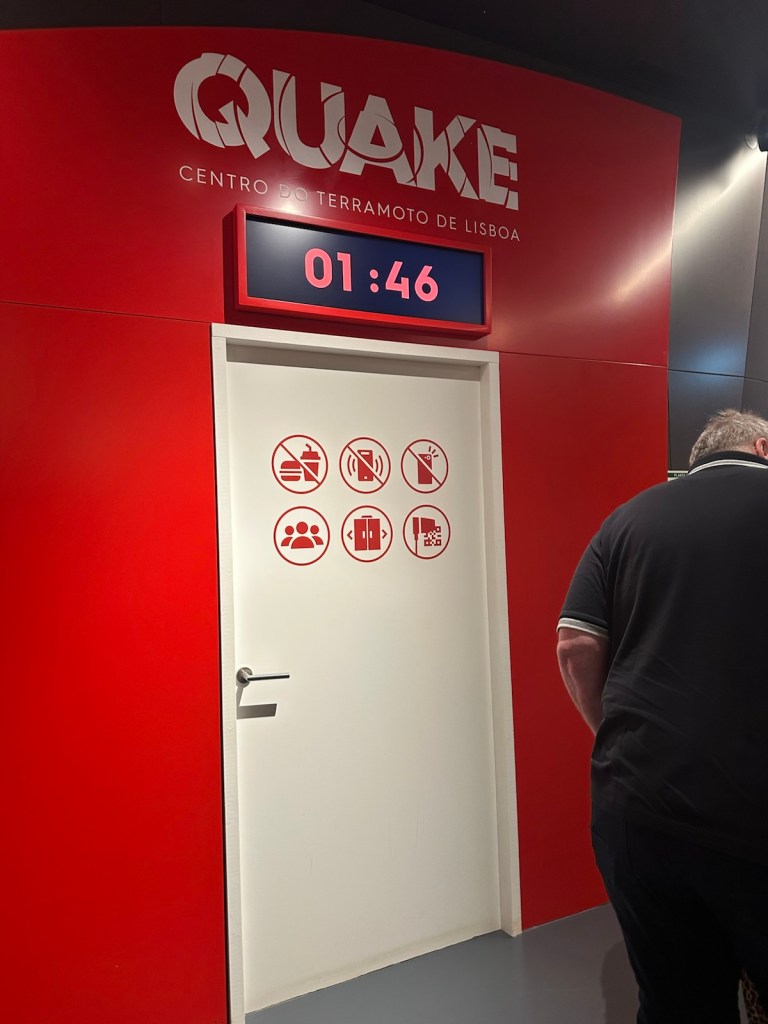
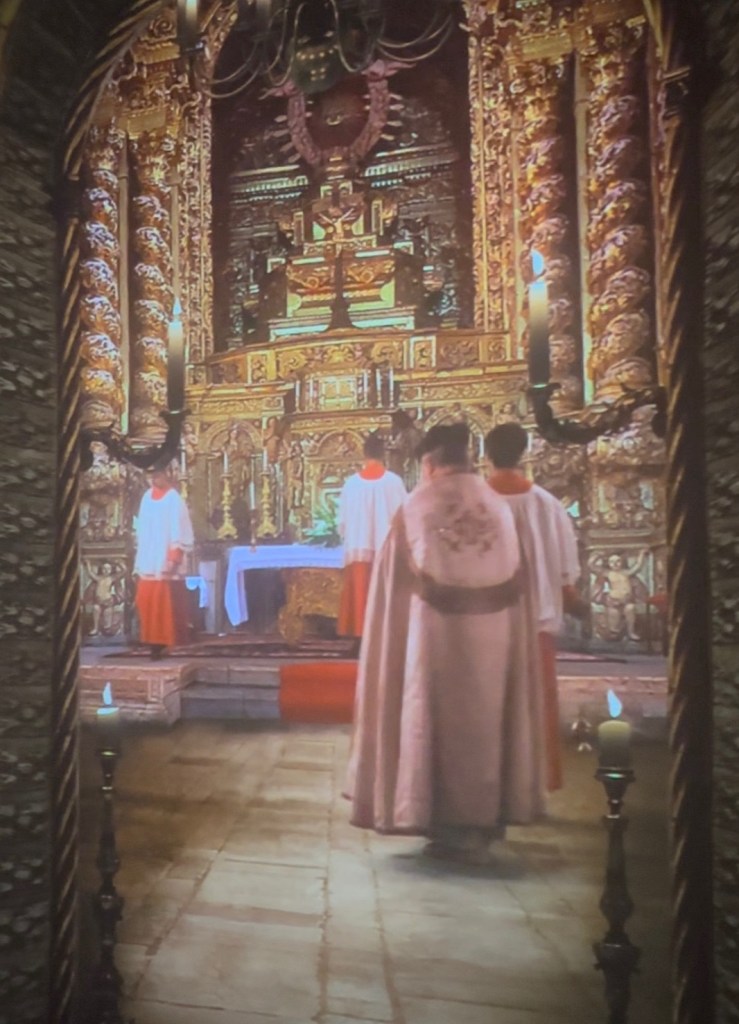

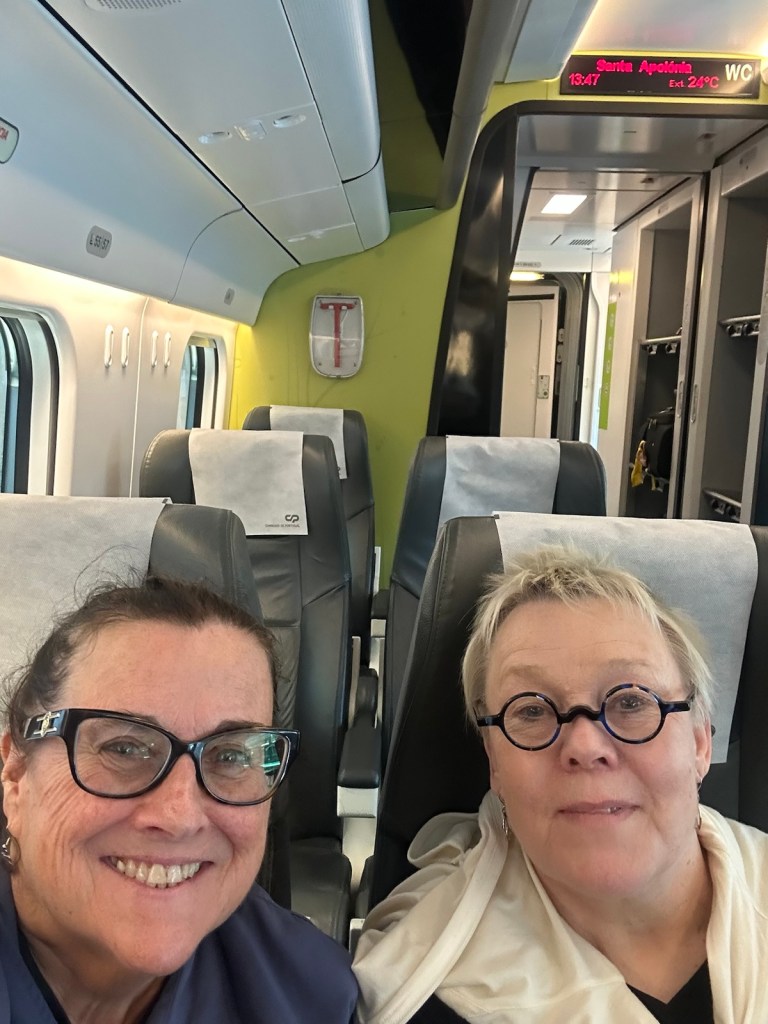
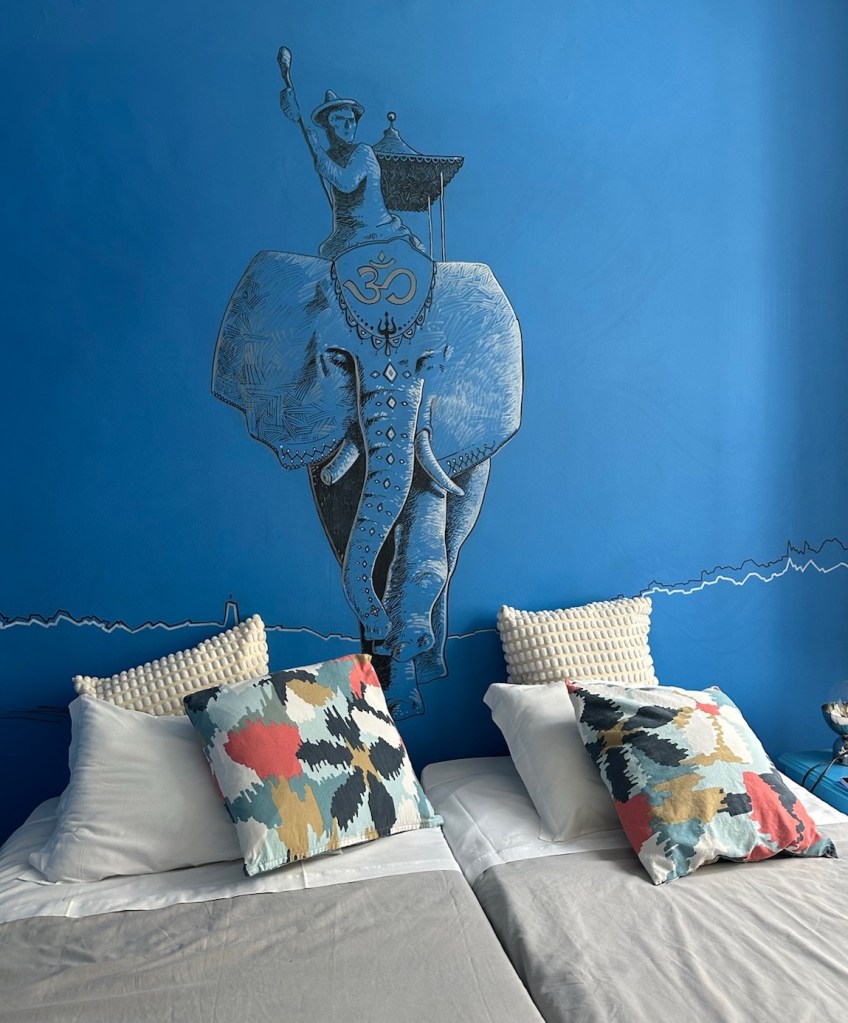

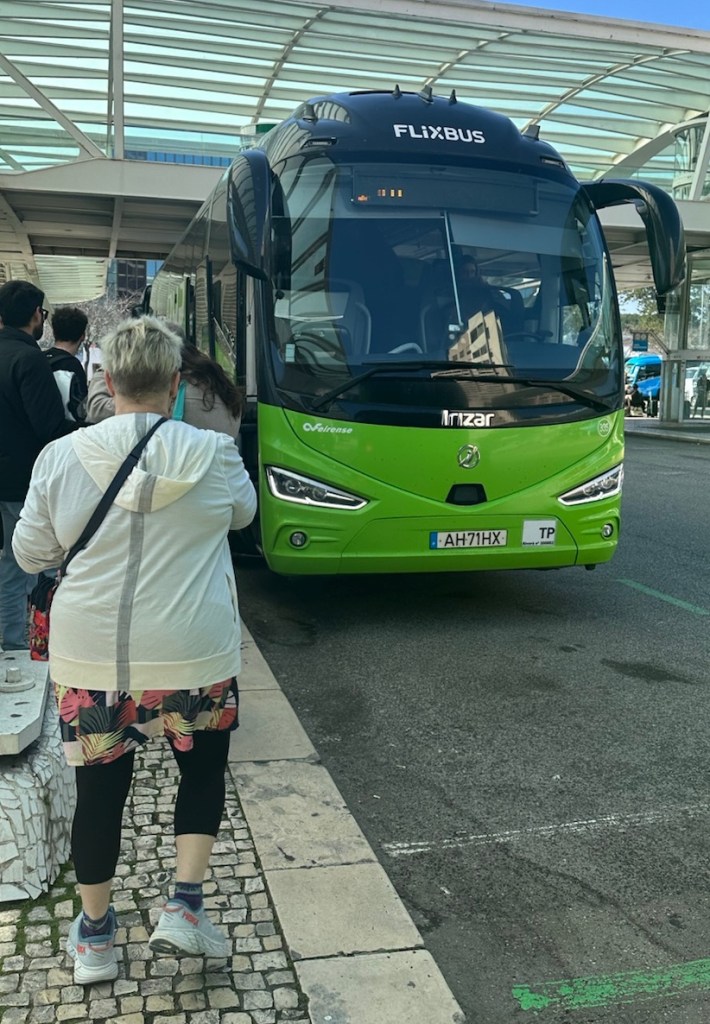
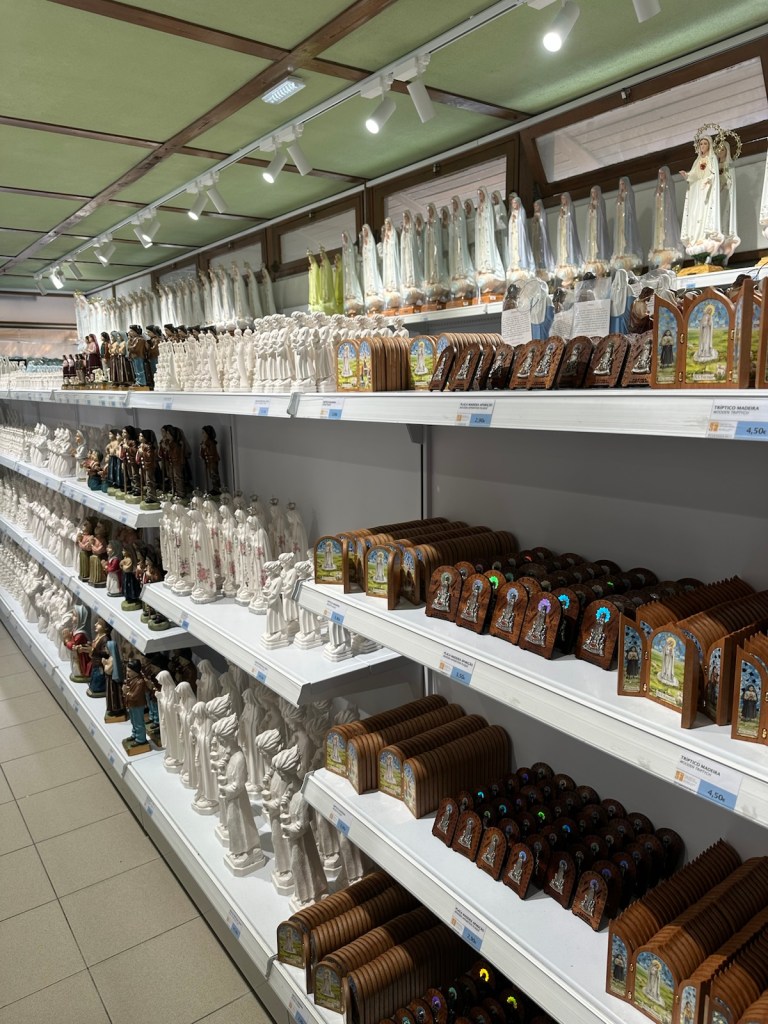
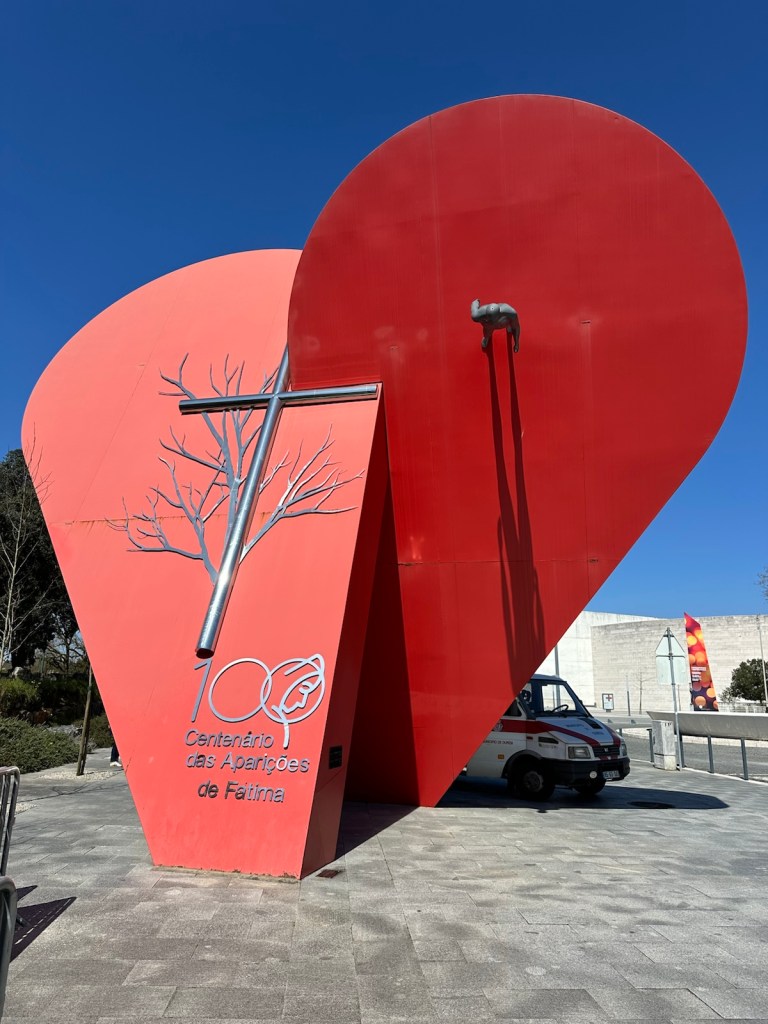
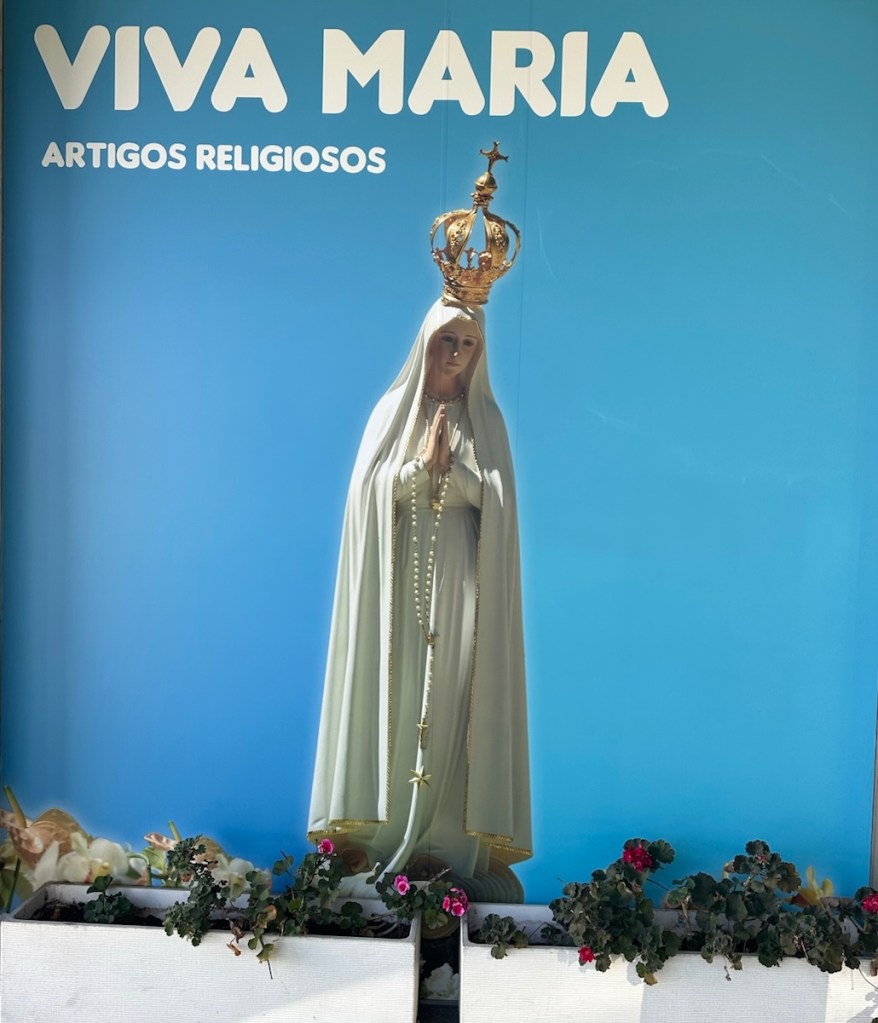

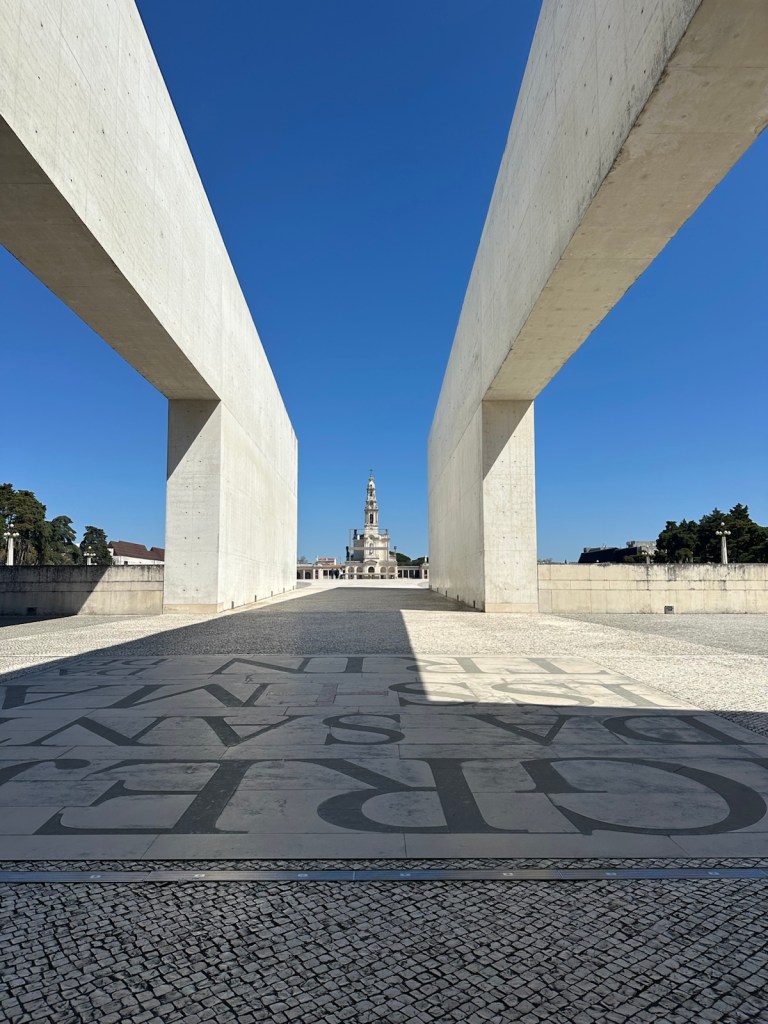
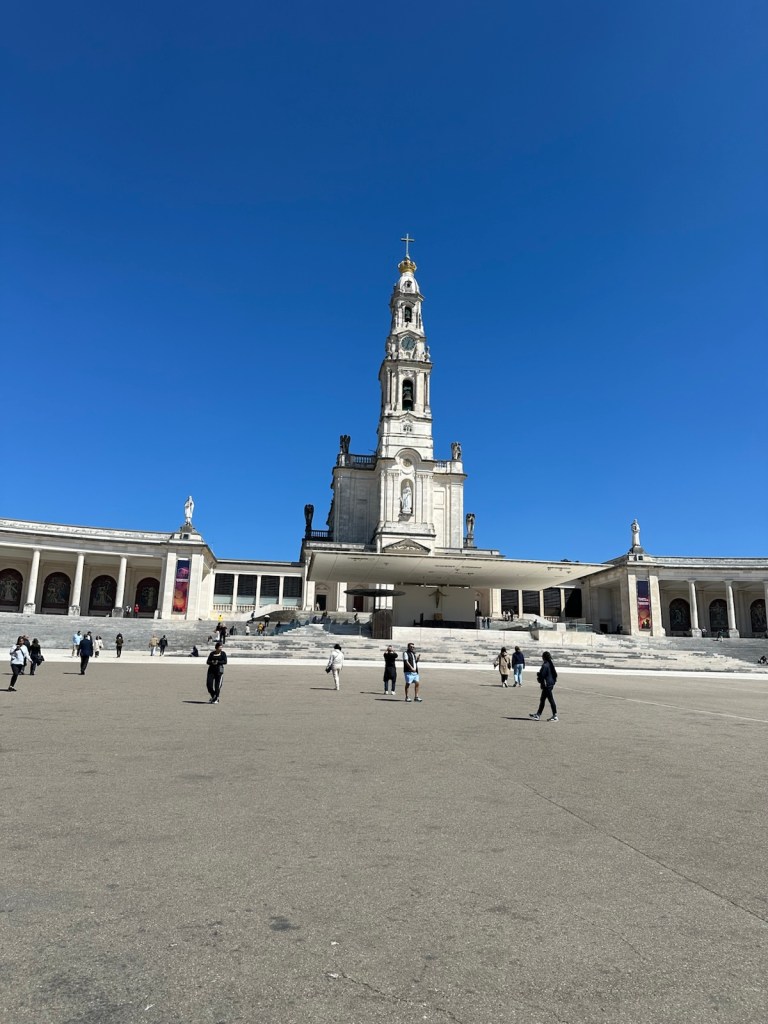
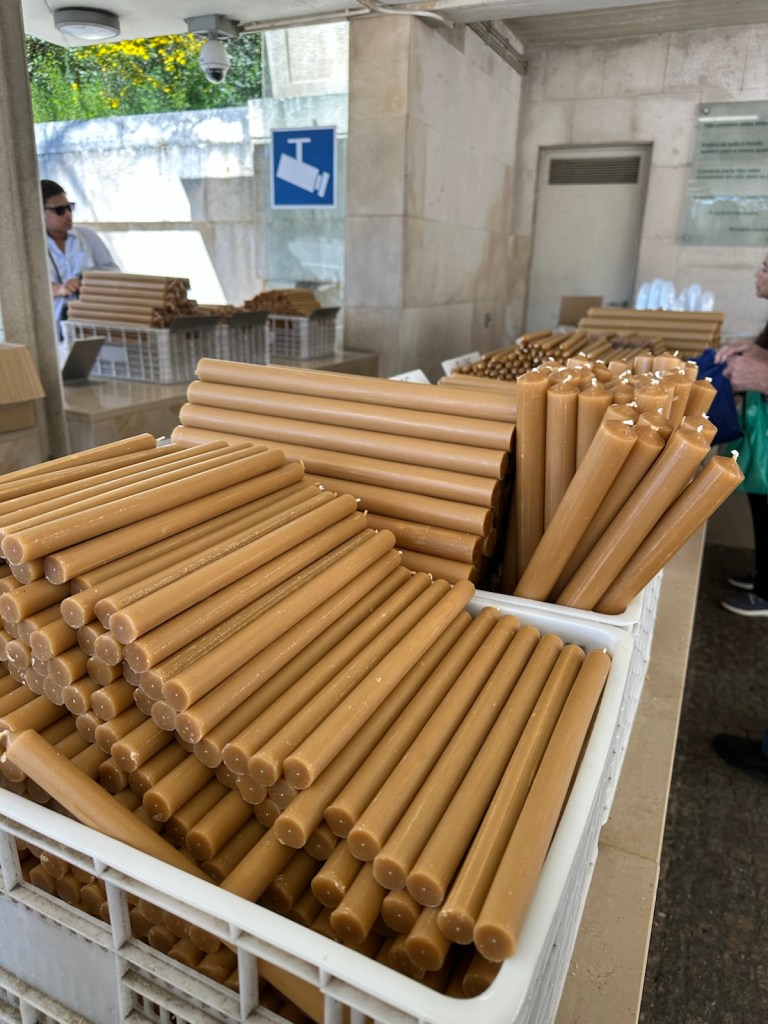
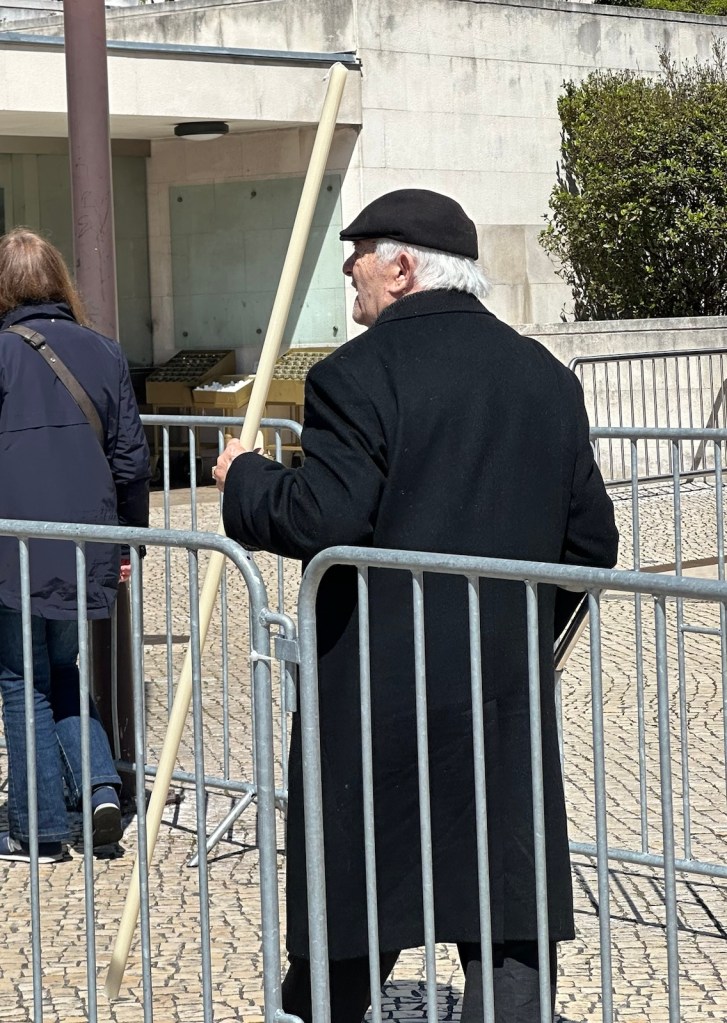
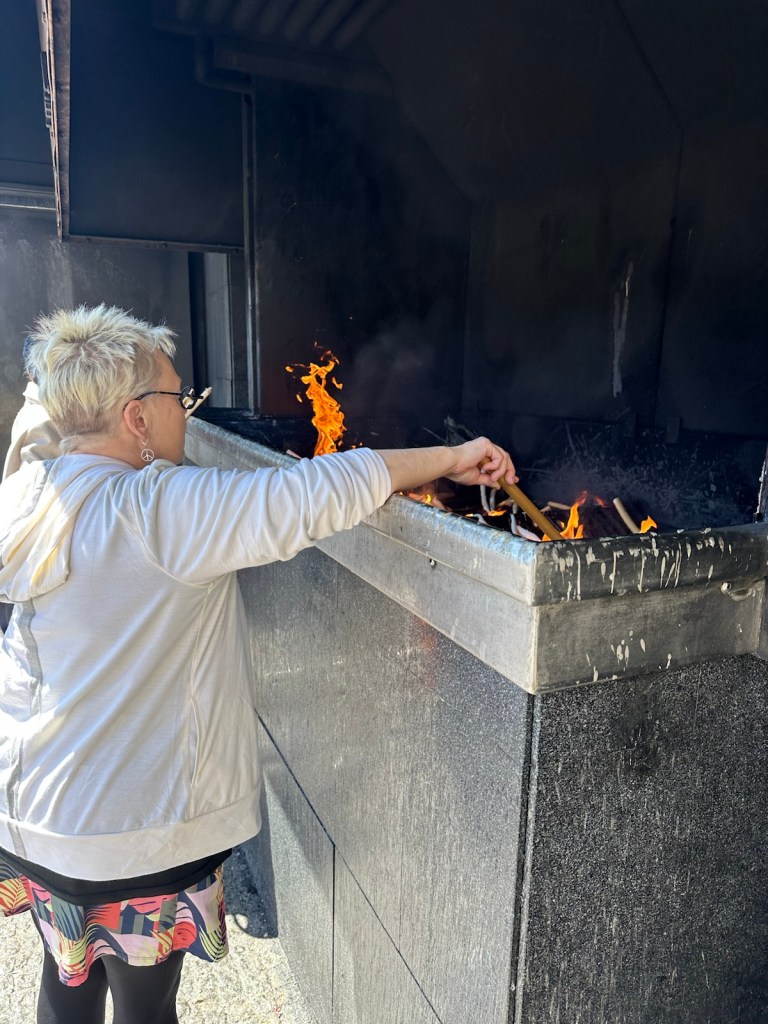

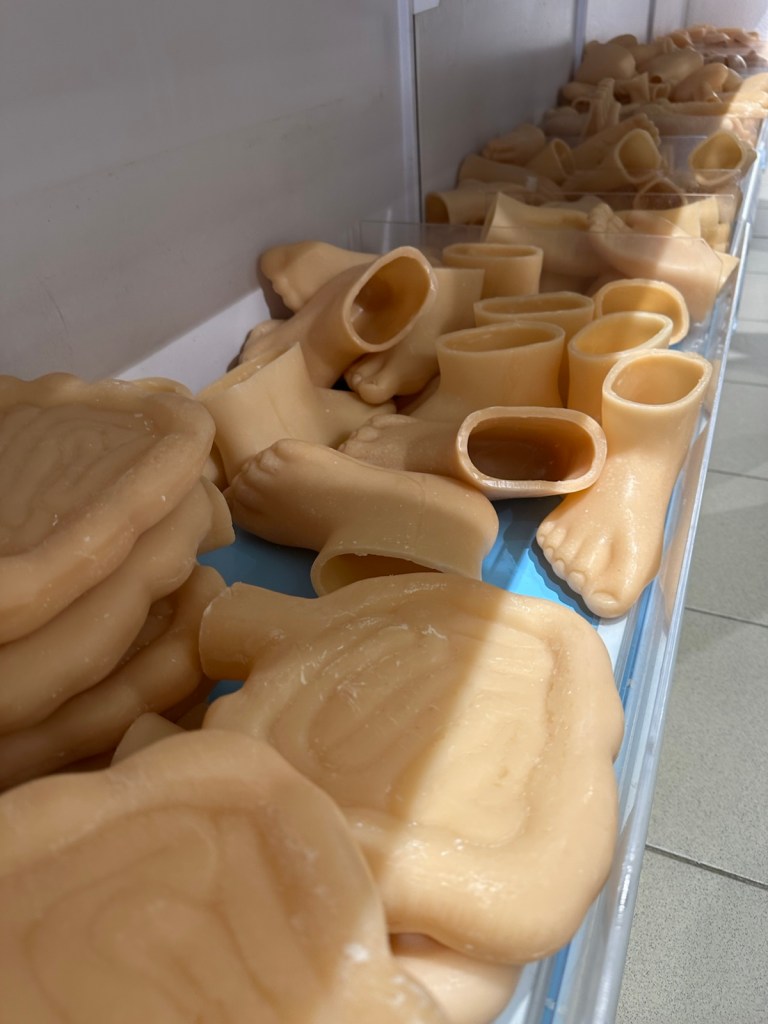

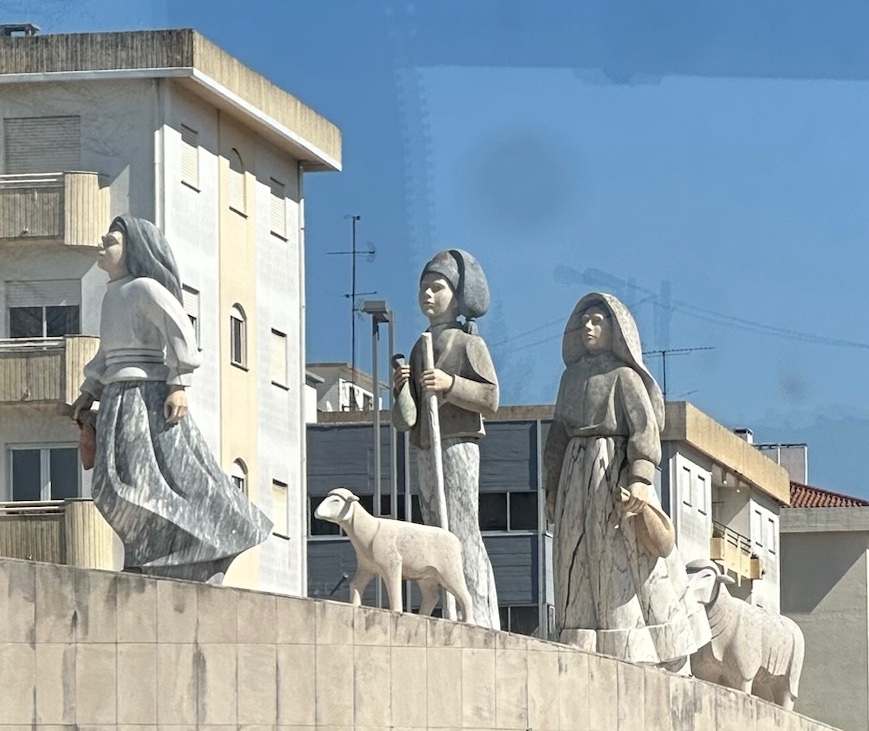

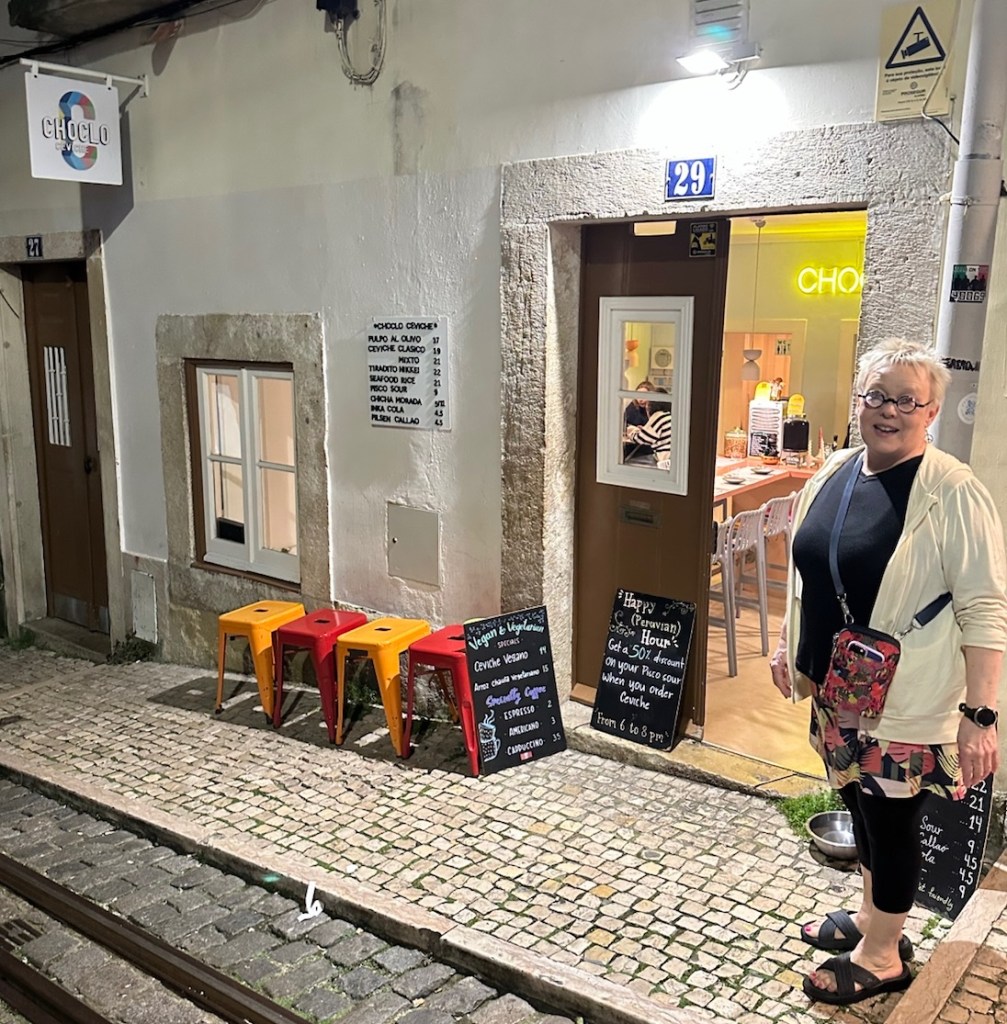
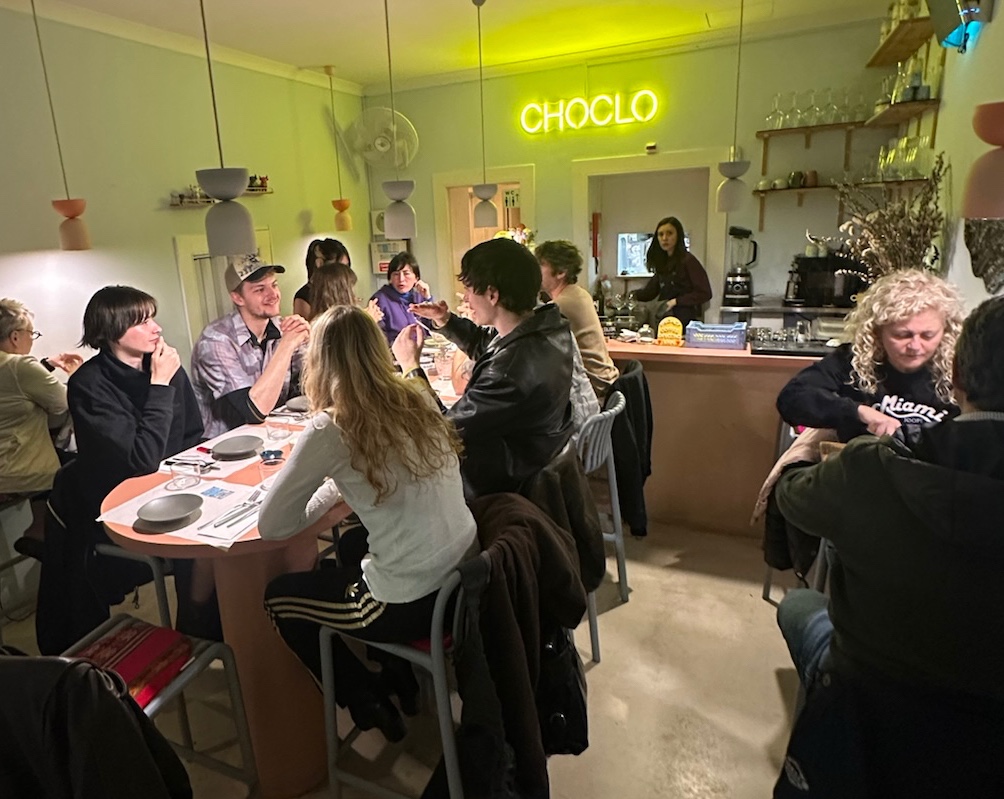

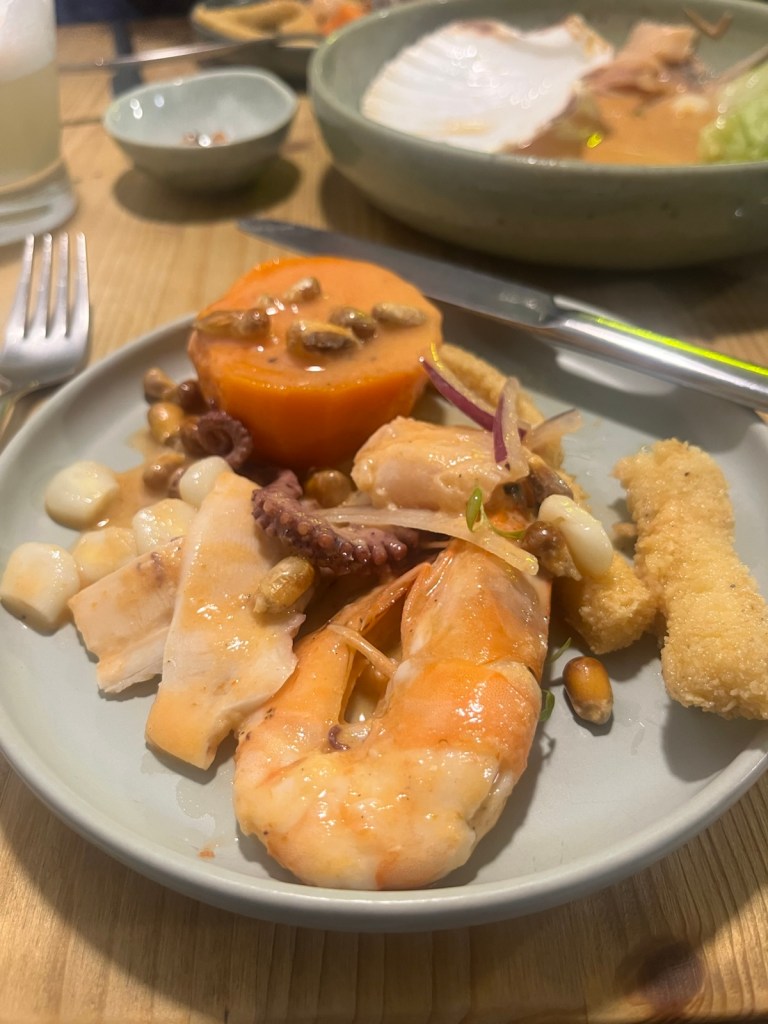
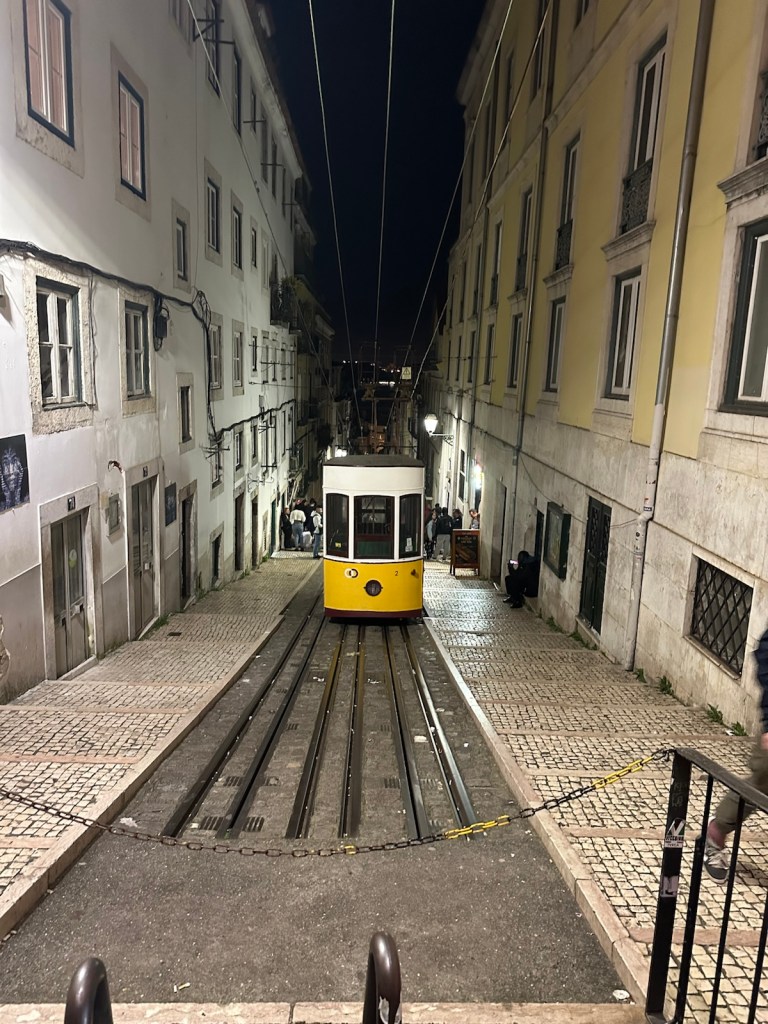
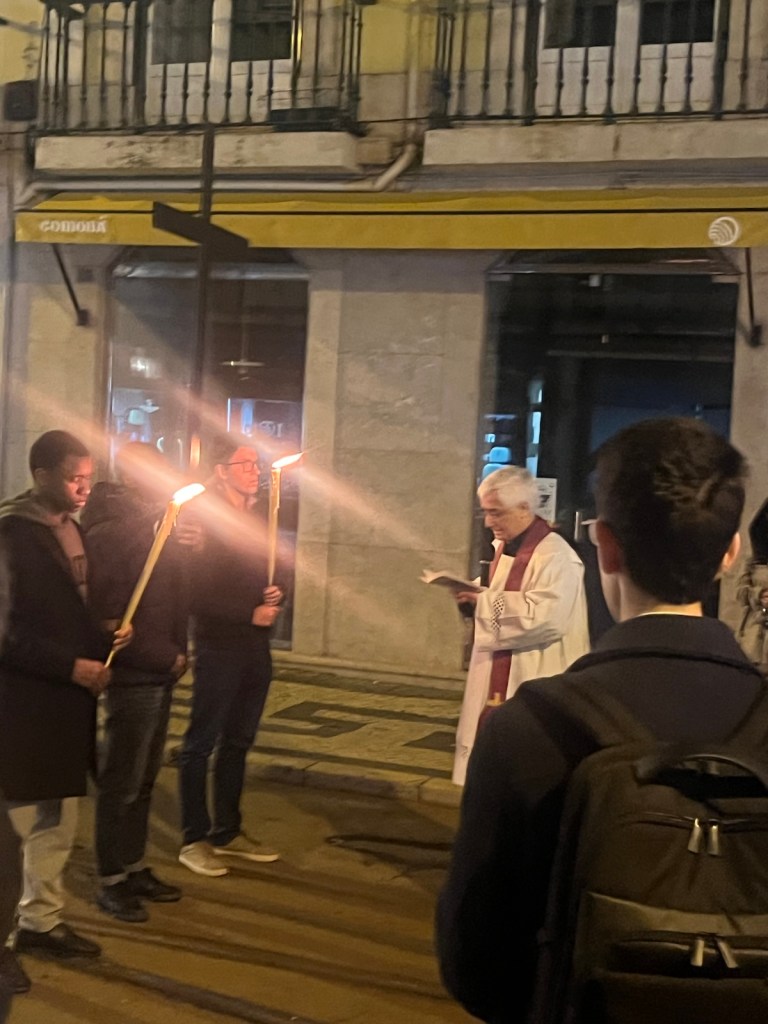

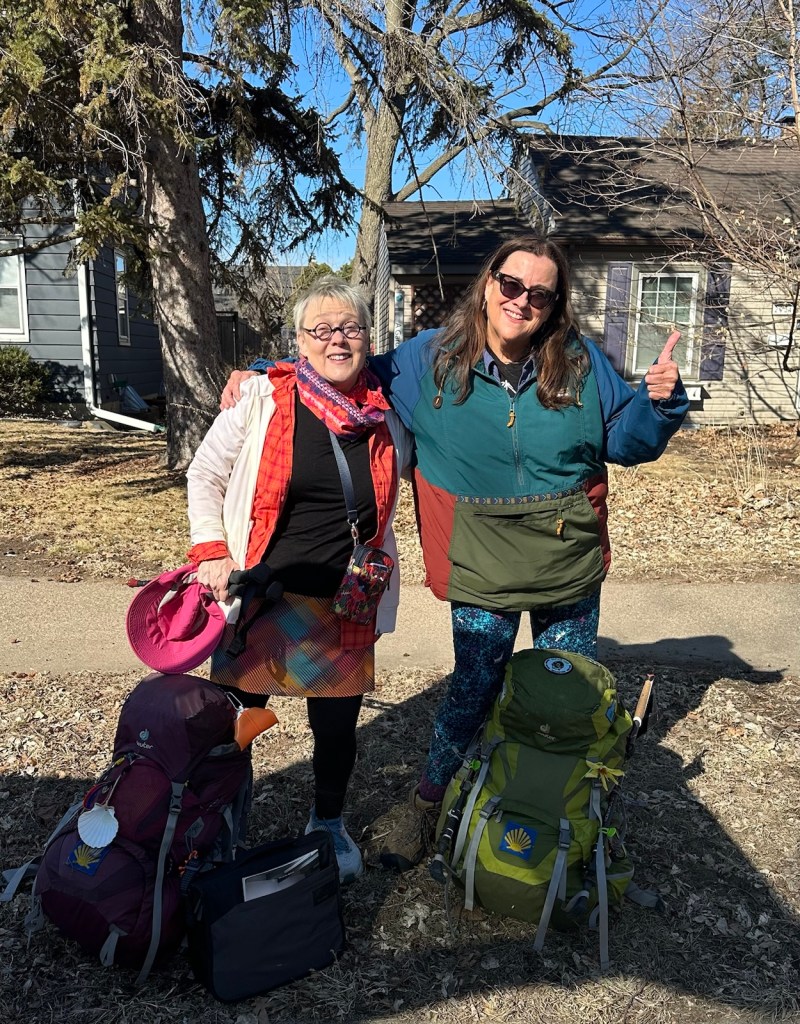


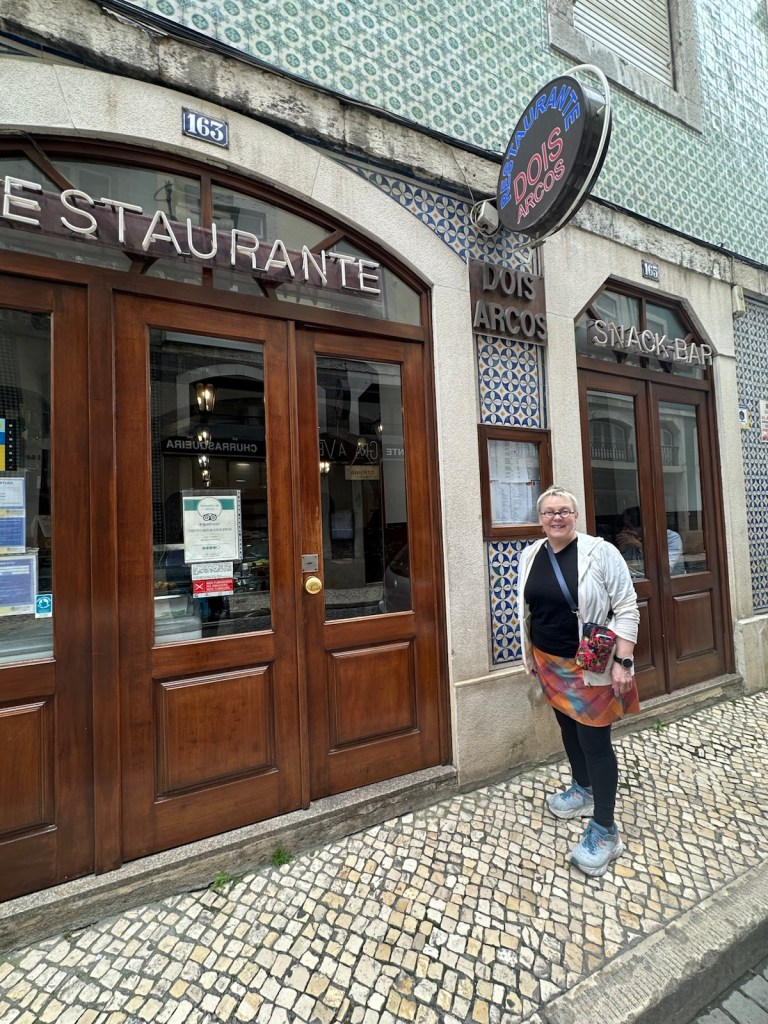


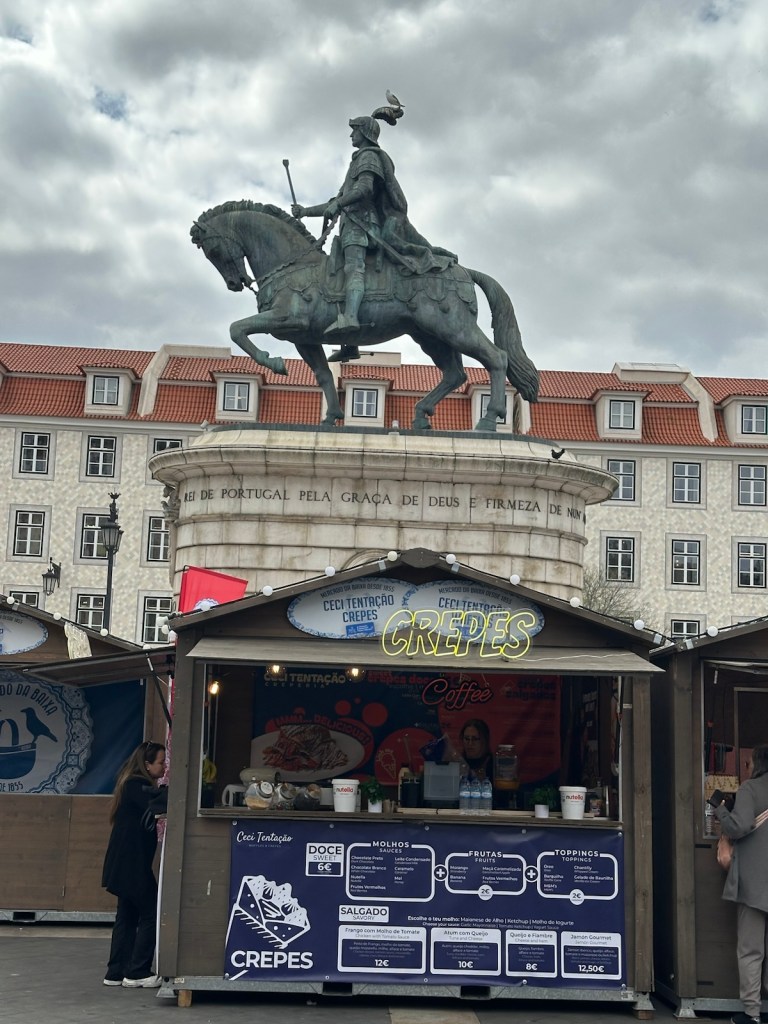
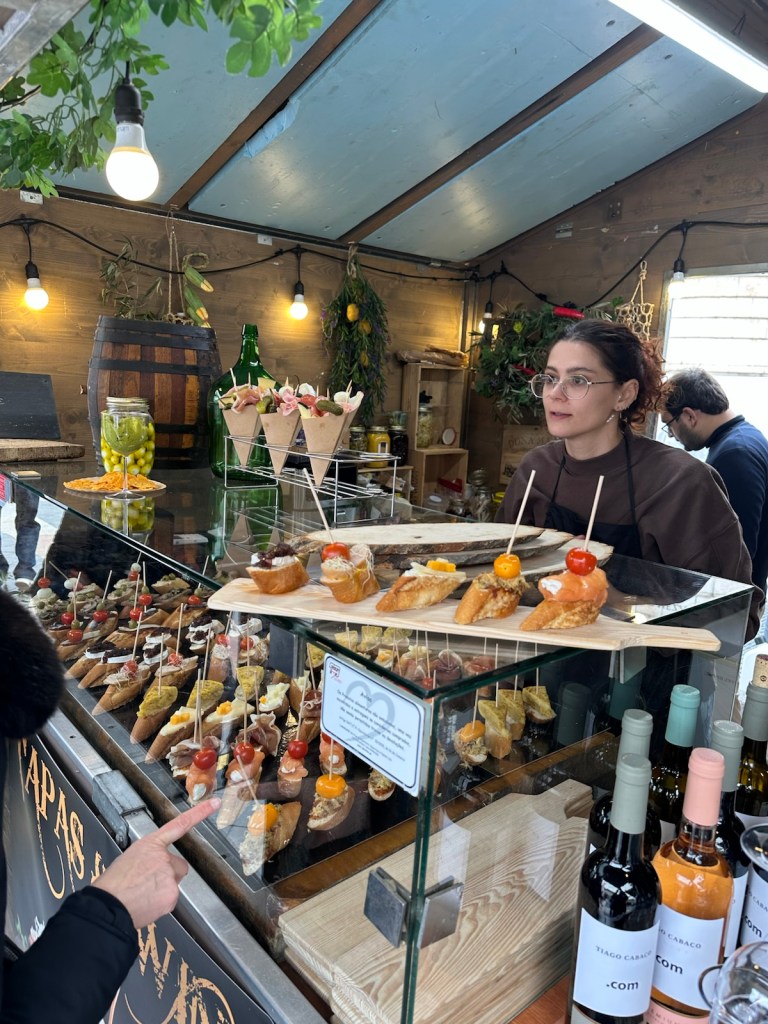

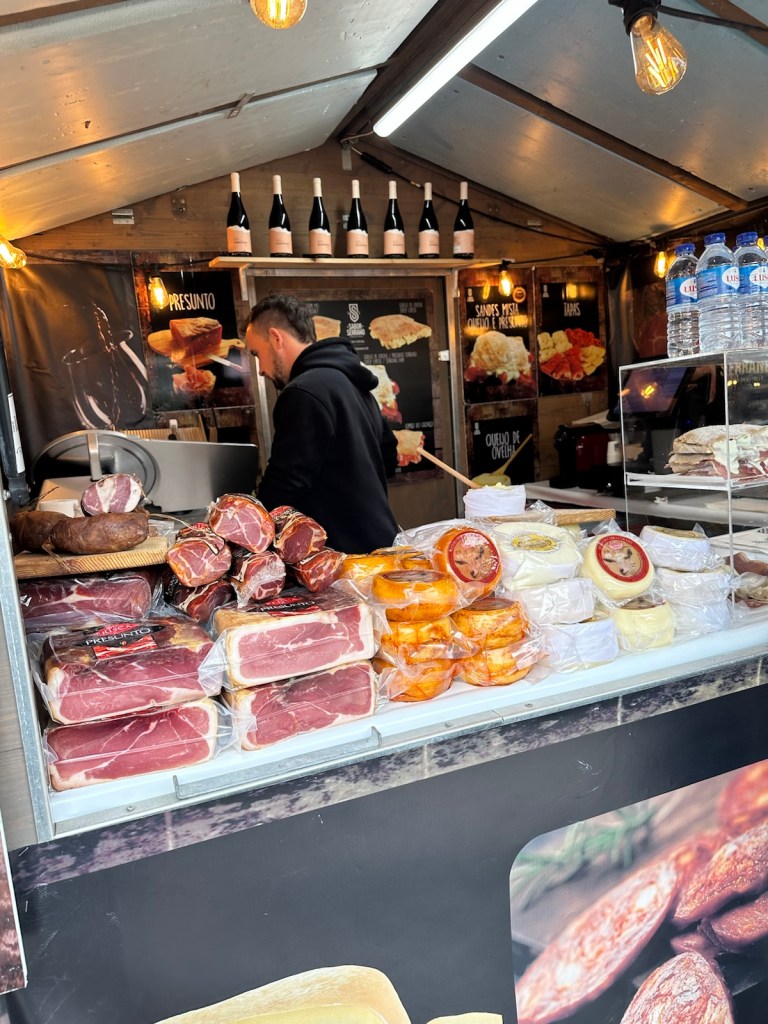
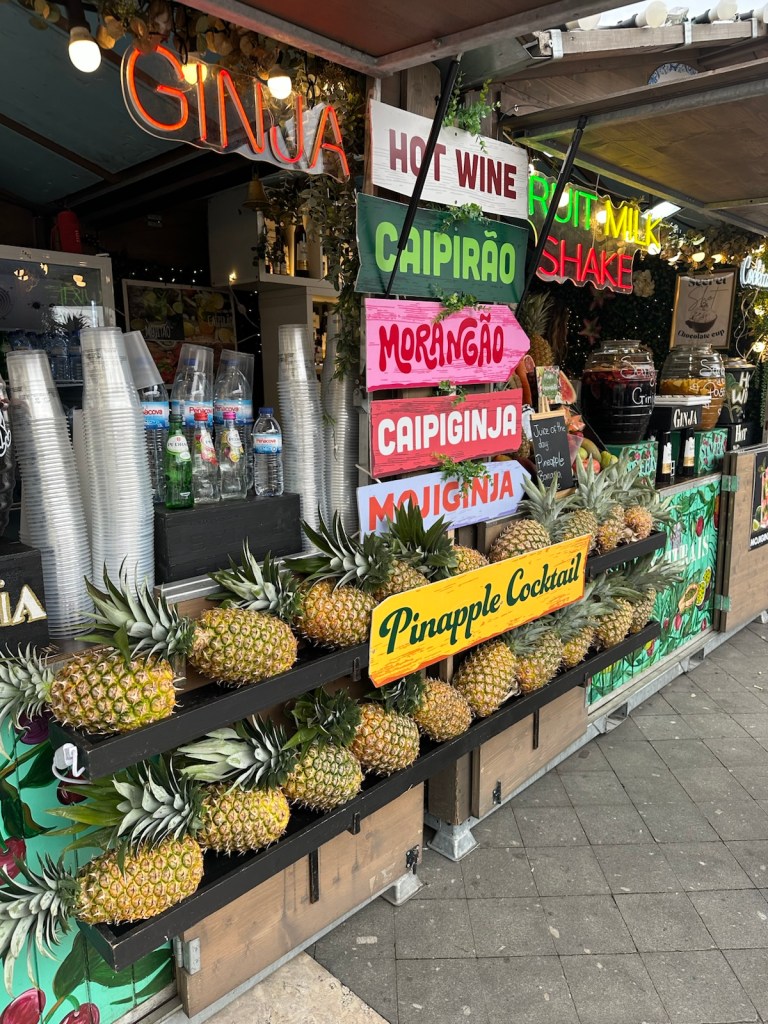
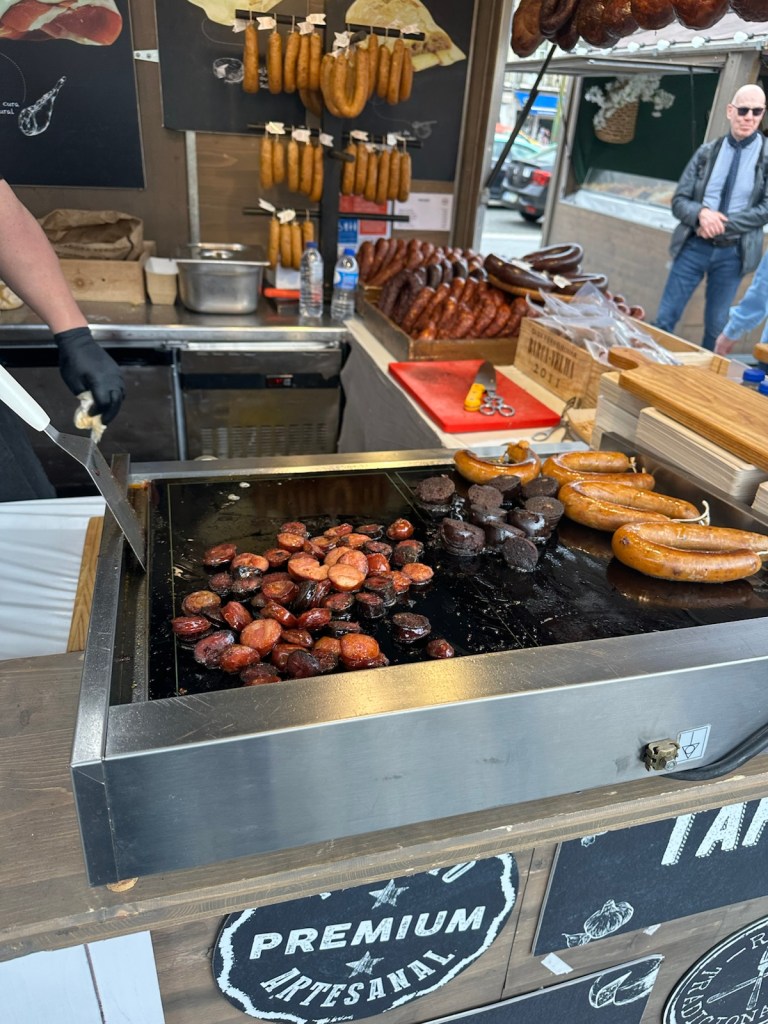
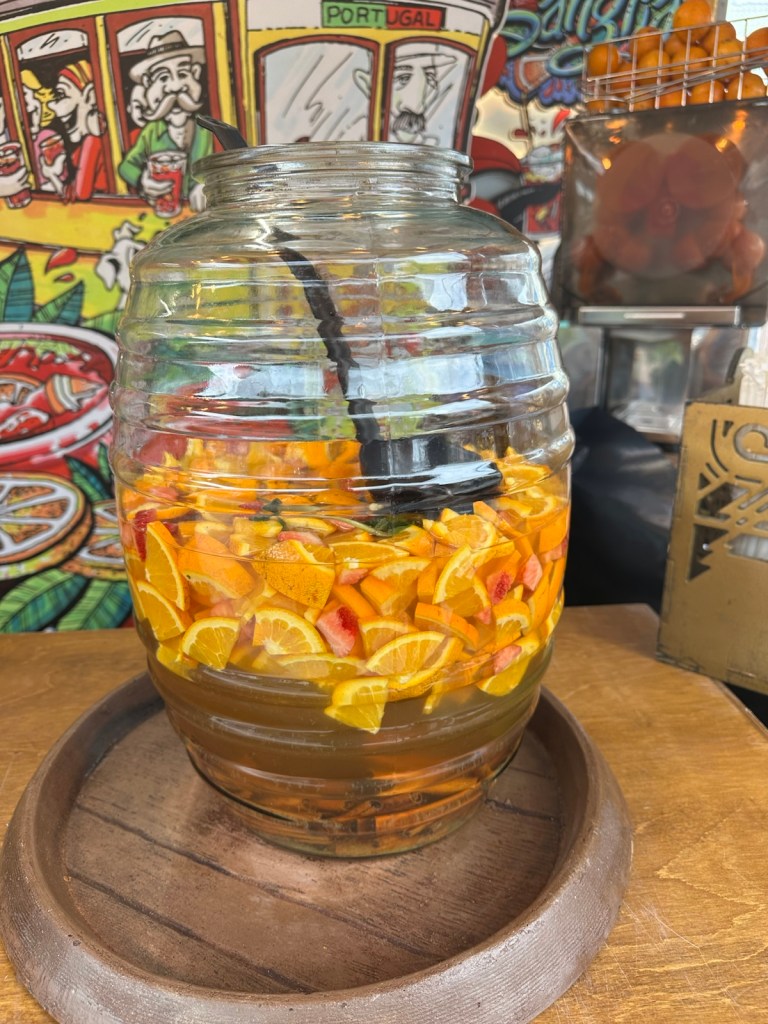
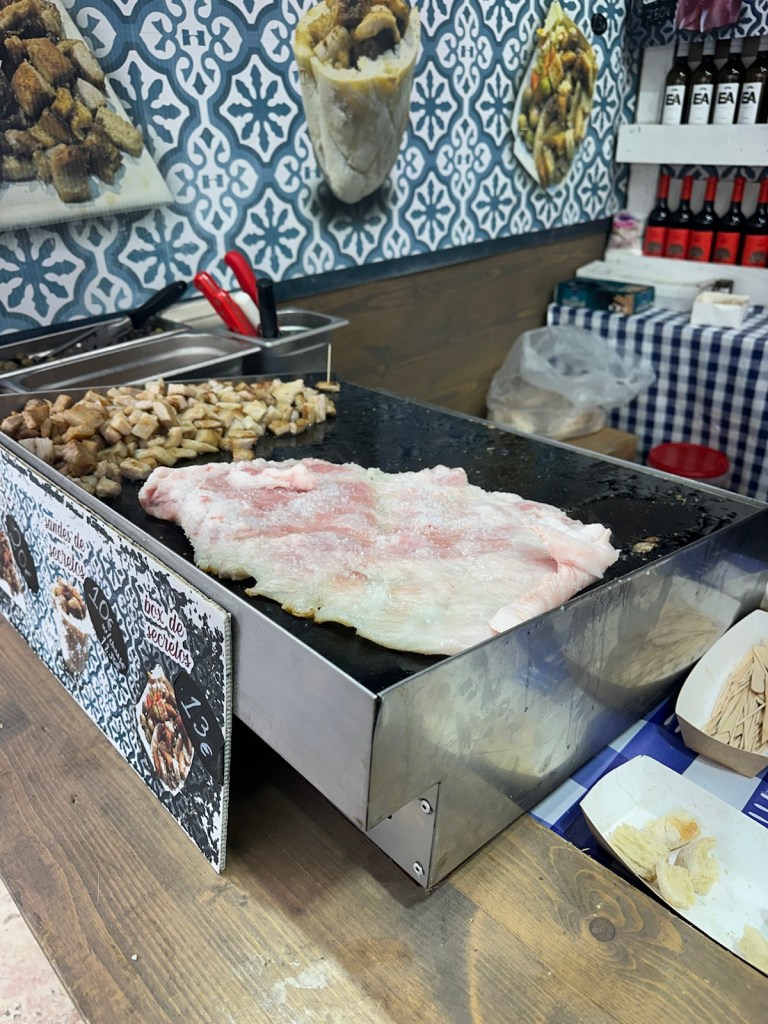
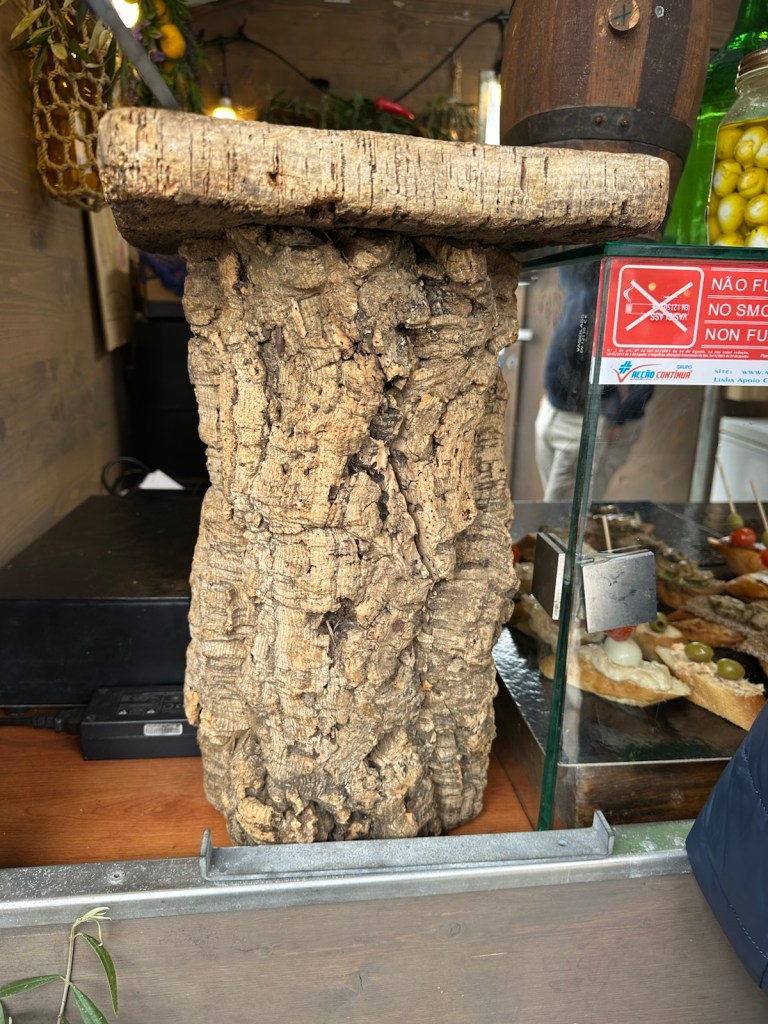
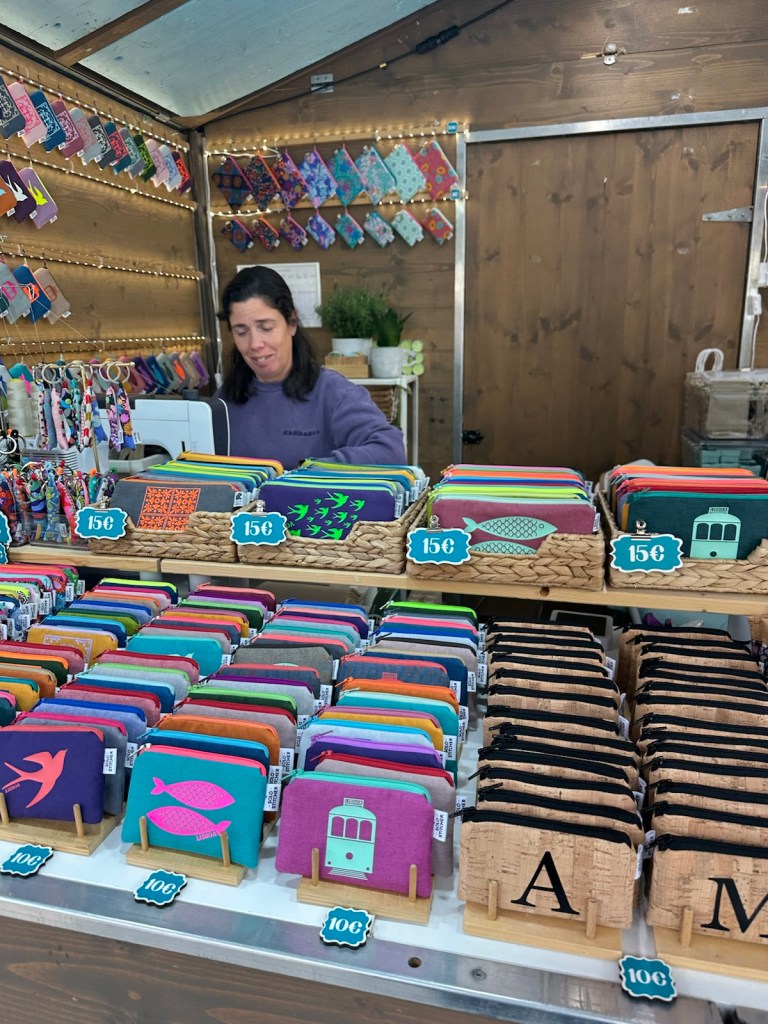
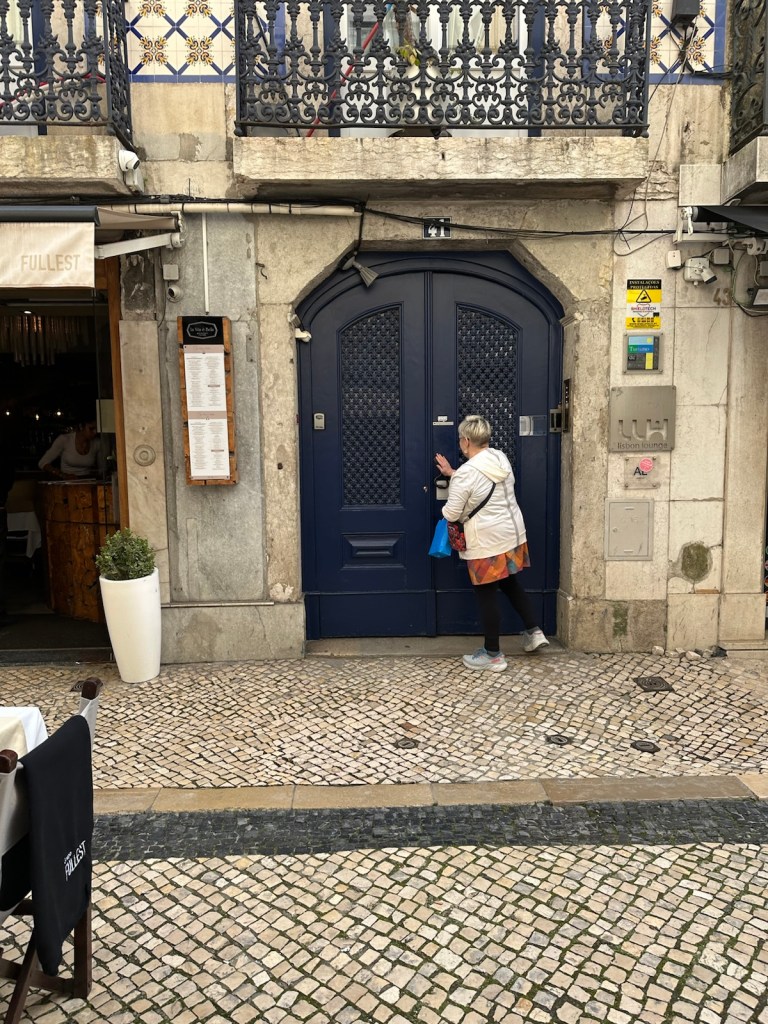


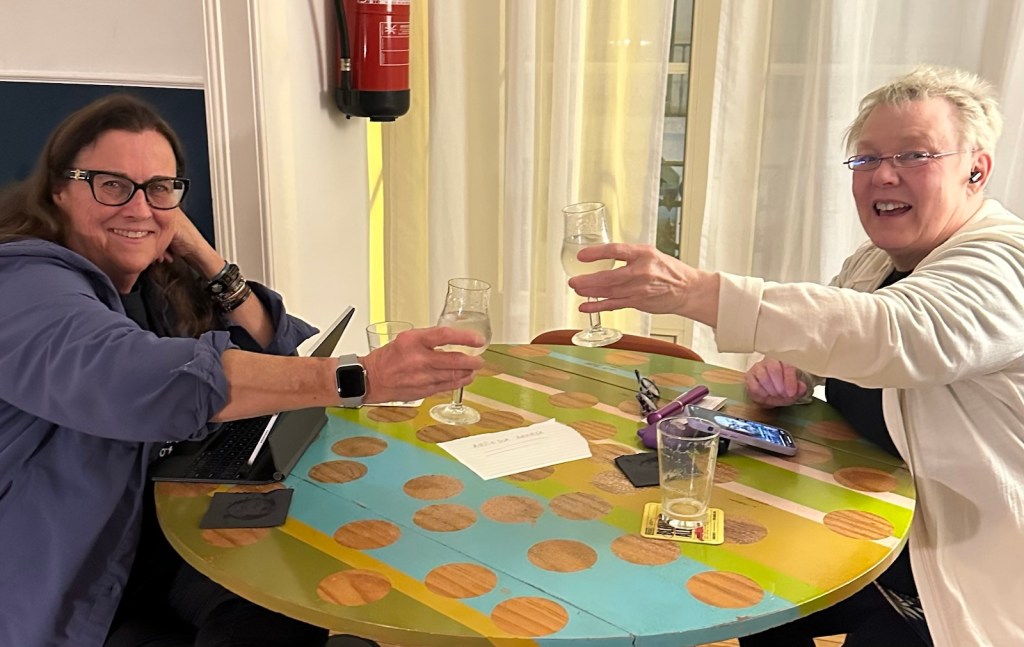
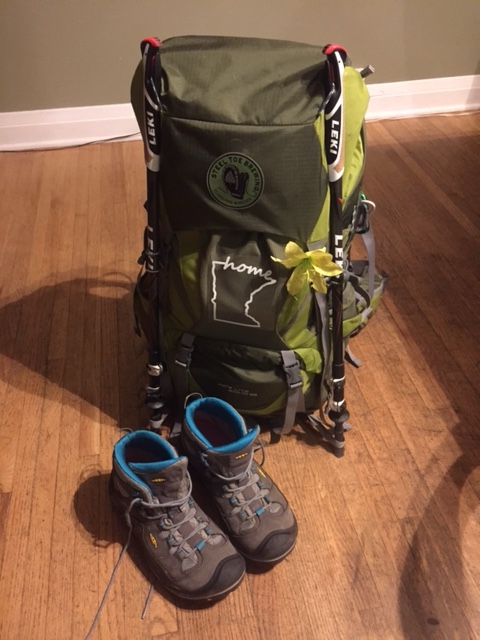
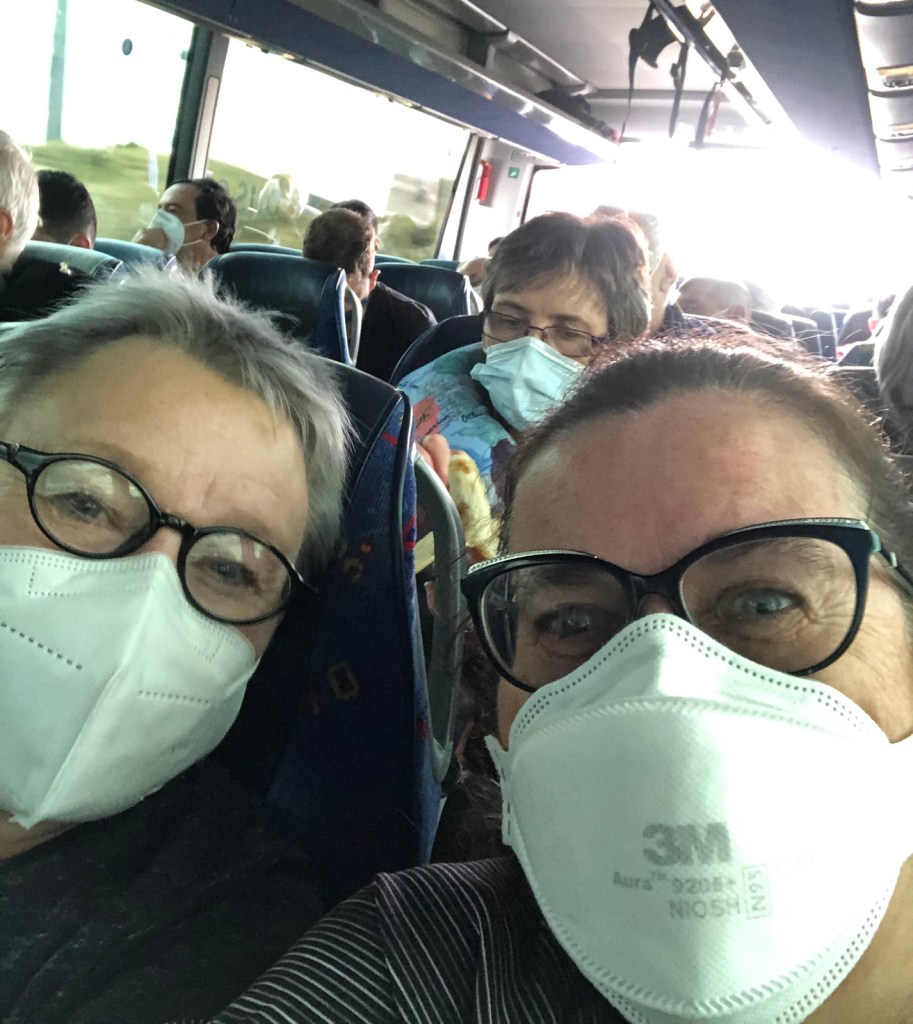
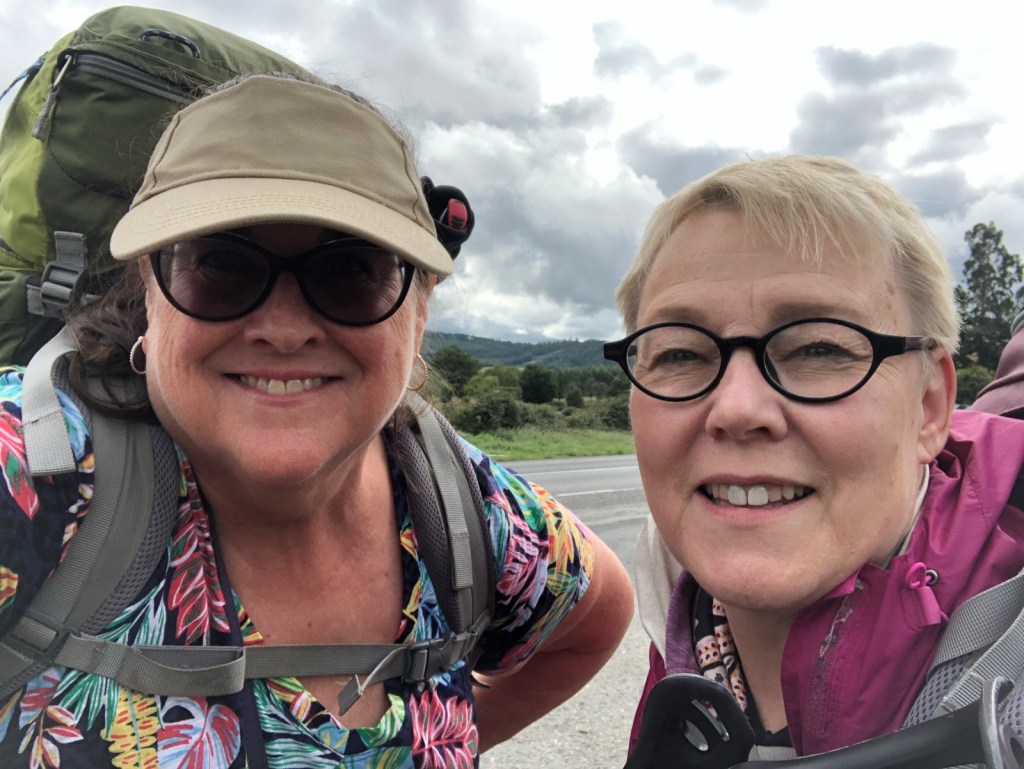

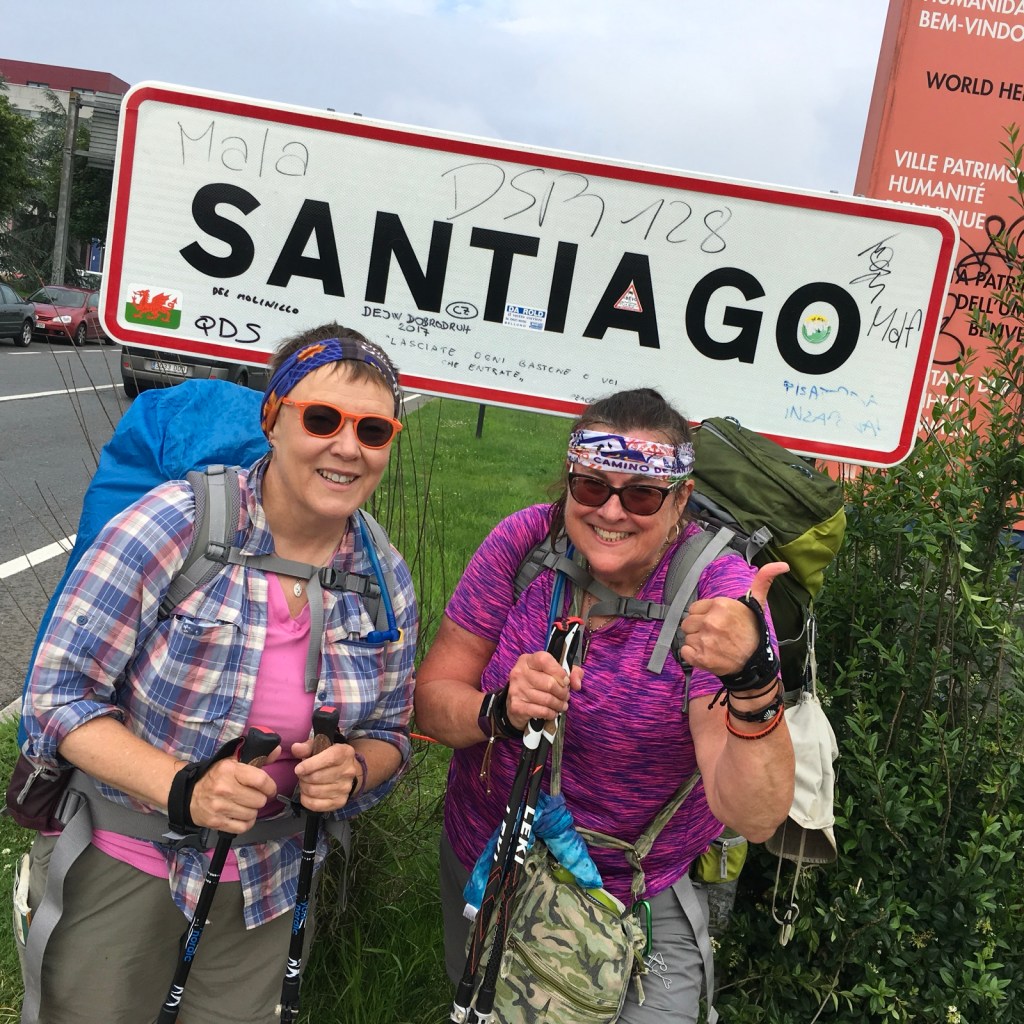
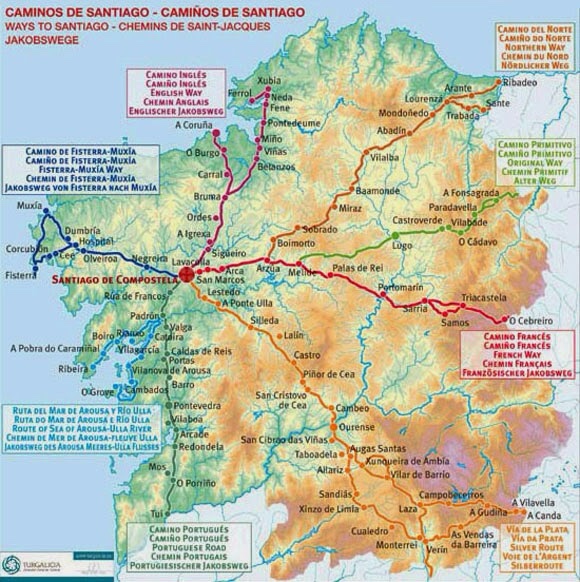
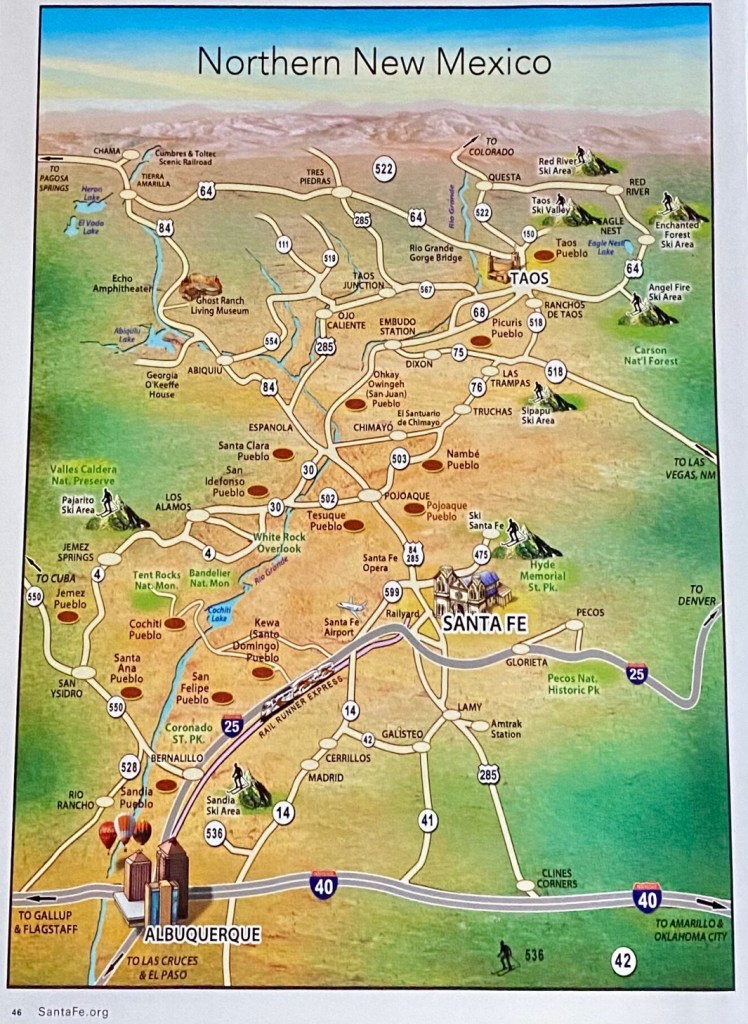
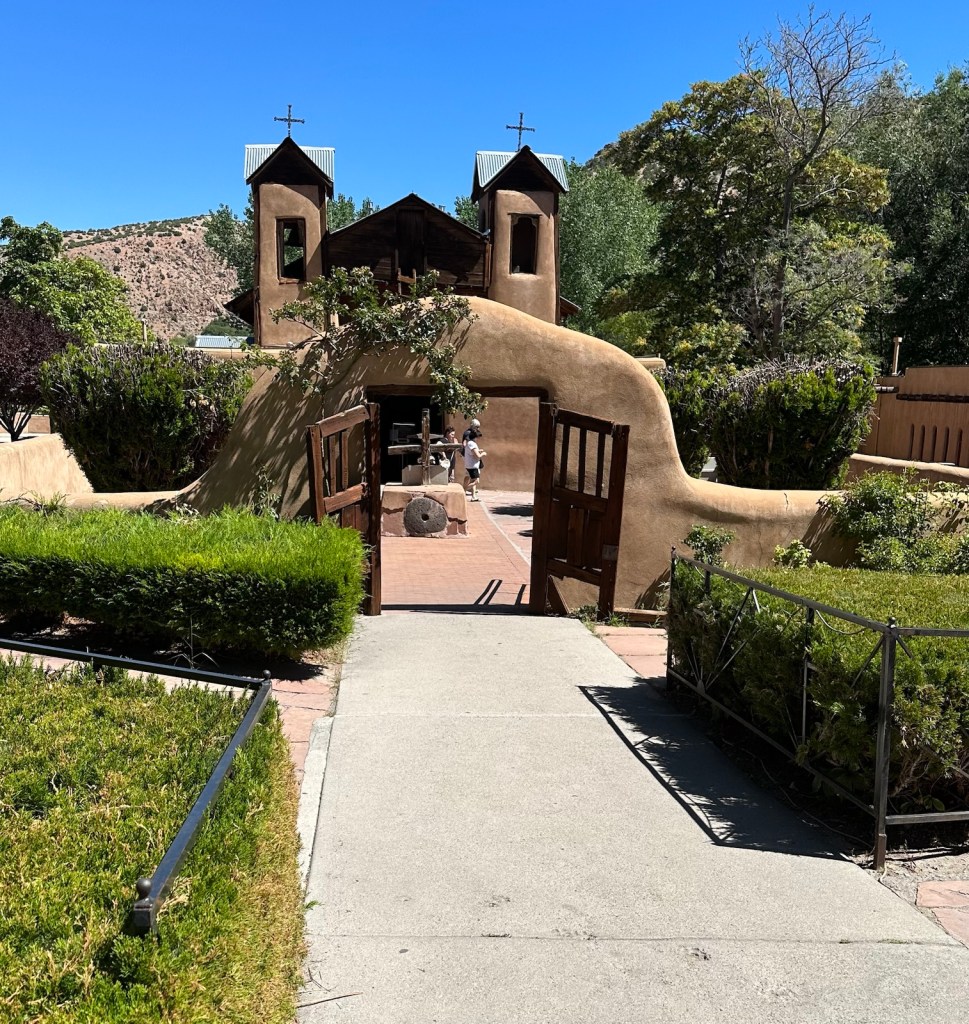
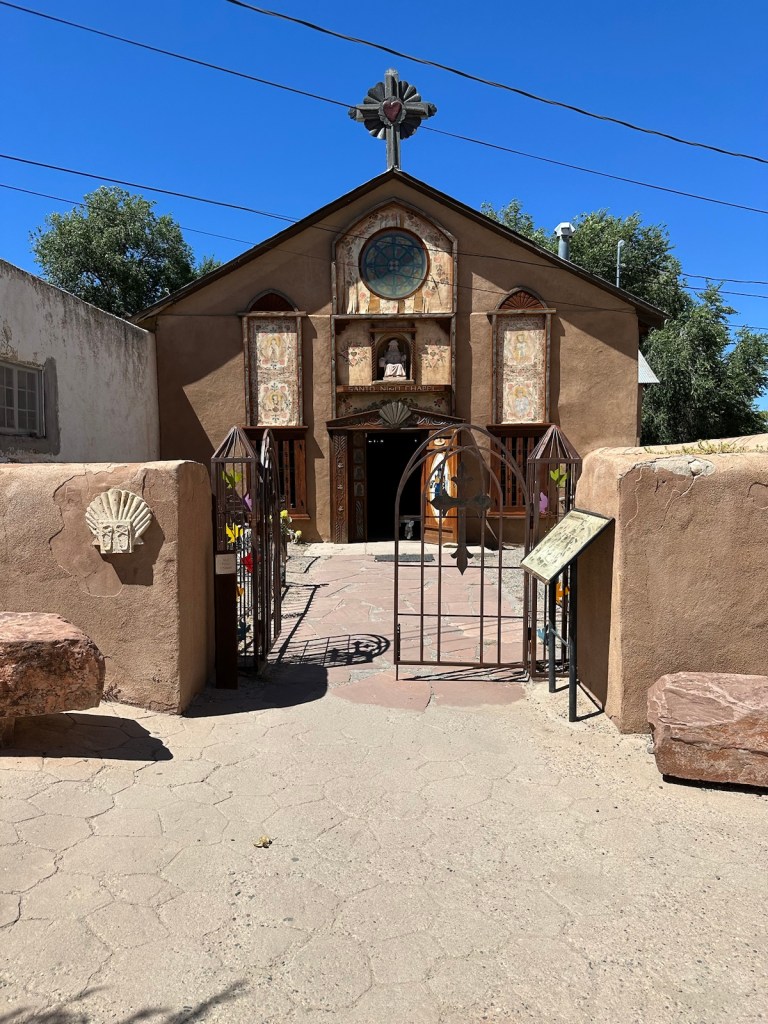

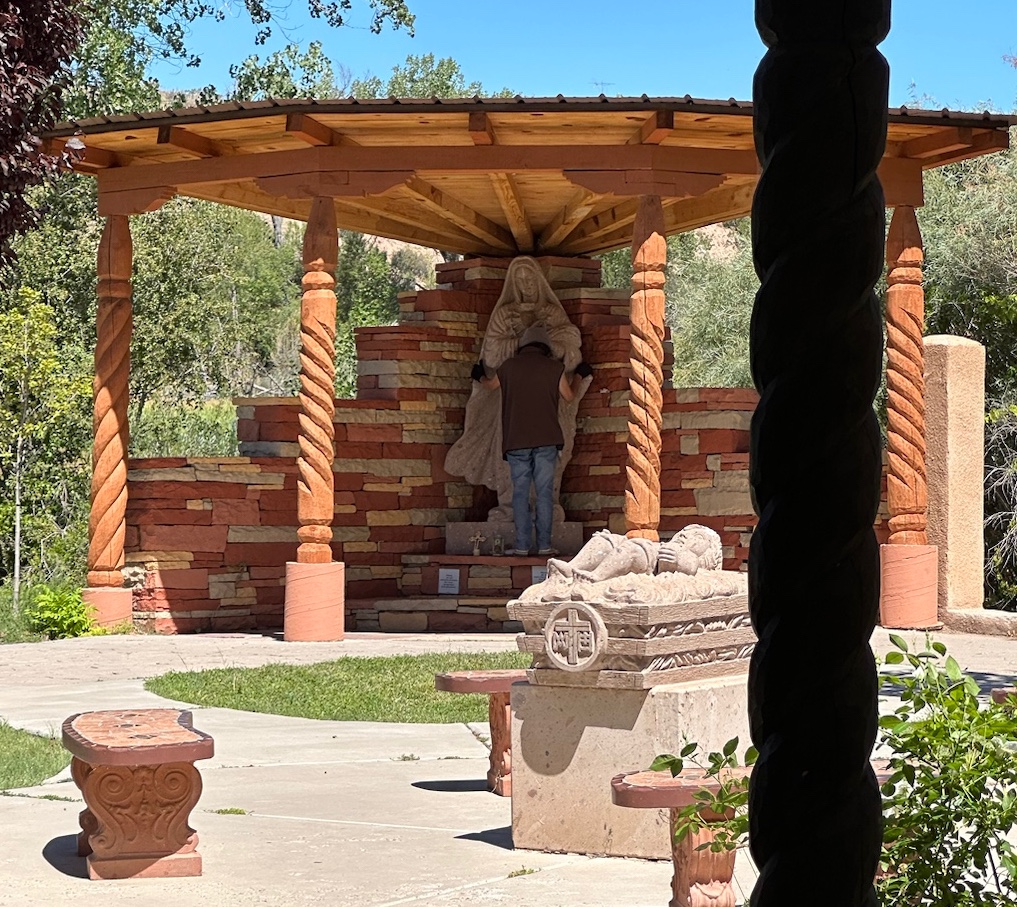

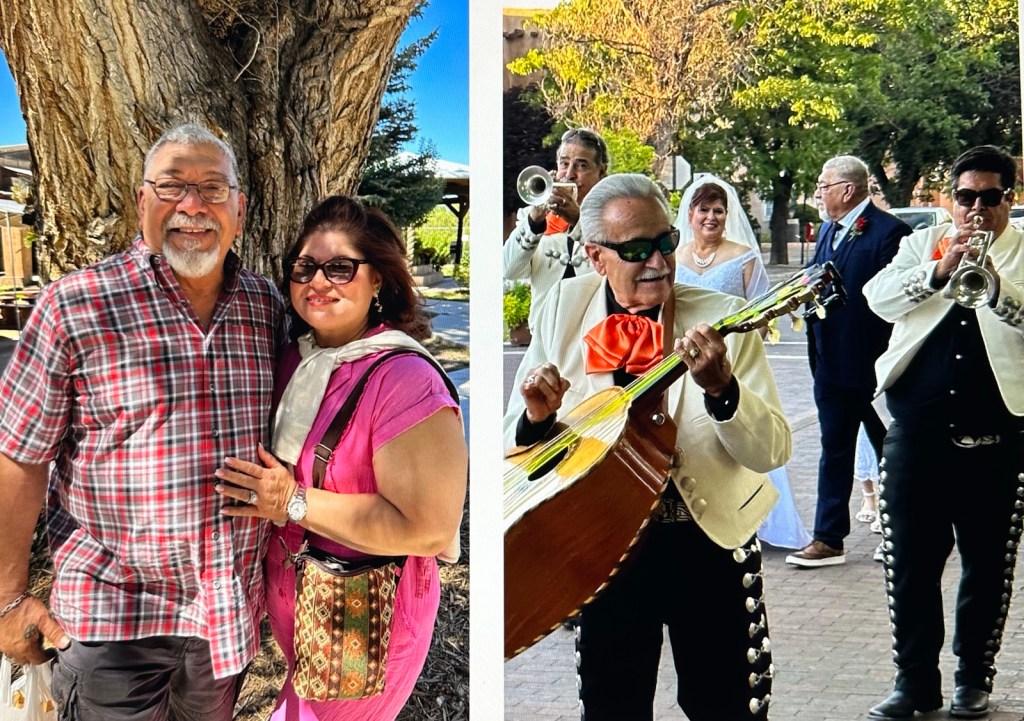
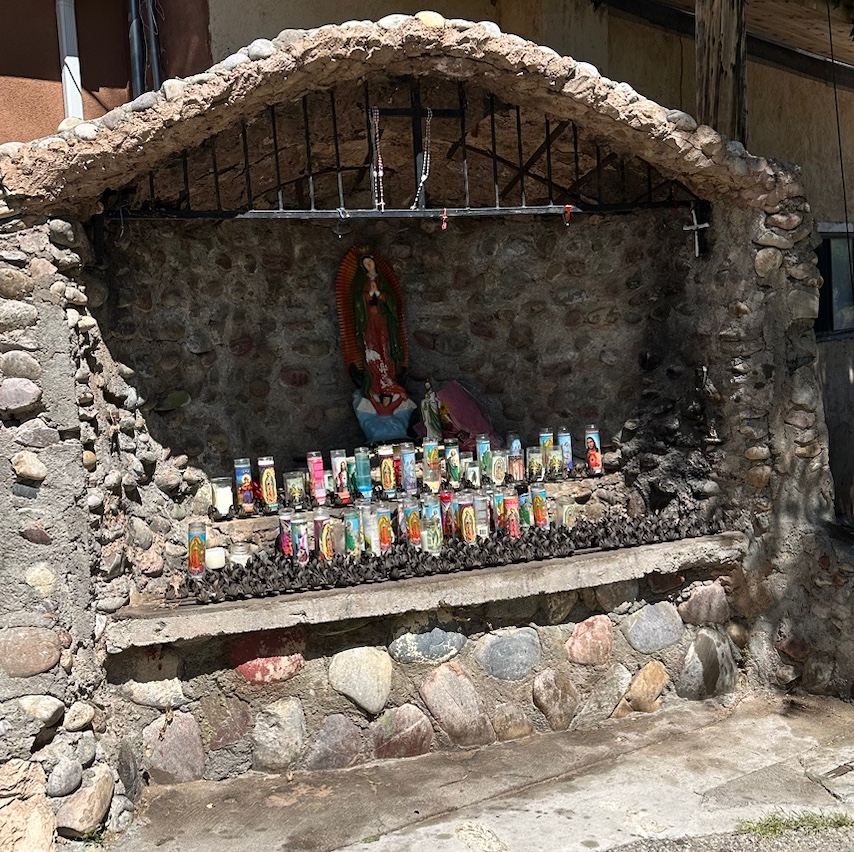
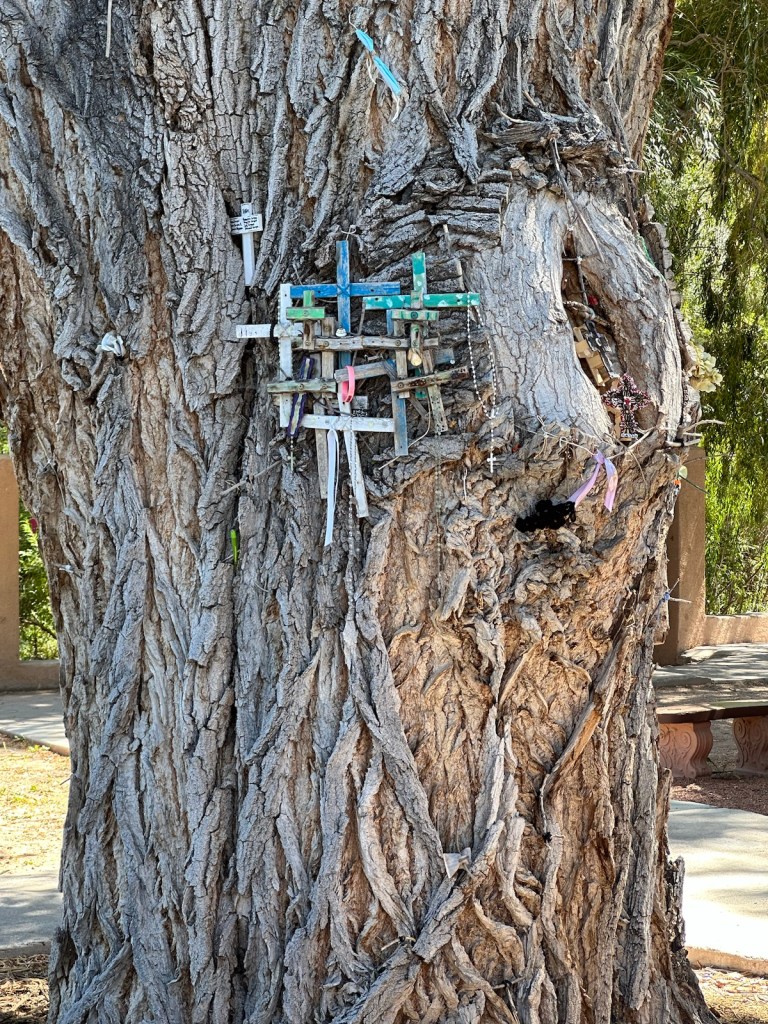
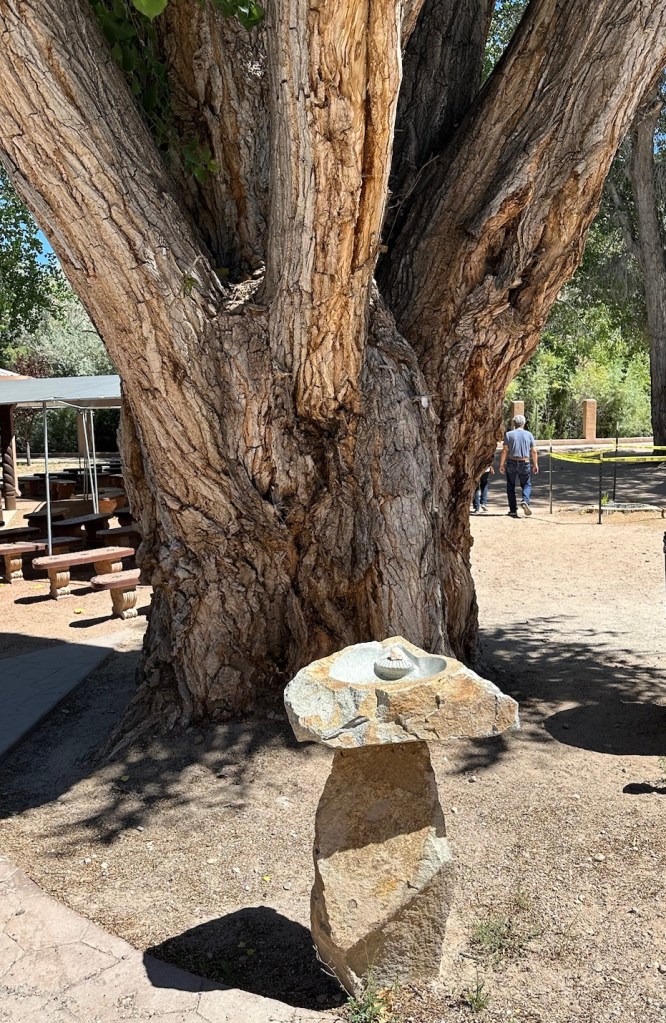
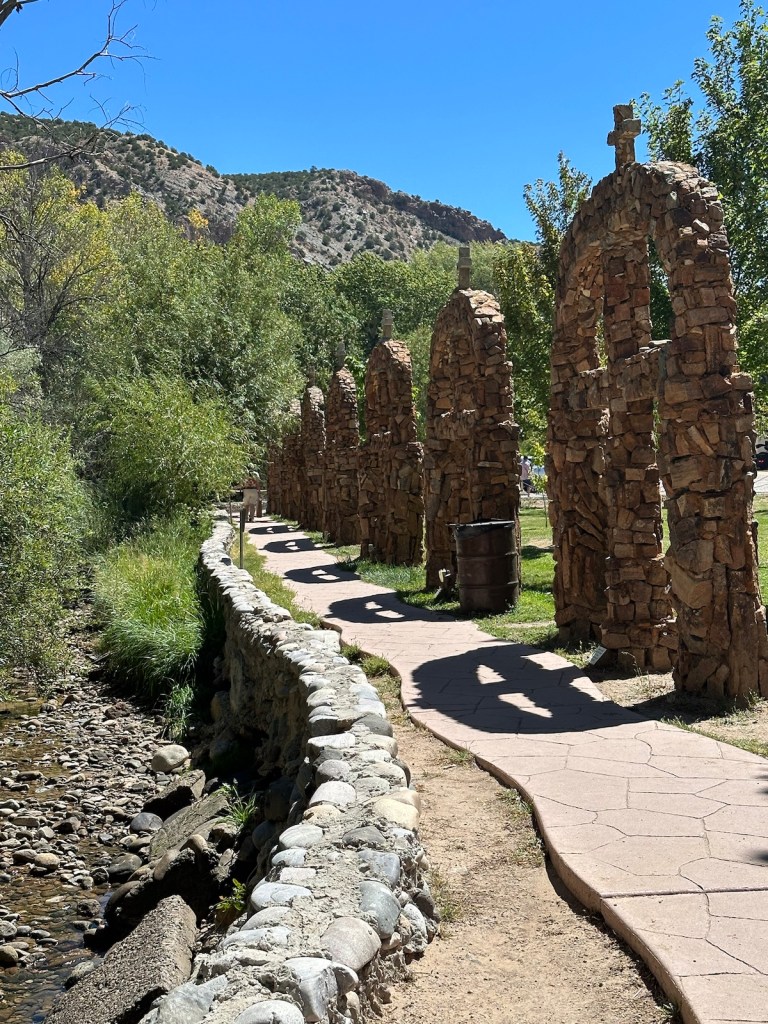
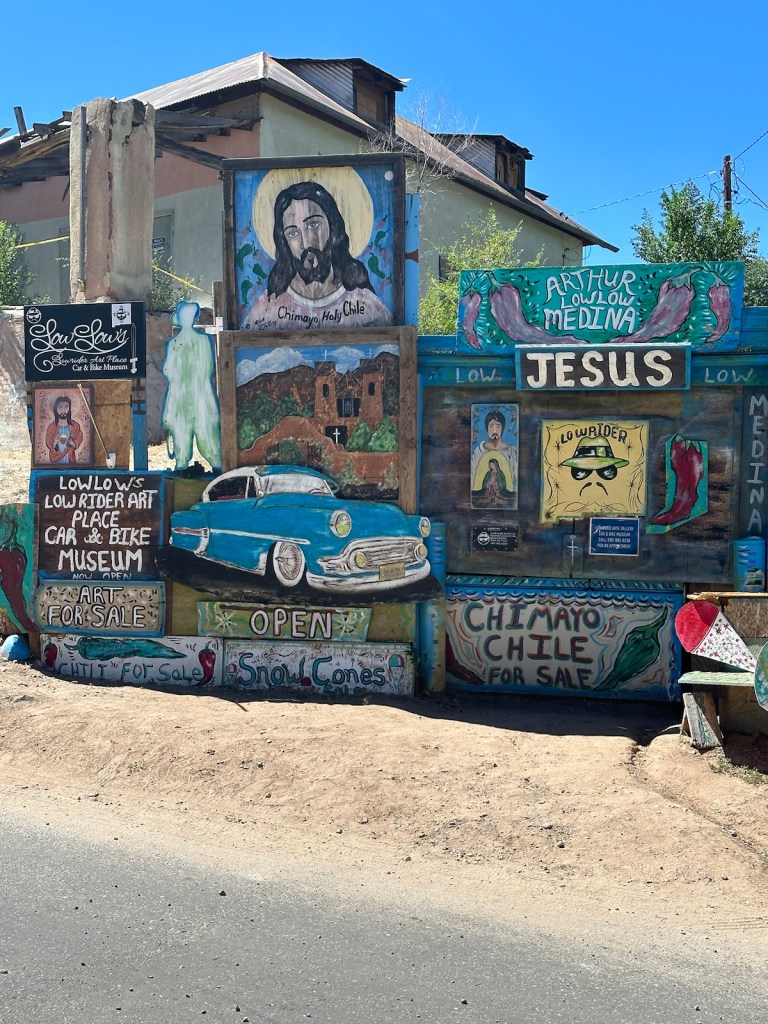
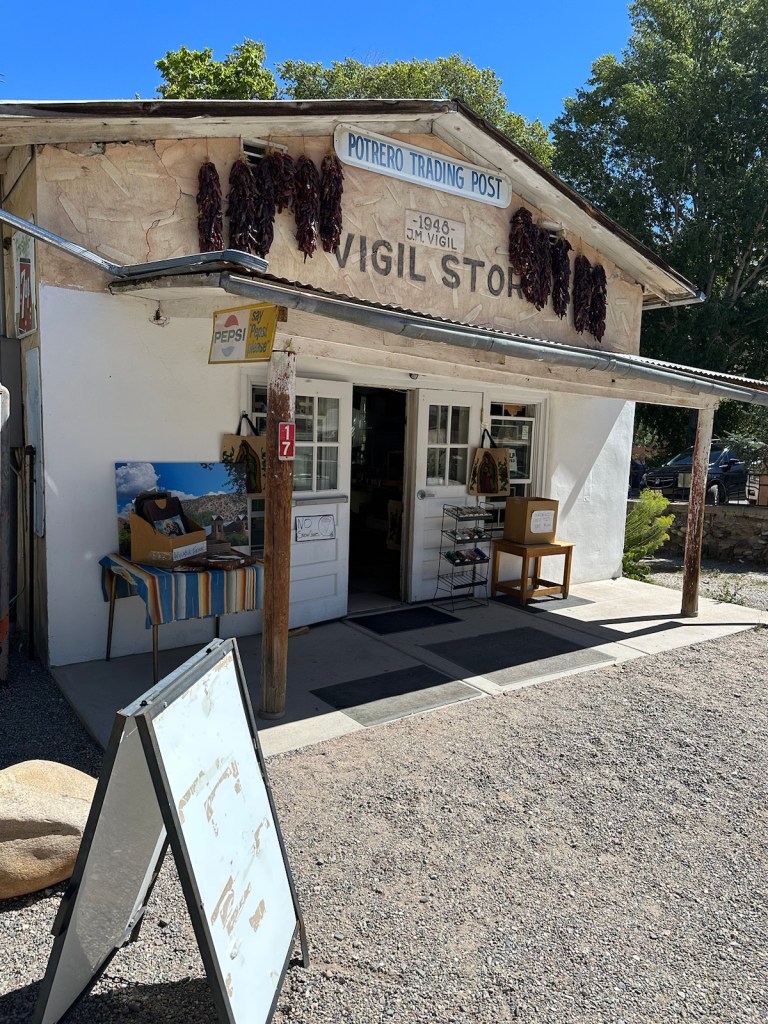
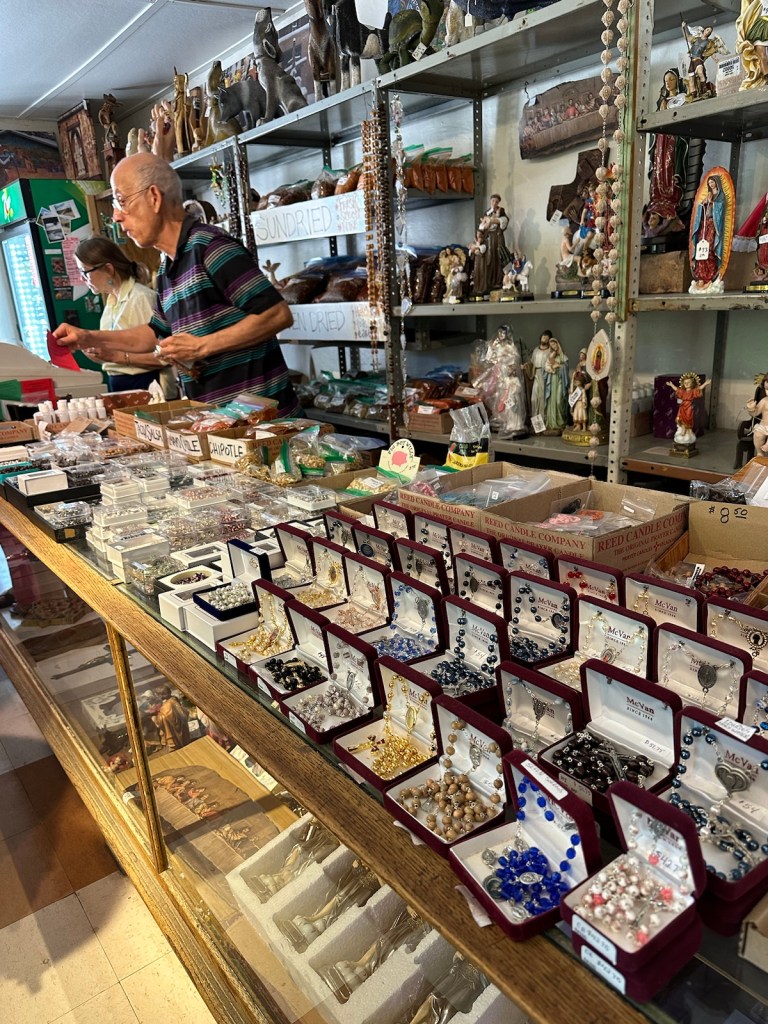
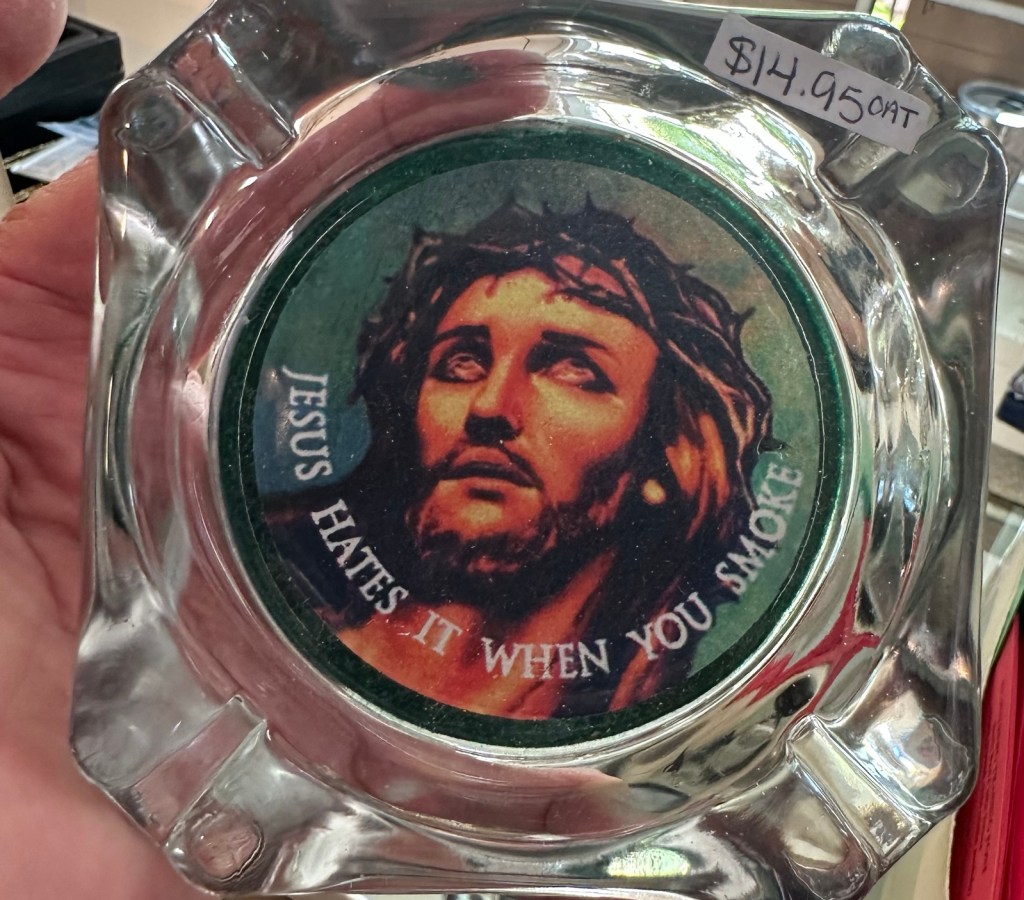
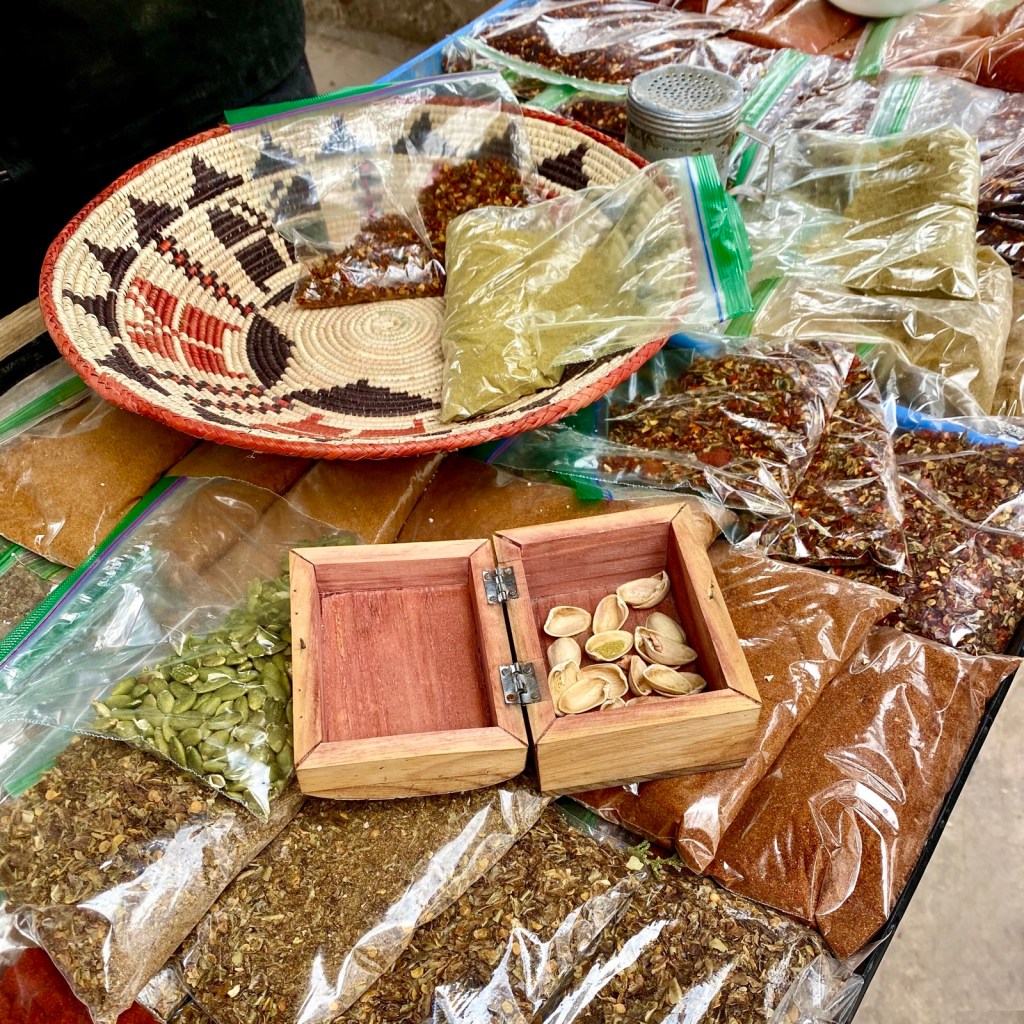

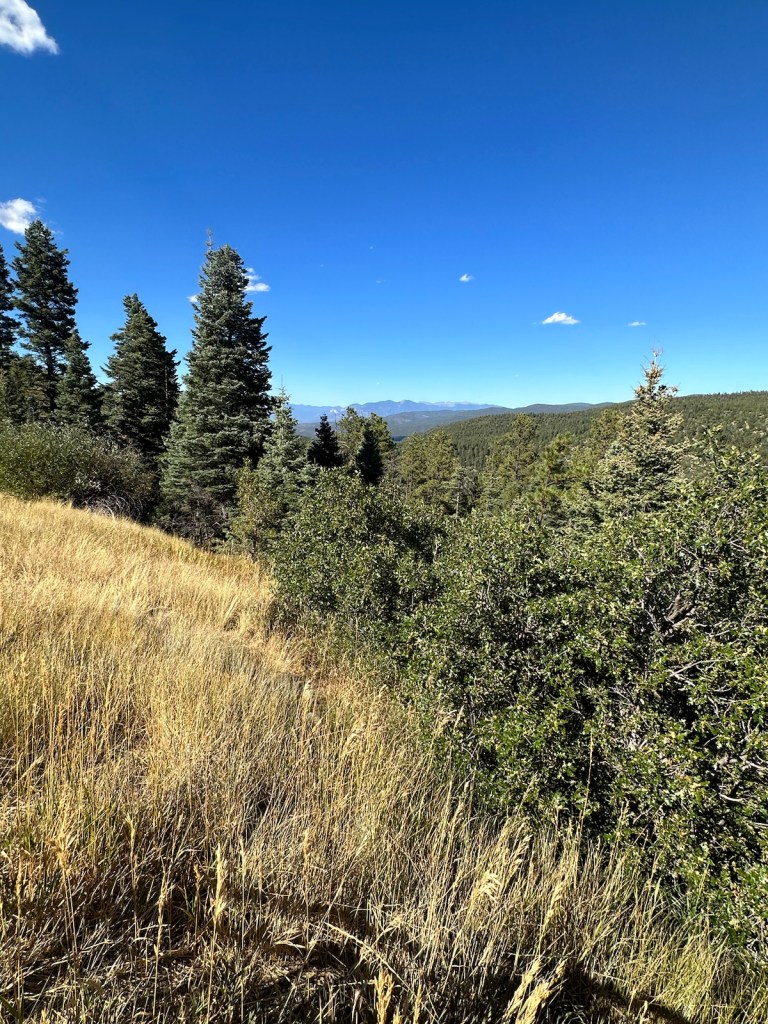
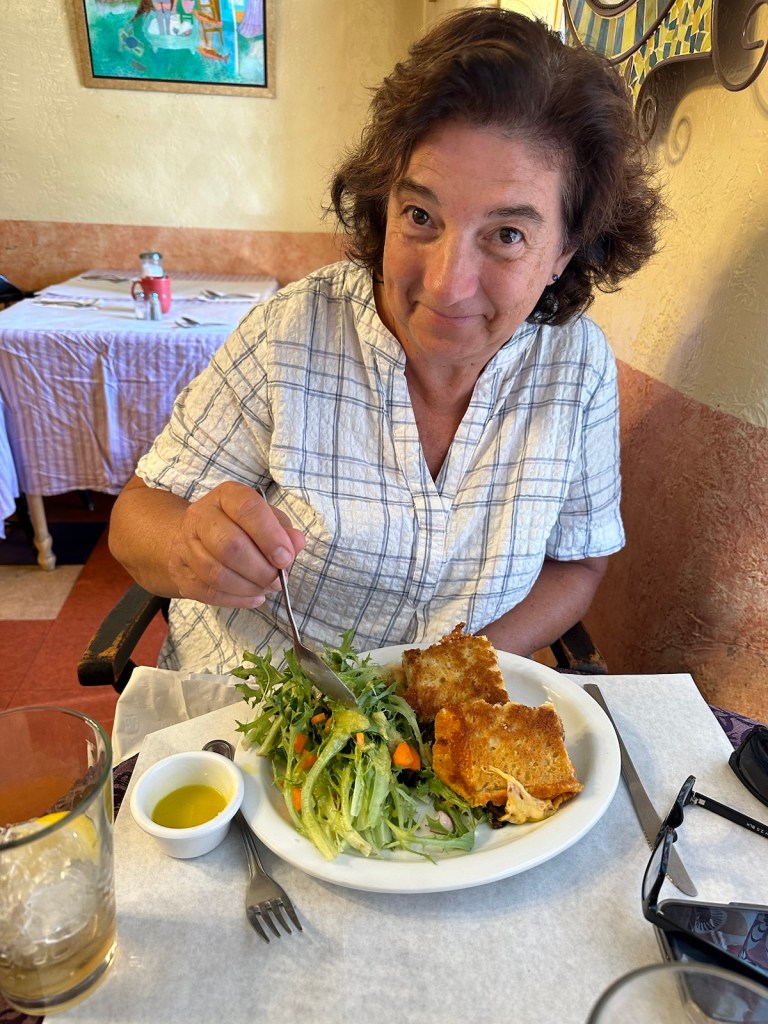
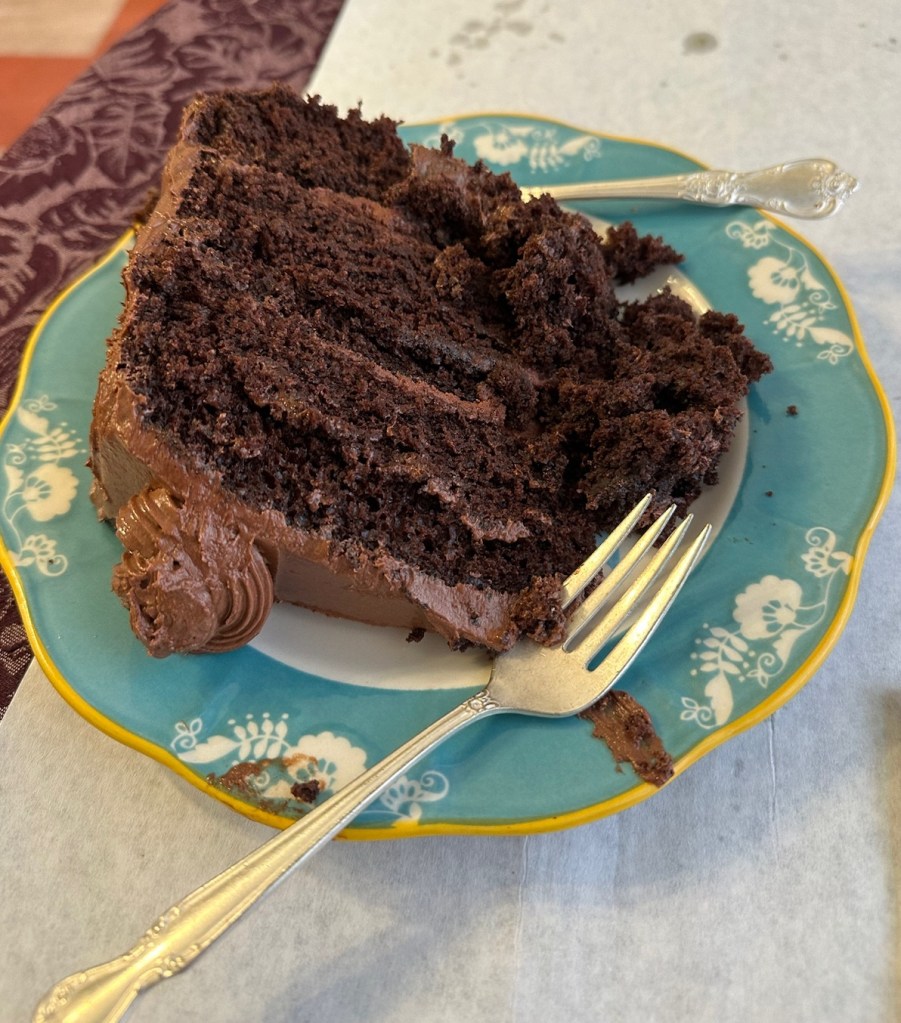

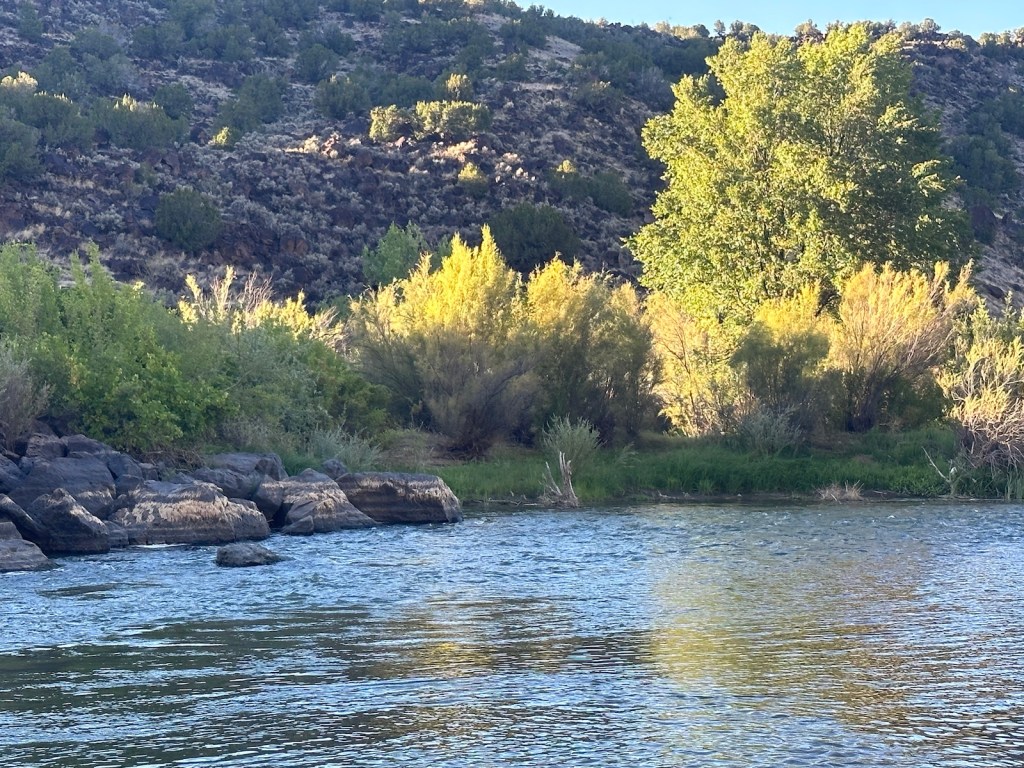



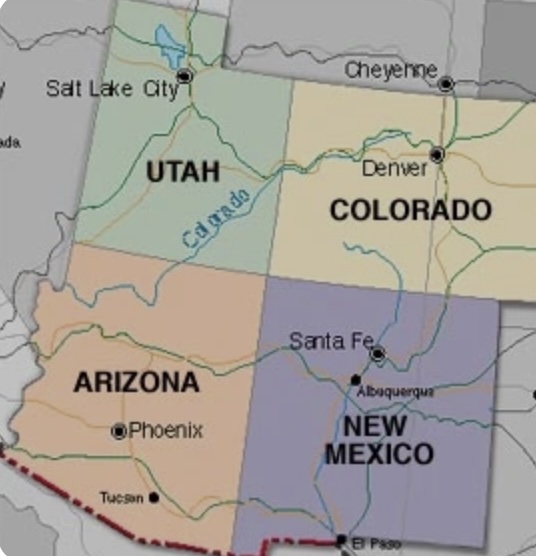
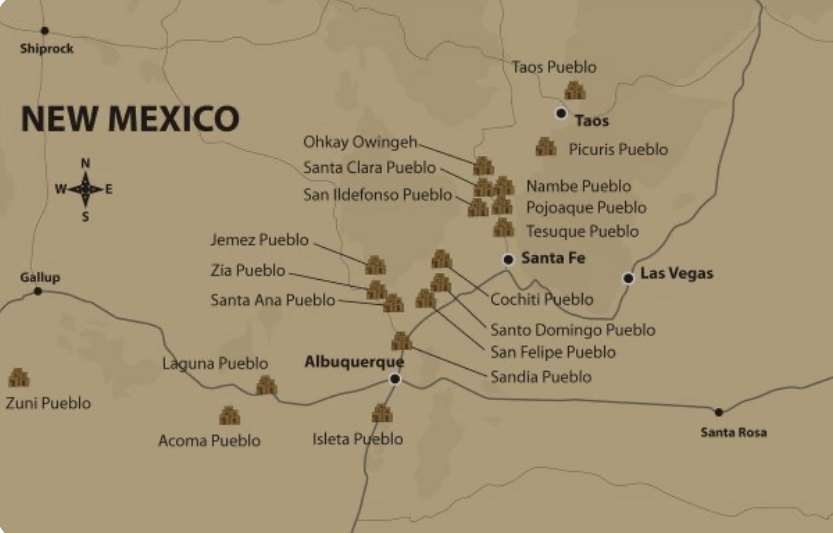
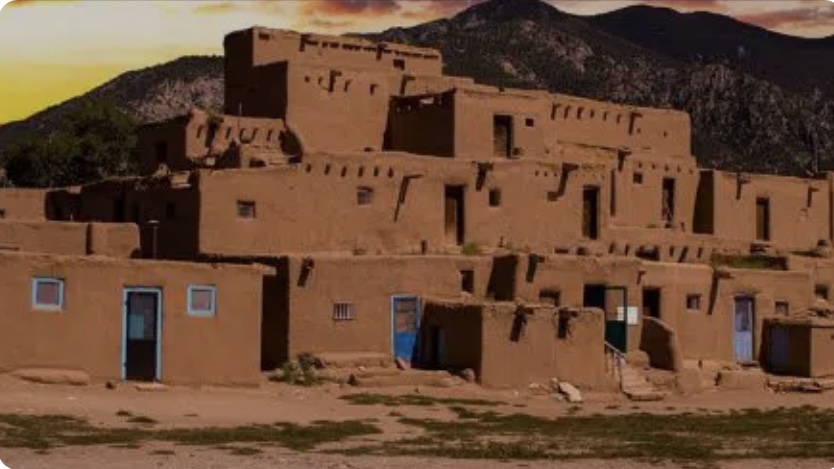
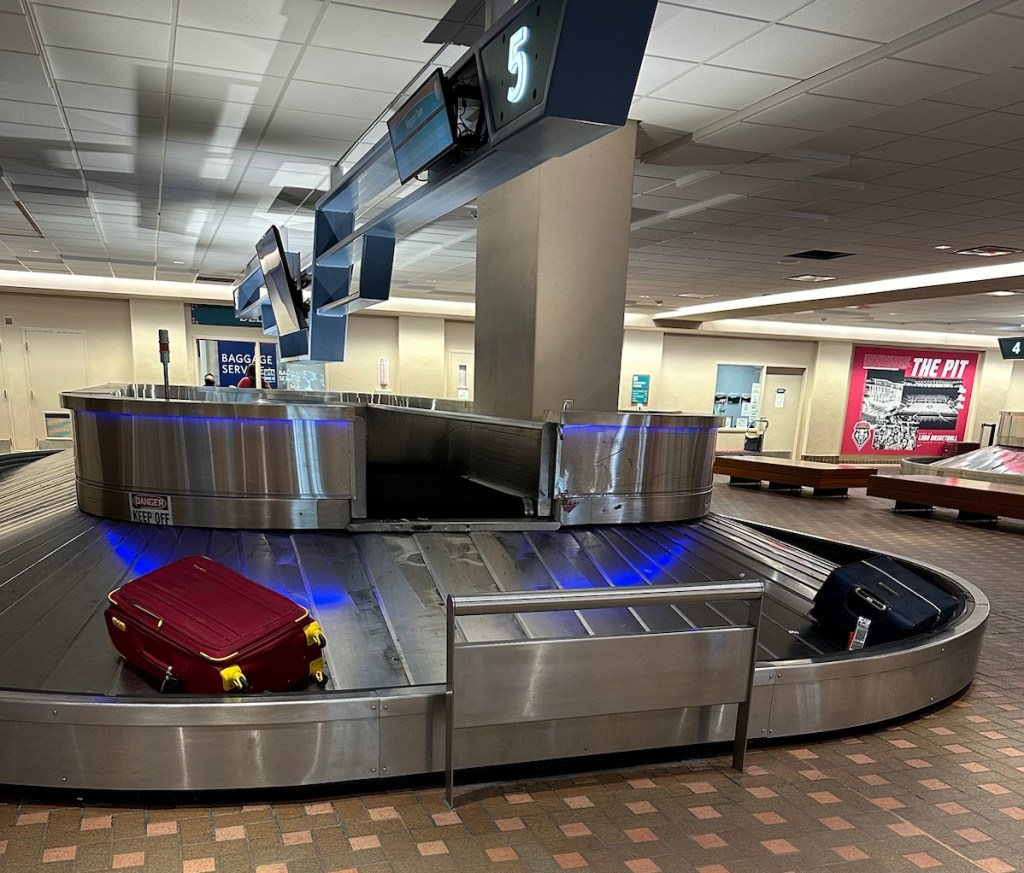
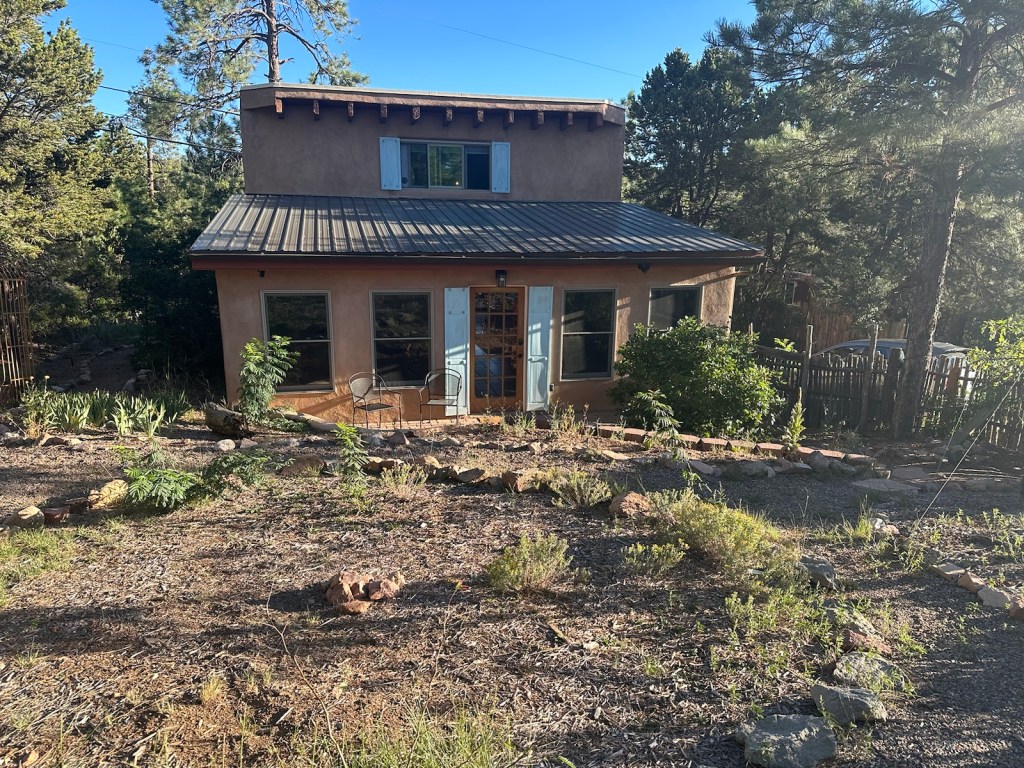
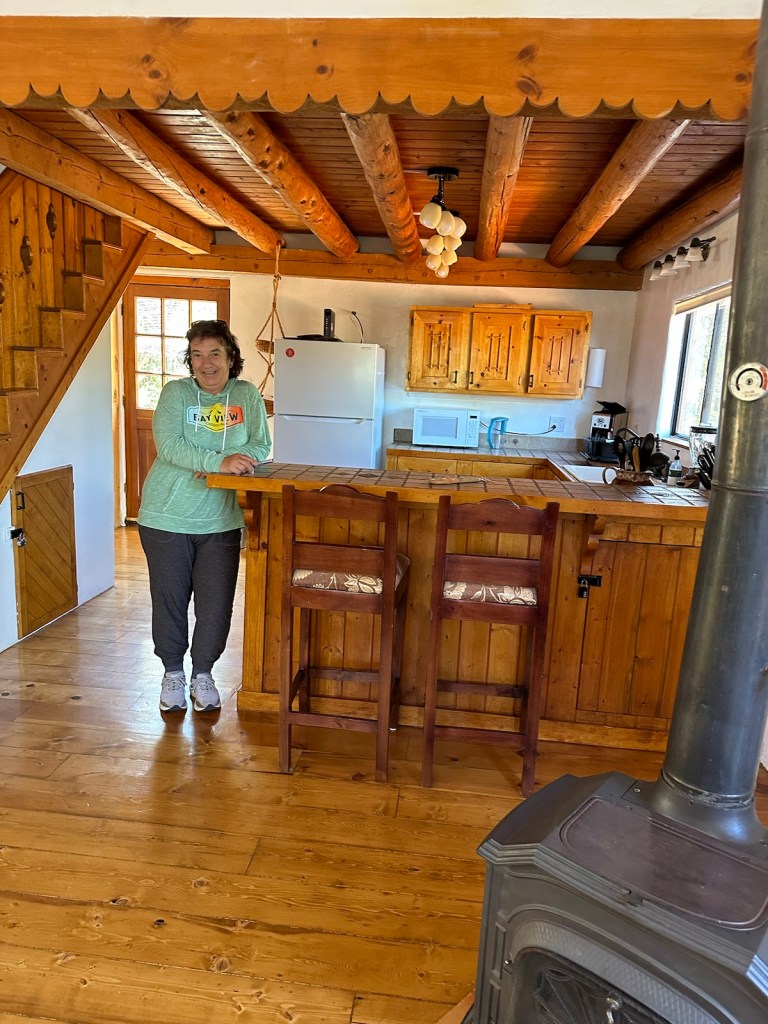
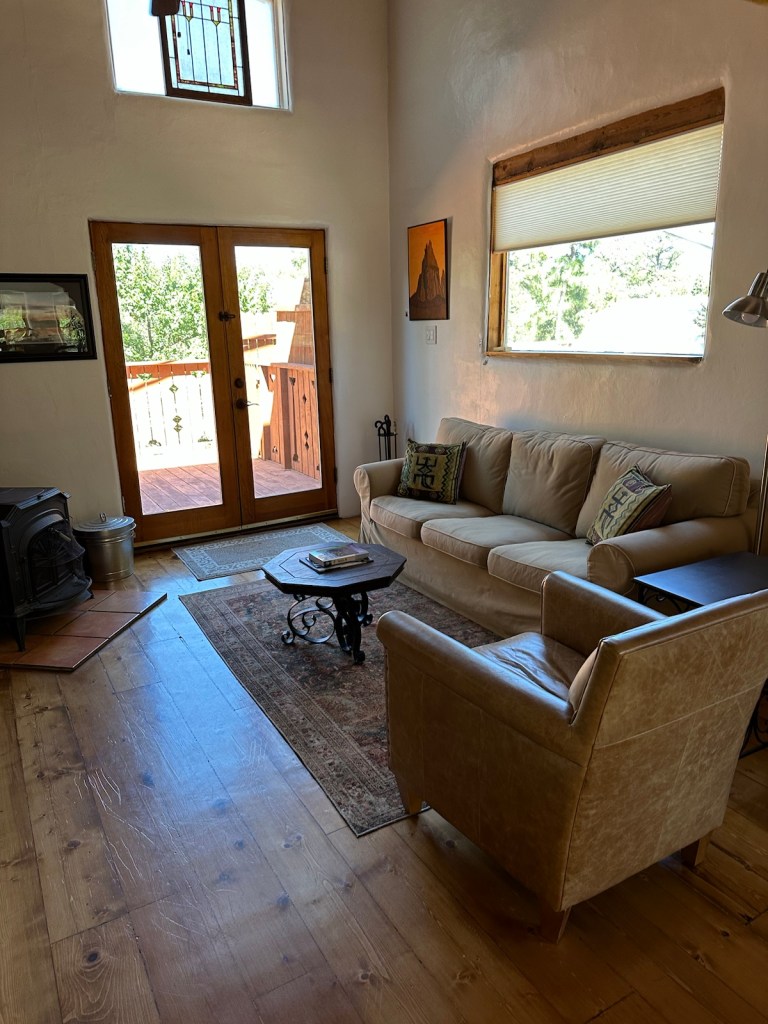
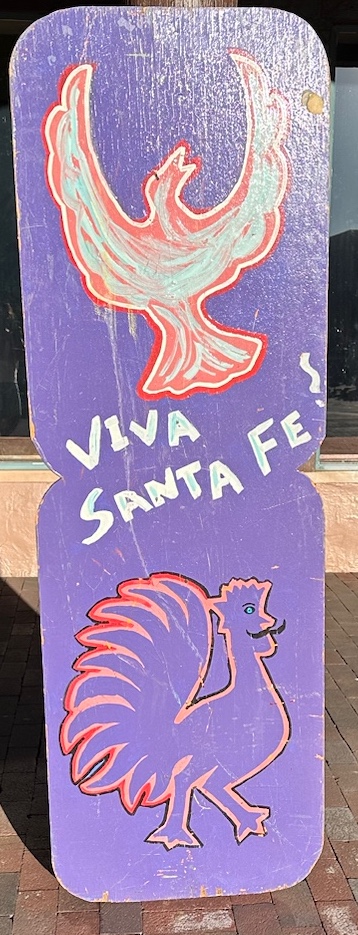
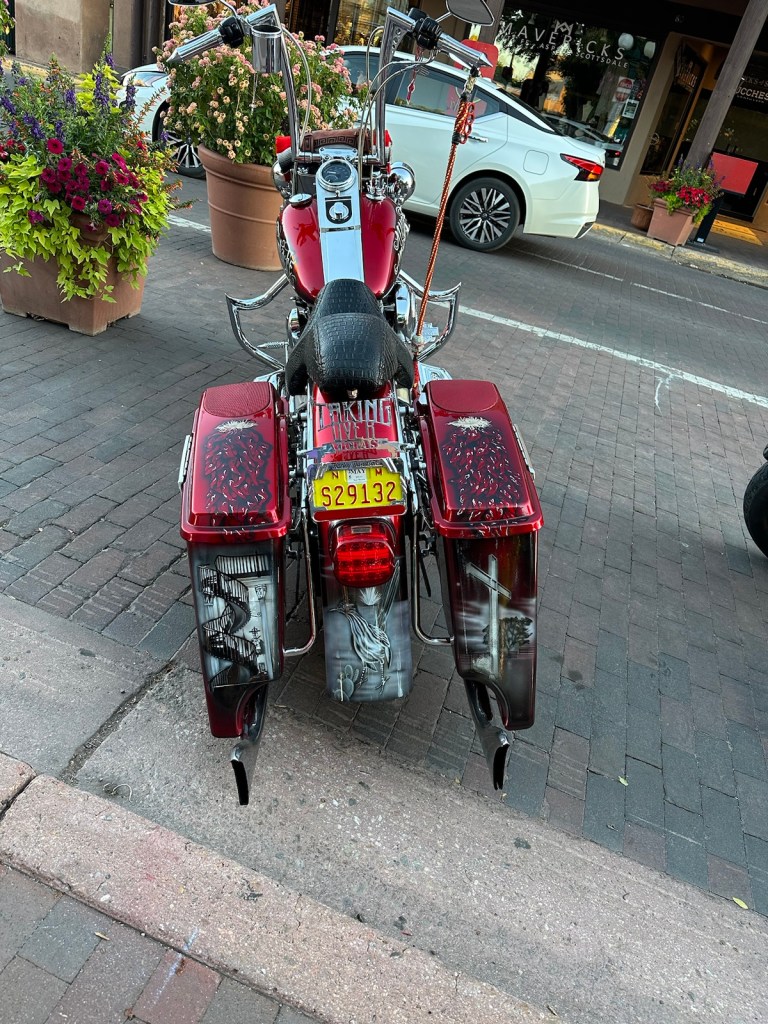
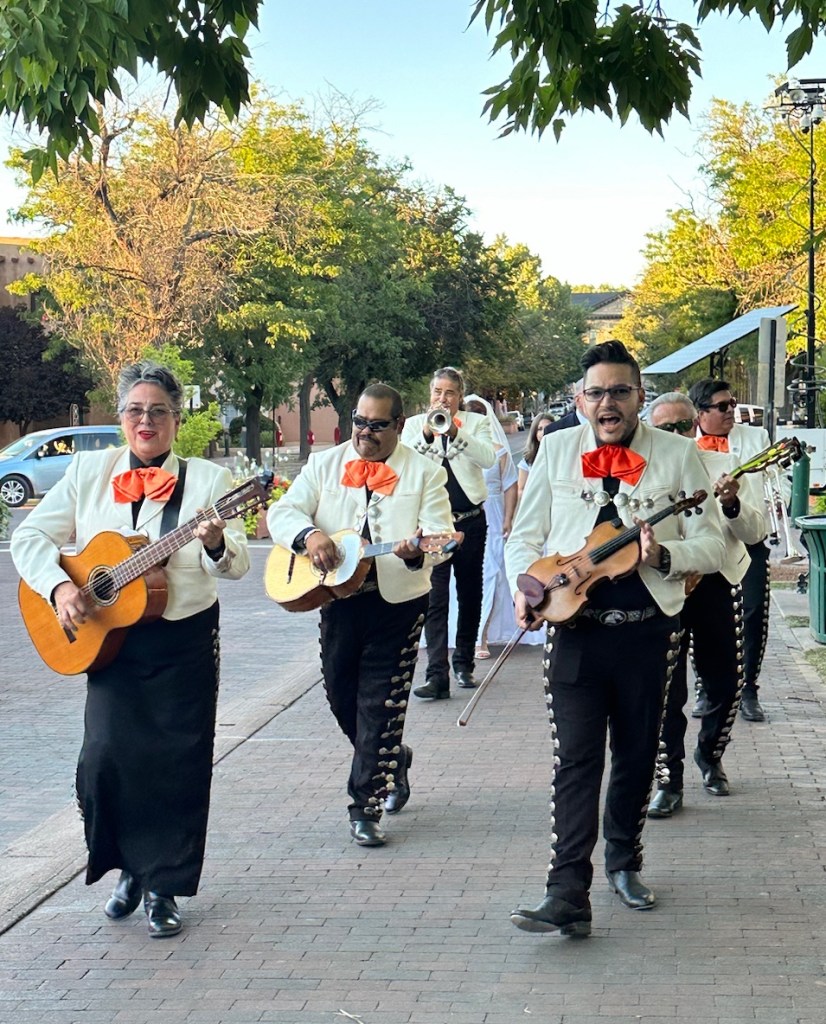
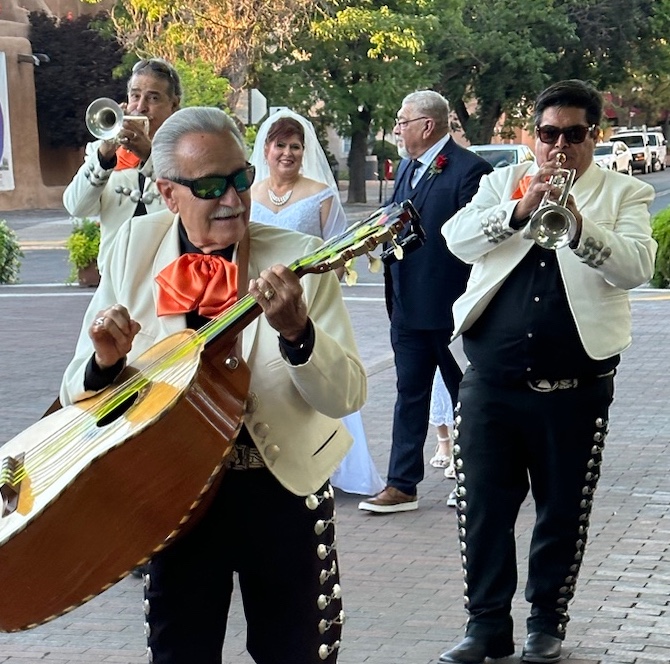


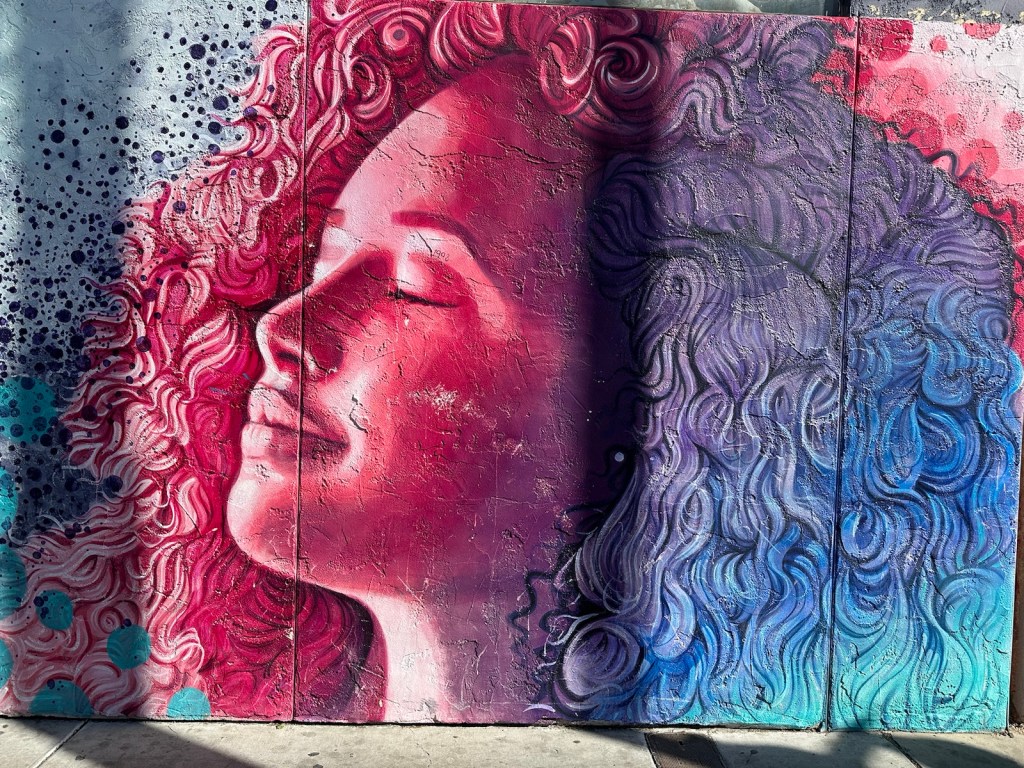

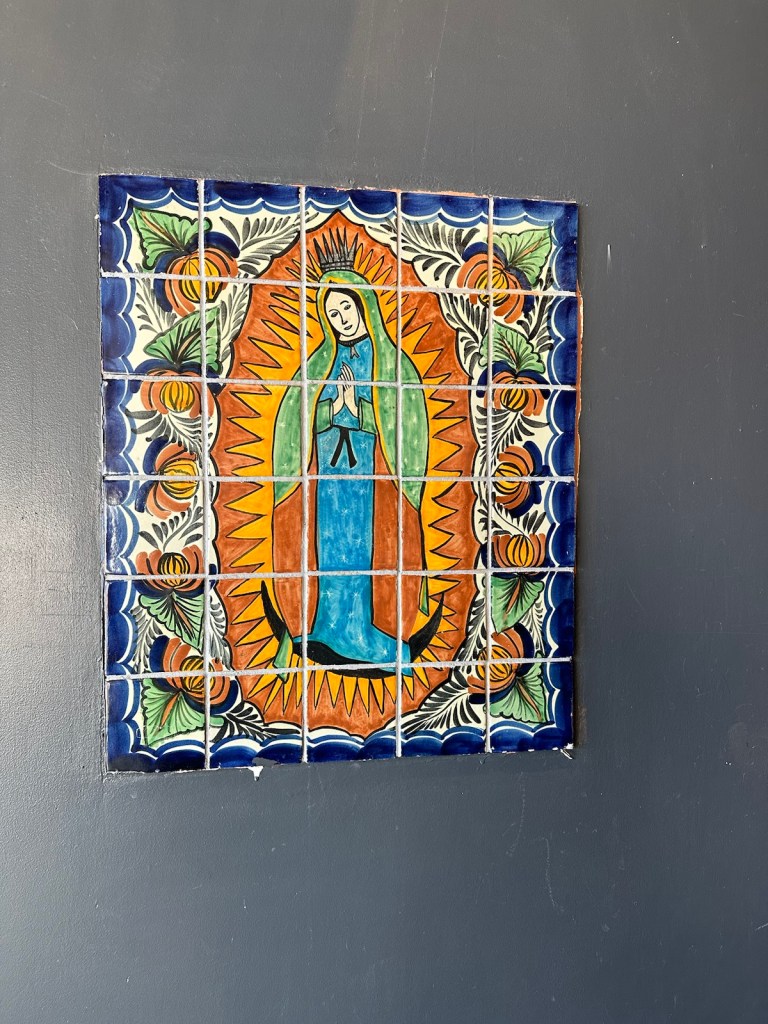
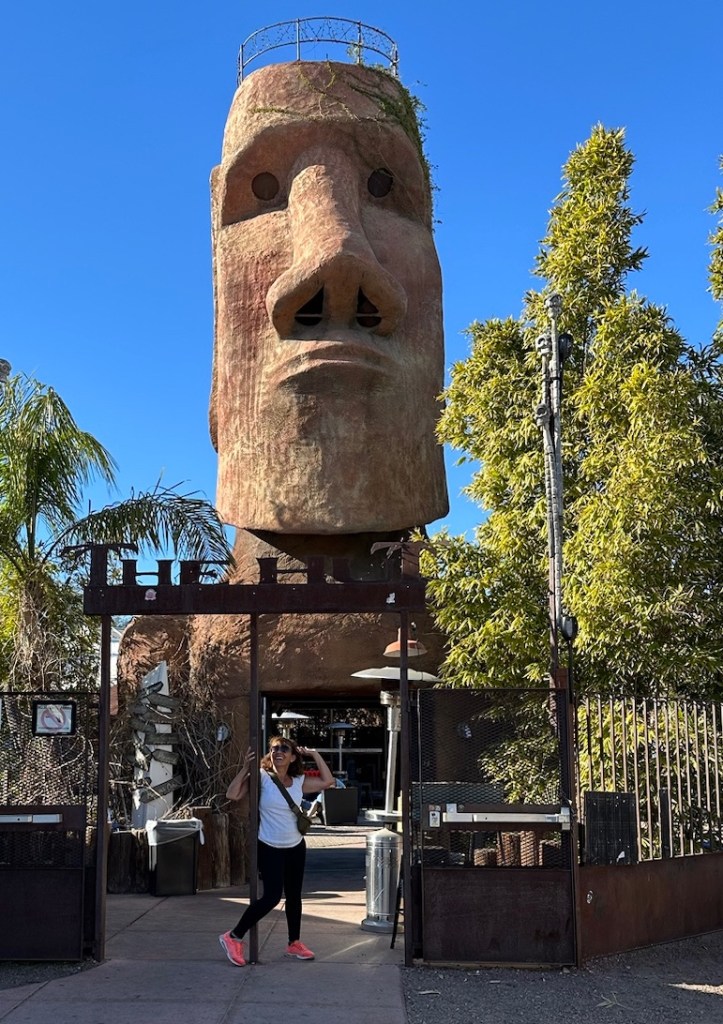


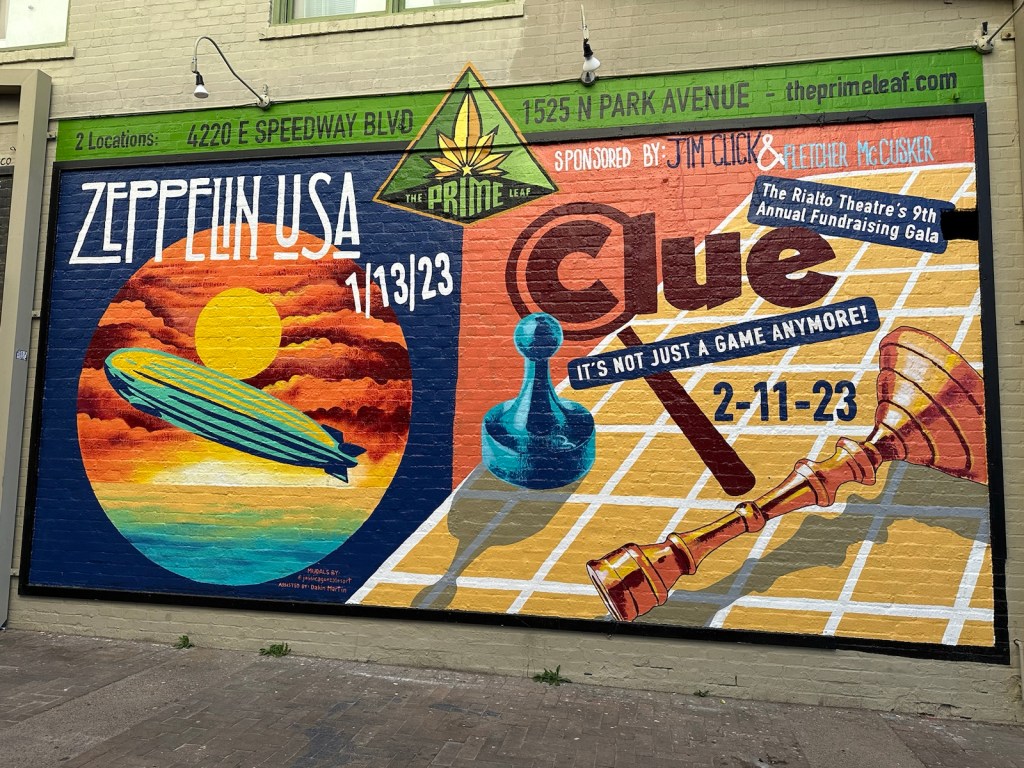
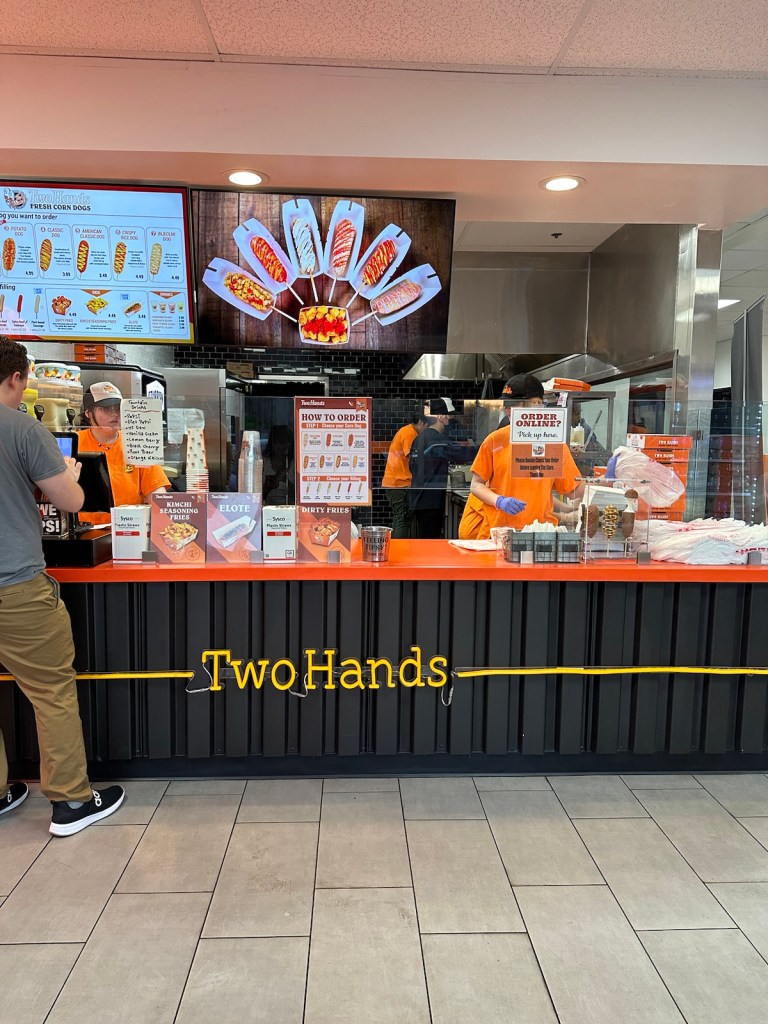
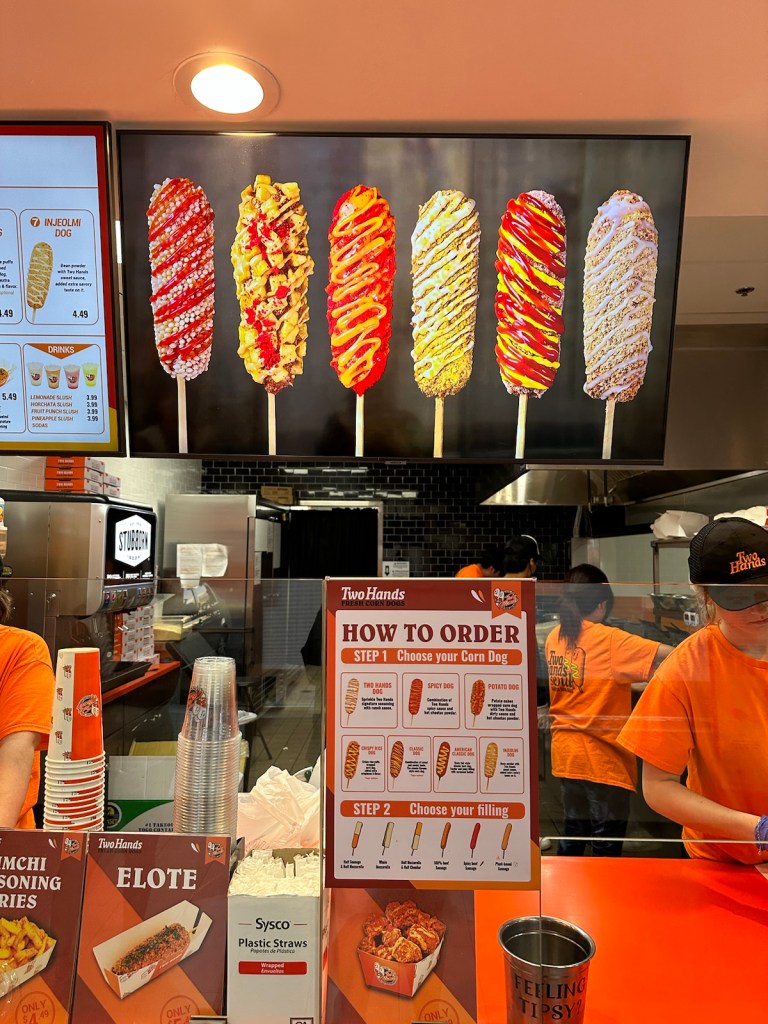
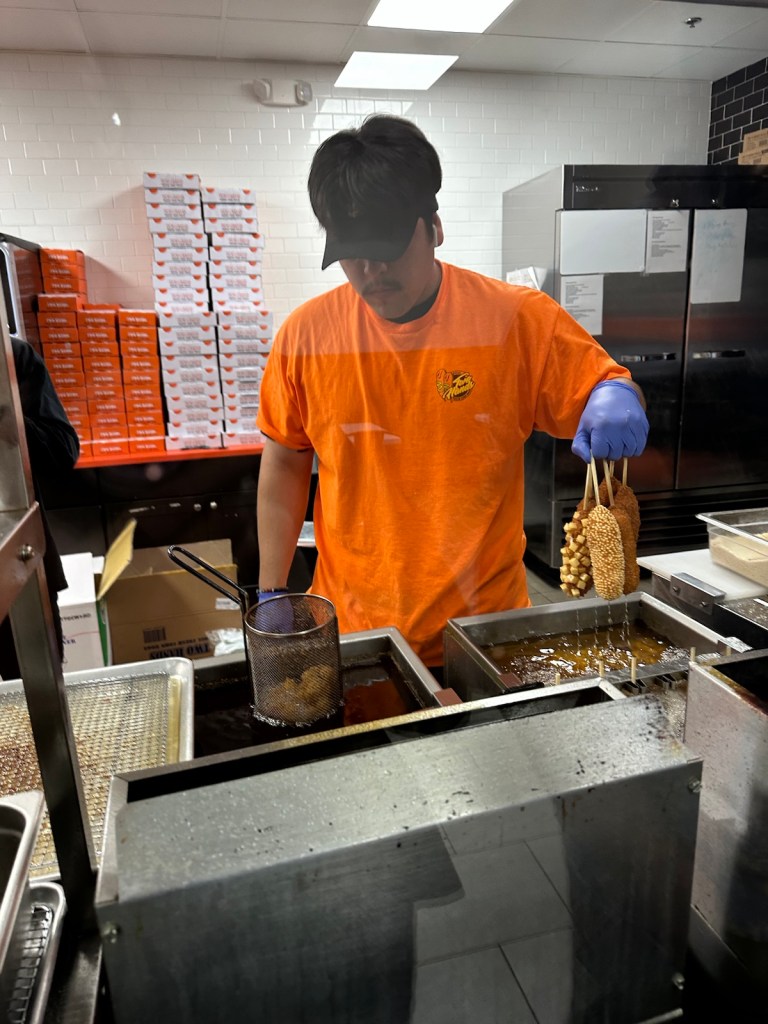
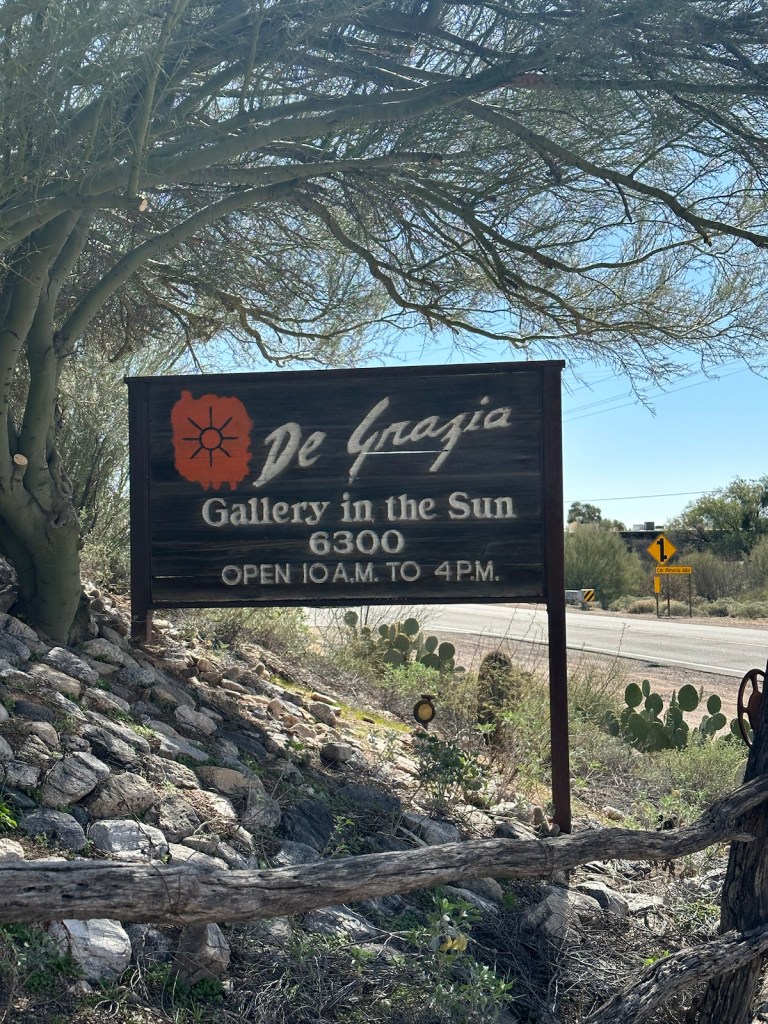
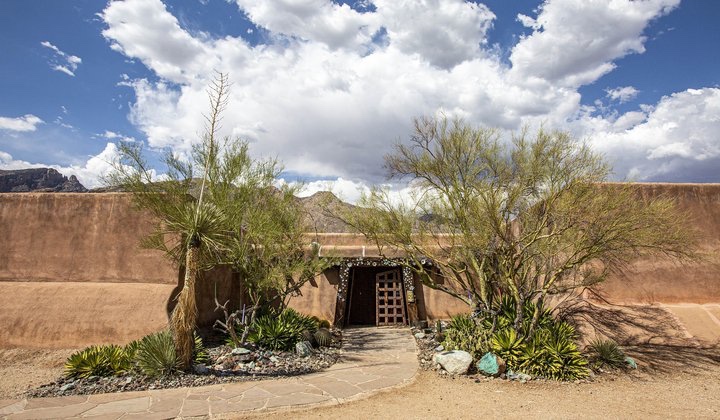
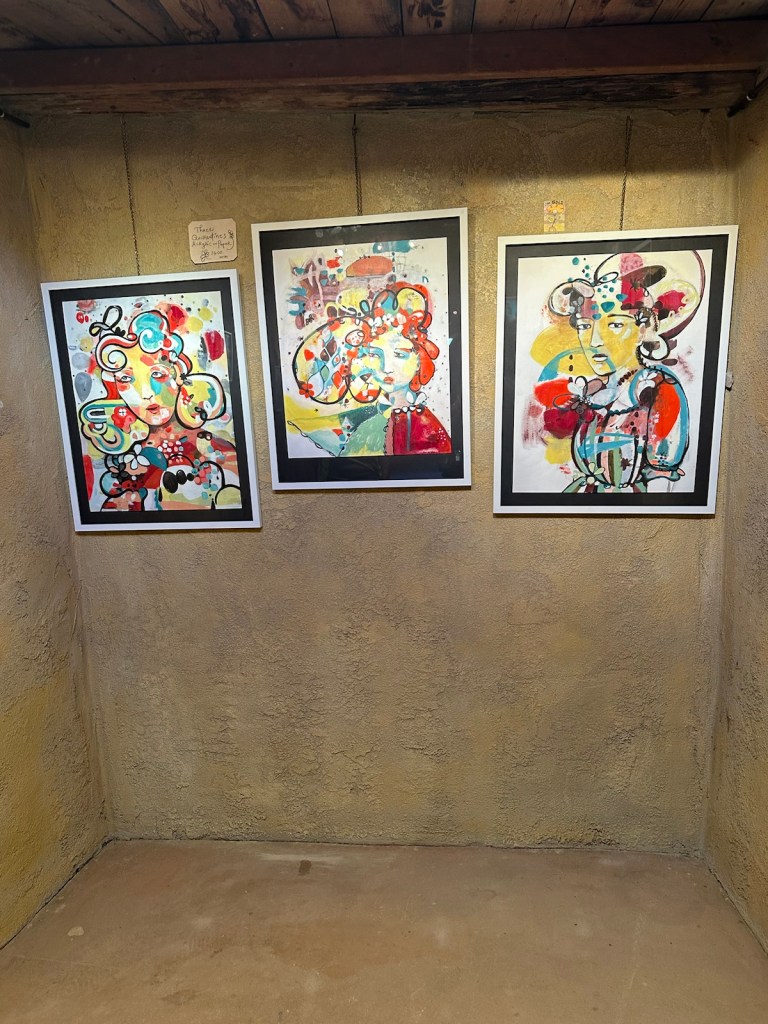
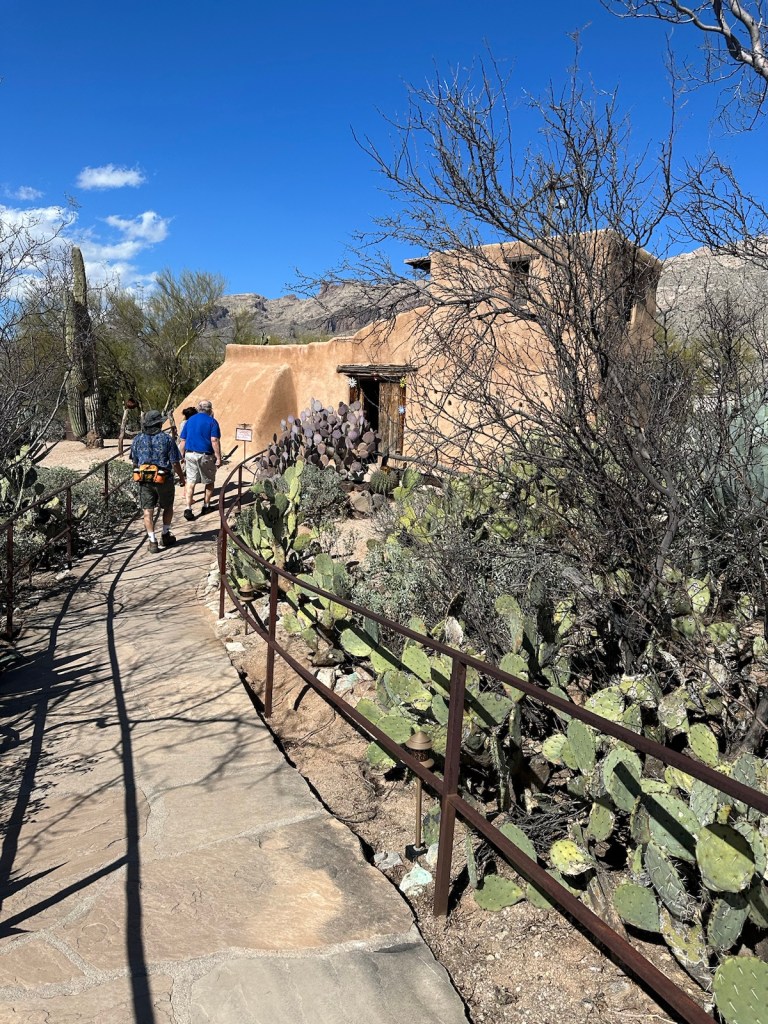
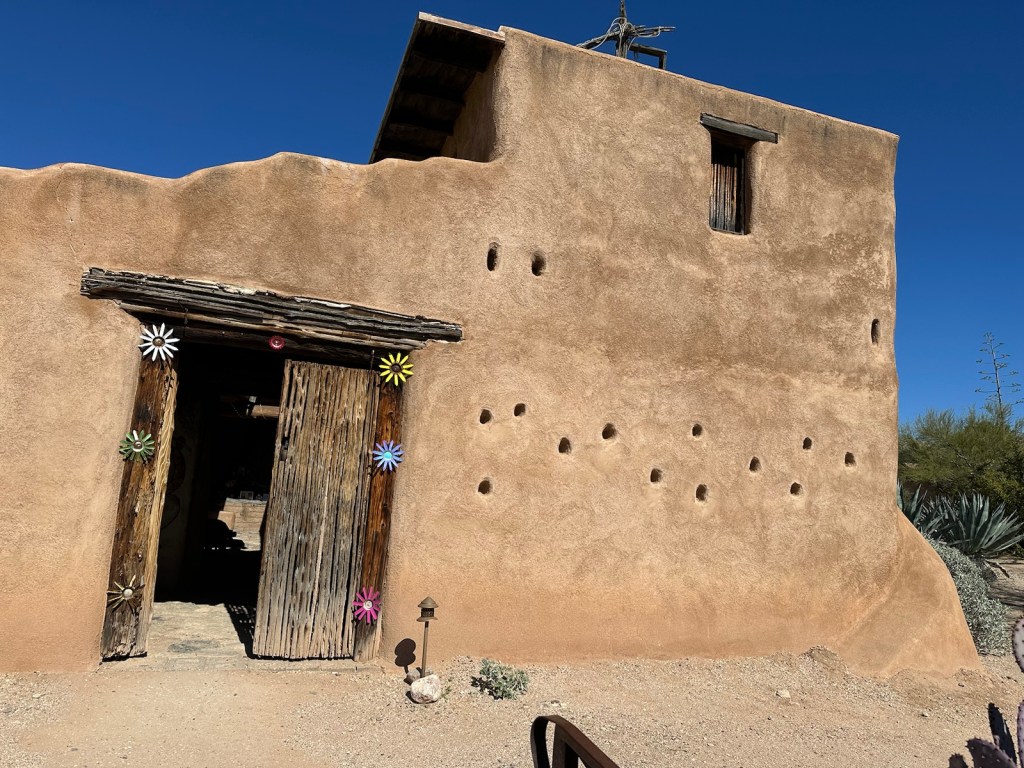
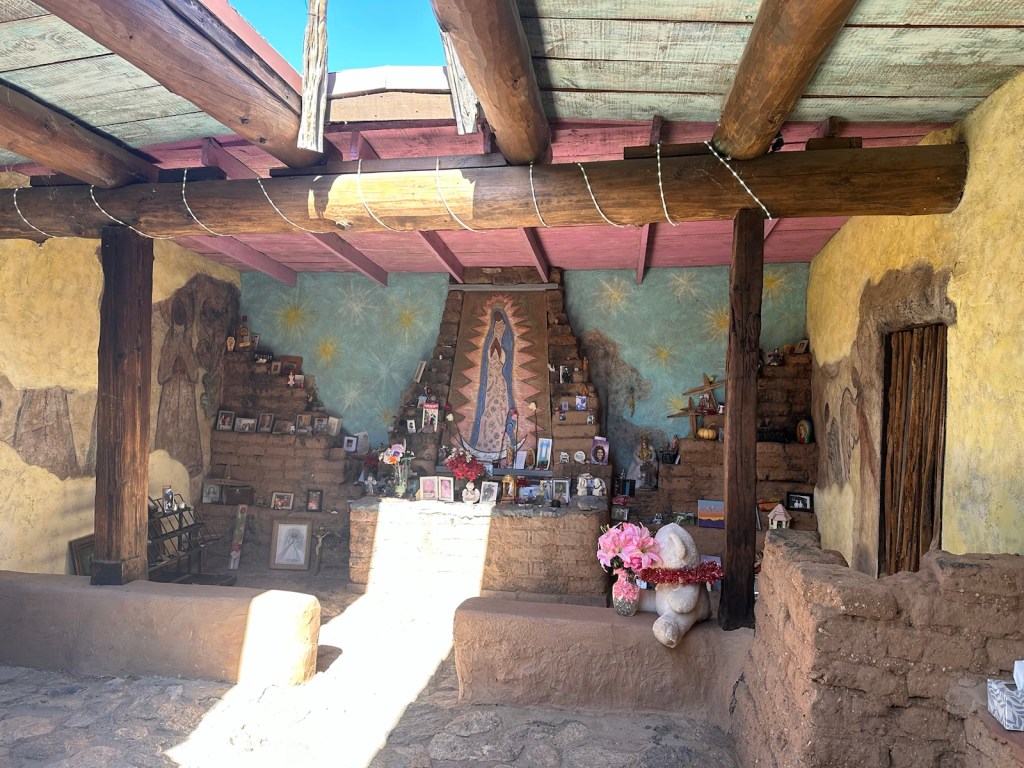
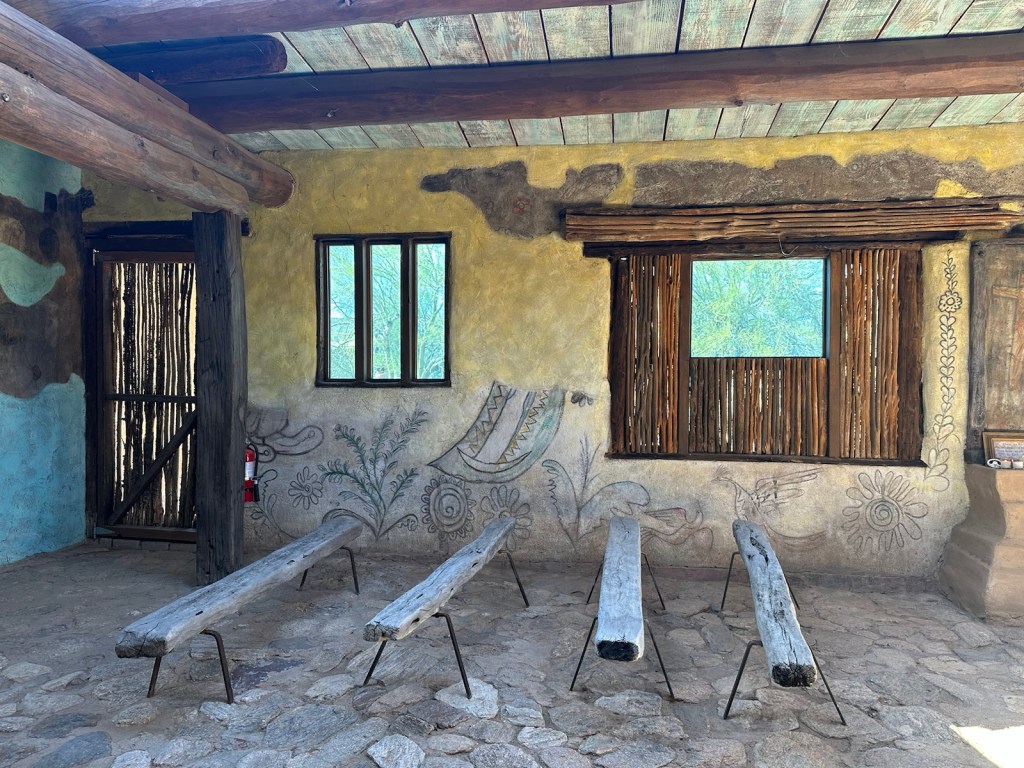

 Jane in Spain